What will define summer home design trends in 2026, and how can you adapt them to your own space without overcomplicating the process? I often notice that homeowners want interiors that feel light, fresh, and functional during warmer months, yet still stylish enough to last beyond the season. In this article, I will explore how summer home design interiors and summer home design ideas evolve toward simplicity, comfort, and visual clarity. We will look at how summer home design modern concepts combine aesthetics with practicality, and how summer home designs can transform both small and large spaces. If you are looking to refine your interior design summer home, this guide will help you approach your summer design home with confidence and purpose. I will also share practical insights that connect with summer decorations for home diy ideas interior design and even touches of summer vacation home work design for a balanced lifestyle.
Summer Home Design Trends 2026 With Bright And Modern Interior Concepts
In my experience, one of the most noticeable directions in summer home design trends is the shift toward bright, open interiors that emphasize natural light and visual calmness. I focus on creating spaces where sunlight becomes a central design element, reflecting off neutral surfaces and enhancing the overall mood. These summer home design interiors often rely on soft whites, warm beige tones, and subtle pastels to avoid visual heaviness. I find that such an approach makes any home feel more spacious and breathable during the warmer months. This concept also aligns well with modern expectations of comfort and simplicity. The result is a space that feels both refreshing and timeless.
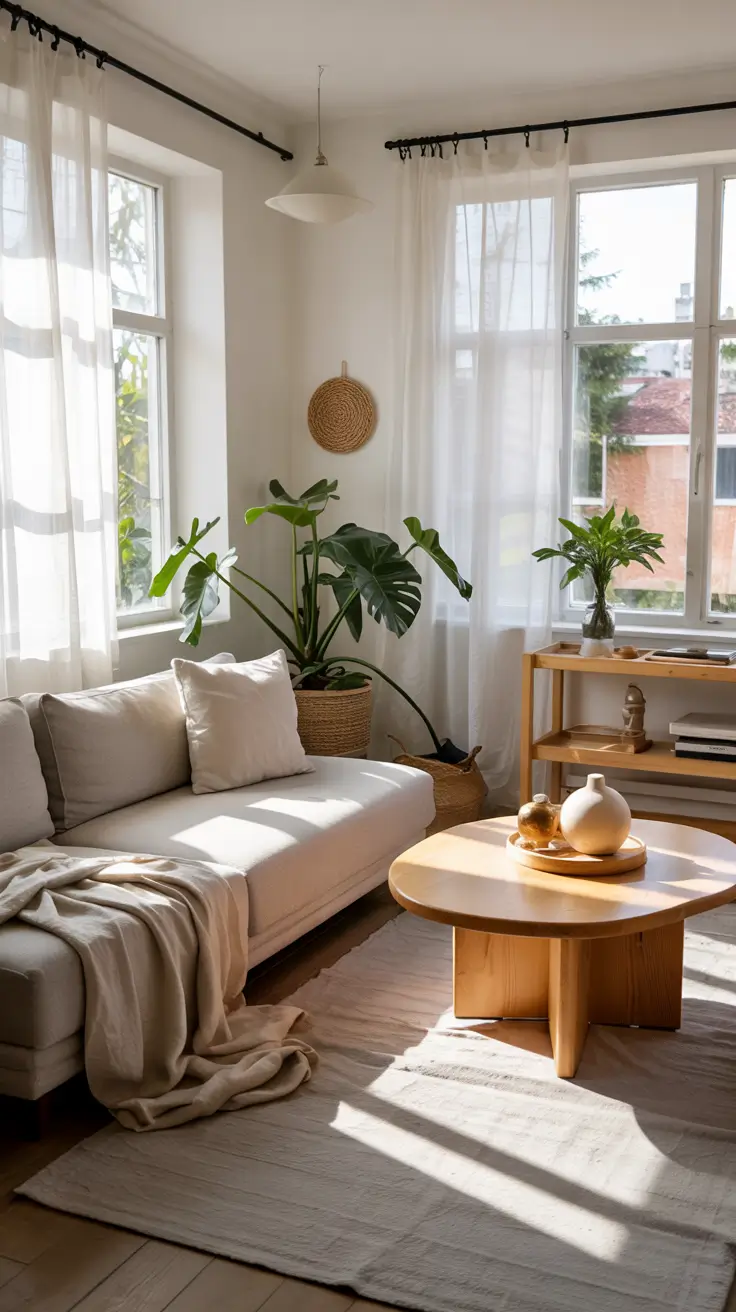
When designing these interiors, I prioritize furniture with clean lines and lightweight materials. I often include linen sofas, wooden coffee tables, and minimalist shelving to support a balanced summer home design modern aesthetic. Decorative elements such as sheer curtains, light rugs, and ceramic accessories help maintain the airy atmosphere. I also recommend integrating indoor plants, as they bring life and reinforce the connection with nature. Each element plays a role in supporting both function and visual harmony. This approach ensures that summer home designs remain practical for daily living.
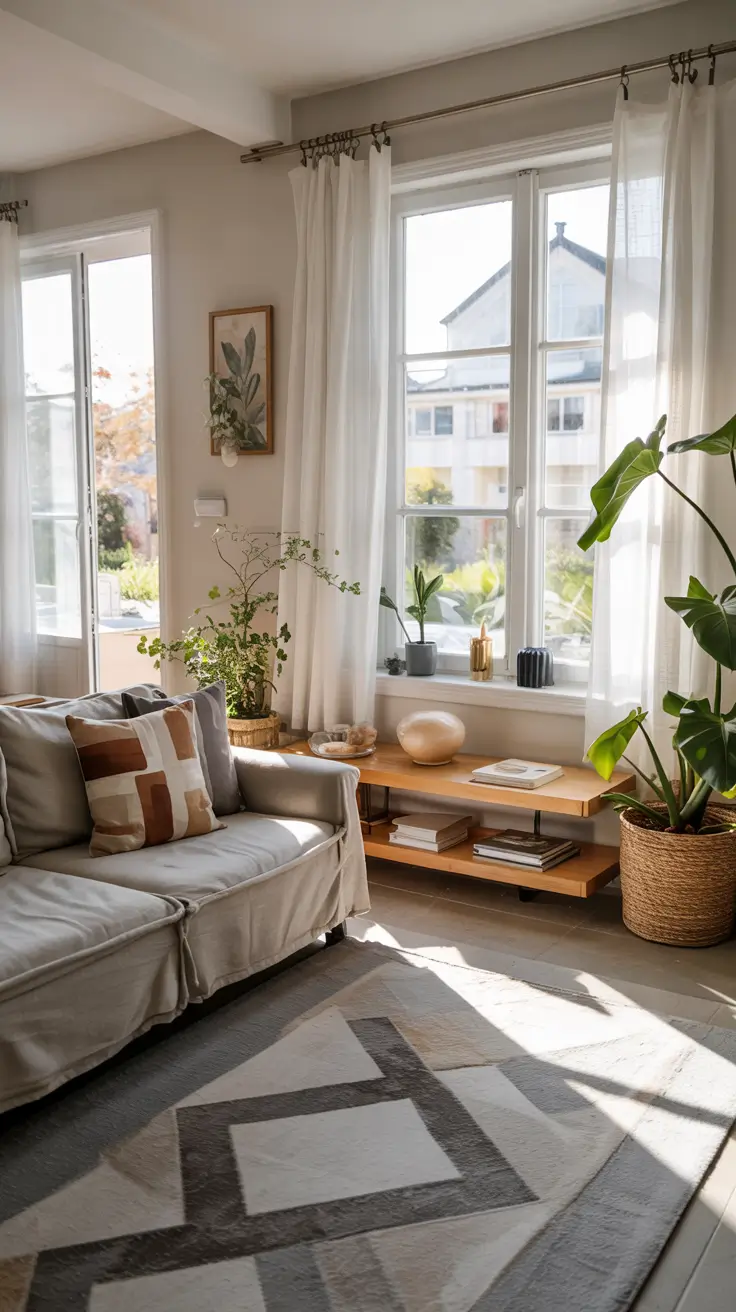
Personally, I believe that bright interiors are not just about aesthetics but about improving everyday well-being. Publications like Architectural Digest often emphasize the importance of natural light in enhancing mood and productivity, and I fully agree with that perspective. In my projects, I have seen how even small adjustments, such as replacing heavy drapes with sheer fabrics, can completely transform a room. I always advise keeping decor intentional and avoiding unnecessary clutter. A well-balanced space supports relaxation and focus at the same time. This is especially important for those combining leisure and work at home.
To improve this section, I would include more examples of lighting layouts and specific material combinations. I would also expand on how artificial lighting can complement natural light during evenings. Additionally, I would suggest exploring regional variations in sunlight and how they influence design choices. Including floor plan ideas could further enhance understanding. These additions would make the concept even more actionable.
Modern Summer Home Design Interiors With Light And Airy Layouts
I often design summer home design interiors with layouts that prioritize openness and flexibility. Removing unnecessary partitions and creating flow between spaces is essential for achieving a light and airy feel. I focus on allowing natural movement between the living room, kitchen, and dining area. This approach enhances both functionality and visual continuity. It also aligns with how people naturally use their homes during summer. Open layouts support both relaxation and social interaction.
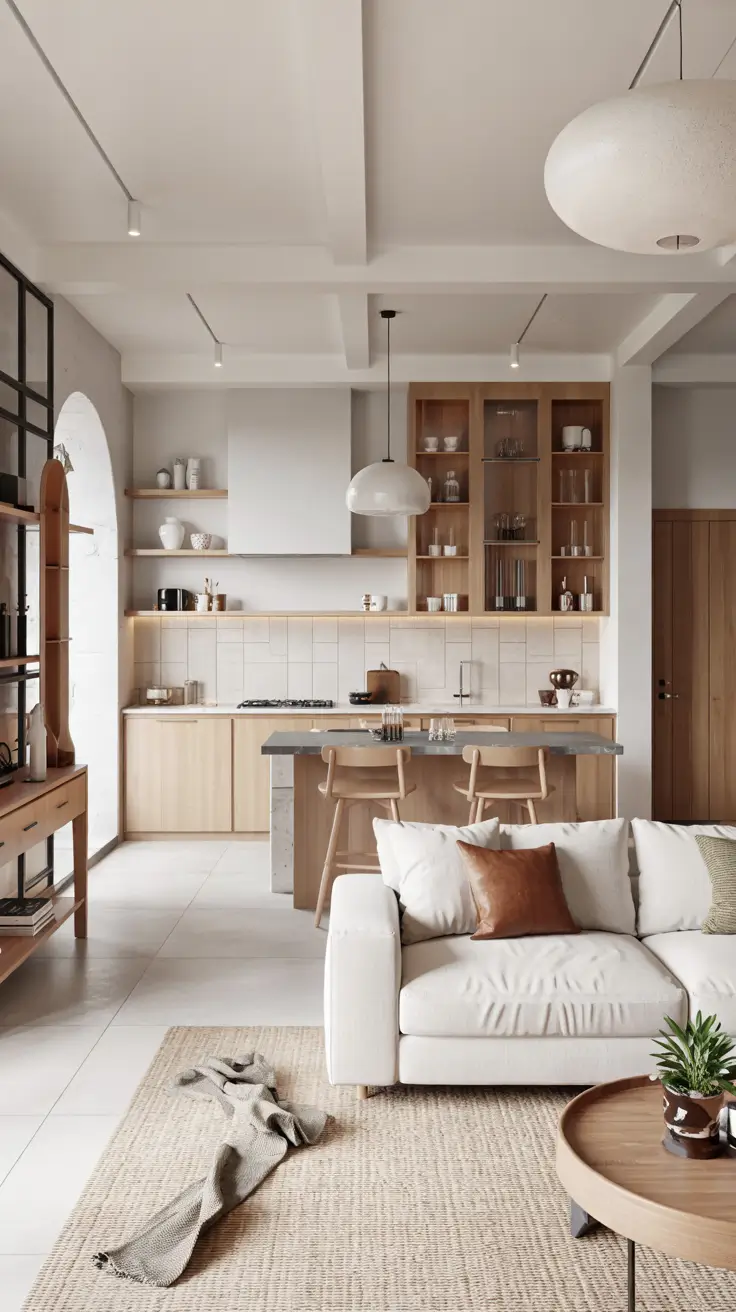
In terms of furniture, I choose pieces that do not visually overwhelm the space. Low-profile sofas, open shelving units, and multifunctional tables are key elements in these summer home design ideas. I also recommend using glass or light wood materials to maintain transparency and lightness. Rugs should be minimal and breathable, often made from natural fibers. Storage solutions should be discreet yet accessible. Each choice contributes to a cohesive and uncluttered environment.
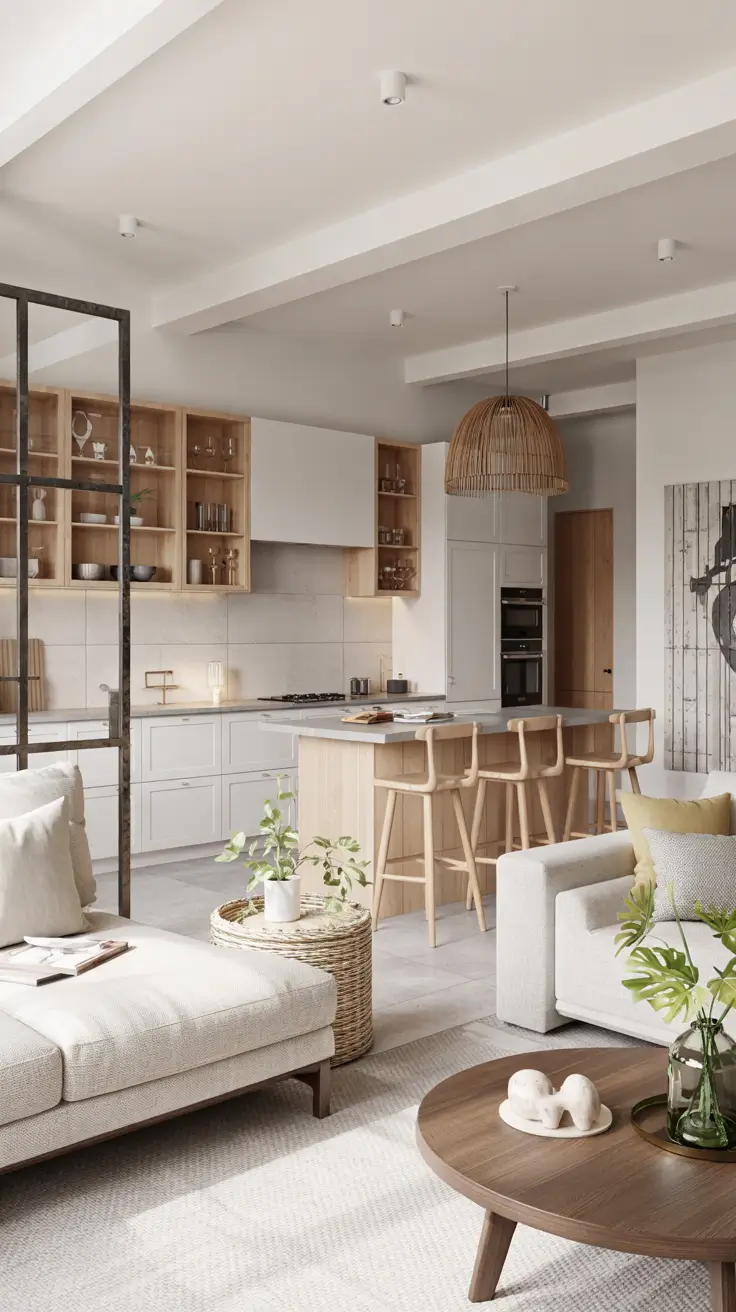
From my perspective, airy layouts are especially valuable for modern lifestyles. Many interior designers featured in Elle Decor highlight the importance of adaptable spaces, and I have seen this trend grow consistently. I often suggest creating zones rather than enclosed rooms, using furniture placement instead of walls. This allows the home to evolve with changing needs. It also supports a more relaxed and informal way of living. Such flexibility is a key aspect of summer vacation home work design.
To enhance this section, I would include more practical layout diagrams and zoning examples. I would also discuss how to adapt this concept for smaller apartments. Adding tips for balancing openness with privacy would be useful. Including acoustic considerations could improve functionality. These additions would make the guidance more comprehensive.
Creative Summer Home Design Ideas For Stylish Seasonal Living
When exploring summer home design ideas, I focus on creativity that enhances both style and comfort. Seasonal living requires adaptability, and I often incorporate elements that can be easily updated or replaced. This includes textiles, decorative accents, and small furniture pieces. I find that rotating these elements helps keep the space fresh without major renovations. It also allows for experimentation with trends. This flexibility is essential for maintaining a dynamic interior.
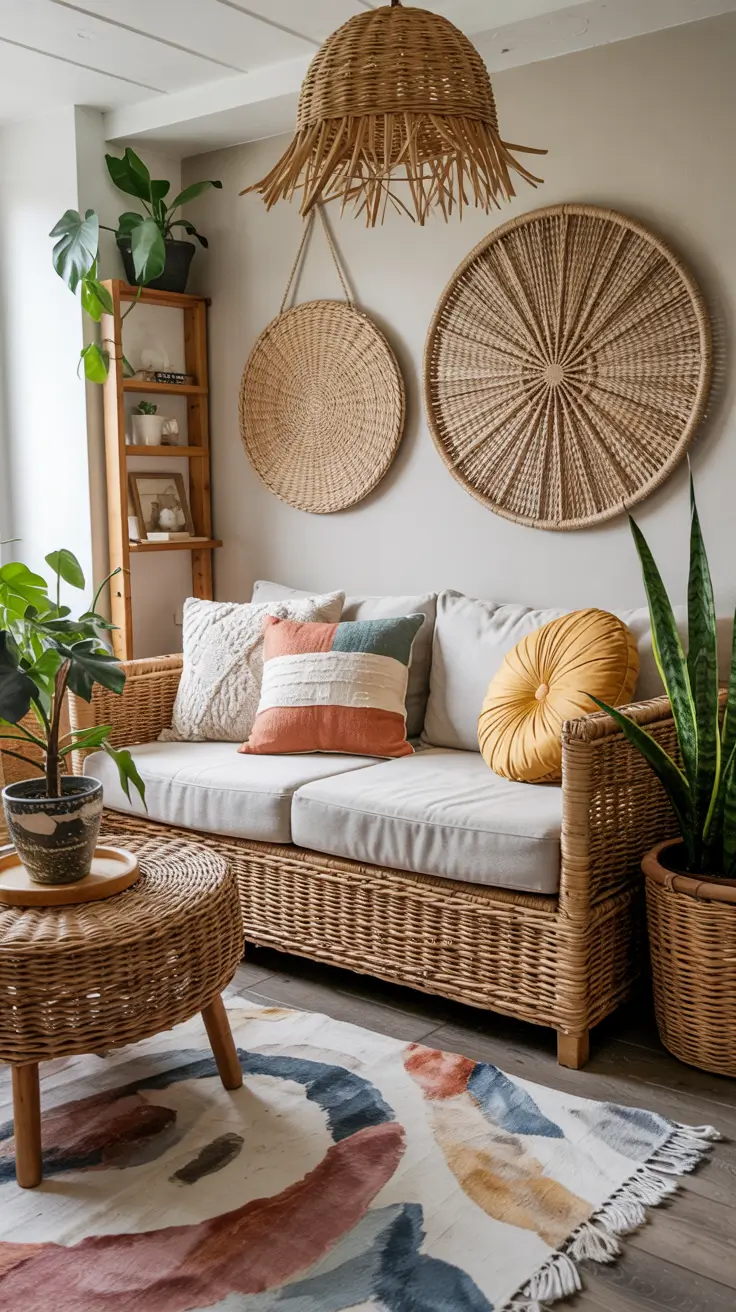
I usually recommend adding colorful cushions, lightweight throws, and artistic wall decor. These details bring personality into summer home designs without overwhelming the space. I also encourage the use of handmade decor inspired by summer decorations for home diy ideas interior design. Natural materials such as wicker, bamboo, and cotton work particularly well. Outdoor-inspired elements can also be brought indoors to enhance the seasonal feel. Each addition should feel intentional and cohesive.
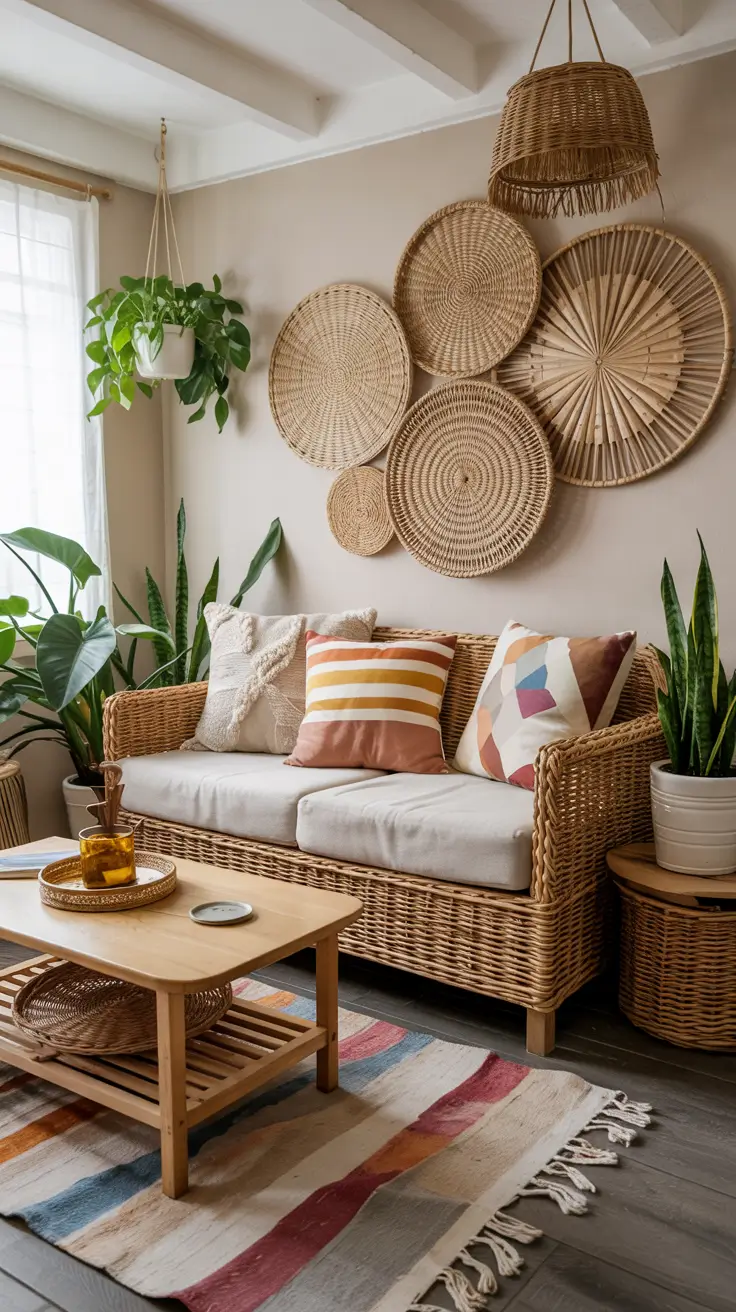
In my opinion, creativity in design should always be balanced with practicality. Many designers from House Beautiful emphasize layering textures instead of adding excessive decor, and I follow the same principle. I have found that a few well-chosen items can have a stronger impact than overcrowding a space. I also suggest focusing on personal preferences rather than blindly following trends. This ensures a more authentic and lasting result. A stylish home should always reflect the personality of its owner.
To improve this section, I would add more DIY examples with step-by-step guidance. I would also include budget-friendly alternatives for various decor elements. Providing color palette suggestions would enhance usability. Additionally, I would suggest ways to store seasonal items efficiently. These additions would make the ideas more accessible.
Bright Color Palettes In Summer Home Design Modern Spaces
Color plays a central role in shaping summer home design modern interiors. I often use bright yet balanced palettes to create a sense of energy and freshness. Soft blues, warm yellows, and gentle greens are commonly used to reflect natural elements. I ensure that these colors are not overpowering but instead complement neutral bases. This approach creates a harmonious and inviting atmosphere. It also supports visual clarity and relaxation.
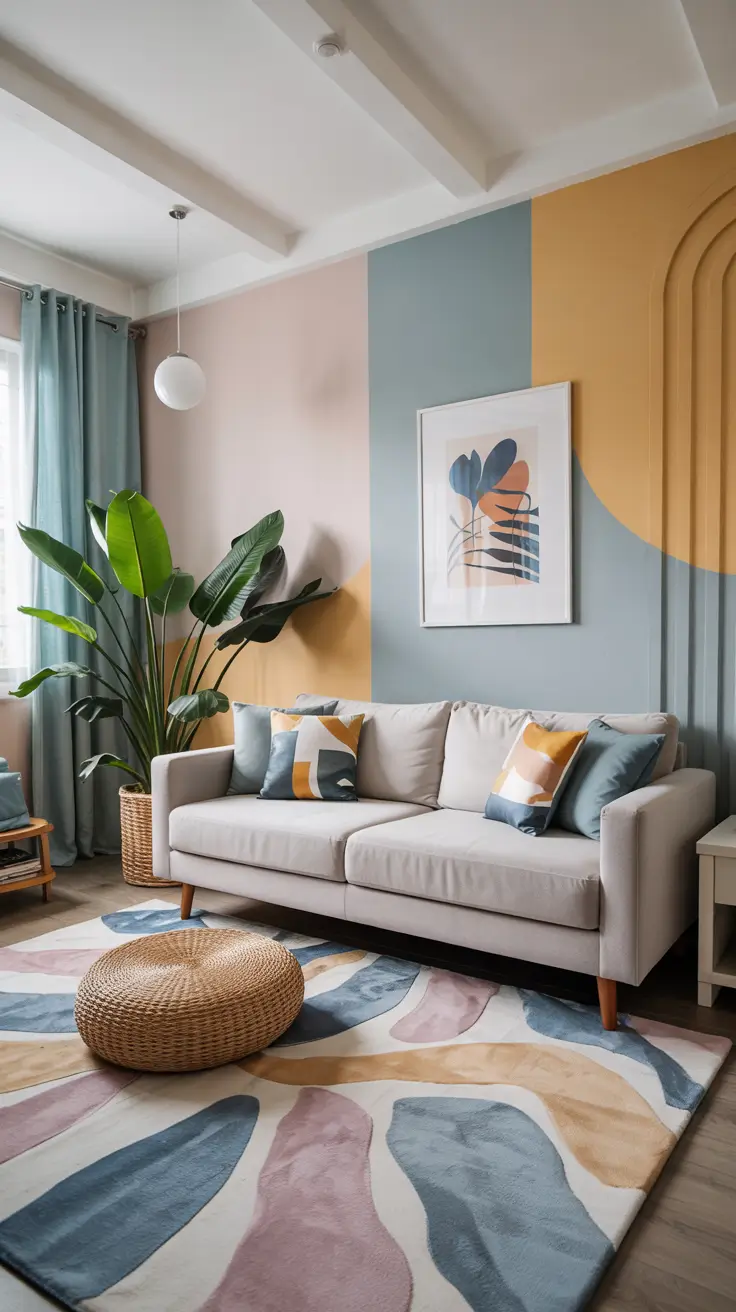
When selecting furniture and decor, I coordinate colors carefully to avoid visual clutter. I typically pair neutral sofas with colorful accents such as pillows or artwork. Rugs and curtains can also introduce subtle color variations. I recommend using layered tones rather than stark contrasts. This creates depth while maintaining cohesion in interior design summer home projects. Each element should contribute to the overall palette.
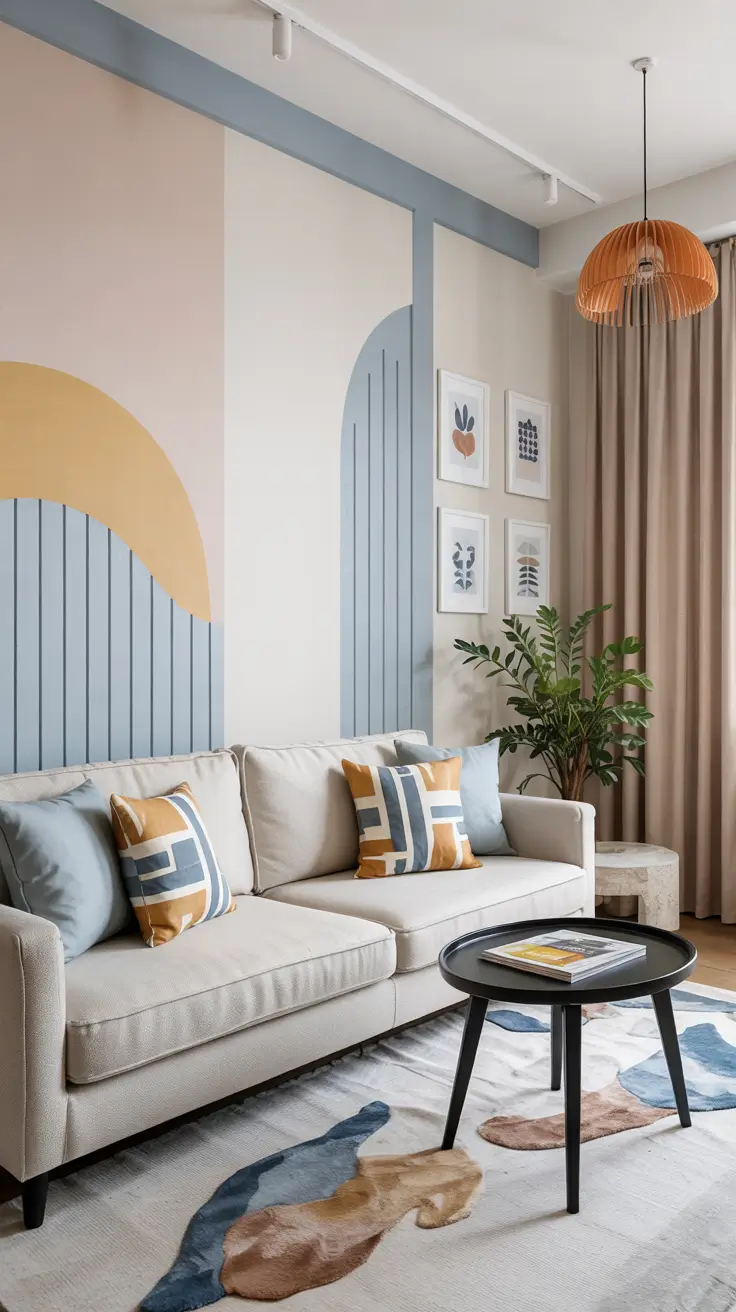
Personally, I find that color can significantly influence mood and perception of space. Experts from Better Homes and Gardens often highlight the psychological impact of color, and I have observed this in my own work. I prefer using color strategically rather than excessively. Small accents can often achieve more than large, bold applications. This approach keeps the design adaptable and timeless. It also allows for easy updates.
To enhance this section, I would include specific palette combinations and examples. I would also discuss how lighting affects color perception. Adding guidance for different room types would be helpful. Including seasonal transitions could improve long-term usability. These improvements would provide deeper insight.
Minimalist Summer Home Designs With Functional And Clean Aesthetics
Minimalism is a defining aspect of many summer home designs I create. I focus on reducing visual noise and emphasizing essential elements. Clean lines, uncluttered surfaces, and functional layouts are key components. This approach creates a calm and organized environment. It also enhances the sense of space and light. Minimalism works particularly well in summer settings.
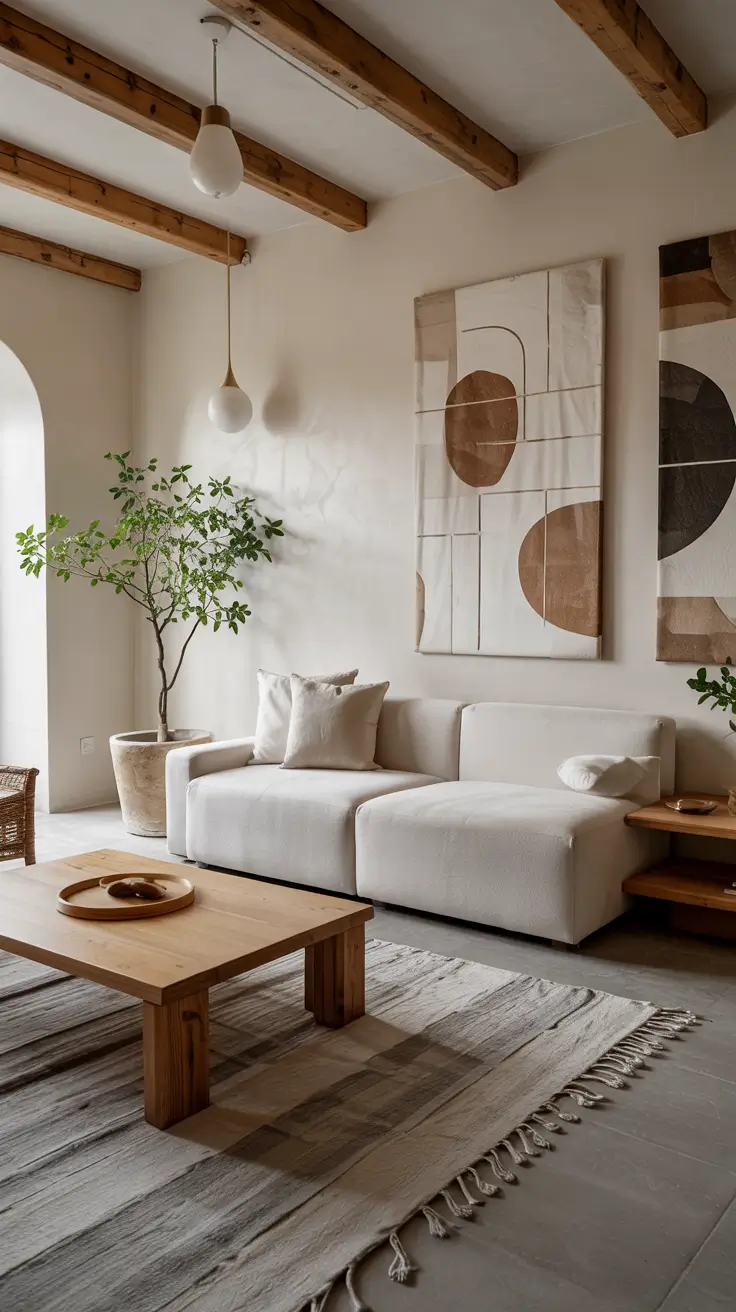
In terms of furniture, I choose pieces that serve multiple purposes. Storage beds, modular sofas, and compact tables are practical choices for a summer design home. I also recommend limiting decorative items to a few meaningful pieces. Materials should be natural and durable, such as wood and linen. This ensures both comfort and longevity. Every item should justify its presence in the space.
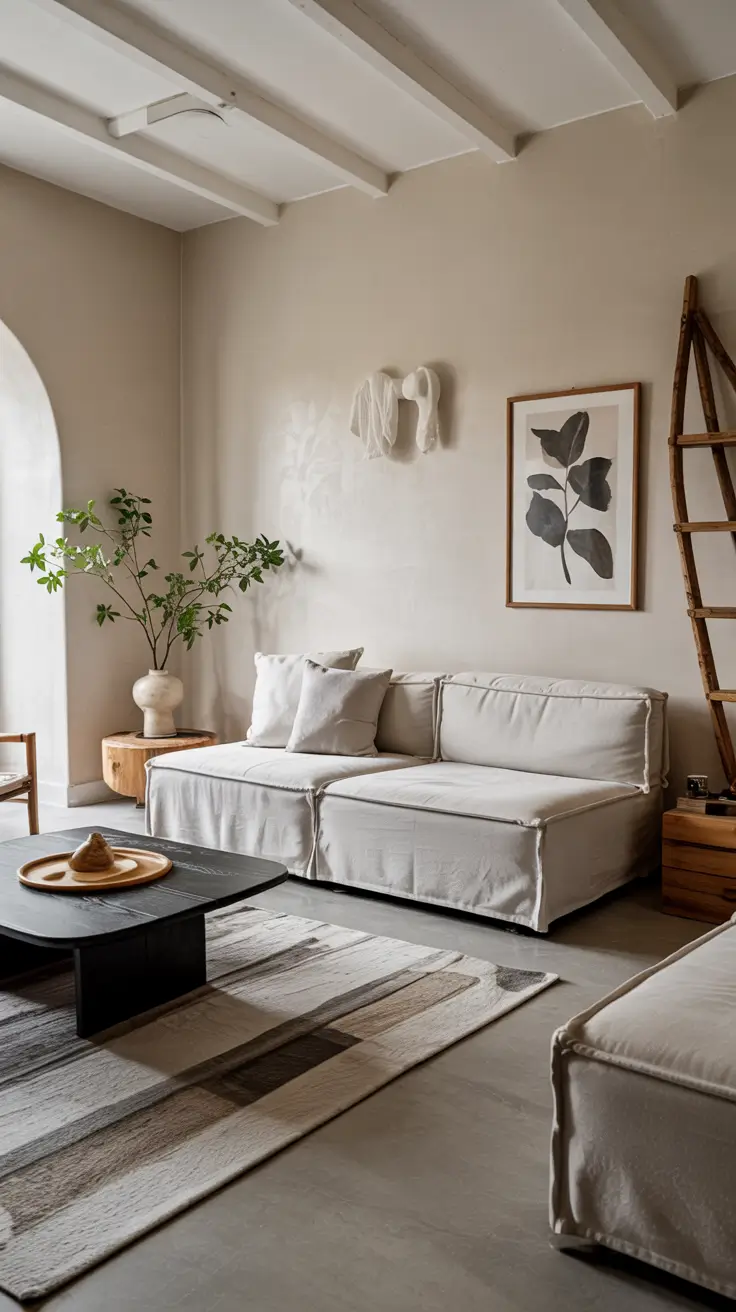
From my perspective, minimalism is not about removing personality but about refining it. Many modern designers emphasize intentional living, and I strongly support this idea. I have found that clients often feel more relaxed in simplified environments. It also makes maintenance easier, which is important during busy summer periods. A minimalist approach encourages mindful design decisions. It leads to more sustainable and practical interiors.
To improve this section, I would include more examples of multifunctional furniture. I would also discuss storage optimization in greater detail. Adding real-life case studies could enhance understanding. Including tips for maintaining minimalism over time would be useful. These additions would strengthen the section.
Interior Design Summer Home Spaces With Natural Materials And Textures
I always start with natural materials when shaping a seasonal interior, because they immediately create a calm and breathable atmosphere. In 2026, this direction becomes central in summer design home concepts, where textures like linen, wood, and stone dominate. I focus on layering tactile elements to make the space feel grounded yet light, which is essential for warm-weather interiors. These materials help regulate temperature visually and emotionally, making rooms feel cooler and more relaxed. This approach fits perfectly into modern Interiors that prioritize sustainability and sensory comfort.
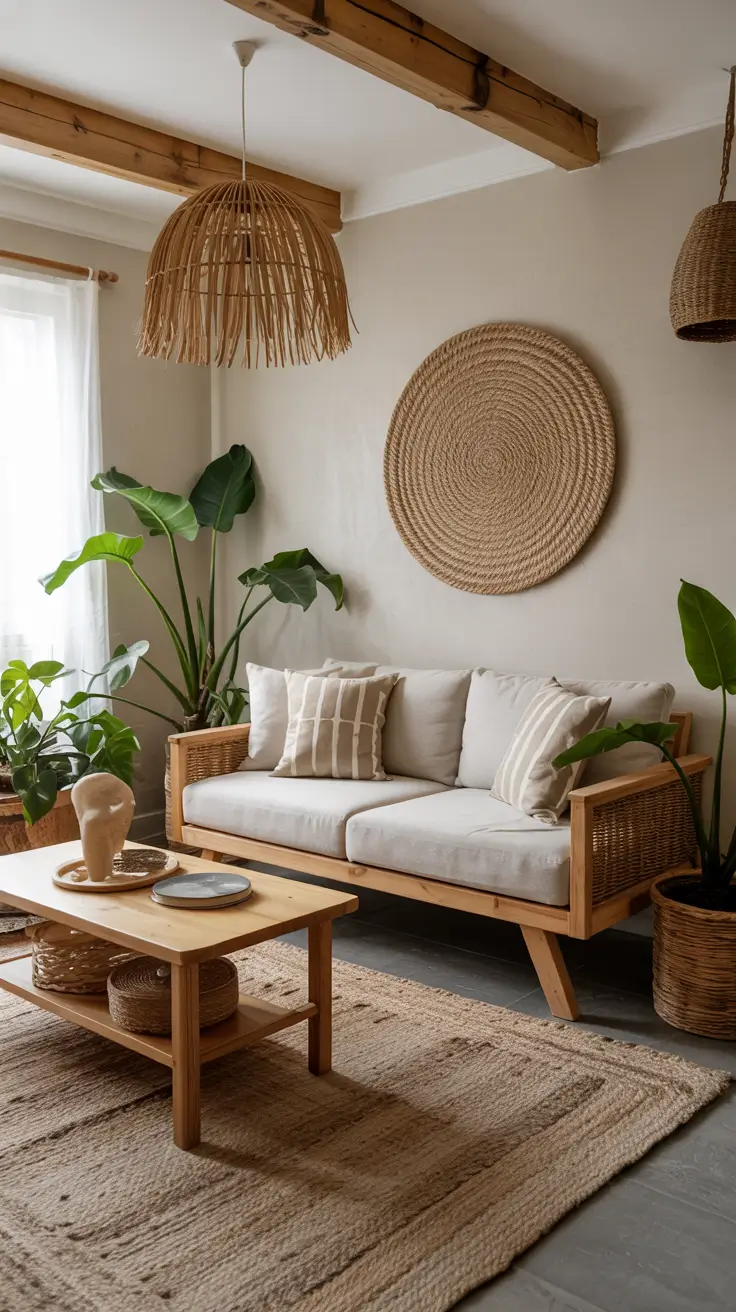
When selecting furniture and finishes, I prefer raw wood tables, rattan chairs, and linen upholstery that ages gracefully. I often combine light oak flooring with textured rugs made from jute or cotton to enhance the organic look. Accessories like ceramic vases, clay decor, and woven baskets add depth without overwhelming the space. I avoid glossy surfaces and instead choose matte finishes that soften the overall aesthetic. Each element contributes to a cohesive environment that feels natural and intentionally curated.
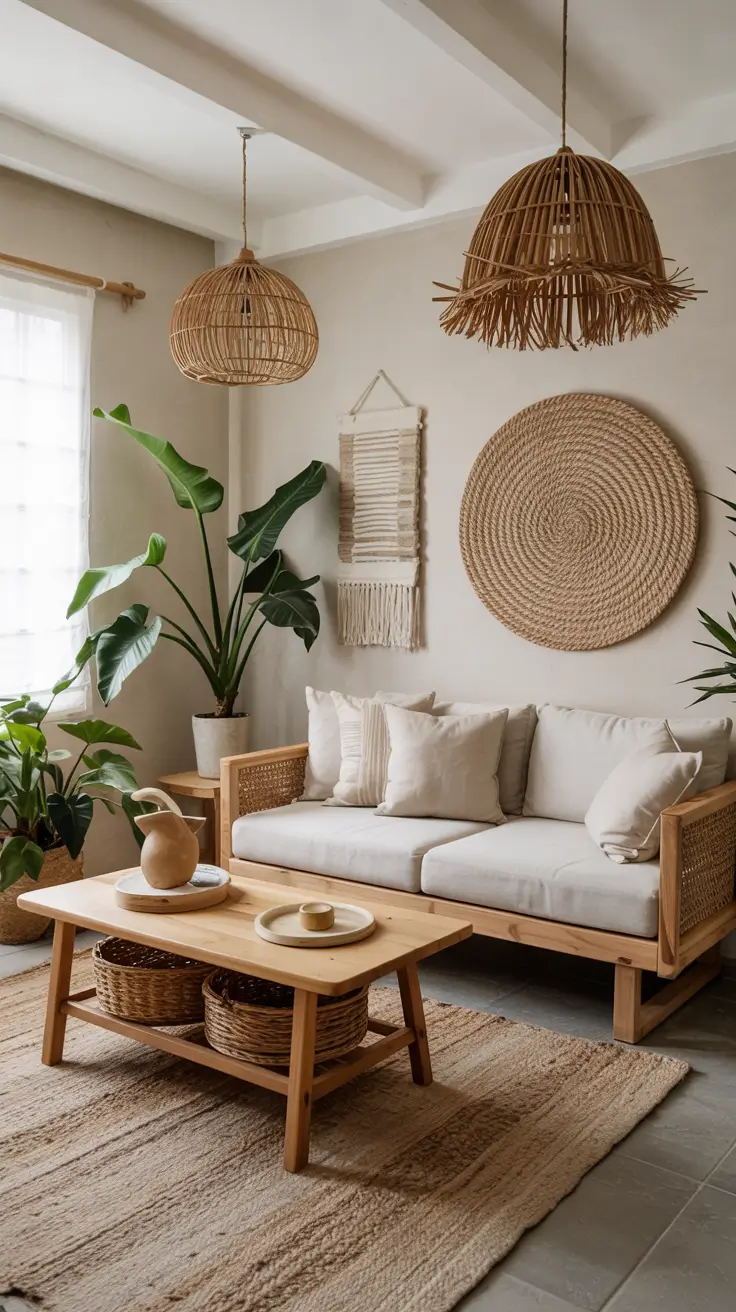
From my experience, spaces built around natural materials tend to feel more timeless and less trend-dependent. Many designers featured in publications like Architectural Digest emphasize authenticity over decoration, and I strongly agree with that philosophy. I find that clients and readers appreciate interiors that feel real and lived-in rather than staged. Natural textures also improve the emotional connection to a space, which is especially important in seasonal homes. This direction continues to grow because it aligns with both aesthetics and well-being.
To enhance this section further, I would include more layered lighting solutions using natural materials such as paper or woven shades. I would also integrate indoor plants to reinforce the connection between interior and exterior environments. Adding subtle scent elements like wood or herbal notes could deepen the sensory experience. These additions would complete the overall concept and make the space more immersive.
Summer Design Home Concepts Inspired By Coastal And Tropical Styles
Coastal and tropical influences remain one of the strongest summer home design trends in 2026, and I often use them as a foundation for light and airy interiors. I focus on color palettes that reflect nature, such as soft blues, sandy neutrals, and muted greens. These tones create a visual sense of openness and relaxation that defines summer home design interiors. The goal is not to replicate a beach house, but to capture the feeling of one. This approach works well across different climates and architectural styles.
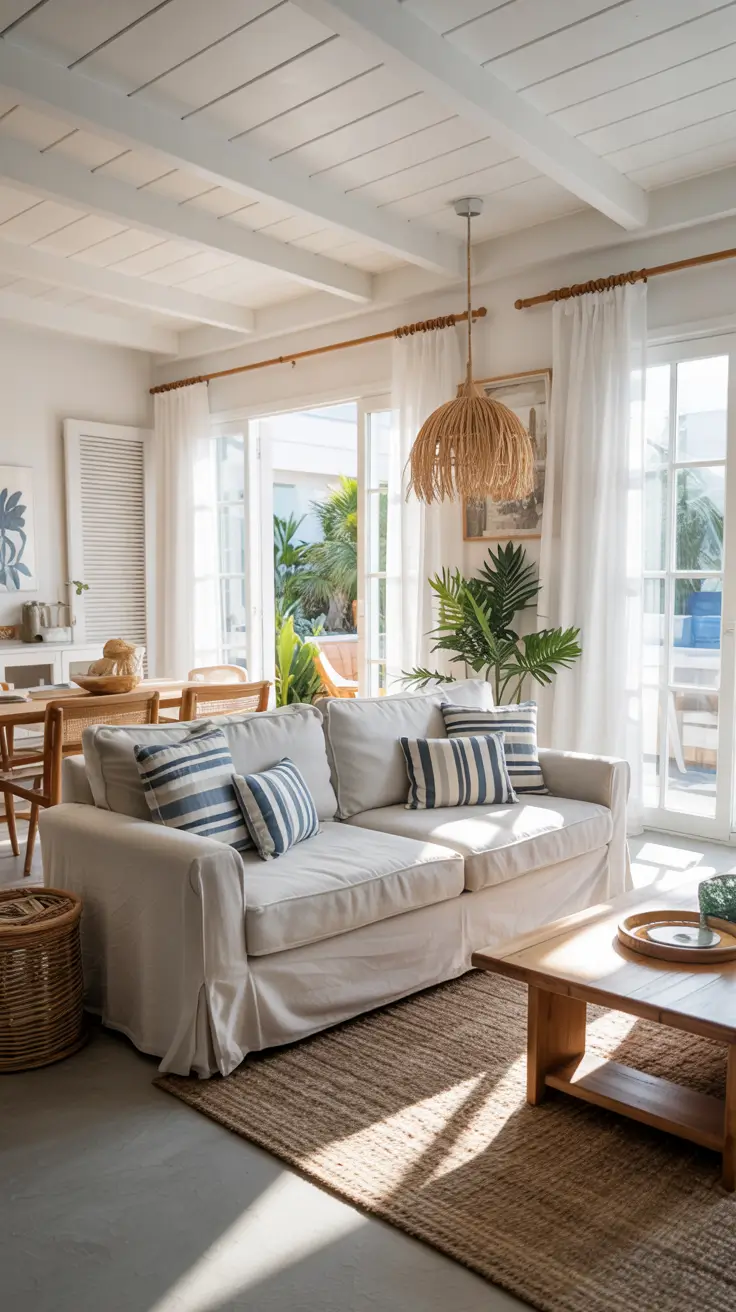
I usually incorporate furniture with clean lines and breathable fabrics, such as cotton or linen slipcovered sofas. Light wood or whitewashed finishes help maintain brightness, while accents like seashell decor or tropical prints add subtle character. I prefer minimal patterns, using them only in pillows or artwork to avoid visual clutter. Large windows, sheer curtains, and natural light play a crucial role in achieving this look. Each element supports a cohesive and refreshing atmosphere.
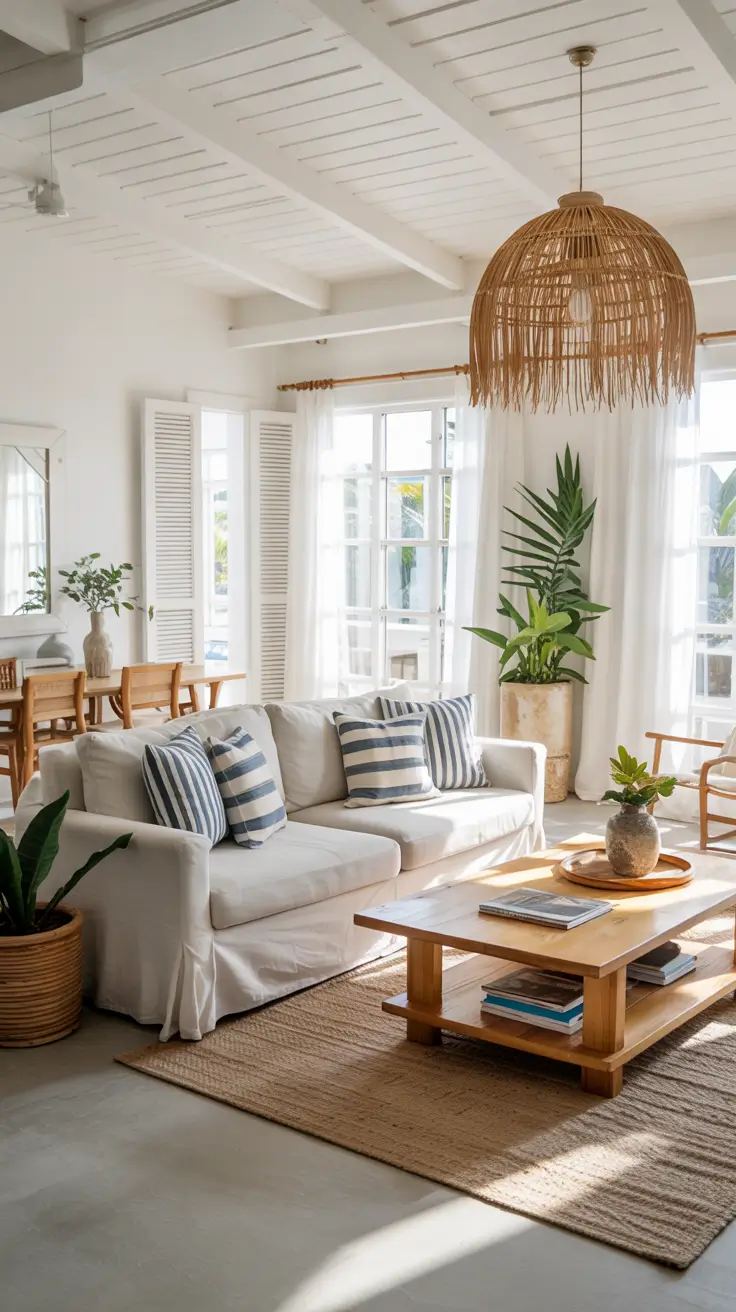
In my opinion, the success of this style depends on balance rather than theme. Many designers, including those featured in Elle Decor, emphasize restraint when working with coastal aesthetics. I follow that principle by avoiding overly literal decor choices. Instead, I focus on texture, color, and light to suggest the style rather than define it explicitly. This makes the space feel sophisticated rather than thematic.
What could be added here is more attention to outdoor integration, such as extending the design onto terraces or balconies. I would also include water-inspired features like subtle reflective surfaces or glass decor. These elements would strengthen the connection to coastal inspiration. Additionally, incorporating airflow strategies would enhance comfort in warmer climates.
Summer Decorations For Home DIY Ideas Interior Design Inspiration
DIY decor plays a major role in summer decorations for home diy ideas interior design, especially for those who want to personalize their space. I see a growing trend toward handcrafted elements that reflect individuality and creativity. These additions bring warmth and uniqueness into summer home design ideas, making each space feel distinct. Simple projects can transform a room without requiring a full redesign. This approach aligns well with modern Ideas that prioritize accessibility and creativity.
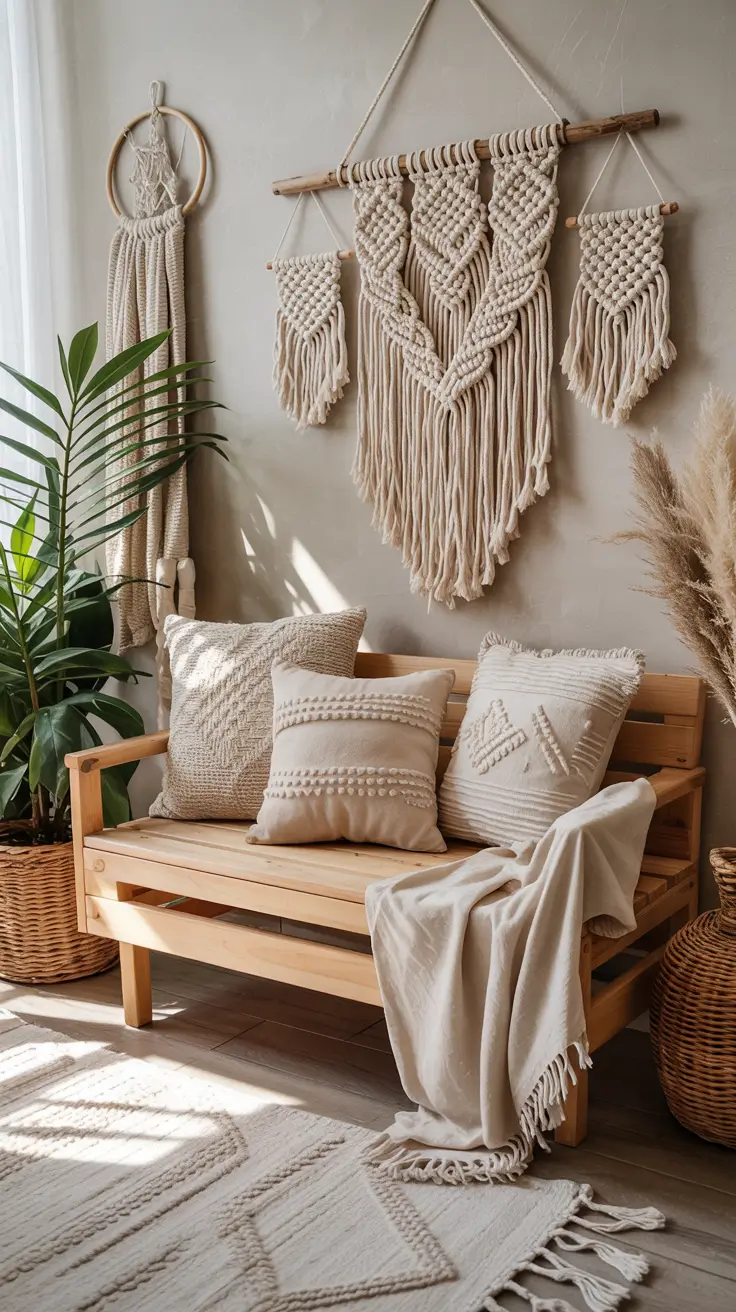
I often recommend handmade wall art, painted ceramics, or customized textiles as starting points. Items like macrame hangings, DIY candle holders, or repurposed furniture can add character without high cost. I also like incorporating seasonal elements such as dried flowers or light fabric canopies. These details help shift the mood of a room while keeping it cohesive. Each piece contributes to a layered and personal environment.
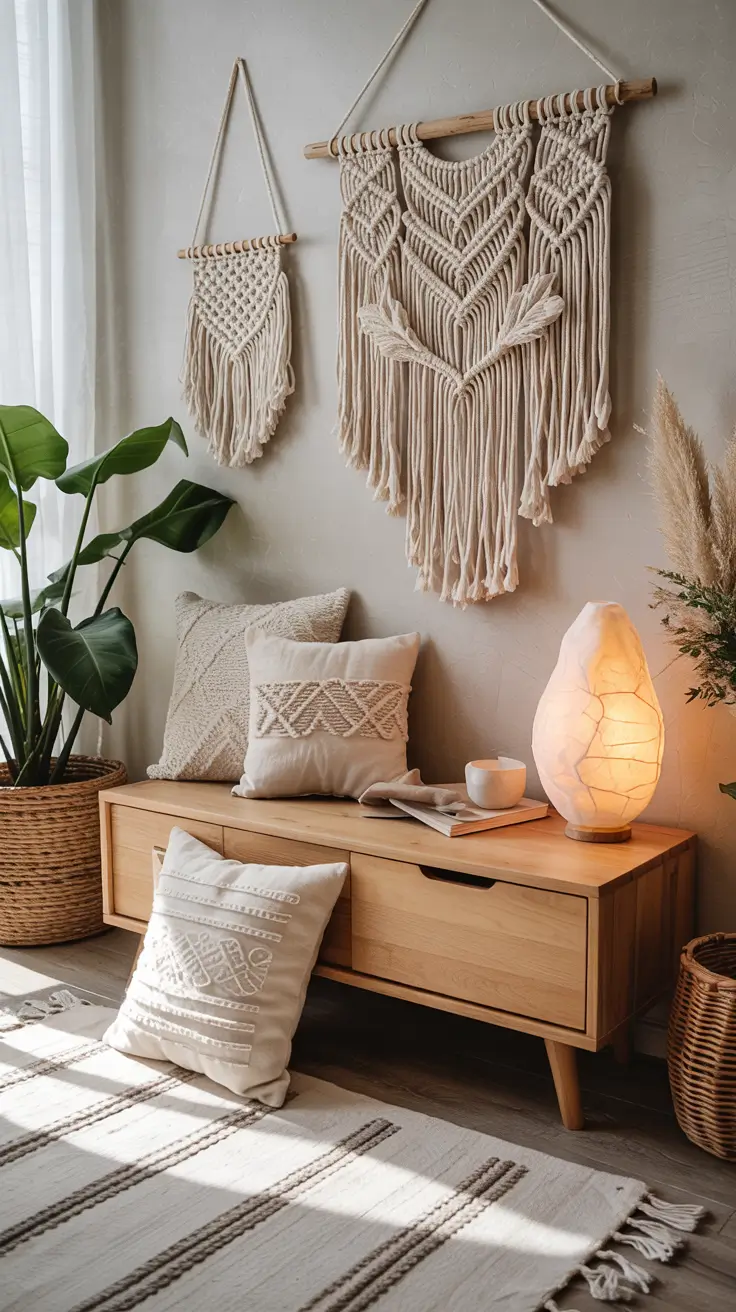
From my perspective, DIY decor encourages a deeper connection with the space. Many lifestyle publications highlight the emotional value of creating your own decor, and I fully support that idea. I find that people enjoy interiors more when they have contributed to their design. It also allows for continuous evolution rather than static decoration. This flexibility is key in seasonal interiors.
To expand this concept, I would include more guidance on color coordination and material consistency. I would also suggest combining DIY elements with a few professionally designed pieces for balance. Adding lighting-based DIY projects could enhance ambiance significantly. These improvements would make the approach more refined and cohesive.
Open Space Summer Home Design Interiors For Better Airflow And Comfort
Open layouts remain essential in summer home design modern, especially when focusing on airflow and comfort. I prioritize removing unnecessary barriers to create fluid movement between spaces. This approach improves ventilation and allows natural light to travel freely across the interior. It is one of the most practical summer vacation home work design strategies for warm climates. Open spaces also enhance social interaction and flexibility.
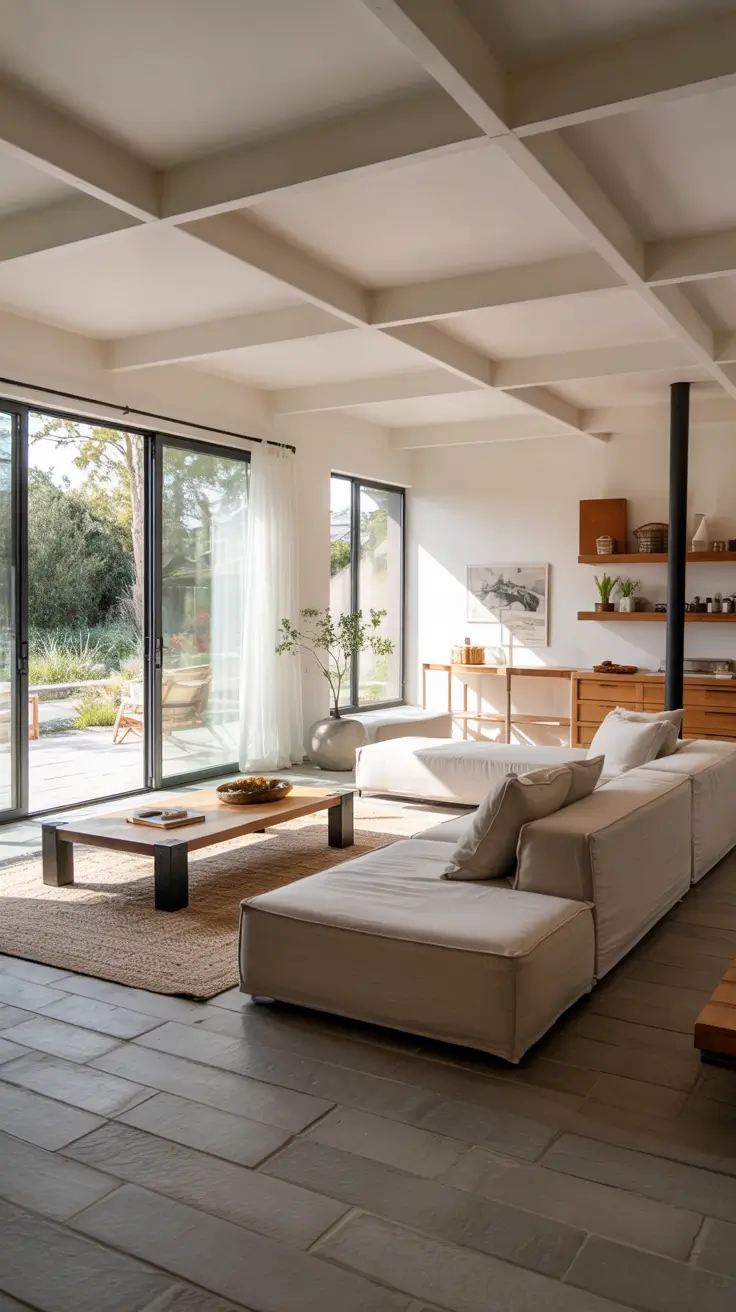
I typically use modular furniture, lightweight partitions, and minimalistic layouts to define zones without closing them off. Sofas can act as dividers, while rugs help visually separate areas. I also incorporate ceiling fans, large windows, and sliding doors to improve airflow. Materials like glass and light wood support the sense of openness. Each element contributes to both functionality and aesthetics.
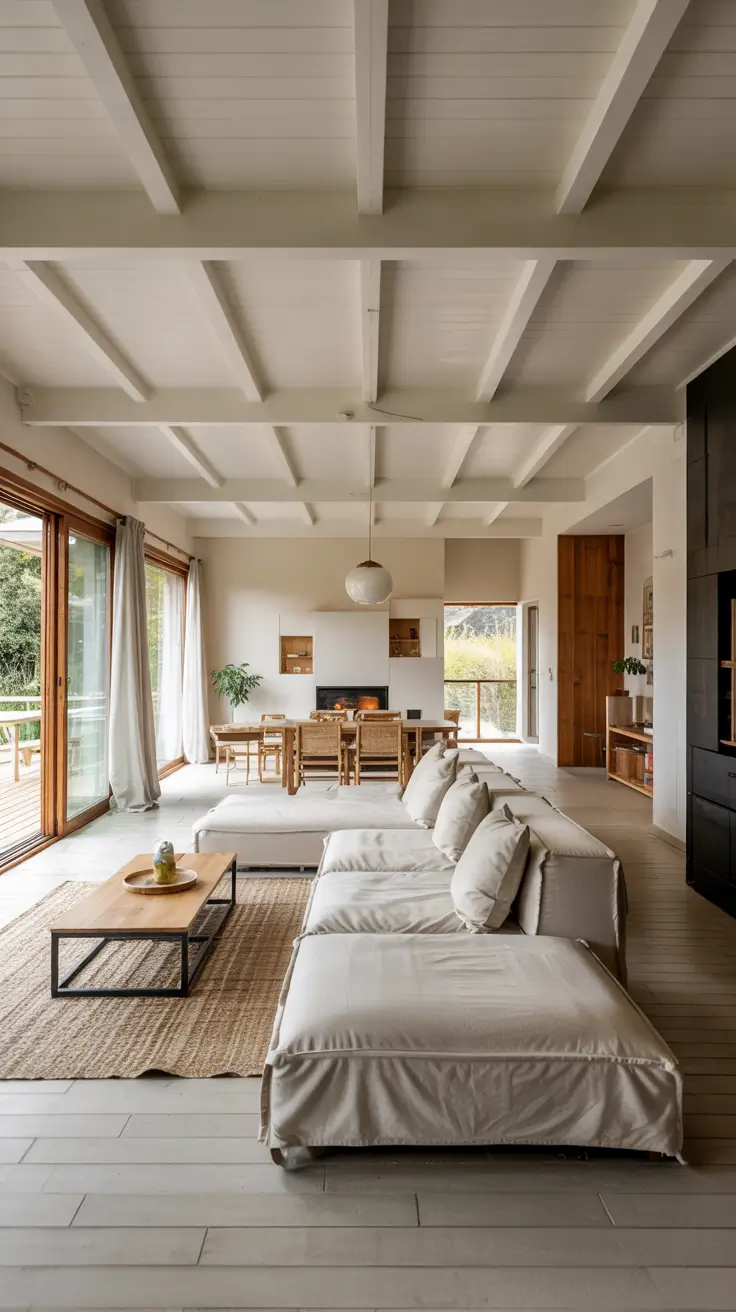
In my experience, open layouts require thoughtful planning to avoid feeling empty or unstructured. Designers often emphasize zoning through subtle visual cues rather than physical walls. I follow this approach by balancing openness with defined purpose. This ensures that each area remains functional while still connected. It is a delicate but rewarding design strategy.
To enhance this section, I would include acoustic solutions to manage sound in open spaces. I would also integrate more flexible furniture options that adapt to different needs. Adding smart ventilation systems could further improve comfort. These elements would make the design more practical and complete.
Modern Furniture Trends In Summer Home Design 2026
Furniture in 2026 reflects a shift toward simplicity, flexibility, and comfort within summer home designs. I focus on pieces that are lightweight, multifunctional, and visually unobtrusive. Clean lines and soft forms define modern Modern furniture choices for summer interiors. These elements help maintain a sense of openness and ease. The goal is to support the lifestyle rather than dominate the space.
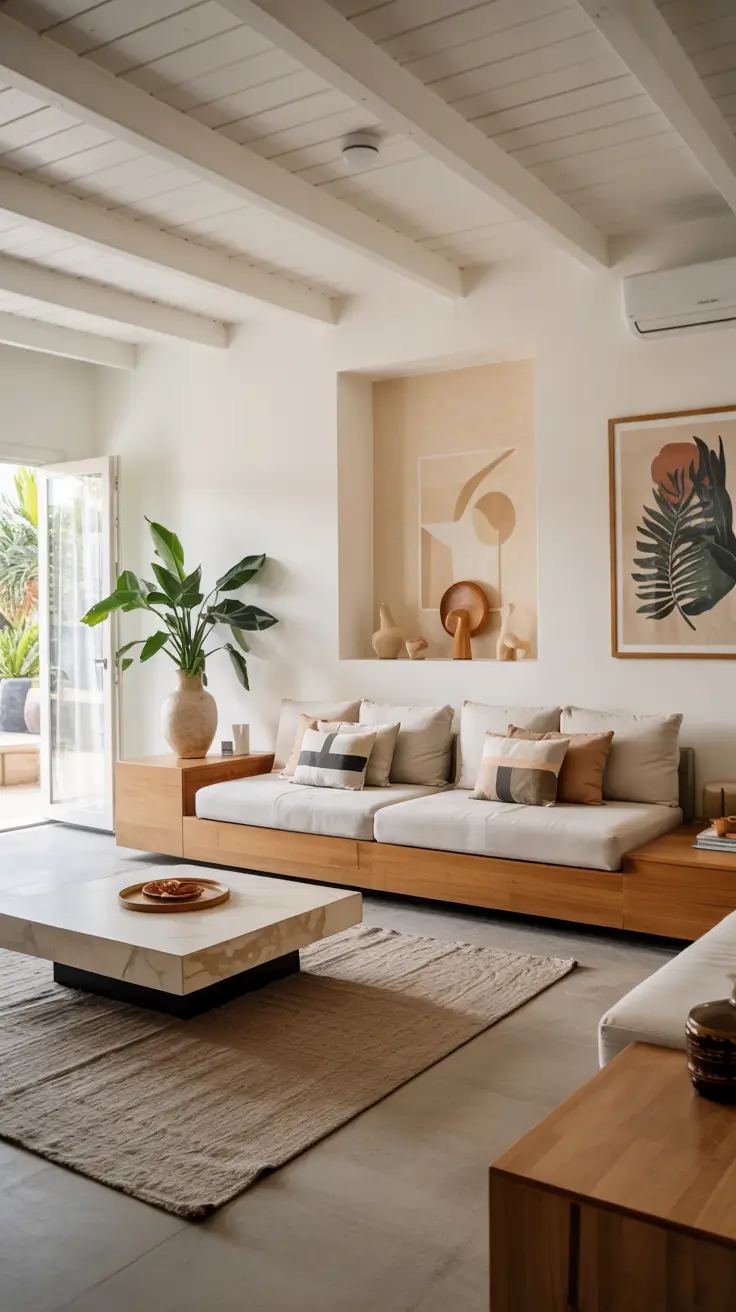
I often select modular sofas, stackable chairs, and extendable tables that adapt to different situations. Materials such as light wood, metal, and sustainable composites are increasingly popular. Upholstery tends to be breathable and easy to maintain, which is essential for seasonal use. I also incorporate neutral tones with occasional bold accents to keep the space dynamic. Each piece is chosen for both form and function.
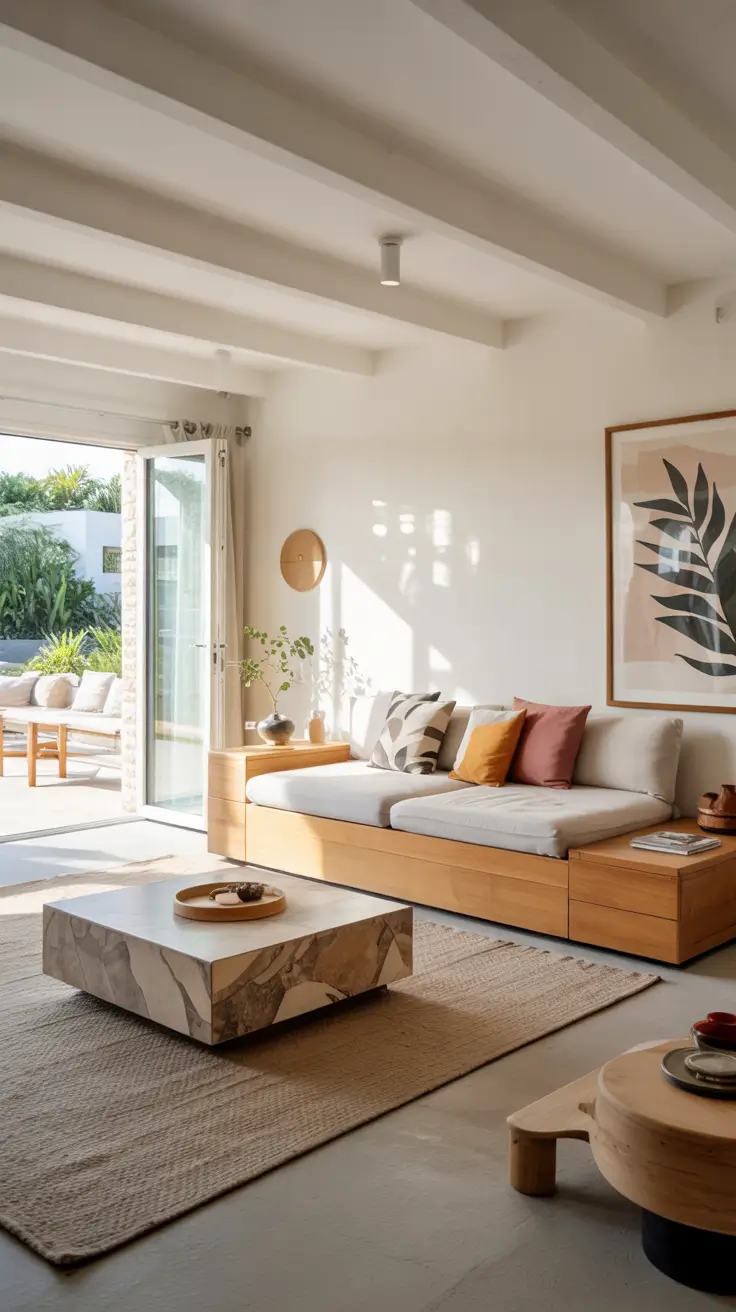
From my perspective, modern furniture should feel intuitive and effortless. Many designers featured in Dwell highlight adaptability as a key factor in contemporary interiors. I find that flexibility is especially important in summer homes, where usage can vary. Furniture should support relaxation, socializing, and even work without requiring constant rearrangement. This makes the space more practical and enjoyable.
To complete this section, I would include more outdoor-compatible furniture that transitions between indoor and outdoor spaces. I would also explore sustainable production methods and materials in greater depth. Adding smart furniture solutions could further enhance usability. These additions would align with the evolving needs of modern living.
Graphic Accents And Poster Decor In Summer Design Home Styling
I approach graphic accents as a powerful way to introduce personality into a space without overwhelming it. In modern summer home design interiors, posters and bold prints create focal points that feel fresh and seasonal. I focus on bright, abstract compositions, typography, or nature-inspired graphics that reflect Bright and Graphic directions. This trend works especially well in open-plan spaces where walls need structure and rhythm. It is a practical way to refresh interiors without major renovations. I see it as a flexible layer that evolves with trends.
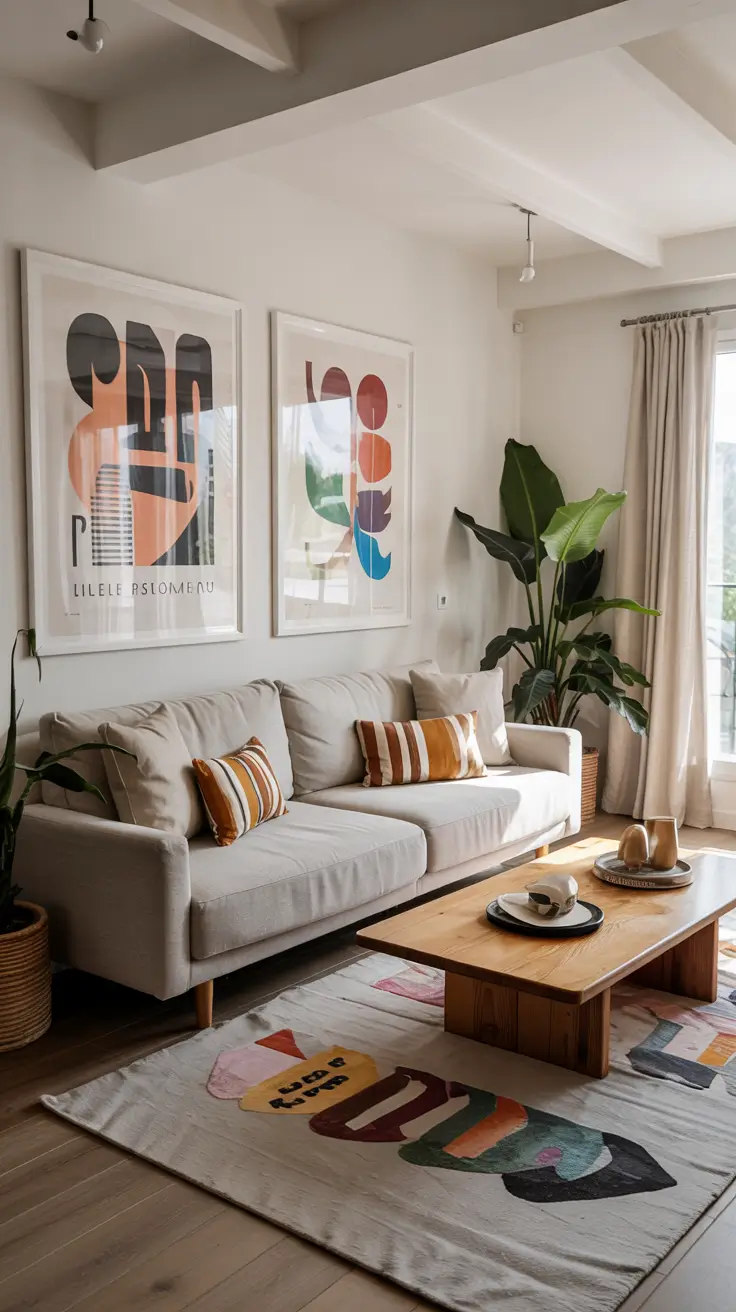
I usually recommend large-scale Poster artworks, minimalist frames, and gallery walls that feel curated rather than cluttered. Light wood or thin black metal frames work best for maintaining a clean Modern look. Furniture should stay relatively neutral to allow the graphics to stand out, such as linen sofas or light-toned cabinetry. I also include textiles like cushions or rugs that subtly echo the colors of the artwork. This creates cohesion without making the space feel overly styled. Placement is important, so I align pieces at eye level and balance them across the room.
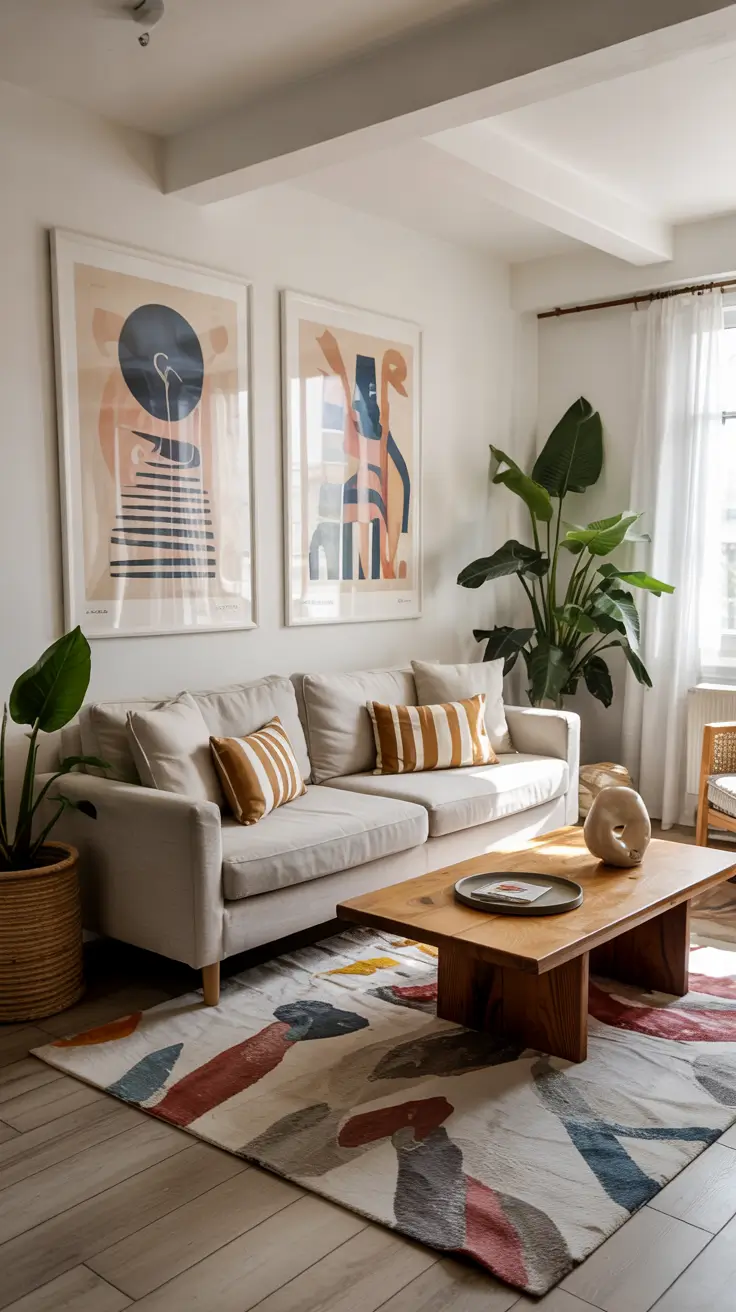
From my experience, designers like Emily Henderson often emphasize mixing bold art with calm backgrounds to avoid visual fatigue. I agree with this approach because it keeps the space livable and not overly stimulating. Personally, I like to rotate posters seasonally, which keeps the interior dynamic and aligned with evolving summer home design trends. It also allows experimentation without long-term commitment. This is especially useful in rental spaces or flexible living environments. It is a simple but impactful strategy.
I would add that lighting for artwork is often overlooked and should be considered early. Wall sconces or directional spotlights can enhance colors and textures significantly. I also suggest leaving some negative space around artwork to avoid overcrowding. This ensures the graphics remain impactful and visually clear. Without proper spacing, even the best compositions can feel chaotic.
Eco Friendly Summer Home Designs With Sustainable Interior Solutions
Sustainability is no longer optional in summer home designs, and I see it as a core principle rather than a trend. In 2026, eco-conscious interiors combine natural materials, energy efficiency, and longevity. I focus on breathable fabrics, recycled materials, and finishes that age gracefully. This aligns with both environmental responsibility and aesthetic longevity. It also supports healthier indoor environments. I believe this is essential for modern living.
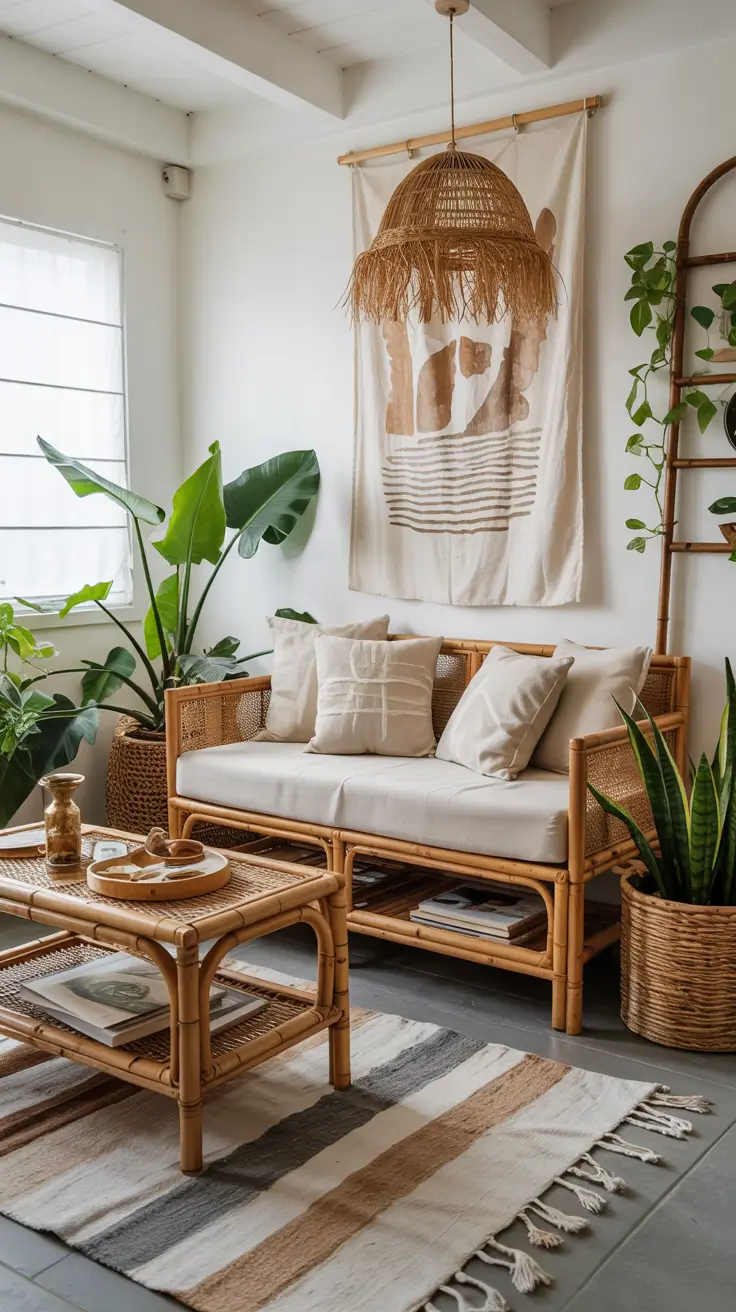
I prioritize materials like reclaimed wood, bamboo, linen, and low-VOC paints. Furniture should be durable and timeless, avoiding fast-changing styles. I often recommend modular pieces that can adapt over time, reducing waste. Lighting should include LED solutions and maximize natural daylight. Even small choices like organic textiles or handmade decor can make a meaningful difference. These elements create a cohesive sustainable design.
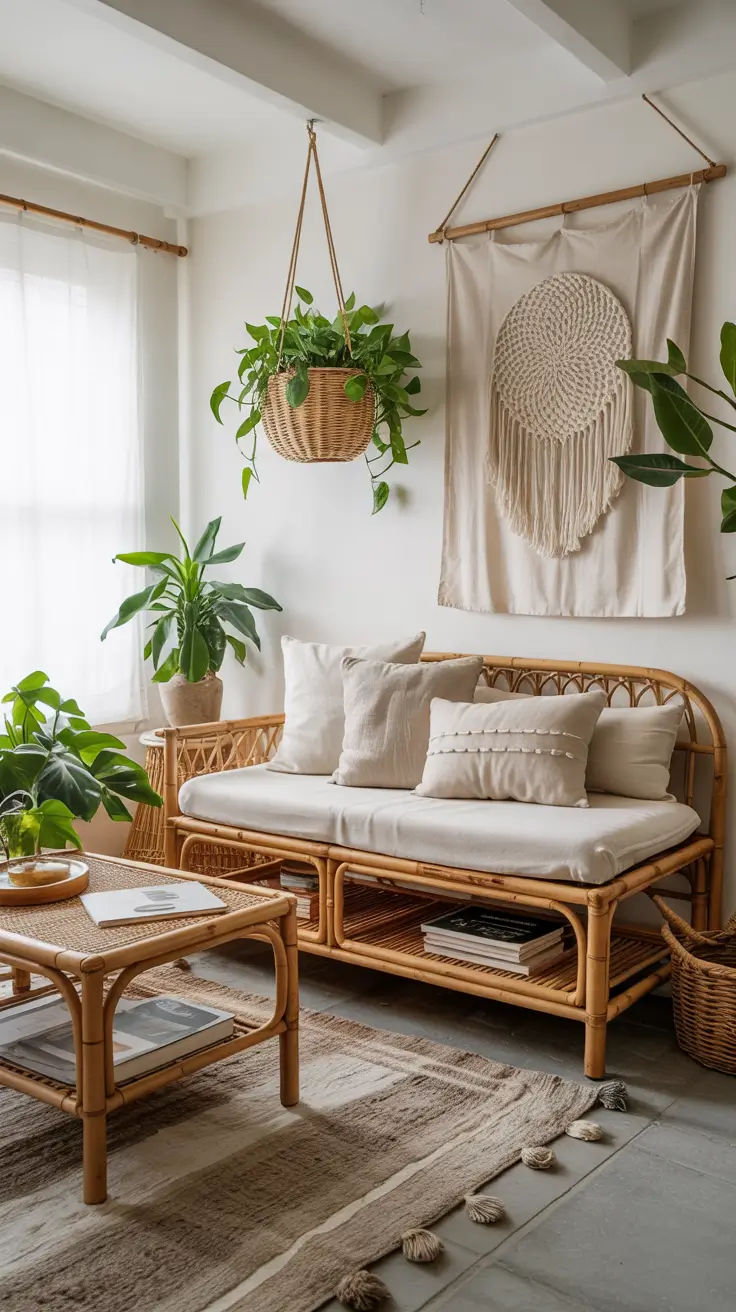
Design experts like those featured in Architectural Digest often highlight the importance of sourcing locally and investing in quality over quantity. I follow this principle because it ensures both ethical and aesthetic value. Personally, I have seen how sustainable materials improve not just design but also comfort and air quality. It creates a calmer, more grounded atmosphere. This is especially important in summer homes where relaxation is key.
What I would add is the integration of smart systems for energy management. Smart thermostats and automated shading can significantly reduce energy consumption. Water-saving fixtures are another important addition. These elements complete the sustainability approach and make it more functional. Without them, the concept remains incomplete.
Summer Vacation Home Work Design For Relaxed Productivity
The idea of combining leisure and work is central to summer vacation home work design. I see this trend as a response to hybrid lifestyles where flexibility is essential. The goal is to create spaces that support focus without sacrificing comfort. I design areas that feel light, open, and connected to nature. This reduces stress and enhances productivity. It is about balance rather than separation.
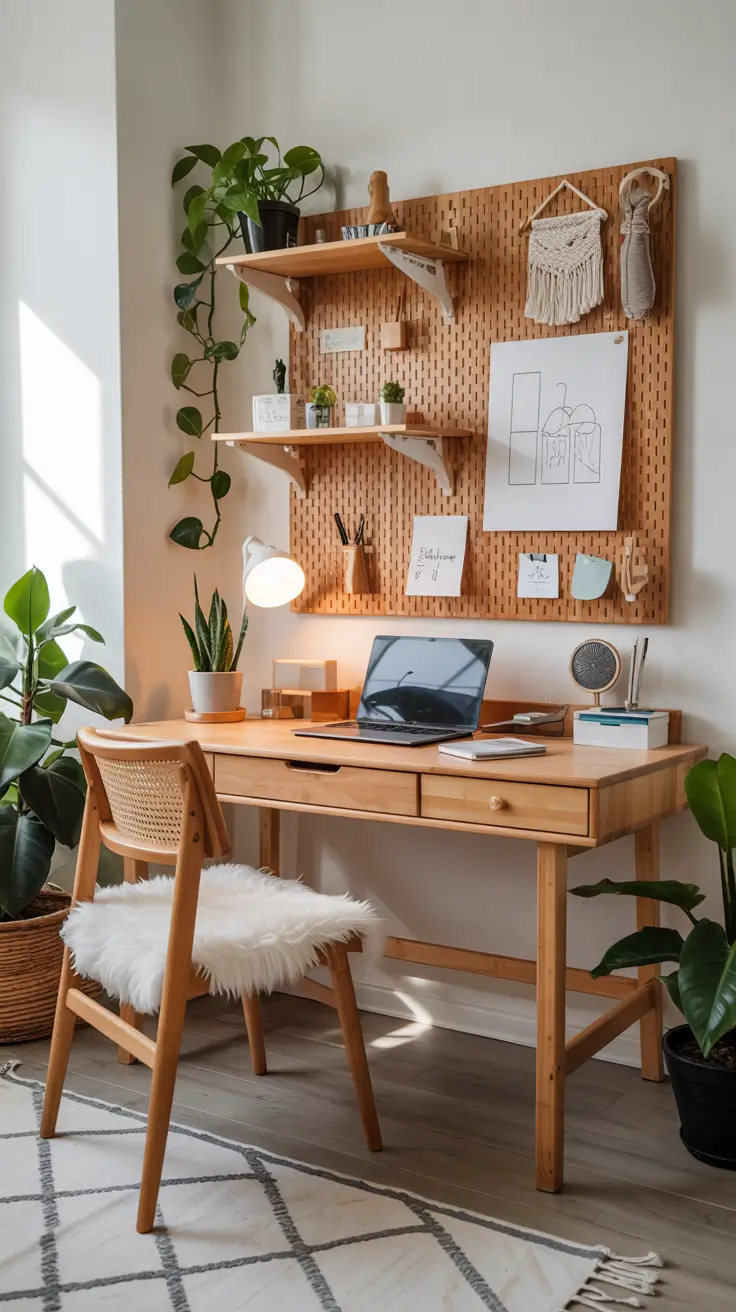
I usually incorporate ergonomic chairs, compact desks, and natural materials. Positioning the workspace near windows is essential for daylight and mood improvement. I also recommend storage solutions that keep the area uncluttered. Soft textiles and plants help soften the work environment. This makes the space feel less rigid and more integrated. Technology should be discreet and well-organized.
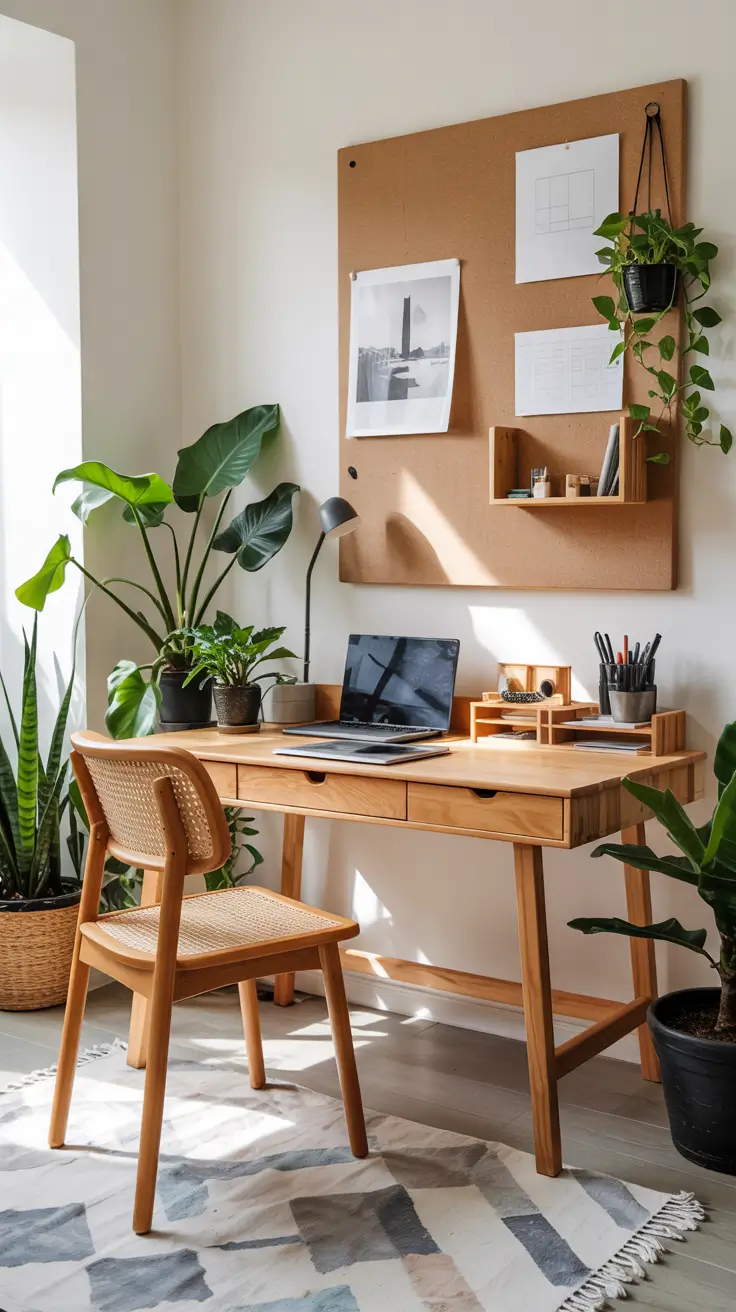
From my perspective, designers increasingly emphasize biophilic elements in workspaces. I agree because natural connections improve concentration and well-being. Personally, I prefer minimal setups with only essential tools visible. This reduces distractions and maintains visual clarity. It also aligns with modern summer home design modern principles. Simplicity often leads to better productivity.
I would include acoustic considerations as an important addition. Soft rugs, curtains, or panels can improve sound quality. This is especially useful in open-plan homes. Without it, noise can disrupt focus. It is a practical detail that significantly enhances usability.
Indoor Outdoor Connection In Summer Home Design Ideas
One of the strongest summer home design ideas is the seamless connection between indoor and outdoor spaces. I focus on creating continuity through materials, colors, and layout. Large openings, sliding doors, and consistent flooring help achieve this effect. It makes the home feel larger and more connected to nature. This is especially valuable in warm seasons. It enhances both visual and physical comfort.
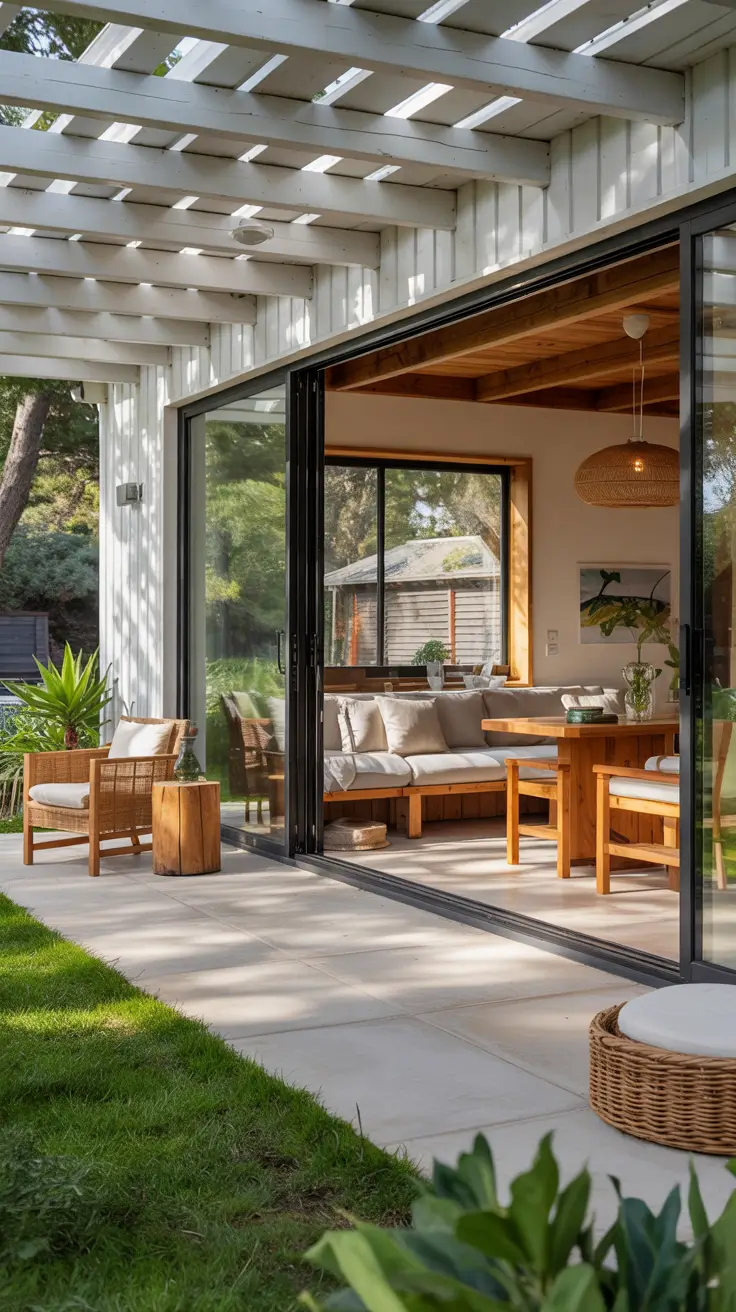
I recommend using similar materials inside and outside, such as stone or wood. Outdoor furniture should mirror indoor styles to maintain cohesion. I often include lounge areas, dining zones, and soft lighting outside. Plants play a major role in blending the spaces. Textiles should be weather-resistant but visually soft. This creates a unified environment.
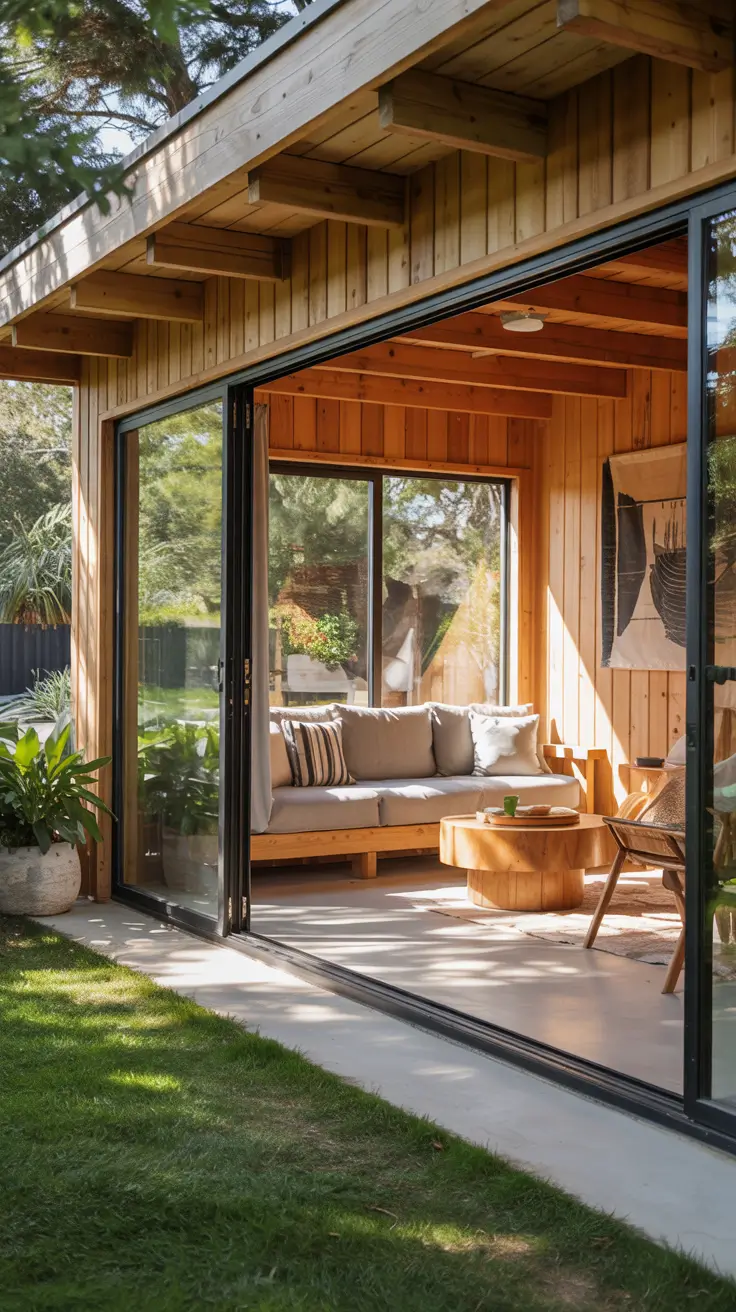
Designers often highlight that transitions should feel effortless rather than forced. I follow this principle by avoiding abrupt changes in style or color. Personally, I find that continuity improves the overall experience of the space. It allows movement without disruption. This is key in modern summer design home planning.
I would also add shading solutions as a crucial element. Pergolas, curtains, or retractable awnings provide comfort and usability. Without proper shading, outdoor spaces can become impractical. This detail ensures the connection remains functional throughout the day. It completes the design concept.
Bright Lighting Solutions For Summer Home Design Modern Interiors
Lighting plays a defining role in summer home design modern interiors. I approach it as both a functional and aesthetic element. The goal is to maximize natural light while supporting it with layered artificial lighting. Bright spaces feel more open, clean, and inviting. This is essential for summer environments. It also enhances colors and textures.
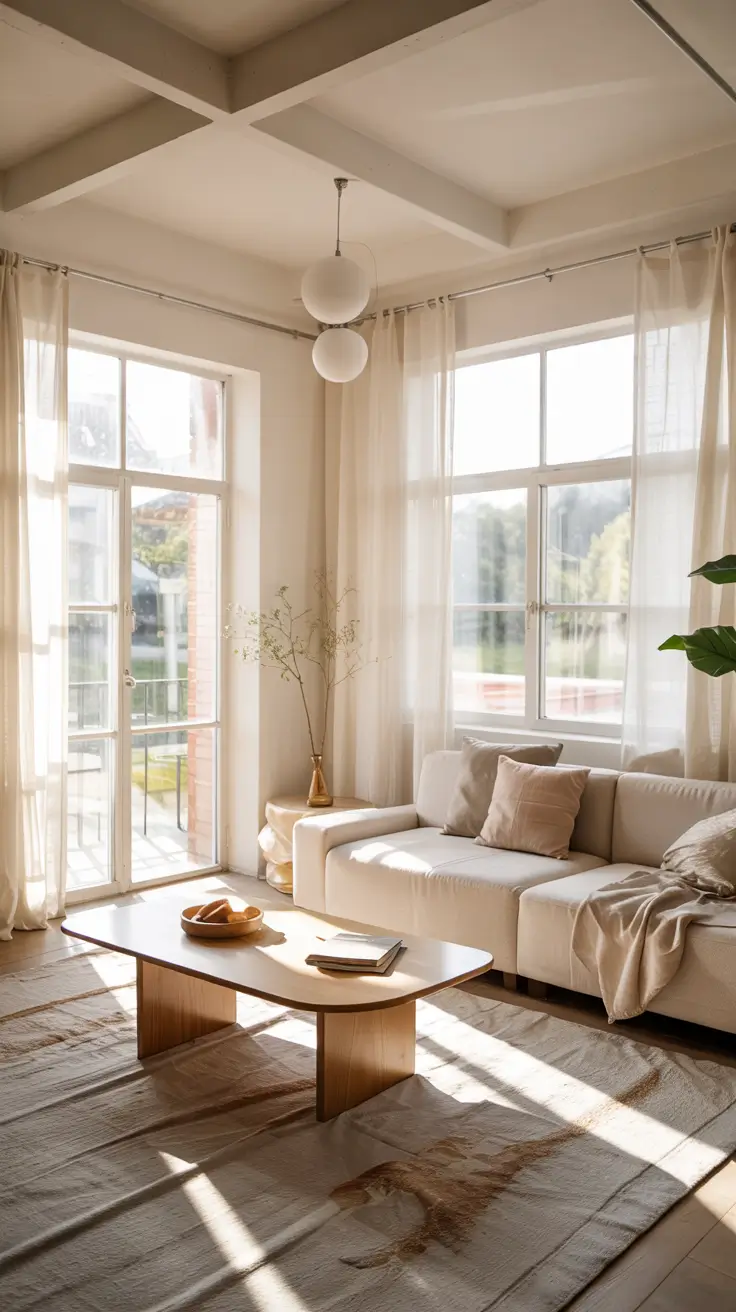
I typically combine large windows, sheer curtains, and reflective surfaces. Artificial lighting includes pendant lights, floor lamps, and hidden LED strips. I prefer warm white tones that mimic daylight. Fixtures should be simple and elegant to match modern aesthetics. Materials like glass and metal work well in this context. They enhance brightness without adding visual weight.
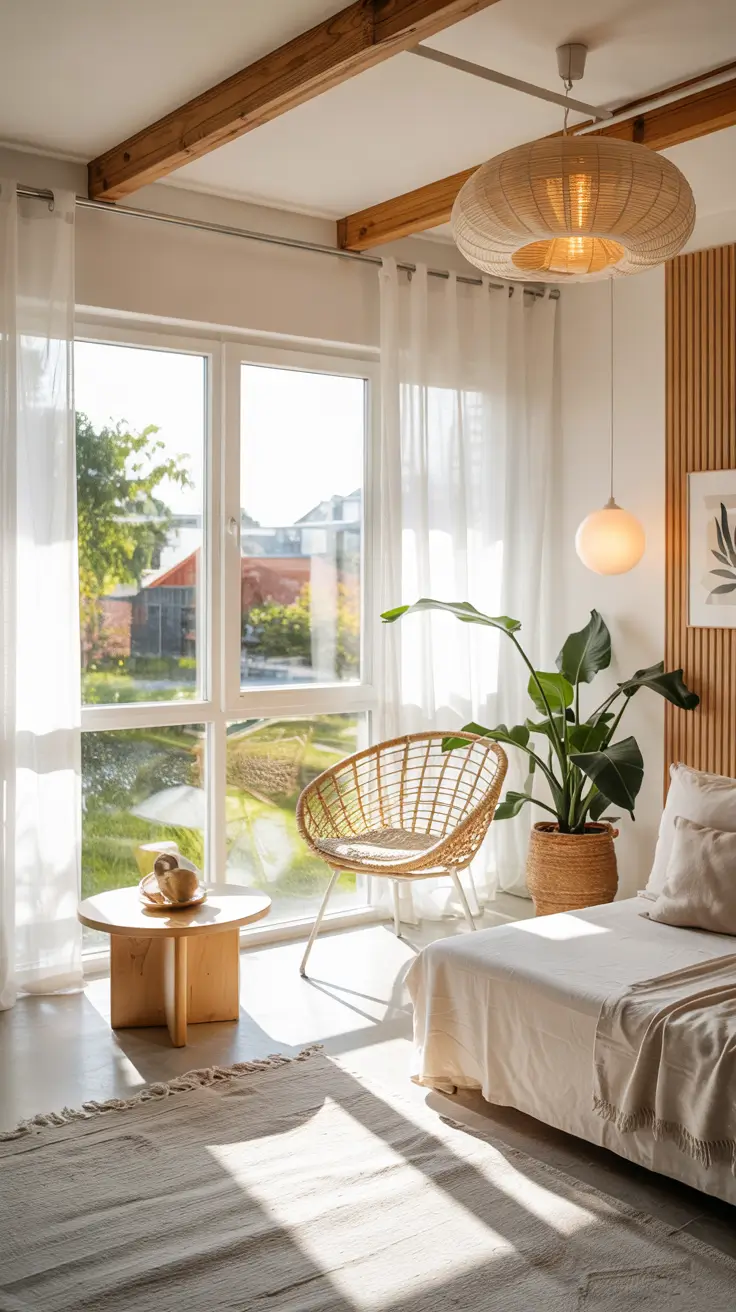
From my experience, lighting designers often emphasize layering as a key strategy. I fully support this because it allows flexibility for different times of day. Personally, I like to create zones with different lighting intensities. This adds depth and functionality. It also aligns with evolving summer home design trends.
I would recommend integrating dimmers and smart lighting controls. These allow easy adjustments based on mood and activity. Without this flexibility, lighting can feel static. It is a small addition that significantly improves usability. It completes the lighting strategy.
Textiles And Fabrics Trends In Interior Design Summer Home Decor
I see textiles as one of the most effective ways to update a space for summer without major renovation. In interior design summer home concepts, fabrics become lighter, more breathable, and visually softer. Linen, cotton, and sheer materials dominate because they allow natural light to move freely across the room. This approach supports a summer design home that feels open and calm rather than heavy or cluttered. I always recommend focusing on textures that enhance airflow and comfort.
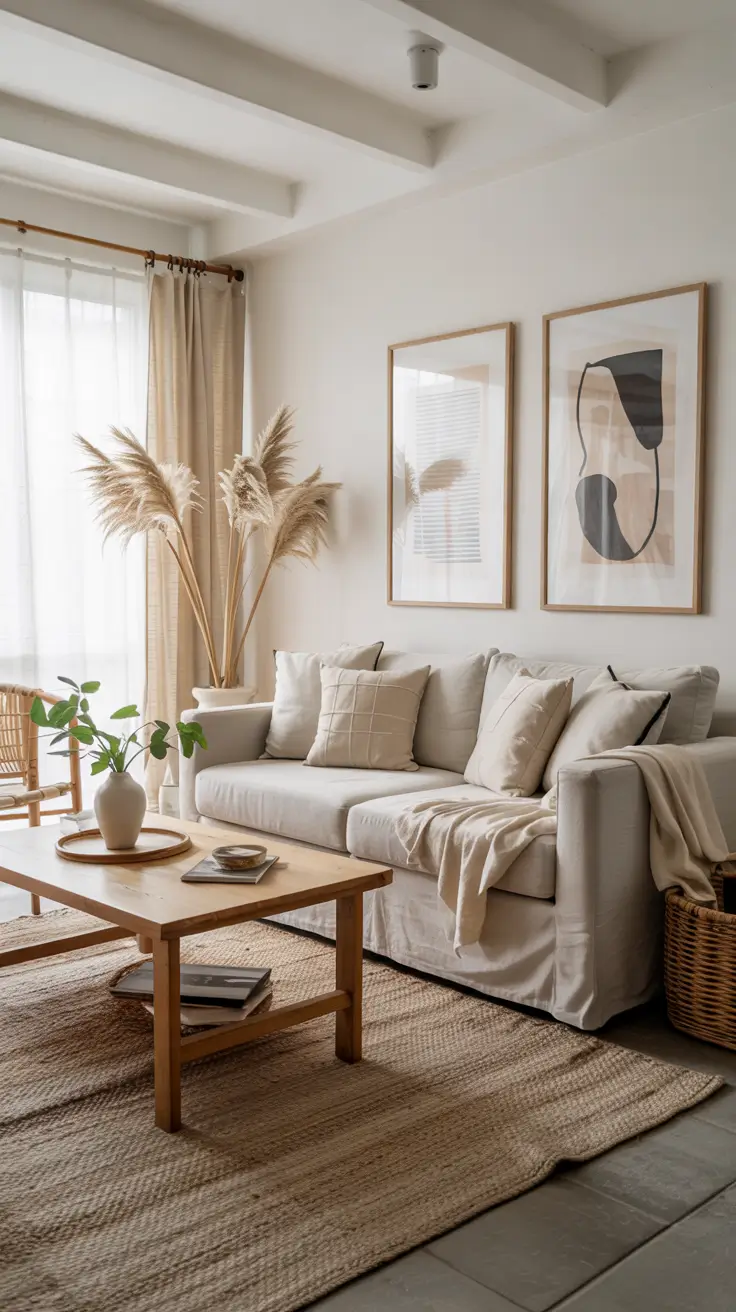
When I design with textiles, I carefully select curtains, upholstery, and rugs that reflect both functionality and aesthetics. Lightweight drapes, slipcovered sofas, and woven rugs create a cohesive look that aligns with summer home designs. I also integrate neutral palettes with subtle patterns to avoid visual overload. Cushions and throws are not just decorative, they provide comfort and flexibility. Each textile element should serve both a practical and visual purpose.
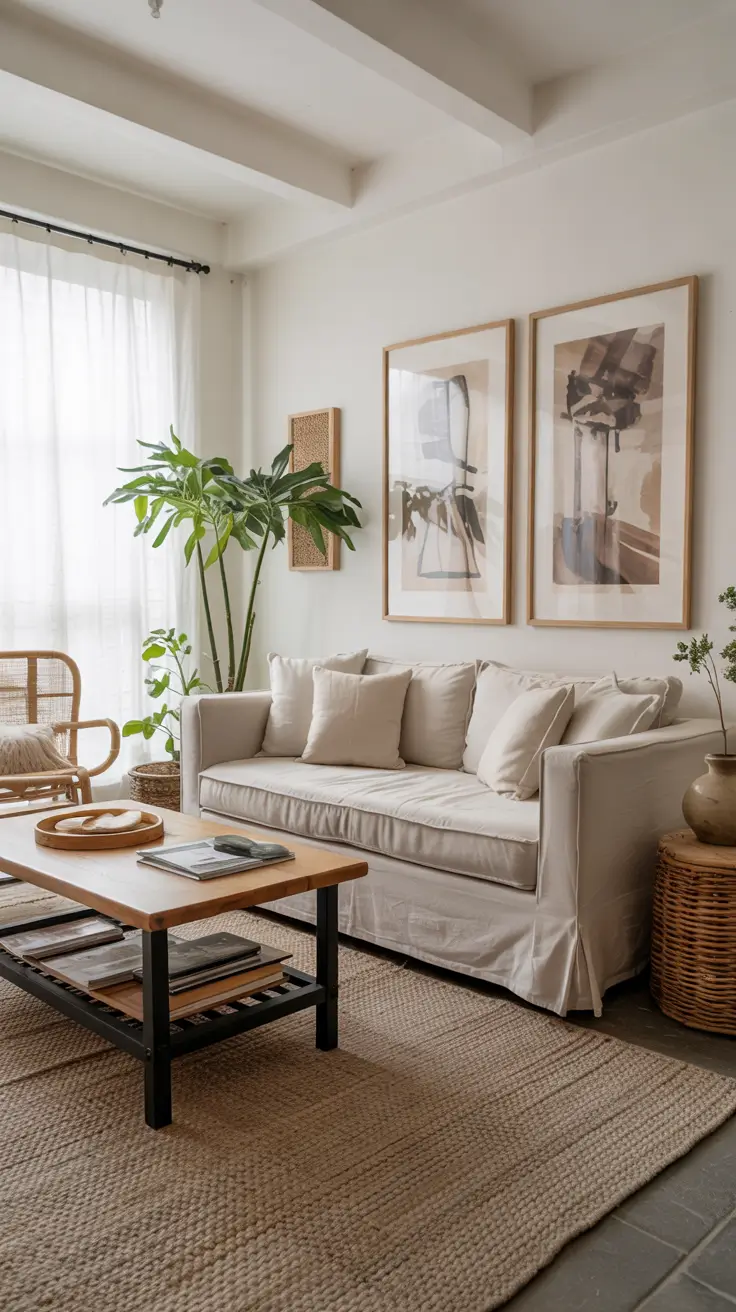
From my experience, designers like Nate Berkus often emphasize the importance of layering textures rather than relying on bold colors alone. I find that combining soft neutrals with tactile materials creates a more timeless summer atmosphere. This method allows the space to evolve easily with small seasonal updates. It also prevents the interior from feeling too trend dependent. I personally rely on this strategy when aiming for long lasting results.
I would also add that incorporating sustainable fabrics is becoming essential. Organic cotton, recycled textiles, and eco friendly dyes align with modern expectations. This detail is often missing but significantly improves the overall concept.
Space Saving Ideas In Modern Summer Home Design Interiors
In modern interiors, space optimization is no longer optional, especially in seasonal homes. I approach summer home design interiors by prioritizing flexibility and openness. Multi functional layouts allow rooms to adapt to different needs throughout the day. This creates a more dynamic and efficient environment. A well planned layout is the foundation of summer home design modern living.
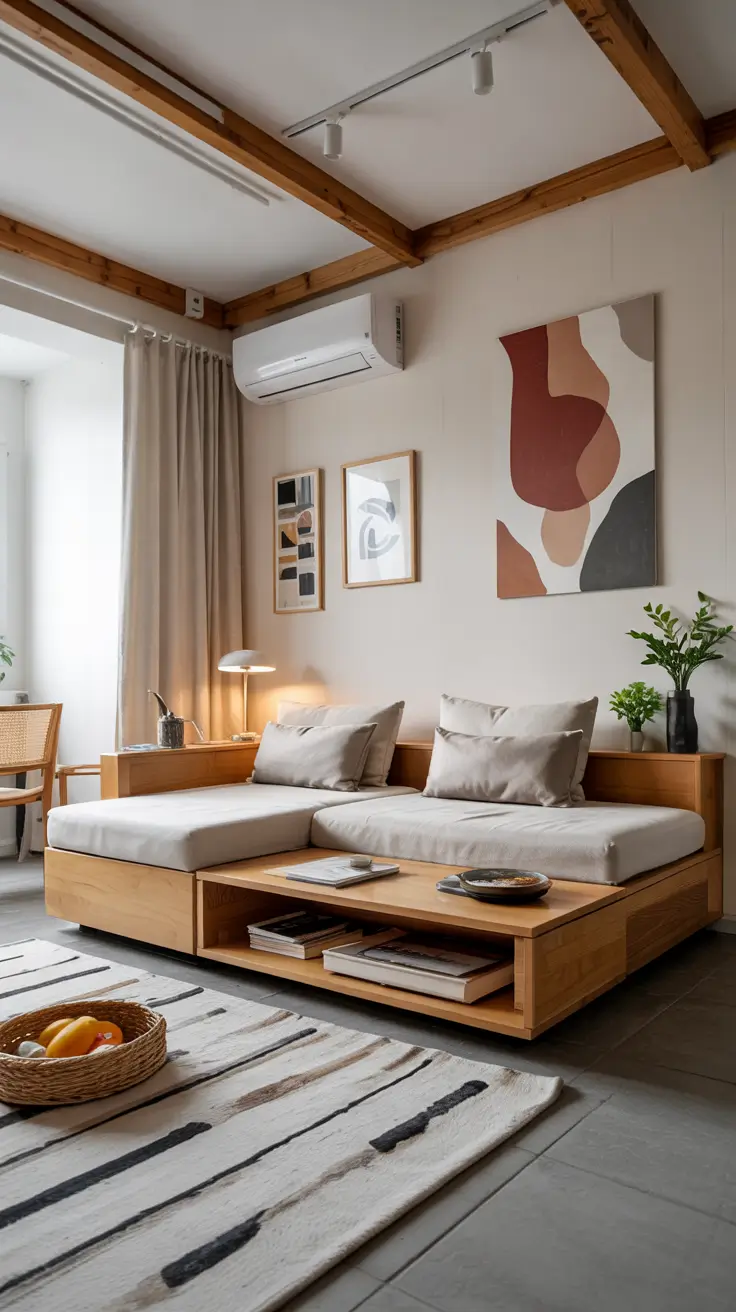
Furniture selection plays a critical role in achieving this effect. I often use modular sofas, foldable tables, and hidden storage solutions to maximize usability. Built in shelving and compact seating arrangements help maintain a clean look. These elements are essential for maintaining both functionality and style. Every piece should contribute to a sense of order and lightness.
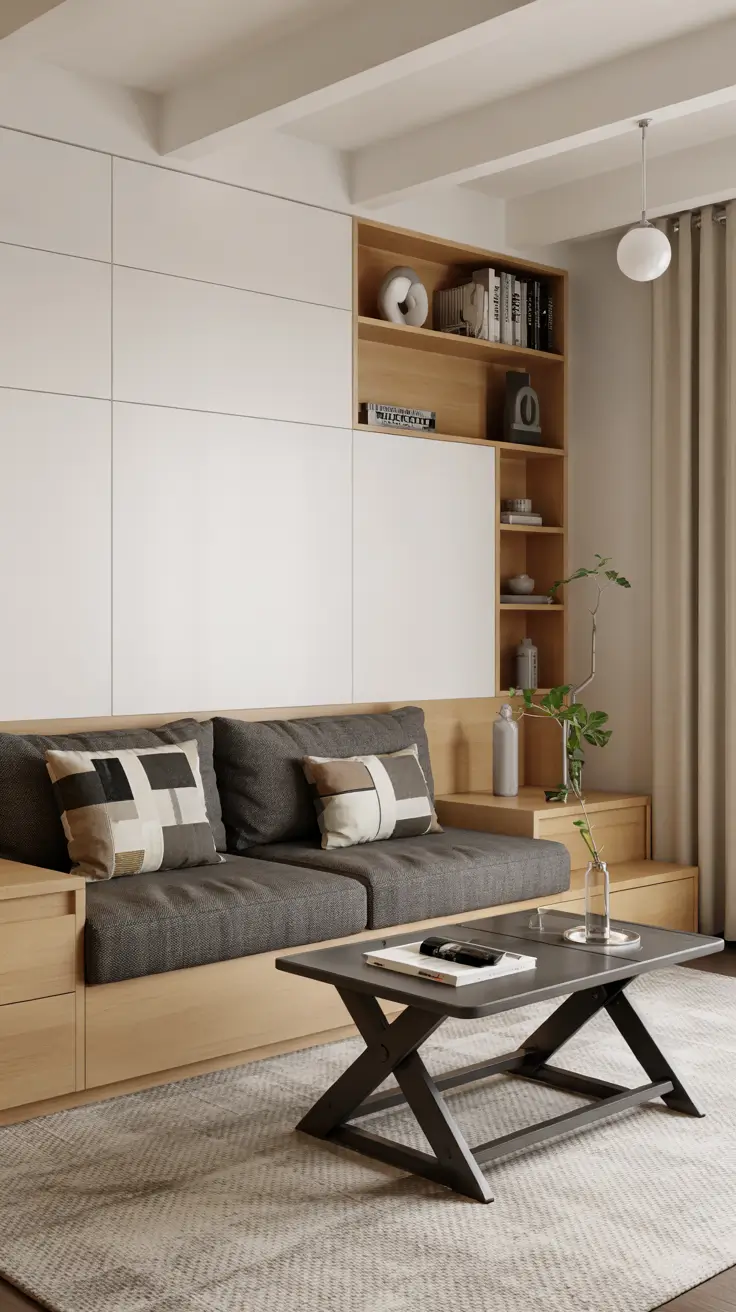
I have noticed that many designers, including those featured in Architectural Digest, highlight the importance of decluttering as a design strategy. I fully agree with this approach, as it enhances both visual clarity and comfort. Minimalism does not mean empty spaces, it means intentional design. I always aim to create interiors that feel curated rather than crowded.
I would recommend integrating vertical storage solutions and wall mounted elements. These additions often get overlooked but significantly improve usability.
Personalized Summer Home Design Ideas With Unique Decorative Elements
Personalization is what transforms a standard interior into a meaningful living space. In summer home design ideas, I focus on elements that reflect individuality while maintaining seasonal lightness. Custom decor, handmade items, and curated collections add depth to the design. This approach ensures that the space feels authentic and lived in. A personalized interior always stands out among generic designs.
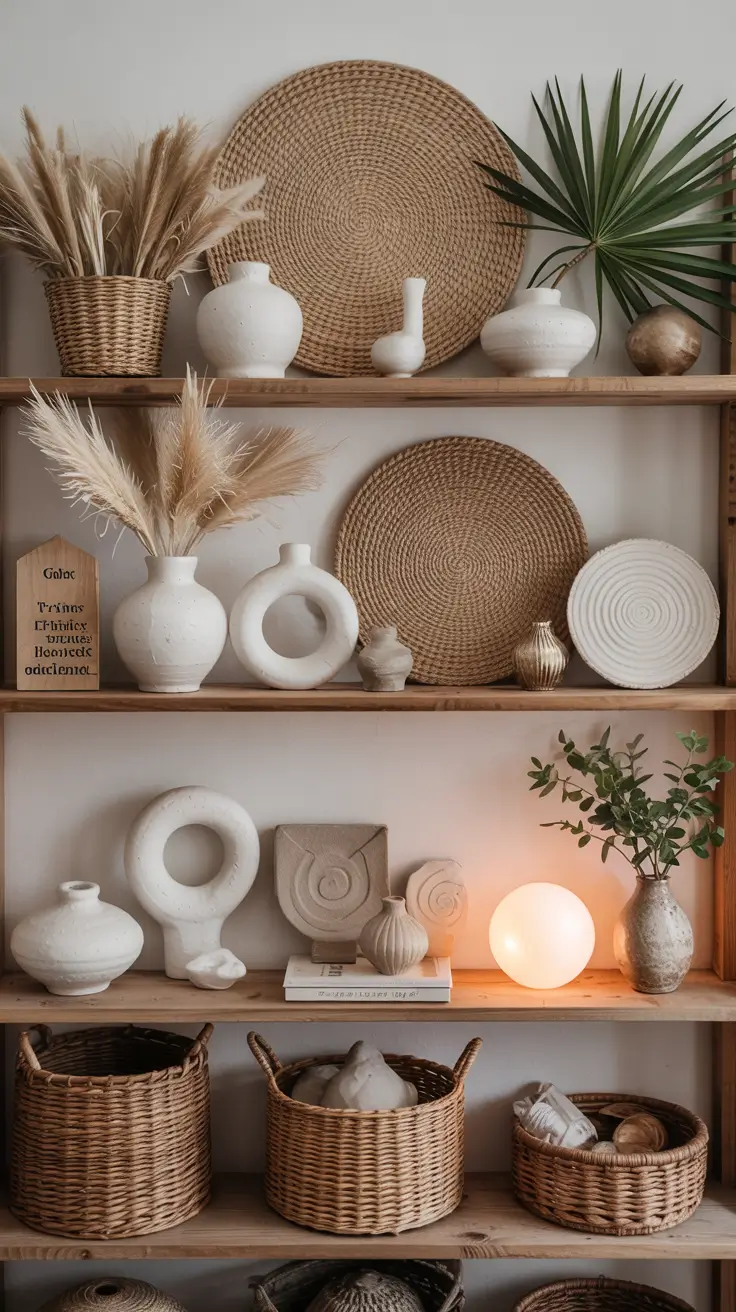
I carefully select decorative elements such as ceramics, artwork, and statement accessories. These pieces should complement the overall palette while adding character. I also incorporate travel inspired decor or sentimental objects to create emotional connection. Each item should tell a story without overwhelming the space. Balance is key in maintaining harmony.
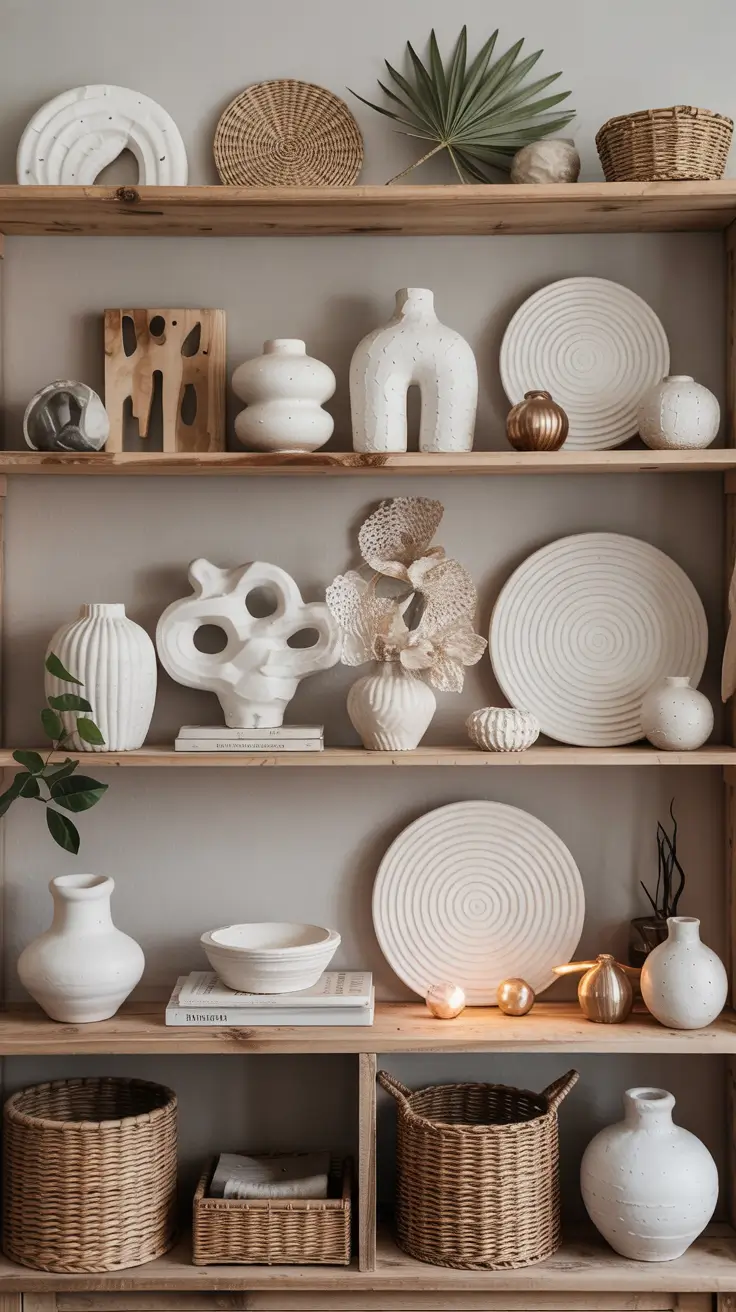
From my perspective, designers like Joanna Gaines often emphasize authenticity in decor. I find that this principle is especially relevant in summer interiors. When decor feels personal, the space becomes more inviting and comfortable. I always encourage thoughtful selection rather than impulsive decoration.
I would also include seasonal DIY accents as part of summer decorations for home diy ideas interior design. These additions bring freshness and creativity to the space.
Artistic Poster And Graphic Design Trends For Summer Home Styling
Graphic elements are becoming increasingly important in summer home design trends. I use posters and visual art to introduce color and personality without altering the core design. Bold prints, abstract compositions, and minimalist graphics can redefine a room instantly. These elements are particularly effective in creating focal points. They also allow for easy seasonal updates.
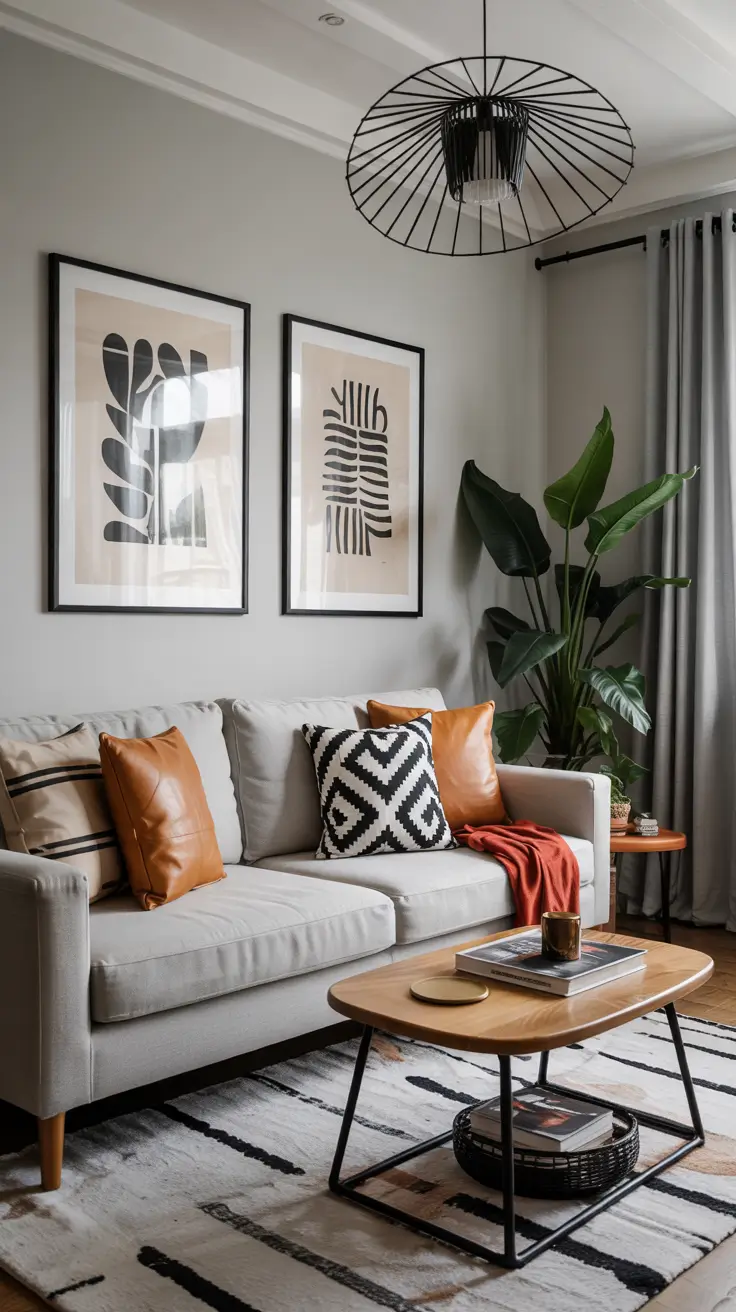
When selecting artwork, I consider scale, color balance, and placement. Large posters can anchor a space, while smaller prints add subtle detail. I often combine black and white graphics with soft color accents for contrast. Frames and mounting styles also play a significant role in the final look. Every detail contributes to the overall composition.
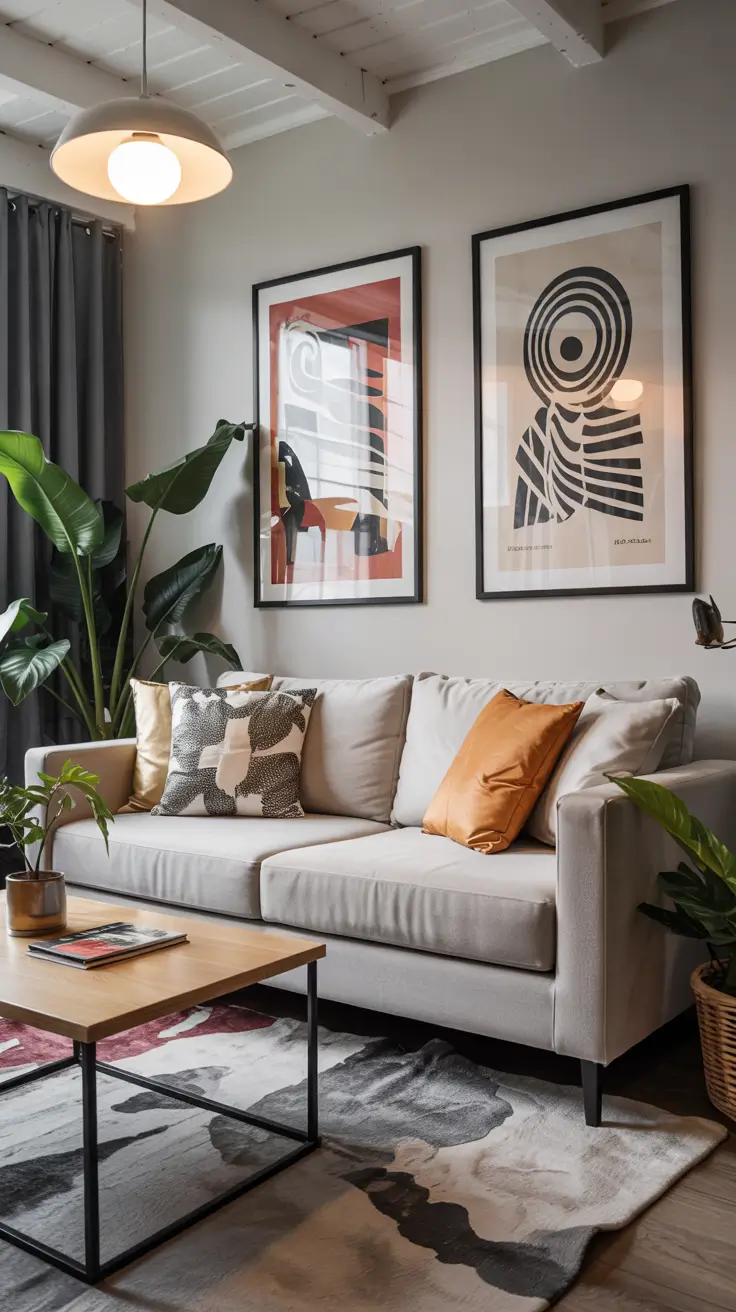
In my experience, publications like Elle Decor often highlight the role of art in defining modern interiors. I agree that artwork should not be an afterthought but an integral part of the design. It helps connect different elements within the space. I always treat graphic design as a key component of styling.
I would add that incorporating digital art and customizable prints is a growing trend. This allows for greater flexibility and personalization in design.
Future Of Summer Home Design Trends 2026 And Beyond
Looking ahead, I see summer vacation home work design evolving toward more adaptable and technology integrated spaces. Interiors will increasingly blend indoor and outdoor living. Smart solutions will enhance comfort without compromising aesthetics. Sustainability will also play a central role in future designs. These changes will redefine how we approach seasonal living.
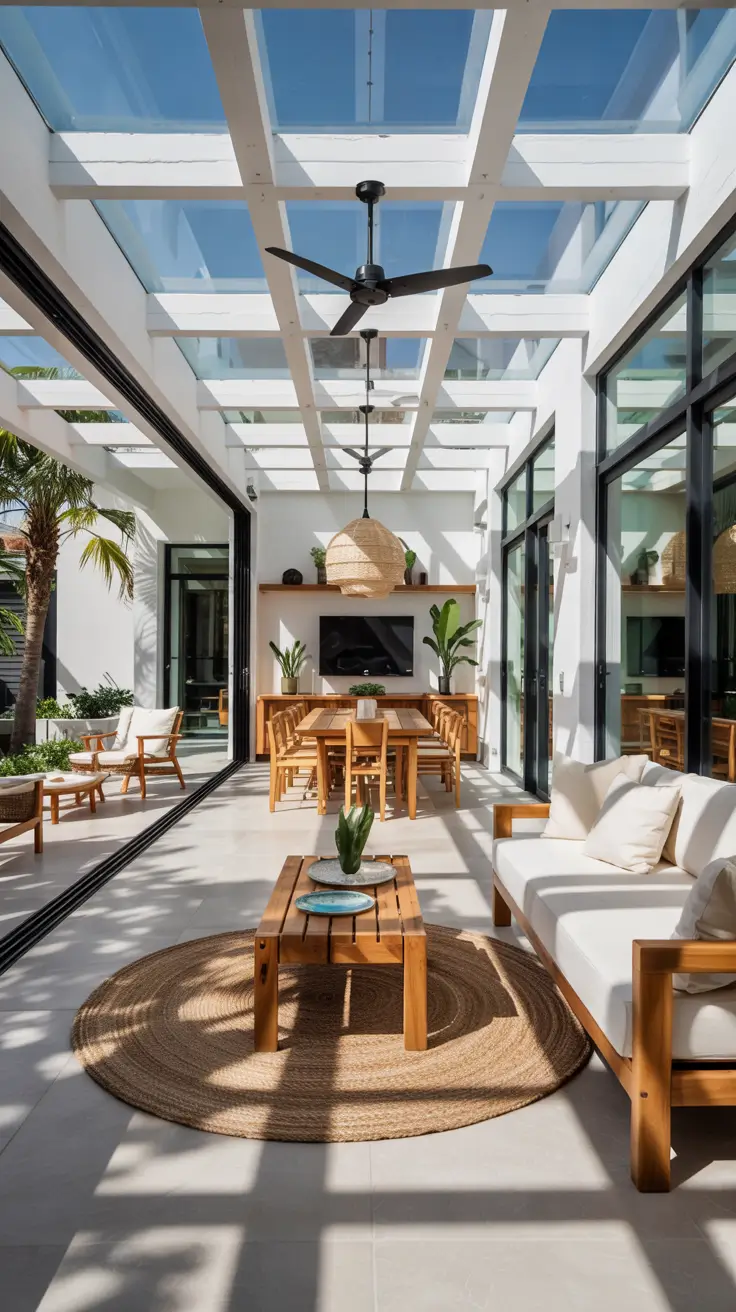
Furniture and materials will continue to evolve with a focus on durability and eco friendliness. I expect to see more hybrid spaces that serve both relaxation and productivity. Outdoor areas will become extensions of indoor living rooms. This approach supports a seamless lifestyle. Every element will be designed with purpose.
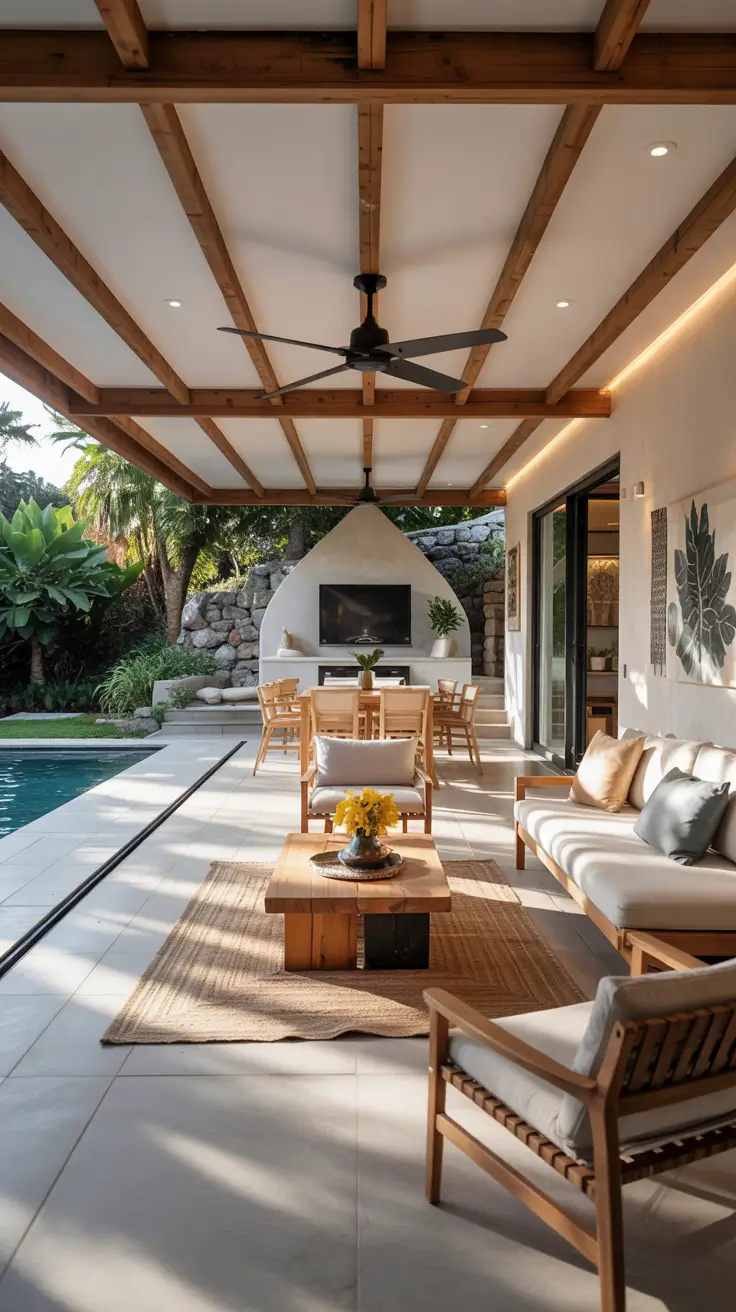
From my perspective, leading designers are already moving toward these concepts. I believe that flexibility and sustainability will define the next generation of interiors. Adapting early to these trends ensures long term relevance. I always aim to design with the future in mind.
I would also emphasize the importance of integrating smart lighting and climate control systems. These features enhance comfort and efficiency without disrupting the design.