Have you ever wondered how to transform your outdoor space into something truly magical and visually inspiring? In 2026, aesthetic garden ideas are evolving beyond simple landscaping into immersive, personalized environments that reflect creativity, comfort, and storytelling. Whether you are exploring home garden aesthetic ideas or searching for diy aesthetic garden ideas, this guide will help you discover designs that feel both modern and timeless. From cozy corners to vibrant playful setups inspired by games and fantasy, I will walk you through practical and beautiful concepts you can actually apply.
Aesthetic Garden Ideas 2026 For A Dreamy Outdoor Escape
I approach this concept as a balance between natural harmony and curated design, where the garden becomes a peaceful retreat rather than just a decorative space. In my experience, the key to successful aesthetic garden ideas is layering textures like soft grass, stone pathways, and flowing plants to create depth. I focus on soft color palettes with subtle contrasts that make the space feel calm yet visually engaging. Lighting also plays a huge role, especially warm ambient lights that transform the garden in the evening. This kind of setup works perfectly for a Backyard that needs to feel like a personal sanctuary.
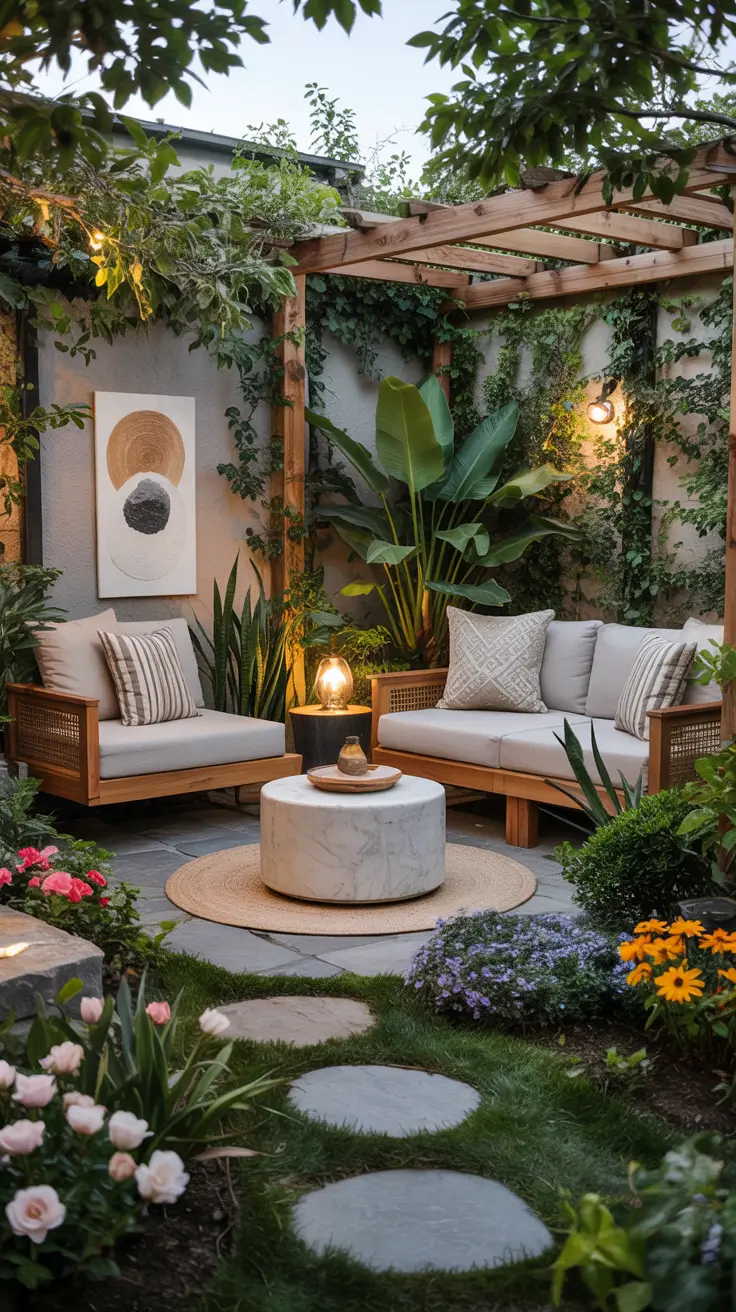
When I design such a space, I always include low seating like wooden benches or rattan chairs combined with lightweight throws and cushions. Adding a small water feature or minimalist fountain enhances the sensory experience and introduces movement. I prefer incorporating natural materials like wood, clay, and linen because they age beautifully and add authenticity. A mix of tall grasses and delicate Flower arrangements creates a layered visual effect. These elements together help build a cohesive and immersive environment.
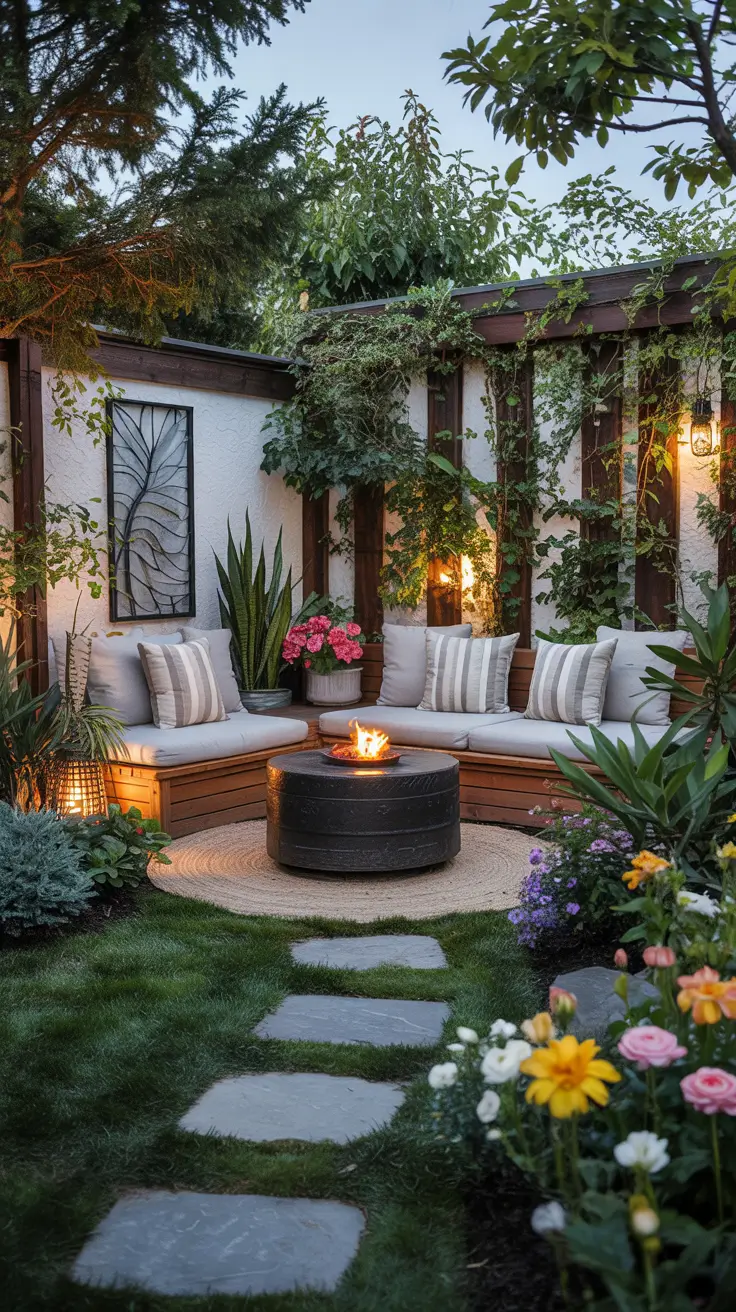
Personally, I find that less clutter and more intentional placement make a garden feel truly elevated. Many designers emphasize the importance of negative space, and I completely agree with this approach. Leaving room for breathing space allows each element to stand out without overwhelming the viewer. I often recommend focusing on one focal point, such as a seating area or a feature tree. This keeps the design grounded and purposeful.
To improve this section, I would add seasonal adaptability such as interchangeable textiles or plants that bloom at different times. I would also include subtle fragrance elements like lavender or jasmine to enhance the sensory experience further.
Front Of House Aesthetic Garden Ideas For Stunning First Impressions
The front garden sets the tone for the entire home, and I treat it as a visual introduction to the property. When working on garden ideas front of house aesthetic, I focus on symmetry, clean lines, and a welcoming layout. I aim to create a space that feels both structured and inviting, blending modern design with natural softness. Pathways are essential here because they guide the eye and create flow. I often use stone or gravel paths combined with greenery to achieve this balance.
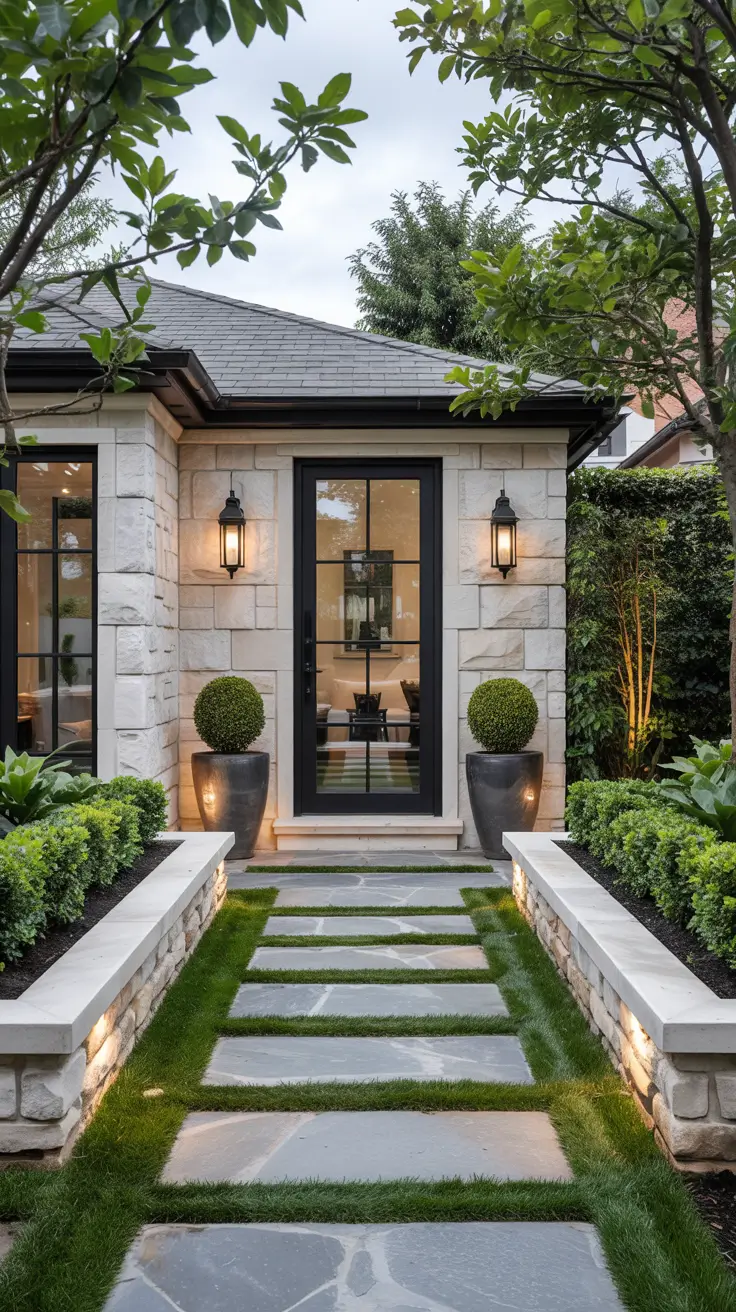
In terms of elements, I prioritize statement planters, trimmed hedges, and subtle lighting fixtures. A carefully chosen front door color paired with surrounding greenery enhances the overall aesthetic. I also like adding vertical elements such as trellises or climbing plants to create height variation. Small seating areas or decorative benches can add charm without overcrowding the space. These details contribute to a polished yet approachable look.
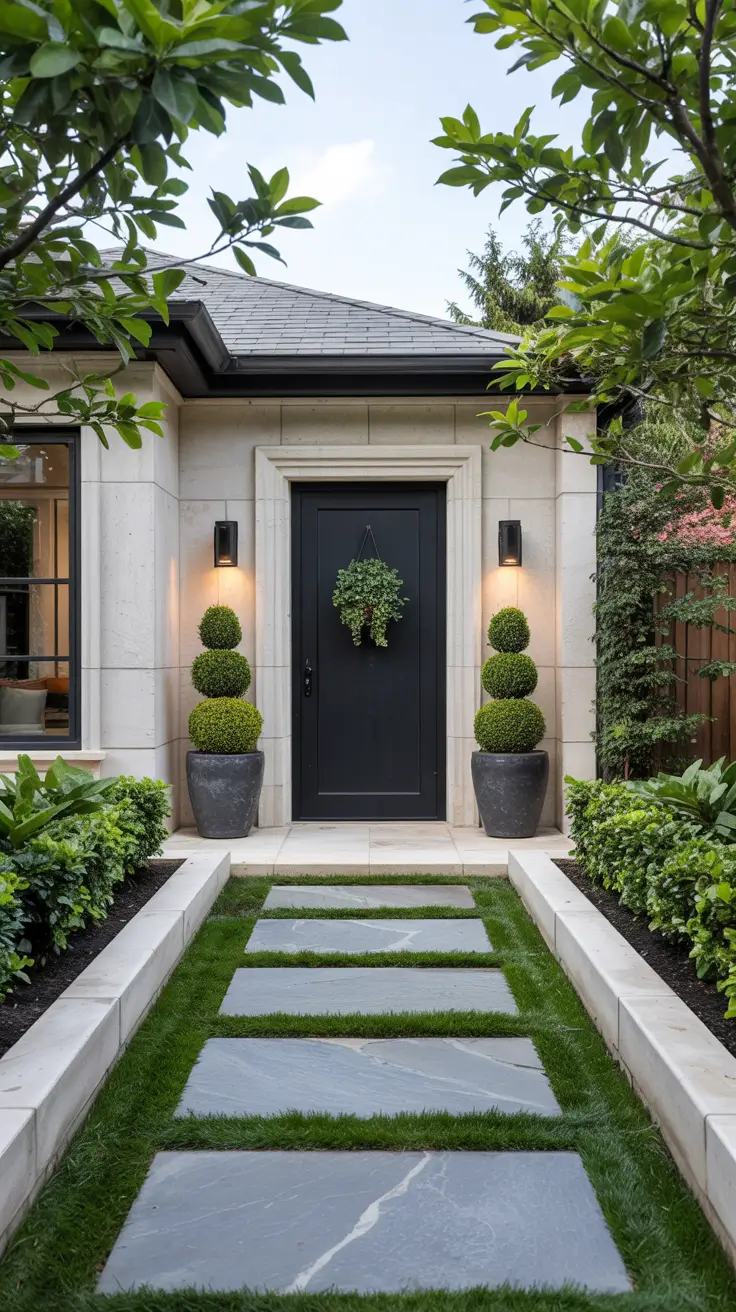
From my perspective, consistency is the most important factor in front garden design. Everything should feel cohesive, from the materials to the color palette. I often draw inspiration from architectural styles to ensure harmony between the house and garden. This approach helps create a seamless visual experience.
To enhance this section further, I would incorporate smart lighting systems and low maintenance plant choices for practicality. Adding subtle seasonal decor could also keep the space fresh throughout the year.
Pony Town Garden Ideas Aesthetic Inspired By Fantasy Worlds
When exploring pony town garden ideas aesthetic, I focus on whimsical and imaginative elements that bring a sense of fantasy to life. This style is all about creativity, vibrant colors, and playful layouts that feel almost like a digital world translated into reality. I like using curved paths, unexpected shapes, and layered greenery to create a sense of discovery. It is perfect for anyone who wants their garden to feel unique and expressive.
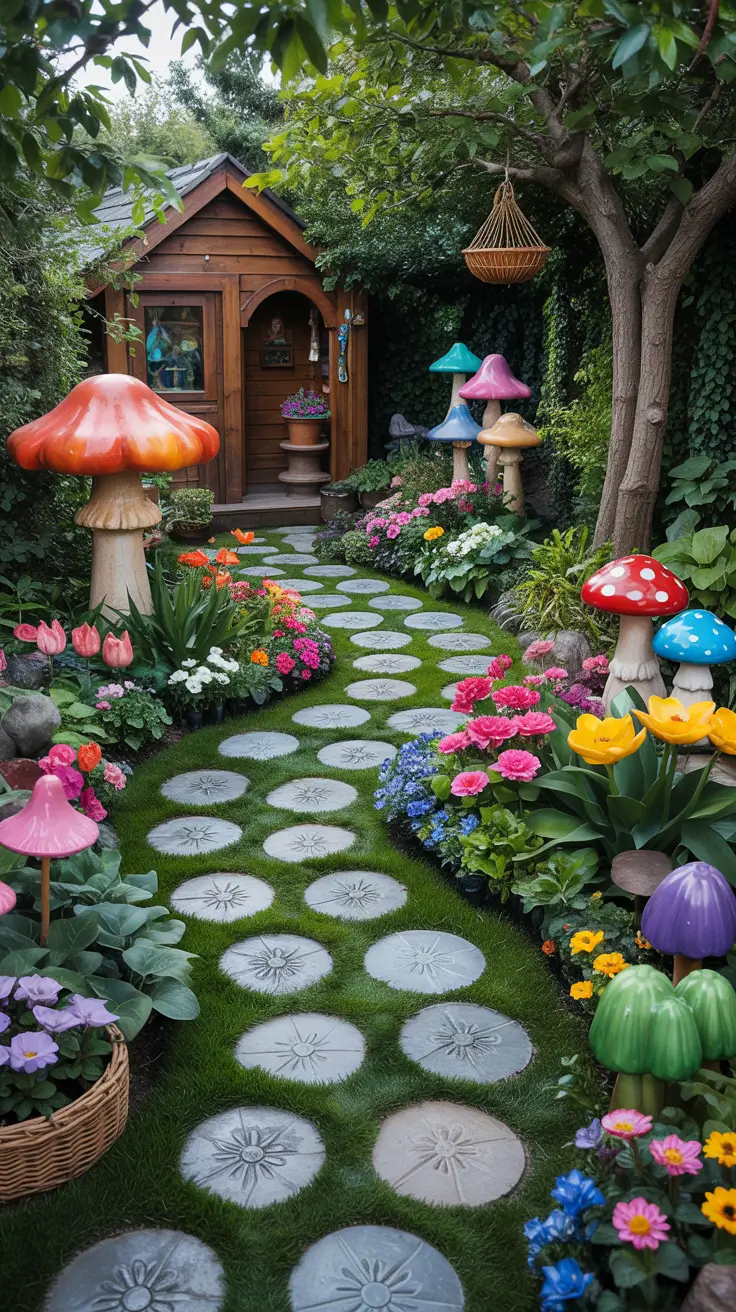
I usually include bright flowers, decorative mushrooms, and themed ornaments to reinforce the fantasy vibe. Small bridges, painted stones, and custom garden art pieces add personality and storytelling elements. I also like integrating cozy corners with colorful cushions or hammocks to make the space functional. This approach blends creativity with comfort effortlessly.
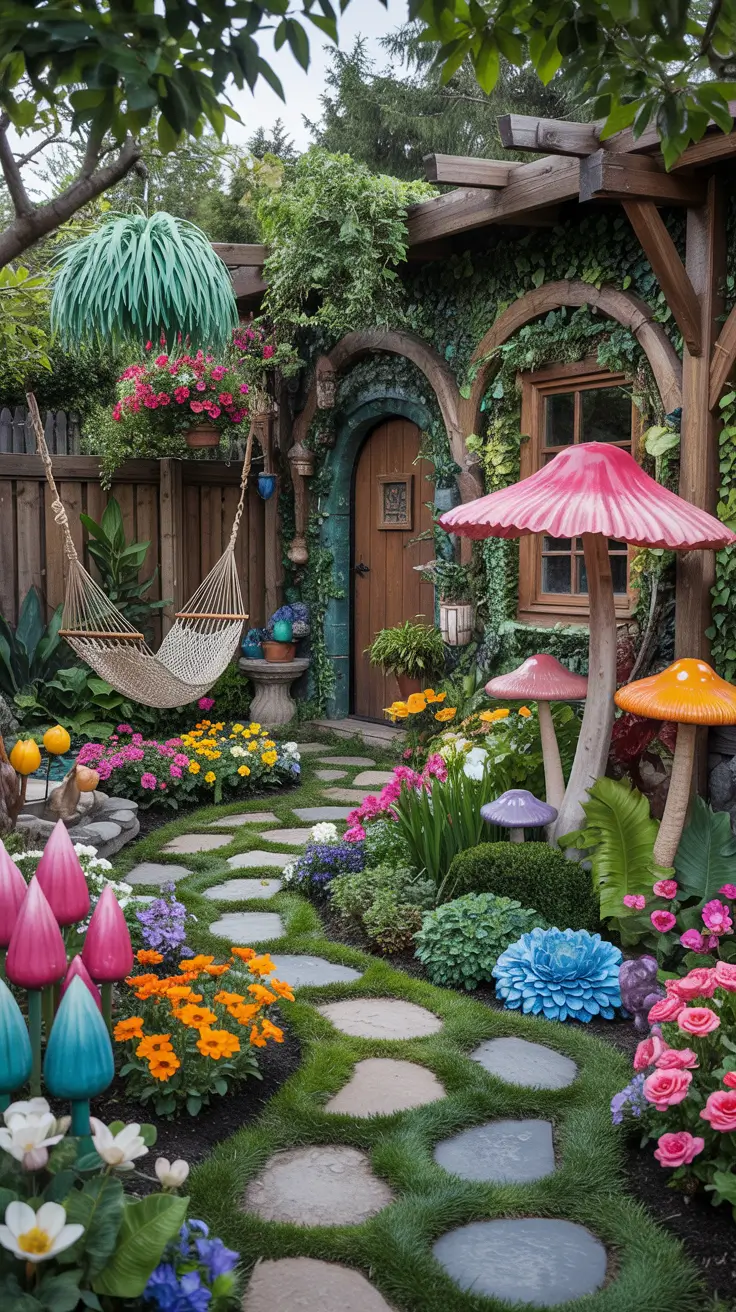
In my experience, this style works best when you fully commit to the theme. Trying to mix it with overly minimalist elements can dilute its impact. I often encourage bold choices and playful experimentation. This makes the garden feel alive and engaging.
To improve this concept, I would add interactive elements like DIY crafts or customizable decor pieces. This would allow the garden to evolve over time and remain exciting.
Tsuki Odyssey Garden Ideas Aesthetic With Cozy Minimal Charm
The charm of tsuki odyssey garden ideas aesthetic lies in its simplicity and warmth. I see it as a blend of minimalism and coziness, where every element feels intentional and calming. I focus on neutral tones, soft textures, and gentle lighting to create a peaceful environment. This type of garden is ideal for relaxation and quiet reflection.
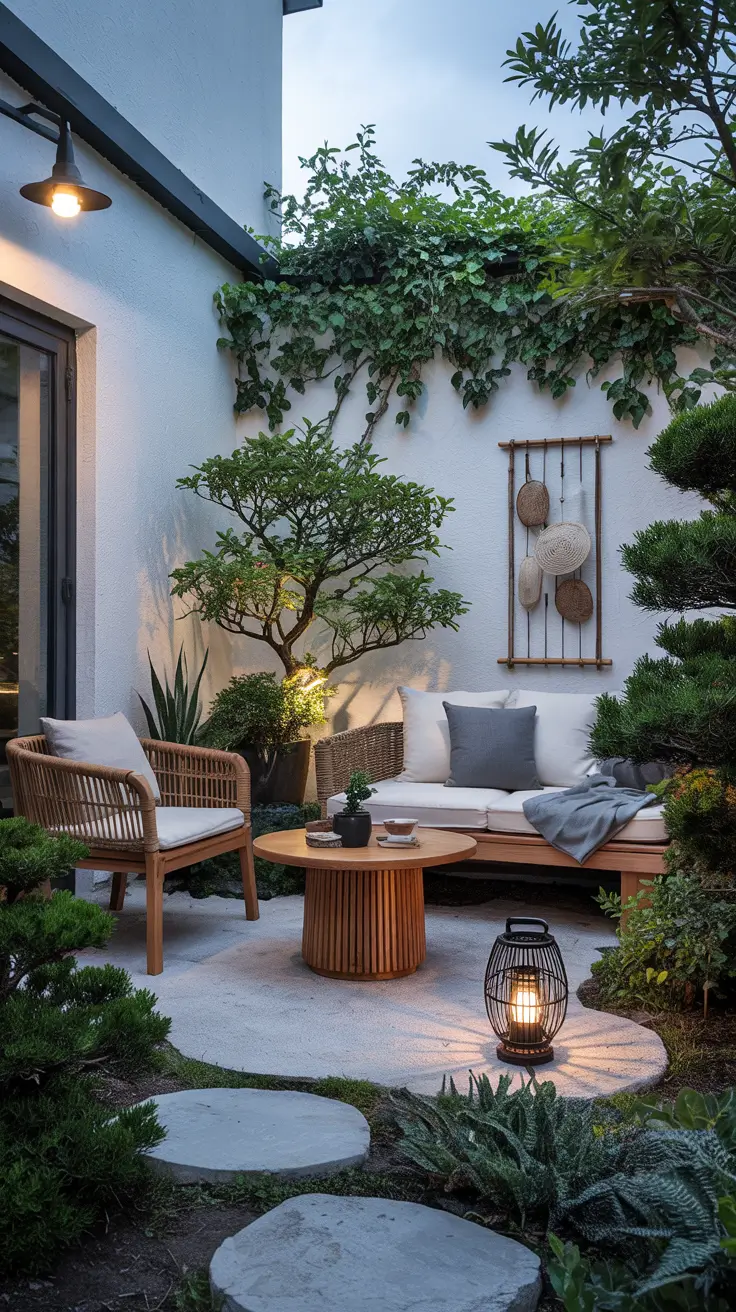
I often use wooden furniture, small lanterns, and simple planters to maintain a clean aesthetic. Compact seating areas and low tables make the space feel intimate and functional. Adding subtle greenery like bonsai or small shrubs enhances the minimalist feel. Every piece serves a purpose without overwhelming the space.
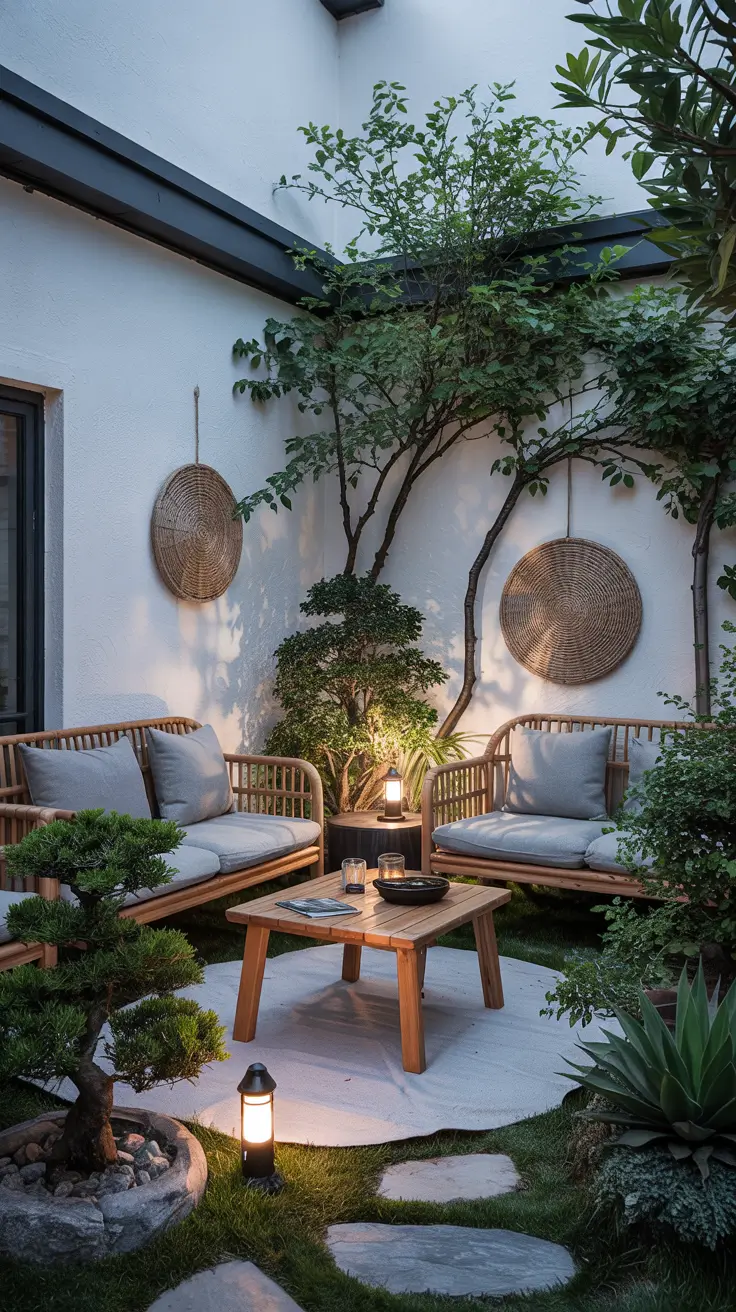
From my perspective, this design style is all about restraint and thoughtful choices. I find that limiting the number of elements actually enhances the overall beauty. It allows the viewer to appreciate each detail fully. This approach aligns well with modern lifestyle preferences.
To enhance this section, I would include more emphasis on textures such as woven fabrics or stone surfaces. Adding a small Terrace extension could also expand usability without compromising the aesthetic.
Toca Boca Aesthetic Garden Ideas With Playful And Colorful Designs
With toca boca aesthetic garden ideas, I focus on vibrant, cheerful designs that feel fun and energetic. This style embraces bold colors, quirky shapes, and creative layouts that appeal to both children and adults. I approach it as a space that encourages playfulness while still being visually appealing. It is perfect for a lively Outdoor environment.
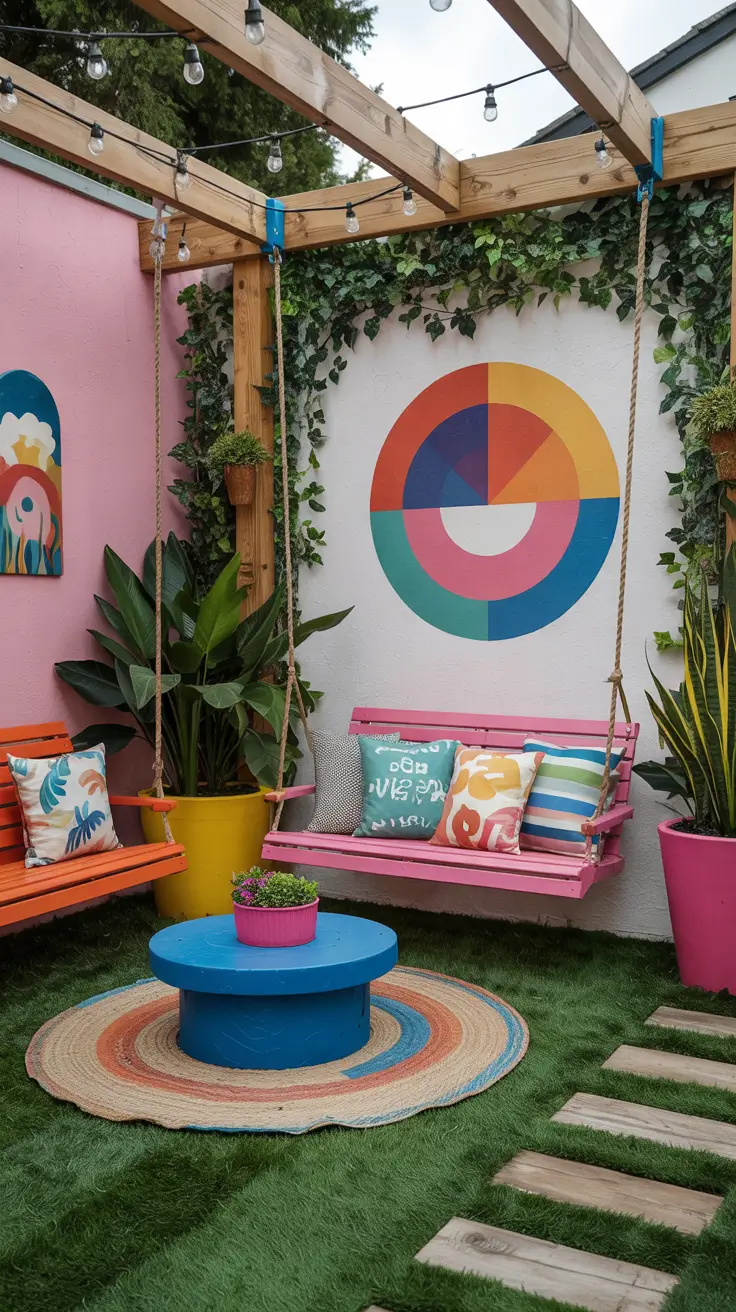
I like incorporating colorful furniture, patterned rugs, and playful decor elements like swings or sculptural pieces. Bright planters and unique garden accessories help reinforce the theme. I also use layered lighting and bold accents to create visual interest. This ensures the space feels dynamic and engaging.
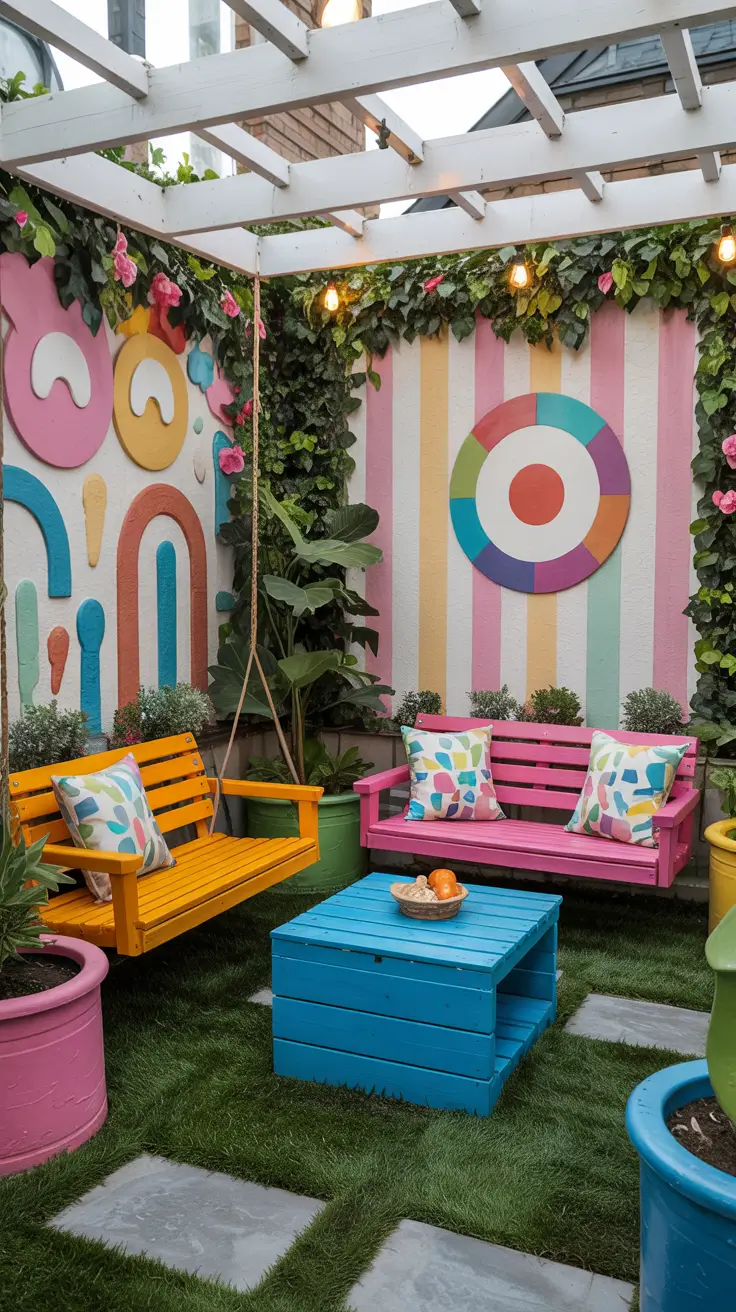
In my experience, this style benefits from a balance between fun and structure. Too many random elements can make the space feel chaotic. I always recommend choosing a color palette and sticking to it for cohesion. This keeps the design polished while still playful.
To improve this section, I would add more modular furniture options that can be rearranged easily. Including interactive features like chalk walls or creative zones could also enhance the experience.
Aesthetic Garden Ideas With Pool For A Luxury Outdoor Vibe
I find that combining water elements with greenery instantly elevates the overall mood of a garden. When working with aesthetic garden ideas pool, I focus on balancing hardscape and softscape elements to avoid a cold or overly structured look. A well-designed pool area should feel integrated into the garden rather than placed on top of it. I often recommend soft curves, natural stone edges, and layered planting to create depth and visual harmony. This approach makes the space feel more inviting and less like a traditional backyard installation.
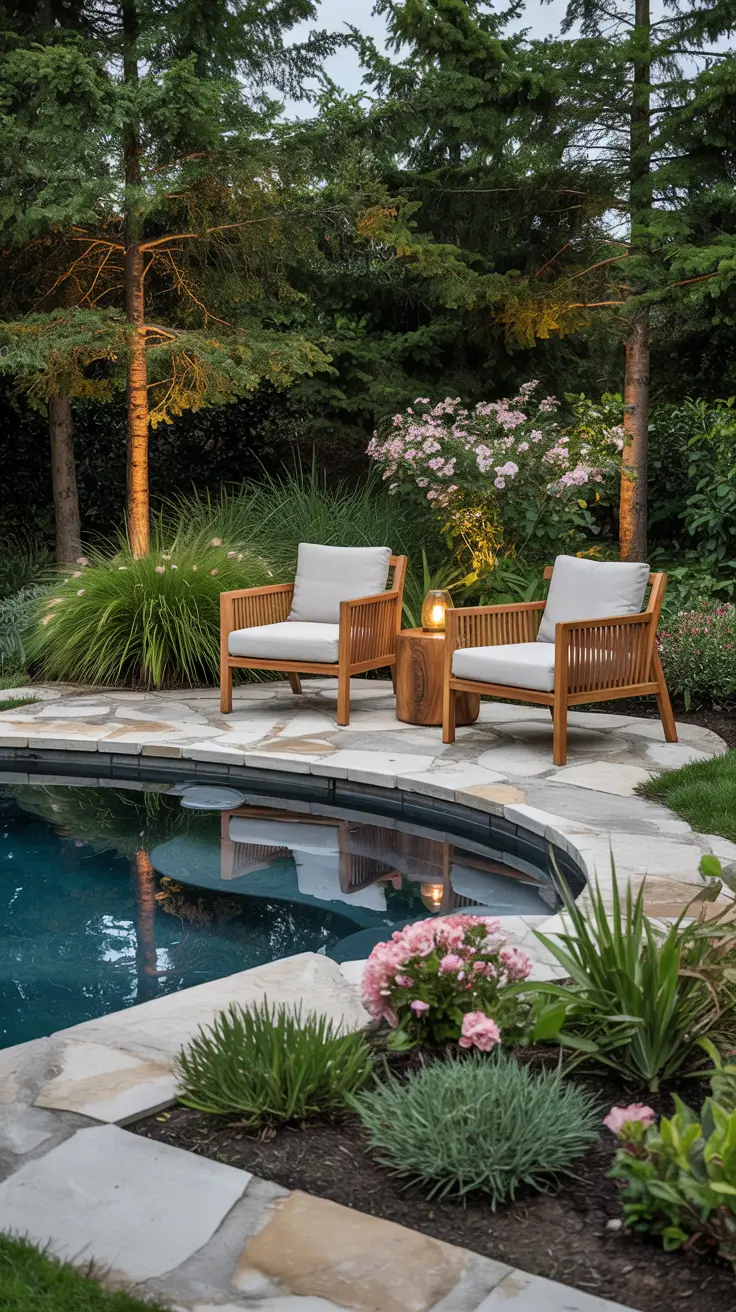
In my experience, the furniture selection plays a major role in achieving a cohesive aesthetic. I usually incorporate low-profile lounge chairs, neutral-toned cushions, and wooden or rattan textures to soften the look of water features. Adding subtle lighting such as recessed pool lights or warm LED strips along pathways enhances the atmosphere during evening hours. I also include greenery like ornamental grasses or flowering shrubs to frame the pool naturally. These elements help maintain a balance between luxury and comfort without overwhelming the space.
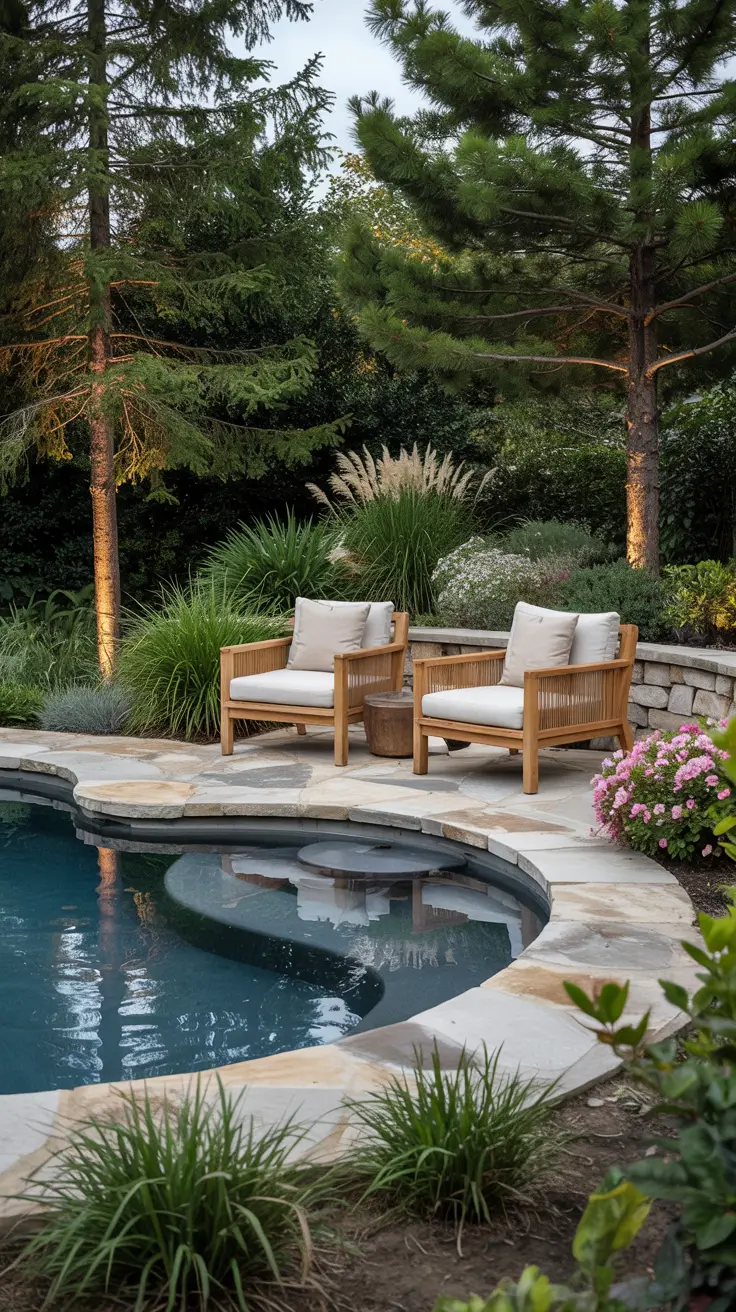
Personally, I believe that the key to a successful pool garden is restraint. I have seen many designs where too many materials compete for attention, which breaks the visual flow. Inspired by design recommendations often highlighted in Architectural Digest, I prefer limiting the palette to two or three main materials. This creates a calm and refined outdoor environment. It also ensures that the pool remains a focal point without dominating the entire garden.
If I were refining this concept further, I would add a shaded pergola or a minimalist outdoor bar area. These additions increase functionality while maintaining the same aesthetic direction. I would also consider incorporating subtle water features like a small cascade for added sensory appeal.
Home Garden Aesthetic Ideas For A Cozy Everyday Retreat
When I design home garden aesthetic ideas, my main goal is to create a space that feels like an extension of the interior. The garden should support daily relaxation, not just occasional use. I focus on comfort, accessibility, and visual softness to make the space inviting throughout the day. This approach works especially well for smaller backyards or urban settings where every detail matters. The result is a garden that feels personal and lived-in rather than staged.
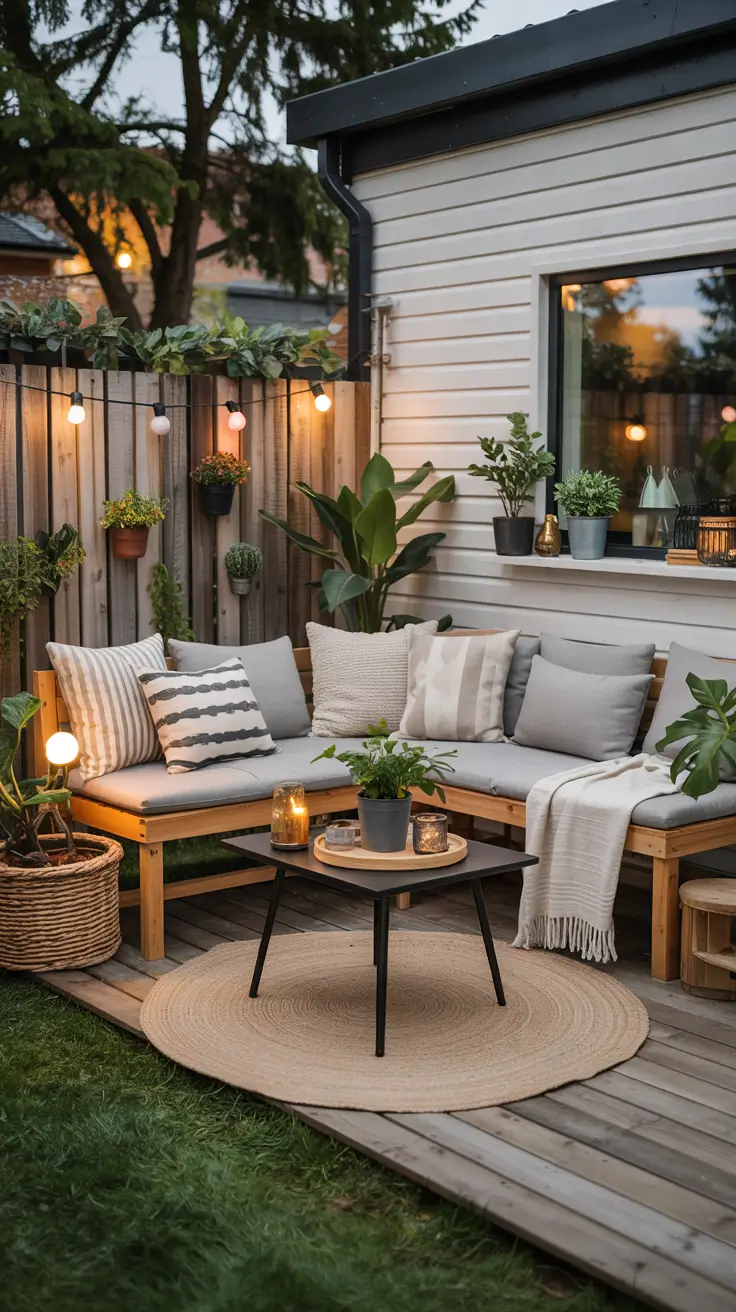
I usually select furniture that encourages longer stays outdoors, such as cushioned benches, soft throws, and compact coffee tables. Natural materials like wood and linen help create a warm and grounded atmosphere. I also integrate potted plants and layered greenery to add depth without requiring complex landscaping. Small decorative elements like lanterns or ceramic accents contribute to the overall aesthetic without cluttering the space. Each item should serve both a functional and visual purpose.
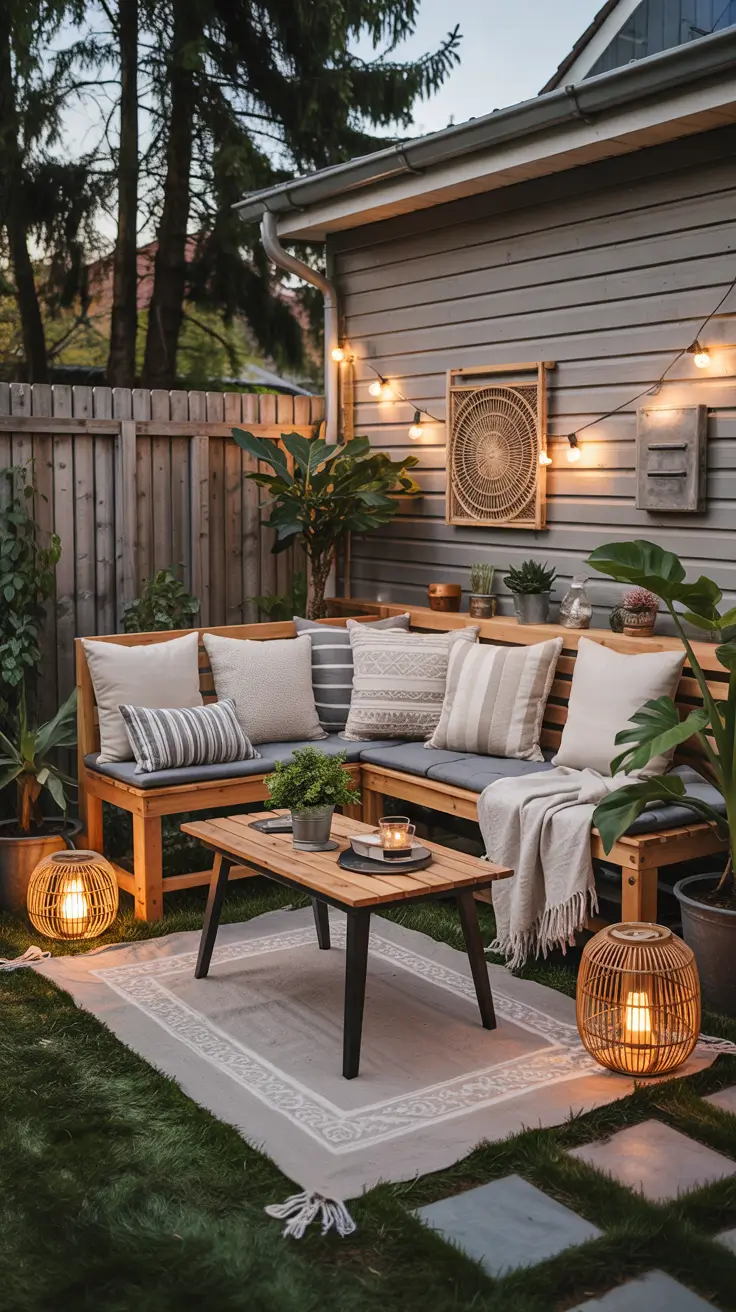
From my perspective, lighting is often underestimated in cozy garden design. I rely on warm string lights, solar lanterns, and subtle pathway illumination to create a welcoming environment in the evening. Many designers featured in Better Homes and Gardens emphasize the importance of layered lighting outdoors, and I fully agree with this approach. It transforms the garden into a usable space even after sunset. This makes the garden feel like a true extension of the home.
To enhance this setup further, I would add a small fire pit or a vertical garden wall. These elements introduce both warmth and visual interest. They also allow the space to evolve with seasonal changes.
DIY Aesthetic Garden Ideas For Budget Friendly Transformations
I often turn to diy aesthetic garden ideas when working with limited budgets or when I want to add a personal touch to a space. These ideas allow for creativity without requiring large investments. The key is to focus on simple upgrades that have a strong visual impact. Even small changes can significantly improve the overall atmosphere of a garden. This makes DIY solutions both practical and rewarding.
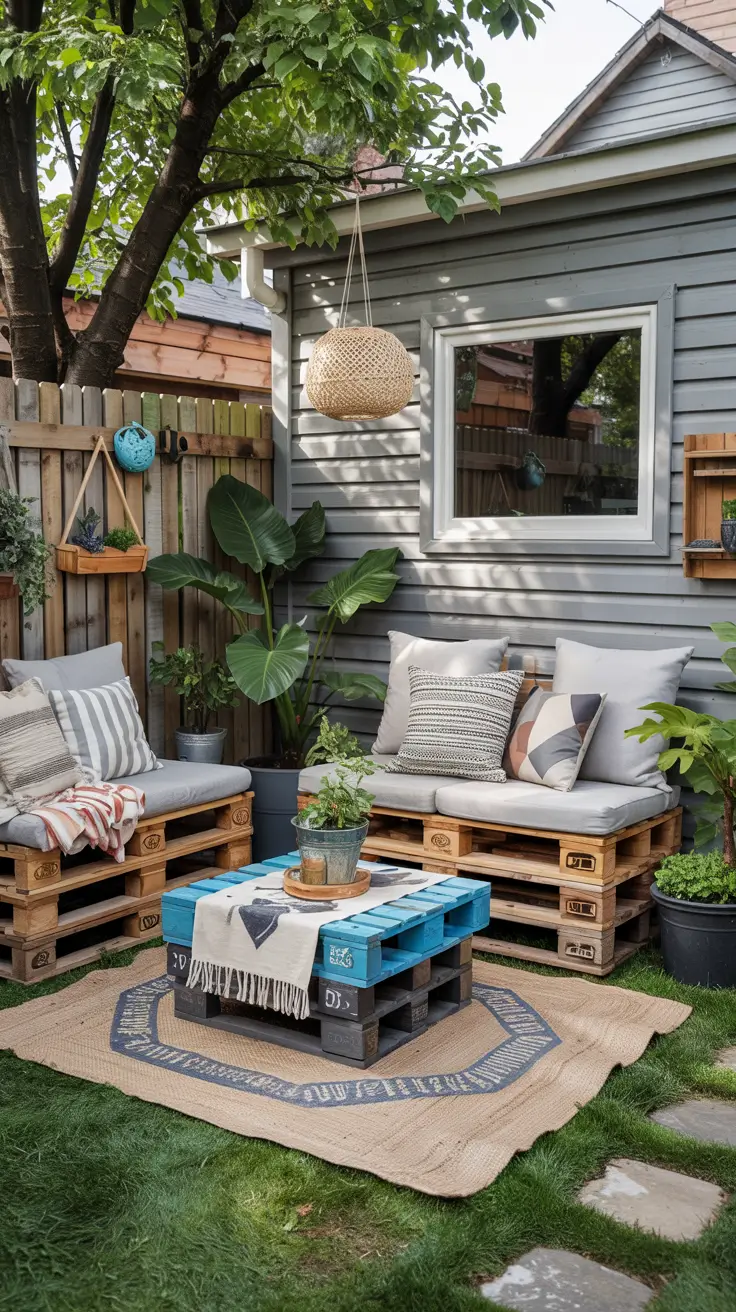
In my projects, I frequently use repurposed materials such as wooden pallets, old containers, or reclaimed bricks. These can be transformed into seating, planters, or decorative features. I also recommend painting or staining existing furniture to refresh its appearance. Adding textiles like outdoor rugs or cushions can instantly elevate the space. These elements work together to create a cohesive and intentional look.
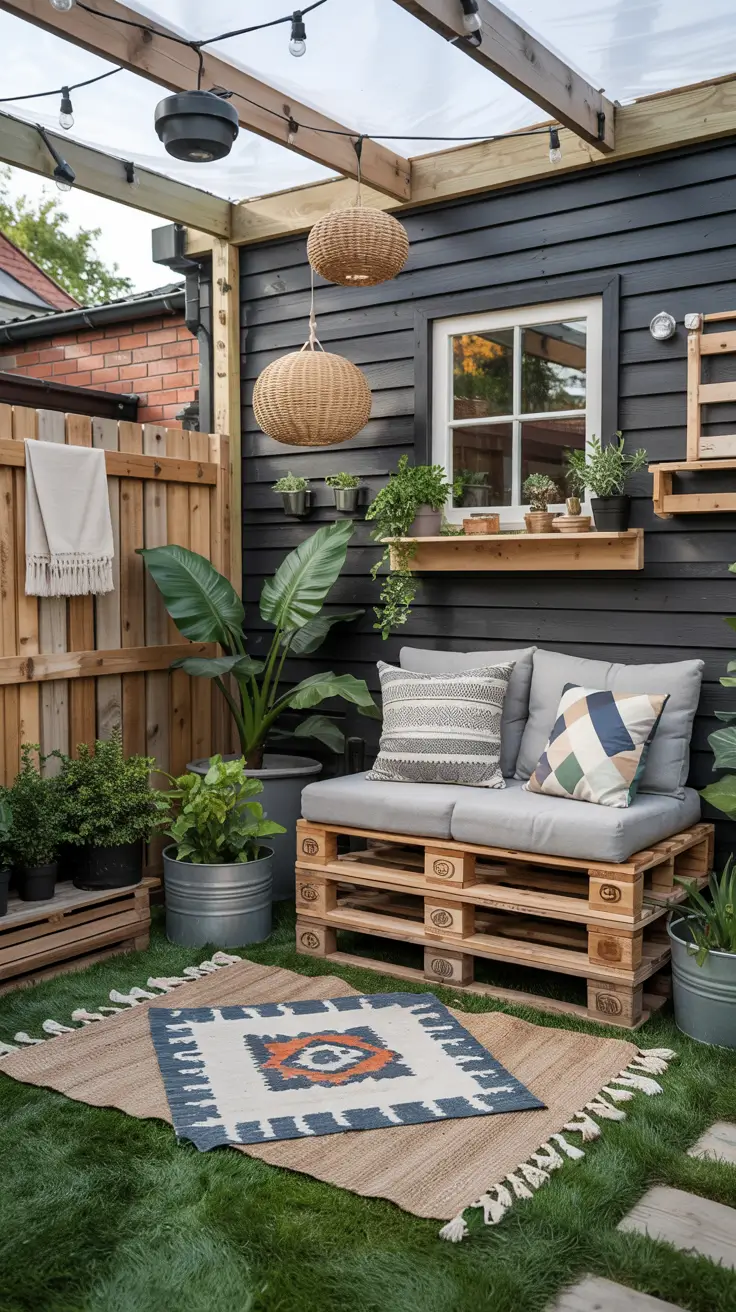
I personally enjoy the process of creating something unique rather than buying ready-made solutions. Many outdoor design experts encourage DIY approaches because they allow for flexibility and customization. I have found that even simple additions like handmade plant stands or painted pots can make a noticeable difference. This approach also makes the garden feel more authentic and connected to the homeowner.
If I were to expand on this idea, I would include vertical planters or hanging gardens. These are especially useful for small spaces and add an extra layer of visual interest. I would also experiment with color schemes to maintain consistency across all DIY elements.
Aesthetic Sketch Ideas Garden For Creative Planning And Layouts
When developing aesthetic sketch ideas garden, I always begin with visual planning before making any physical changes. Sketching allows me to explore different layouts and understand how elements will interact within the space. This step is essential for achieving balance and avoiding costly mistakes. It also helps translate abstract ideas into a clear and actionable design plan. I treat sketches as a foundation for the entire project.
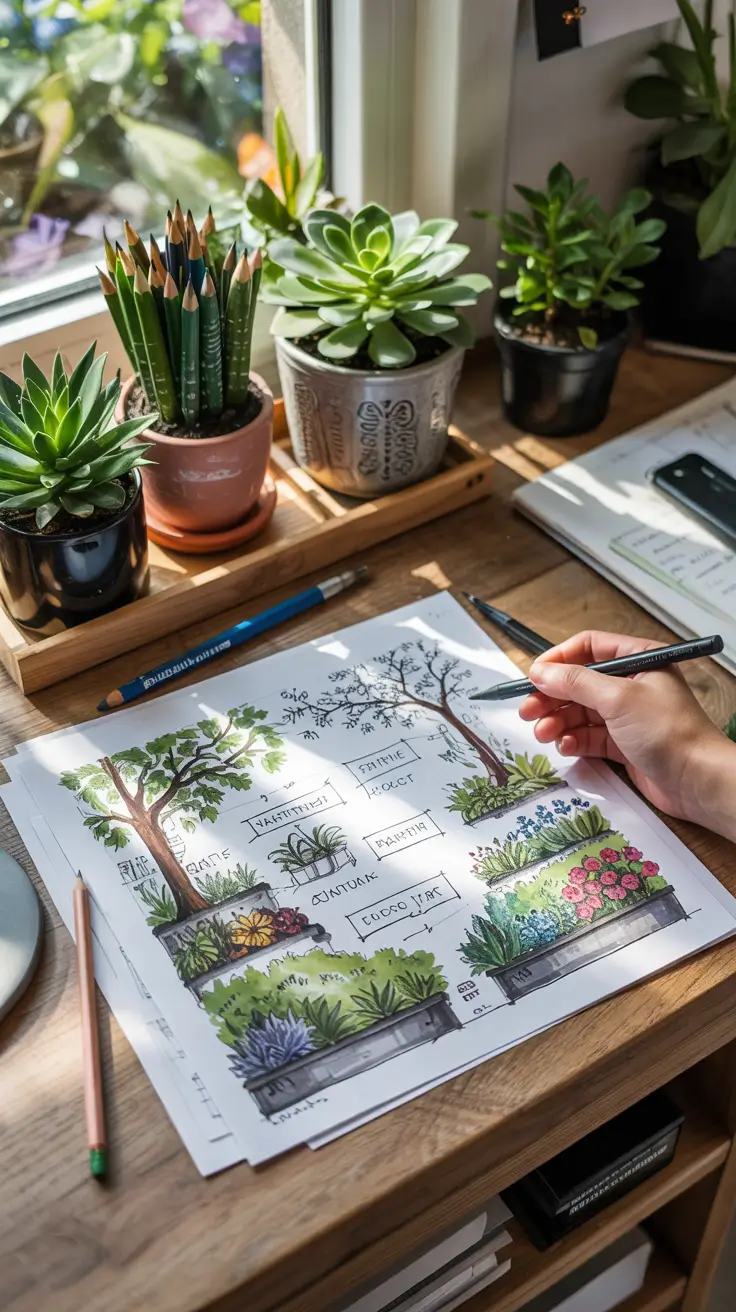
I typically include key components such as pathways, seating areas, planting zones, and focal points in my sketches. Using simple lines and shading, I can quickly test different arrangements and proportions. I also mark areas for sunlight and shade to ensure that plants are placed appropriately. This method allows me to visualize how the garden will evolve over time. It is a practical approach that saves both time and resources.
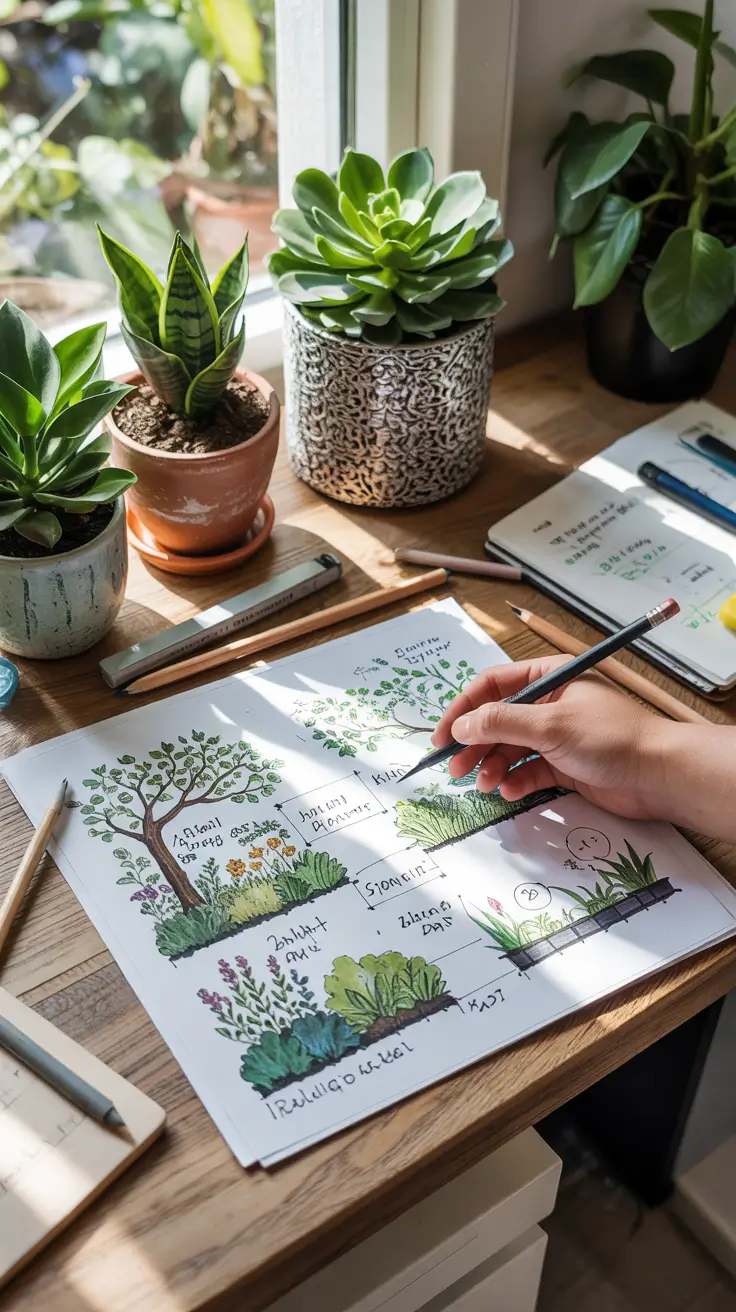
From my experience, even rough sketches can significantly improve the final result. Many landscape designers emphasize the importance of planning, and I have seen firsthand how it leads to more cohesive designs. I often revisit and refine my sketches as new ideas emerge. This iterative process helps create a garden that feels intentional and well-structured.
To improve this stage further, I would incorporate digital tools or mood boards alongside hand sketches. These additions provide a more detailed visual reference. They also make it easier to communicate ideas if needed.
Grow A Garden Aesthetic Ideas For Natural And Organic Spaces
When exploring aesthetic ideas in grow a garden, I focus on creating spaces that feel organic and connected to nature. The goal is to design a garden that evolves naturally rather than appearing overly controlled. I use layered planting, mixed textures, and soft transitions between areas to achieve this effect. This approach works well for those who want a more relaxed and natural environment. It also supports biodiversity and sustainable practices.
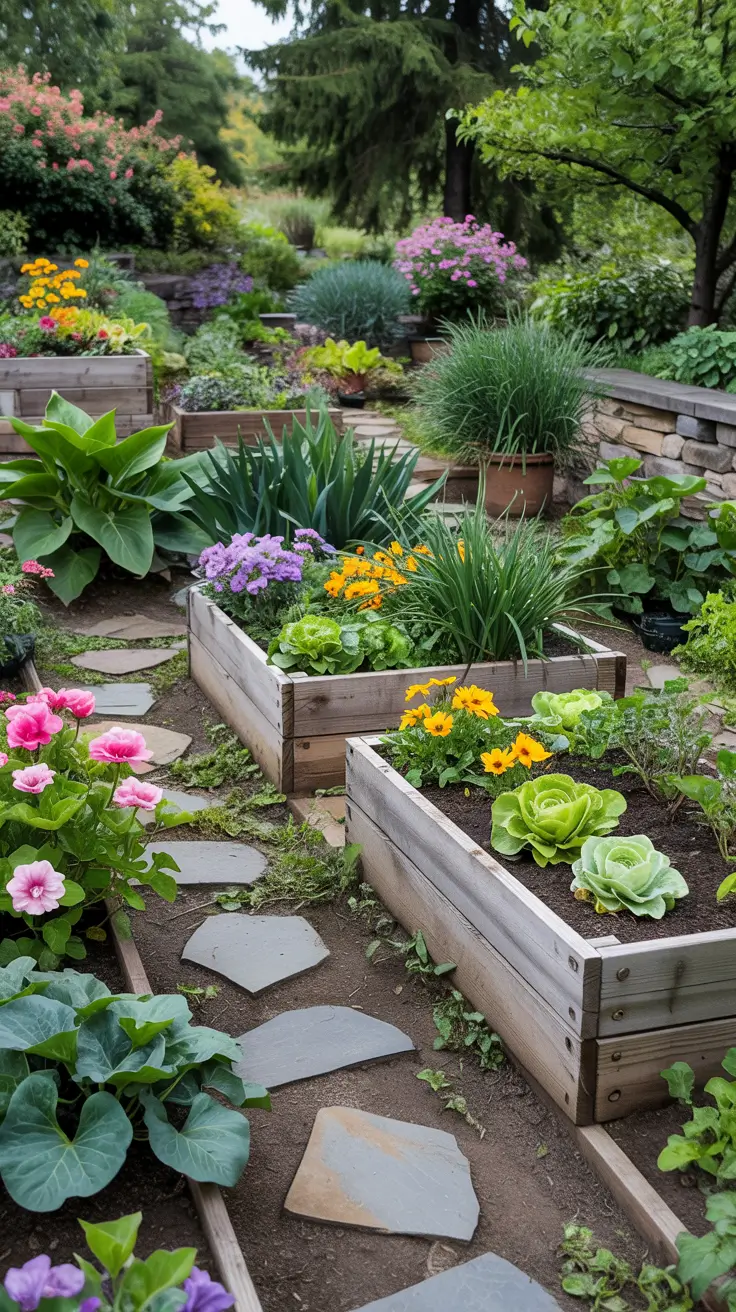
I usually incorporate a mix of edible plants, flowers, and greenery to create both visual and functional value. Raised beds, herb gardens, and small vegetable patches can be integrated seamlessly into the design. Natural materials like stone, wood, and gravel help reinforce the organic aesthetic. I also include pathways that guide movement without disrupting the natural flow. These elements create a cohesive and harmonious outdoor space.
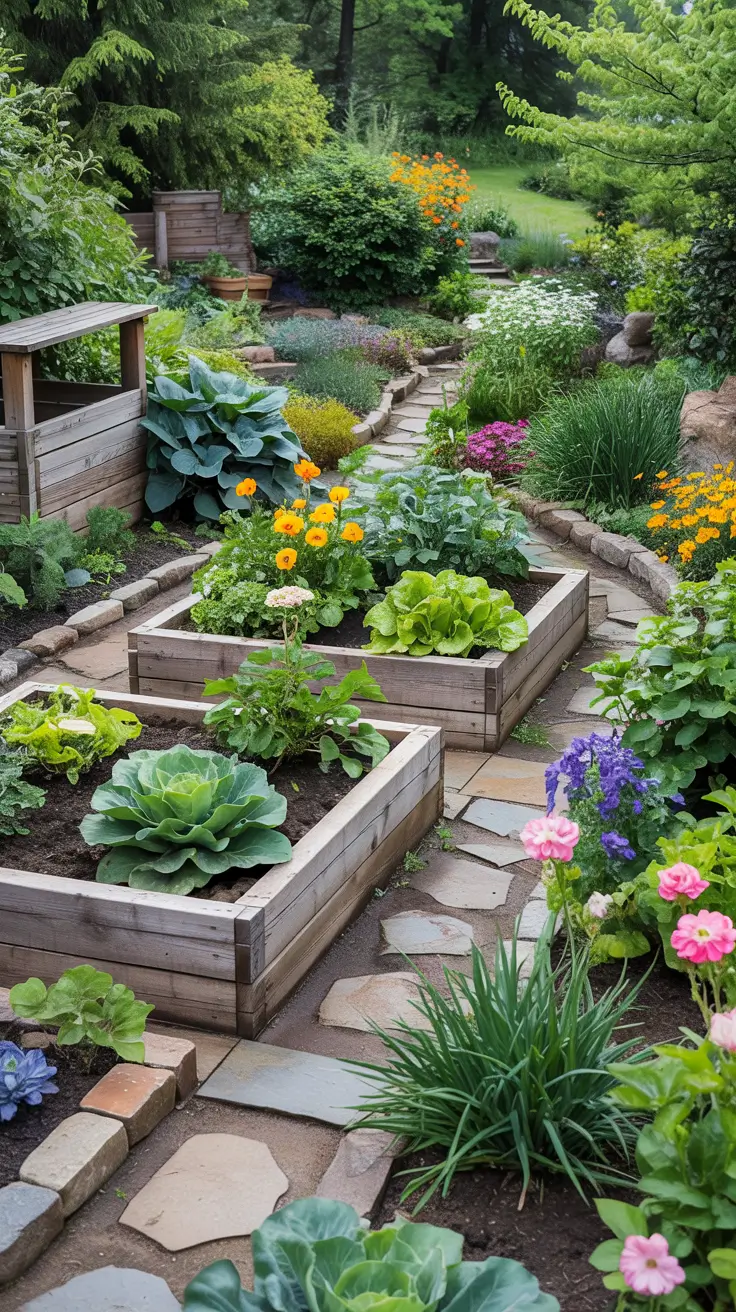
Personally, I find that gardens designed with this philosophy feel more calming and authentic. Many gardening experts highlight the benefits of combining beauty with functionality, and I strongly agree with this approach. It allows the garden to serve multiple purposes while maintaining its aesthetic appeal. I often encourage experimenting with seasonal planting to keep the space dynamic.
If I were enhancing this concept further, I would add composting areas or rainwater collection systems. These features support sustainability and align with the natural theme. They also make the garden more self-sufficient.
Kitchen Garden Ideas Aesthetic With Herbs And Edible Beauty
I like to design kitchen gardens that balance practicality with visual harmony, especially when focusing on kitchen garden ideas aesthetic. A well-planned edible garden can feel just as beautiful as a decorative one if textures and layers are thoughtfully arranged. I often use raised wooden beds combined with gravel pathways to create structure while keeping maintenance simple. Herbs like basil, rosemary, and thyme add both fragrance and greenery, making the space feel alive. I also consider sunlight patterns to ensure plants thrive while enhancing the overall layout. This approach transforms a simple food-growing area into a visually pleasing Grow a garden experience.
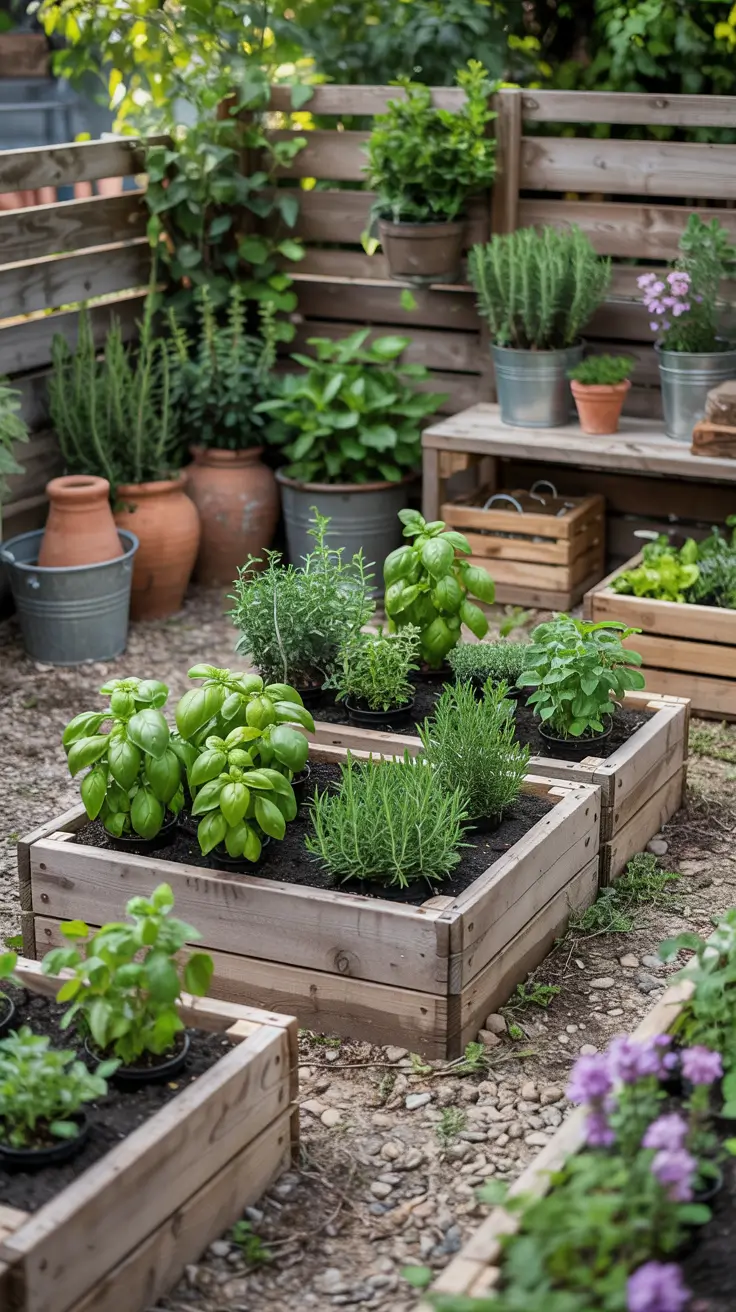
In my designs, I always include a mix of containers, vertical planters, and small trellises to maximize space and visual interest. Clay pots, wooden crates, and metal watering cans bring rustic charm while serving functional purposes. I recommend adding a small wooden bench or stool to make the garden interactive and inviting. Labeling herbs with minimalistic tags helps maintain organization without disrupting aesthetics. A compact irrigation system is also essential to keep everything thriving without constant manual effort. Each element should contribute to both usability and visual appeal.
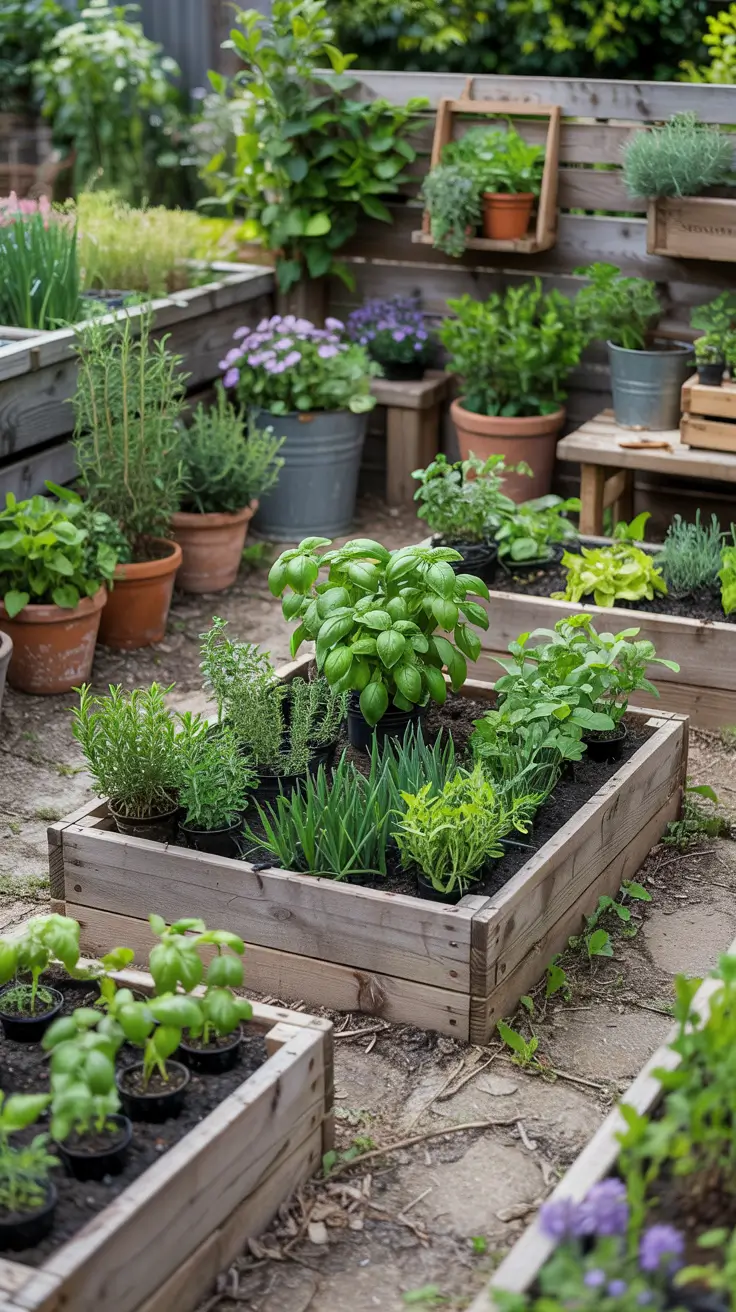
From my experience, the best kitchen gardens are those that feel personal and slightly imperfect. Designers featured in publications like Architectural Digest often emphasize layering textures rather than striving for uniformity, and I fully agree with that approach. I like to mix edible plants with decorative flowers such as marigolds to create contrast. This not only enhances visual appeal but also supports plant health. A kitchen garden should feel like a natural extension of your home rather than a separate utility zone.
To improve this section further, I would include a small shaded prep area or outdoor counter for harvesting and organizing herbs. Adding subtle lighting would also allow the space to remain functional in the evening.
Aesthetic Garden Story Ideas For Magical Outdoor Narratives
When I work with aesthetic garden story ideas, I focus on creating a narrative that unfolds as you move through the space. This approach turns a garden into an immersive experience rather than just a visual arrangement. I often divide the garden into zones, each with its own theme or mood. For example, one corner may feel whimsical while another feels calm and reflective. Pathways play a crucial role in guiding movement and shaping the story. This method is especially effective for aesthetic ideas in grow a garden concepts.
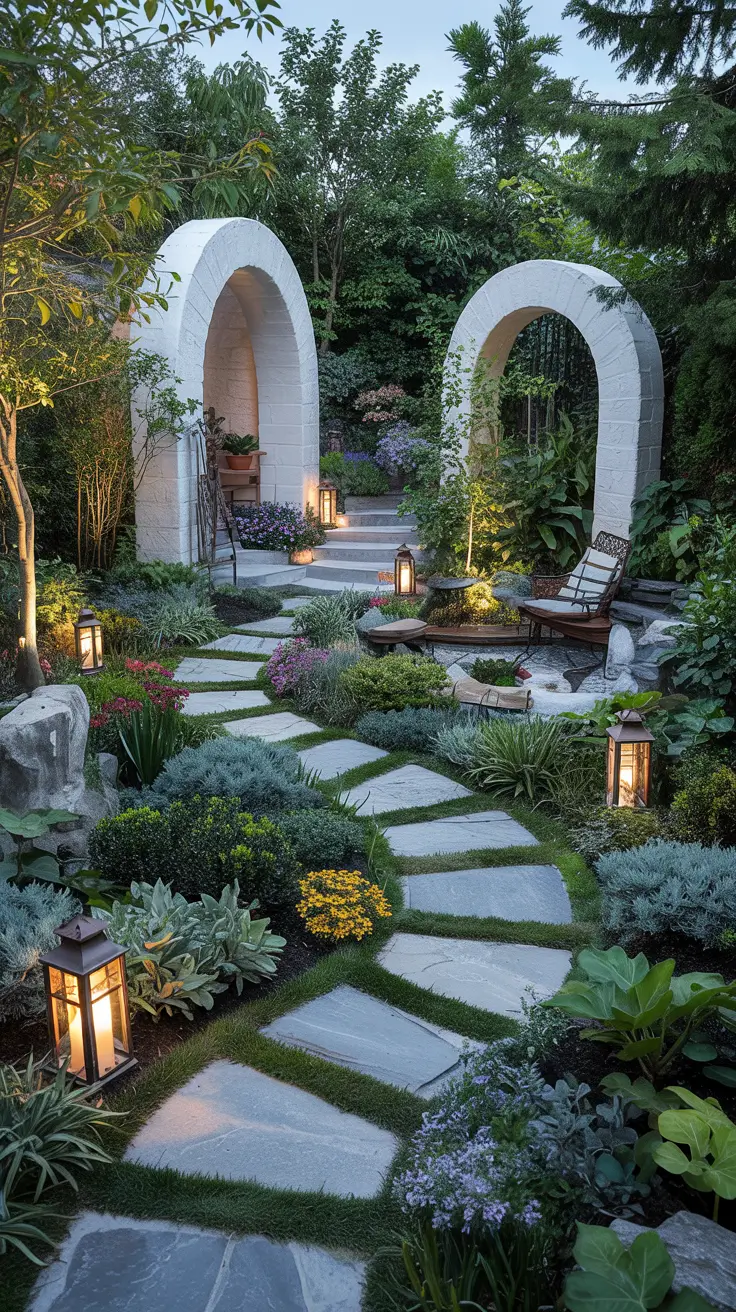
I use elements like arches, stepping stones, and layered planting to build transitions between zones. Decorative items such as lanterns, sculptures, and small water features help reinforce the narrative. Seating areas should be placed strategically to encourage pauses and engagement with the environment. I also like incorporating subtle color themes to distinguish different sections without making the design feel fragmented. Materials such as stone, wood, and metal can be combined to add depth. Every detail should support the overall storytelling concept.
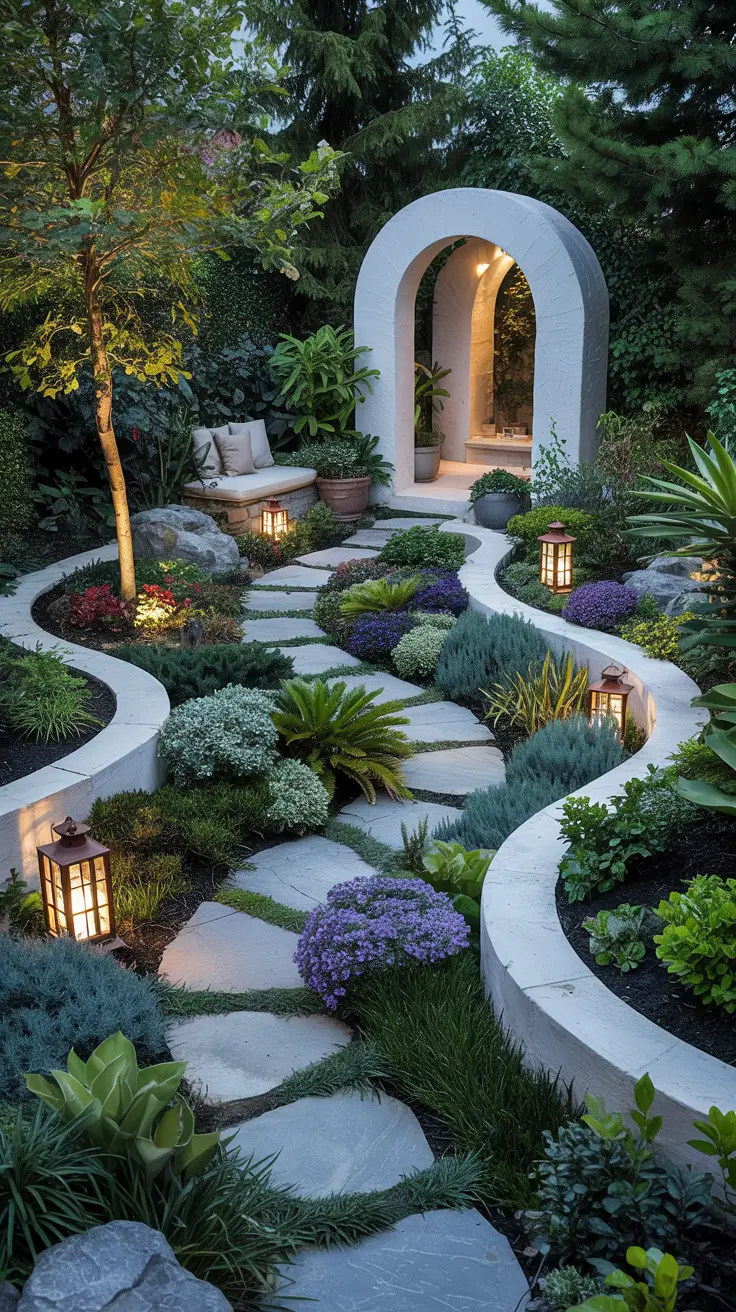
Personally, I find that storytelling gardens create a stronger emotional connection with the space. Designers often highlight the importance of movement and discovery, and I have seen how this transforms even small gardens. I like to think of each section as a chapter that contributes to the overall experience. This makes the garden feel dynamic rather than static. It also encourages repeated exploration, which keeps the space engaging over time.
To enhance this idea further, I would suggest incorporating sound elements such as wind chimes or water features. These additions deepen the sensory experience and make the story more immersive.
Witchy Garden Aesthetic Ideas With Mystical And Dark Elements
Designing a Witchy garden aesthetic allows me to explore darker tones and more mysterious compositions. I focus on creating a moody atmosphere using deep greens, purples, and black accents. This style works particularly well in shaded areas where light naturally creates contrast. I often include plants like ferns, black tulips, and dark foliage varieties to establish the tone. The goal is to create a space that feels enchanting yet grounded. This approach fits perfectly within broader home garden aesthetic ideas.
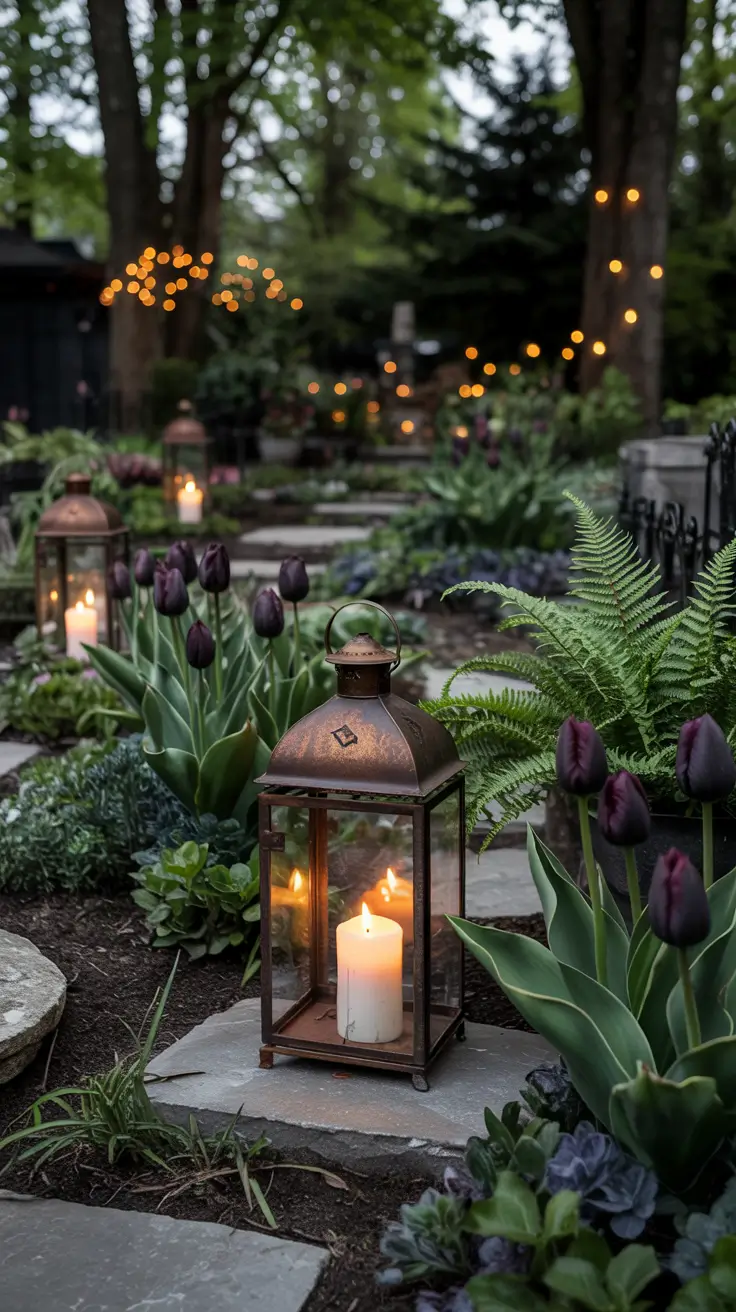
I incorporate materials such as aged wood, wrought iron, and stone to reinforce the mystical theme. Decorative elements like candles, lanterns, and antique-style mirrors add depth and intrigue. Seating is usually minimal and intimate, often consisting of a small bench or stone slab. I also like to include a central focal point such as a fire pit or symbolic sculpture. These features anchor the design and draw attention. Every item should contribute to the overall atmosphere.
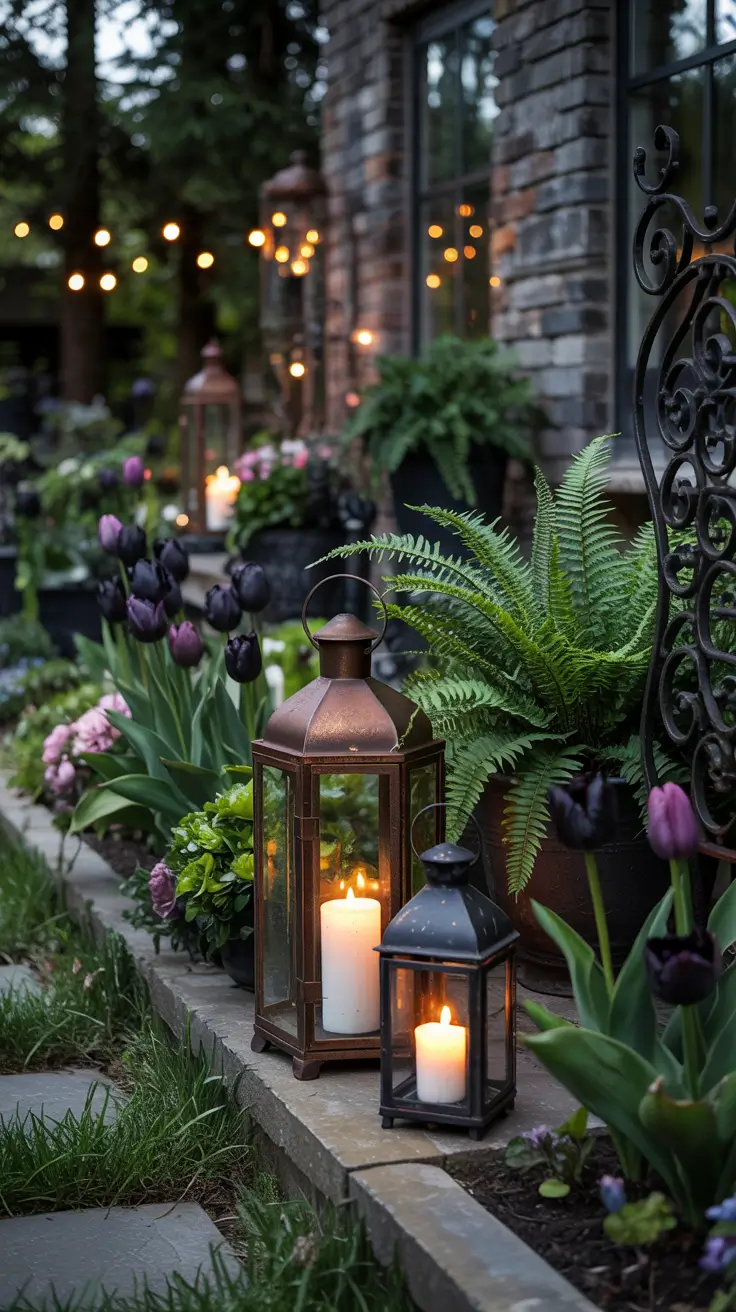
From my perspective, the key to a successful witchy garden is balance. While the theme leans toward darker aesthetics, it should still feel inviting and not overwhelming. Many designers suggest layering light sources to soften the mood, and I find this especially effective. Subtle lighting can highlight textures and create a magical glow in the evening. This transforms the garden into a completely different experience after sunset.
To complete this concept, I would add a small herb or potion corner with labeled jars and plants. This detail enhances the theme while adding a functional element.
Outdoor Fairy Garden Ideas Aesthetic For Enchanted Spaces
Creating a Fairy garden is one of the most imaginative ways to explore aesthetic garden ideas. I approach this design by focusing on scale, detail, and softness. Miniature elements combined with lush planting create a sense of wonder. I often design these spaces with curved pathways and layered greenery to mimic natural landscapes. This style works beautifully in both small and large gardens. It is also a great way to incorporate playful creativity into Outdoor spaces.
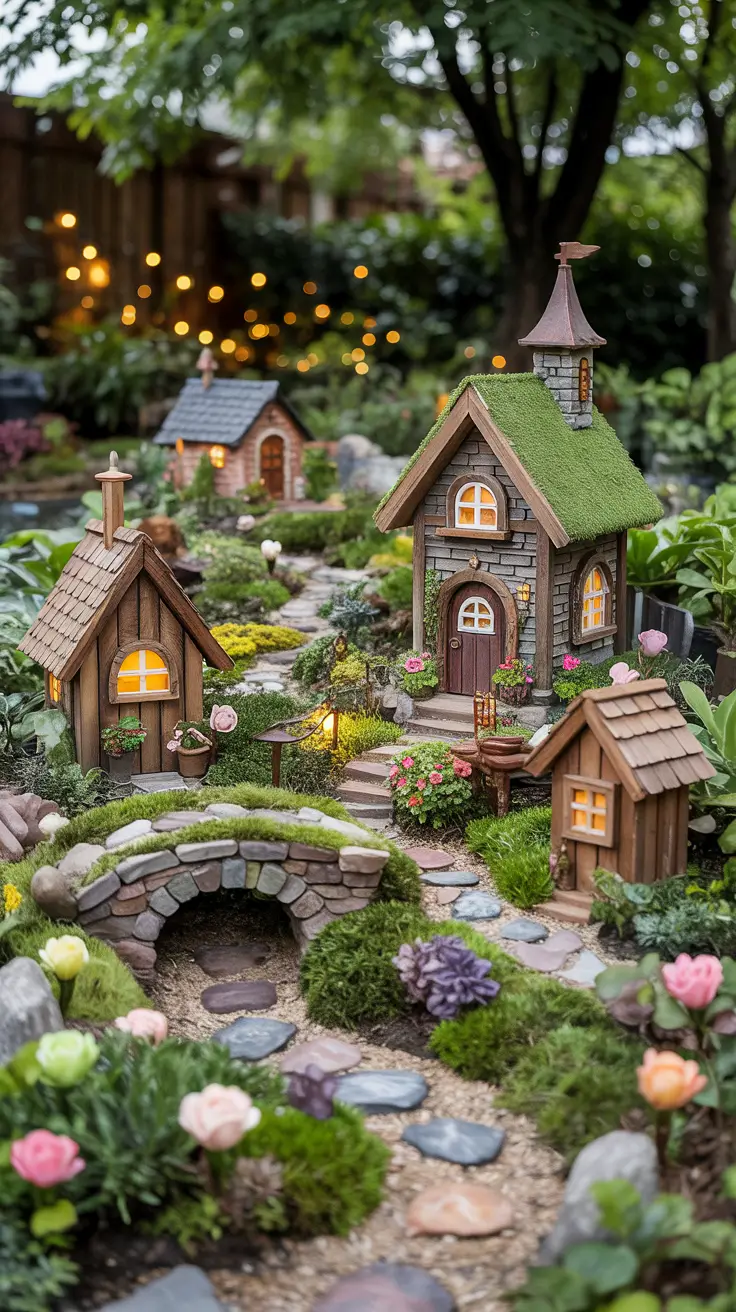
I include features such as tiny houses, decorative bridges, and soft lighting to enhance the enchanted feel. Plants with delicate textures like moss, ferns, and small flowering varieties work best. I also use pastel tones and natural materials to keep the design cohesive. Seating areas can be subtle, such as a small wooden bench surrounded by greenery. Every element should feel intentional yet whimsical. The goal is to create a space that feels magical without being overwhelming.
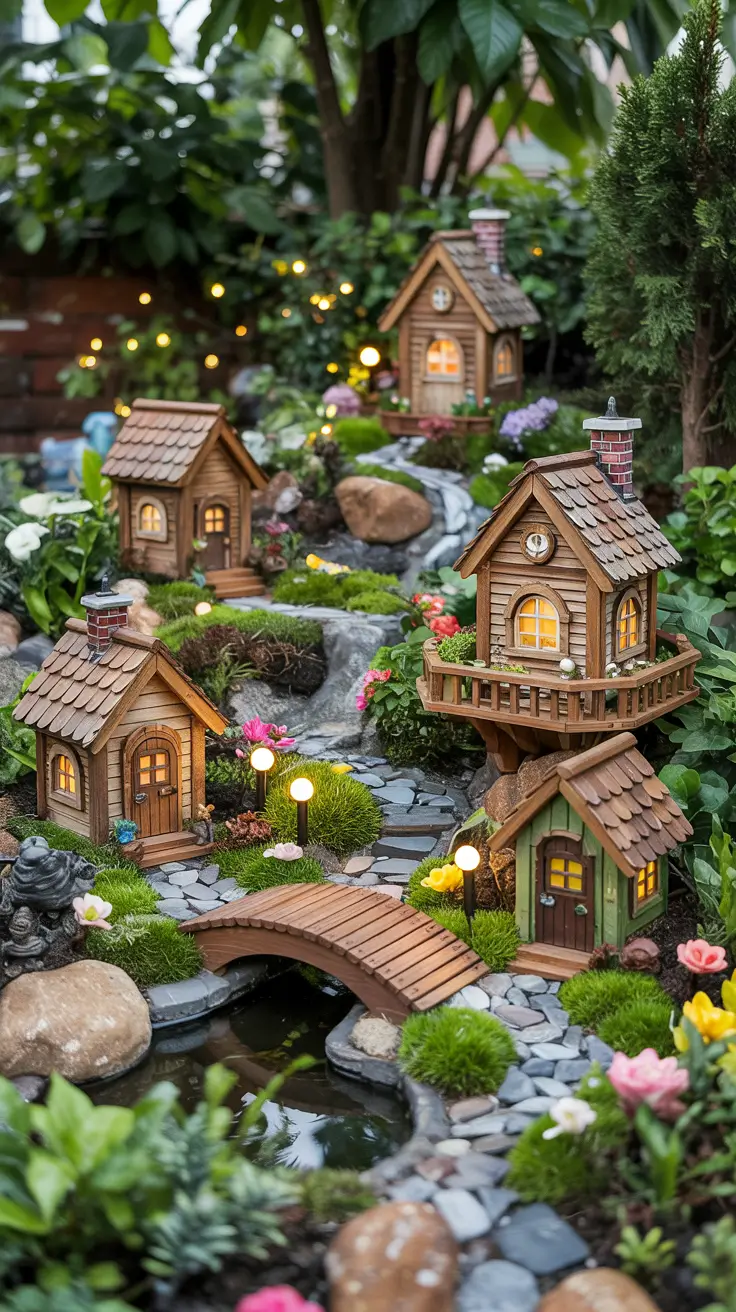
In my experience, fairy gardens are especially effective when they encourage interaction. Designers often emphasize layering and detail, and I always keep this in mind. Small surprises like hidden figurines or tucked-away lights make the space more engaging. This approach keeps the garden visually interesting from every angle. It also makes it feel alive and evolving.
To improve this section, I would add a water feature such as a small pond or fountain. This enhances the magical atmosphere and introduces movement into the design.
Backyard Aesthetic Garden Ideas For Relaxed And Stylish Living
When designing Backyard spaces, I focus on comfort, flow, and visual balance to achieve the best home garden aesthetic ideas. A well-designed backyard should feel like an extension of the home while offering a sense of escape. I often divide the space into functional zones such as seating, dining, and greenery. This helps maintain organization while allowing flexibility. Soft landscaping combined with structured elements creates harmony. The result is a space that feels both relaxed and refined.
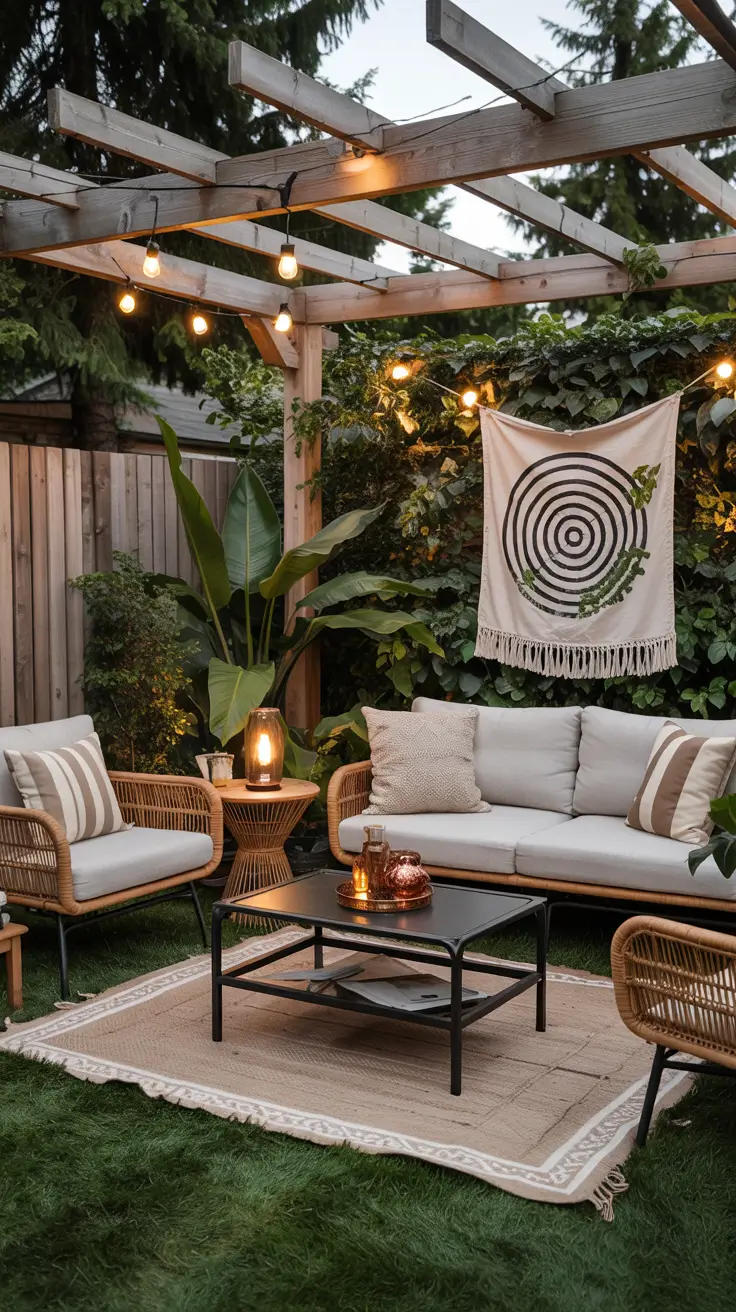
I incorporate comfortable furniture such as outdoor sofas, lounge chairs, and dining sets to support everyday use. Materials like wood, rattan, and metal provide durability while enhancing the overall look. Lighting plays a key role, so I use string lights, lanterns, and ground lighting to create ambiance. Plants are arranged in layers to add depth and texture. I also like including features such as pergolas or shade sails for added comfort. Each element should support both aesthetics and functionality.
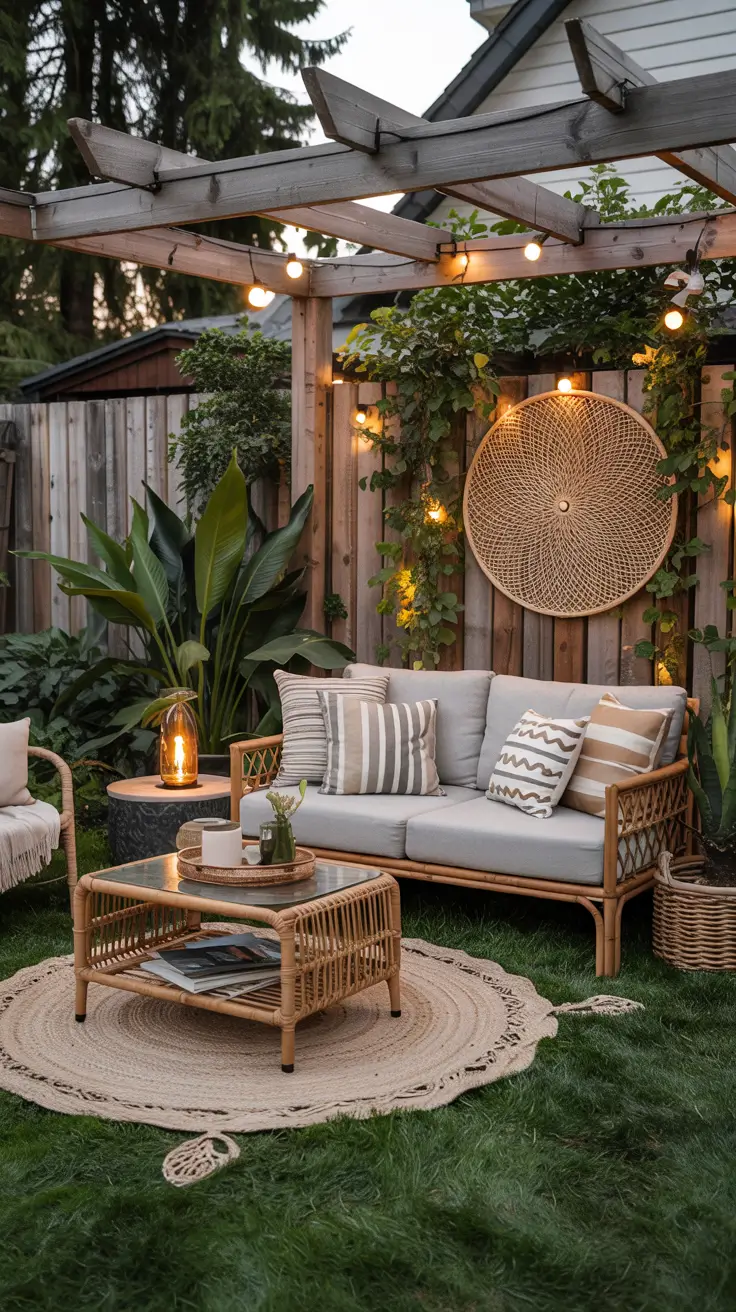
From my experience, the most successful backyard designs are those that prioritize usability. Many experts recommend focusing on how the space will be used before selecting decorative elements, and I strongly agree. I always consider factors like seating capacity, shade, and accessibility. This ensures the garden remains practical while still looking beautiful. A well-balanced backyard can serve multiple purposes without feeling cluttered.
To enhance this design, I would add a focal feature such as a fire pit or small pool to elevate the space. This ties into trends like aesthetic garden ideas pool and creates a central gathering point.
Flower Garden Aesthetic Ideas With Seasonal Color Harmony
I approach flower garden design by focusing on seasonal transitions that keep the space visually engaging throughout the year. A well-planned flower garden should evolve naturally, offering different color palettes from spring through autumn. I often layer plants by bloom time, ensuring that as one group fades, another begins to shine. This method creates a dynamic and ever-changing landscape that feels alive and intentional. It also helps maintain visual balance without requiring constant redesign.
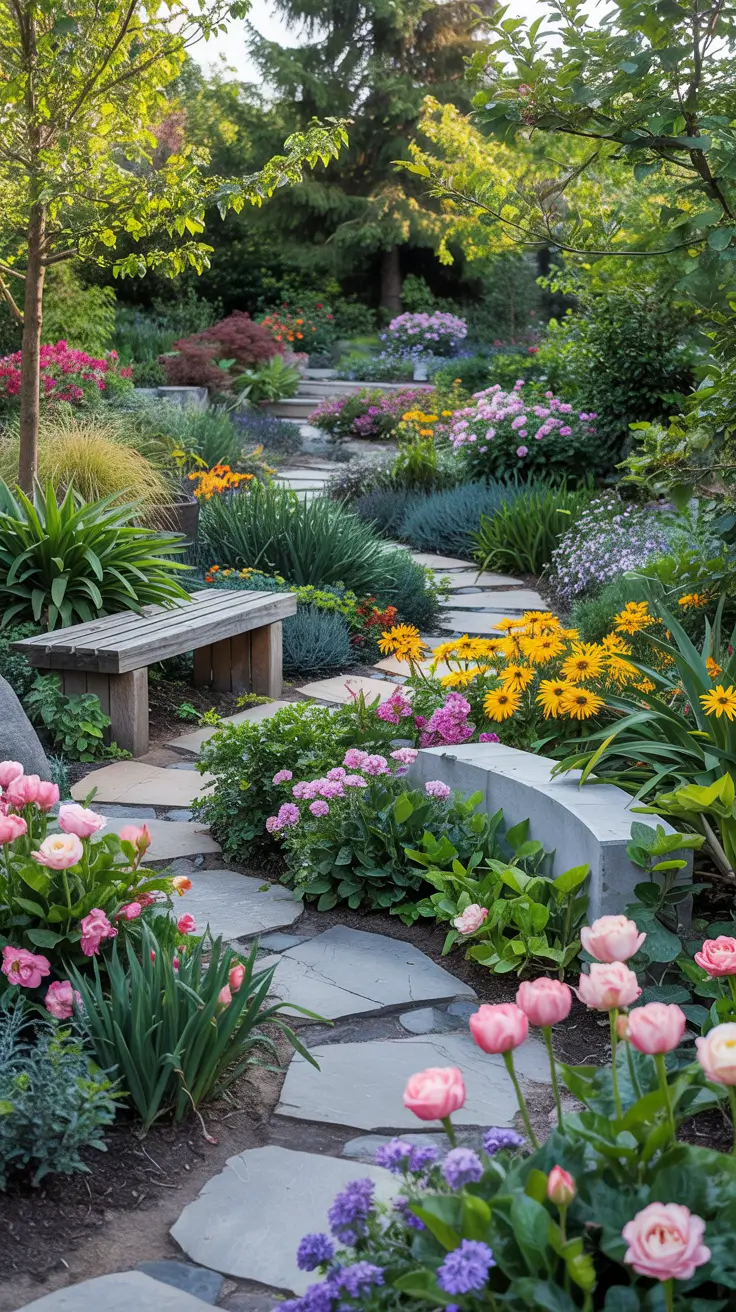
In terms of elements, I include raised beds, curved pathways, and natural stone edging to frame the planting areas. I prefer mixing perennials with annuals to achieve both consistency and seasonal bursts of color. Wooden benches or wrought iron seating areas provide places to enjoy the view and enhance the aesthetic. Soft lighting, such as solar lanterns, highlights the textures and colors during the evening. Each item contributes to both functionality and visual harmony.
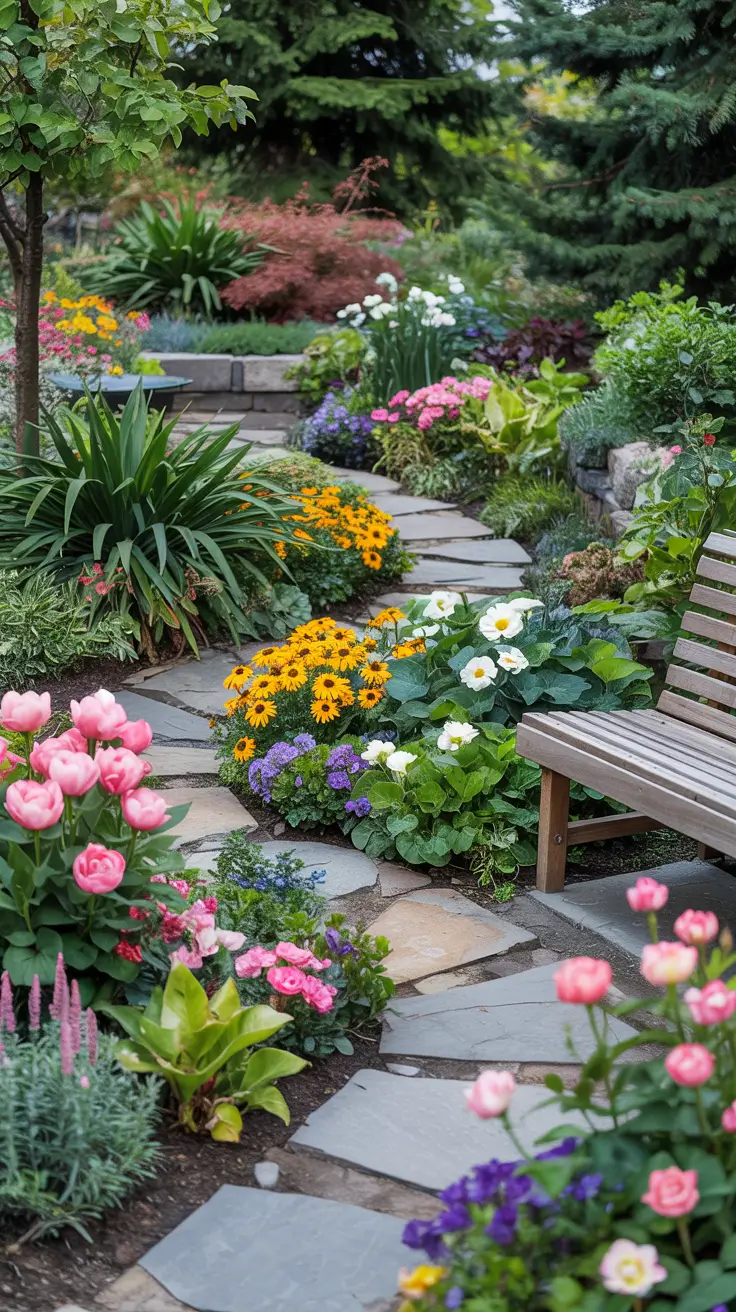
From my experience, layering colors thoughtfully can completely transform a garden’s mood. I often draw inspiration from landscape designers who emphasize color theory, such as using complementary tones for contrast or analogous shades for calmness. Publications like Better Homes and Gardens frequently highlight the importance of seasonal planning, and I fully agree with that approach. It allows the garden to feel curated rather than accidental.
What is often missing in these gardens is proper irrigation planning. I always recommend integrating a drip irrigation system early in the design process. It ensures that plants receive consistent moisture without overwatering. This addition enhances both sustainability and long-term plant health.
Terrace Garden Aesthetic Ideas For Elevated Green Spaces
When designing a terrace garden, I focus on maximizing limited space while maintaining a strong visual identity. Elevated gardens offer a unique opportunity to create an intimate oasis above the urban environment. I like to divide the terrace into zones, such as seating, planting, and relaxation areas. This approach makes even a small terrace feel structured and purposeful. It also enhances usability throughout the day.
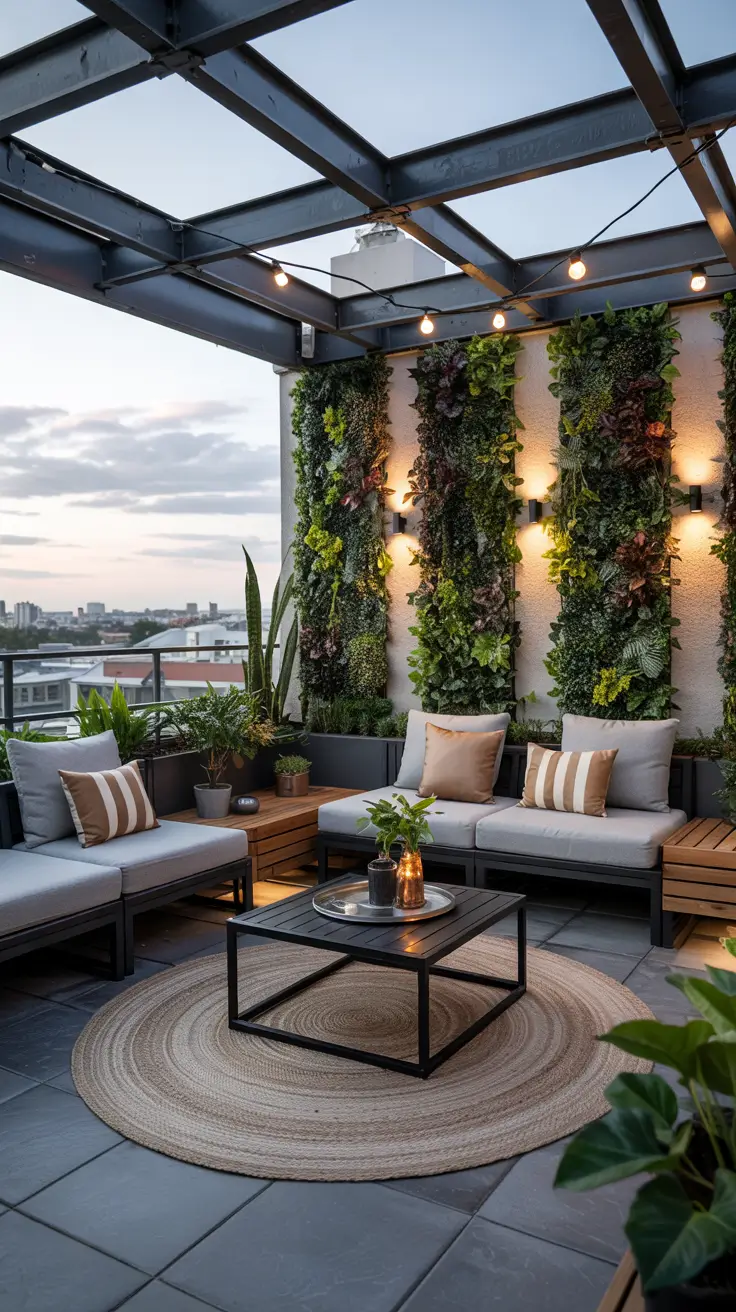
I typically incorporate lightweight planters, vertical gardens, and modular furniture that can be rearranged easily. Materials like rattan, teak, and metal provide durability while maintaining a modern aesthetic. Adding textiles such as cushions and outdoor rugs softens the space and introduces warmth. Lighting plays a key role, so I use string lights or wall-mounted fixtures to create ambiance. These elements work together to form a cohesive and inviting environment.
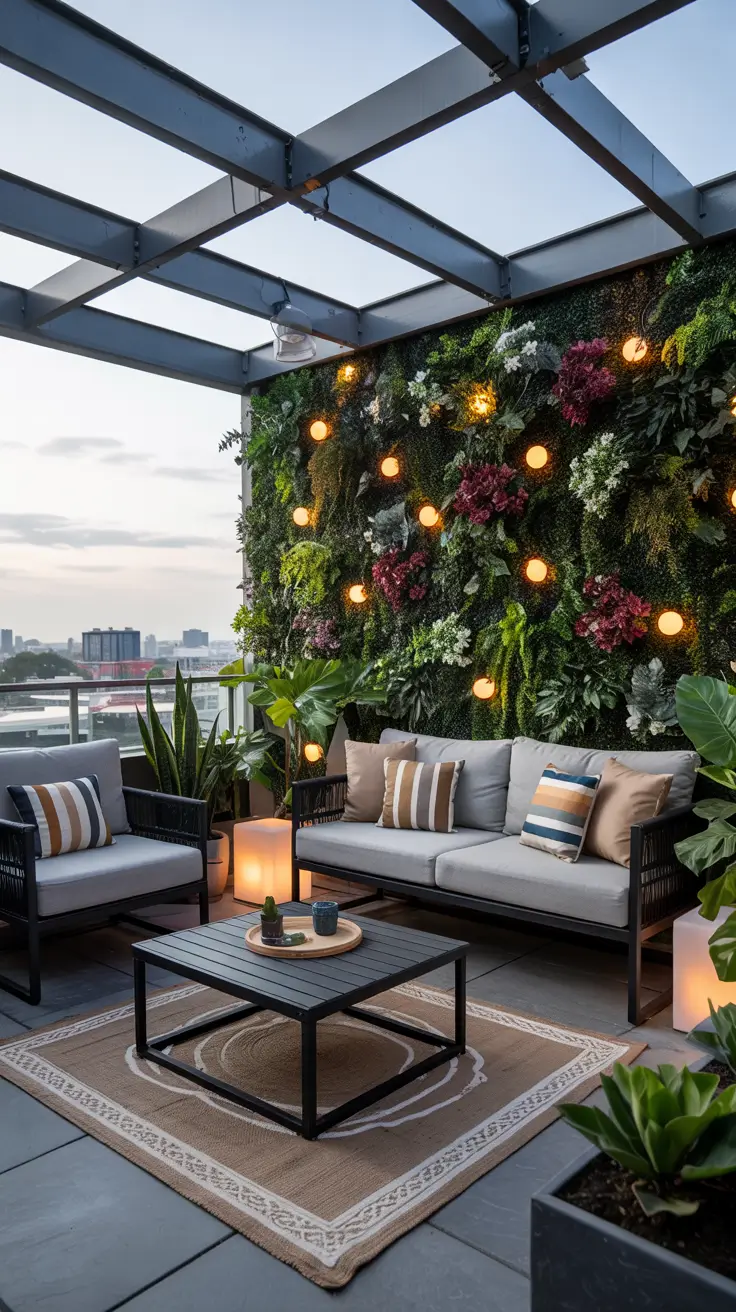
Personally, I find terrace gardens to be one of the most rewarding projects. They allow for creativity without the constraints of traditional ground-level layouts. Designers featured in Architectural Digest often emphasize layering textures, which I also prioritize. This technique adds depth and makes the space feel more luxurious.
One improvement I often suggest is incorporating wind protection. Terraces can be exposed to strong winds, which may damage plants and reduce comfort. Adding glass panels, screens, or tall plants as barriers can significantly improve the experience.
Secret Garden Aesthetic Ideas For Hidden Peaceful Corners
Creating a secret garden is about crafting a sense of discovery and privacy. I design these spaces to feel slightly enclosed, using hedges, trellises, or climbing plants to form natural boundaries. The goal is to create a retreat that feels separate from the rest of the backyard or home. I often use winding paths or hidden entrances to enhance the sense of mystery. This makes the experience more immersive.
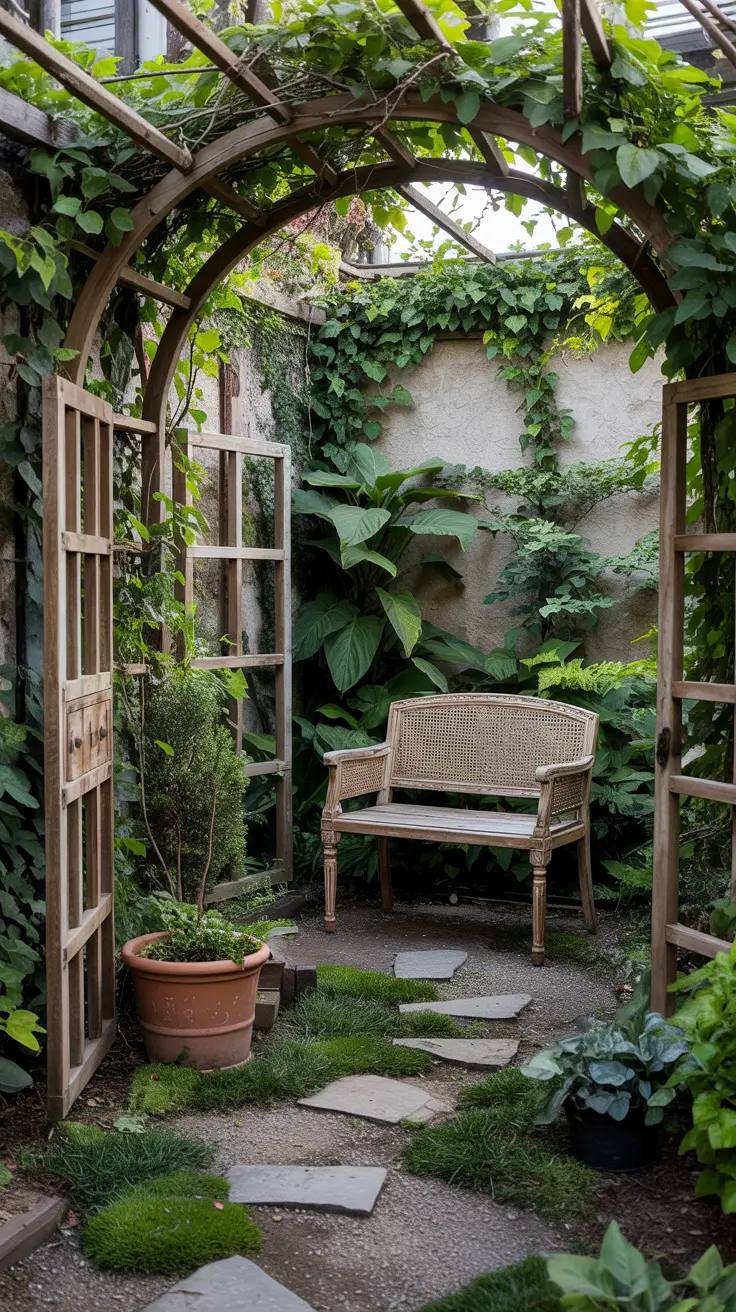
I include elements such as vintage benches, water features, and soft ground coverings like moss or gravel. Decorative arches and pergolas help frame the space and guide movement. Subtle lighting ensures the area remains usable in the evening without breaking the atmosphere. I also like to incorporate fragrant plants to engage multiple senses. These details make the garden feel deeply personal.
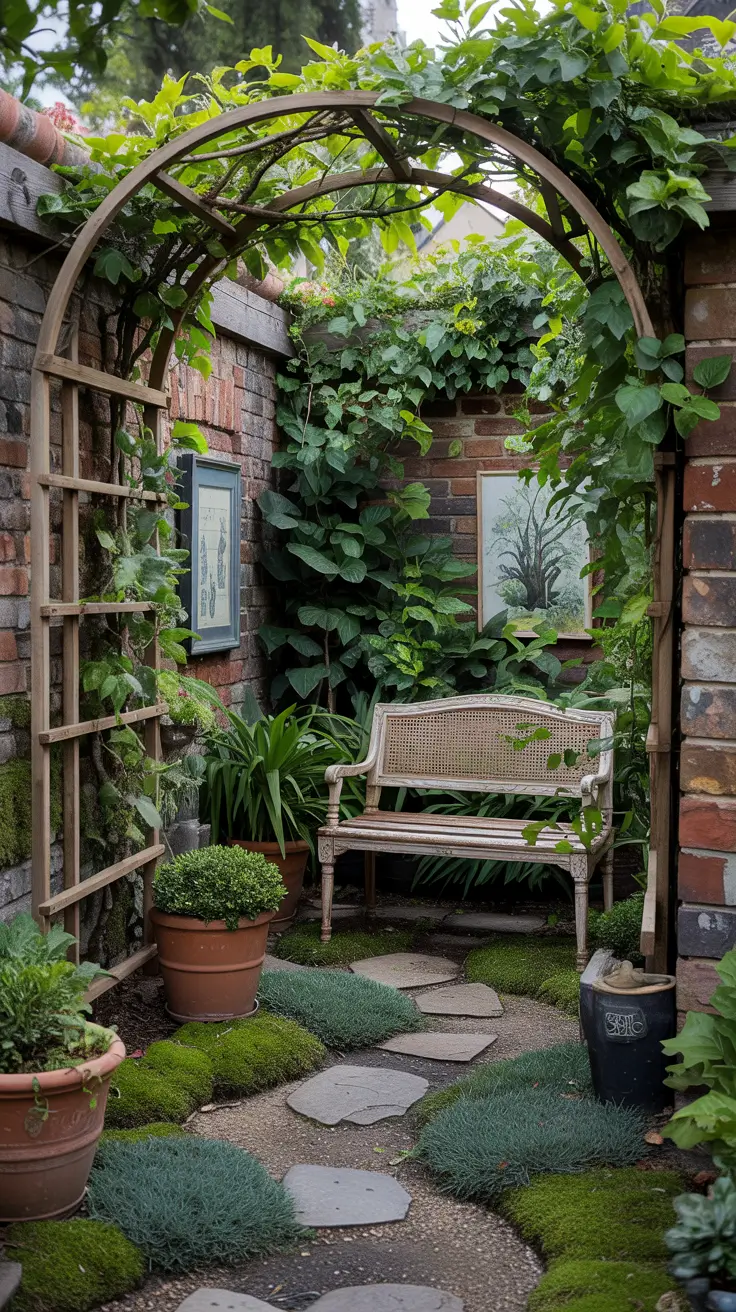
In my opinion, the emotional impact of a hidden garden is unmatched. It offers a quiet escape that encourages relaxation and reflection. Many landscape experts highlight the importance of creating “rooms” within a garden, and this concept aligns perfectly with secret spaces. I always recommend prioritizing comfort and intimacy over scale.
One aspect that is often overlooked is sound design. I suggest adding a small fountain or wind chimes to create gentle background noise. This enhances the feeling of seclusion and masks unwanted external sounds.
Minimalist Aesthetic Garden Ideas For Clean And Modern Looks
Minimalist gardens focus on simplicity, structure, and intentional design. I approach these spaces by reducing visual clutter and emphasizing clean lines. The layout is often geometric, with clearly defined zones and limited plant varieties. This creates a calm and organized environment that feels modern and sophisticated. It is especially suitable for contemporary homes.
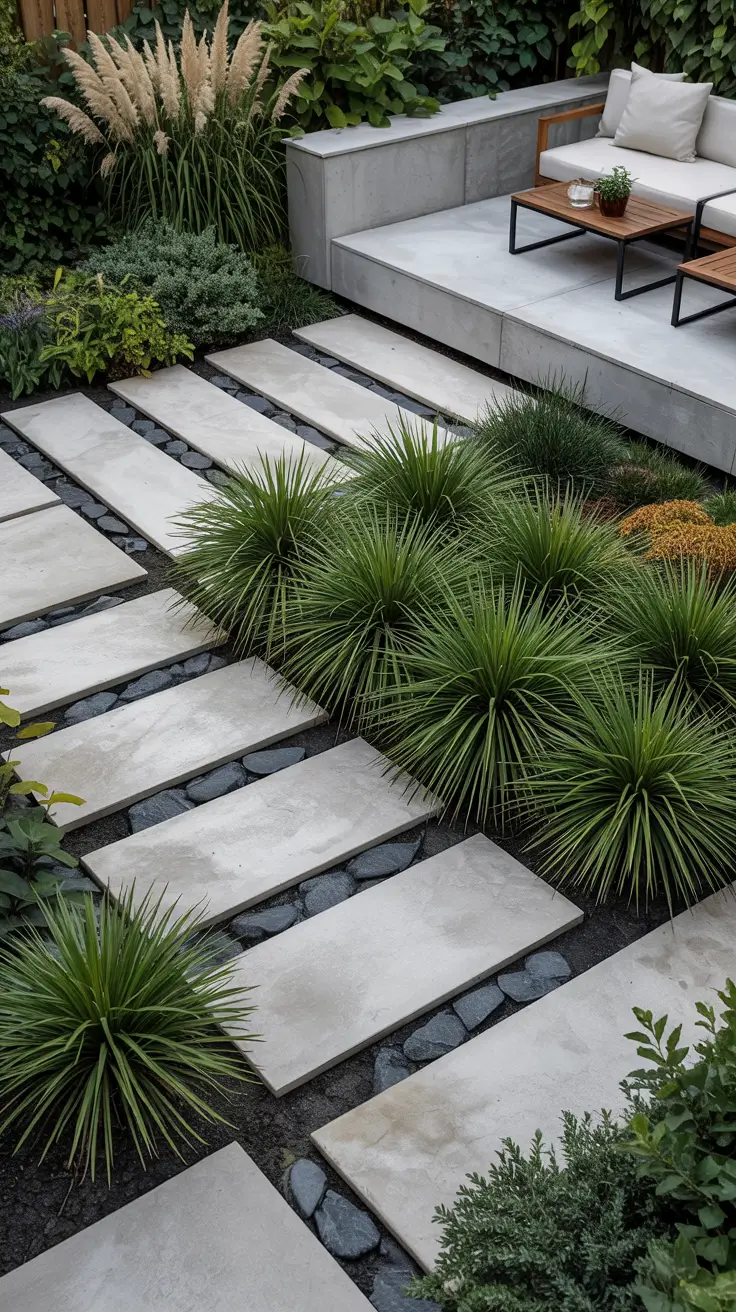
I use materials such as concrete, gravel, and metal to achieve a sleek appearance. Furniture is kept minimal, often featuring low-profile seating and neutral colors. Plants are chosen for their form rather than abundance, such as ornamental grasses or sculptural shrubs. Lighting is subtle and integrated into the design, enhancing the overall atmosphere. Each element serves a clear purpose.
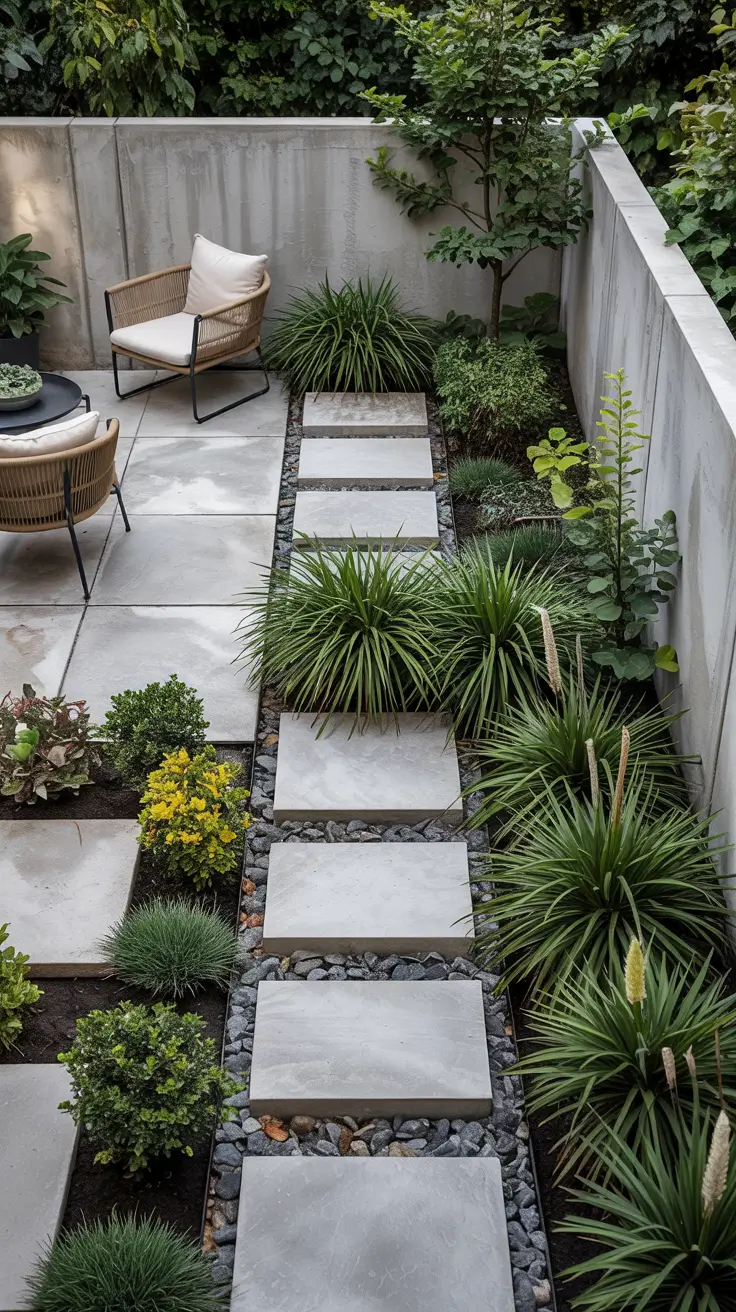
From my experience, minimalist gardens require careful planning to avoid feeling empty. Balance is key, and every detail must be considered. Design experts often stress the importance of negative space, which I fully support. It allows the eye to rest and highlights the key features of the garden.
What I often add to improve these gardens is a focal point. This could be a sculpture, water feature, or statement plant. It anchors the design and prevents the space from feeling too sparse.
Boho Aesthetic Garden Ideas With Textures And Earthy Layers
Boho gardens are rich in texture, color, and personality. I design these spaces to feel relaxed and slightly eclectic, combining various influences into a cohesive look. Layers are essential, from rugs and cushions to plants and decorative objects. This creates a warm and inviting atmosphere that encourages lingering. It works beautifully in both backyard and outdoor settings.
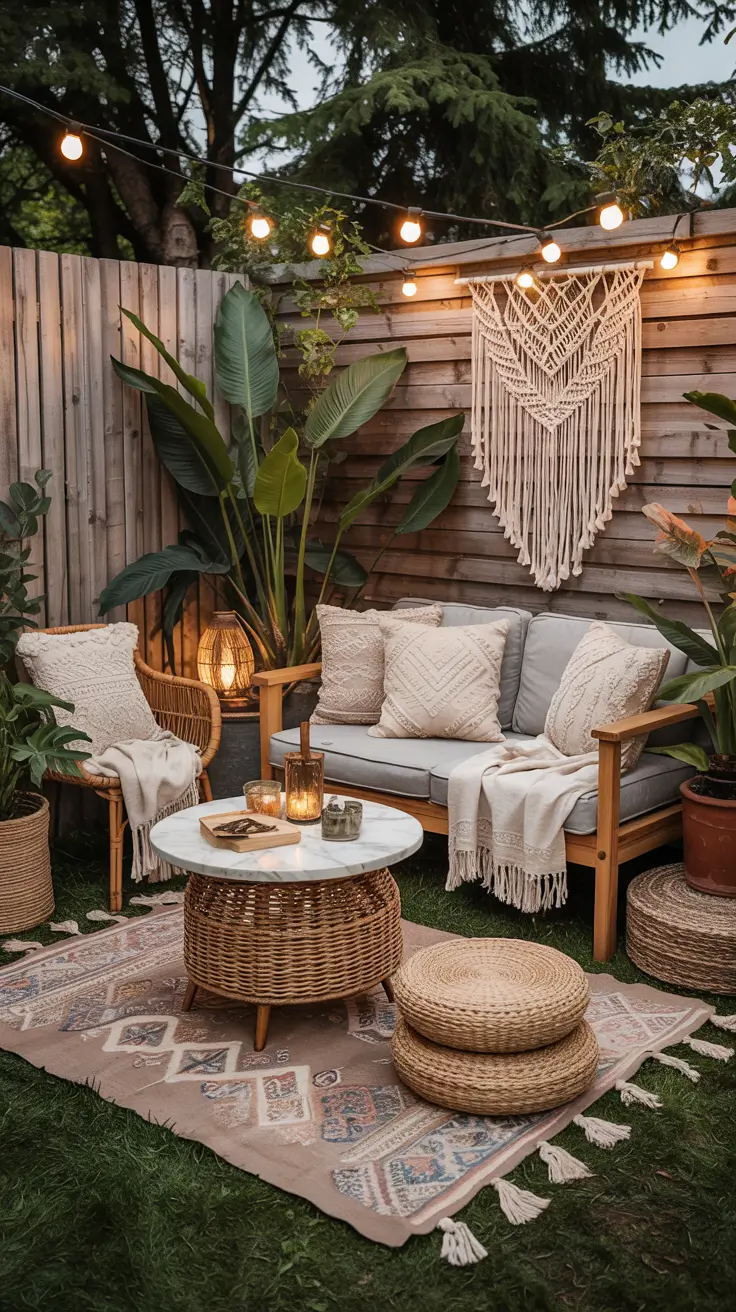
I incorporate natural materials such as wood, wicker, and macrame. Low seating, hammocks, and floor cushions define the lounging areas. Plants are abundant and varied, often arranged in clusters to create a lush effect. Decorative lanterns and string lights enhance the cozy ambiance. These elements together form a vibrant and expressive environment.
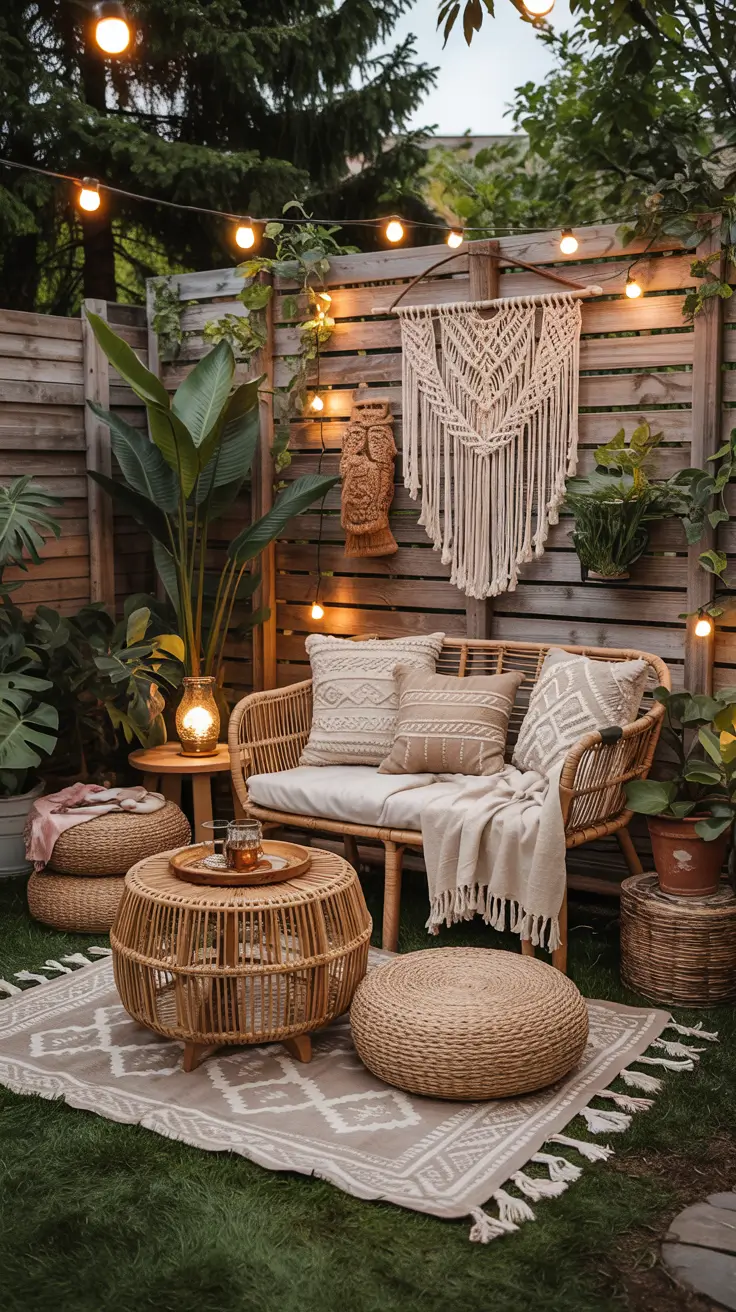
Personally, I enjoy the freedom that comes with boho design. It allows for experimentation and personal expression without strict rules. Many designers highlight the importance of storytelling in such spaces, and I always keep that in mind. Each item should feel meaningful and intentional.
One thing I recommend adding is weather-resistant storage. With so many textiles and accessories, it is important to protect them from the elements. A stylish storage bench or cabinet can maintain both functionality and aesthetic appeal.
Cottagecore Aesthetic Garden Ideas For Vintage Charm Lovers
I find that cottagecore gardens are all about softness, nostalgia, and a natural flow that feels unforced. When designing this style, I focus on layered greenery, climbing roses, and informal pathways that gently guide the eye. This approach works beautifully for those looking for home garden aesthetic ideas that feel warm and inviting rather than structured. A mix of wildflowers and herbs creates both visual texture and functionality. I often integrate small seating areas that feel tucked away, reinforcing that sense of a Secret garden escape. The result is a timeless design that feels both romantic and grounded in nature.
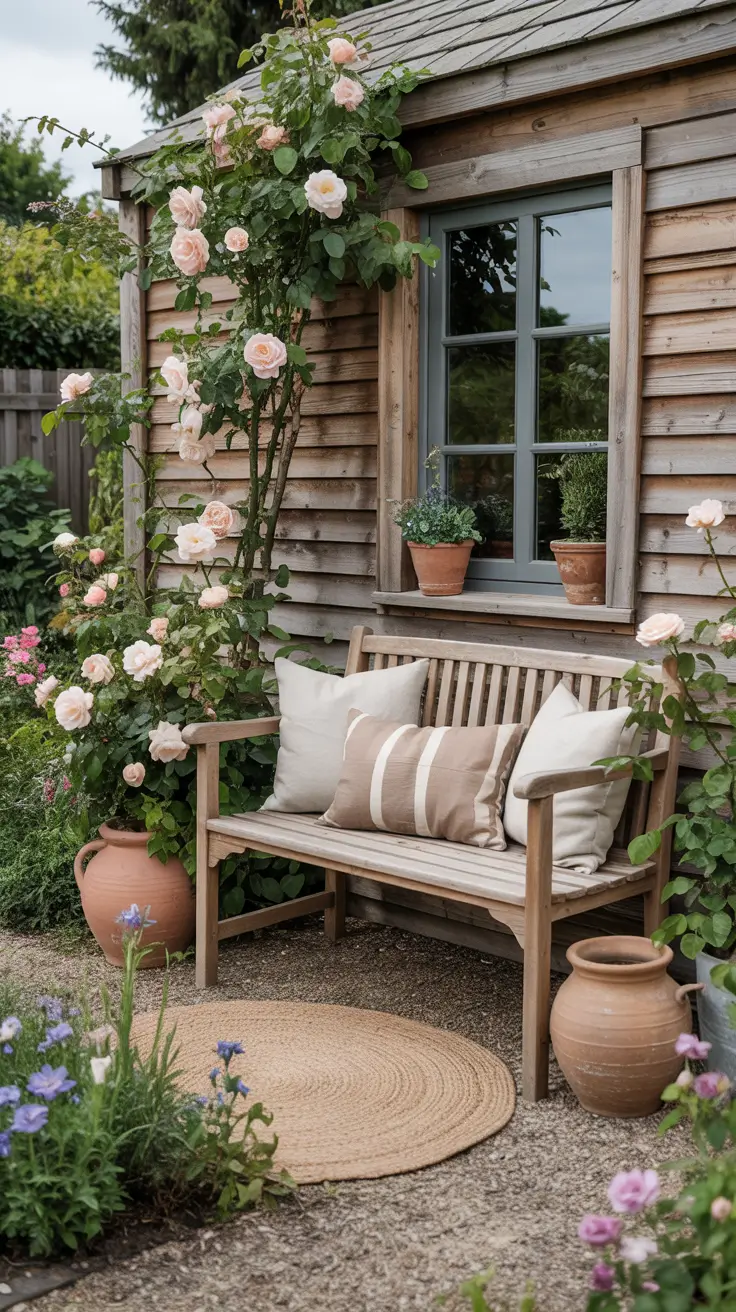
In terms of elements, I always include weathered wooden benches, wrought iron chairs, and soft linen cushions to enhance the vintage appeal. Antique-style lanterns and ceramic pots filled with Flower arrangements add subtle detail without overwhelming the space. I recommend using gravel or stone paths instead of concrete for a more organic look. Raised beds with herbs support a gentle Grow a garden philosophy while remaining practical. Trellises with climbing vines help define zones without blocking light. Each piece contributes to a cohesive and layered visual story.
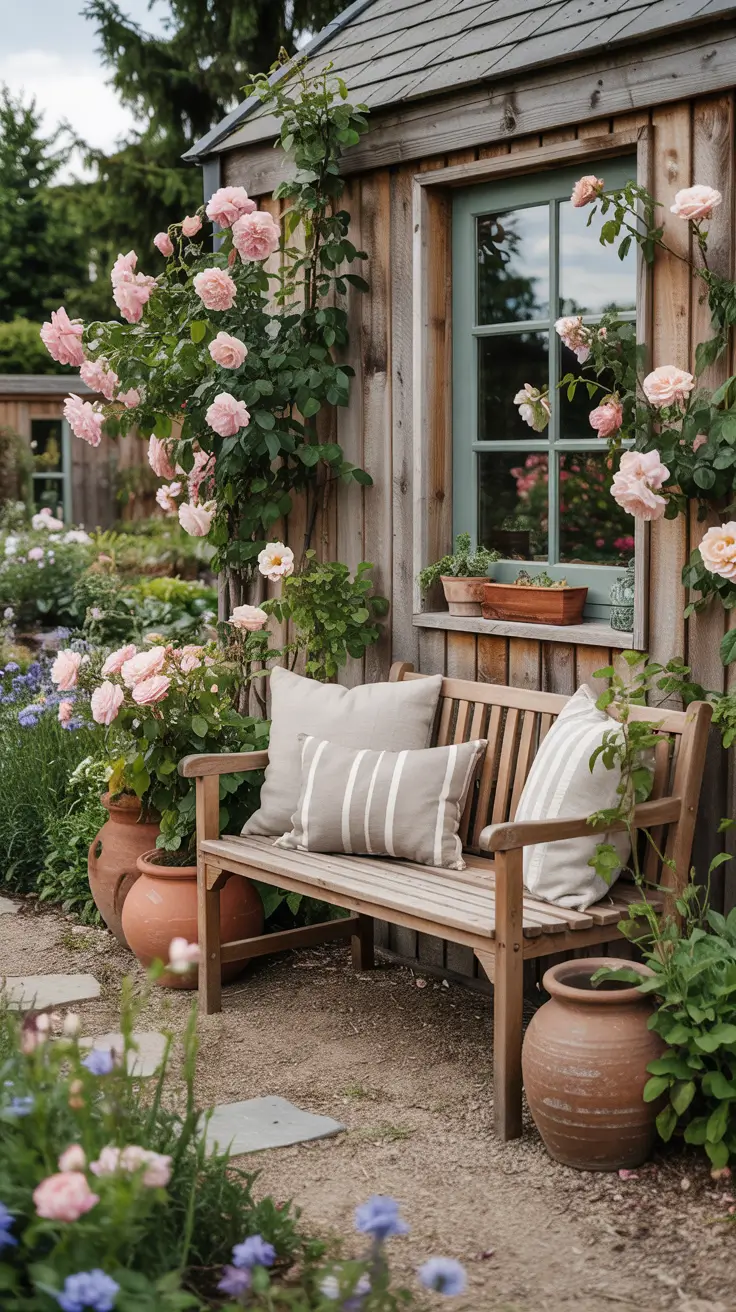
Personally, I have found that the charm of cottagecore lies in imperfection. Designers often emphasize that a slightly overgrown look creates authenticity, and I fully agree with this approach. Instead of over-pruning, I allow plants to shape the space naturally. This creates a relaxing atmosphere that feels lived-in rather than staged. It is a style that invites you to slow down and enjoy the environment.
To enhance this concept further, I would add a small water feature or birdbath to introduce movement and sound. This detail would elevate the sensory experience while maintaining the soft aesthetic. I would also incorporate subtle lighting for evening use without disrupting the natural feel.
Zen Garden Aesthetic Ideas For Calm And Mindful Outdoor Living
When I design a Zen-inspired garden, I prioritize simplicity, balance, and intentional placement. This style aligns perfectly with modern aesthetic garden ideas because it emphasizes clarity and calm. Clean lines, open space, and minimal planting create a sense of order that feels deeply relaxing. I often use sand or gravel areas to represent water, which adds visual interest without complexity. This approach is ideal for those who want a peaceful Outdoor retreat. It also works well in both large and small environments.
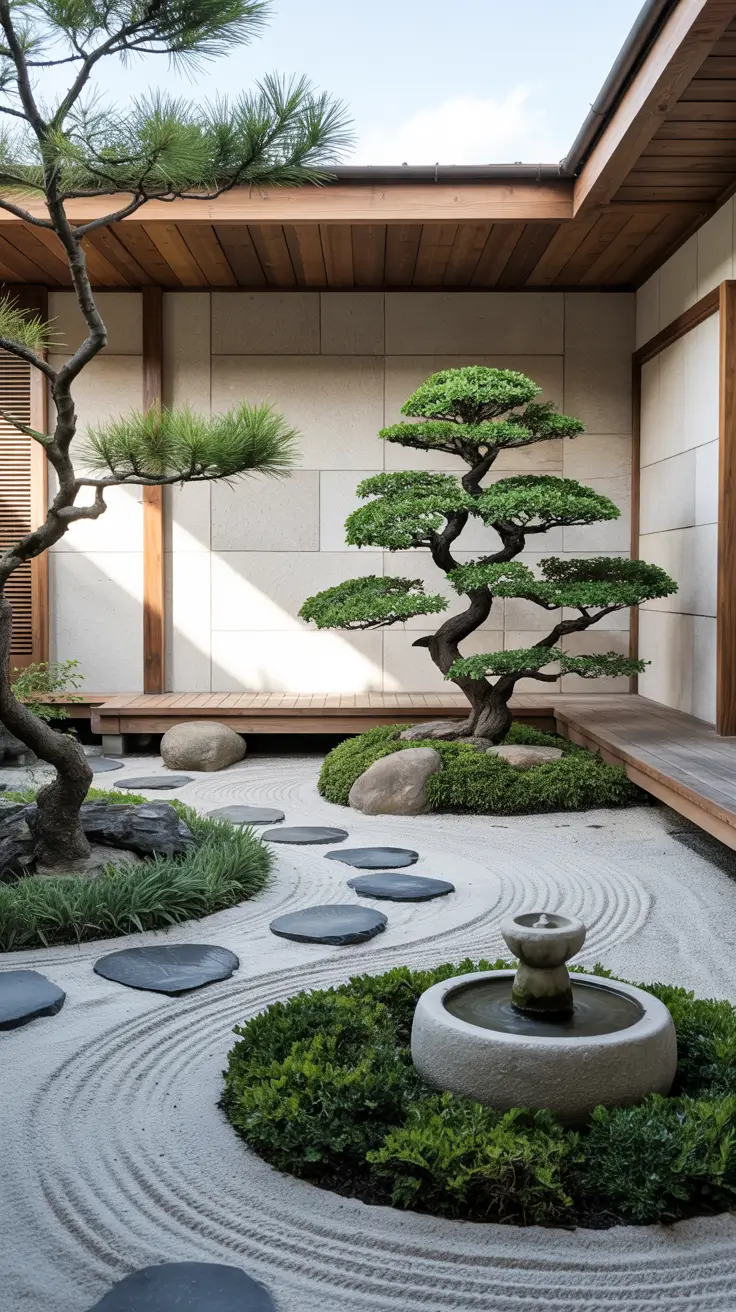
The key elements I include are stone pathways, low-profile seating, and carefully placed greenery such as bonsai or ornamental grasses. Wooden platforms or a small Terrace can serve as a focal point for meditation or relaxation. I also integrate water features like a simple fountain to create a soothing soundscape. Neutral tones dominate the palette, ensuring visual harmony. Each item is chosen with purpose, avoiding unnecessary decoration. This restraint is what defines the Zen aesthetic.
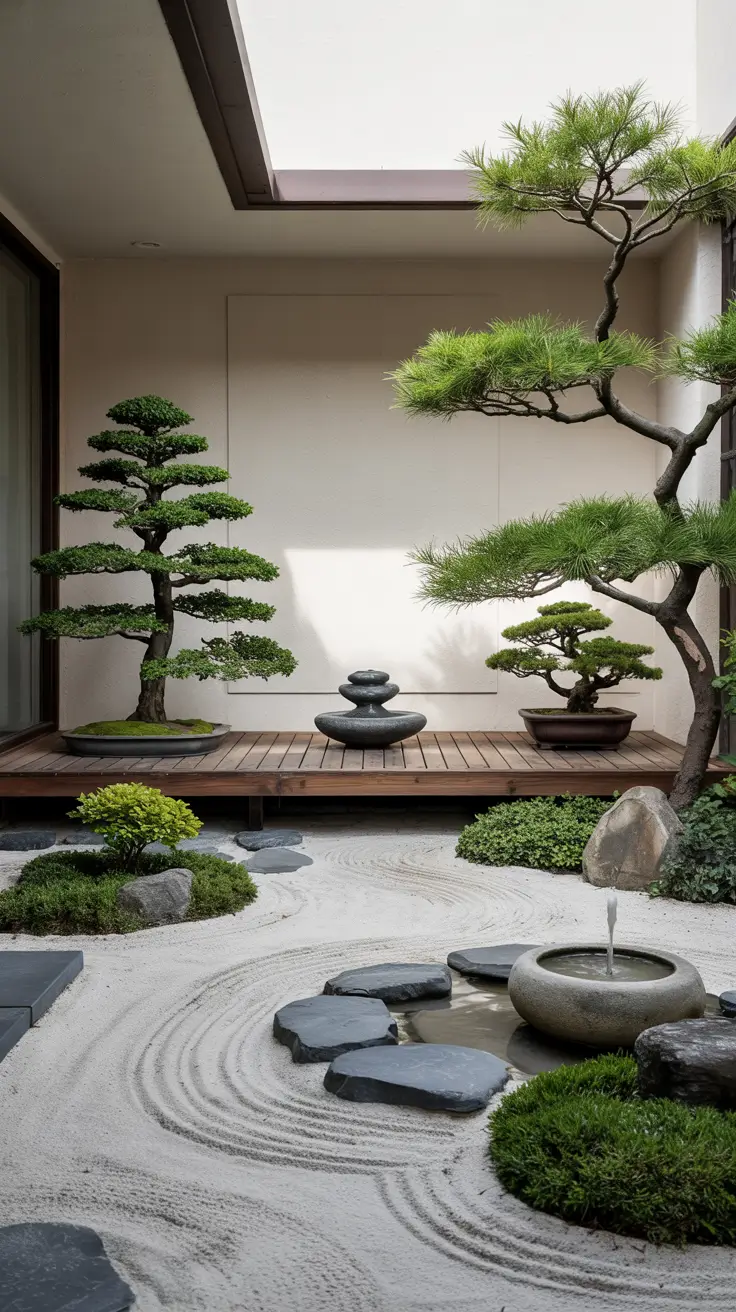
From my experience, the most important aspect is negative space. Many professionals emphasize that what you leave out is just as important as what you include. I always ensure there is room for the eye to rest, which enhances the calming effect. This philosophy transforms the garden into more than just a visual space – it becomes a mental escape.
To improve this design, I would consider adding subtle lighting along pathways for evening use. This would maintain the tranquil mood while increasing functionality. A small seating cushion area could also make the space more inviting for daily use.
Rustic Backyard Garden Aesthetic Ideas With Natural Materials
Rustic gardens are perfect for creating a grounded and authentic environment that celebrates natural textures. I often recommend this style for anyone exploring Backyard transformations that feel warm and approachable. The use of raw wood, stone, and metal creates a tactile experience that connects the space to nature. This approach blends well with diy aesthetic garden ideas, as many elements can be handcrafted. I focus on creating a balance between structure and organic growth. The result is a garden that feels both functional and visually rich.
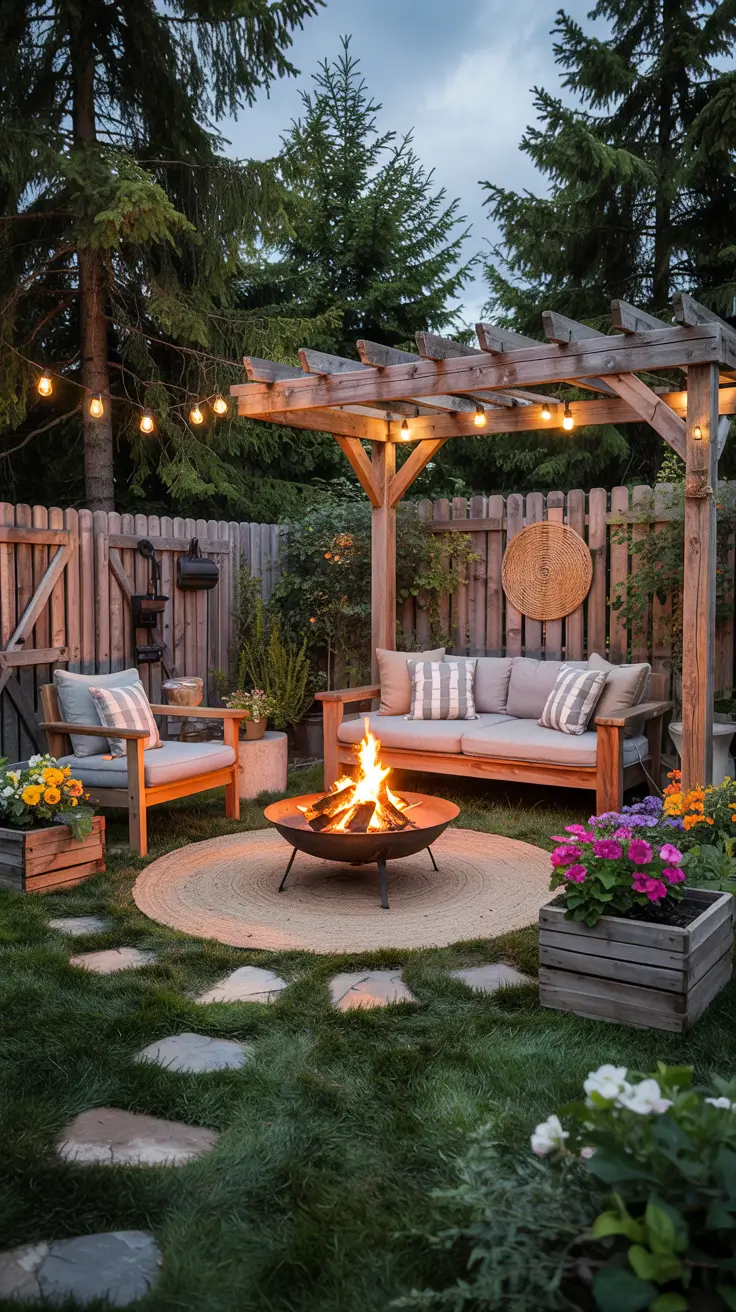
I typically include wooden pergolas, stone fire pits, and reclaimed furniture pieces. Large planters filled with seasonal Flower arrangements add color while maintaining a natural look. I also like to incorporate outdoor dining areas to make the space more usable. Textiles such as woven rugs and cushions soften the harder materials. Lighting is often achieved with string lights or lanterns to enhance the cozy atmosphere. Each component contributes to a welcoming and lived-in feel.
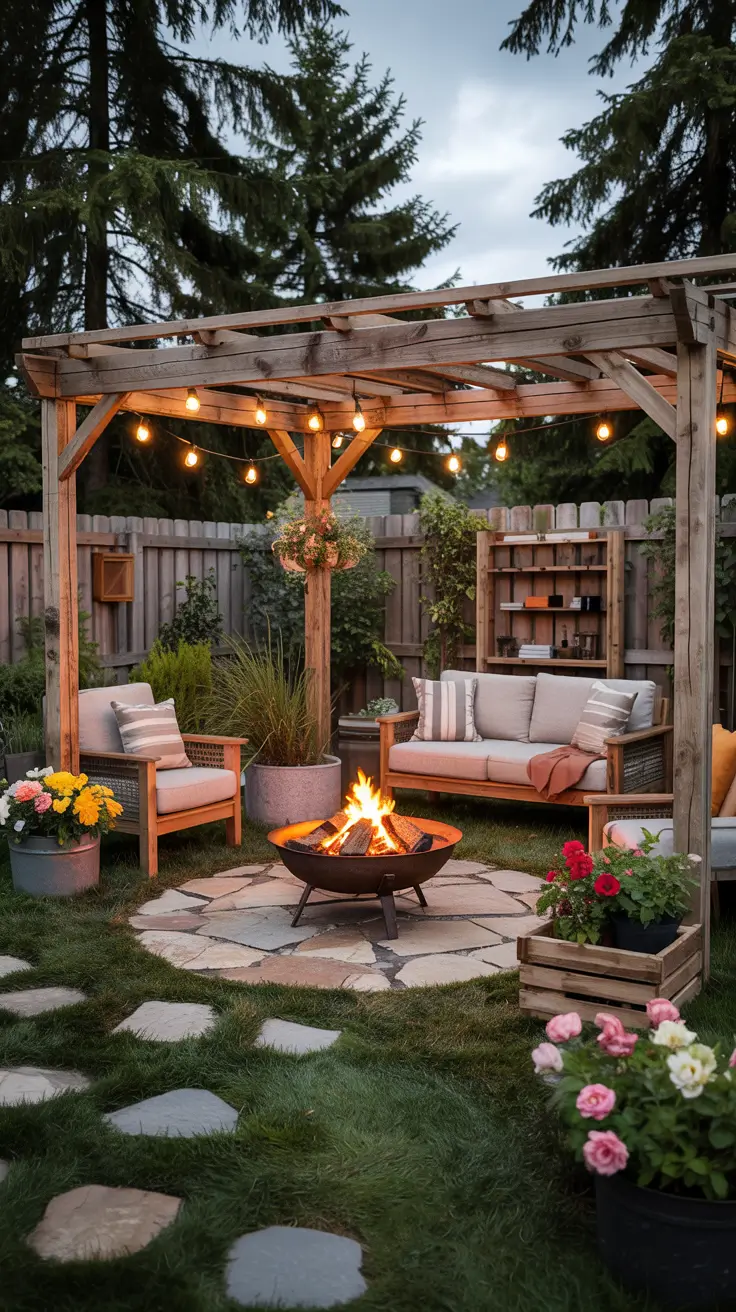
In my opinion, rustic design works best when it feels authentic rather than overly styled. Many designers recommend using locally sourced materials to maintain this authenticity. I have found that this approach not only looks better but also makes the space more meaningful. It creates a connection between the garden and its surroundings.
To complete this section, I would add vertical gardening elements like wall planters or hanging baskets. This would maximize space and introduce additional layers of texture. A small herb corner could also support a practical Grow a garden concept.
Small Space Aesthetic Garden Ideas For Compact Yet Stylish Areas
Designing for small spaces requires creativity and precision, but it also opens the door to some of the most innovative aesthetic garden ideas. I focus on maximizing every inch while maintaining a clean and stylish appearance. Vertical gardening is essential in these setups, allowing greenery to flourish without taking up floor space. This approach works well for urban environments and complements kitchen garden ideas aesthetic concepts. I often aim to create a sense of depth, even in limited areas. The goal is to make the space feel larger than it actually is.
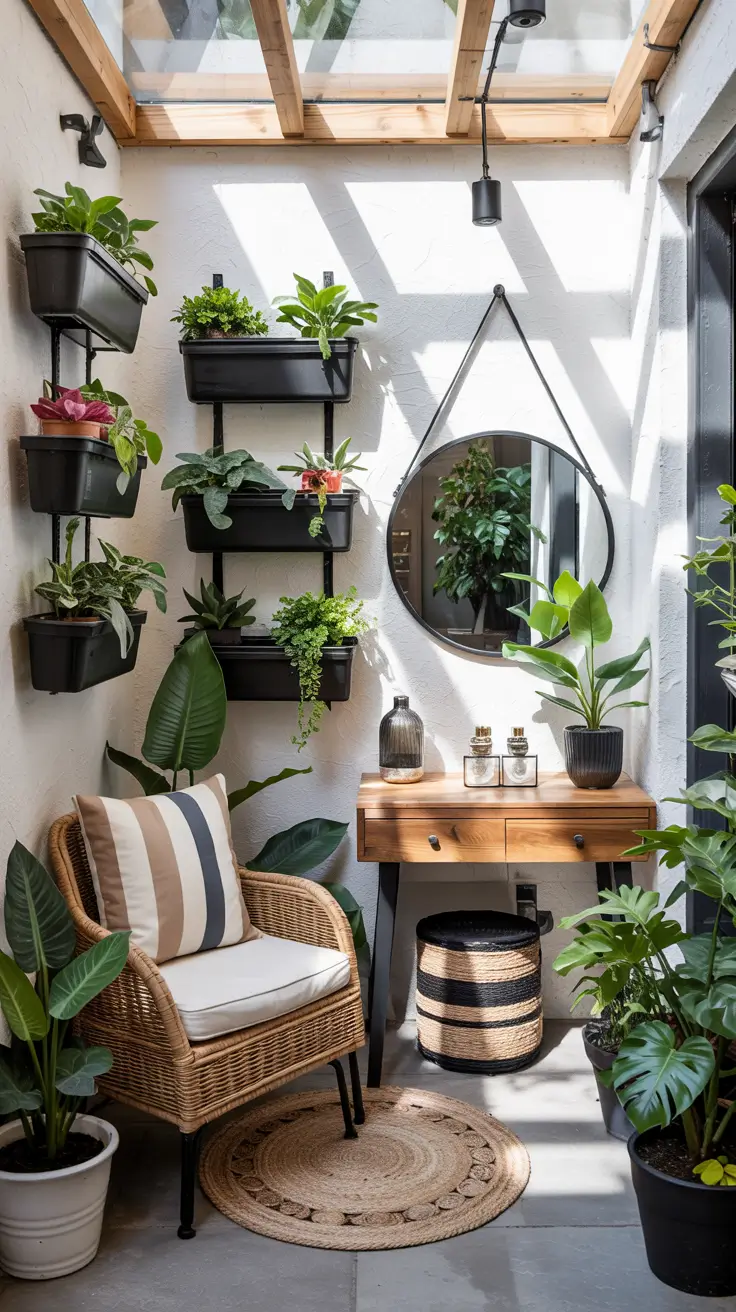
I use compact furniture such as foldable chairs, built-in benches, and multi-functional tables. Wall-mounted planters and shelves provide space for herbs and decorative plants. Mirrors can be strategically placed to reflect light and visually expand the area. I also recommend using a cohesive color palette to avoid visual clutter. Small lighting fixtures help define the space during the evening. Every detail must serve both form and function.
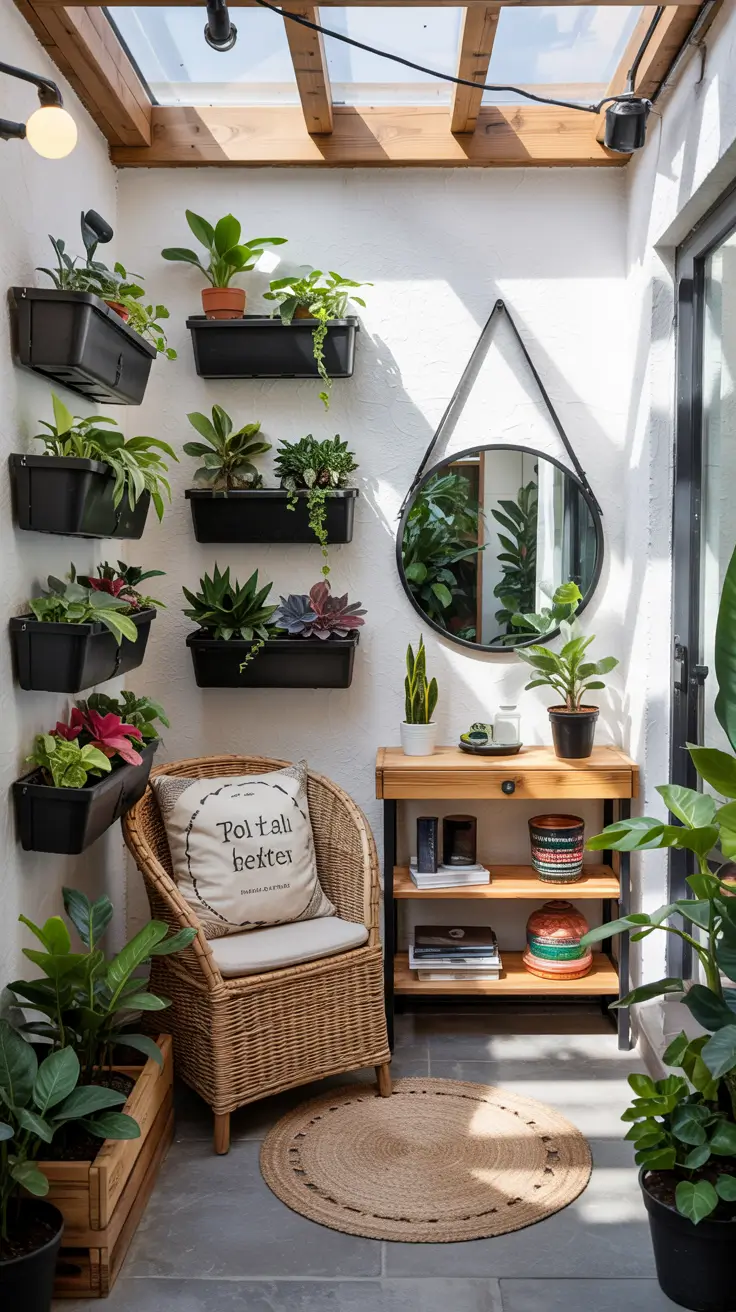
From my experience, simplicity is key in small gardens. Overcrowding the space can quickly diminish its appeal. Many experts suggest focusing on a few standout elements rather than many small ones. I follow this principle to maintain balance and clarity.
To improve this concept, I would add a small focal feature like a mini fountain or sculpture. This would give the space a clear identity. Additional storage solutions could also enhance practicality without compromising design.
Night Garden Aesthetic Ideas With Lights And Cozy Ambience
A night garden transforms an ordinary space into something magical, especially when designed with thoughtful lighting. I see this as one of the most impactful aesthetic garden ideas pool concepts when combined with reflective surfaces. Soft lighting creates depth and highlights key features without overwhelming the senses. This style is perfect for creating a cozy Outdoor atmosphere that can be enjoyed after sunset. I focus on layering light sources to achieve a balanced effect. The result is both functional and visually captivating.
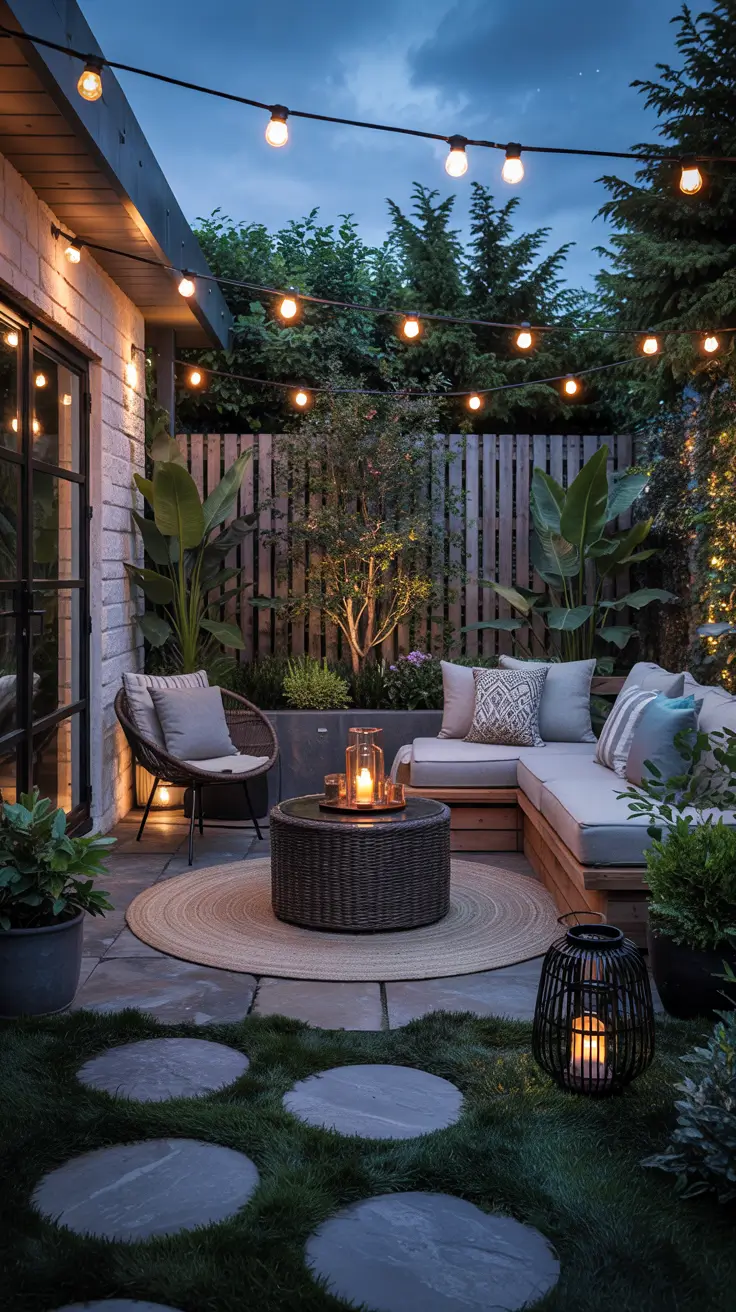
I incorporate string lights, lanterns, and ground-level LED fixtures to create different layers of illumination. Seating areas are enhanced with soft cushions and blankets to encourage relaxation. Water features or reflective surfaces amplify the lighting effect. I also like to include subtle pathways that guide movement through the space. Plants with light-colored foliage help reflect light and enhance visibility. Each element contributes to a cohesive nighttime experience.
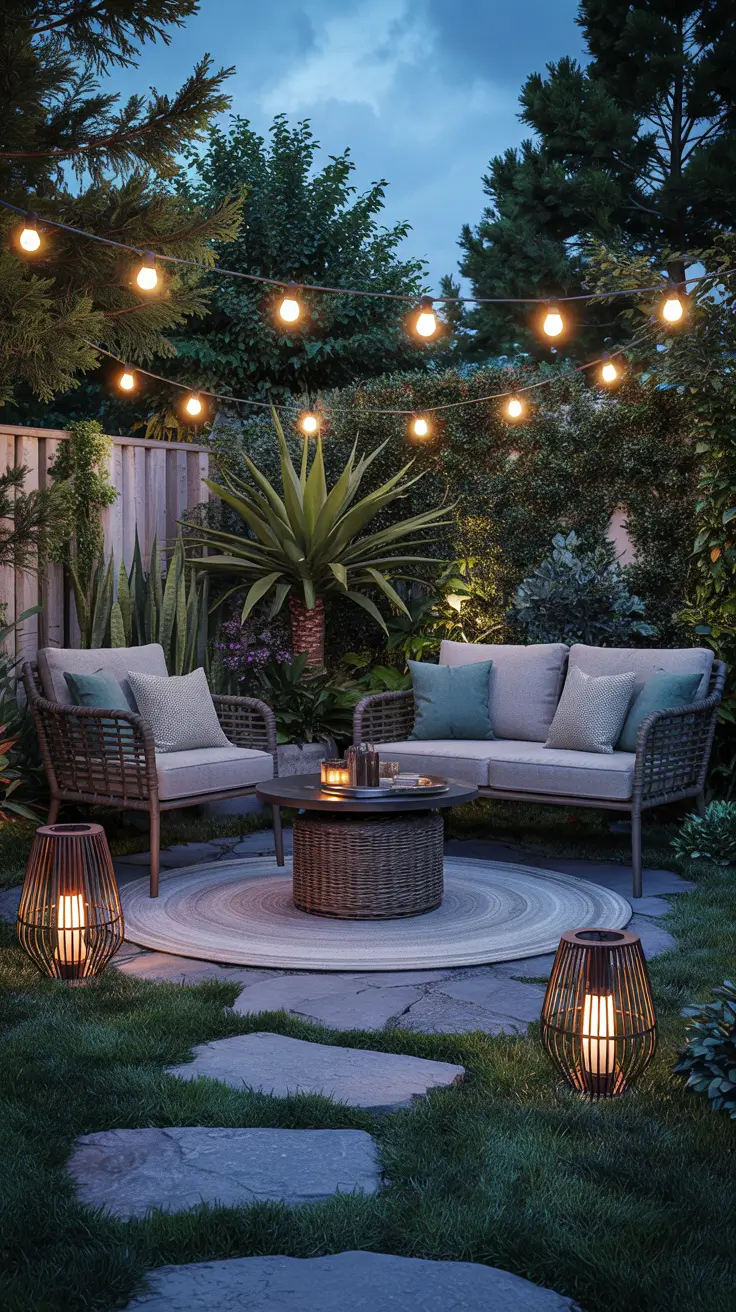
In my opinion, lighting design is often underestimated in garden planning. Many professionals highlight its ability to completely transform a space, and I strongly agree. The right lighting can make even a simple garden feel luxurious and inviting. It also extends the usability of the space well into the evening.
To elevate this idea further, I would add a fire pit or small heater for warmth and ambiance. This would make the garden usable in cooler seasons. Additional layered lighting could also enhance depth and visual interest.