Have you noticed more yards swapping traditional turf for clover in 2026? Are you curious whether clover can look polished, handle foot traffic, and still feel modern? In this guide, I will walk through 29 practical clover lawn ideas, from clover lawns that soften a minimalist landscape to clover lawn front yards that boost curb appeal. I will also explain clover lawn how to grow successfully, what types perform best, and how to combine clover lawn with pavers for a clean, design-forward look. If you want a clover lawn aesthetic that looks intentional rather than patchy, this article will help you plan it step by step.
Clover Lawn Ideas 2026 – The Complete Guide To Modern Clover Lawns
When I plan clover lawn ideas for 2026, I start the same way I would start any modern outdoor design – I define the “rooms” of the yard. I treat the lawn zone as a calm green foundation and then decide where I want crisp edges, walking paths, and small focal moments like a bench nook or a planter border. Clover lawns can look contemporary when the layout is simple, the lines are clean, and the transitions between hardscape and planting are intentional. For a clover lawn backyard, I usually design at least one practical zone for play or lounging and one softer zone for pollinators and seasonal blooms. This approach makes the space feel planned, not accidental, and it helps clover read as a design choice.
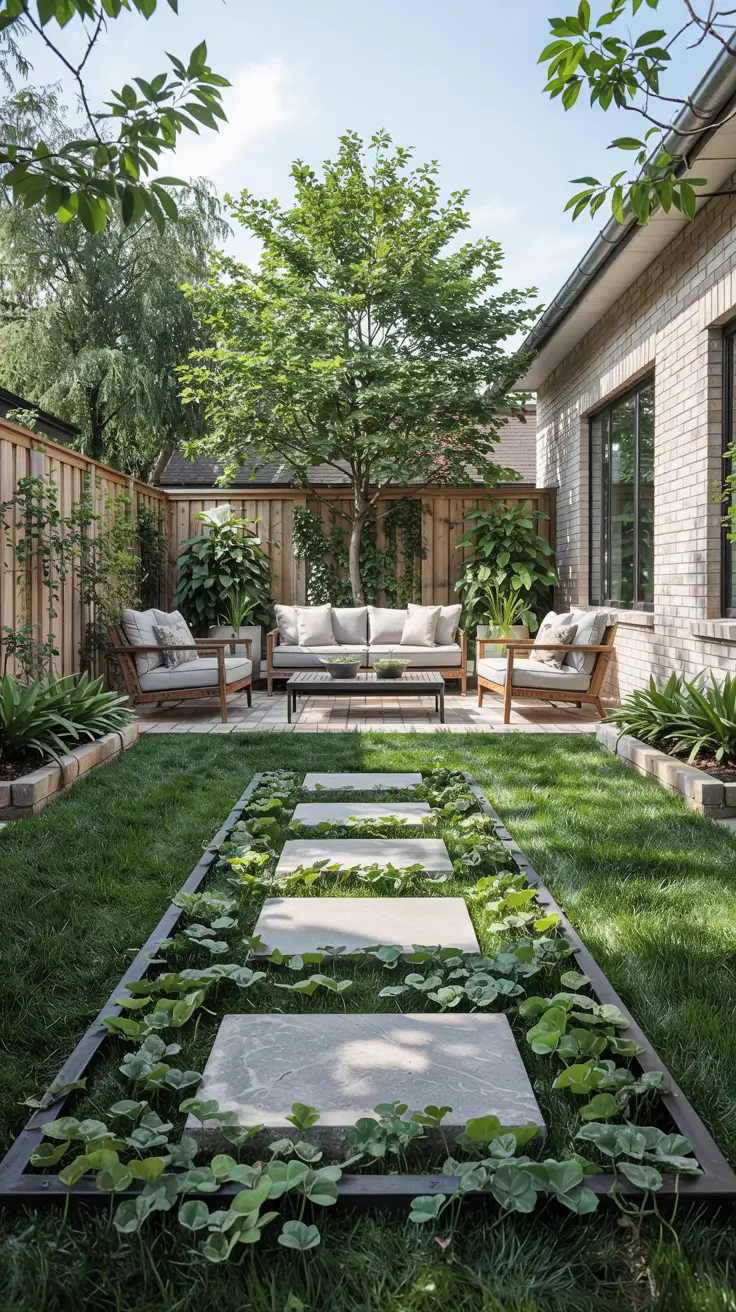
In the layout, I rely on a few core elements that always elevate clover. I like steel, brick, or stone edging because it keeps clover contained and gives the lawn a tailored outline. A clover lawn with pavers works best when paver spacing is consistent and the path has a clear start and end point, like gate-to-patio or patio-to-garden. I also recommend one anchor feature such as a low pergola, a simple outdoor sofa set, or two lounge chairs with a small table, because furniture makes the lawn feel like a usable living space. If you want a clear “clover lawn drawing” to follow, sketch the yard in rectangles and circles first, then map paths, seating, and planting pockets before you decide the clover type.
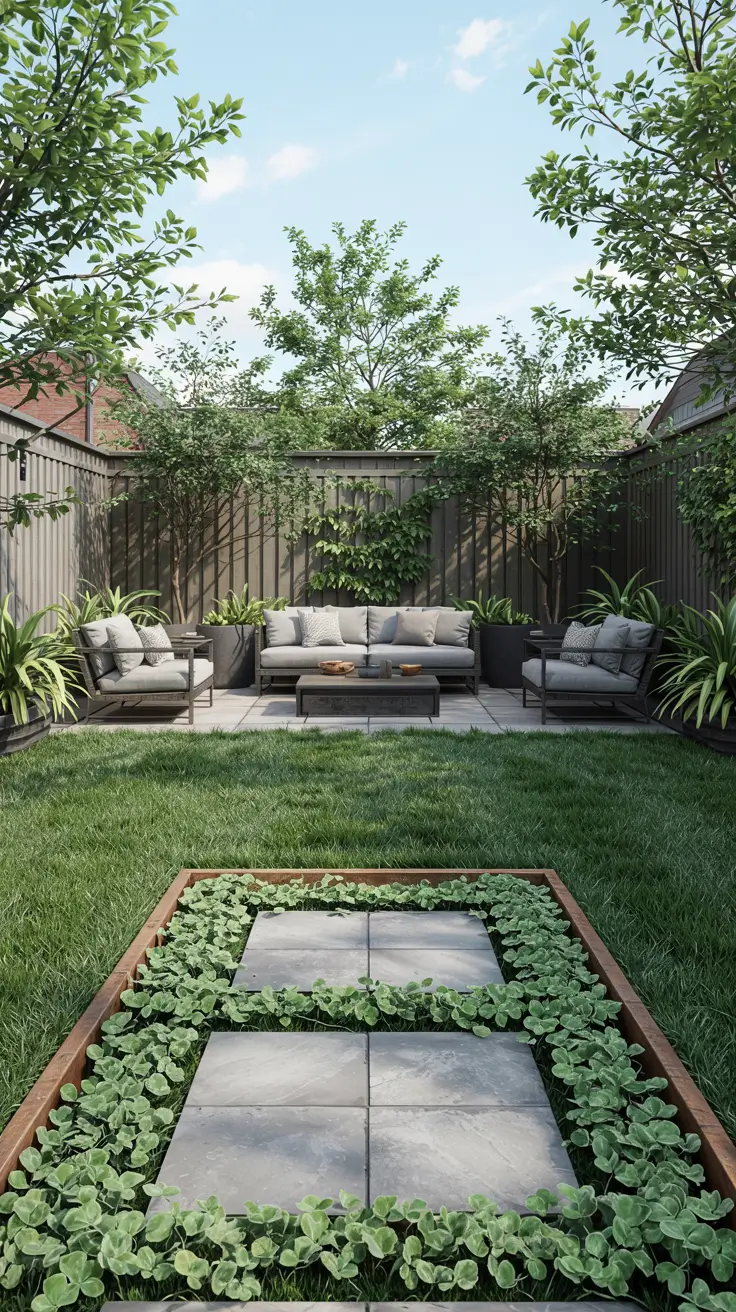
In my experience, the most modern clover lawn aesthetic comes from restraint. I avoid mixing too many materials, and I keep color choices to two or three tones so the clover stays the hero. I also think it helps to choose one signature detail, like a linear paver path or a gravel ribbon along the edge, so the design reads as deliberate. Many landscape designers emphasize that strong edges and repeatable shapes are what make plant-forward yards look polished, and that principle absolutely applies to clover. If you are new to clover lawns, I suggest starting with one contained area first, then expanding once you learn how it behaves in your climate.
What I would add to strengthen this section is a simple planning checklist that matches your yard type. Include your sun hours, how much foot traffic you expect, whether you need pet durability, and how often you are willing to water during establishment. I would also add a note on local norms, because clover lawn uk gardens often work with different rainfall patterns than many US regions. Finally, I would add a short material palette example, such as pavers plus gravel plus one edging material, to keep the look cohesive.
Why Clover Lawns Are Trending In 2026
I see clover lawns trending in 2026 because people want landscapes that look soft, stay green longer, and feel less fussy than traditional grass. Clover can handle many everyday yard conditions while creating a lighter, more natural texture than standard turf. It also fits the broader design movement toward relaxed, garden-like outdoor spaces where the “lawn” feels like part of the planting scheme. In clover lawn front yards, it can create a fresh curb appeal look when paired with clean borders and simple foundation plantings. For many homeowners, the appeal is that the lawn still feels open and usable, but looks more modern and intentional.
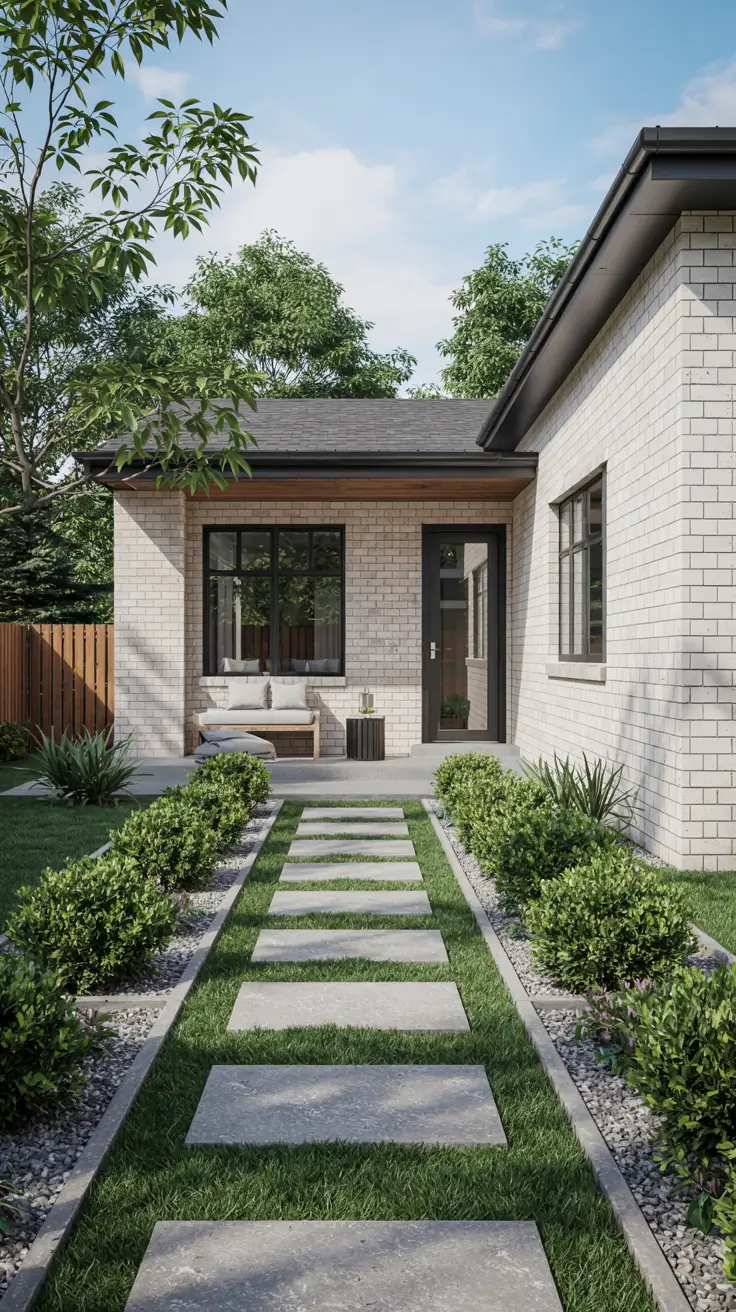
From a design perspective, I think clover’s popularity is also about versatility. You can keep it minimal with a tight edge and a single pathway, or you can layer it into a clover lawn garden that includes native perennials and low shrubs. I often pair clover with pavers or stepping stones because it keeps the yard practical and visually organized. I also like using a small seating moment, like a bench tucked near a hedge or a bistro set on a compact patio, because it turns the lawn into a livable outdoor room. If you want an “easy win” look, combine clover with one strong hardscape line and repeat the same material in two places, like matching pavers and a small pad for a chair.
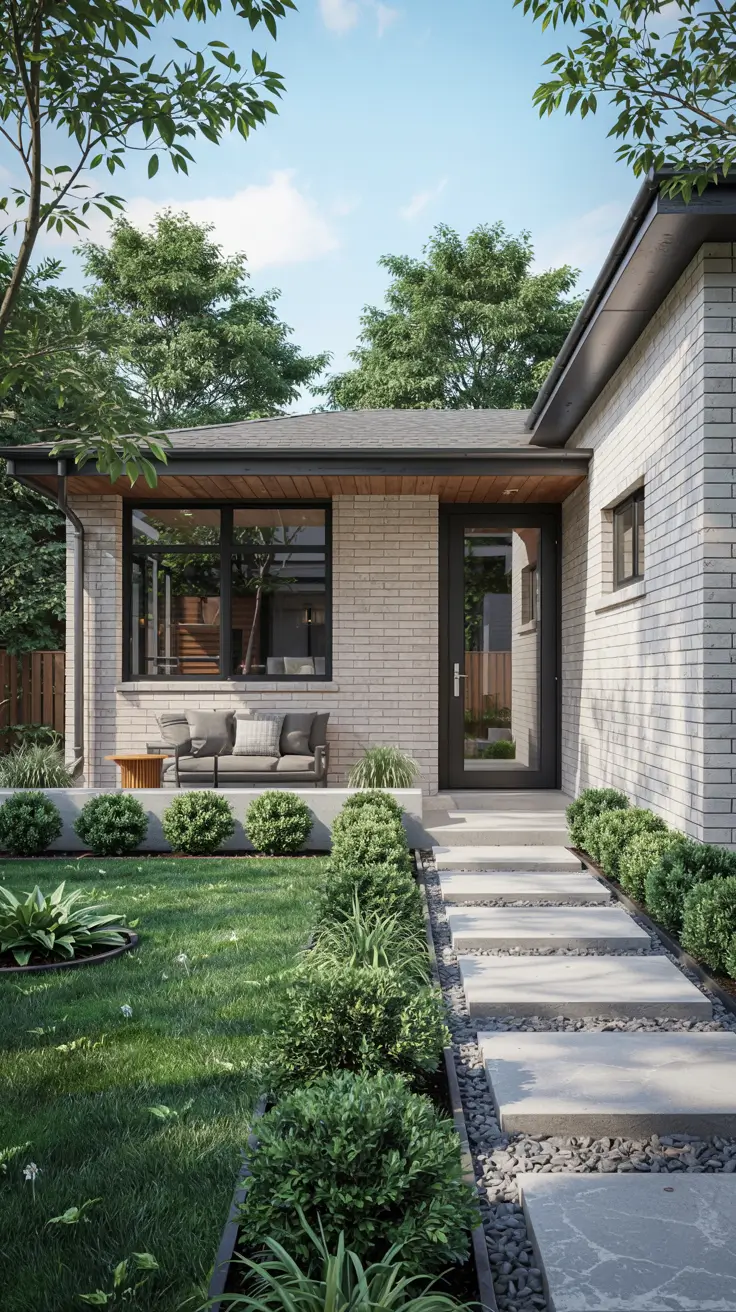
Personally, I think clover is trending because it meets people where they are. Many want beauty without feeling like they are constantly chasing a perfect lawn. I have found that when clients focus on clean layout, good edging, and a realistic establishment plan, clover looks intentional and performs well. I also advise treating the first month like a “planting project” rather than expecting instant results, because early care sets the tone for how it looks later. The most satisfied homeowners are the ones who embrace clover as a landscape surface, not as a replacement that must behave exactly like grass.
What I would add to this section is a quick reality check on expectations. Include how clover looks in different seasons, how it responds to drought versus heavy rain, and how flowers will appear depending on mowing frequency. I would also add a small note about neighbors and local rules, since some areas have guidelines for front yard appearance. Finally, I would add a short comparison between grass and clover in terms of texture, color, and maintenance habits, because those practical differences matter for design choices.
Types Of Clover Lawns – White, Red, Crimson, And Micro Clover
When I choose types of clover, I start with the job the lawn must do and the look the homeowner wants. White options, including White dutch and Dutch types, are popular for a classic, fine-textured lawn surface. Red clover and Crimson clover create bolder color and a more meadow-like vibe, which can be stunning in a backyard or side yard. Micro clover, often labeled Micro, is my go-to for a more uniform look that blends well with modern hardscapes. The right choice depends on sun, soil, foot traffic, and whether you want more flowers or a more “tight” green carpet.
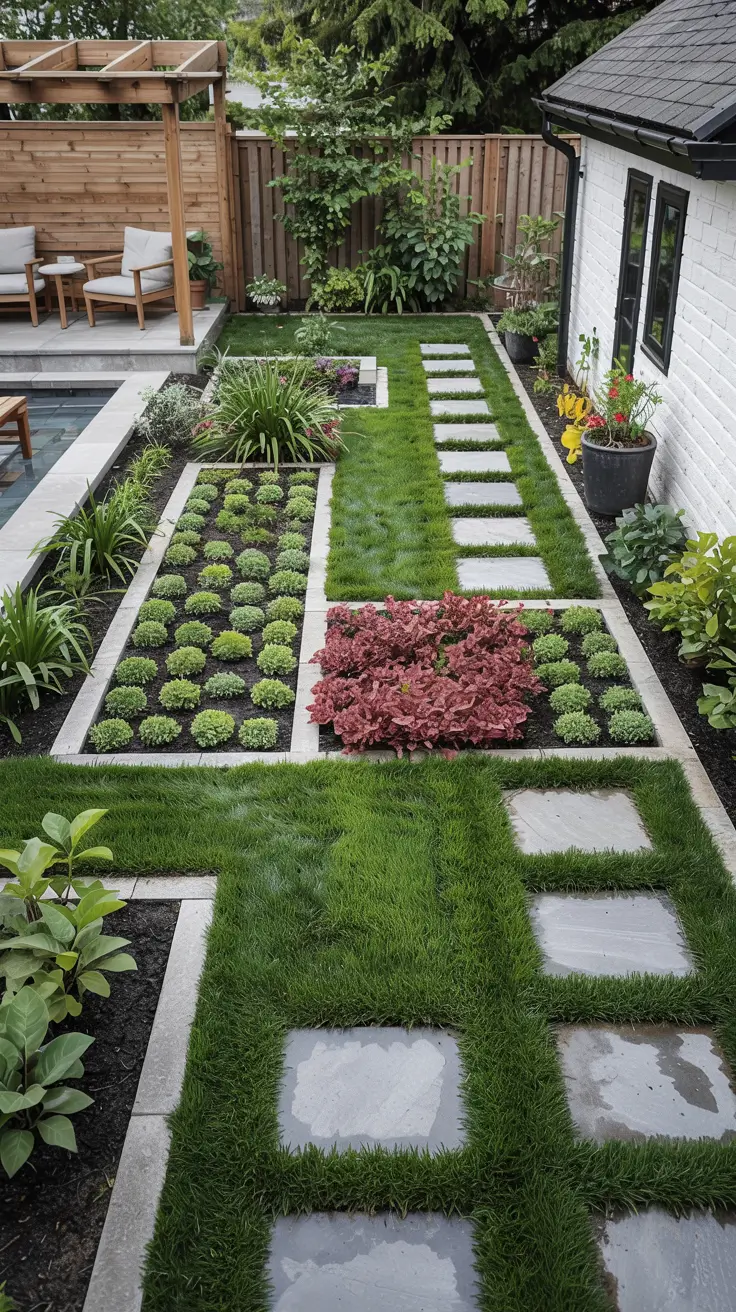
In the overall design, I treat each clover type like a different finish material. White clover reads soft and bright, so it pairs well with pale pavers, light gravel, and clean white or natural wood outdoor furniture. Red and Crimson clover are more statement-making, so I use them near a garden border, along a fence line, or as a defined panel framed with edging. Micro clover sits nicely around pavers and patios because it keeps a finer look and helps the path feel crisp. If you want a “grass and clover” blend, I usually keep it in active zones where wear is higher, and I reserve pure clover for framed areas where I want the aesthetic to shine.
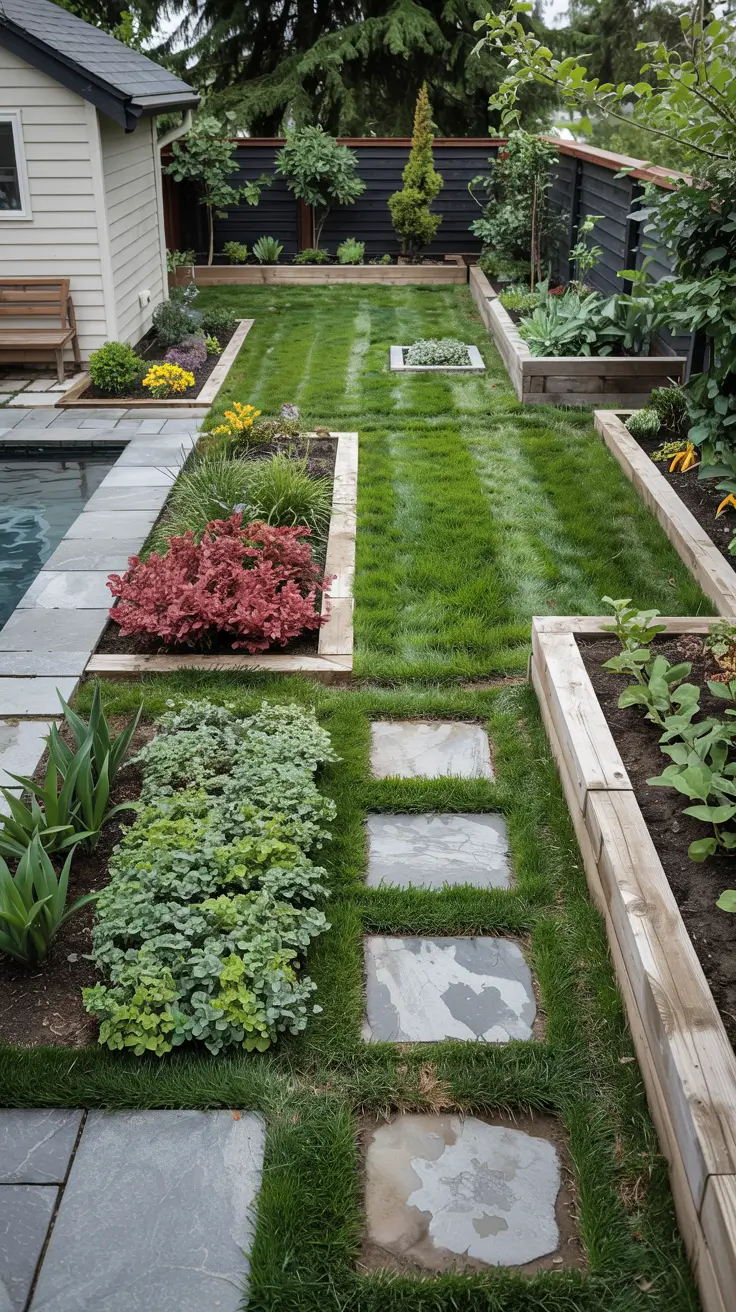
In my experience, people get the best results when they match the type to the maintenance style they actually prefer. If you like a tidy, modern look, Micro clover is often the easiest way to keep the surface looking even. If you want a more romantic or colorful yard, Crimson is a beautiful seasonal feature, but it reads more like a garden lawn than a sports field. I also remind homeowners that mixing types can work, but it should look intentional, like separate panels or zones rather than random patches. A simple plan with one main clover type and one accent type usually looks the most professional.
What I would add here is a small selection guide based on common goals. Add a short note for Front yards, Backyard, and Garden use cases, plus one line about how each type behaves with mowing and flowering. I would also include a note for clover lawn uk climates versus hotter, drier regions, because growth timing can shift. Finally, I would add a suggestion to test a small area first to confirm color, texture, and performance before planting the whole yard.
White Dutch Clover Lawn Benefits And Uses
When I design with White dutch clover, I aim for a clean, fresh lawn surface that still feels soft underfoot. It can create that bright green base that makes a yard look cared for, especially when edges are crisp and pathways are simple. I like it for clover lawn front yards because it reads friendly and classic while still fitting modern minimal landscaping. In a clover lawn backyard, it works well as a unified surface around patios and play areas. The overall benefit is that it supports a relaxed, natural look without losing that “finished yard” feeling.
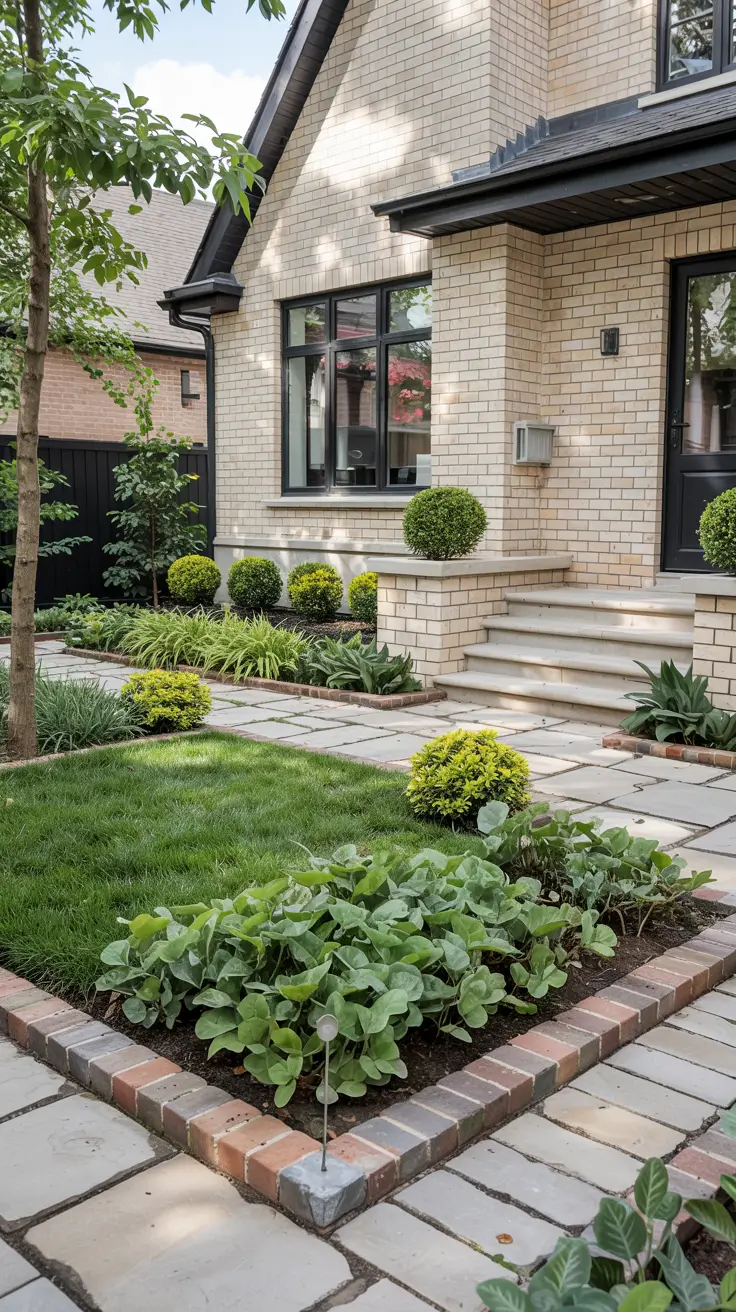
To make it look modern, I pair White dutch clover with pavers, gravel bands, and structured planting beds. A clover lawn with pavers looks best when pavers are large format or consistently shaped, because the repetition feels contemporary. I often recommend one seating zone with simple furniture, like a low outdoor sofa or two lounge chairs, and a few planters in matching materials to keep the palette cohesive. In garden edges, I like using low shrubs or ornamental grasses to frame the clover, because the contrast in height makes the lawn look intentional. If you want a neat look, I also encourage a defined mowing line around borders rather than letting the edge blur.
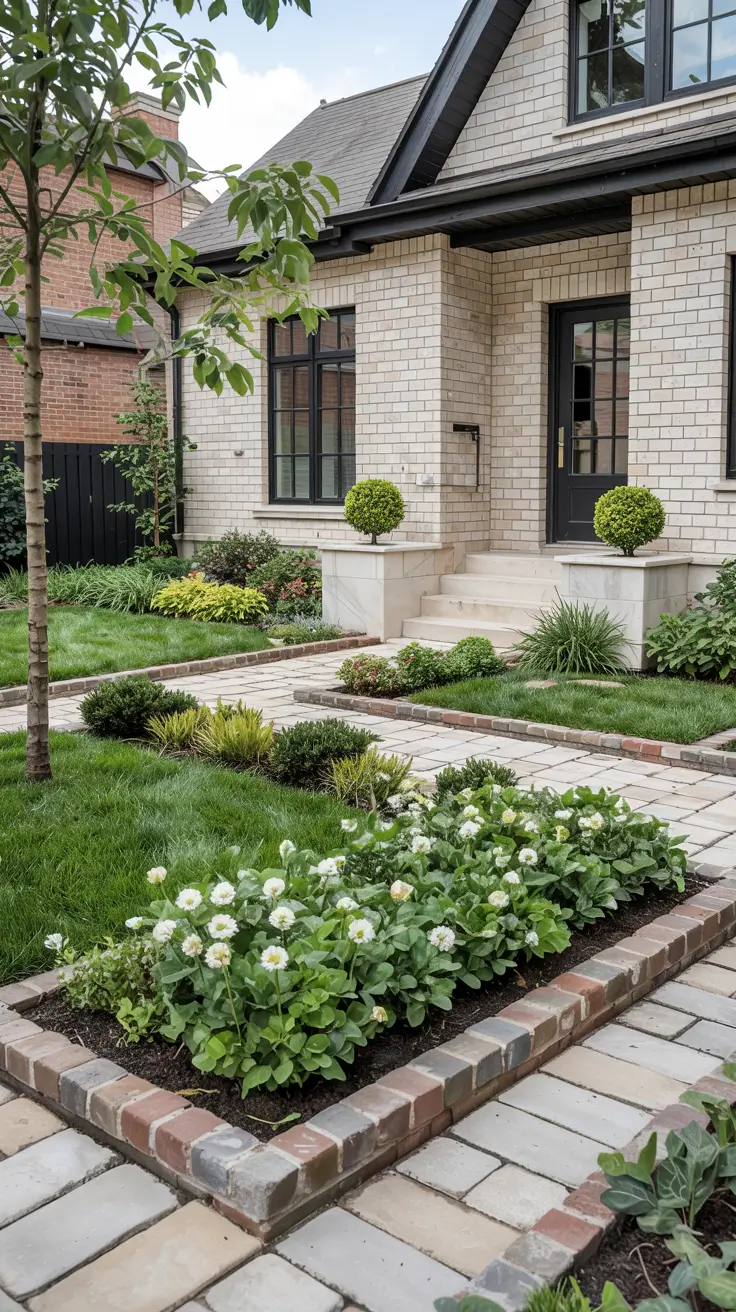
From my own projects, White dutch is a dependable choice when someone wants a soft lawn that still looks “normal” to most visitors. I find it photographs beautifully in morning and late-afternoon light, which matters if you are creating content or simply enjoy a polished view from indoors. The key is establishment care, because early thin spots can make the surface look uneven. Once it fills in, the look becomes much more consistent, and the yard reads calm and modern. I also like how it visually softens hardscape, especially around patios that might otherwise feel too rigid.
What I would add to this section is a practical “where it works best” list described in sentences. Include small front yard panels, side-yard paths, patio surrounds, and garden-adjacent lawns. I would also add a note on how to keep edges crisp, including edging choices and simple trimming routines. Finally, I would add a reminder about timing for planting, because successful “To plant” planning often matters more than the exact seed label.
Red And Crimson Clover Lawn Ideas For Bold Color
When I want a lawn area to feel artistic and expressive, I use Red clover or Crimson clover as a defined feature rather than a full-yard replacement. These types create richer color and a more meadow-inspired mood, which can look striking in modern landscapes when the layout stays simple. I often place it in the backyard where people can enjoy the blooms up close, or in a side yard where it becomes a “surprise moment” on the way to a patio. For a clover lawn aesthetic that feels curated, I frame the colored clover with edging and keep neighboring plantings restrained. That contrast is what makes bold clover look designed rather than wild.
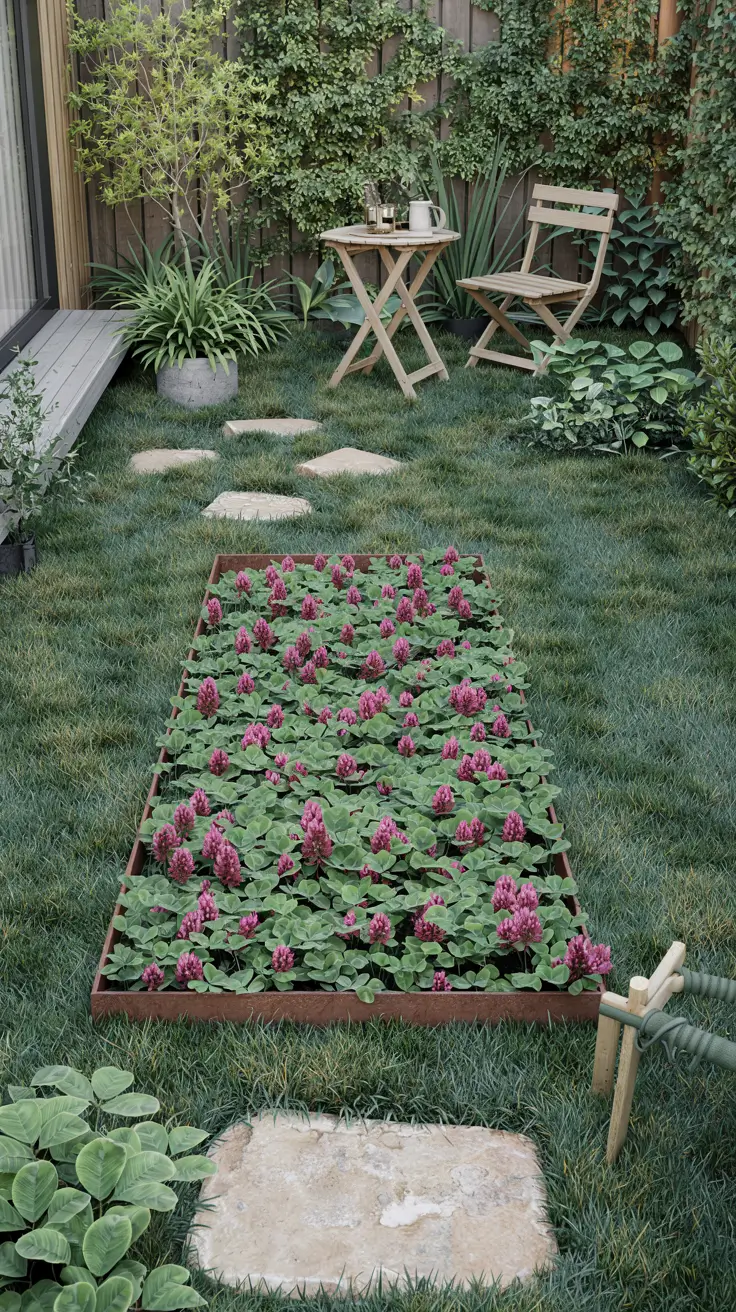
Design-wise, I like pairing Crimson with pale pavers and a clean gravel border to keep the color from feeling chaotic. A simple stepping-stone path through a Crimson panel looks modern if the spacing is consistent and the stones match the home’s style. I also recommend a small seating vignette nearby, like two chairs and a table, because it invites people to experience the color, not just look at it. In a clover lawn garden, I keep surrounding blooms minimal and choose a few repeated plants, like one ornamental grass and one shrub type, so the clover stays the focal point. If you want to blend it, a “grass and clover” approach can work at the edges, but I keep the boldest color in the center of the panel.
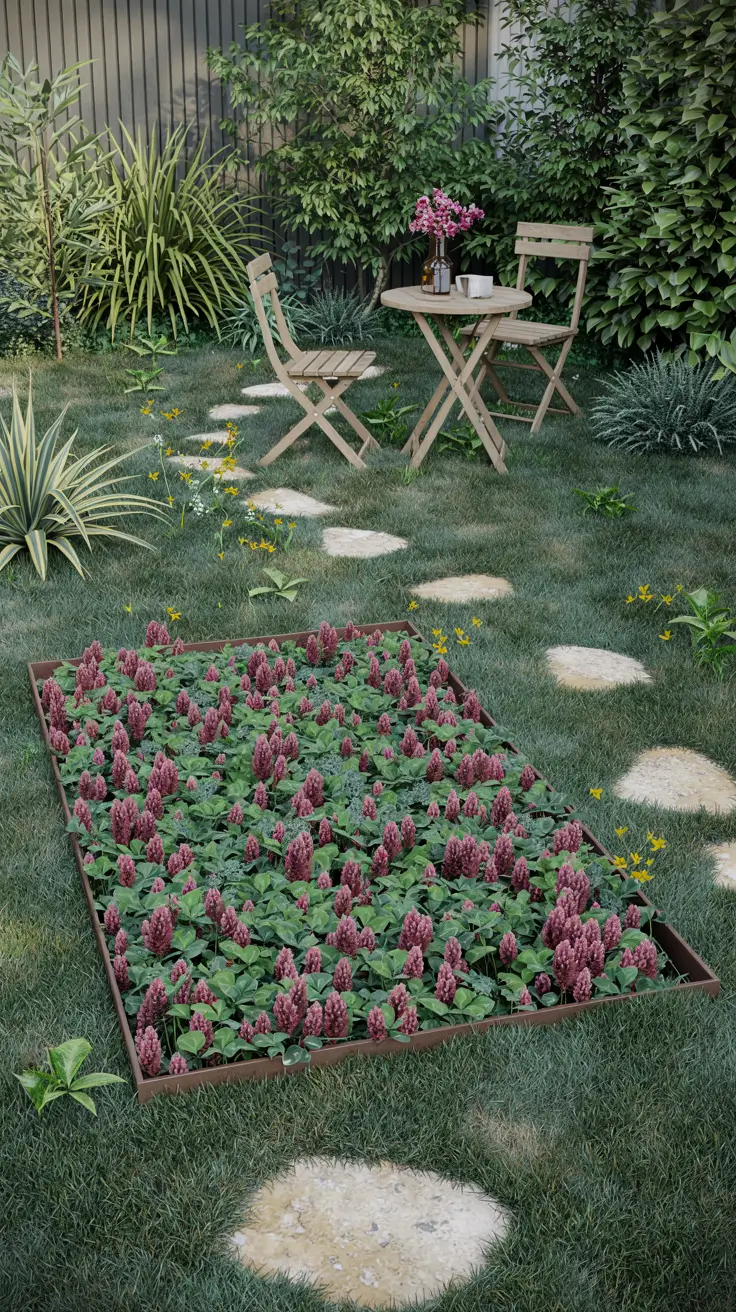
In my opinion, bold clover is most successful when you treat it like a design feature with boundaries. I have seen the best results when homeowners plan a dedicated patch, establish it well, and maintain it with a predictable mowing routine that matches how much flowering they want. It can also be a great choice for content because it adds visual interest without needing extra decor. I advise keeping hardscape lines straight and repeating one material twice, because repetition is a classic modern trick that helps bold color feel intentional. If you are experimenting, start with one small Crimson panel first, then expand once you love the look.
What I would add here is guidance on where bold clover works best and where it can feel too busy. Add examples like backyard lounge zones, garden borders, and side-yard meadow panels, plus a reminder that front yards often look best with more restrained color blocks. I would also add tips for pairing colors, like keeping nearby flowers white or pale to avoid clashing. Finally, I would add a short reminder about “Growing” timing and watering during establishment, since that determines how dense and photo-ready the clover becomes.
Micro Clover Lawns For Low Maintenance Yards
When someone asks me for low effort clover lawn ideas that still look clean, I usually point them toward Micro clover. It supports a more uniform, fine-textured surface that suits modern landscaping, especially with hardscape and crisp edges. I like it for busy households because it can keep a consistent look in everyday use when it is established properly. In a clover lawn backyard, Micro can work as a calm green base around patios, play spaces, and garden borders. It is also a strong option for people who want a tidy look that still feels softer than a traditional grass-only lawn.
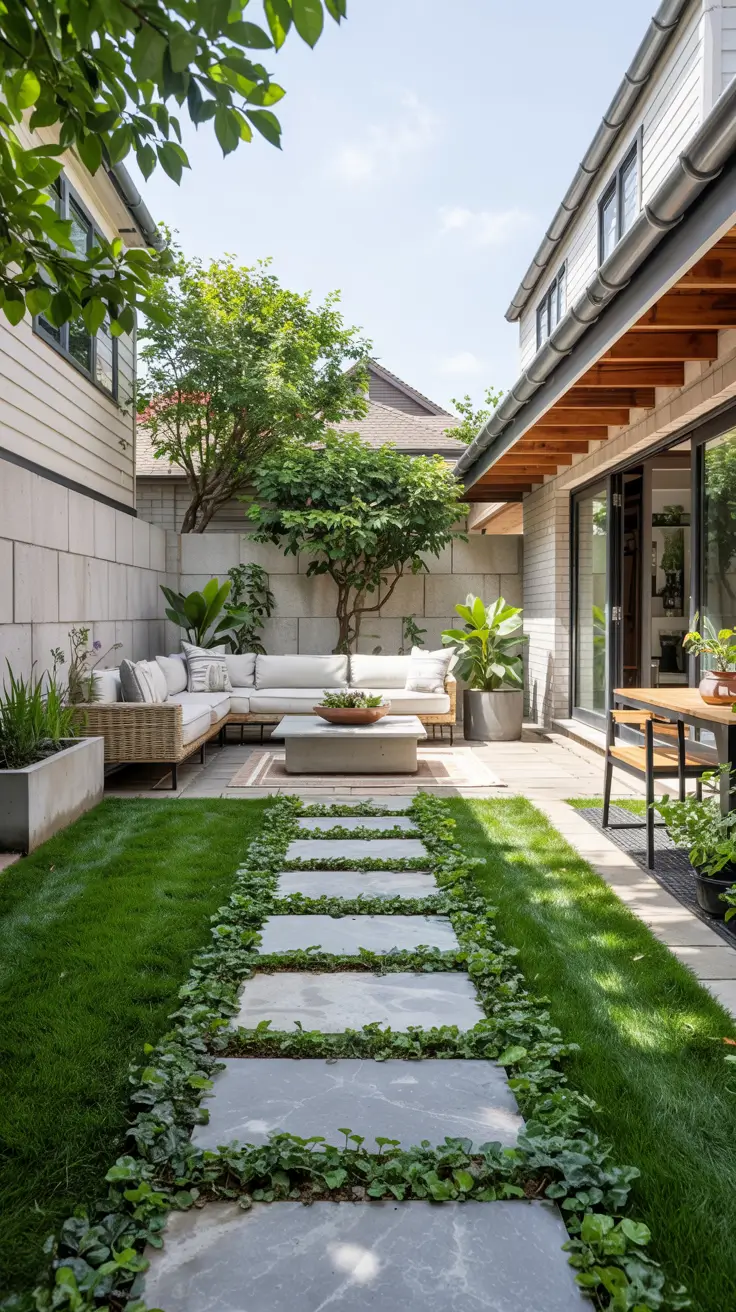
To make Micro clover look intentionally modern, I design around structure. I recommend a clear path, often a clover lawn with pavers, and I use straight or gently curved lines rather than lots of small shapes. I also like using one strong border material such as metal edging or brick, because it keeps the lawn line sharp and makes the clover read like a designed surface. If the yard has furniture, I keep it simple and low profile, like a modular outdoor sofa or a compact dining set, so the space feels like an outdoor living room. For added polish, I use matching planters and a limited color palette, because minimalism makes the fine texture of Micro feel intentional.
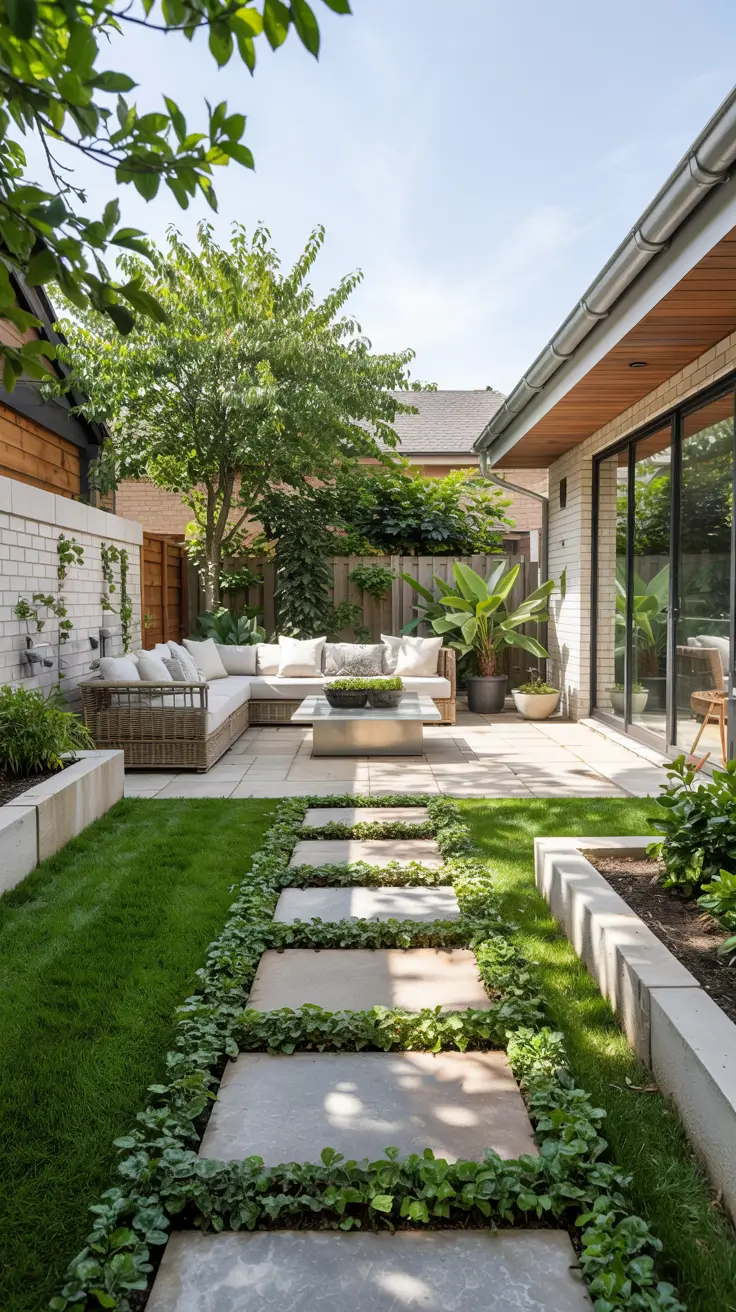
In my experience, Micro clover performs best when you commit to the establishment phase. If you want clover lawn how to grow successfully, it helps to prepare the soil, seed evenly, and keep moisture consistent until the plants are rooted. Once it fills in, the maintenance feels simpler because the surface can stay visually cohesive with basic care. I also think Micro is one of the easiest ways to make a modern lawn photograph well because the texture reads smooth from a distance. If you are aiming for a calm, minimalist yard, Micro often supports that goal without needing lots of extra landscaping.
What I would add to this section is a short “setup” sequence described in sentences. Include soil prep, light raking, even seeding, gentle watering, and a plan for foot traffic during the first few weeks. I would also add a note about combining Micro with other clover types as accents, because a tiny Crimson panel can be a fun feature without increasing work too much. Finally, I would add a reminder to plan edges and paths first, because structure is what makes Micro clover look modern.
Clover Lawn Front Yards That Boost Curb Appeal
When I design clover lawn front yards, I focus on curb appeal rules: clean lines, easy navigation, and a look that matches the home. Clover can look high-end in a front yard when it is framed like a green rug, with clear edges and a simple path to the entry. I usually keep the planting scheme minimal, using a few repeated shrubs and one or two seasonal accents so the lawn stays calm. The goal is a clover lawn aesthetic that feels intentional from the street, not like an experiment. With the right layout, clover lawns can look modern, tidy, and welcoming at the same time.
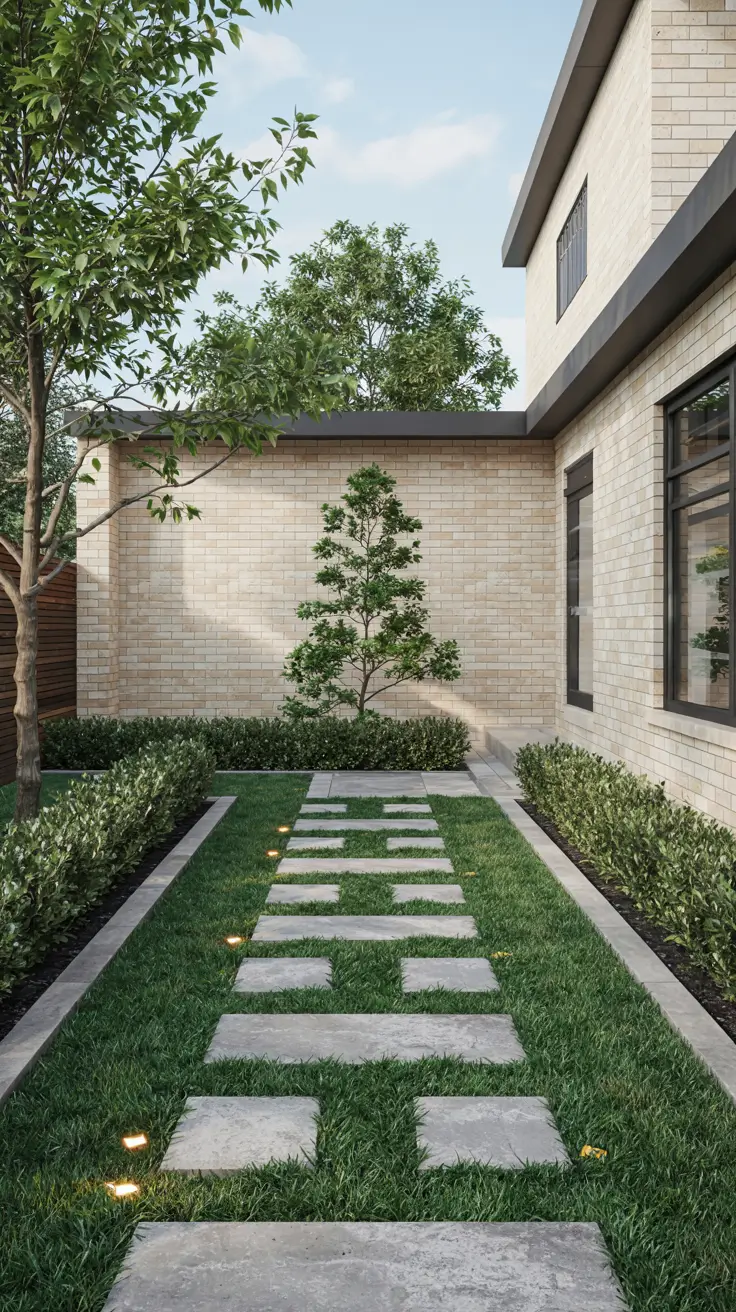
To achieve that, I rely on structure and repetition. A straight or gently curving walkway with clover lawn pavers looks polished, especially when paver spacing is consistent and the border is edged cleanly. I like using low hedges, simple mulched beds, and symmetrical planters near the door to visually “anchor” the lawn. If the front yard is small, I often design one focal element like a single ornamental tree or a pair of matching containers, because it makes the space feel finished. For practical function, I also plan a clear route for mail, trash bins, and daily walking patterns so the clover surface stays evenly used and visually consistent.
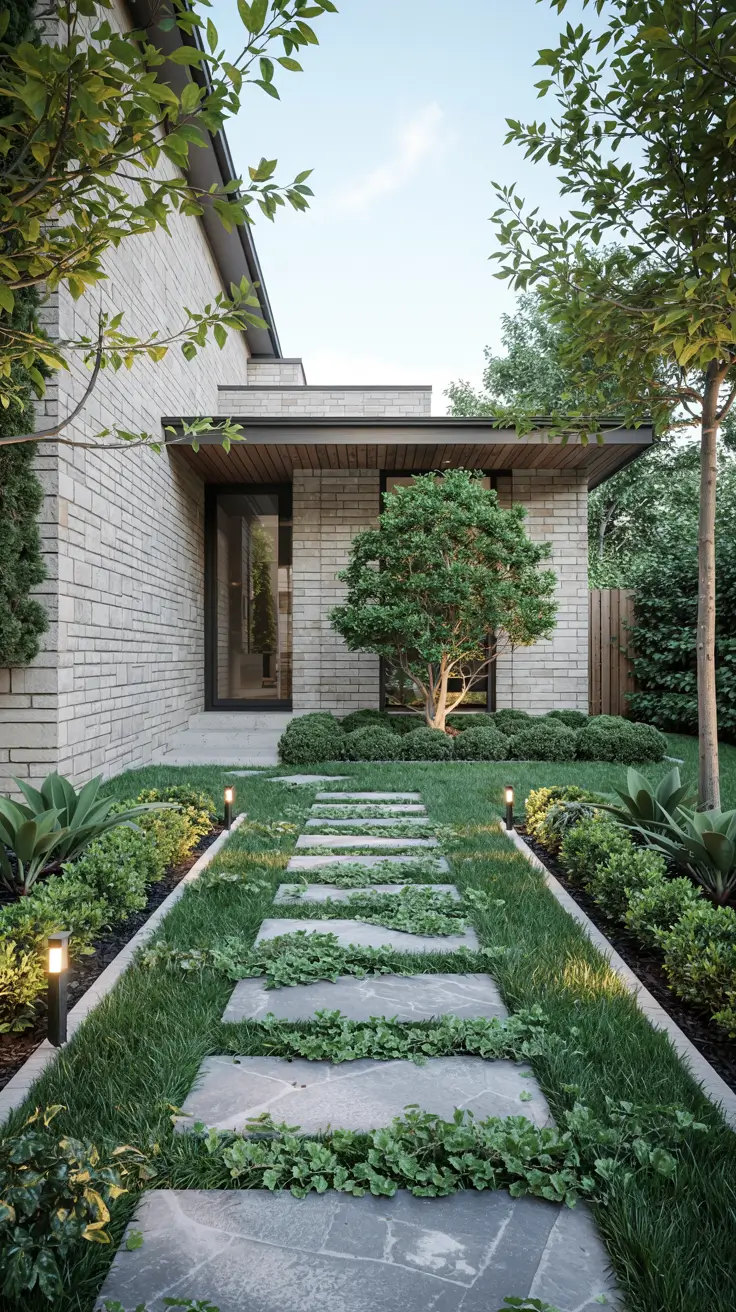
From my perspective, front yards succeed when they look predictable and cared for. I have found that even the most creative planting choices feel upscale when the lawn edge is crisp and the walkway is clean. If you are in a region like the clover lawn uk market, the lush look can be especially strong, but the same design principles apply everywhere. I also advise homeowners to think about how the lawn looks from indoors, because the front yard is often the most-viewed landscape in daily life. A simple, well-edged clover front yard can make the entire home feel more current in 2026.
What I would add to round out this section is a “front yard checklist” in sentence form. Include edge control, walkway material, bed shape, and one focal element. I would also add a suggestion for lighting, like low path lights that highlight the walkway and make the clover look intentional at night. Finally, I would add a reminder about “Planting” timing and early watering so the front yard looks uniform quickly, since curb appeal depends on consistency.
Clover Lawn Backyard Designs For Relaxed Outdoor Living
I like to treat a clover lawn backyard as an outdoor room, just with softer flooring and fewer rules. Clover lawns read calm and natural, but they can still feel structured when I set clear zones for lounging, dining, and play. I usually start with a micro clover base because it stays shorter and looks tidy around walkways. If the space is sunny, I plan for white dutch clover in open areas and add pockets of crimson or red clover where I want seasonal color. For a cohesive look, I keep edges crisp with a mowing strip or a simple border so the clover lawn aesthetic feels intentional.
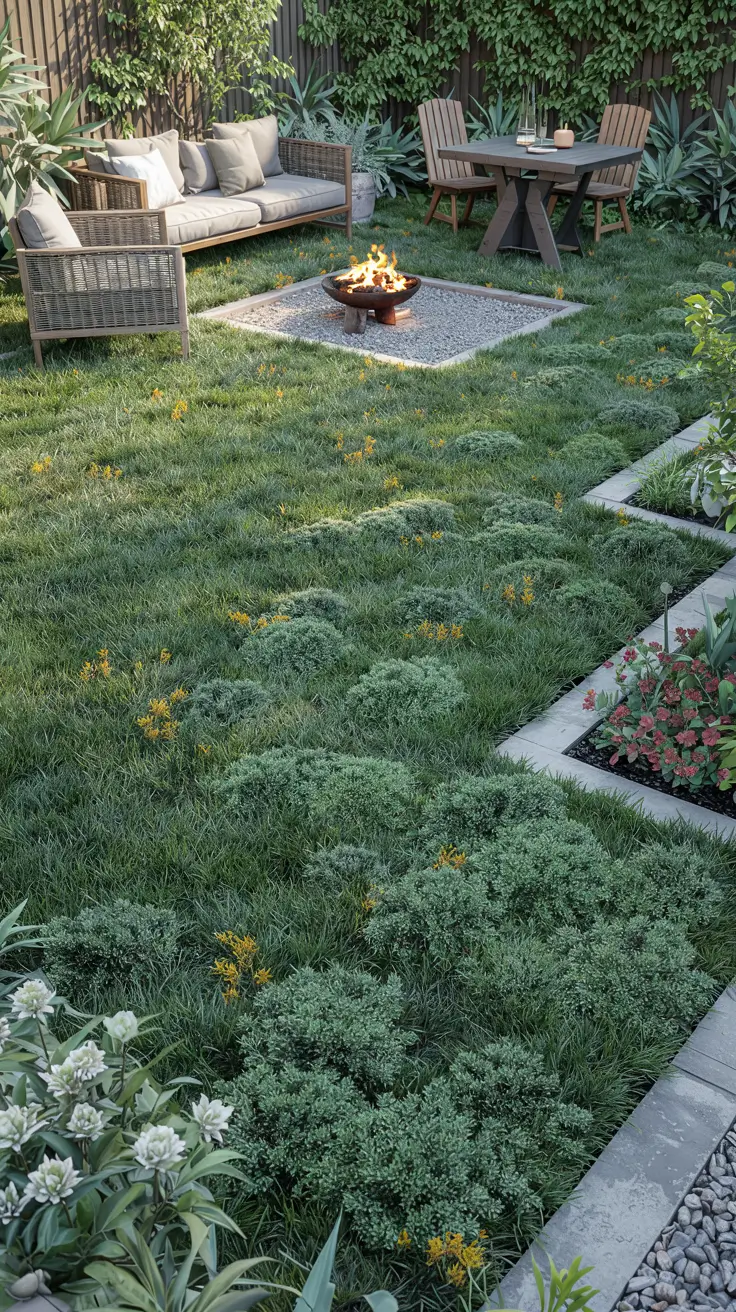
For the furnishing layer, I rely on a few pieces that do not fight the softness of clover. A low-profile outdoor sofa or two lounge chairs work well because they sit visually lighter against the green carpet effect. I add a small dining set if the backyard supports it, and I prefer tapered legs or open-frame furniture so the space feels airy. A fire pit or shallow bowl centerpiece anchors the seating and keeps the design functional into cooler evenings. I also like a gravel pad under heavy pieces, because it prevents leg sink and keeps the clover from thinning where pressure is constant.
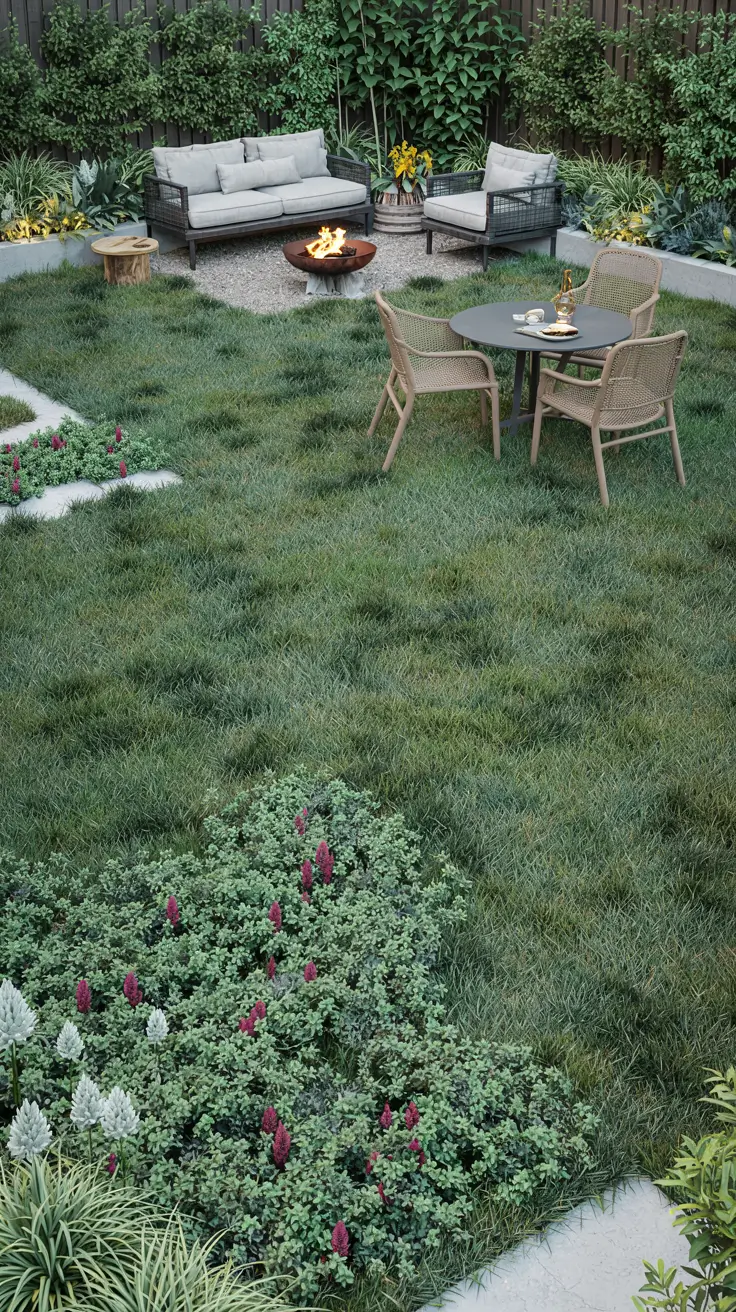
In my experience, the best-looking clover lawns are the ones that accept a little movement and life. I do not chase a perfect golf-course look, I aim for a healthy, dense mat that can handle real use. I have found that watering deeply but less often helps roots settle, and it reduces the temptation to baby the lawn. Many extension-style lawn guides emphasize that clover fixes nitrogen, so I treat it as a living soil helper and I go lighter on fertilizer than I would with turf. When I frame the backyard as relaxed outdoor living, clover becomes a design feature instead of a compromise.
To finish this section, I would add a simple seasonal care rhythm for backyard use. I would include guidance on reseeding thin spots after heavy gatherings, and how to rotate furniture a few times per season to prevent wear rings. I would also add a note about pet paths and how to reinforce them with stepping stones or small paver runs. Finally, I would include a short planning tip about doing a clover lawn drawing on paper first so the zones feel balanced before you plant.
Clover Lawn With Pavers For Modern Landscaping
A clover lawn with pavers is one of the cleanest ways to make clover feel modern and architectural. I use pavers to create straight lines and strong geometry, then let clover soften everything between those hard edges. This approach works especially well in clover lawn front yards because it keeps the look polished from the street. I choose a compact clover like micro clover for the joints and surrounding field so it stays neat and does not overwhelm the stone. When I want a brighter spring look, I weave in white clover, and if I want dramatic seasonal accents, I reserve crimson clover for small framed areas.
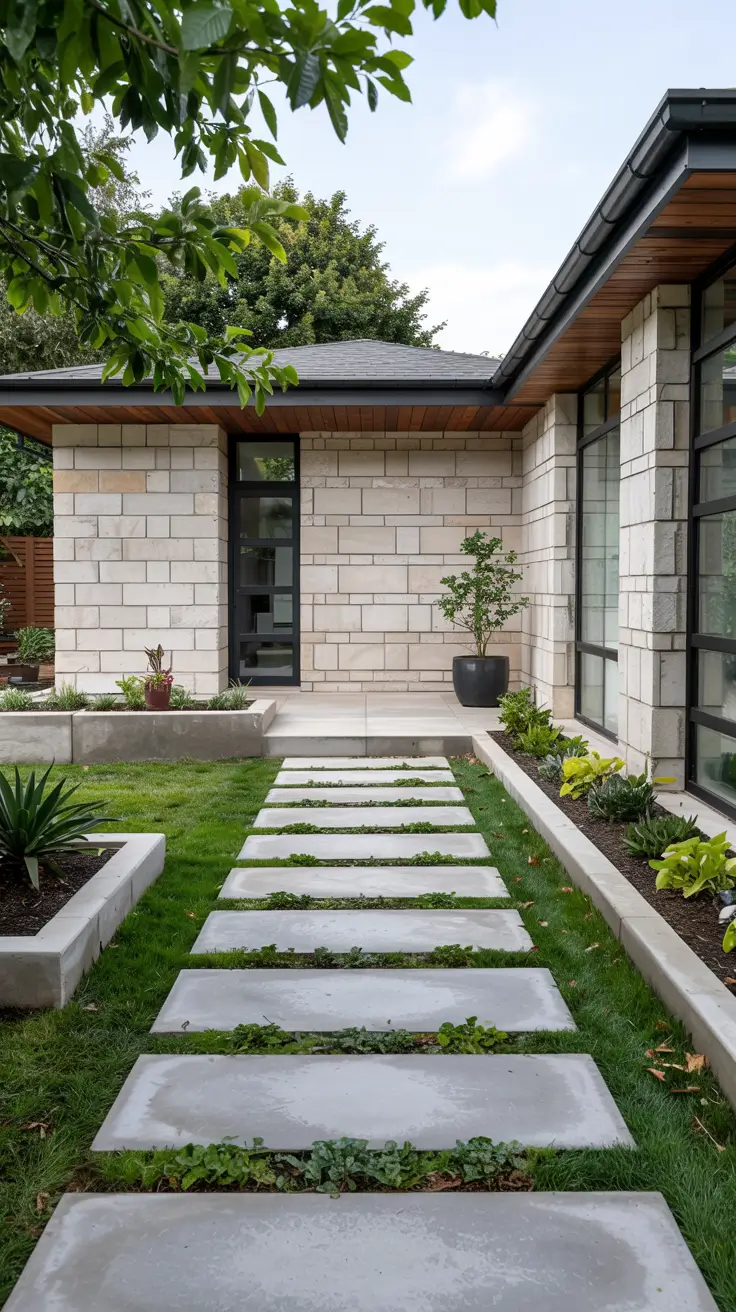
The design details matter here, so I treat the pavers like the framework of the whole yard. Large-format concrete pavers give a minimalist feel, while natural stone creates a warmer modern look. I like to pair the paving with a slim bench, a couple of oversized planters, and low landscape lighting so the path reads clearly at night. If the home has a contemporary facade, I keep accessories simple, like matte black planters and a restrained plant palette. In tighter spaces, I use narrow pavers in a repeating rhythm to visually lengthen the yard.
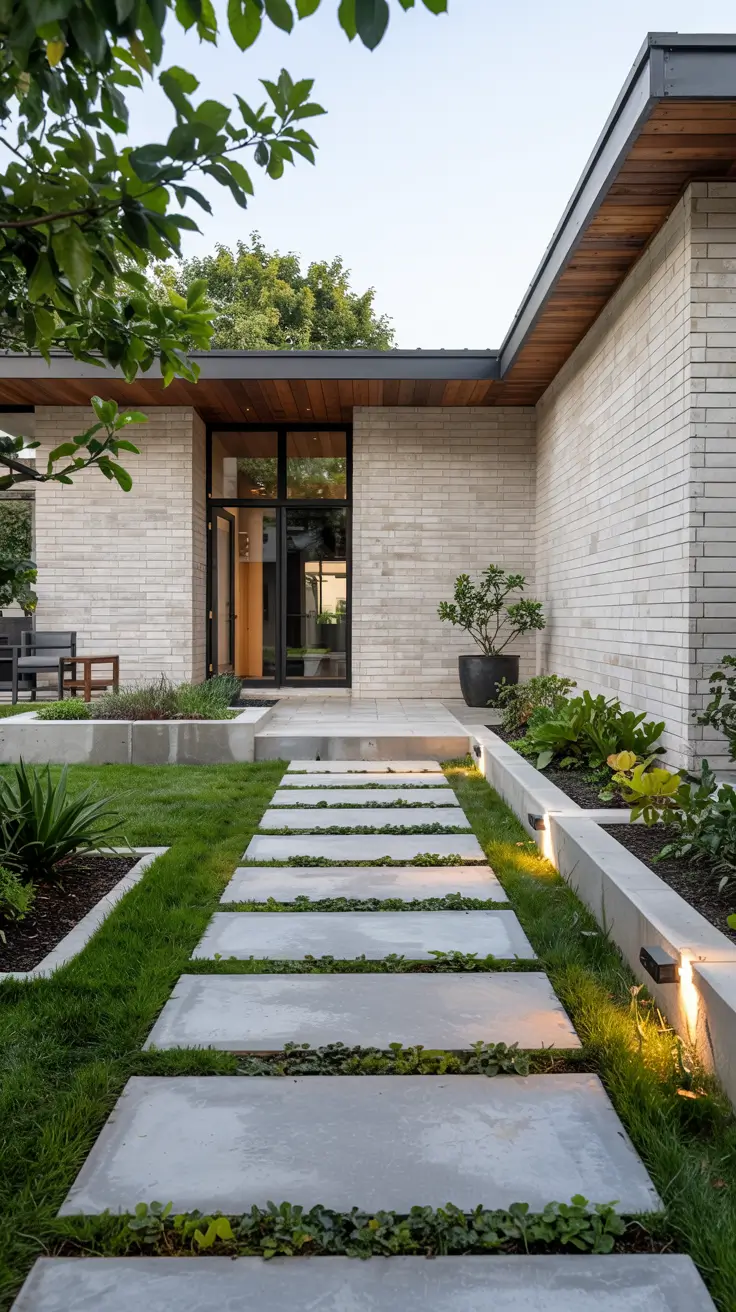
What I like most about this style is how forgiving it is in real life. If a section of clover struggles in a high-traffic strip, the pavers still carry the design so the yard never looks unfinished. I have also found that the paver grid makes maintenance easier because I can focus on small zones rather than the entire lawn at once. When people ask if clover lawns look messy, I point to this layout because structure changes everything. The modern framework gives clover a purposeful role, which is the heart of a strong clover lawn aesthetic.
To round out this section, I would add practical spacing guidance for joints and step length. I would include a note on joint fill depth and using a gritty base so clover roots do not sit in soggy pockets. I would also add a short comparison of paver materials for heat, slip resistance, and visual style. Finally, I would add a mini checklist for front-yard curb appeal so the clover lawn with pavers looks intentional from the sidewalk.
Creative Clover Lawn Pavers Layout Ideas
If you want personality, this is where clover lawn pavers become a design playground. I treat clover as the negative space that makes the pattern pop, and I choose layouts that look good even when viewed from above. A grid is classic, but I also like offset running bond patterns, alternating widths, and playful stepping-stone trails that curve through the green. This is also the place where purple clover varieties or small red clover accents can create a subtle color shift near seating or entrances. When I plan these patterns, I sketch a quick clover lawn drawing first so the spacing feels natural and walkable.
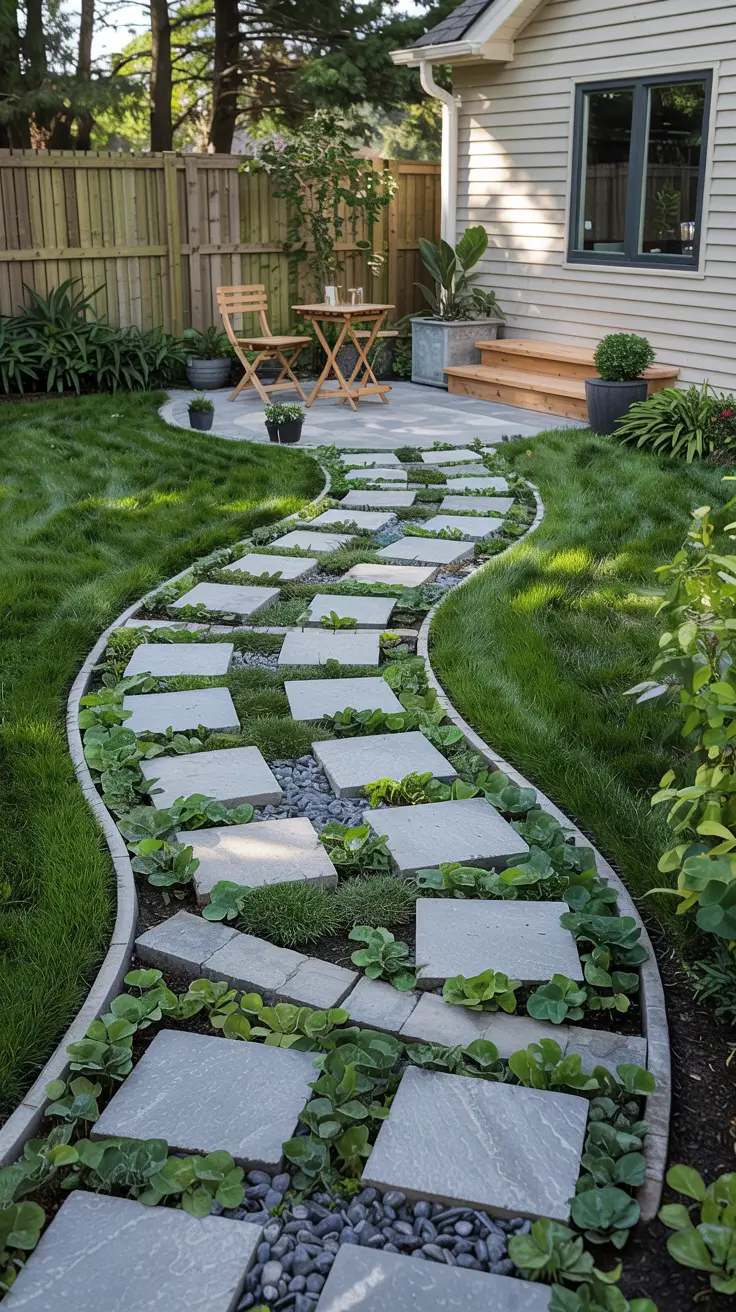
The supporting elements should echo the pattern rather than compete with it. If the pavers are bold, I keep furniture simple, like a slim bistro set, a single bench, or a pair of loungers. I add planters that repeat the geometry, such as rectangular troughs for a grid, or round pots for a curving path. Decorative gravel bands can help separate planting beds from the clover field, and they also reduce muddy transitions near doors. For lighting, I prefer low bollards or recessed path lights aligned with the paver rhythm so the layout reads clearly at dusk.
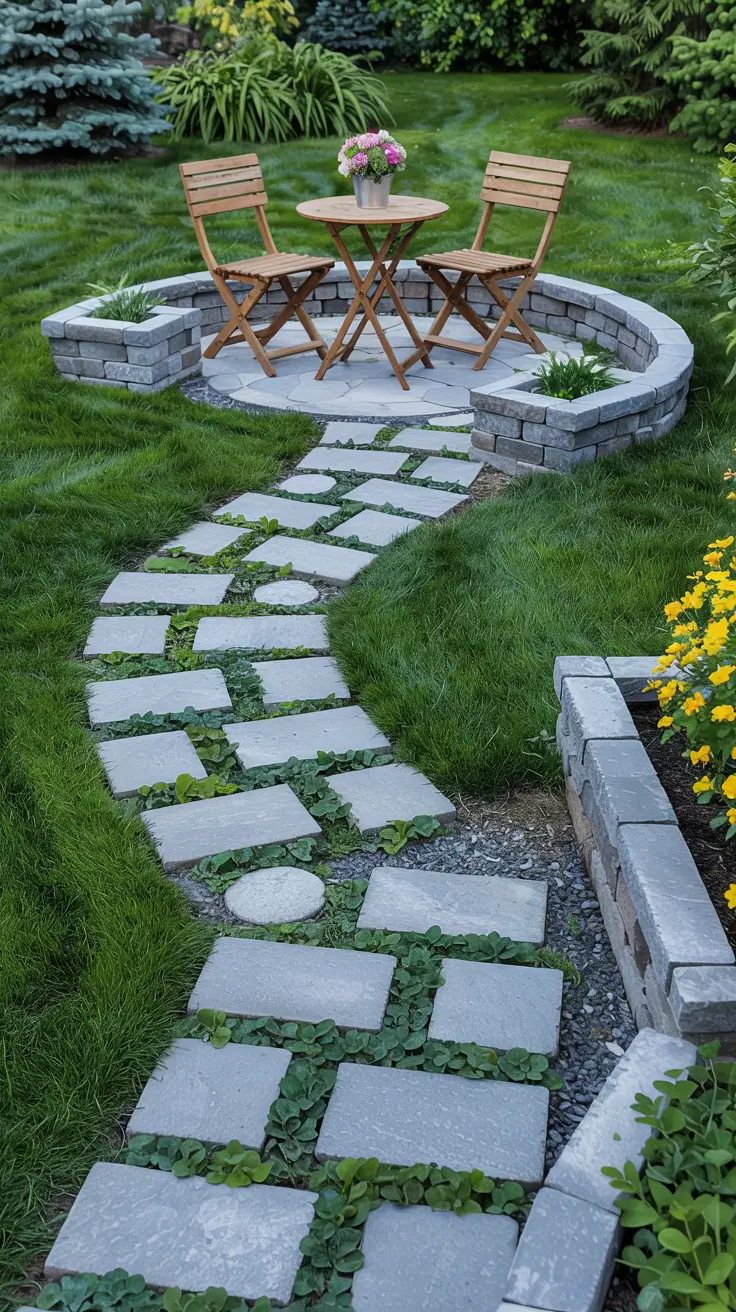
From my perspective, the best creative layouts still respect how people move. I always test the path with real stride lengths and I avoid tight turns that force awkward steps. I also pay attention to drainage because creative patterns can accidentally trap water if the base is not graded well. When the pattern is right, clover becomes a soft design material that feels fresh and modern rather than rustic. This is one of the easiest ways to make clover lawn ideas look custom without adding complicated planting beds.
What I would add here is a quick set of pattern guidelines for different yard sizes. I would include suggestions for tiny courtyards, medium suburban yards, and long narrow side yards. I would also add a note about choosing micro clover for joints and white dutch for surrounding areas, since different growth habits can improve the look. Finally, I would include a brief troubleshooting note on keeping joints from compacting, because that is the most common reason clover thins between pavers.
Clover Lawn Garden Designs For A Soft Natural Look
When I blend a clover lawn garden into the yard, I aim for a soft transition that makes planting beds look lush. Clover acts like a living mulch, visually connecting shrubs, perennials, and small trees to the open lawn. I like white dutch clover as a base because it reads classic and bright, especially around flower beds. If I want a meadow vibe, I incorporate small pockets of crimson clover for seasonal color without turning the whole yard into a bloom field. This style works well when you want clover lawns that feel cottage-inspired but still clean.
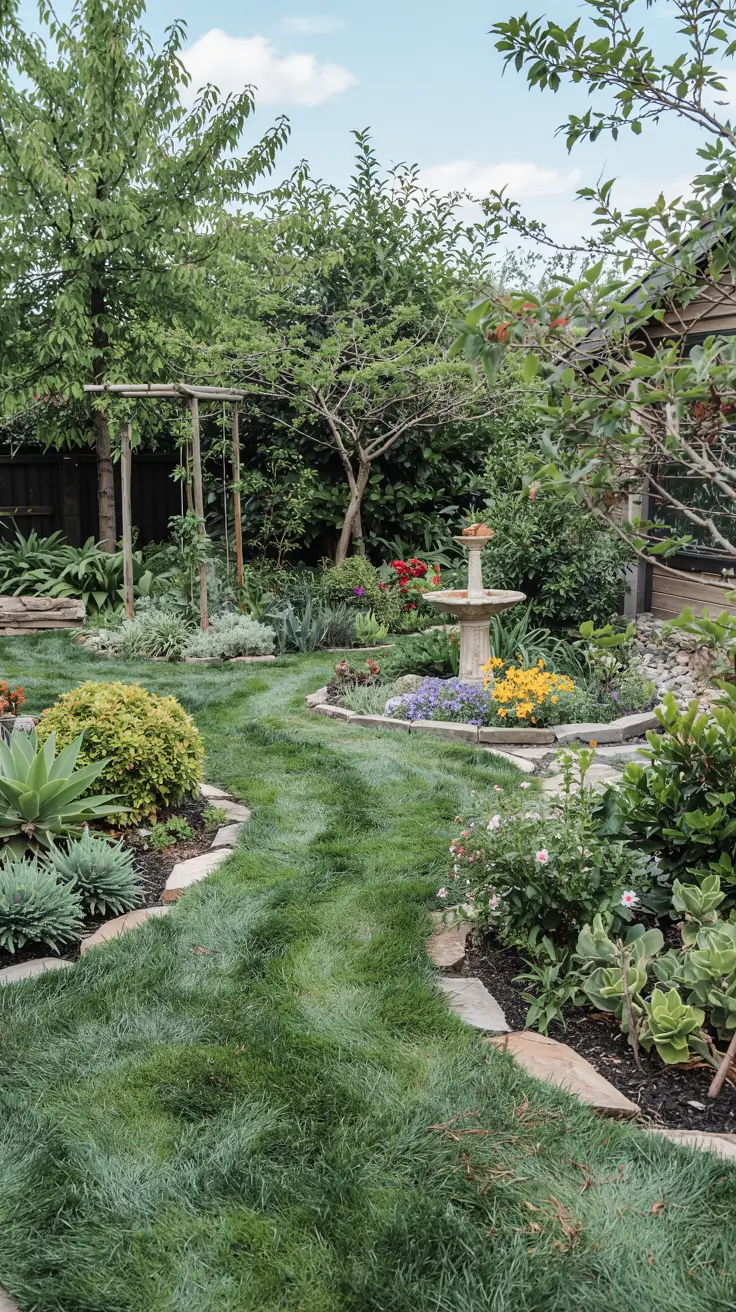
The garden elements are what make this idea shine, so I build them thoughtfully. I define bed edges with steel edging, brick, or stone so the clover does not blur into the planting areas. I add a simple arbor, a small sitting spot, or a narrow path so the garden feels inviting rather than purely decorative. A birdbath or shallow water bowl can become a focal point, and it pairs nicely with the natural softness of clover. If space allows, I include one compact tree or tall shrub to add height and create shade variation across the lawn.
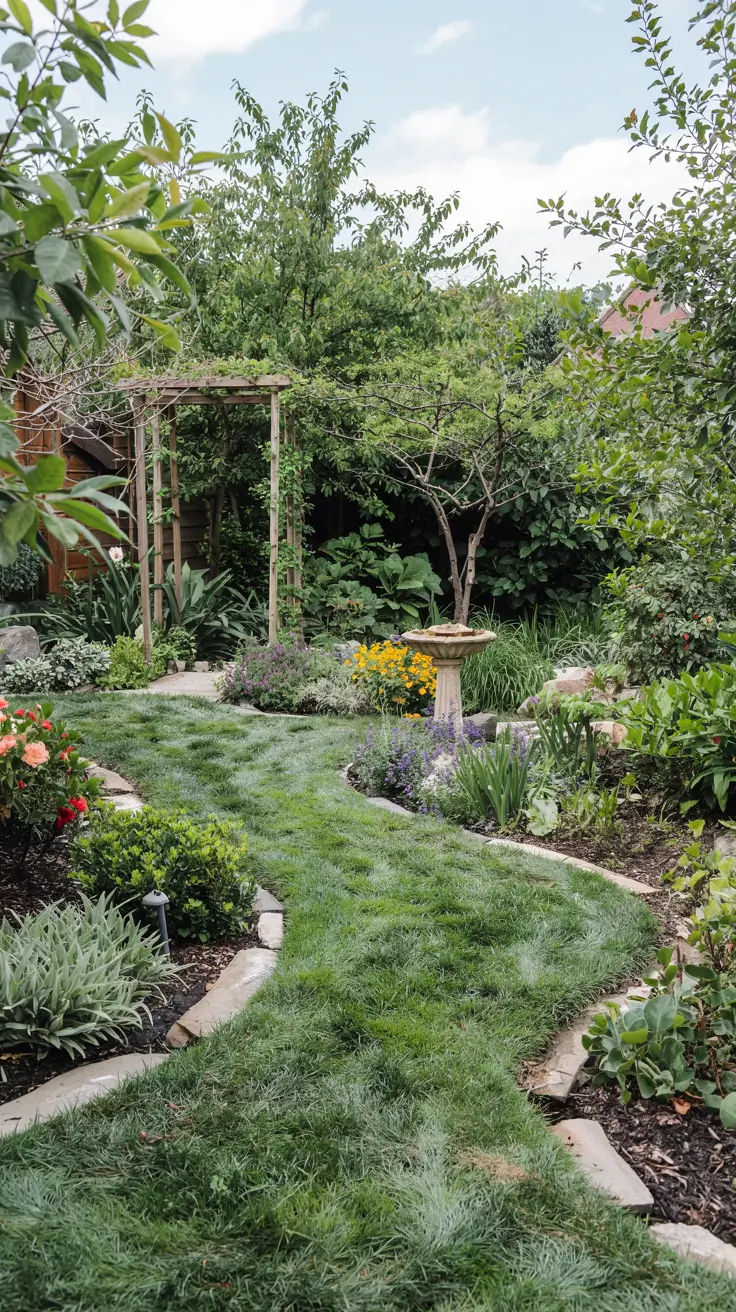
I like this approach because it makes a yard feel established faster. Clover fills gaps and reduces the bare-soil look that new gardens often have in year one. I have noticed that when clover is dense, weeds are less visually obvious, and the whole garden reads calmer. I also find it easier to keep the look consistent because the clover ties together different plant colors and textures. For anyone who wants a clover lawn aesthetic that feels romantic but not messy, the garden blend is my go-to.
To improve this section, I would add a short planting plan for companion plants that look good next to clover. I would include a note on keeping clover out of delicate seedling areas by using edging and mulch rings. I would also add guidance on mowing height around garden beds so the clover stays tidy without scalping. Finally, I would include a quick reminder that clover lawn how to grow success depends on good seed-to-soil contact, especially near bed edges.
Clover Lawn Aesthetic – Creating A Dreamy Green Carpet
The dreamy green carpet look is the clover lawn aesthetic most people imagine, and it is achievable with the right setup. I focus on uniform texture, consistent color, and clean borders so the lawn looks like a soft blanket rather than a patchwork. Micro clover helps create that smooth finish because it stays compact and visually even. In brighter areas, white clover can lift the overall color, while dutch clover varieties provide the classic, dense look people associate with clover lawns. I treat this as a design choice, not just a plant choice, because details like edging and pathways decide whether it reads polished.
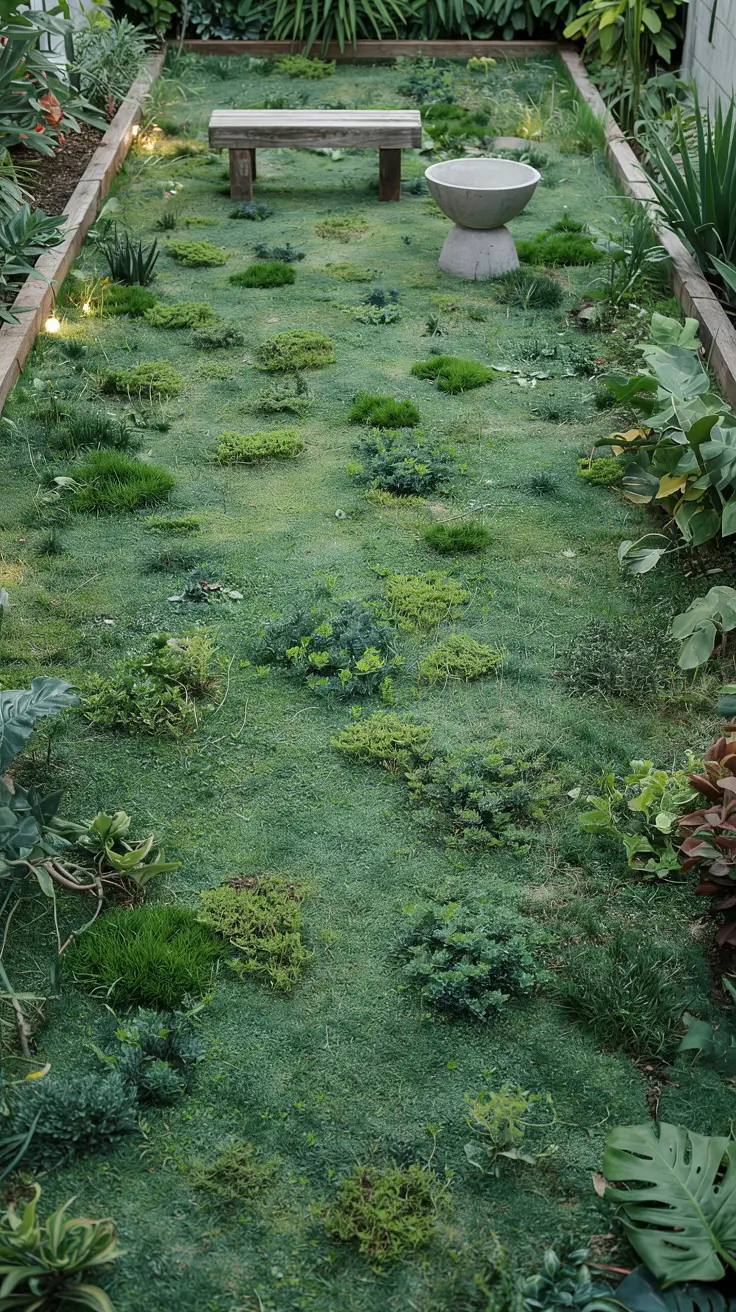
To support the aesthetic, I keep hardscape minimal and intentional. A narrow stepping-stone line, a small patio pad, or a simple paver landing gives the eye a place to rest without chopping up the lawn. I like to include one focal element, like a modern bench, a sculptural planter, or a small pergola frame, so the green carpet has a destination. If the yard is a front yard, I add a clear path and symmetrical planters to keep the look formal enough for curb appeal. I also use low lighting along edges to emphasize the smooth carpet effect at night.
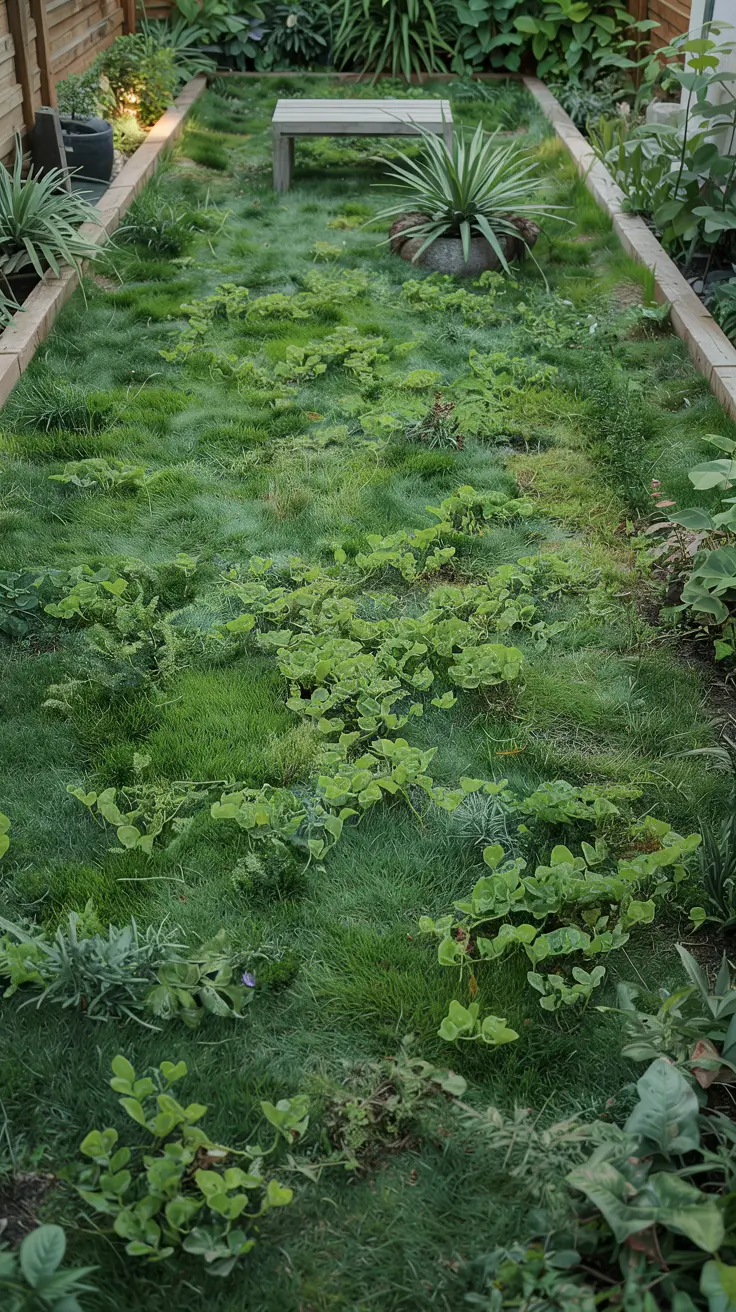
In my work, the most common mistake is ignoring the soil before planting. If the soil is compacted, the lawn rarely achieves that plush, even look, no matter how good the seed is. I prioritize raking, topdressing, and light rolling so seed sits tight to the soil, which is a core part of clover lawn how to grow well. Once established, I find that a light, consistent mowing habit keeps the texture even, especially if you want fewer blooms for a uniform green. The result feels calm, modern, and slightly magical, which is exactly what people mean when they say dreamy.
To complete this section, I would add a short color-and-texture strategy for mixing varieties without creating visible patches. I would include a note about managing blooms depending on whether you want a pure green carpet or a flowering look. I would also add tips for crisp borders, including mowing strips, edging materials, and paver transitions. Finally, I would add a quick reminder about avoiding heavy foot traffic during establishment if you want the most uniform finish.
Clover Lawn UK Guide – Climate, Soil, And Best Varieties
A clover lawn UK approach needs a slightly different mindset because weather patterns and seasons can shift quickly. I plan for cool, damp stretches and focus on drainage and airflow so the clover does not struggle in soggy soil. White dutch clover is a reliable baseline in many UK conditions, and micro clover can be useful when you want a neater look in smaller gardens. I am cautious with large areas of crimson clover because it can behave differently depending on winter conditions, so I use it as an accent rather than the whole lawn. If you are considering clover lawns in the UK, soil structure and sunlight hours matter as much as the seed choice.
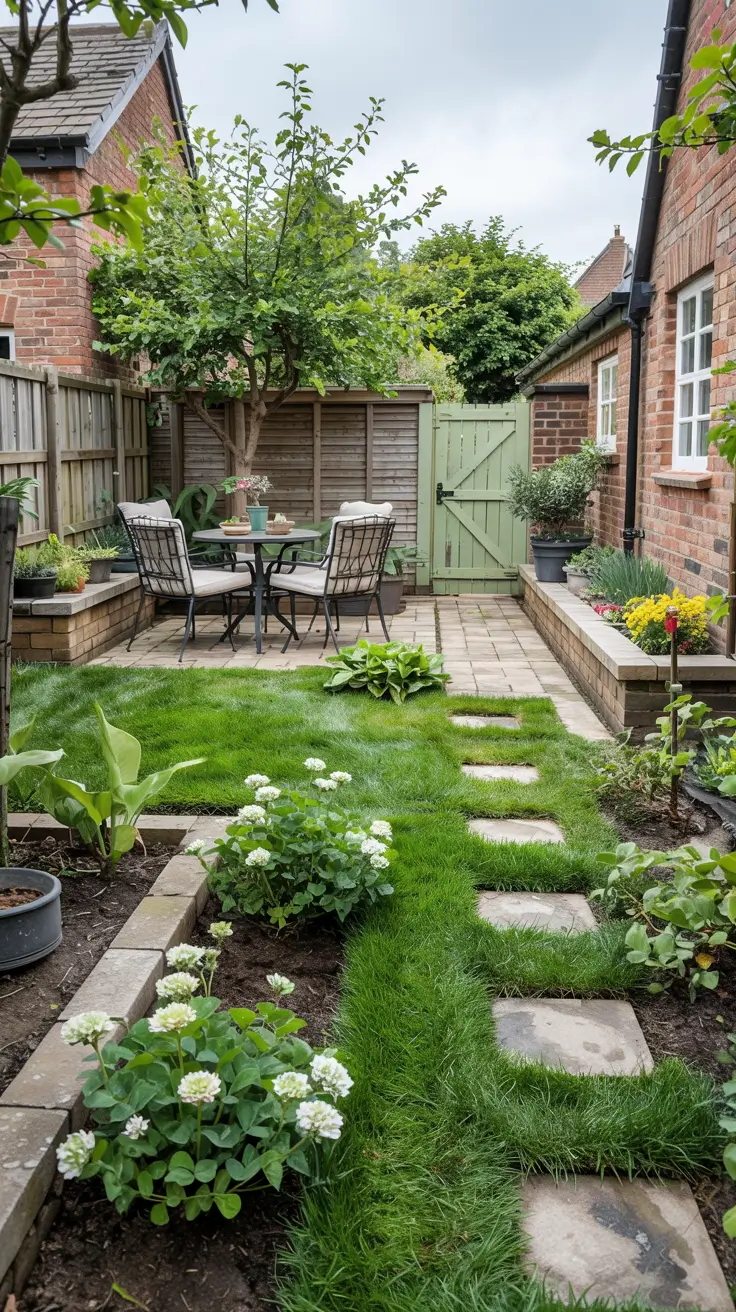
Design-wise, many UK gardens benefit from a tidy framework because spaces can be smaller and more enclosed. I like using paver paths, small patios, and defined borders to keep the lawn readable and practical year-round. A clover lawn with pavers can help reduce muddy walkways during wet months, especially near doors and gates. I also recommend raised planters or slightly lifted beds so the garden elements stay crisp even when the lawn is lush. For furniture, I keep it lightweight and easy to move so the clover can recover and sunlight can reach the surface.
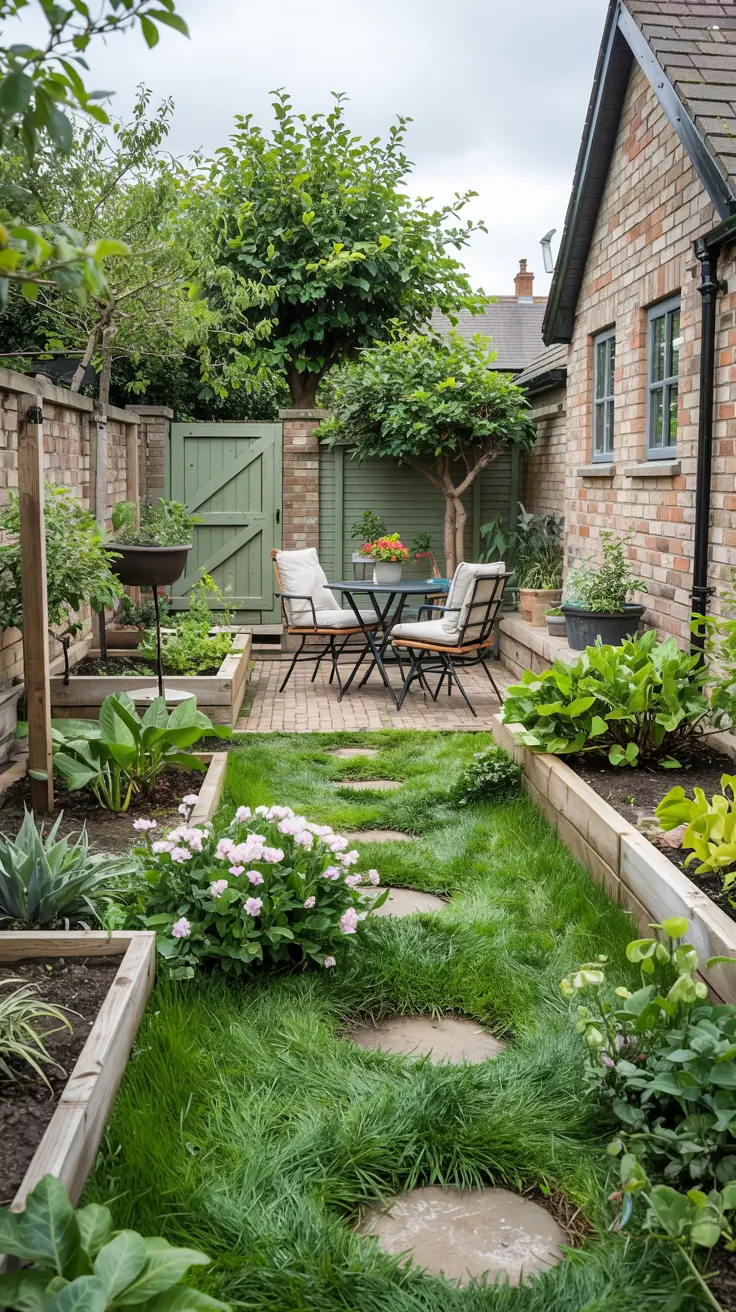
From my experience, the biggest win in the UK is taking drainage seriously. Even a subtle grade adjustment can prevent thin patches that invite weeds. I also find that overseeding is a smart habit, because small gaps can appear after winter, and quick touch-ups keep the lawn looking consistent. When people ask if clover is practical, I say yes, but only when you match varieties to site conditions and avoid forcing a one-size-fits-all plan. With the right prep, clover lawn front yards and back gardens can look intentional and fresh, not experimental.
To expand this section, I would add a simple checklist for evaluating a UK site, including shade, drainage, and soil texture. I would include an overview of when to sow based on cool-season growth patterns and how to protect seedlings from heavy rain. I would also add a note on moss-prone areas and how to improve airflow and light. Finally, I would include a short guidance line on mixing grass and clover where heavy wear is expected.
Grass And Clover Lawn Mix – The Perfect Balance
If you want the most flexible option, a grass and clover lawn mix is often the easiest to live with. I like it because it keeps the familiar look of turf while adding the resilience and soil benefits that clover brings. This blend is especially useful in family yards, active backyards, and front yards that need a consistent appearance. I use micro clover when I want a cleaner, shorter look, and I rely on white dutch clover for a classic mixed-lawn style. When people ask for clover lawn ideas that are low-risk, this is usually my first recommendation.
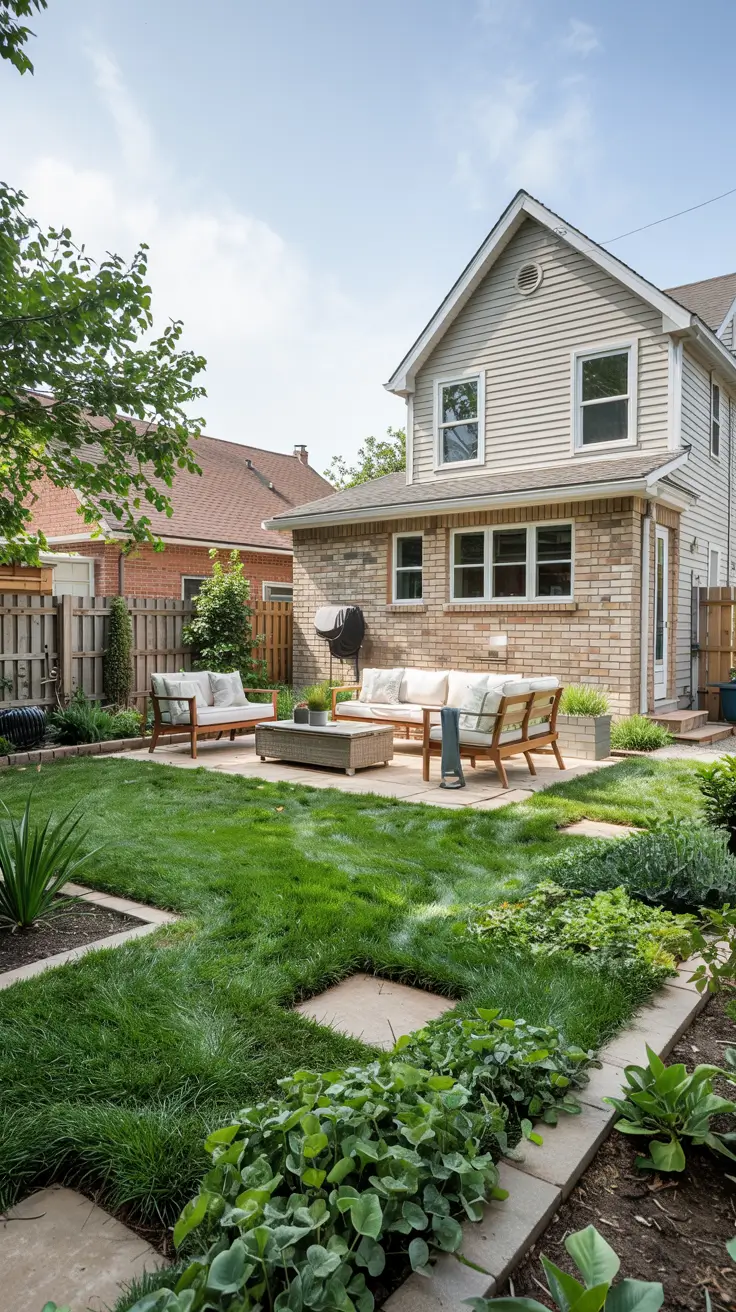
In the layout, I still design with structure so the yard feels finished. I include a clear path, a small patio or seating pad, and defined edges, even if the lawn is mixed. If you want hardscape, you can still do clover lawn pavers or a clover lawn with pavers transition near entries, and the mix will blend around it naturally. For outdoor living, I add a simple seating set, a grill zone if needed, and a storage bench to keep tools and cushions organized. The mix handles everyday use better than pure clover in many situations, especially when foot traffic is unpredictable.
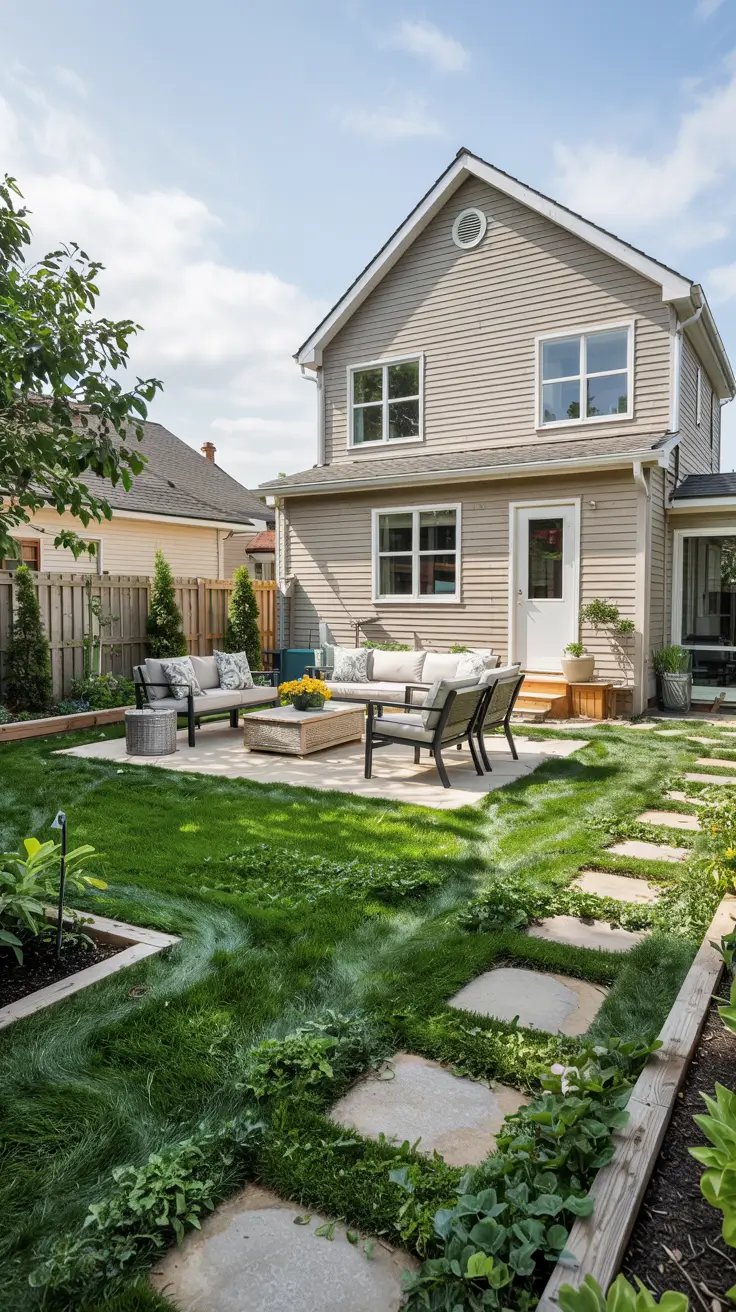
What I appreciate most is how forgiving the blend can be. If one area leans more grassy and another area leans more clover, it still looks cohesive because the overall texture is familiar. I focus on mowing a bit higher than a typical turf-only lawn, because that supports clover and keeps it from getting shaded out. I also avoid heavy nitrogen feeding, since clover contributes nitrogen and too much fertilizer can push grass to dominate. With a balanced approach, you get a practical lawn that looks intentional and stays greener through mild stress periods.
To make this section stronger, I would add ratio guidance for different goals, like more clover for lower input or more grass for heavy wear. I would include a brief note on reseeding strategy so you can correct imbalances over time. I would also add a troubleshooting tip for patchiness, including loosening soil and improving seed contact. Finally, I would add a short reminder about choosing varieties intentionally, such as micro clover for neatness and white dutch for classic coverage.
Clover Lawn How To Grow – Step By Step Beginner Guide
I treat clover lawns like a living groundcover project, not just a swap for grass, and that mindset helps beginners succeed. The first step is deciding whether you want micro clover for a tighter, more lawnlike look, or a classic white dutch clover for a softer meadow feel. I start by measuring sun patterns, because clover handles light shade well, but it looks best with several hours of sun. Then I plan how people will move through the space, especially if the yard is small, because paths prevent wear spots. Finally, I choose where the clean edges will go so the clover lawn aesthetic reads intentional from day one.
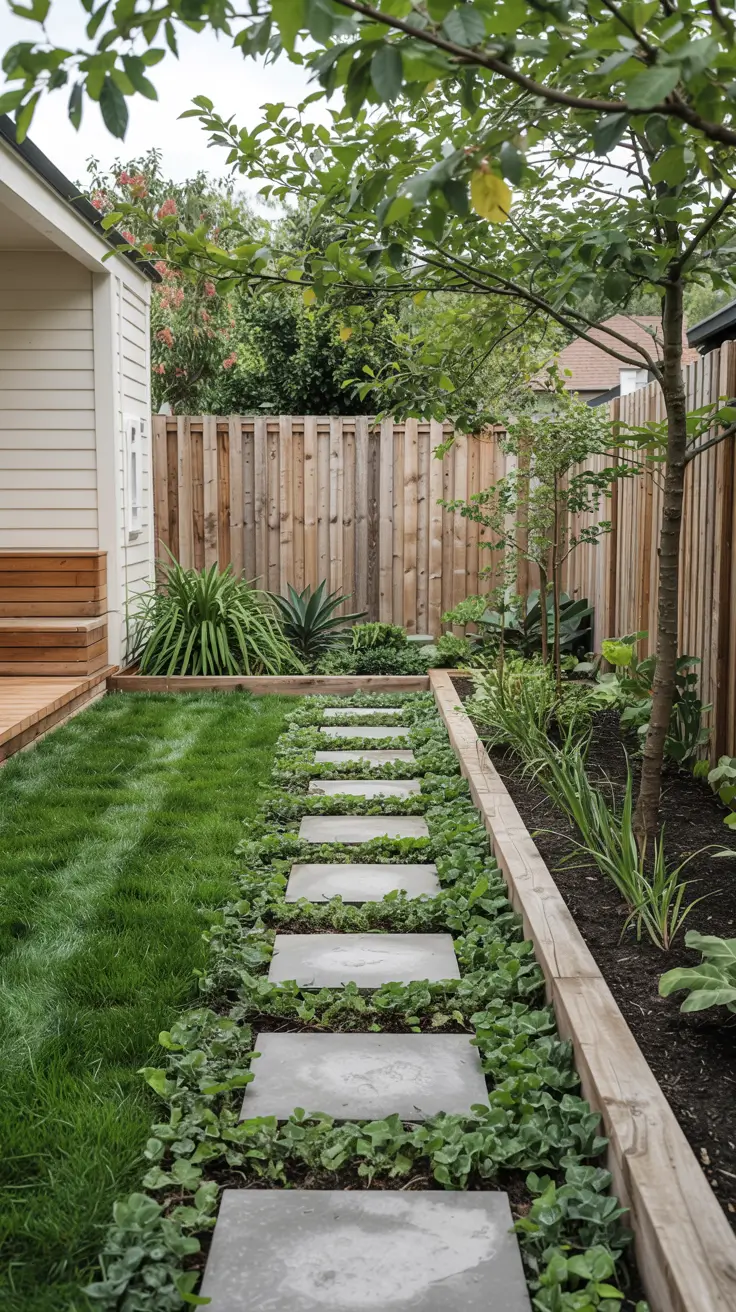
For the layout, I like to sketch a simple clover lawn drawing to map pavers, stepping stones, and any seating zones. Even outdoors, I think in design layers, a main green field, a border line, and a focal point like a bench or planter cluster. If the yard is a front yard, I keep the look white and clean with straight edging and a defined walkway, because clover lawn front yards need structure. If it is a backyard, I add a slightly wider path and a small patio pad so the clover lawn backyard stays usable. These choices help the lawn look modern and tidy while still feeling soft.
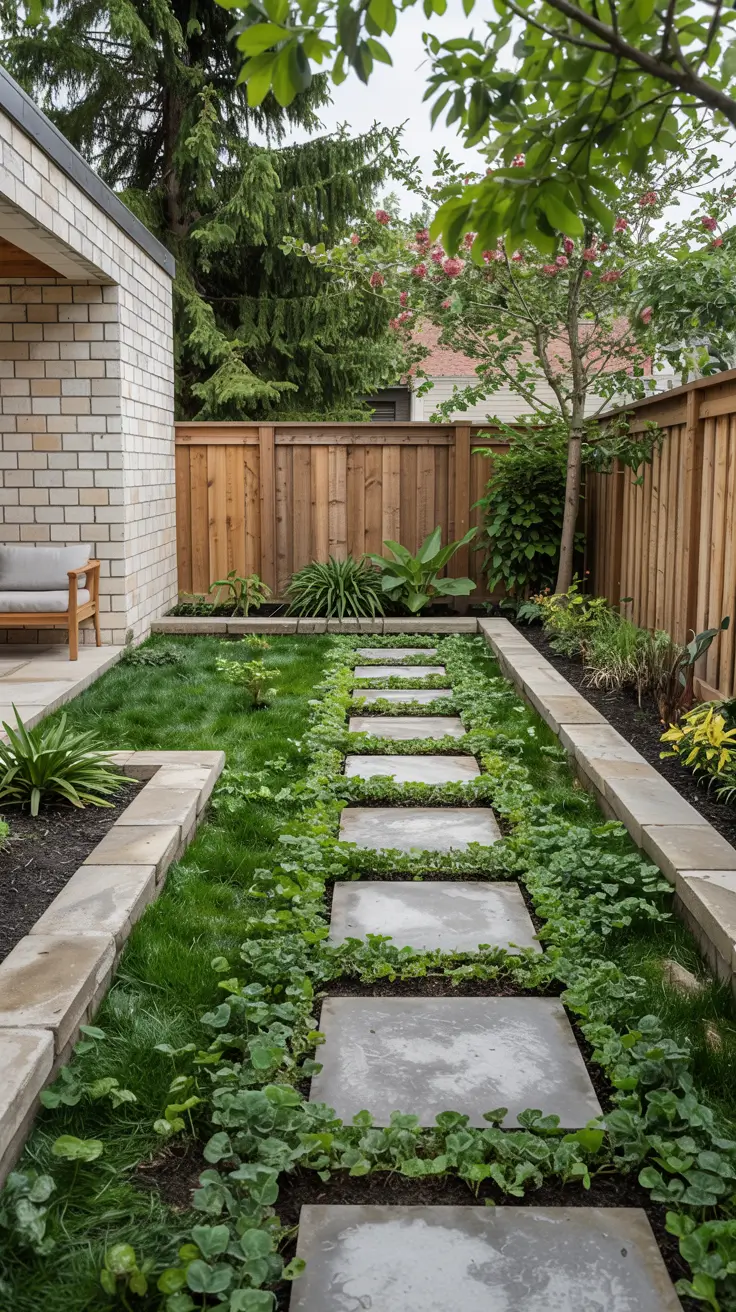
In my experience, the biggest beginner mistake is rushing seed down without fixing the base, then blaming the clover when it struggles. I follow the same advice repeated by many university extension style guides, start with a firm, weed reduced surface and consistent moisture during germination. I also remind people that clover is a legume, so it can stay greener with less feeding, but it is not magic if soil is compacted. When I want a very even look, I overseed lightly in two passes so coverage is balanced. A slow, steady start almost always beats heavy seeding and hoping for the best.
What I would add to complete this step by step guide is a simple maintenance plan for the first eight weeks. I recommend a light watering schedule, a no traffic rule during early sprouting, and a decision on mowing height if you want a shorter lawn finish. I also include an edging strategy so clover does not creep into beds, because that is what keeps the look modern. If you have pets or frequent foot traffic, I plan a paver route immediately, because it protects the young plants. This extra planning is what turns clover lawn ideas into a result that still looks great months later.
How To Plant A Clover Lawn Successfully
When I plant clover lawns, I focus on even seed contact and a calm, predictable environment for germination. I start by clearing debris and reducing existing weeds, because clover seedlings hate competition when they are tiny. Then I rough up the top layer of soil just enough for seed to settle, but not so much that the surface becomes fluffy and uneven. For a micro clover look, I aim for a smooth finish so the lawn reads refined and consistent. If the space is visible from the street, I plan it like a front yard renovation so the surface looks intentional from every angle.
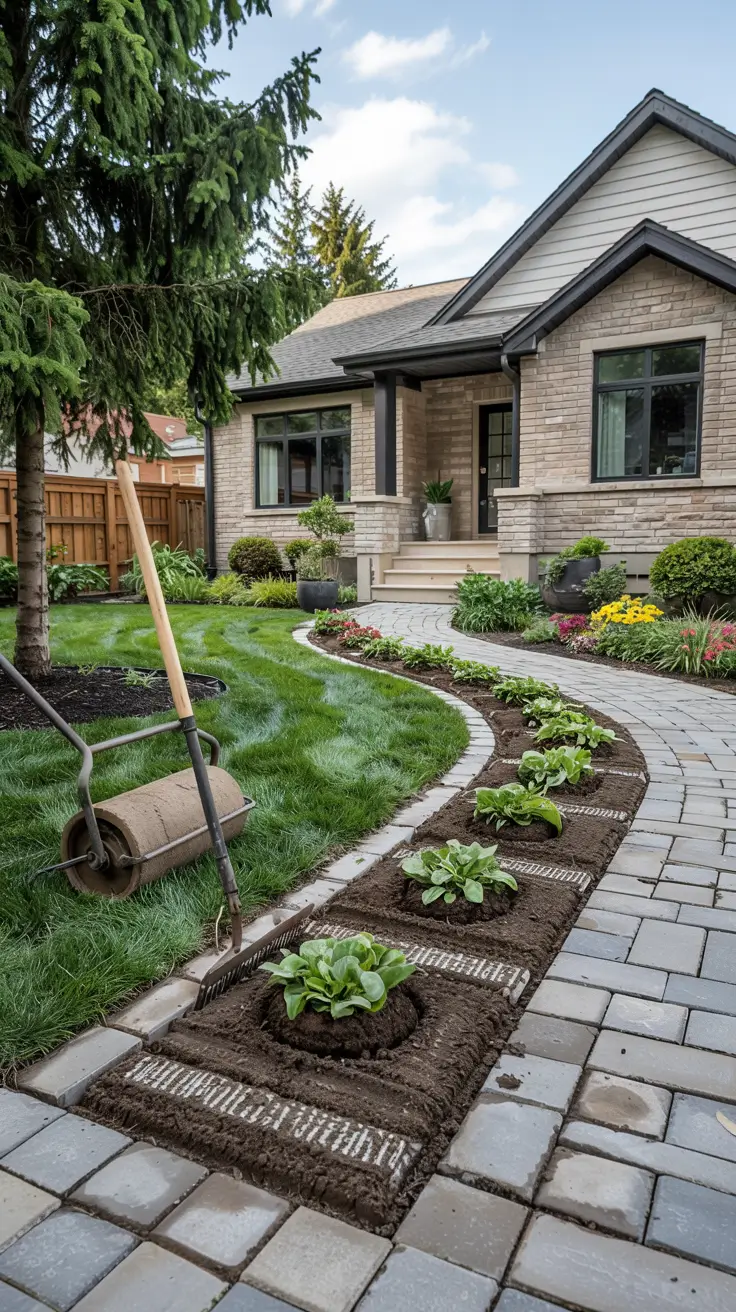
I typically combine a hand spreader pass with a second light pass in the opposite direction, because it helps avoid streaks. After spreading, I gently rake or roll so the seed is pressed into the soil, and that step matters more than people think. If I am mixing clover with existing grass and want grass and clover together, I mow low first and then overseed so light can reach the seed. Along hardscape edges, I plan clover lawn pavers and tight edging so the border is clean. For a modern finish, I keep pathways straight and use matching pavers so the green reads crisp and deliberate.
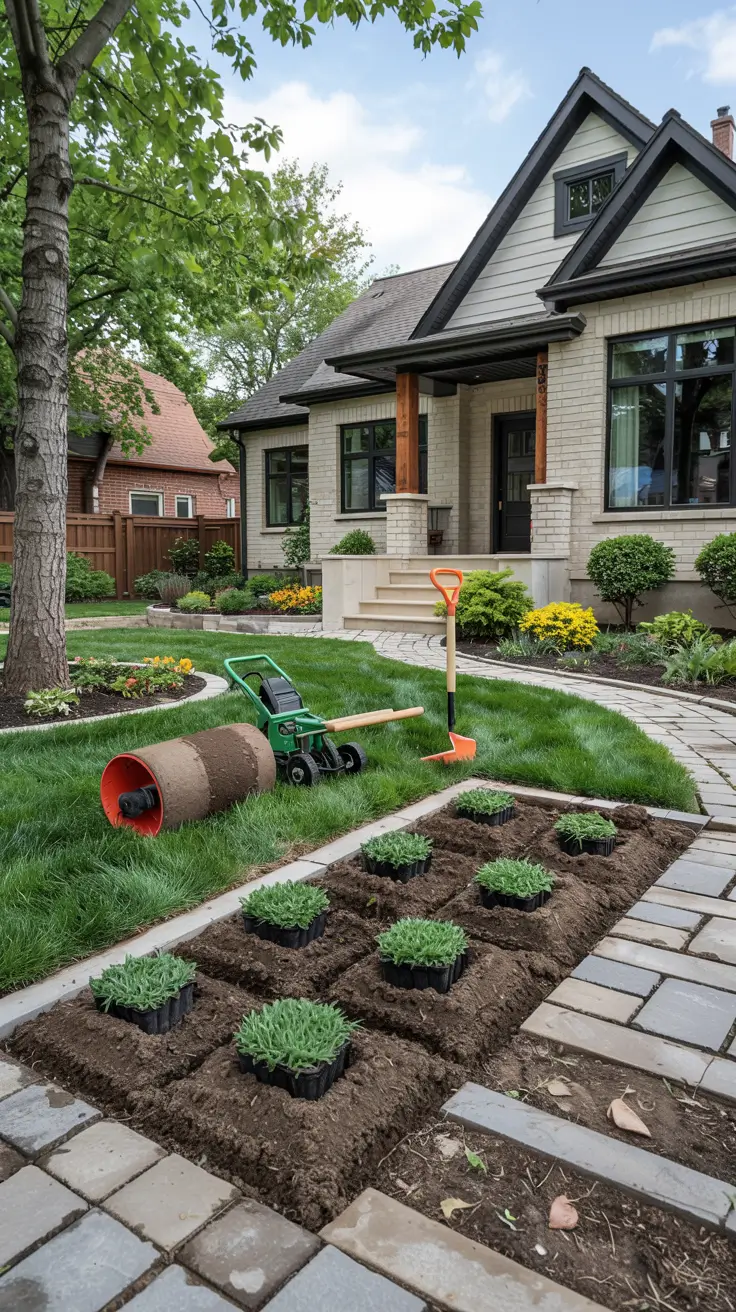
I have found that watering is the difference between success and frustration, especially in the first two weeks. I keep the surface evenly moist with short, frequent watering rather than deep soaks that cause washouts. If rain is expected, I time planting right before a gentle rainy stretch and avoid storms that can move seed. For clover lawn uk conditions, I pay extra attention to drainage and avoid leaving water sitting on the surface. That simple caution keeps seedlings from thinning out and makes the early stage feel easy.
To round out this section, I would add a quick checklist for tools and materials so planting day is smooth. I like having a rake, a lawn roller or even a wide board for tamping, and a simple edging tool for borders. I also add a note about protecting the area from birds, since they can reduce seed density fast. If the lawn connects to garden beds, I include a plan for a narrow mulch strip or edging line so the clover lawn garden looks clean. These small details help you plant once and enjoy the results instead of fixing patchy spots later.
Best Time For Planting Clover Lawns
Choosing the best time matters because clover germinates reliably when temperatures are mild and moisture is consistent. I generally aim for spring once nights are no longer cold, or early fall when heat stress drops but soil is still warm. Those windows reduce the risk of seed drying out, which is a common cause of thin coverage. If you want a white, clean look in clover lawn front yards, timing is extra important because patchiness shows more near sidewalks and driveways. For a clover lawn backyard, timing still matters, but you can hide transitions with paths and seating zones.
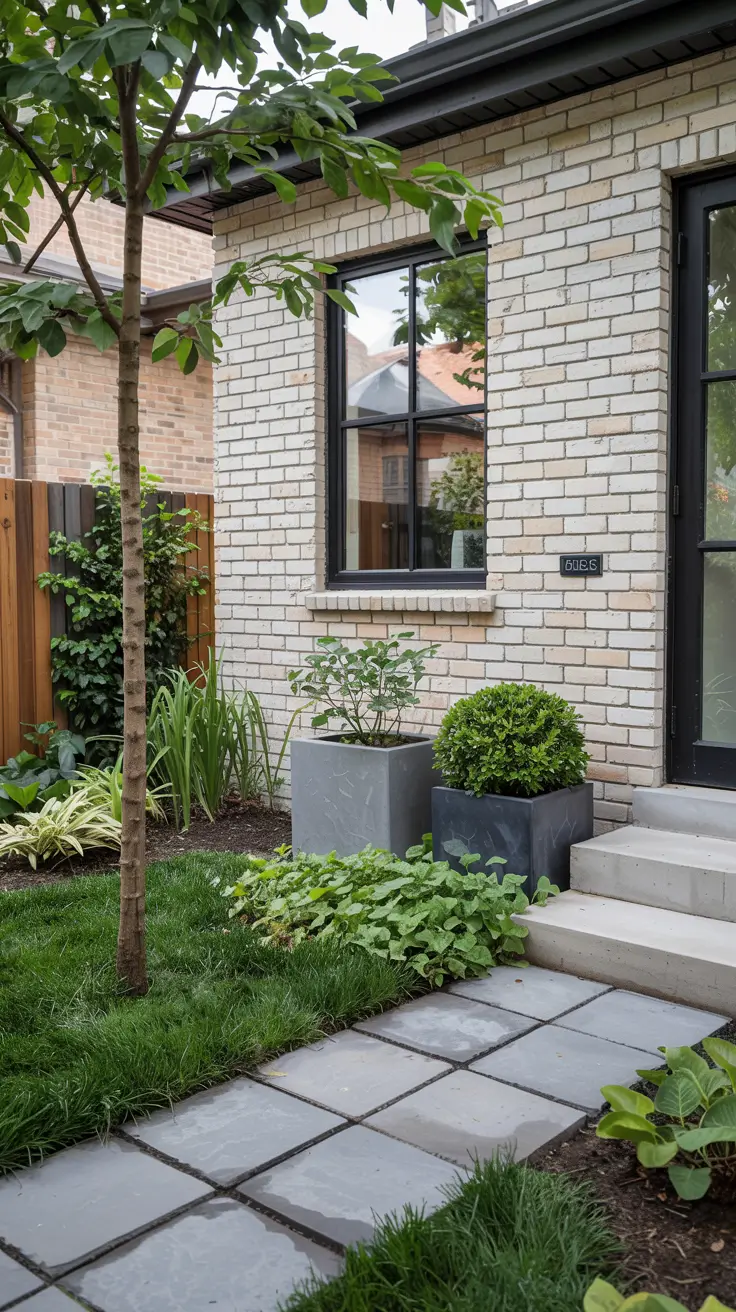
I plan the calendar around how the yard is used, not only around weather. If there are weeks of heavy outdoor use, I avoid planting right before because foot traffic disrupts germination. I also consider tree drop seasons, because leaves can smother seedlings if they pile up. For micro clover, I prefer the most stable window possible because the refined look depends on uniform growth. If I am adding clover lawn with pavers, I like to install or at least mark the paver lines first so the layout stays accurate. That planning keeps the final design clean instead of improvised.
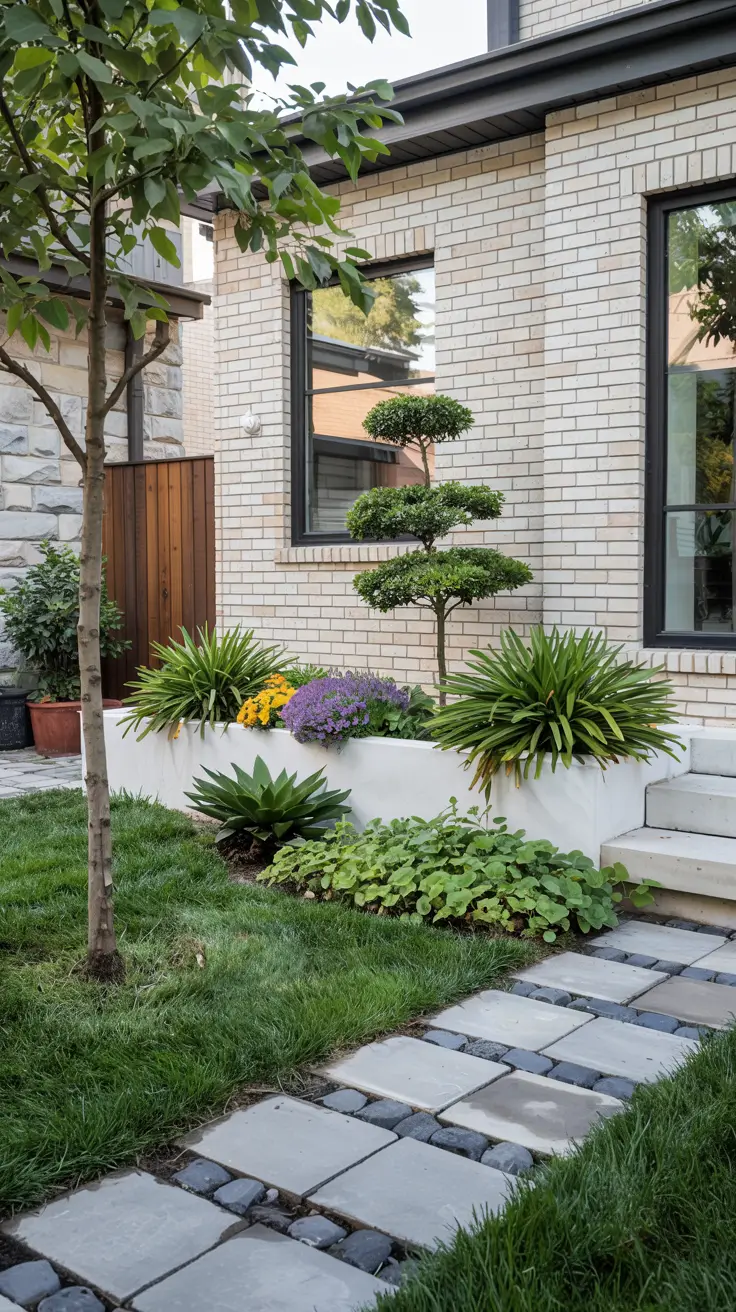
In my experience, planting too late in spring can work, but it often requires more watering and patience than beginners expect. A mild season gives you a faster clover lawn growing timeline and a better looking first flush. I also factor in local microclimates, shady areas stay cooler and wet longer, sunny slopes dry out faster. For clover lawn uk climates, I find early fall often feels more forgiving because rainfall is steadier. If you are unsure, I pick a time when you can commit to daily check ins for two weeks.
To strengthen this section, I would add a simple temperature and moisture rule that people can follow without overthinking. I recommend planting when daytime weather is mild, nights are not frosty, and you can keep the surface consistently moist. I also add a note on avoiding windy days during seeding, because it makes coverage uneven and wastes seed. If you are mixing with grass, I include a note on mowing before planting so the seed reaches soil. These small timing habits make clover lawns easier and more predictable.
Soil Preparation Tips Before Growing Clover
Soil prep is where I invest my effort, because it decides whether clover lawn how to grow feels simple or stressful. I look for compacted areas, low spots that hold water, and sections with aggressive weeds. Then I loosen the top layer lightly, aiming for a firm surface that still accepts seed. If the yard is a front yard, I keep the grade smooth and slightly sloped away from the house so the look stays clean and the lawn stays healthy. For a backyard, I still fix drainage, especially where people walk, because traffic plus wet soil leads to bare patches.
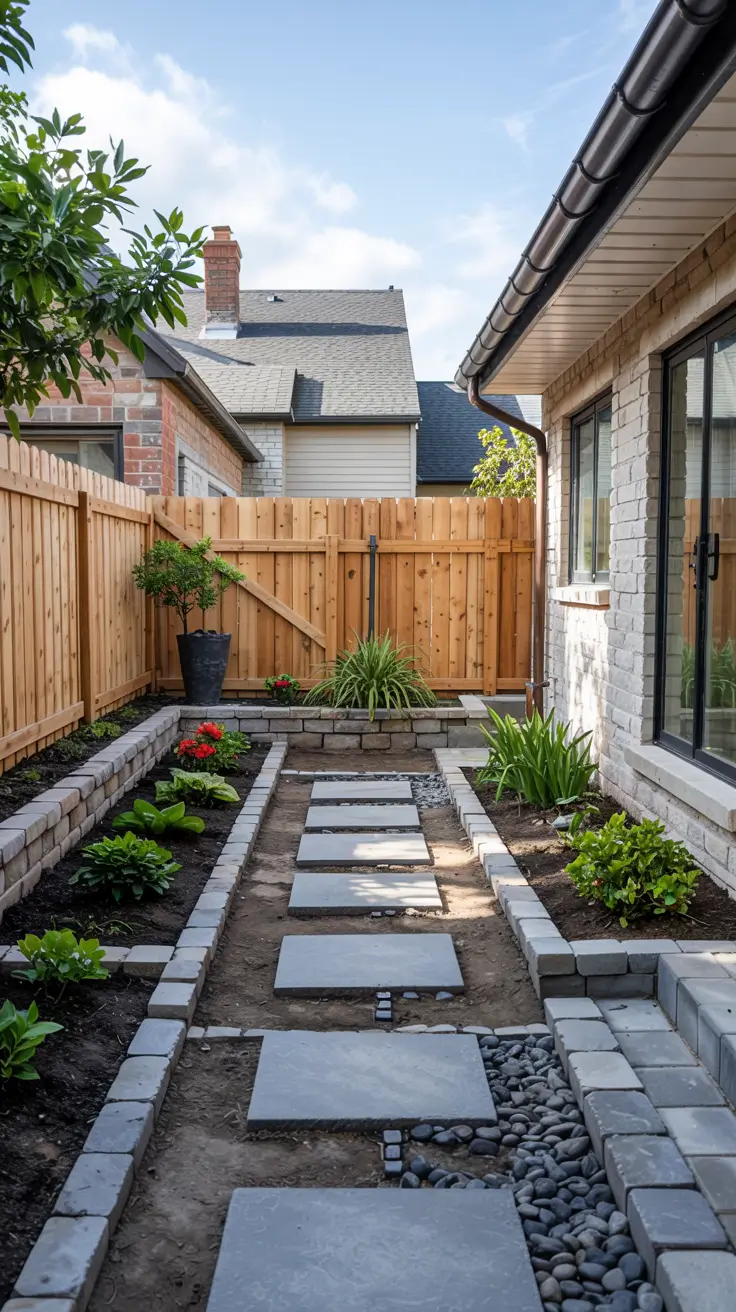
I treat design choices as part of preparation, not an afterthought. If I want clover lawn pavers, I plan their placement first, because pavers define where soil needs leveling and where the lawn edge will be. I also decide whether to add a small garden border, since a clover lawn garden looks best with a crisp line between clover and planting beds. For a modern aesthetic, I like straight edging, a narrow gravel strip, or a steel border to keep everything tidy. If the goal is micro clover, I smooth the surface more carefully because bumps show.
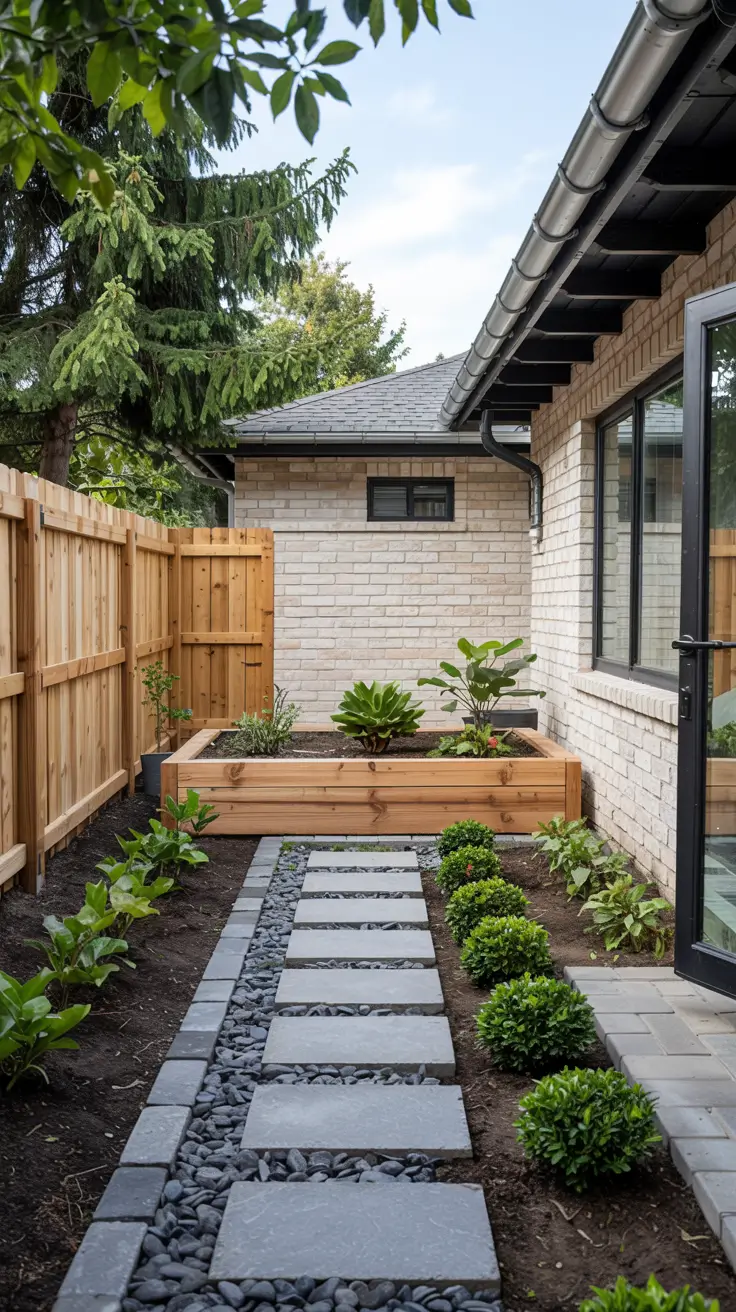
I have learned that people often skip testing and then struggle with uneven growth. I do not overcomplicate it, but I pay attention to whether the soil drains well and whether it looks depleted. Clover can handle less feeding than grass, but it still benefits from a stable base and a soil surface that holds moisture without puddling. If the soil is very compact, I loosen it and then firm it again so seed contact is good. That firm but not hard surface is a quiet secret to uniform sprouting.
What I would add here is a prep checklist for different yard types, especially for clover lawn front yards versus backyard setups. For front yards, I include extra time for edging and smoothing, because curb appeal depends on clean lines. For backyards, I include a plan for high use routes, and I recommend adding stepping stones or pavers early. I also add a reminder to remove rocks and debris, because they create little dead zones that look like mistakes. These prep steps are not glamorous, but they are what make clover lawn ideas look finished.
Clover Lawn Growing Timeline – What To Expect
I like to set expectations up front because clover lawns change week by week, and that is normal. In the first week, you are mostly watching for tiny sprouts and making sure the surface stays evenly moist. By the second and third week, the coverage starts to connect, but it can still look uneven in spots that dry out faster. Around weeks four to six, the lawn begins to read as a continuous surface, especially with micro clover. By two to three months, the clover lawn aesthetic looks intentional, and you can fine tune edges and pathways.
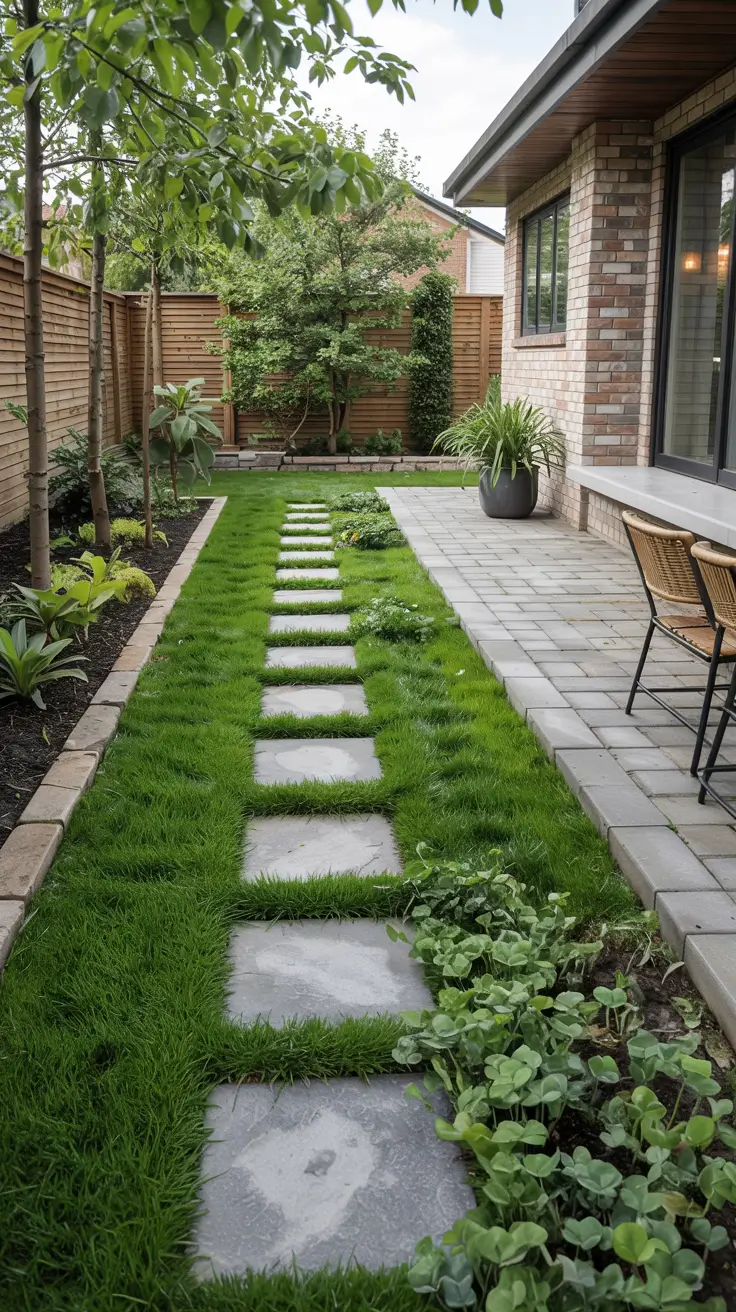
To keep the timeline smooth, I design the yard so it can be used gently without damaging new growth. That is where clover lawn with pavers helps, because it gives you a route across the space while seedlings establish. I also use edging to protect borders, since edges tend to dry out first and look thinner. If I want grass and clover together, I expect grass to lag slightly or surge depending on the season, so I keep mowing consistent. For front yards, I maintain a slightly shorter cut if needed, because it looks clean and white and tidy next to sidewalks.
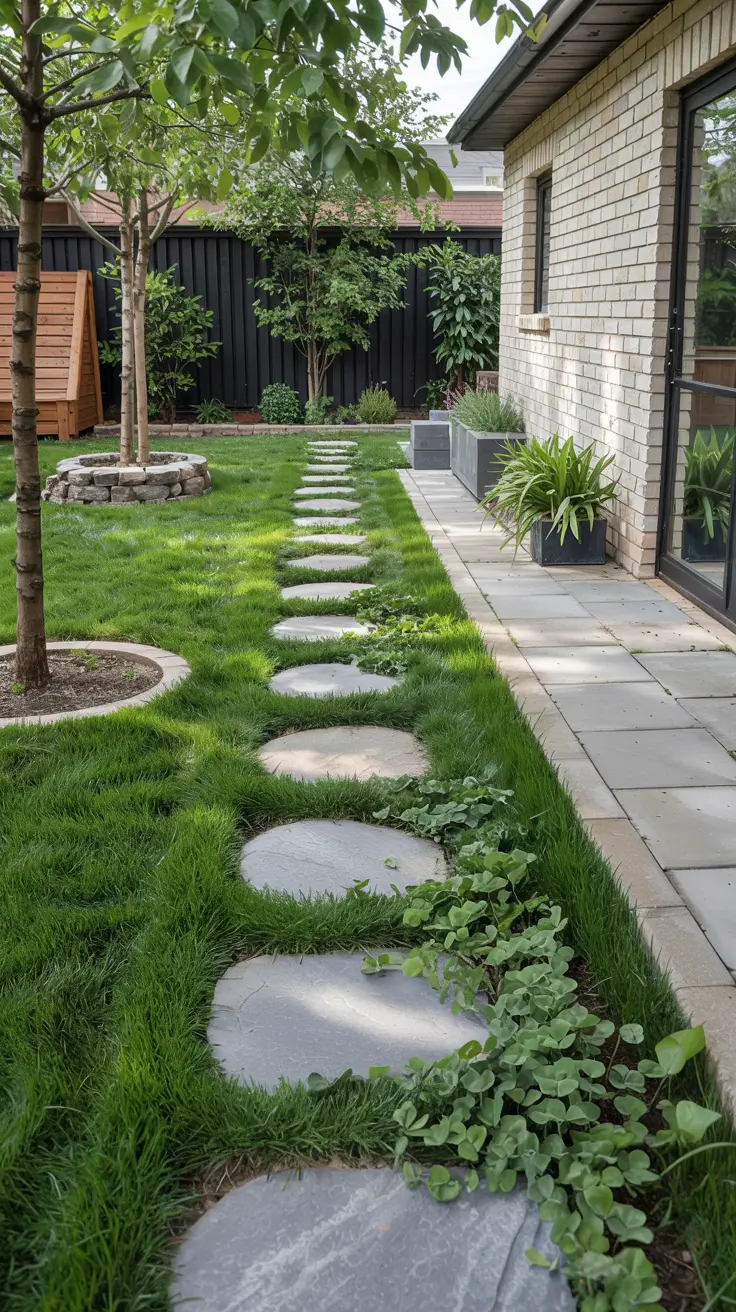
My personal tip is to treat the first season as a settling period rather than a final verdict. Clover often fills in naturally once it has a little time, and light overseeding can fix thin areas without drama. I also watch for the first flowering cycle, because it tells me the plants are happy and rooted. If you prefer a more manicured look, mowing can reduce flowers and keep the surface more uniform. I have found that patience plus small corrections beats ripping things up and restarting.
To make this section more useful, I would add a simple timeline table concept in your notes, even if you do not publish it. I would include what to do each week, watering, traffic limits, mowing decisions, and quick fixes for thin spots. I also add a note for clover lawn uk conditions where cool weather can slow the timeline, so people do not panic. If you are doing micro clover, I include a reminder that uniformity comes from even moisture and gentle early care. These timeline guardrails help beginners feel confident instead of guessing.
Purple Clover Lawn Accents For Unique Landscapes
Purple accents are one of my favorite ways to make clover lawn ideas feel custom and modern in 2026. Instead of aiming for one flat green plane, I use purple clover as a controlled highlight in borders, islands, or along a path edge. The goal is to keep it intentional, so the yard reads designed rather than random. I place purple areas where they can be framed by edging, pavers, or a garden border, which sharpens the look. This works especially well in a clover lawn backyard where you can create a relaxed, artistic layout.
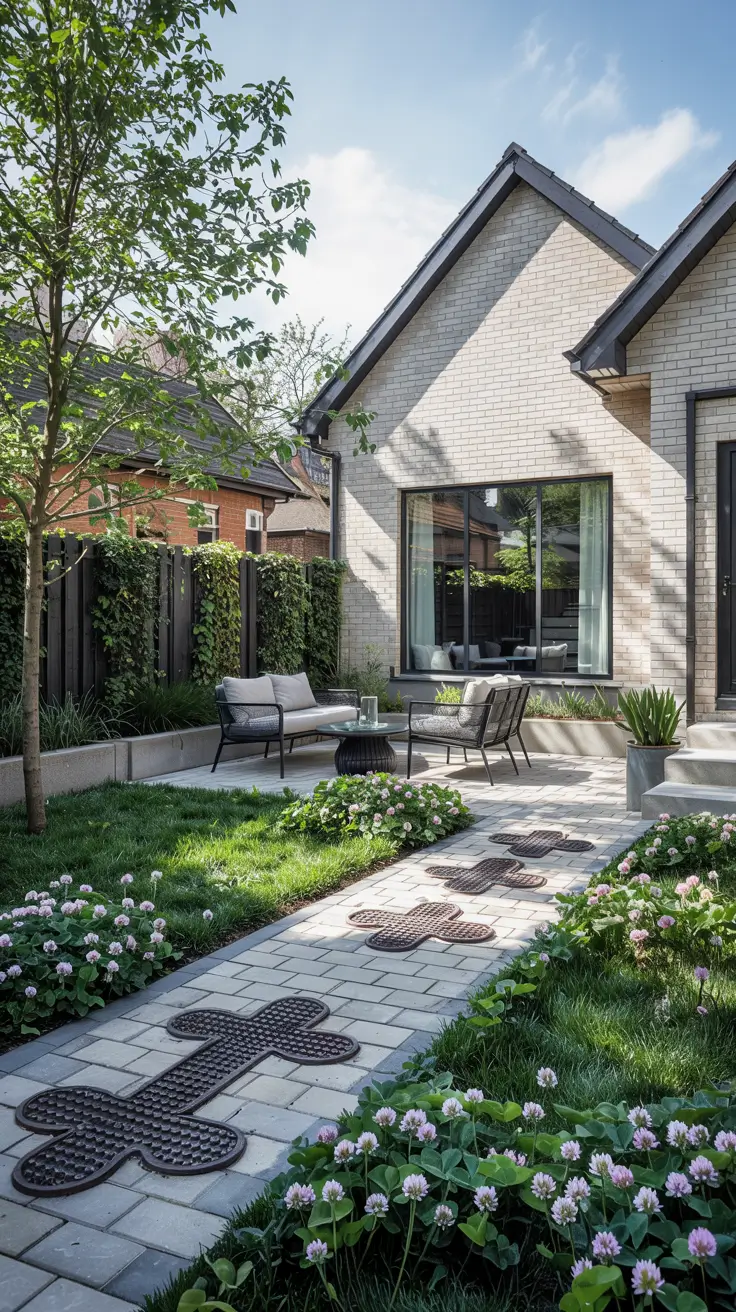
I plan the hardscape first, because purple looks best when it has structure around it. I like clover lawn pavers in a straight or gently curved line, then a purple strip on one side and white dutch on the other for contrast. If the space is micro sized, I keep the purple to small zones so it does not overwhelm the lawn. I also pair purple with simple planters, a bench, or a minimalist patio set, because the furniture and decor should support the color, not compete with it. A clean border and a calm layout make the purple feel elevated and modern.
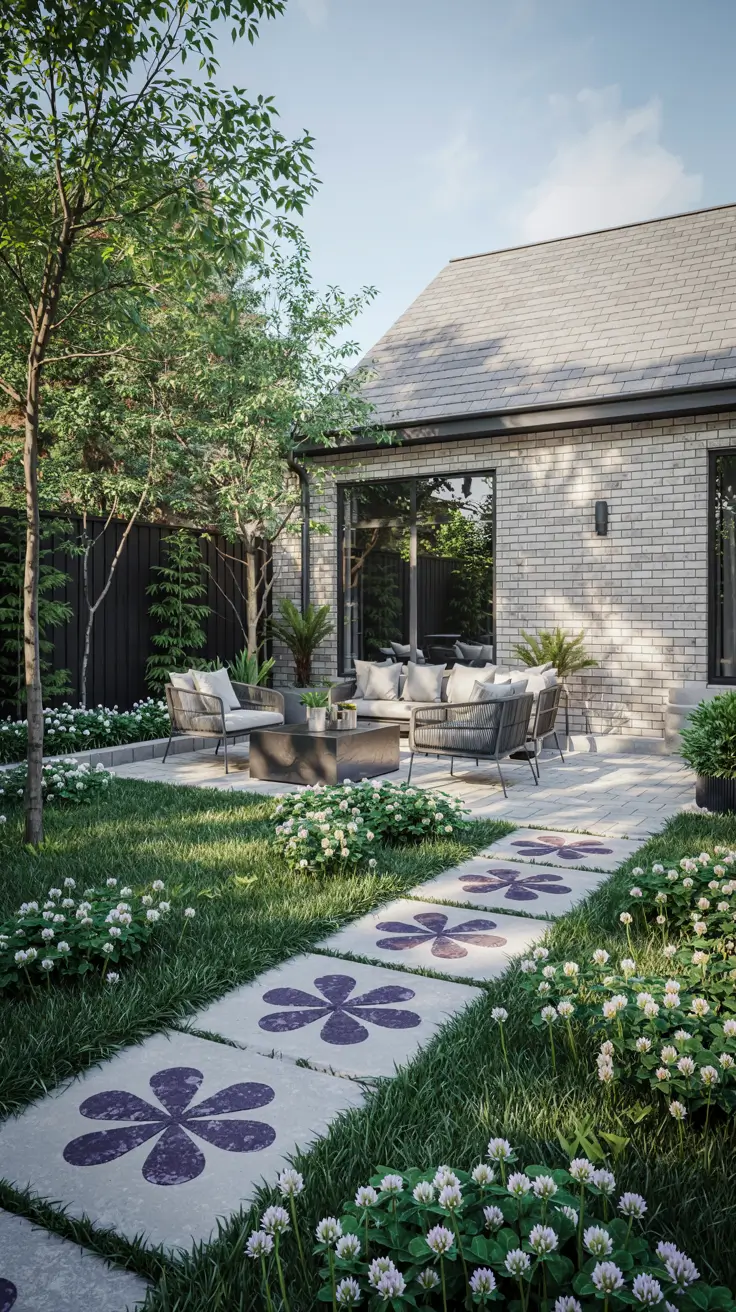
From my experience, the key is choosing one accent strategy and repeating it, rather than scattering purple everywhere. Repetition is what makes the clover lawn aesthetic look intentional, especially in front facing areas. I also keep maintenance in mind, since mixed types can grow at slightly different speeds and heights. If I want the color to read clearly, I maintain consistent mowing and avoid letting taller patches hide the purple. That steady approach keeps the yard looking curated through the season.
To improve this section further, I would add guidance on how to photograph purple accents so they look realistic and balanced. I recommend shooting from a slightly elevated angle to capture the whole layout, including paths and borders. I also add a note about keeping edges crisp, because purple highlights look messy when borders blur. If you are combining purple with crimson or red tones, I include a reminder to limit the palette so the yard stays modern. These additions help readers execute the idea without turning the lawn into a chaotic mix.
Front Yards With White Clover For A Clean Look
A white clover front yard can look surprisingly polished when it is designed with structure and clean lines. I treat clover lawn front yards like a modern landscape project, with a clear walkway, defined edges, and a simple shape that reads tidy from the curb. White dutch clover gives a soft, classic feel, while micro clover can look more uniform and lawnlike. I focus on symmetry or strong geometry because it makes the space feel intentional. In 2026, that clean, minimal look pairs well with modern home exteriors and simple plantings.
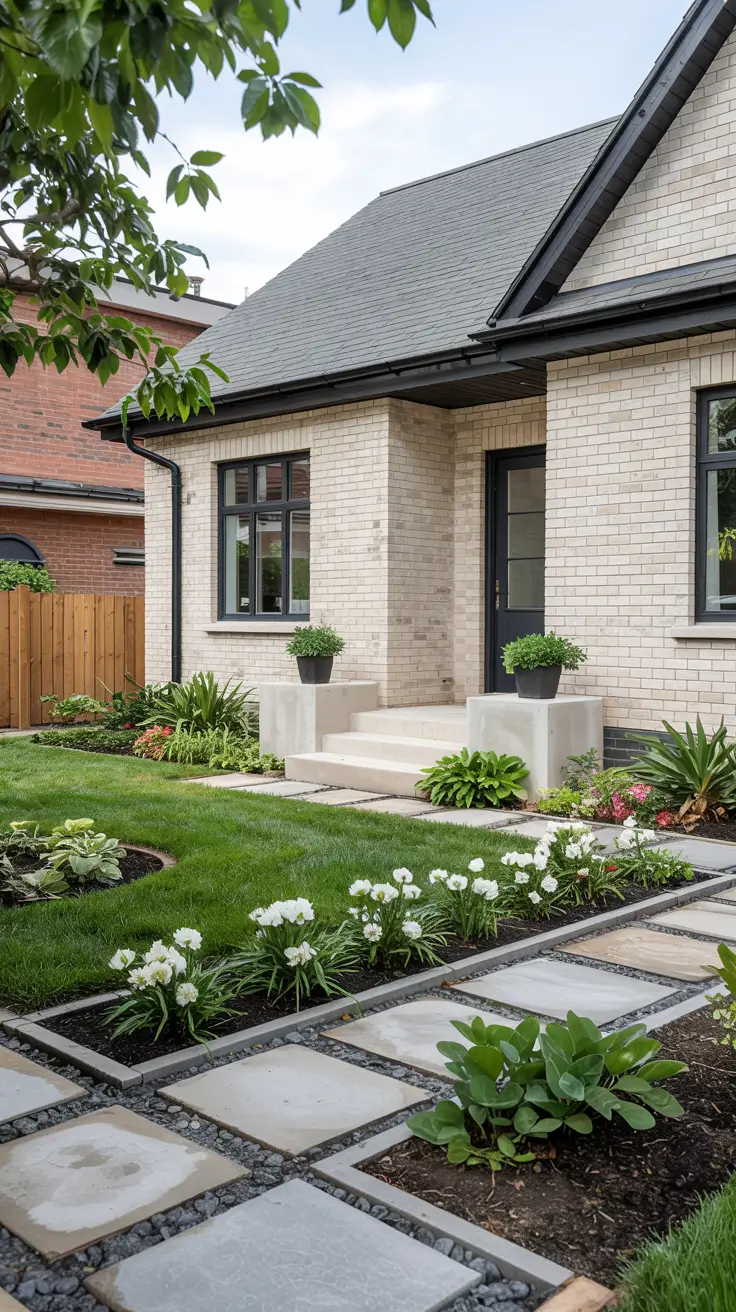
For the layout, I like clover lawn with pavers leading from the sidewalk to the door, because it prevents worn paths and keeps the yard functional. I use a crisp border along driveways and planting beds, and I keep the planting palette calm so the clover stays the star. If I add decor, I keep it minimal, a pair of planters, a simple house number feature, or a low profile garden bed that frames the lawn. A narrow gravel or stone strip can help separate clover from mulch, which keeps the edge neat. These details support a clean aesthetic and reduce the chance of clover spreading into places you do not want it.
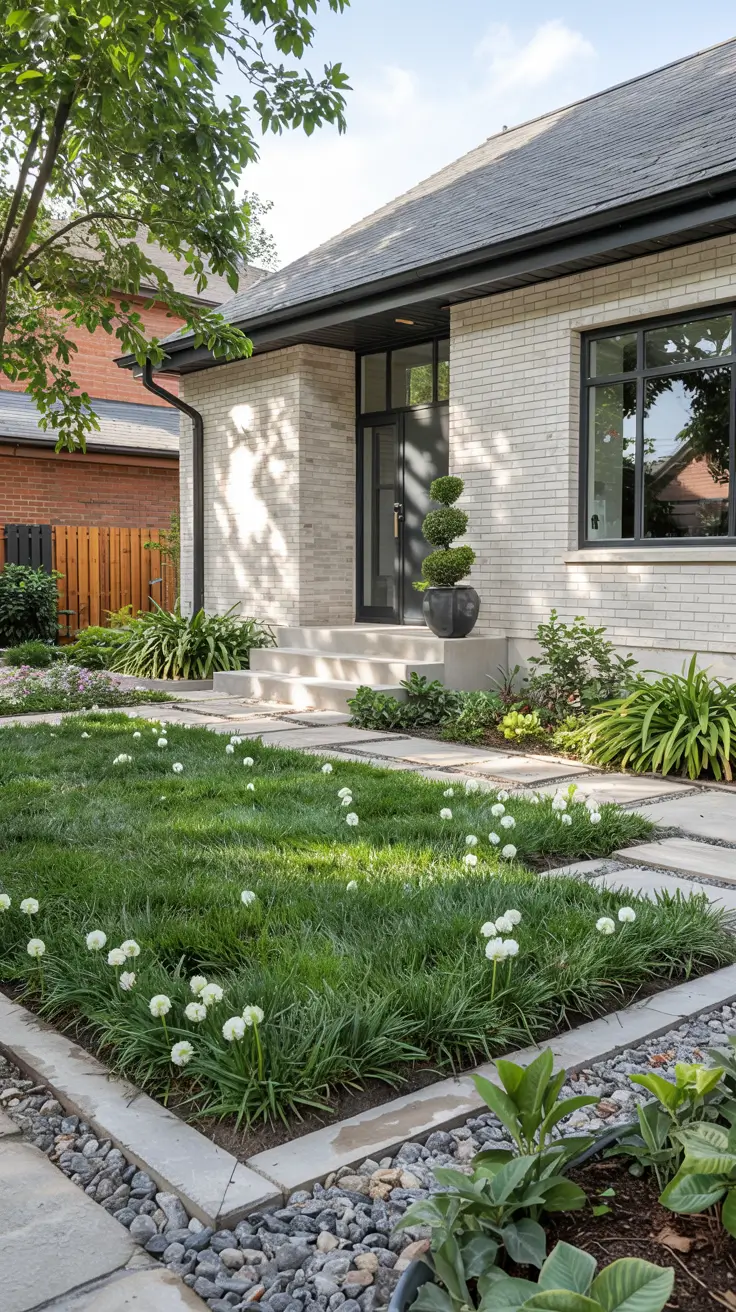
In my experience, front yards succeed when the maintenance expectations match the look you want. If you want a very uniform surface, micro clover plus consistent mowing works well, and it keeps the yard looking crisp. If you like a softer, natural feel, white dutch is beautiful, but it benefits from strong edging so it still reads intentional. I also watch for seasonal thin spots near pavement where heat and dryness are higher, and I overseed lightly to maintain coverage. That small effort keeps the curb facing view clean and consistent.
To make this section more complete, I would add a mini plan for high visibility zones like corners and edges near sidewalks. I recommend extra attention to soil prep and watering along those edges because they dry out faster. I also include a note about keeping the walkway and pavers clean so the contrast stays sharp, which improves the overall clover lawn aesthetic. If readers are in the clover lawn uk, I add a reminder to manage winter wetness with good grading and drainage. These final touches are what separate a nice clover yard from a truly modern, clean front lawn.
Backyard Clover Lawn Ideas With Garden Borders
I treat a clover lawn backyard like an outdoor room, so I start by defining the edges before I worry about the center. Garden borders make clover look purposeful, not like a lawn experiment, and they also protect it from being trampled in high traffic spots. I prefer a simple, modern outline with clean lines that guide you from the patio to planting beds. When the border is crisp, the clover lawn aesthetic reads as designed and low effort in the best way. This is one of my favorite clover lawn ideas because it instantly improves the overall layout without needing a full renovation.
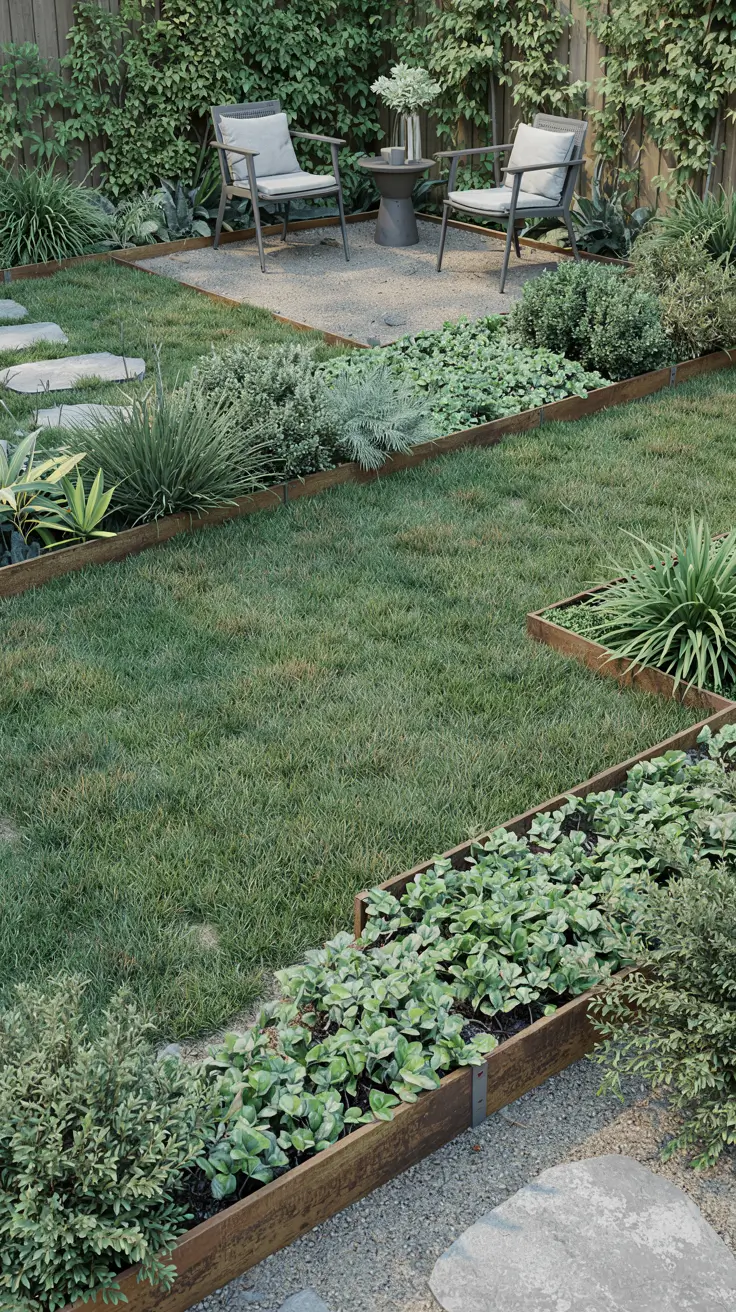
For the border structure, I usually choose steel edging, brick, or natural stone because it keeps soil in place and prevents grass and weeds from creeping in. Inside the beds, I like layering shrubs, ornamental grasses, and a few longer blooming perennials so the green clover becomes a calm background. If you have a seating area, a small gravel pad or pavers can anchor chairs and keep legs from sinking after rain. I also include a narrow mulch strip between the bed and clover if the yard gets a lot of irrigation, because it reduces splash and keeps the edge tidy. This mix of planting and hardscape gives the clover lawn garden a clean frame and makes maintenance more predictable.
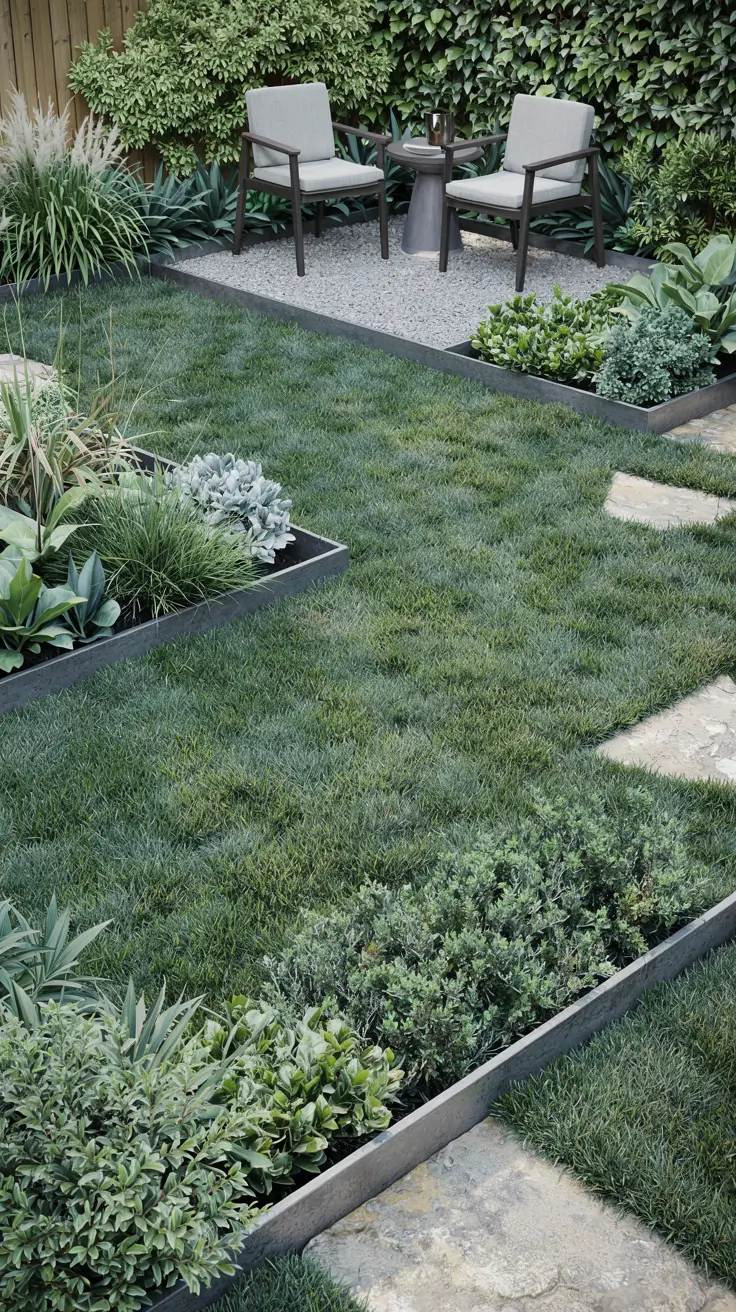
In my experience, the biggest visual upgrade is repeating the same border material in two or three places, like around beds and along a path. It creates consistency and helps the yard feel intentional even when the clover is flowering. I also keep the border plants slightly taller toward the back fence so the space feels deeper and more private. If you want inspiration, I think of it the way landscape designers build structure first, then fill in soft texture, and clover fits that approach well. Once the borders are done, I find that even small yards look more finished because there is a clear outline to everything.
What I would add next is a simple circulation plan, like one main walkway and one secondary stepping route to the garden beds. I also recommend deciding where you will place a hose, a small tool storage bench, or a discreet bin for garden supplies so the clean look stays intact. If your yard has pets or frequent gatherings, I would add a small reinforced zone with pavers or gravel where foot traffic concentrates. Finally, I would include a seasonal bed plan, even a short one, so blooms and foliage stay balanced with the clover from spring through fall.
Clover Lawn Drawing And Landscape Planning Inspiration
Before I seed anything, I sketch a clover lawn drawing to understand where clover will thrive and where it will struggle. I do not need a perfect plan, but I want a clear layout of sun, shade, slopes, and the routes people actually walk. This planning step is one of the most practical clover lawn ideas because it prevents awkward patches and worn trails. It also helps me decide where clover lawn with pavers will be necessary for durability. When I take the time to plan, the final result looks more modern and less accidental.
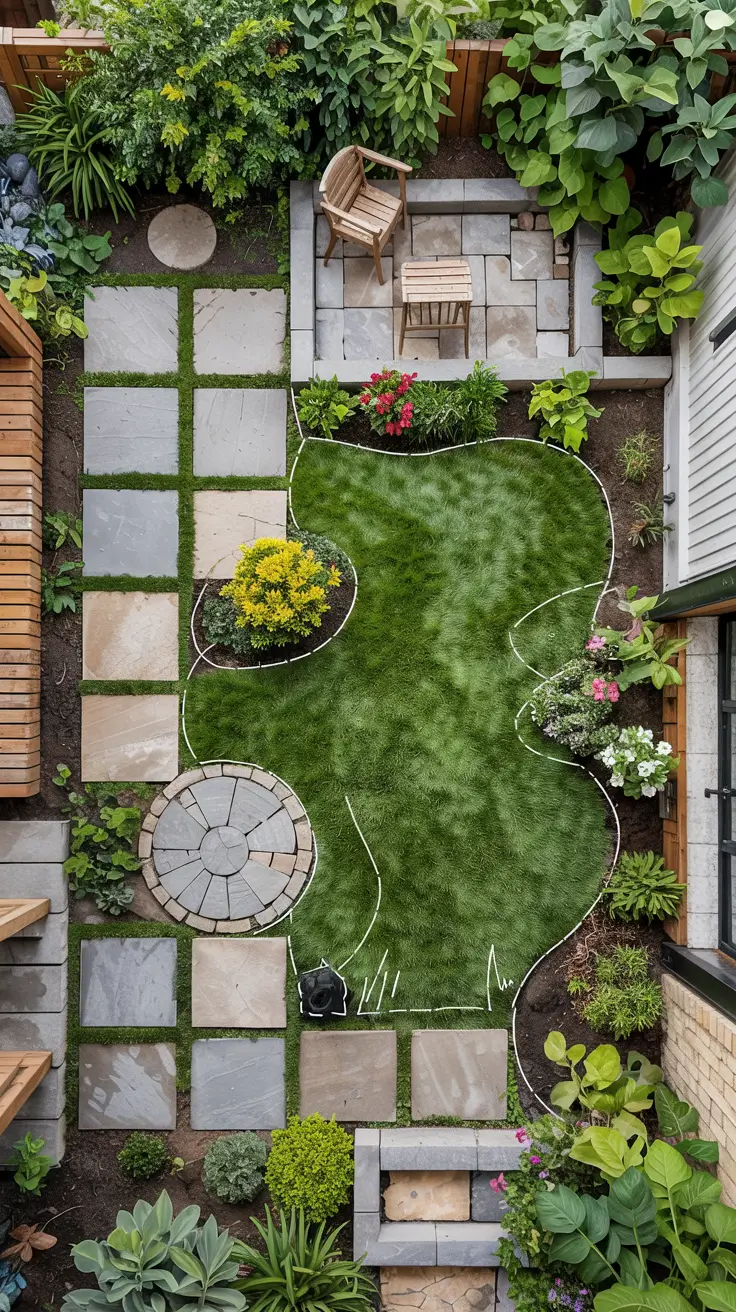
In the drawing, I mark fixed elements first, like the house, patio, sheds, and existing trees, then I add the zones that need stable footing. I usually design one primary path using large pavers and then add stepping stones in lighter traffic areas. I like pavers because they keep clover from compacting and they visually break up a big green space in a clean, contemporary way. After that, I outline planting beds and decide where a small seating corner could go, even if it is only two chairs and a side table. The plan gives me a checklist for materials and helps me avoid buying things twice.
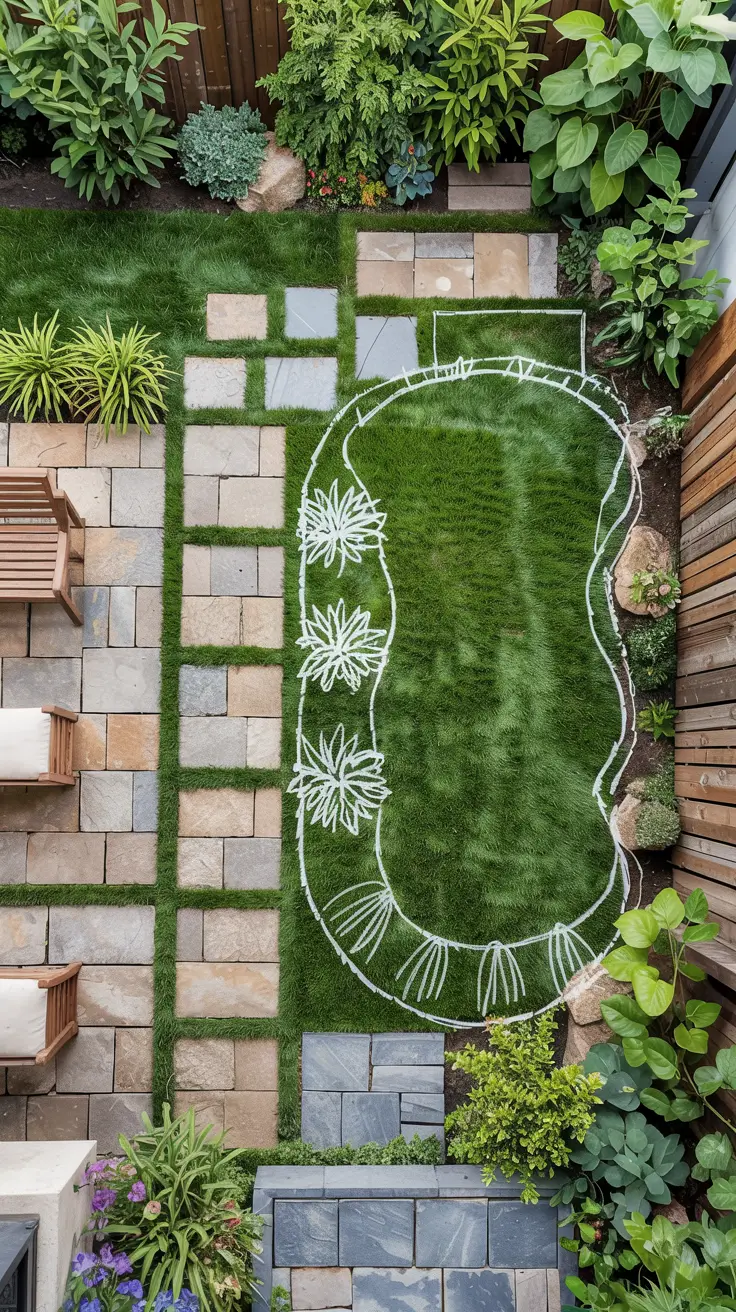
My personal rule is that every clover lawn plan needs at least one focal point so your eye has a destination. That focal point can be a simple bench, a sculptural planter, or a small tree with a circular border. I also like keeping curves minimal, because too many curves can make a clover lawn look busy rather than calm. When I follow a simple drawing, I find that the yard feels larger and more cohesive because the lines and zones make sense. Planning also makes it easier to explain the project to anyone helping you, because they can see exactly what goes where.
What I would add here is a quick measurement pass, even rough, so your drawing matches real spacing and your pavers align nicely. I would also note drainage, especially low spots where clover can thin out if water sits too long. If you are mixing clover with grass and clover, I would label those blend areas so you do not accidentally over seed one type. Finally, I would decide on two or three repeating materials, like one edging type and one paver style, so the finished lawn looks modern and consistent.
Small Space Micro Clover Ideas For Compact Gardens
Micro clover is my go to when I want the look of clover lawns but with a finer, more lawn like texture. In small spaces, it can look especially polished because the leaf size reads as uniform and soft from a distance. I like micro clover for compact gardens because it supports a neat look without demanding constant mowing. It also works well when you want a clover lawn aesthetic that pairs with modern planters and minimal borders. For 2026, these micro focused clover lawn ideas fit the trend of low fuss, green forward outdoor spaces.
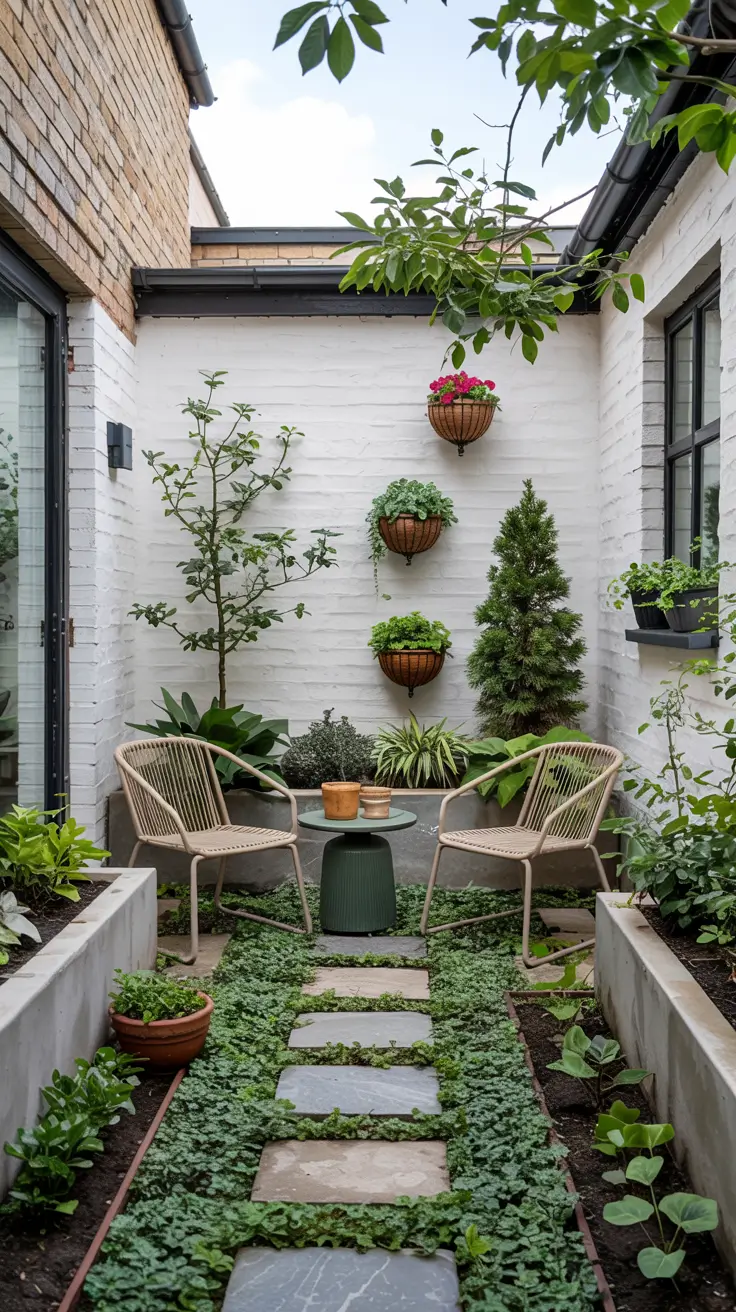
In a compact yard or courtyard, I start by defining the clover area as a simple rectangle or soft oval, then I build everything else around it. I usually add one narrow path of stepping stones so you can access planters without trampling new growth. For furniture, I keep it light and movable, like two slim chairs and a small table, because heavy pieces can compress soil and thin the clover. I also like using raised planters or wall planters to add greenery without stealing floor space. This approach keeps the micro clover looking smooth and intentional instead of patchy.
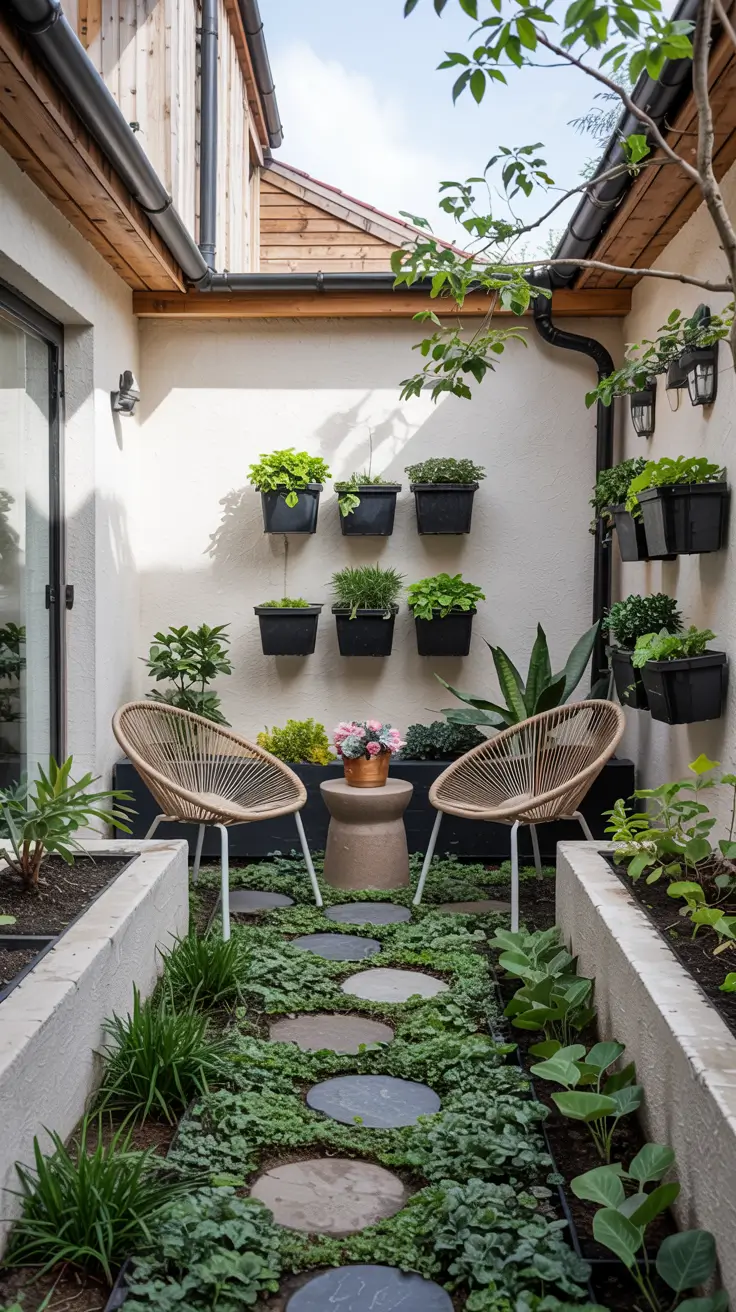
From my experience, micro clover looks best when you control the edges and keep the surrounding surfaces clean. If the yard is shaded, I watch watering closely, because damp shade can invite moss and weaken the stand. I also avoid over fertilizing because micro clover can grow unevenly if pushed too hard. The payoff is a soft, tidy ground layer that makes small gardens feel inviting, especially when paired with simple lighting and a few tall plants for privacy. It is one of the easiest ways to get a fresh, modern yard vibe without rebuilding everything.
What I would add is a small maintenance map for the space, like where you will step, where you will store a broom, and where you will place a watering can. I would also include an edge buffer, such as a thin gravel strip, if the space borders a wall where runoff can splash soil onto the clover. If you want flowers, I would plan a few controlled bloom zones so the look stays refined instead of chaotic. Finally, I would test the soil level and top dress lightly before seeding, because a smooth base is especially important in compact spaces.
Dutch Clover Vs White Dutch Clover – Key Differences
When people say they want white clover, they often mean white dutch clover, and that mix up can affect the final look and performance. I like to compare dutch clover vs white dutch clover by focusing on growth habit, leaf size, and how dense the stand becomes over time. For clover lawns, white dutch is commonly used because it spreads and fills in, creating a more continuous green layer. If your goal is a clean clover lawn front yards look, choosing the right type matters as much as the design details. Getting this decision right makes the rest of your clover lawn how to grow process much easier.
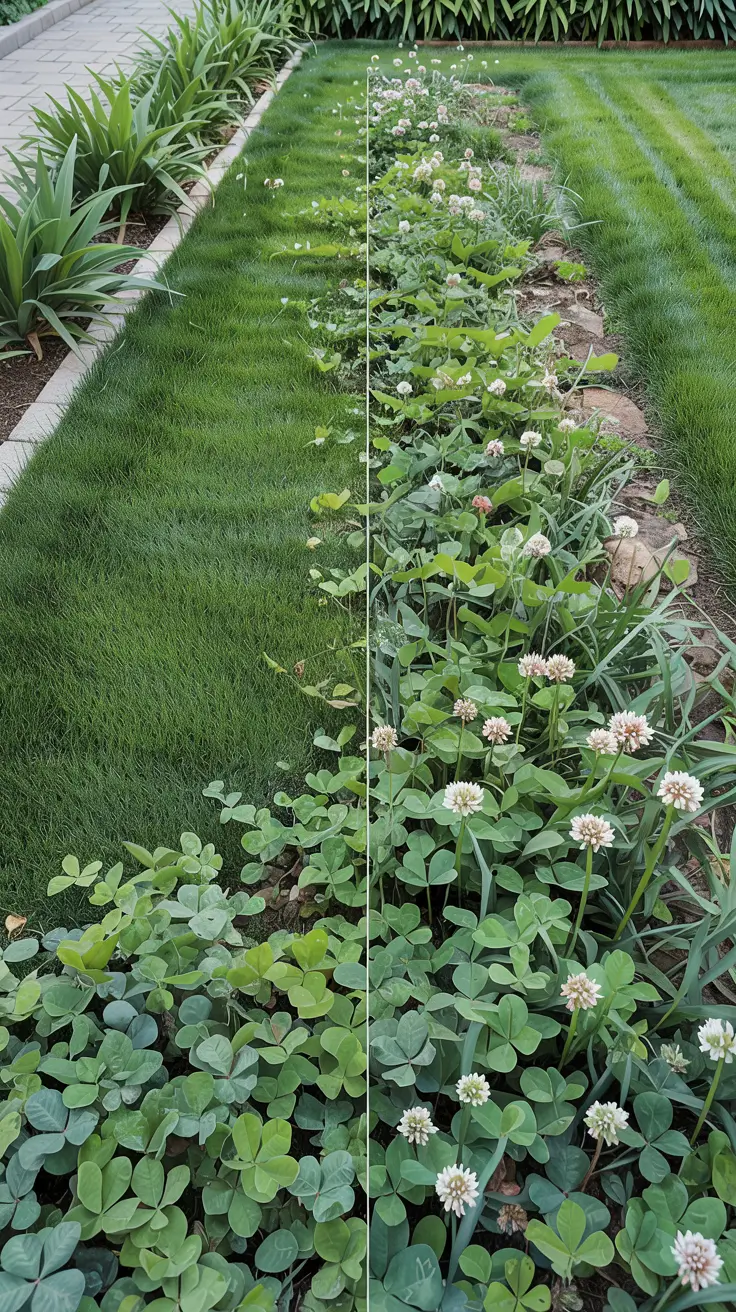
In practical terms, I choose white dutch when I want a classic look with visible white blooms and a reliable fill in pattern. If I am working around pavers or in a mixed bed edge, I want a clover that knits together without getting too tall. For a more delicate texture, I often lean toward micro clover, especially if the yard is small or the style is modern. If you are aiming for color interest, you can also explore crimson or red clover in select areas, but I treat those as accents rather than the main lawn surface. Matching the clover type to how you use the space keeps the lawn looking designed, not unpredictable.
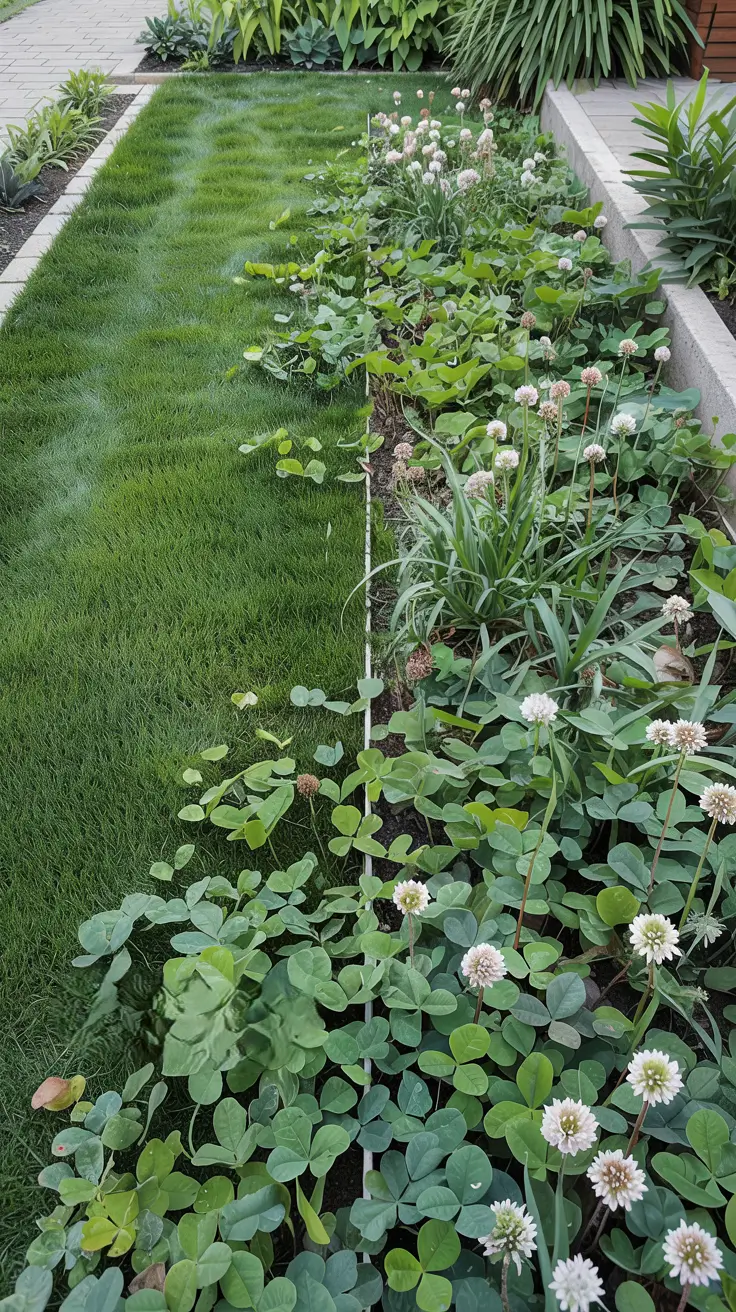
In my own projects, I think about bloom level and maintenance preference before I pick a variety. Some people love a flowering look, while others want a more uniform green that reads like a traditional lawn from the street. I also consider how the clover will look with nearby materials, like light gravel, dark pavers, or warm wood decking. That material pairing can make the clover lawn aesthetic feel either crisp and modern or more cottage and relaxed. Once you know your goal, the variety choice becomes straightforward instead of confusing.
What I would add is a short checklist for selection, like sun exposure, expected foot traffic, and whether you want visible blooms. I would also include a note about local climate considerations, especially for anyone searching clover lawn uk guidance, because moisture and winter conditions can change how clover behaves. If you plan to blend clover with grass and clover, I would add recommended blend zones, such as along the curb or in heavy traffic strips. Finally, I would do a small test patch before committing to the whole yard so you can see texture and bloom timing in your exact conditions.
Low Maintenance Clover Lawn Ideas For Busy Homeowners
I like clover lawns because they can be a smart option when time is limited and you still want a neat yard. The key is designing the lawn so it stays attractive even when you are not out there every weekend. My favorite low effort clover lawn ideas include clear borders, durable walking routes, and a simple planting plan that does not demand constant trimming. When the layout is strong, the clover looks intentional even if it is flowering or growing unevenly for a week. This is especially helpful for clover lawn front yards, where curb appeal matters.
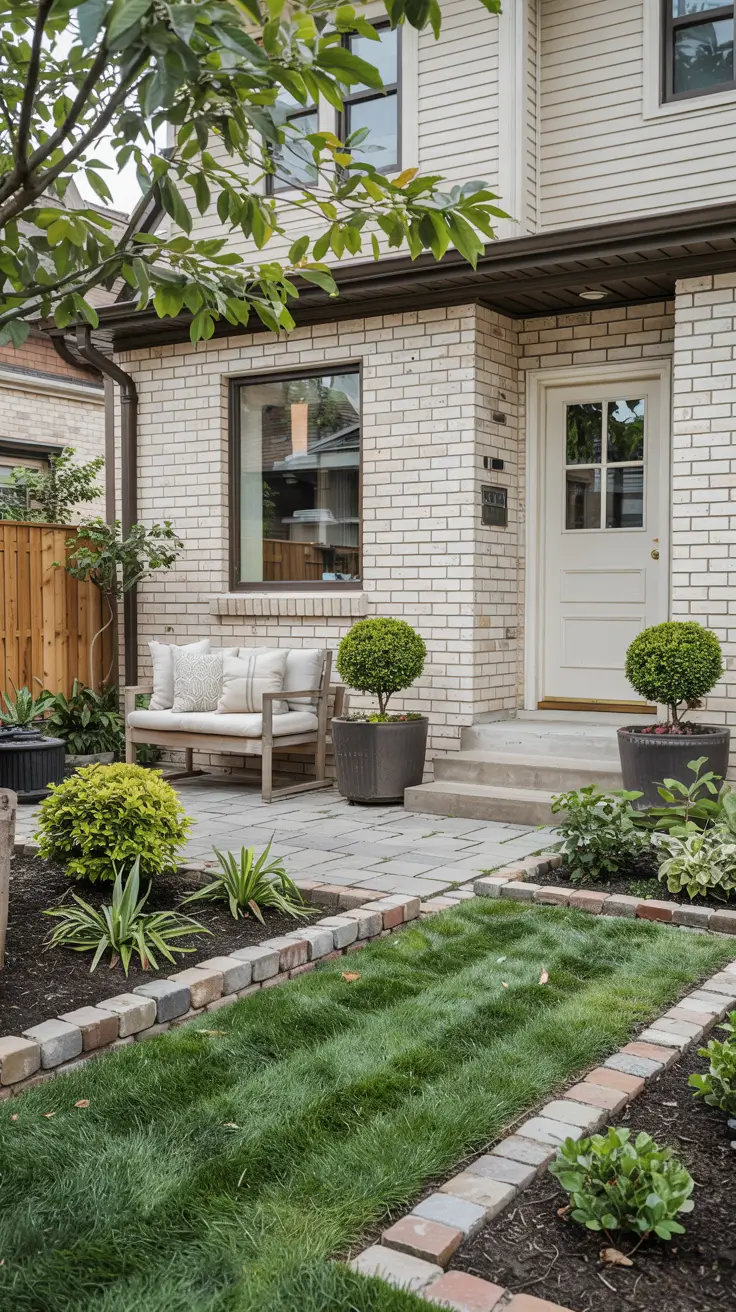
To make it low maintenance, I build in pavers or stepping stones to protect the clover in high traffic zones. I also keep planting beds simple, with a few reliable shrubs and perennials rather than a complex mix that needs frequent editing. For tools and practicality, I like having a small concealed storage spot, like a compact bench with storage, so maintenance items are not visually cluttering the yard. I avoid fussy edges that need constant trimming and instead use a solid border material that holds its line. This approach keeps the clover lawn garden looking clean with minimal effort.
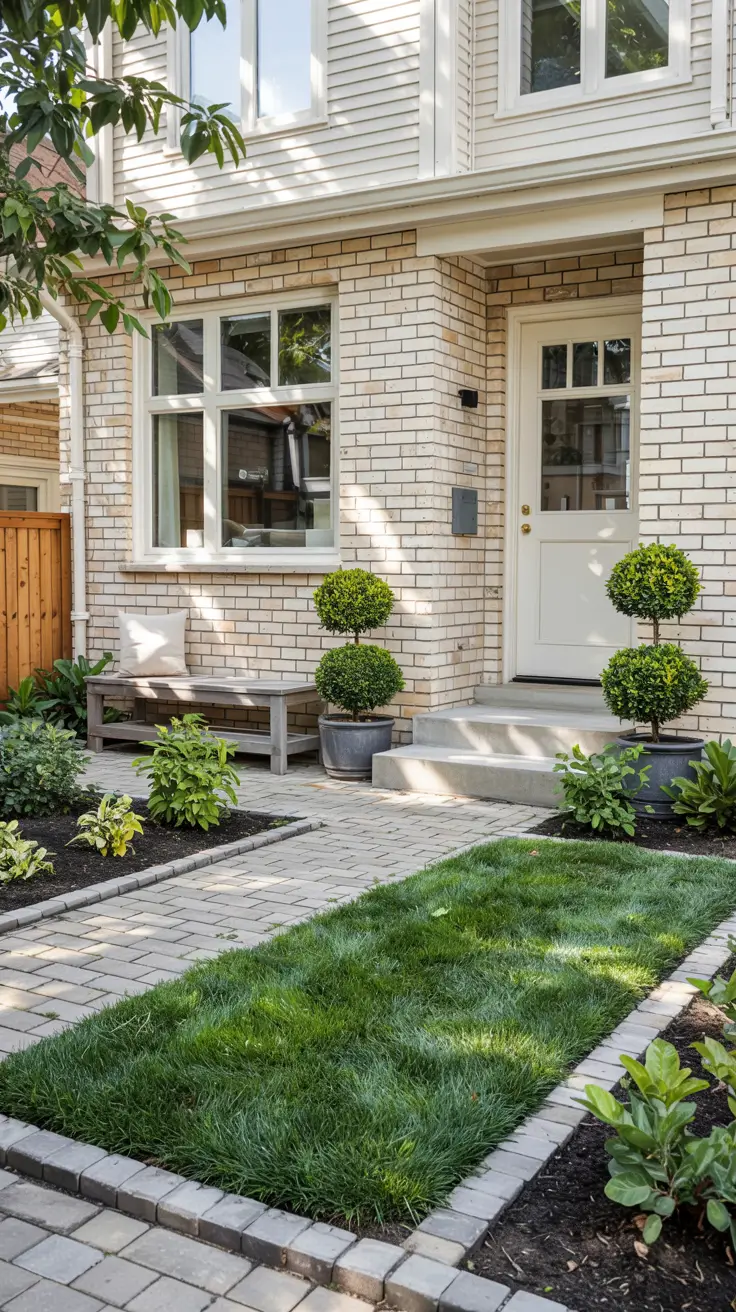
In my experience, the biggest time saver is planning for predictable wear and preventing it rather than trying to fix it later. If you know where kids or guests will walk, give them a path and the clover will stay thicker elsewhere. I also recommend a simple seasonal routine, like a light mow if you want a shorter look, and spot overseeding in thin areas. Clover can be forgiving, but it still responds best when you support it with good structure and a little consistency. Once it is established, I find it easier to maintain than a lawn that depends on constant perfect timing.
What I would add is a quick weekly checklist that takes ten minutes, like checking edges, brushing debris off pavers, and watering only if the surface looks stressed. I would also include guidance on mowing height if you want a more uniform finish, because too low can weaken growth. If you have pets, I would add one reinforced zone, such as a small gravel strip or paver corner, to protect the main clover area. Finally, I would plan lighting early, because a few simple path lights make the yard look polished even when you are not actively gardening.
Eco Friendly Benefits Of Growing Clover Lawns
I view clover lawns as a design choice that can also support a more eco friendly yard routine. Clover can help create a green surface that feels soft and lively, especially when it blooms and brings in pollinators. When I plan a clover lawn backyard or front area, I think about how it fits a lower input approach without making the space look wild. The goal is a yard that feels modern and calm while supporting healthier soil habits. This is a big reason clover lawn ideas are trending for 2026.
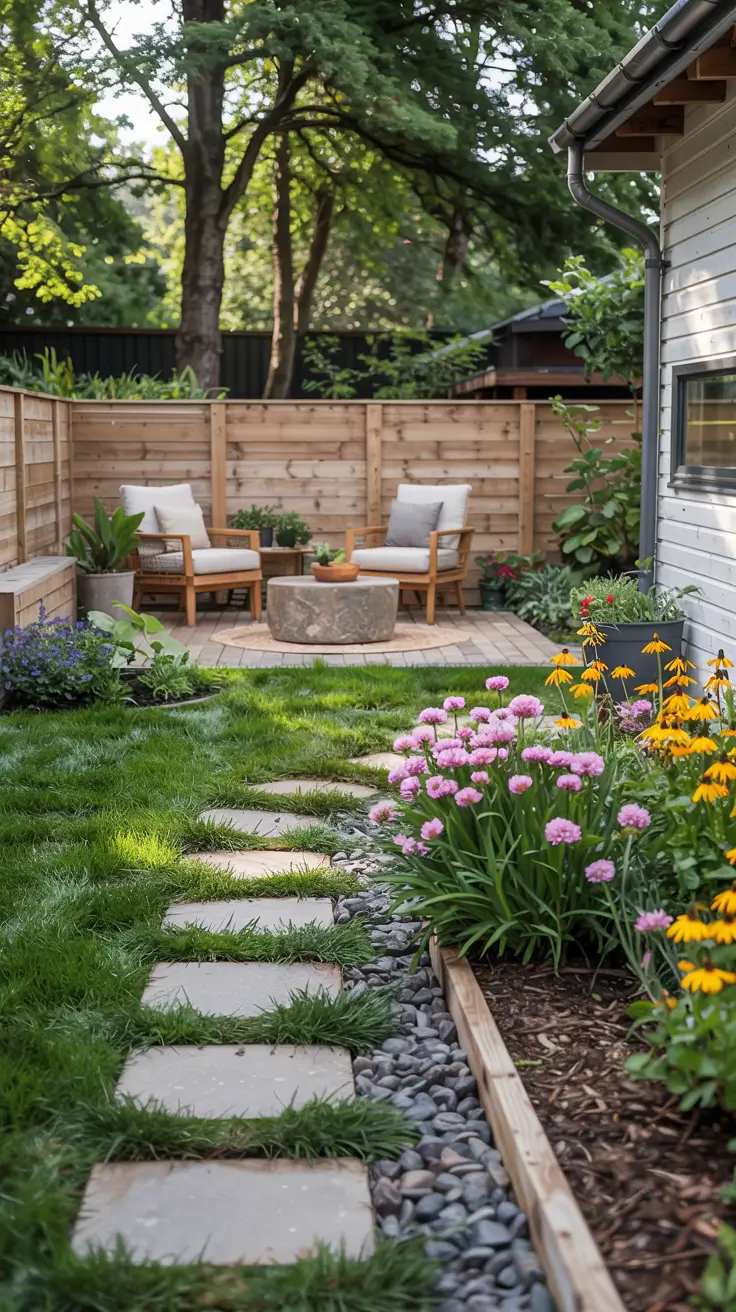
From a practical design standpoint, I pair clover with permeable surfaces like gravel joints, mulch beds, and clover lawn with pavers to support water flow and reduce runoff. I also like using native or climate friendly border plants so the whole landscape works together rather than fighting the local conditions. If the yard needs a play area or seating, I keep the hardscape compact and let clover do the visual work as the main green layer. I avoid overcomplicated features and instead focus on small improvements that have a big effect, like better soil prep and clean edges. That combination makes the yard feel intentional and sustainable at the same time.
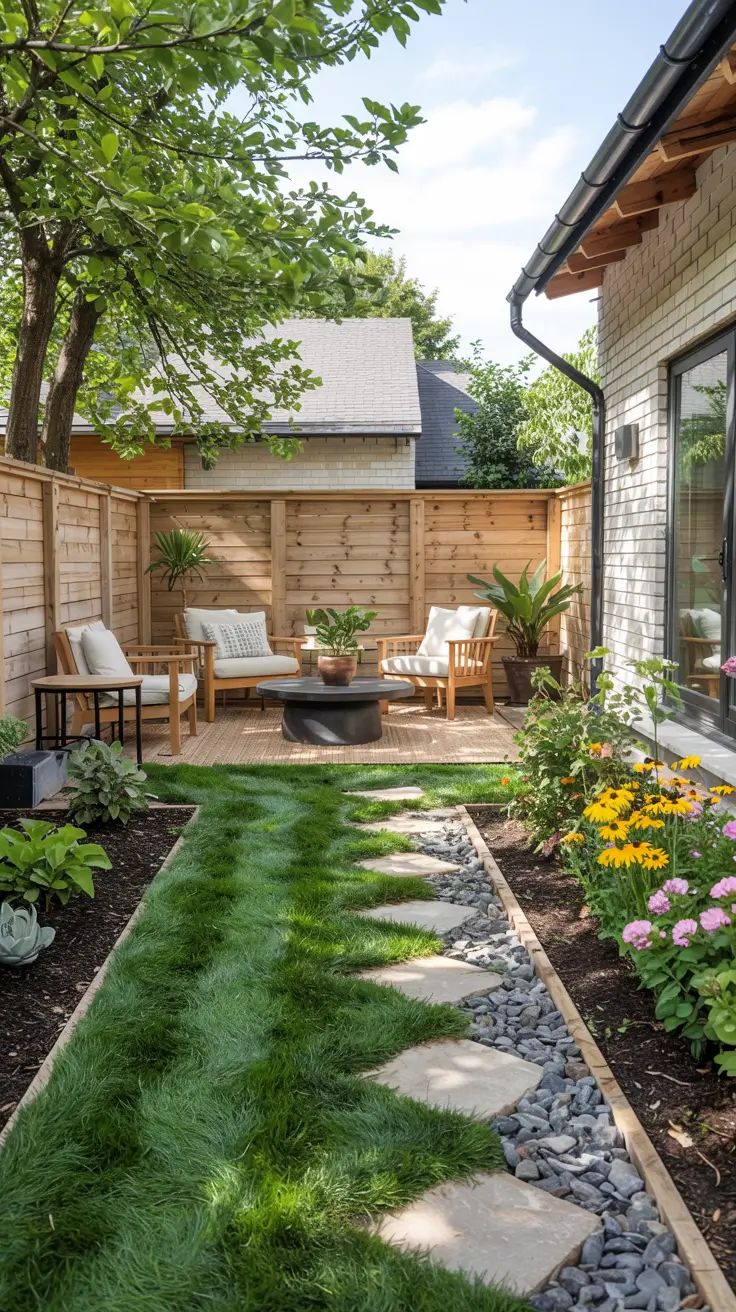
In my experience, eco friendly results come from consistency rather than perfection. When I reduce chemical inputs and focus on soil health, the clover often looks better over time, not worse. I also notice that a clover lawn aesthetic pairs nicely with simple, modern outdoor styling, like natural wood, neutral planters, and clean stone. It feels current, not like an old fashioned alternative, and that matters if you want a polished look. The best part is that the design choices, like permeable paths and defined beds, make the eco benefits easier to maintain.
What I would add is a small section in your plan for compost and top dressing, because soil support is a major part of long term success. I would also add a pollinator friendly border strip, even a narrow one, so blooms and habitat are present without making the whole yard feel busy. If you live in a wetter climate, I would include drainage notes so clover stays dense instead of thinning from waterlogging. Finally, I would add a reminder to keep some bare soil covered during transitions, because that is when weeds and erosion can creep in.
Common Mistakes To Avoid When You Grow Clover
When people struggle with clover lawns, it is usually because of a few predictable mistakes that can be avoided with planning. I see the biggest issues when someone skips soil prep, seeds unevenly, or expects instant results in the first few weeks. If you want clover lawn how to grow success, you need a stable base and a realistic timeline for fill in. I also notice problems when foot traffic starts too early, especially in clover lawn front yards where paths are not clearly defined. Avoiding these errors makes the lawn look more even and keeps the aesthetic modern.
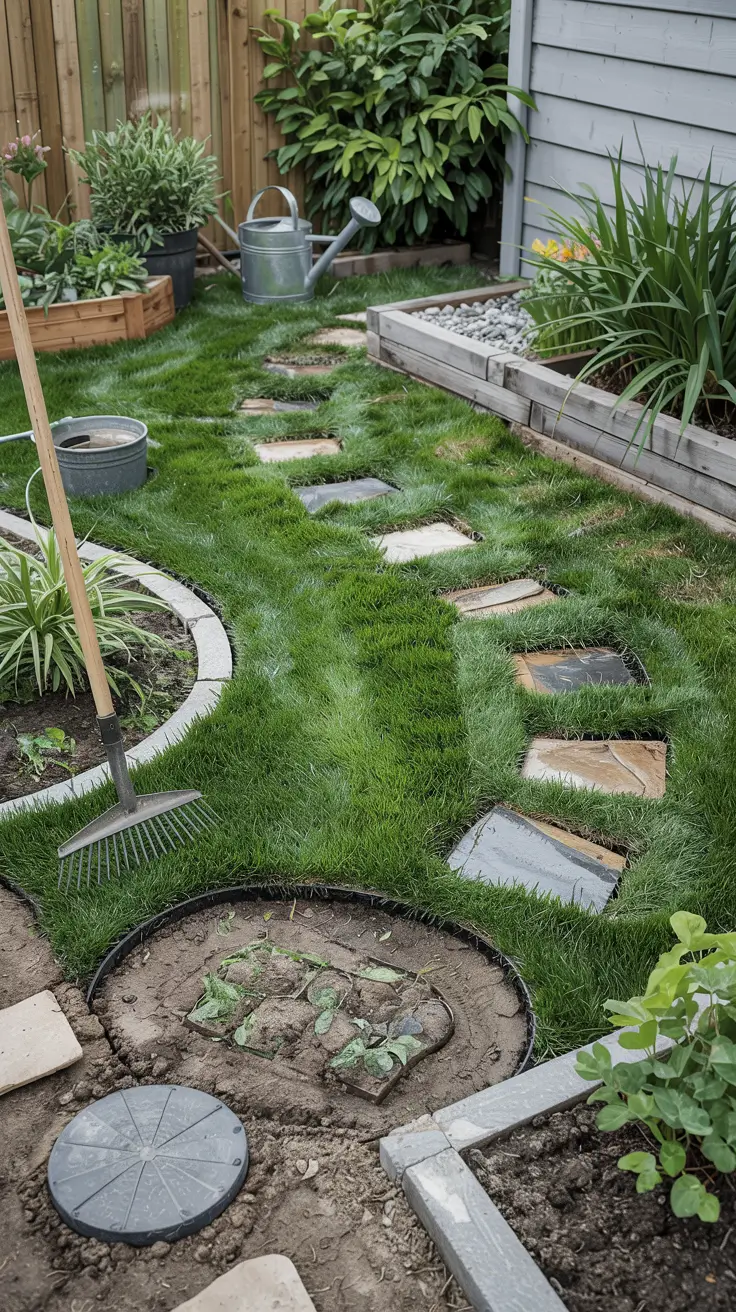
One common mistake is not smoothing the soil and removing debris, which creates dips that hold water and thin out growth. Another is seeding too heavily in some spots and too lightly in others, which can lead to clumps and bare patches. I also avoid placing furniture directly on new clover, because it compresses soil and interrupts germination. If the yard needs access routes, I install pavers or stepping stones first, because clover lawn pavers planning is much easier before seeding. Good layout and preparation are the quiet foundation of the best clover lawn ideas.
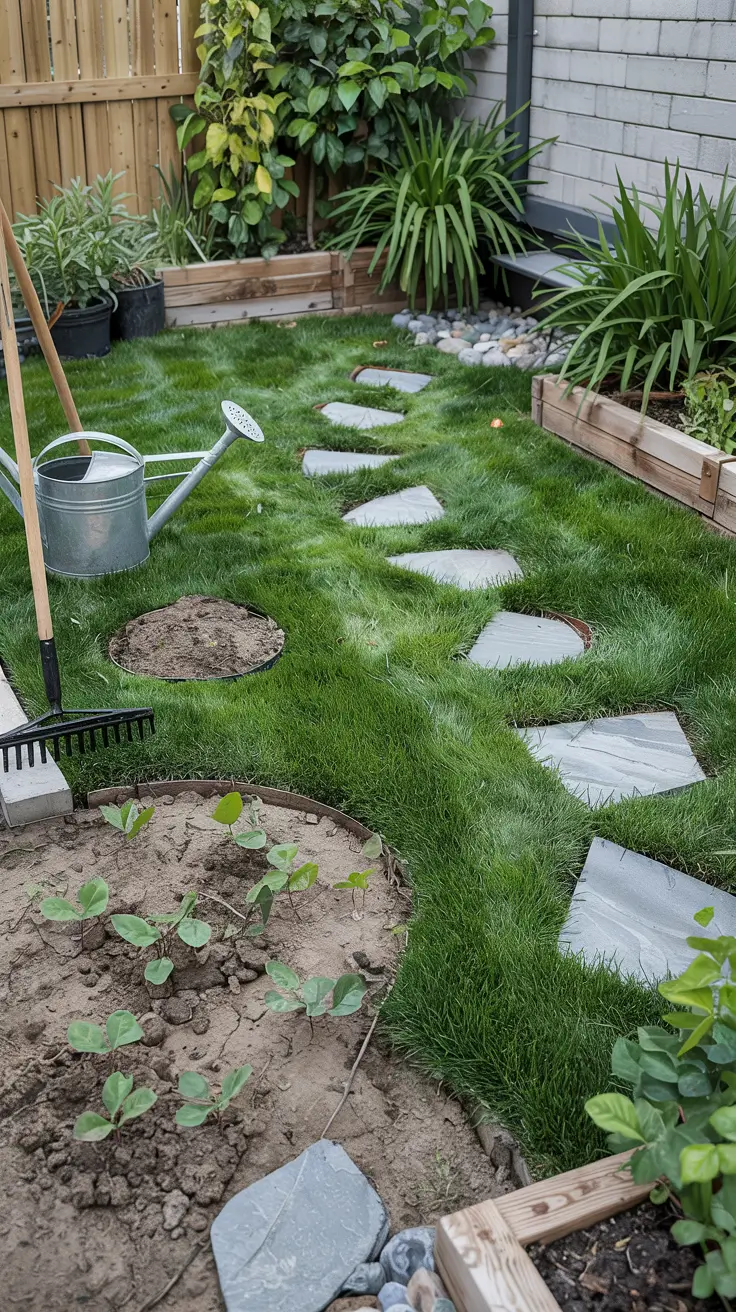
In my experience, watering mistakes cause the most frustration. Too much water can wash seed away or encourage weak growth, while too little water can stop germination at the worst time. I also think people underestimate edging, and then the lawn looks unfinished even if the clover is healthy. If you want a clean clover lawn aesthetic, crisp borders and a clear path system matter just as much as the plant itself. Once I started treating clover like a designed surface instead of just a seed choice, my results became far more consistent.
What I would add is a simple troubleshooting checklist, like what thinning looks like, how to spot compaction, and when to overseed. I would also include a note about timing, because seeding in extreme heat or cold can reduce success. If you are mixing grass and clover, I would add a reminder to plan the blend ratio and not guess halfway through. Finally, I would recommend taking progress photos weekly, because it helps you see patterns and adjust before a small issue becomes a big patch.
Designing The Perfect Clover Lawn Garden In 2026
For 2026, I design a clover lawn garden with the same mindset I use for a well planned living space: clear zones, clean lines, and a calm color palette. Clover becomes the soft green foundation, and everything else supports it, from pavers to borders to planting. I like a modern layout that balances open lawn with defined edges so the yard feels organized. This approach works for both clover lawn backyard spaces and clover lawn front yards, as long as you adapt the circulation and focal points. When the design is cohesive, clover lawn ideas feel premium rather than improvised.
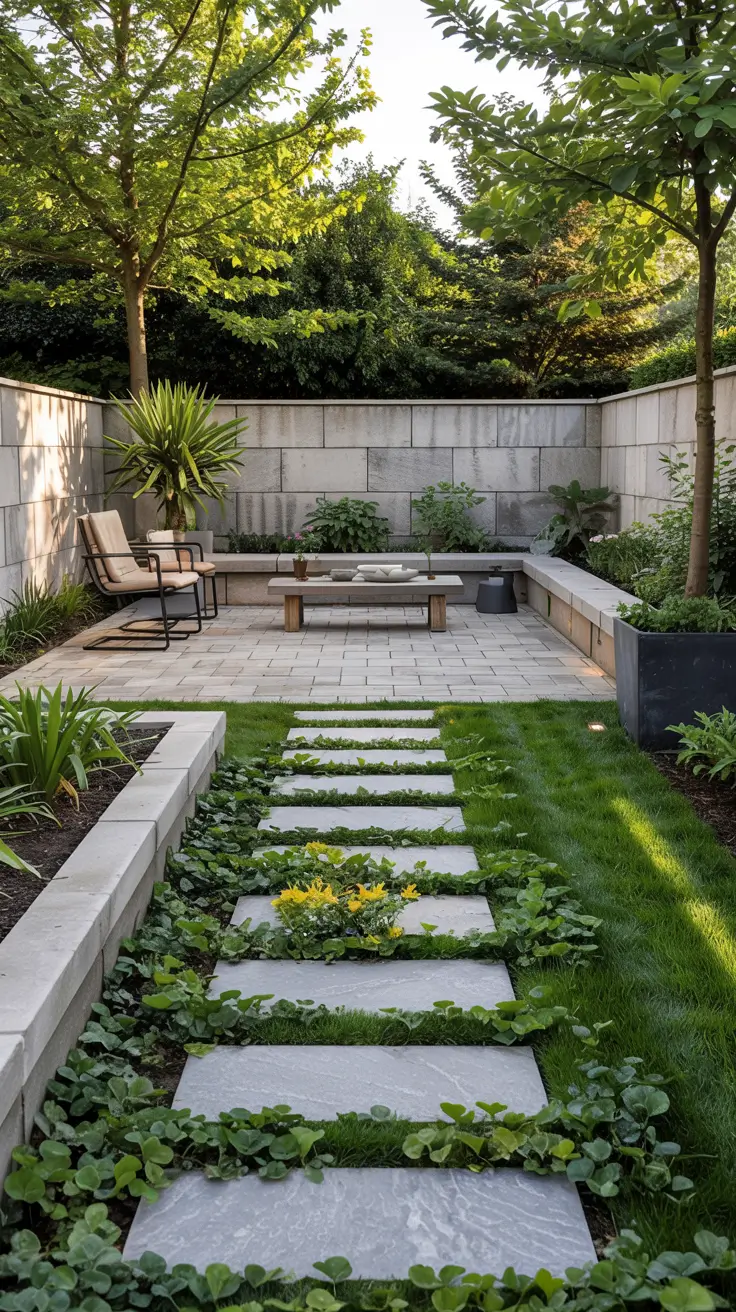
I start with one strong hardscape feature, usually a paver path or a small patio pad, because it gives structure and protects the clover from wear. Then I add planting borders that echo the same shape, like a rectangle bed that mirrors the patio line. For furniture, I keep it simple and weather ready, like a compact bench, two chairs, or a small dining set that fits the scale of the yard. I also like adding one vertical element, such as a trellis or a tall planter, to create height and make the lawn feel curated. If you love visual planning, a clover lawn drawing helps you place each element so it looks balanced.
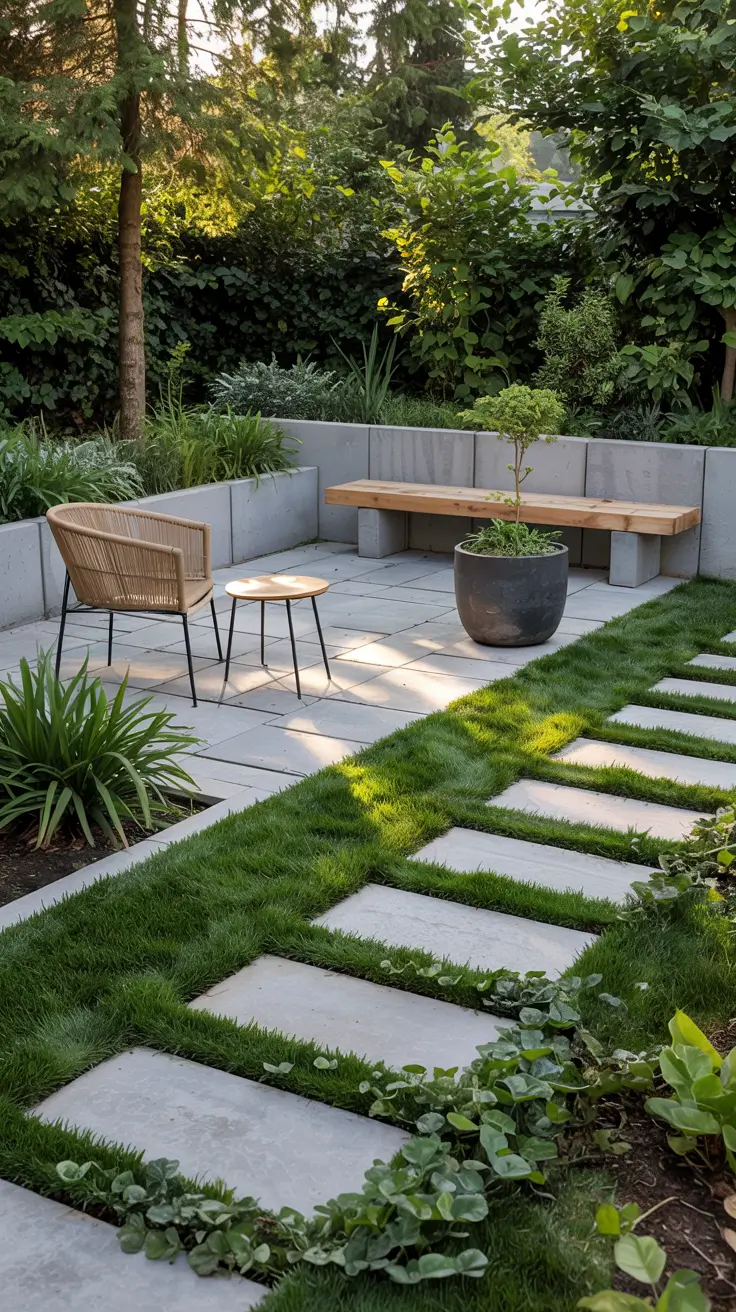
From my experience, the most successful clover lawns look intentional because they repeat a few materials and keep the rest minimal. I prefer two main textures: soft clover and one clean hardscape material, then I let plants add the third texture through foliage. I also plan for seasonal change by choosing border plants with strong structure, so the yard still looks good when clover is not in peak bloom. If you want a more creative touch, you can use clover lawn with pavers in a geometric pattern, but I keep it restrained so it stays timeless. The result is a modern, calm landscape that still feels lively and fresh.
What I would add is a final style pass where you choose a simple theme, like white and natural stone, or warm wood with dark pavers, so your choices stay consistent. I would also add a maintenance access plan, like where you will roll a small cart or step to trim borders, so you do not damage the clover later. If you are in the UK and researching clover lawn uk options, I would add a moisture plan and edging strategy to keep winter mess from blurring the borders. Finally, I would include one small detail that makes it feel finished, like low path lighting or a single statement planter near the entry.