34 Low Maintenance Garden 2026: Modern Ideas, Design Simple Solutions And Easy Landscaping

Planning a garden for 2026 and want it to look polished without eating up your weekends? In this post I share low maintenance garden ideas and a low maintenance garden design approach that keeps low maintenance gardens modern, tidy, and easy to live with. What actually makes a garden low effort year round, and which upgrades save the most time for the least money? How do you balance plants, hardscaping, and practical details so the space still feels intentional? I will walk through simple layout choices, durable materials, and low maintenance garden plants that suit different climates, including low maintenance garden Australian options and low maintenance garden ideas UK trends.
Low Maintenance Garden Ideas 2026 For Stylish And Effortless Outdoor Living
When I design for effortless outdoor living, I start by treating the garden like an extension of the home. I plan clear zones for lounging, dining, and planting so the space reads clean even when nothing is in bloom. In 2026, the most successful low maintenance garden ideas lean on structure, evergreen shape, and repeatable materials. I keep the plant palette limited, use larger groupings, and avoid fussy edges that demand constant trimming. The goal is a garden that looks finished after a quick sweep and a simple prune.
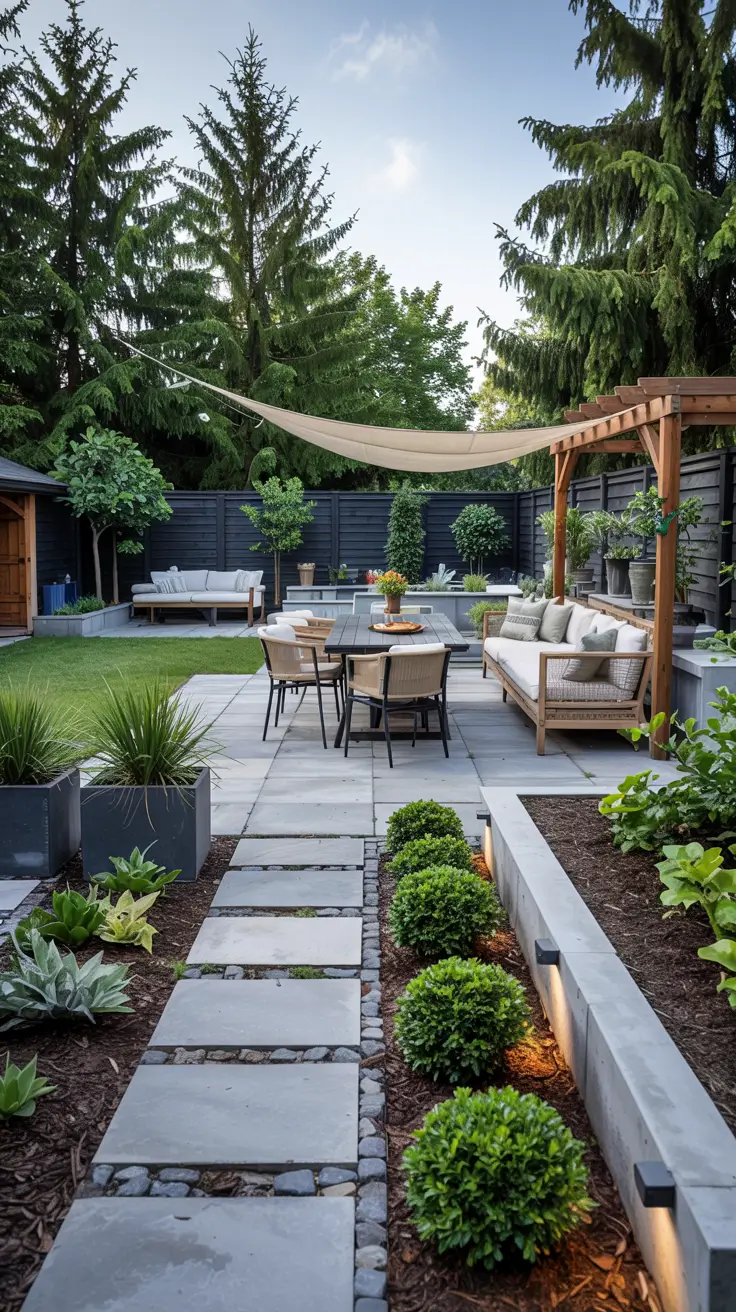
I rely on hardwearing surfaces like large-format pavers, compacted gravel, or porcelain tiles to cut weeding and muddy patches. A simple pergola or shade sail gives a modern focal point without adding fragile decor that needs storage and cleaning. I include a bench with weather-resistant cushions, a dining set in powder-coated metal, and a storage box to hide tools and kids’ items fast. For planting, I use raised planters or a low maintenance garden bed with wide mulch coverage to reduce watering and weeds. I also include subtle lighting along the path so the garden feels intentional at night with almost no upkeep.
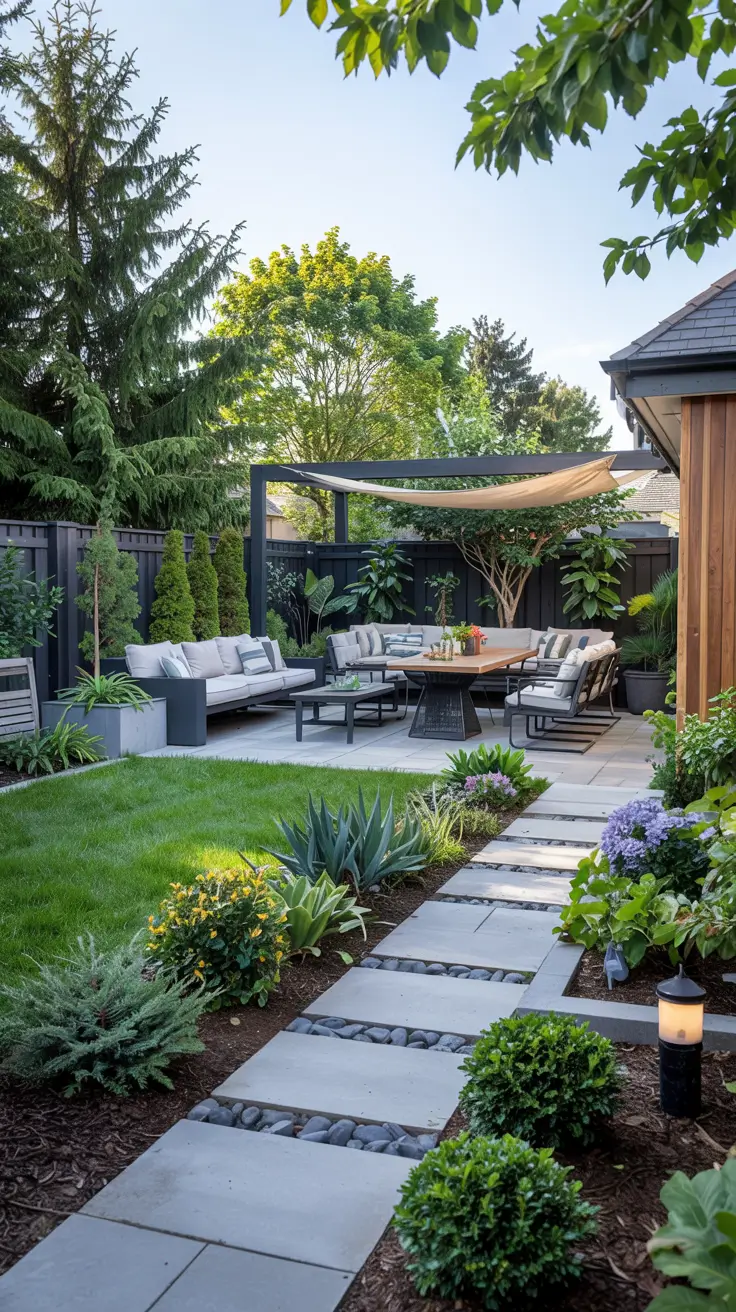
In my experience, the biggest “effortless” win is choosing fewer, stronger statements instead of many small features. When I follow advice commonly shared by landscape pros in mainstream home and garden media, it is consistent: simplify the palette, build in structure, and let materials do some of the visual work. I also try to design for how people actually use the space, not how it looks in a staged photo. If you only have time for one weekly reset, plan the garden so that reset is easy and satisfying. That is what makes low maintenance gardening stick long term.
What I would add here is a quick inventory of your real routine and storage needs before buying anything. I also recommend noting your sun pattern and prevailing wind so you place seating where it naturally feels comfortable. If you have pets or children, I would map the most-used walking lines and protect them with a clear path and durable surfaces. Finally, I would list one must-have focal feature and one must-have functional feature so the design stays focused.
Smart Low Maintenance Garden Design Simple Layouts That Save Time
A low maintenance garden design simple layout starts with straight lines, generous clearances, and repeatable shapes. I like to use a limited number of geometry types, like rectangles for patios and long borders for planting. This approach reduces fiddly cutting, awkward corners, and tiny gaps where weeds thrive. In 2026, I see more homeowners choosing “less but better” layouts that stay crisp across seasons. The result looks modern and calm, even when the garden is between flushes of growth.

I typically plan one main path from the house to the key destination, like a seating area or gate. A wide path in pavers or gravel is easier to maintain than stepping stones scattered through lawn, because there are fewer edges to trim. I build planting into simple borders along the fence line so mowing and sweeping stay straightforward. If space allows, I add one central bed idea like a single island planting with a clean edge, rather than several small beds. I keep surfaces consistent so repairs are easier and the garden feels cohesive.
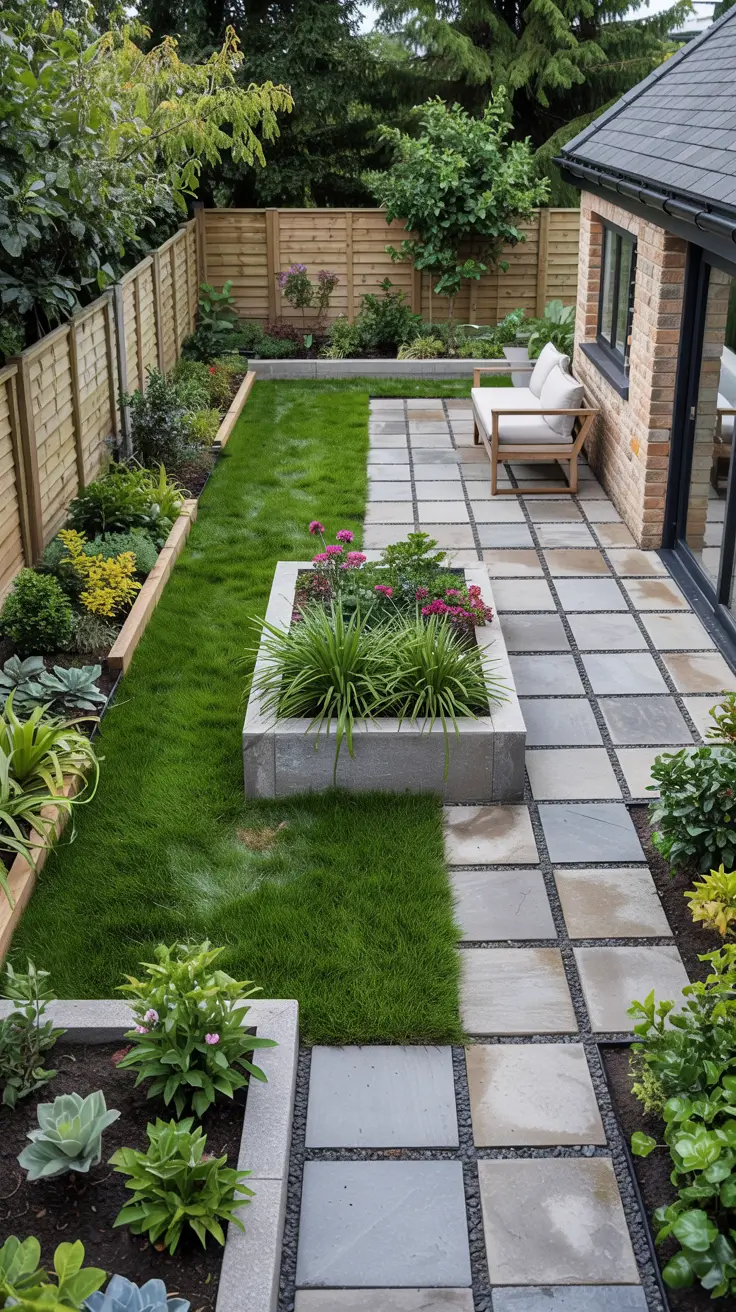
I have found that “simple” does not mean boring, it means intentional. When I follow guidance that many US designers repeat, I focus on proportion, negative space, and one clear focal point. I also treat maintenance like a design constraint, the same way I treat budget or privacy. If a feature adds complexity but not daily enjoyment, I drop it. That mindset is what makes low maintenance garden ideas landscaping feel realistic and sustainable.
What I would add is a basic scale sketch with measurements before any installation. I would also include a plan for where hoses, bins, and a small compost area will live so they do not become visual clutter. If you want borders UK style, I would note that simple brick or steel edging can keep lines sharp with minimal trimming. Finally, I would add a short list of “no-go” details you always end up neglecting, like narrow gravel strips or delicate container clusters.
Modern Low Maintenance Gardens That Look Stunning Year Round
Modern low maintenance gardens look best when they combine strong structure with a restrained plant palette. I design for winter and shoulder seasons first, then let seasonal interest be a bonus rather than the whole show. This means prioritizing evergreens, architectural grasses, and a few feature shrubs that hold their form. I also limit the number of flower colors so the space reads calm and contemporary. When the garden stays visually tidy, it automatically feels lower effort.
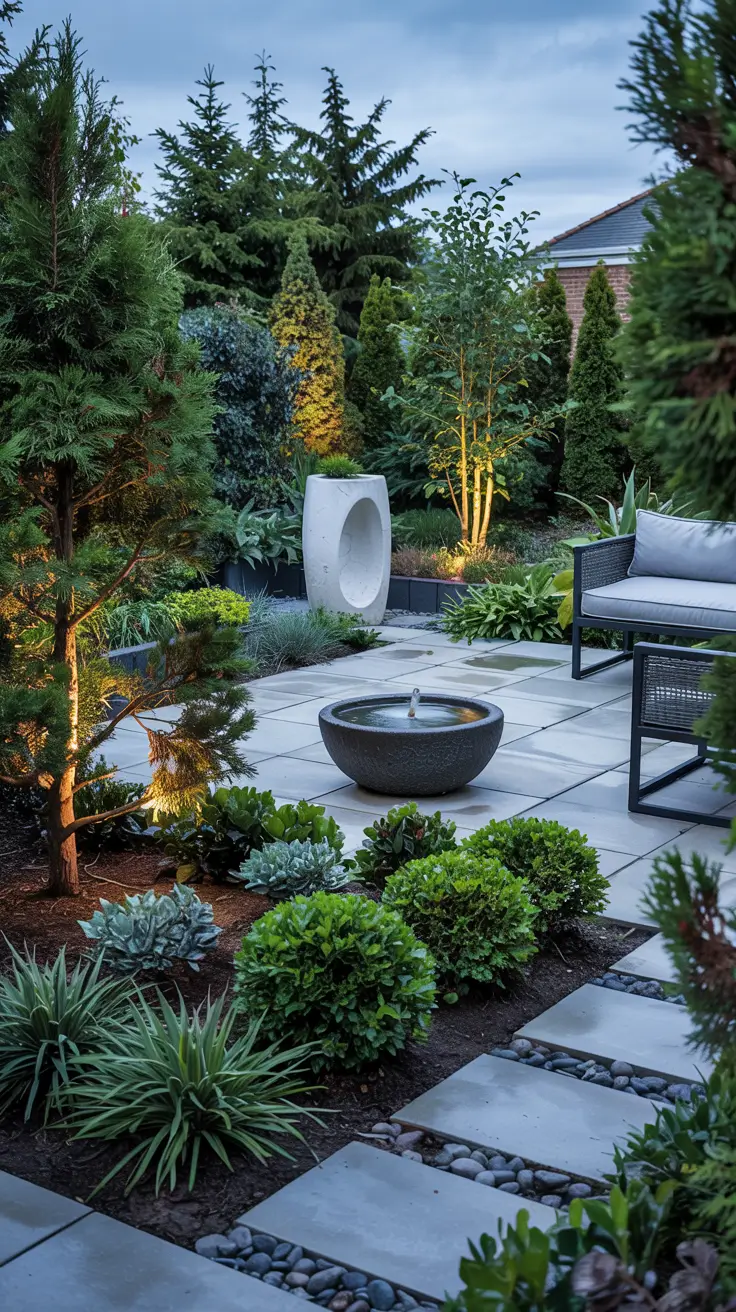
I like to pair a clean patio with one striking accent, like a sculptural planter, a small water bowl feature, or a statement tree. For furniture, I choose a simple outdoor sofa and a slim coffee table that can be wiped down quickly, plus stackable chairs that store easily. I use tall planters to lift greenery closer to eye level and reduce the need to fuss with ground covers. For borders, I use repeated planting in blocks, like three to five of the same plant, to create rhythm without constant editing. Mulch, gravel top-dressing, and drip irrigation help keep the look consistent with less hands-on time.
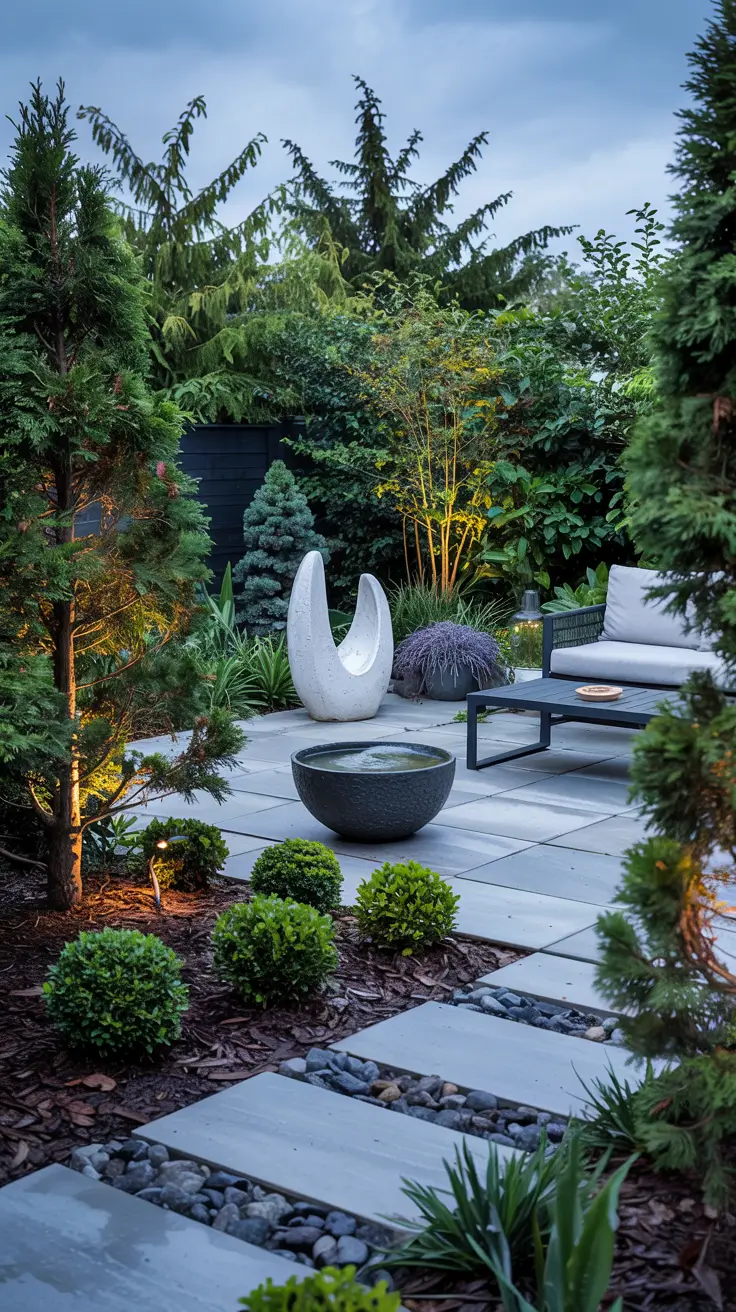
From my own projects, the modern look is less about expensive materials and more about discipline. Many well-known design outlets emphasize editing, repetition, and strong silhouettes, and I see that play out in real gardens too. I also recommend photographing your garden from two or three angles as a quick check. If the lines and massing look good in a photo, they will usually feel calm in person. That helps you avoid adding extra clutter in the name of “finishing touches.”
What I would add is a simple seasonal checklist that matches the design. I would include one spring cutback window for grasses, one mid-summer tidy for fast growers, and a fall mulch refresh. I would also add lighting placement notes, because good lighting makes evergreen structure shine at night. Finally, I would add one low-maintenance focal plant that suits your climate so the garden has a signature moment all year.
Low Maintenance Gardening Tips For Busy Homeowners In 2026
Low maintenance gardening starts with decisions that remove repeat chores, not just tricks that make chores faster. I look at the three biggest time drains – watering, weeding, and pruning – and design to reduce them. In 2026, the smartest updates are simple systems that quietly do their job in the background. If you build the garden around predictable routines, it stays attractive even during busy months. This is where a realistic approach beats aspirational perfection.

I install drip irrigation or soaker hoses under mulch for planting areas, because it targets roots and avoids daily hand watering. I also choose a few low maintenance garden plants that suit the sun and soil instead of forcing thirsty, fragile choices. For weeding control, I use thick mulch layers, ground covers in limited zones, and clean edging that keeps gravel out of beds. I keep pruning straightforward by selecting shrubs that look good with light shaping, rather than plants that demand detailed cuts. A small storage bench near the door makes it easier to do quick five-minute resets with gloves and snips.
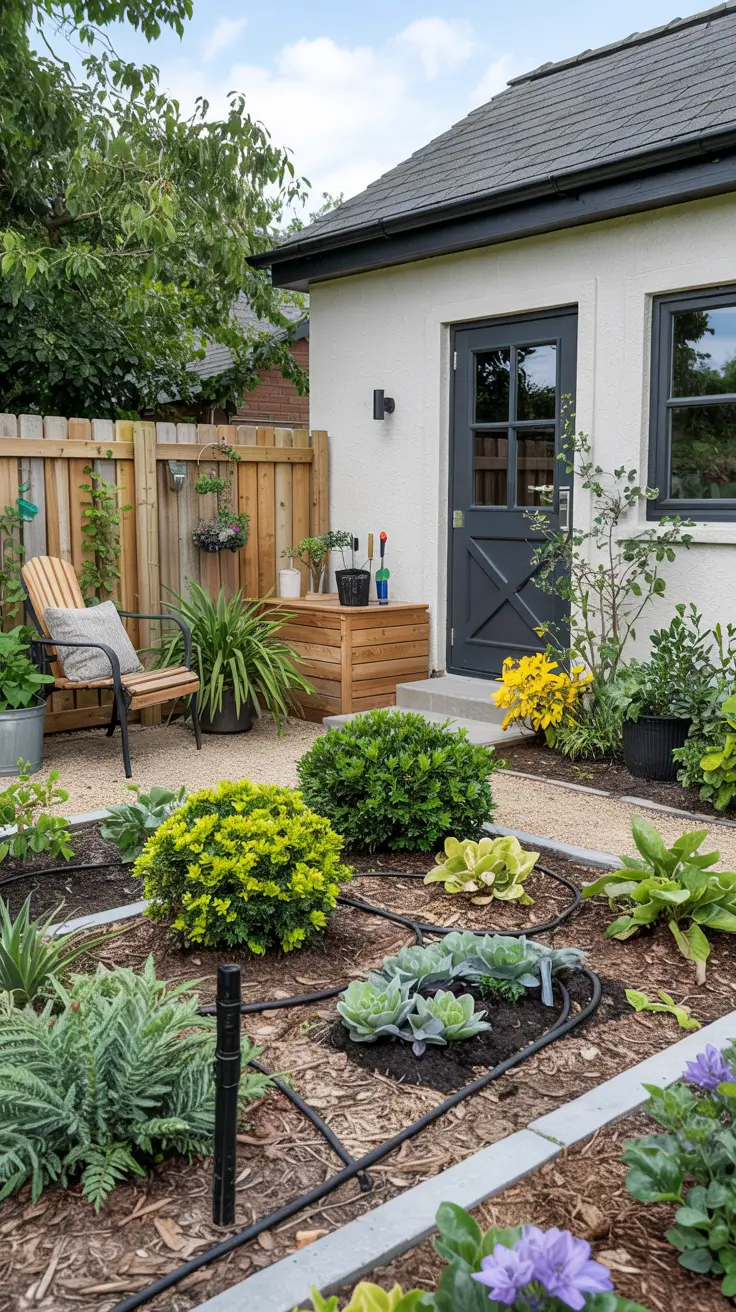
In my experience, the best tip is to embrace “good enough” timing. Many professionals recommend working with natural growth cycles and doing fewer, more meaningful tasks, and I agree with that approach. I prefer a monthly maintenance rhythm, where I do one focused job each weekend rather than constant small chores. I also keep a short note on my phone listing what I did and what needs attention next. That stops the garden from becoming mentally overwhelming, which is a common hidden barrier for busy homeowners.
What I would add is a simple plant tagging system, even temporary, so you remember what is where during the first season. I would also add a realistic water plan for heat waves, especially if you travel. If you have a lawn, I would consider reducing it to a smaller, cleaner shape so edging and mowing stay quick. Finally, I would add a bin for green waste that is easy to access so cleanup does not stall.
Low Maintenance Garden Ideas On A Budget Without Sacrificing Style
Low maintenance garden ideas on a budget work best when you invest in the elements that reduce upkeep. I focus spending on edging, paths, and irrigation first because they prevent recurring work. Style comes from consistency and smart repetition, not from lots of separate decorative items. I also plan for gradual upgrades, so the garden looks finished in stages. This makes low maintenance garden ideas on a budget uk or anywhere else feel achievable and not all-or-nothing.
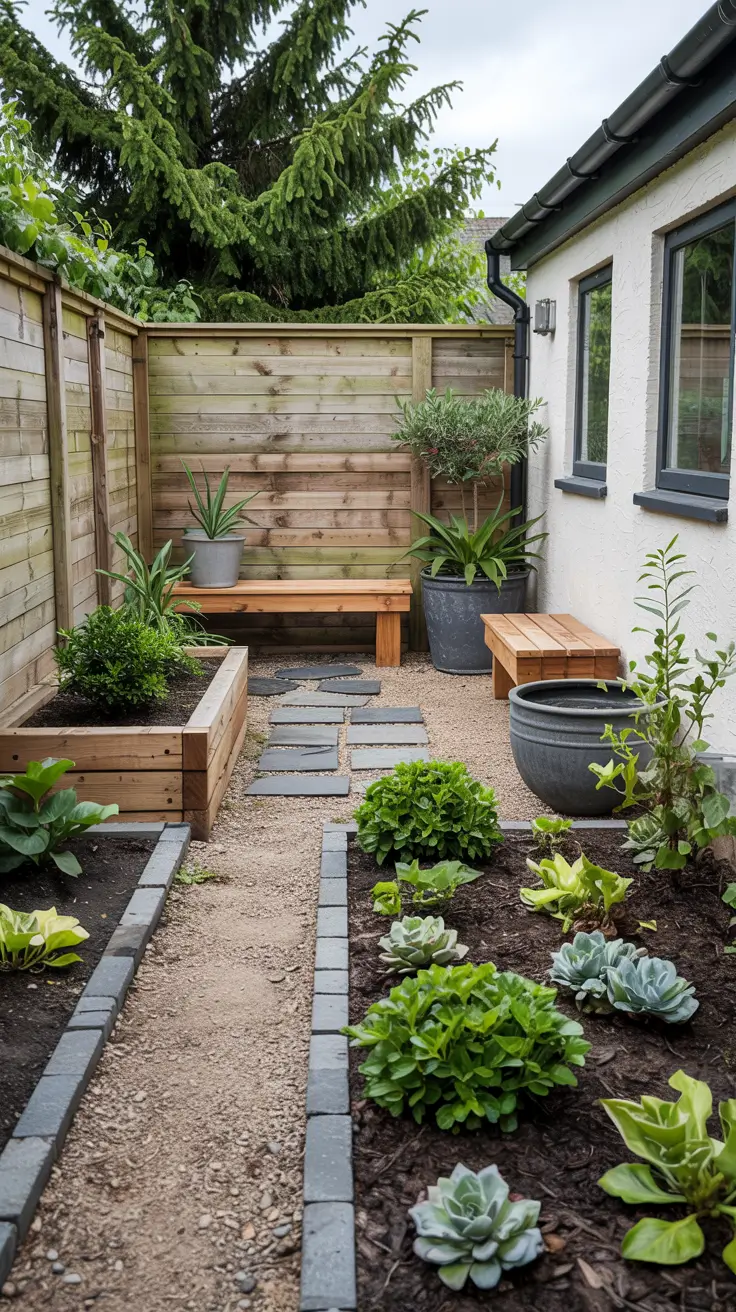
I often use gravel with sturdy edging as an affordable path that still looks modern. Reclaimed pavers can form a small patio, and a simple timber bench can be stained to match the house trim. I choose one or two large planters instead of many small pots because fewer containers mean less watering and less visual clutter. For planting, I use reliable perennials and tough shrubs in larger groups so the bed fills out without constant replacement. A low maintenance garden bed topped with mulch is one of the cheapest ways to look polished while cutting weeding time.
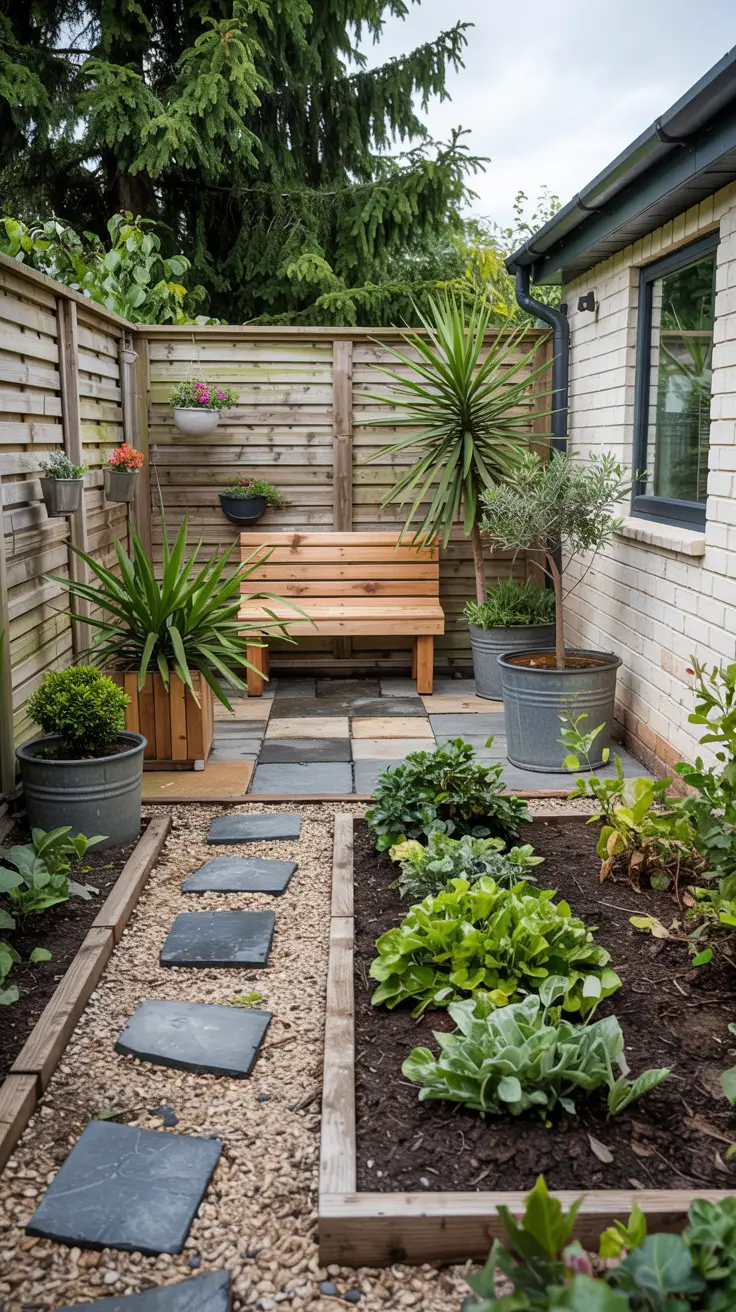
When I design with budgets, I follow the same principle many practical garden writers repeat – spend where it changes your workload. I have also seen that “cheap” can become expensive if it creates extra maintenance, like flimsy edging that shifts or small stones that migrate everywhere. I would rather build a smaller, well-defined space than a big, complicated one. That approach keeps the garden looking intentional and prevents the slow creep of weekend chores.
What I would add is a shopping list that prioritizes durable basics before decor. I would also add a phased plan, like phase one for path and seating, phase two for planting, and phase three for lighting. If you are in the Uk, I would include materials that handle damp conditions and reduce mossy slip risks. Finally, I would add one budget-friendly focal point, like a single feature shrub or a painted fence panel, to anchor the look.
Creative Low Maintenance Garden Ideas Landscaping For Any Yard Size
Low maintenance garden ideas landscaping can be creative without becoming complicated. I like to use a “small number of bold moves” approach that works for tiny courtyards and larger yards alike. This could mean a strong diagonal path, a defined gravel court, or a single curved border that softens a fence line. The trick is to keep the maintenance footprint small while making the view feel designed. That is how you get creativity that still reads easy and modern.
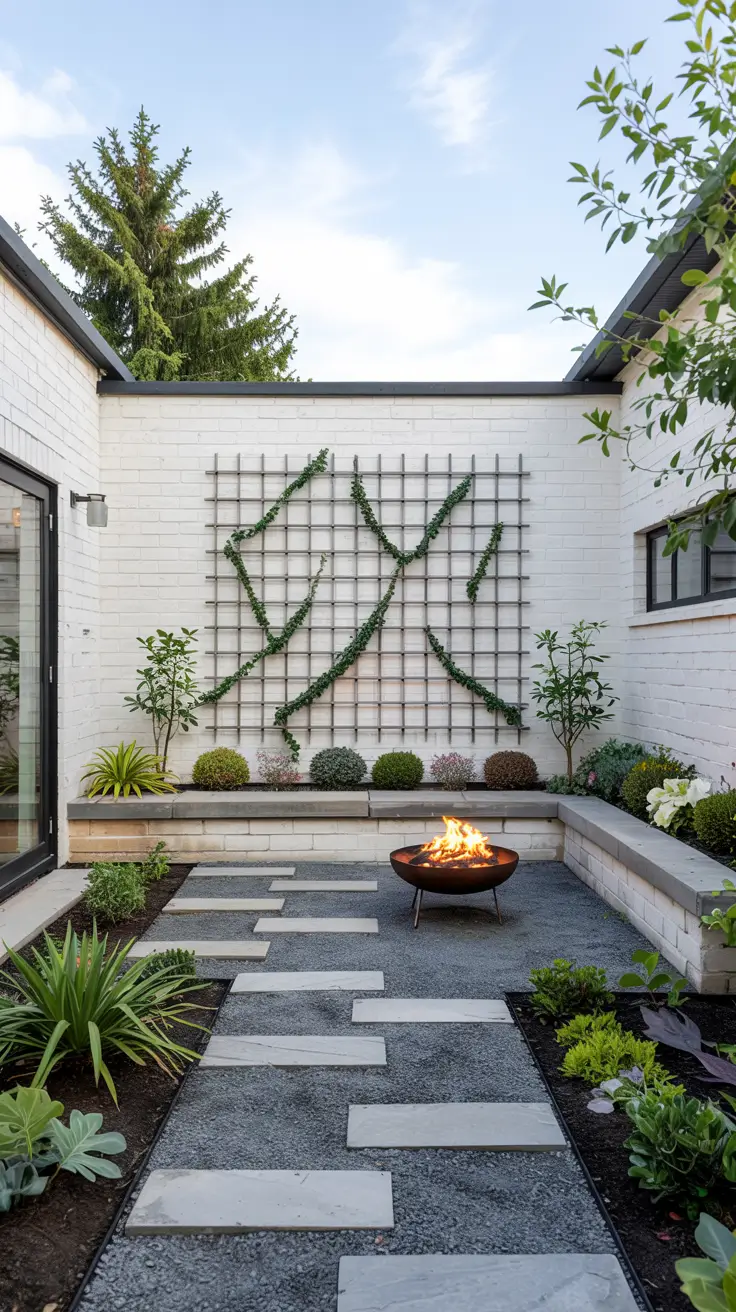
For small spaces, I use vertical elements like slim trellises, wall planters, and a narrow border to free up floor area. For medium and large yards, I often reduce lawn and replace it with a gravel or ground cover zone, plus a clean path connecting key areas. If you want a border that feels “Borders uk” inspired, I keep it in one continuous strip and repeat the same plant blocks for a calm rhythm. A simple fire bowl or an outdoor rug under a seating set can create a destination without building complex structures. I also add a consistent material palette so creativity comes from layout and planting, not from lots of mixed finishes.
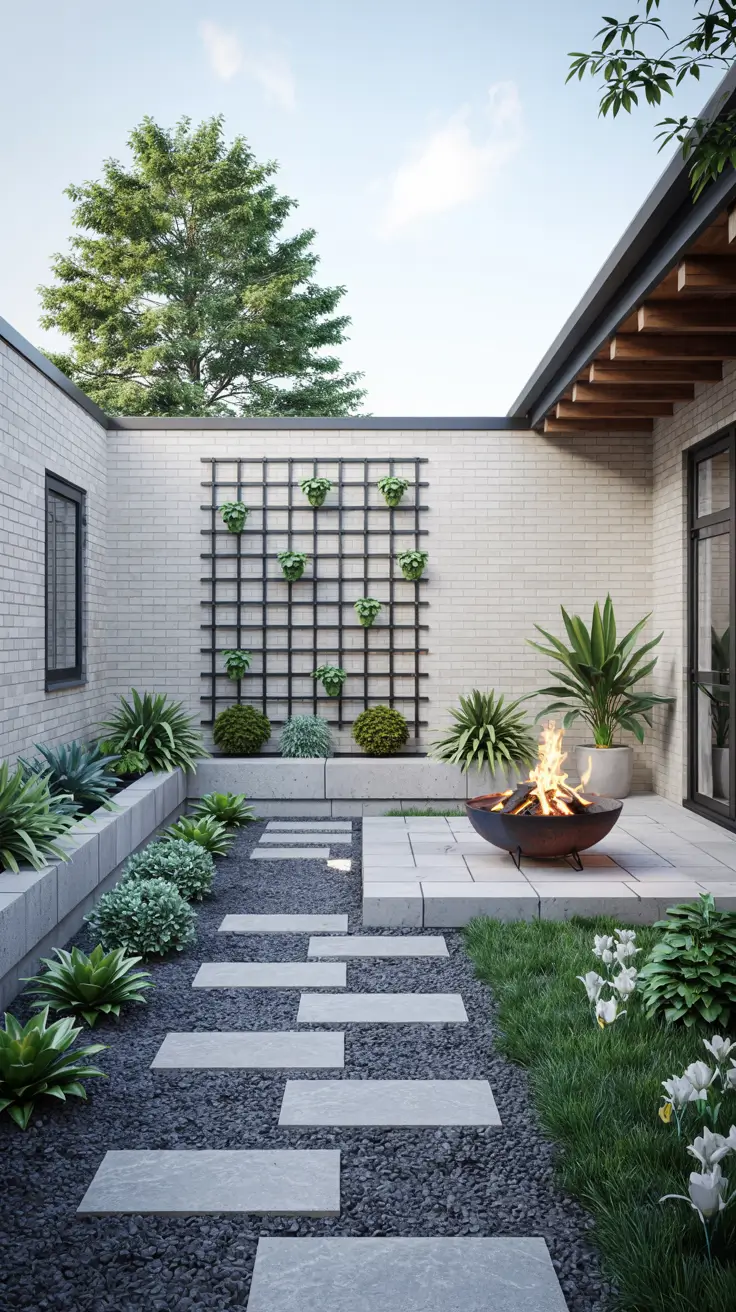
In my projects, the most creative gardens are the ones that commit to a clear concept. I prefer designing around one idea – like “courtyard calm” or “native texture” – and then repeating cues throughout. Designers often stress that repetition is what makes spaces feel sophisticated, and I see that consistently in outdoor settings too. I also try to make every creative choice earn its keep by either saving time or improving comfort. That balance keeps the garden fun but not demanding.
What I would add is a quick scale check to ensure furniture fits and paths stay generous. I would also add notes about drainage, because creative layouts can accidentally trap water if grades are ignored. If you have a slope, I would include simple terracing or a stepped path to reduce erosion and maintenance. Finally, I would add one storage solution that blends in so the space stays uncluttered.
Low Maintenance Garden Ideas UK Trends For Contemporary Homes
Low maintenance garden ideas uk trends for 2026 lean into contemporary structure, weather-friendly materials, and planting that thrives in cooler, wetter conditions. I prioritize surfaces that stay safe and attractive when damp, and I plan for winter interest so the garden does not feel flat. A clean path, strong edging, and evergreen backbone help the garden look tidy even in long rainy stretches. I also find that contemporary Uk gardens benefit from privacy-friendly layering without overcrowding. This is where low maintenance garden design meets calm, modern styling.
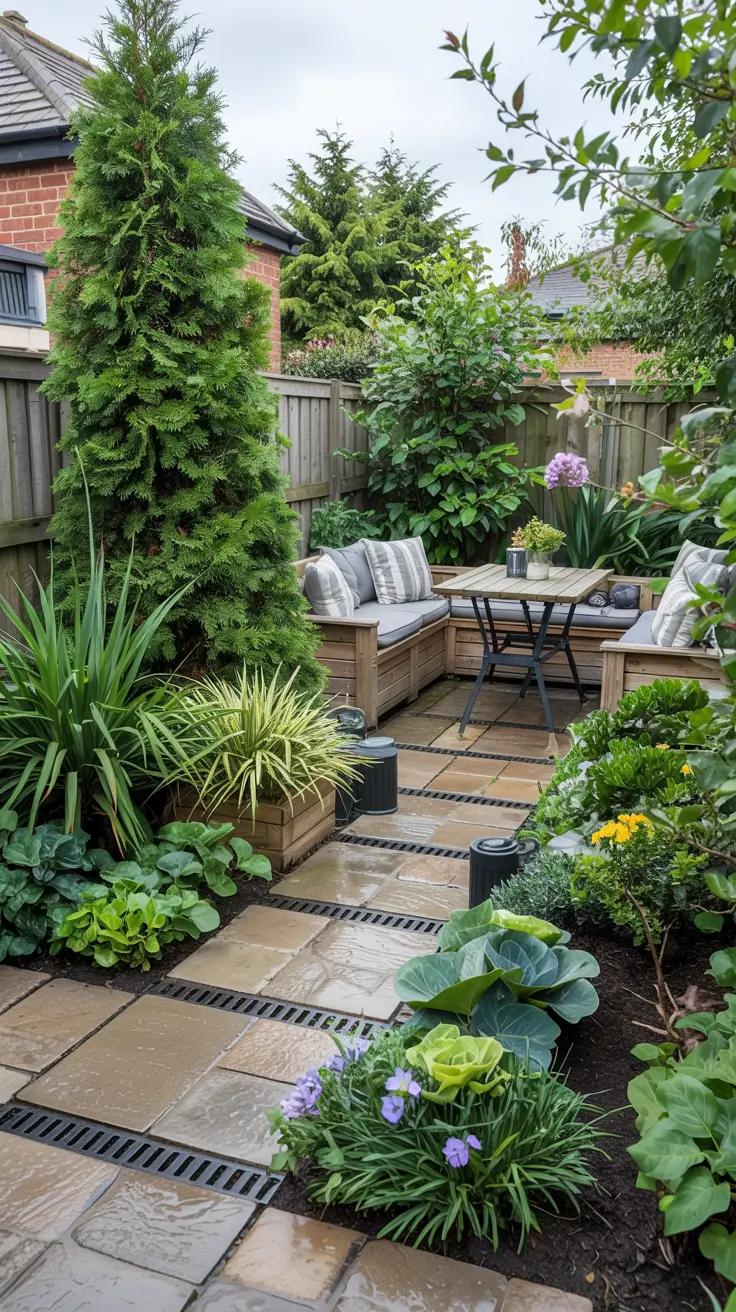
I use porcelain or textured pavers for patios, and I keep joints tight to reduce weed growth. For borders, I choose hardy shrubs, grasses, and reliable perennials that do not flop or demand constant staking. I include a sheltered seating corner with a simple bench and a compact table, plus a storage unit that protects cushions from moisture. If you want ideas on a budget uk, gravel with crisp edging is a popular and practical choice that looks contemporary with the right planting. I also add lighting that reflects off fences and foliage, which makes the space feel finished even when the sky is grey.
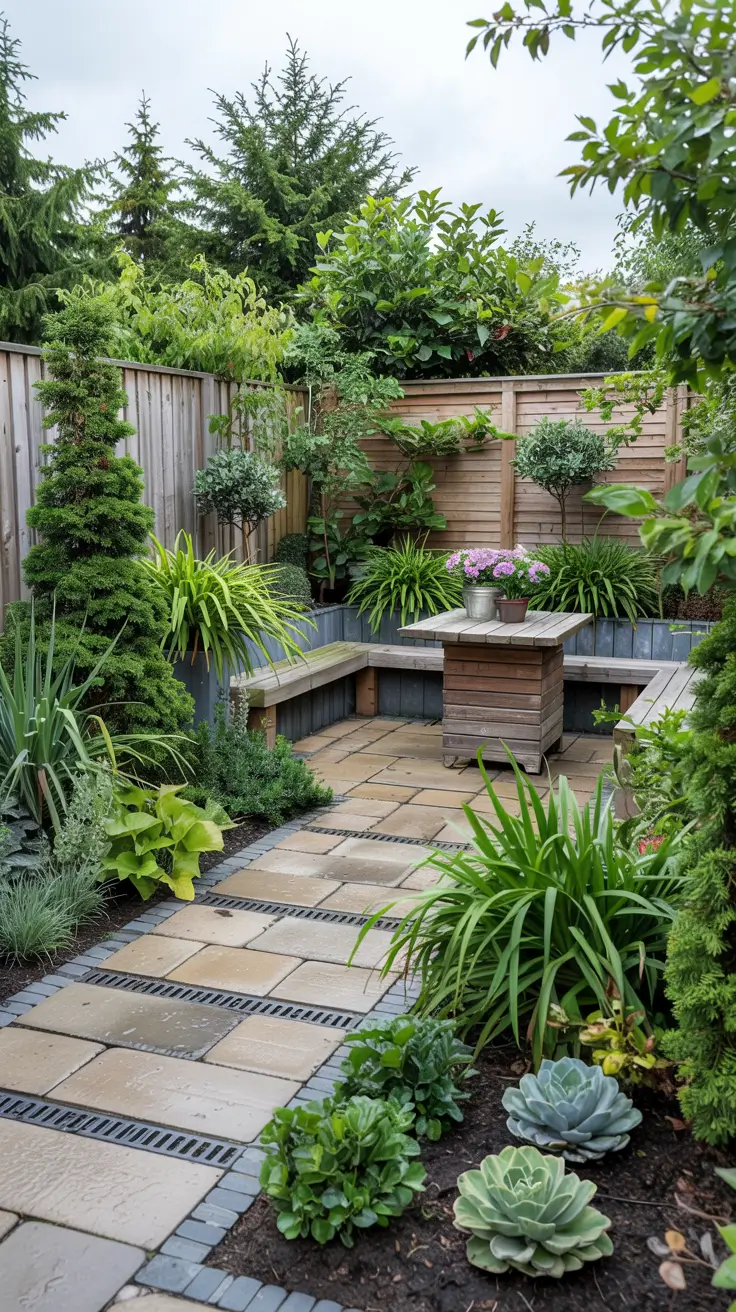
In my experience, the biggest Uk-specific shift is designing for resilience first. Many garden writers emphasize choosing plants that suit local conditions and building hardscape that handles moisture, and that advice pays off quickly. I also recommend planning a low maintenance gardening routine around the weather, with short tasks that fit between rain showers. If you build in easy access, like a clear path to the tap and a place to store tools, you will actually keep up with the basics. That is what makes the “low maintenance” promise real in day-to-day life.
What I would add is a moss and algae prevention plan, like improving airflow, choosing textured surfaces, and avoiding deep shade on key walking zones. I would also add a rainwater strategy, such as a slim water butt and thoughtful downspout placement, to reduce watering needs later. If your garden faces strong wind, I would include screening that is sturdy and low care. Finally, I would add a short list of low maintenance garden plants suited to your exact exposure so the planting stays consistent year round.
Practical Low Maintenance Garden Australian Style Inspiration
I approach an Australian style garden by designing for heat, sun, and irregular rainfall first, then layering beauty on top. A simple structure with clear zones makes upkeep easier because every area has a job, like entertaining, planting, or moving through the space. I like repeating shapes and materials so the garden reads as modern and calm even when plants are not perfectly trimmed. In 2026, the most practical low maintenance garden australian approach is to reduce lawn, increase hardscaping, and plant in grouped drifts rather than scattered singles. This creates a clean look that stays tidy with minimal weekly effort.
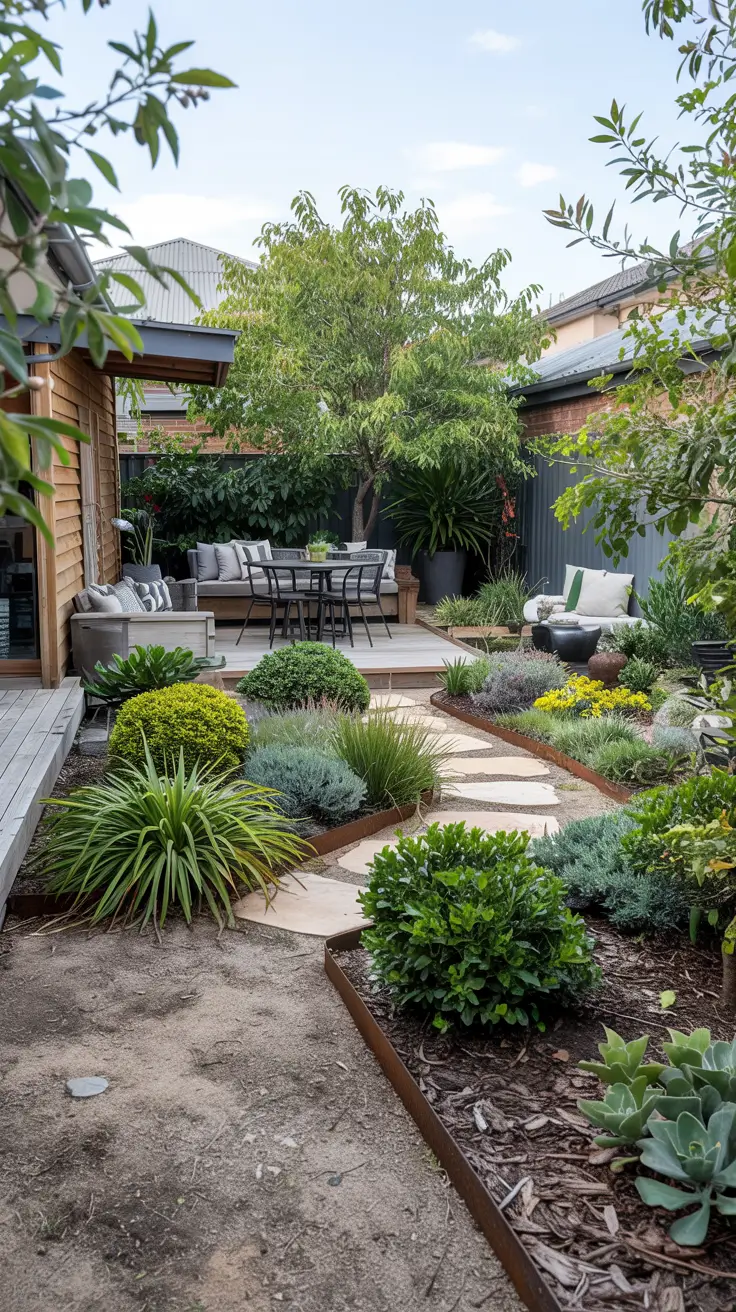
For materials, I rely on a wide path of gravel, decomposed granite, or large stepping pavers because they drain well and suppress weeds when installed over proper base layers. I often add raised planters or a defined low maintenance garden bed with steel or stone edging, since sharp borders prevent soil spill and stop lawn creep. For seating, a simple outdoor bench, a small dining set, or built-in seating on a low wall keeps the space functional without adding clutter. I include mulch heavily, usually chunky bark or gravel depending on the vibe, because it stabilizes soil moisture and limits weeding. Lighting matters too, so I add a few low-voltage path lights to keep the design finished without ongoing maintenance.
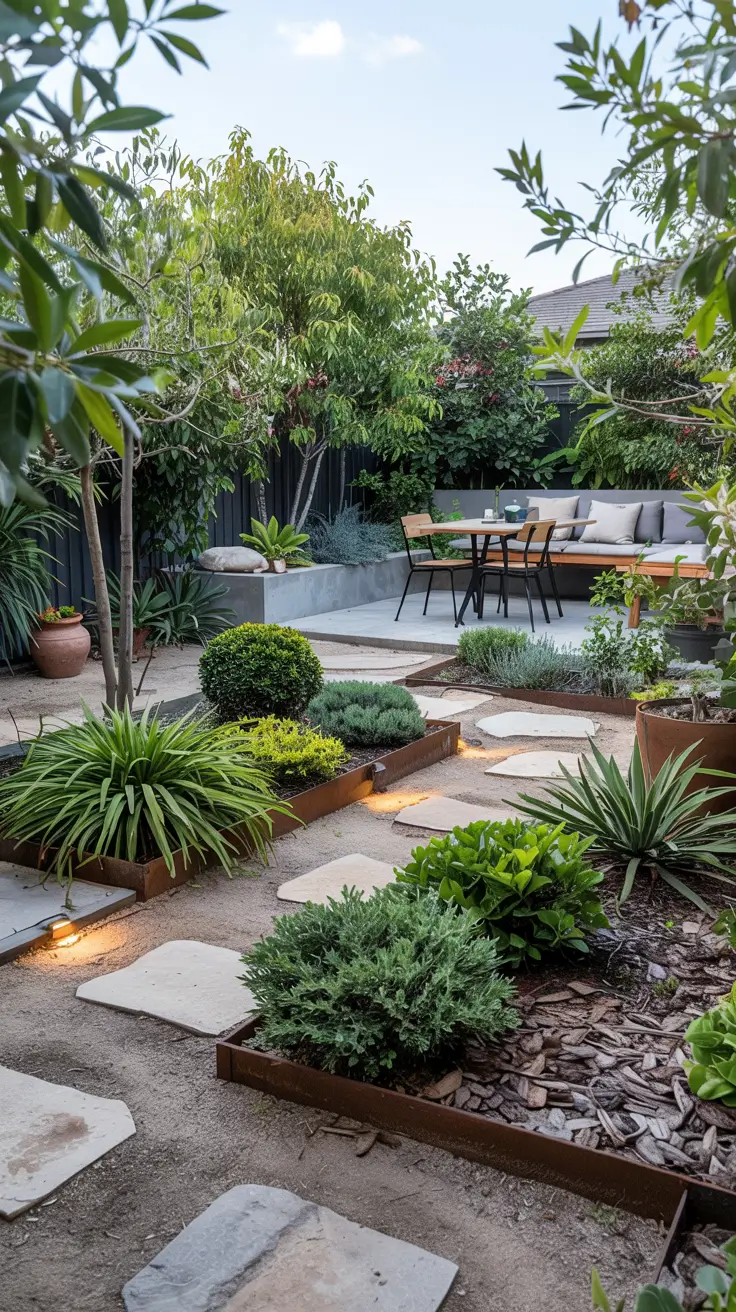
In my own projects, the biggest difference comes from committing to fewer plant types and repeating them, rather than collecting one of everything. I also plan irrigation from day one, even if it is minimal, because consistent deep watering early helps plants establish and then thrive with less attention later. Many designers emphasize choosing the right plant for the right place, and I agree because it prevents constant rescuing and replacing. I treat maintenance like a design feature, not an afterthought, and it makes the garden feel effortless instead of demanding. When the structure is strong, the garden still looks good during dry spells, holidays, and busy seasons.
What I would add to strengthen this section is a quick audit list you can run before starting, such as sun hours, wind exposure, and how water moves after rain. I would also add one or two focal points, like a sculptural pot or a small tree, so the space feels intentional without adding chores. If you are working with Ideas on a budget, I would add a phased plan so you build the hardscape first and plant later in stages. I would also include a note on selecting durable finishes that do not stain easily, since that is a quiet maintenance saver. Finally, I would add a reminder to keep access paths wide enough for a wheelbarrow, which makes every future task faster.
Easy Low Maintenance Garden Bed Ideas For Front And Backyards
When I design easy beds, I start by making the shapes simple and repeatable because complicated curves can create more edge trimming and more places for weeds to hide. I like long rectangles, generous arcs, or clean L-shapes that fit the yard, whether it is a small Australian front yard or a larger Australian backyard. The goal is a low maintenance garden design simple enough that you can understand it at a glance and care for it in short sessions. I also design beds around how you actually move, so the path and bed ideas work together rather than competing. A clean plan saves time every single week.
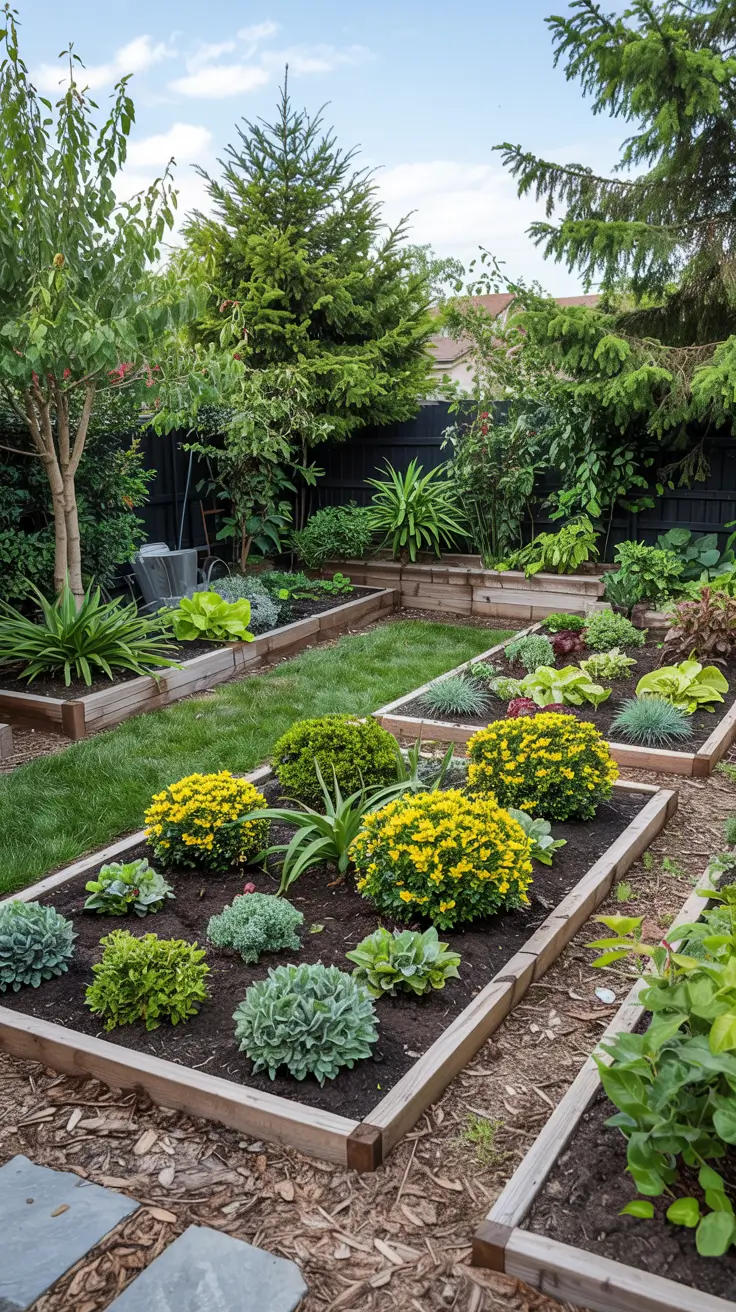
For bed construction, raised beds are my favorite because they improve drainage, reduce bending, and let you control soil quality. If a raised bed is not practical, I still create a defined low maintenance garden bed with a crisp edge, then fill it with one or two groundcovers and a few reliable shrubs. I often include a narrow path alongside the planting so you can reach everything without stepping into soil and compacting it. For low maintenance garden ideas on a budget, I use simple timber, corrugated metal, or concrete pavers for the bed border, and I keep heights consistent. A top layer of mulch or gravel finishes the bed, reduces evaporation, and makes the planting look more modern.
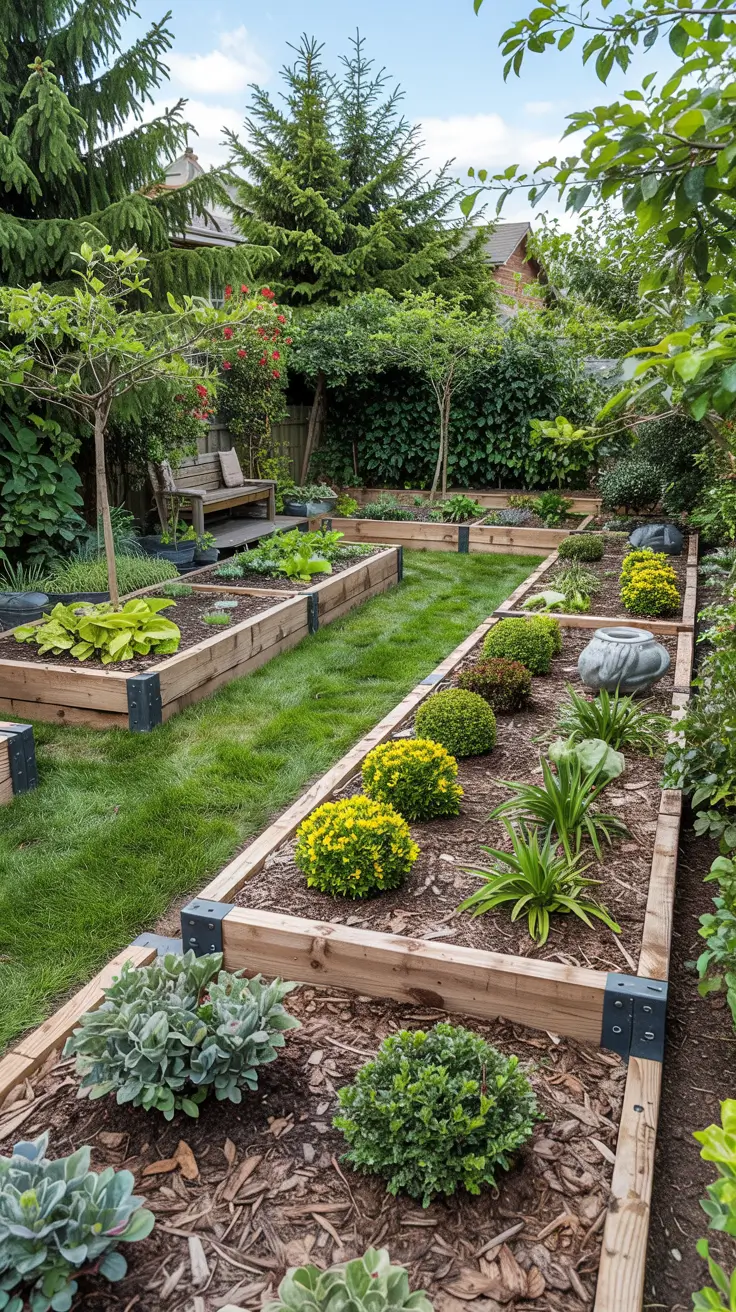
From experience, the biggest mistake is making beds too narrow and fussy, then stuffing them with plants that need constant grooming. I prefer fewer, larger plant masses because they shade the soil and reduce weeds naturally. If you want a border look, I build a Border with one repeating plant and keep the rest as a calm backdrop, because Borders uk style can still be easy when repetition is the rule. I also recommend leaving a small empty pocket in each bed so you can add seasonal color later without ripping things up. That flexibility keeps the design feeling fresh without creating more maintenance.
What I would add here is a simple spacing rule so you do not overplant, since overplanting creates more pruning and disease. I would also add a note about installing a weed barrier only under gravel areas, not under planting, because organic beds do better with breathable mulch layers. If you are planning Ideas landscaping, I would add a reminder to align bed edges with the house lines for a modern look that is easy to mow or trim. I would also add a checklist for bed soil, including compost, drainage, and a slow-release fertilizer at planting. Finally, I would add an option for a drought-tolerant drip line so watering stays hands-off.
Best Low Maintenance Garden Plants For Effortless Beauty
When people ask me for low maintenance garden plants, I focus on plants that hold their shape, tolerate dry spells, and do not drop messy litter constantly. I also prioritize plants that look good in groups, because repetition creates a designed feel with less fuss. In 2026, the most reliable low maintenance gardens lean on evergreen structure, texture, and a limited palette rather than constant flowering rotations. I choose plants that match the sun exposure first, then I match the color and form to the Modern style you want. That approach reduces replacements, which is the hidden maintenance cost.
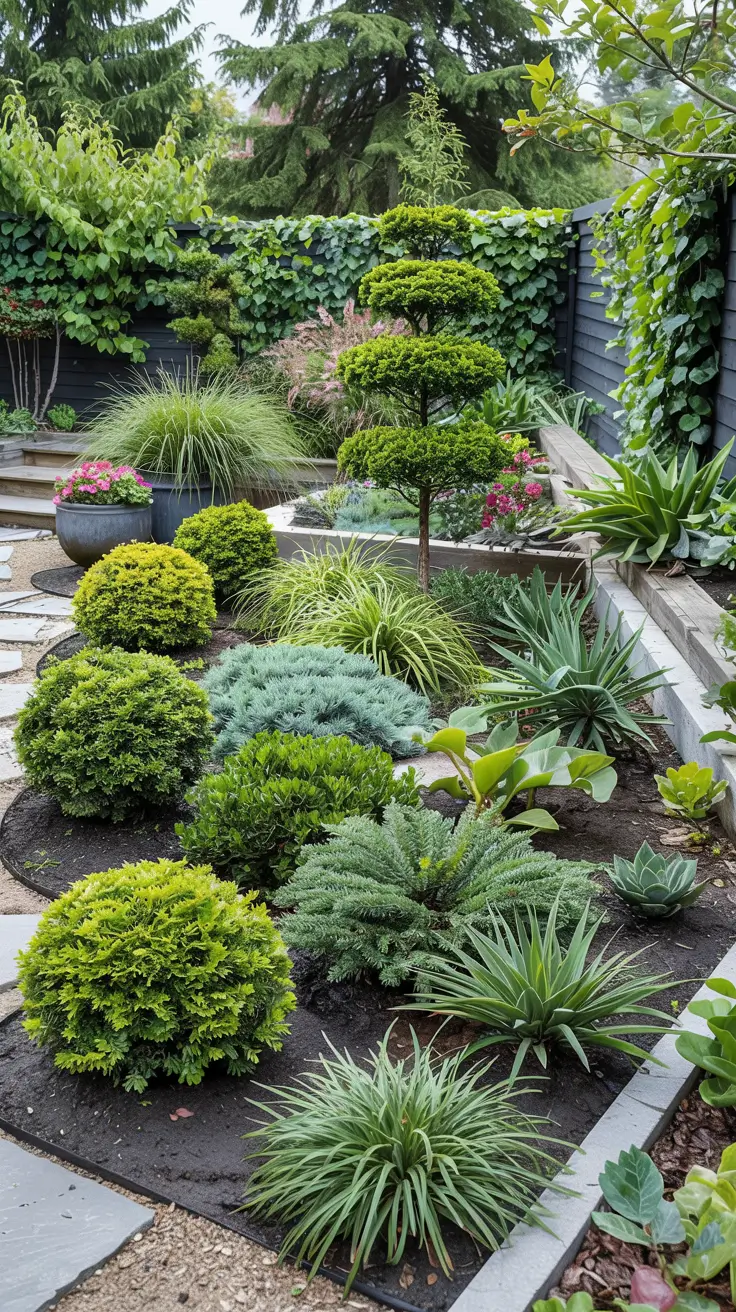
For a sunny spot, I often use tough shrubs and grasses that handle heat, plus groundcovers that fill gaps and block weeds. In part shade, I use plants with strong foliage that do not require frequent deadheading, because flowers can be beautiful but they often demand more attention. I like including a few statement plants in pots, since pots let you control soil and move plants if needed, and they can add style without expanding bed work. I also select one or two small trees for canopy and scale, because a tree can cool the garden and reduce water stress across the site. For gardeners in the Uk, I adapt the plant choices but keep the same logic, which is why low maintenance garden ideas uk plans often look similar in structure even when plant varieties differ.
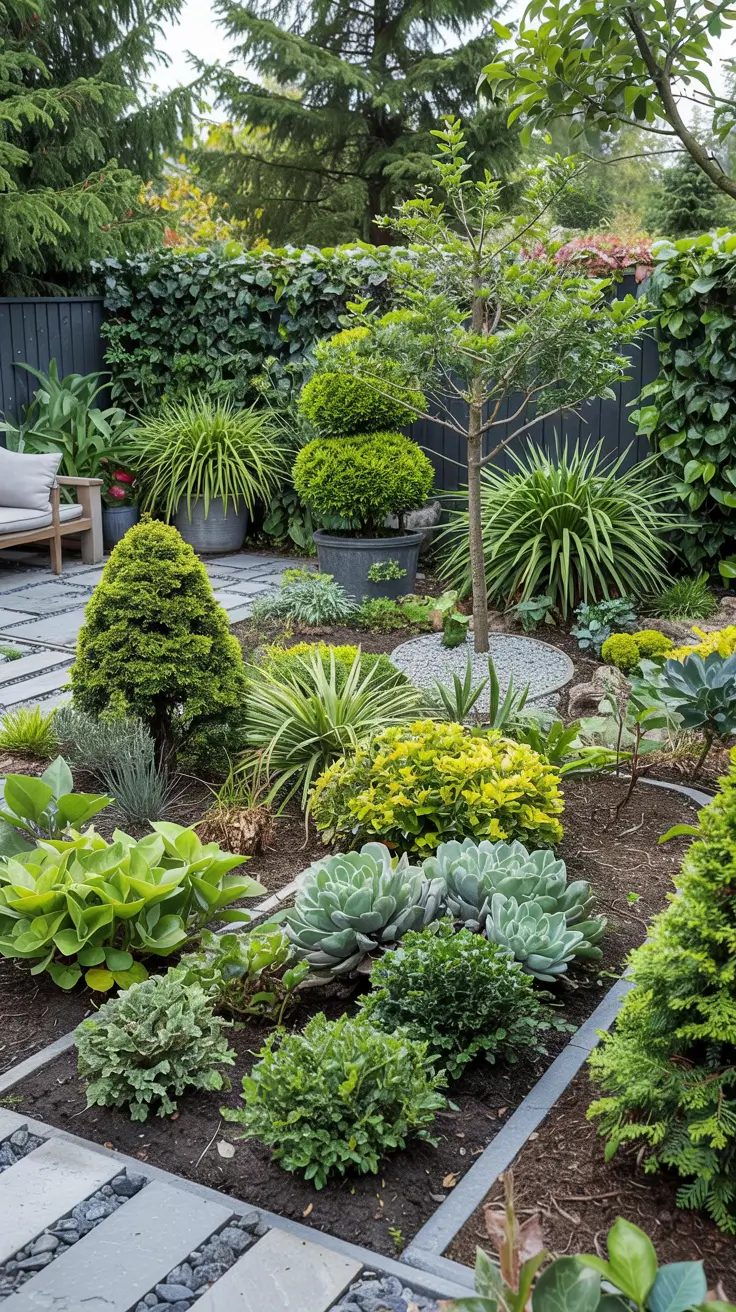
In my own planting plans, I always include at least one plant that stays attractive year-round, because it prevents the garden from looking empty in off seasons. I also pay attention to mature size, since choosing the right size prevents constant pruning later. Many professional landscape voices emphasize matching plant growth habits to the available space, and I treat that as a non-negotiable rule because it directly controls your workload. If you want the garden to feel lush without work, I use layered heights, like groundcover, mid shrubs, and one taller accent, rather than lots of individual accents. The result feels full and modern while still being Easy to maintain.
What I would add to complete this section is a quick plant selection template you can reuse, such as evergreen base, flowering accent, grass texture, and groundcover filler. I would also add a note on choosing disease-resistant varieties, especially for humid climates, because that prevents constant troubleshooting. If you are aiming for Ideas uk specifically, I would add a short list of classic hardy plant types that tolerate damp weather and still look tidy. I would also add guidance on pot placement, such as clustering pots near seating to concentrate maintenance in one zone. Finally, I would add a reminder to leave access space for mulching and trimming, because crowded planting makes even simple tasks harder.
Australian Native Plants For A Low Maintenance Garden Australia
I love using Australian native plants because they are often naturally suited to local conditions, which can reduce watering and increase resilience. For a low maintenance garden Australia plan, I design with natives in sweeps so the garden looks cohesive and intentionally local. Native planting also supports wildlife, and it can make the garden feel alive without you constantly managing it. I still keep the layout modern by pairing natives with clean hardscape lines and simple bed geometry. This combination gives a contemporary feel while keeping the plant care realistic.
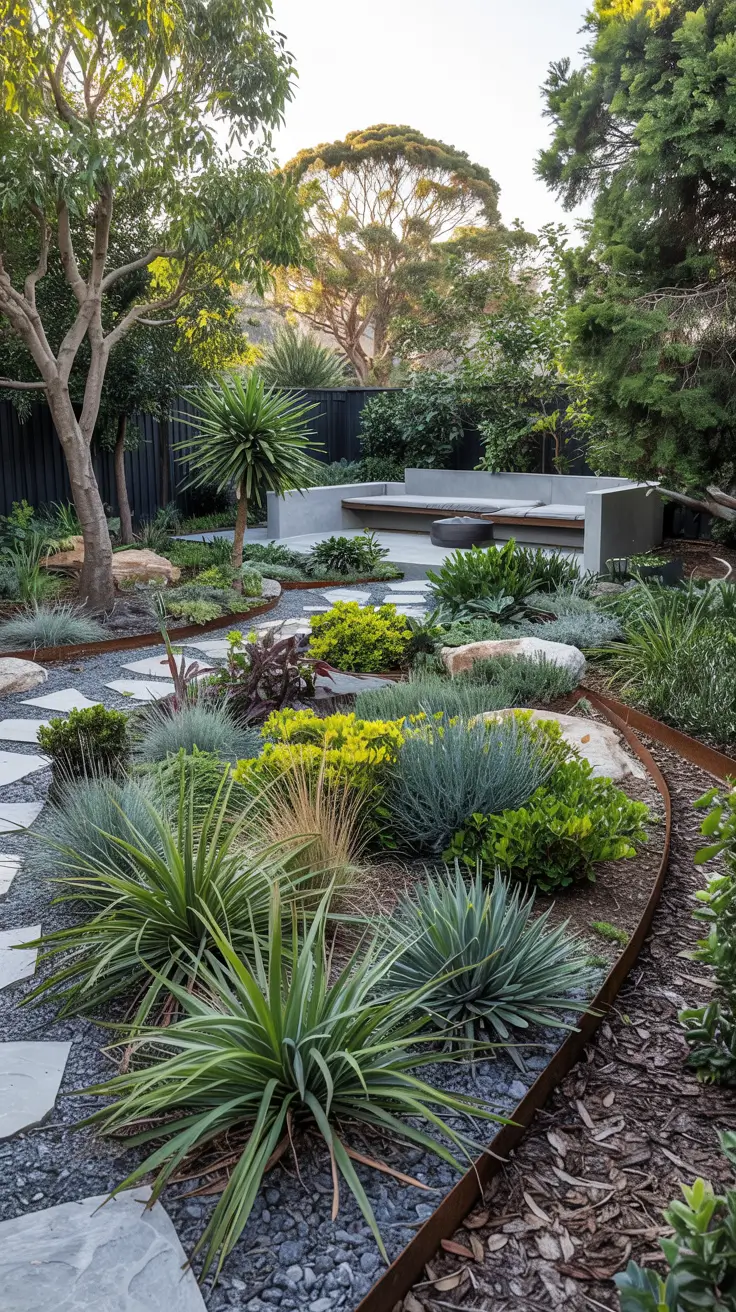
For structure, I use native shrubs that hold shape and native grasses that move beautifully in wind without needing constant cutting back. I also include a few feature natives that provide height and focus, like a small tree or a sculptural large shrub, because they create a strong framework. A defined Path, whether gravel or pavers, helps keep traffic off planting and reduces compaction, which keeps plants healthier. I often pair natives with a gravel mulch, since it suits the look and helps with drainage in many Australian settings. If the space is an Australian backyard, I include a simple seating zone with weatherproof furniture so the garden is used, not just viewed.
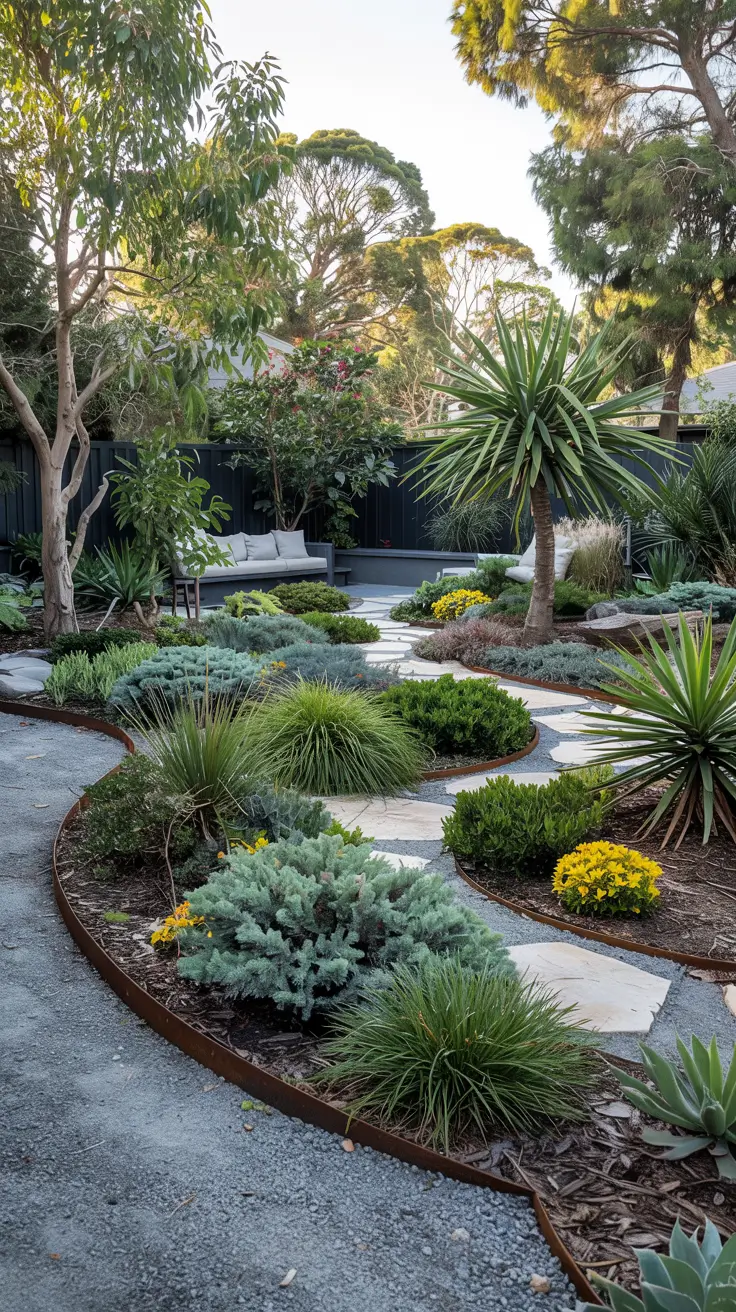
In practice, I find natives still need a good start, which means soil preparation and consistent water during establishment. After that, many native schemes become genuinely low touch, especially when planted densely enough to shade the soil. I also avoid mixing natives with plants that demand rich, damp soil in the same bed, because conflicting needs create extra work. Many landscape professionals stress that maintenance drops dramatically when you reduce plant stress, and plant stress is usually caused by wrong placement, poor soil, or inconsistent water early on. When I follow those basics, a native garden becomes one of the most forgiving options I can recommend.
What I would add here is a simple seasonal care rhythm, like a light prune after flowering for certain shrubs and a top-up of mulch once or twice a year. I would also add a tip on grouping by water needs, even within native selections, so irrigation can be minimal and targeted. If you are designing an Australian front yard landscape, I would add a note about sightlines to windows and entry paths so the garden stays welcoming and not overgrown. I would also add a reminder to check council or local guidelines if you are near bushland, because plant choices can matter for safety and compliance. Finally, I would add a small plan for replacing any early failures in year one, because that is normal and helps you reach a stable, low maintenance stage faster.
Modern Australian Front Yard Low Maintenance Garden Design
A modern Australian front yard works best when the design is clear, restrained, and easy to read from the street. I focus on strong lines, a simple plant palette, and durable materials that do not show every bit of dust or leaf litter. The front yard is where low maintenance garden design pays off the most, because you want it to look neat even when you are busy. I usually reduce open soil areas and replace them with planted massing, gravel, or defined paving so the space stays tidy. The result is modern curb appeal with less weekend work.
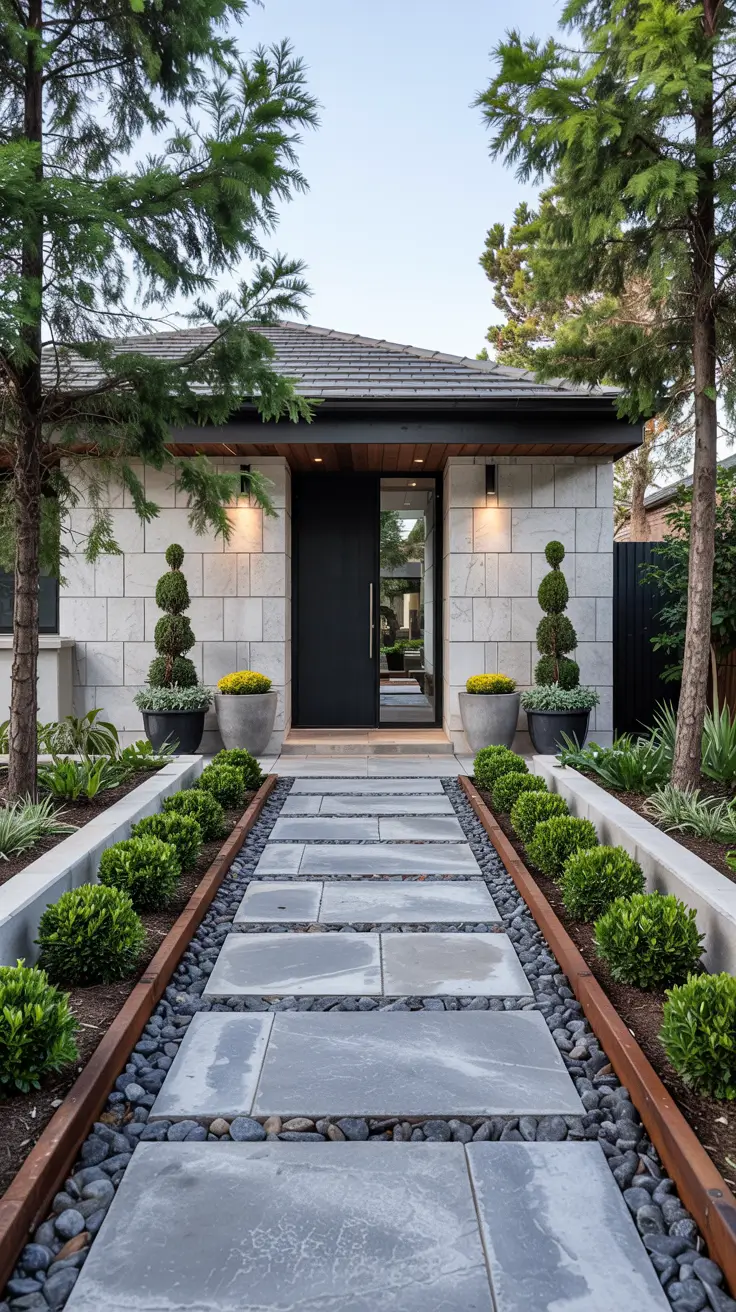
For layout, I create a direct path to the entry and frame it with one or two planting beds that mirror each other for symmetry. I use a limited selection of low maintenance garden plants, like evergreen shrubs and architectural grasses, and I repeat them to keep the look consistent. A few large pots near the door add style and let you feature seasonal color without reworking beds, which is great for Ideas on a budget because you can update slowly. I keep the Bed edges crisp with metal or stone edging, because edging is a maintenance tool as much as a design detail. If the home sits in a hot area, I add a light-colored gravel or paving finish to reduce heat build-up around the entry.
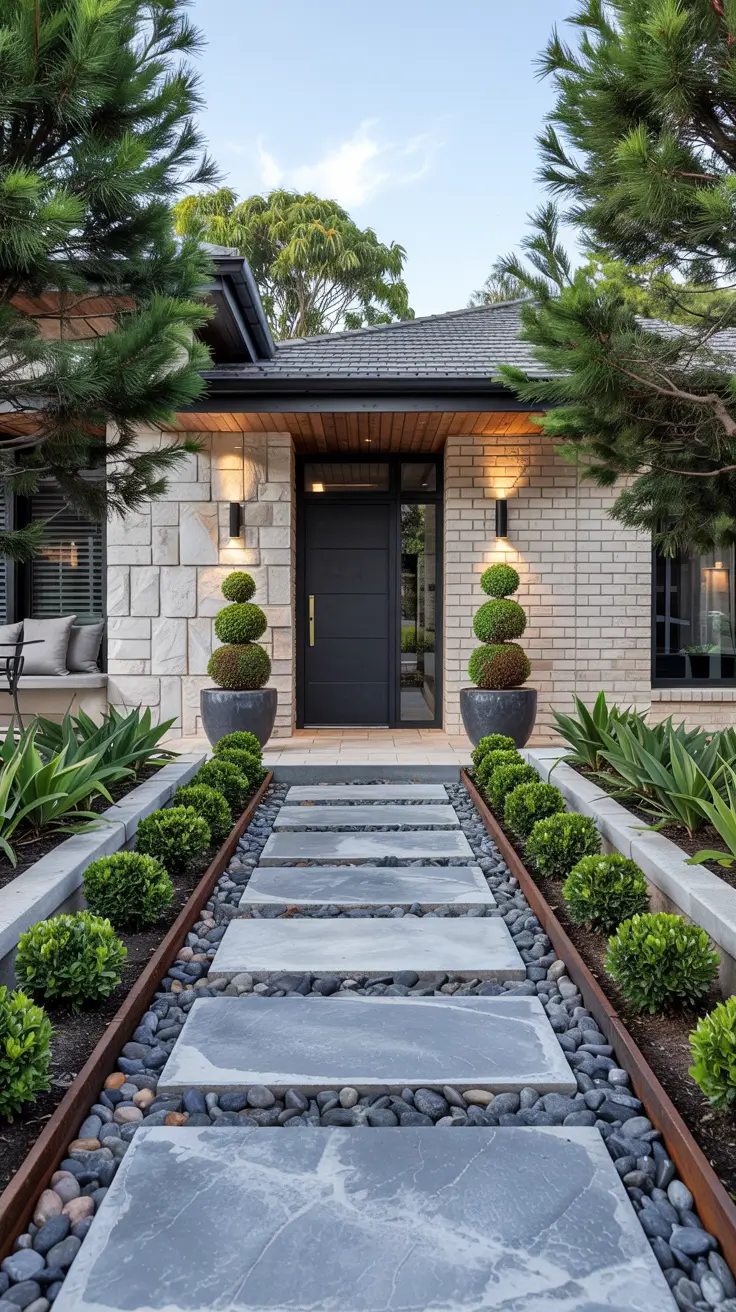
From my perspective, the front yard looks best when you avoid tiny fussy accents and instead choose one focal statement, like a feature tree or a sculptural plant. I also recommend designing for how you actually arrive, including space for bins, parcels, and turning zones, because practical needs can ruin a clean look if they are ignored. Many design-focused media discussions around modern exteriors highlight restraint and repetition, and I find that principle especially useful for keeping maintenance low. If you want the garden to stay modern, keep the material palette tight, like two hardscape finishes and one main plant texture. That discipline keeps the front yard calm and consistently presentable.
What I would add to refine this section is a quick guide for selecting a feature tree size so it fits the scale of the house without needing constant pruning. I would also add a note about lighting placement, like a few low spikes to wash plants and a subtle entry light to make the space feel finished at night. If you are in Australia, I would add a reminder about plant placement near driveways where heat and reflected glare can stress foliage. I would also add a tip on choosing gravel sizes that stay in place and do not migrate into the path. Finally, I would add an optional rain garden detail near downpipes, since capturing runoff can reduce watering needs over time.
Australian Front Yard Landscape Ideas With Minimal Upkeep
When I develop Australian front yard landscape ideas, I start with the simplest question: what will make this look clean from the street with the least ongoing effort. I design around bold shapes, clear borders, and a strong path so the yard reads well even when plants are between growth cycles. Minimal upkeep comes from removing fragile elements and replacing them with hardy structure and repeat planting. I also plan for maintenance access, because if you cannot reach it easily, it will not stay tidy. With the right layout, the front yard can look polished without constant attention.
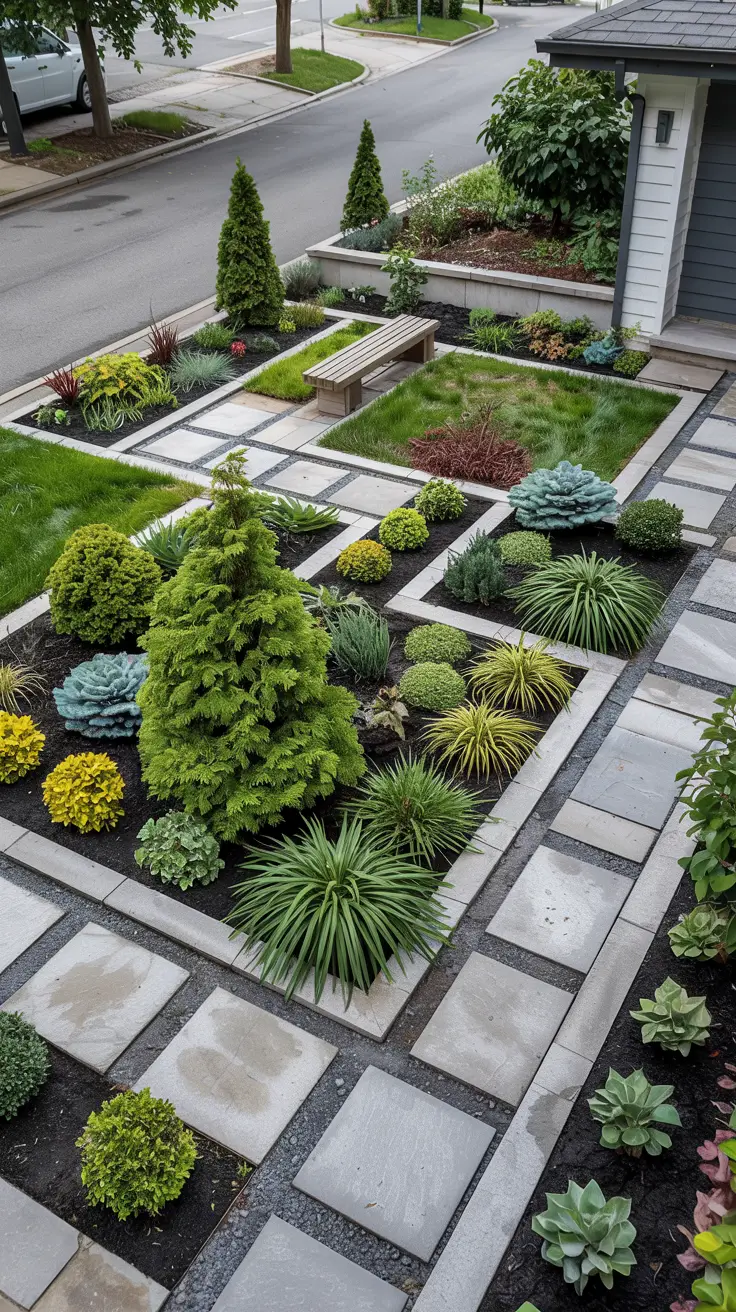
For planting, I use a backbone of evergreen shrubs, then add grasses for movement and a groundcover layer to suppress weeds. For hardscape, I like a simple path of concrete steppers or pavers with gravel joints, since it looks modern and drains well. If there is space, I include a small sitting spot or a simple bench, not because it needs to be used daily, but because it signals intention and makes the landscape feel designed. For low maintenance garden ideas landscaping, I keep lawn to a small, purposeful patch or remove it entirely, since lawns are one of the highest maintenance elements. A crisp edge between gravel and planting does a lot of work visually and practically.
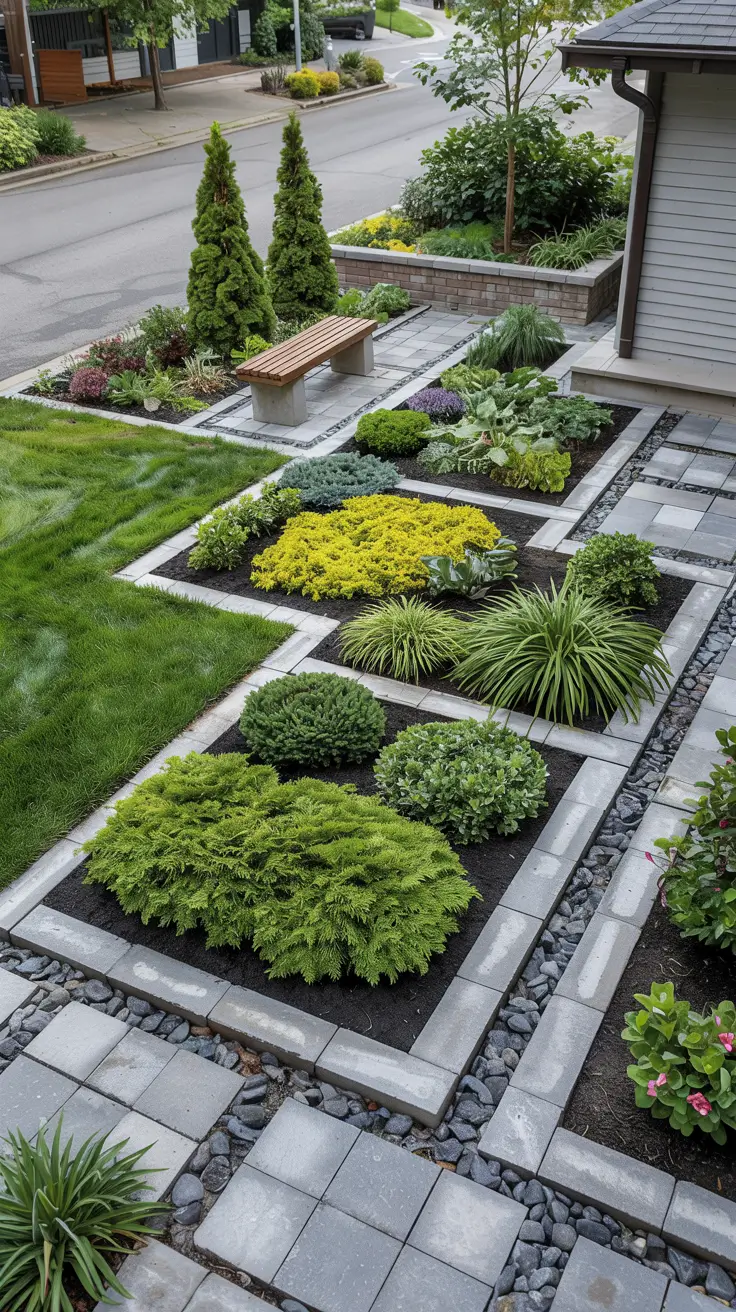
In my experience, the fastest way to reduce upkeep is to stop fighting the site conditions and instead lean into them. If it is windy, choose plants that do not snap or shred, and if it is hot, choose plants that do not wilt dramatically. I also keep plant heights controlled near windows and walkways, because constant trimming is a time drain. Many professional landscapers talk about designing for mature size, and I apply that by spacing plants correctly and allowing them to fill in naturally. When everything has room to grow, the garden stabilizes and needs fewer interventions.
What I would add to complete this section is a simple maintenance schedule that fits real life, like a 20-minute monthly tidy and a seasonal refresh. I would also add a note on weed prevention during installation, including proper base prep under gravel and thick mulch in beds. If you want Ideas landscaping that stay modern, I would add a materials guide so you choose finishes that weather evenly and do not look patchy. I would also add a suggestion for an automatic drip irrigation timer, since small automation is one of the biggest maintenance savers. Finally, I would add an option for a small feature rock or sculptural element, since a strong focal point reduces the need for lots of plants.
Simple Low Maintenance Garden Design For Small Spaces
Small spaces are where simple planning makes the biggest difference, because every choice is visible and every maintenance task feels magnified. I treat a small garden like an outdoor room, with a clear path, a main seating zone, and a single strong planting bed rather than lots of tiny pockets. A low maintenance garden design simple approach means fewer materials, fewer plant types, and clear borders that keep everything in place. I also use vertical elements carefully, like a slim screen or trellis, to add privacy without adding a lot of pruning. The goal is to make the space feel larger and calmer while staying easy to care for.
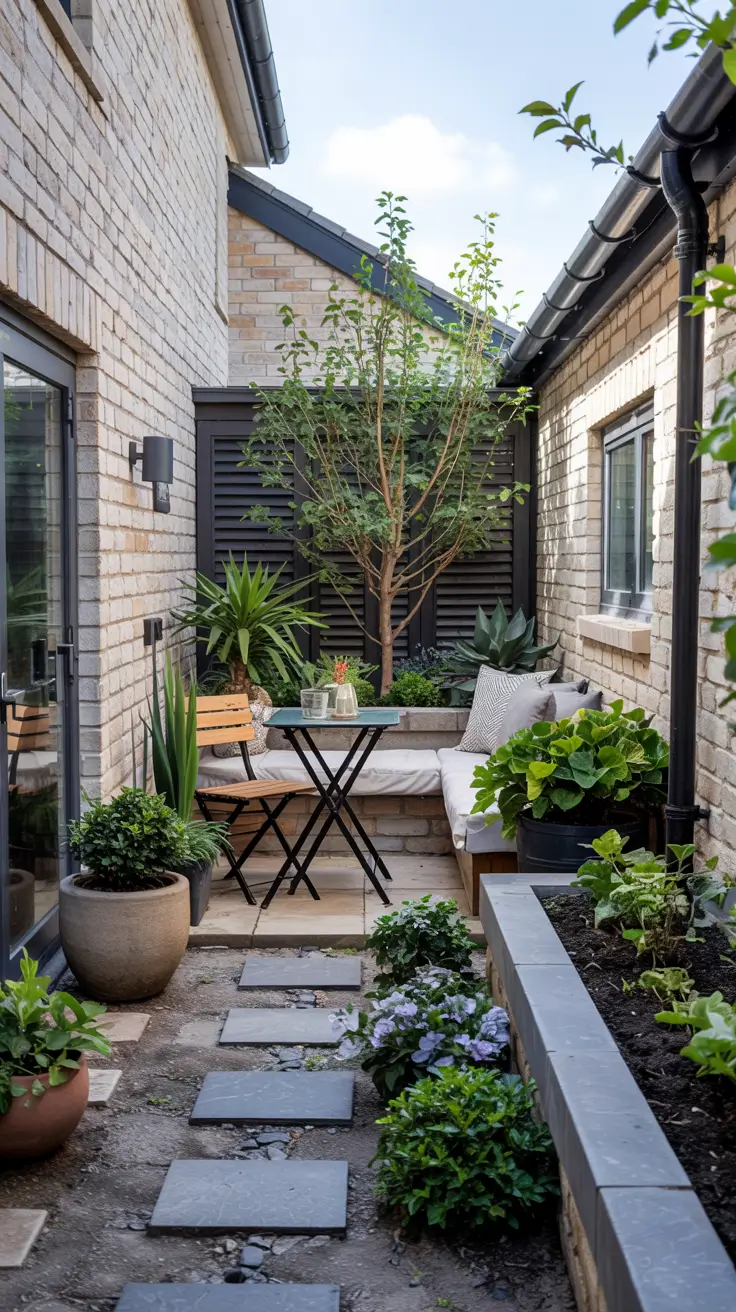
For the layout, I use a narrow path or stepping stones to guide movement and prevent trampling plants. I often include built-in seating or a small bistro set, because movable furniture can create clutter and make cleaning harder in a tight footprint. A single raised bed along one edge can function as the main green feature and keep plants contained, which is ideal for low maintenance garden bed ideas in compact yards. I keep pots limited to two or three large ones, since many small pots increase watering and rearranging. For small Uk gardens, I keep the same structure but adapt plant choices to suit cooler, wetter conditions, which is why Ideas uk planning still benefits from the same clean layout rules.
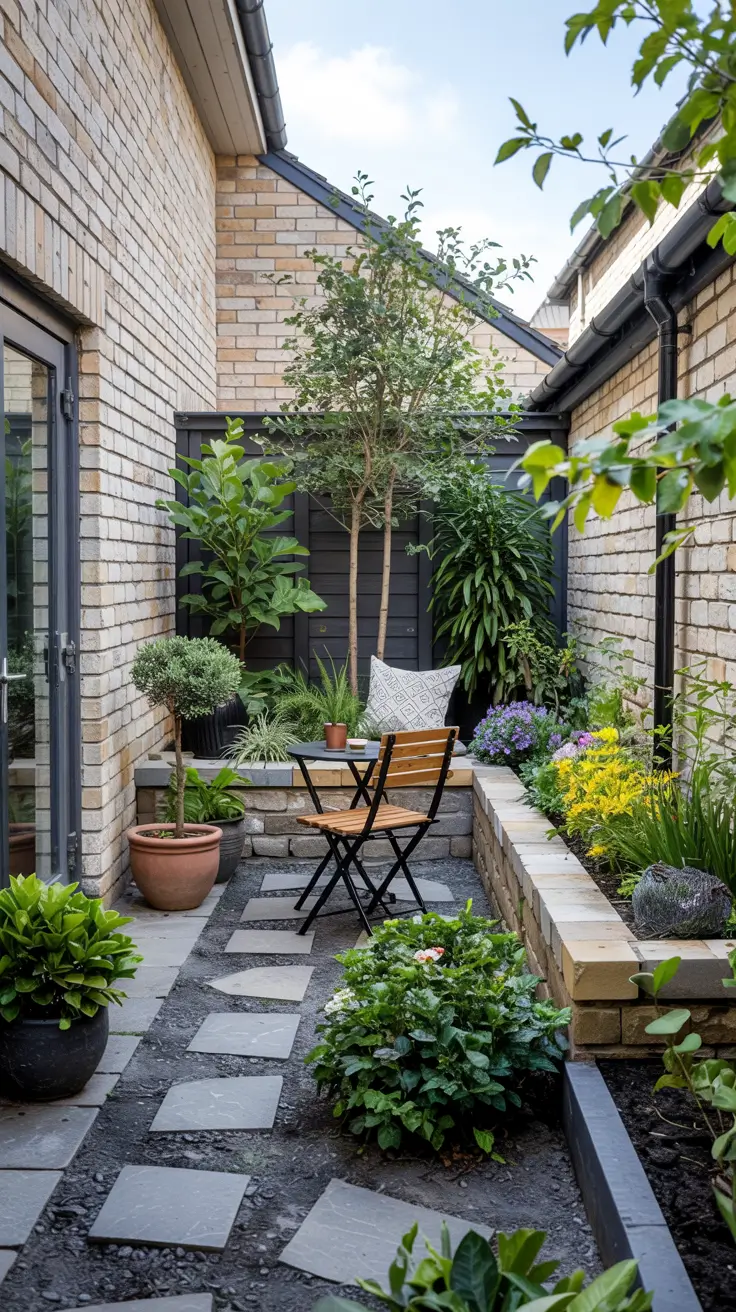
In my own work, I find small gardens become low maintenance when you reduce visual noise and choose plants that look good most of the year. I also avoid fast-growing hedges in tight spaces unless the owner truly enjoys trimming, because hedge maintenance can dominate the whole garden. Many designers advise creating one focal point, and I agree because it simplifies the design and reduces the urge to add more elements. In a small space, one beautiful feature, like a sculptural pot, a small tree, or a textured wall, can do more than ten extra plants. That is how I keep small gardens modern and manageable.
What I would add here is a compact planting plan that shows a high, medium, and low layer so the bed feels complete without needing constant additions. I would also add a note on drainage, since small courtyards can trap water and stress plants if the surface falls are wrong. If you are working with Ideas on a budget uk, I would add suggestions for affordable finishes like gravel, standard pavers, and simple timber seating. I would also add a tip on storage, like a slim outdoor box, so tools and cushions do not create clutter. Finally, I would add a reminder to keep at least one clear service route so you can clean, prune, and refresh mulch without frustration.
Budget Friendly Ideas On A Budget UK For Low Maintenance Gardens
I approach an affordable low maintenance garden design by choosing a clear layout first, then selecting a small set of durable materials that repeat across the space. In the UK, where damp seasons can make weeding and mud a constant battle, I find that the most budget-friendly wins come from controlling edges and limiting exposed soil. I like to plan the space as simple zones: a seating area, a path, and one or two planting beds. This keeps the design simple and reduces the number of surfaces that need different care routines. When I aim for low maintenance garden ideas on a budget, I focus on longevity rather than quick fixes.
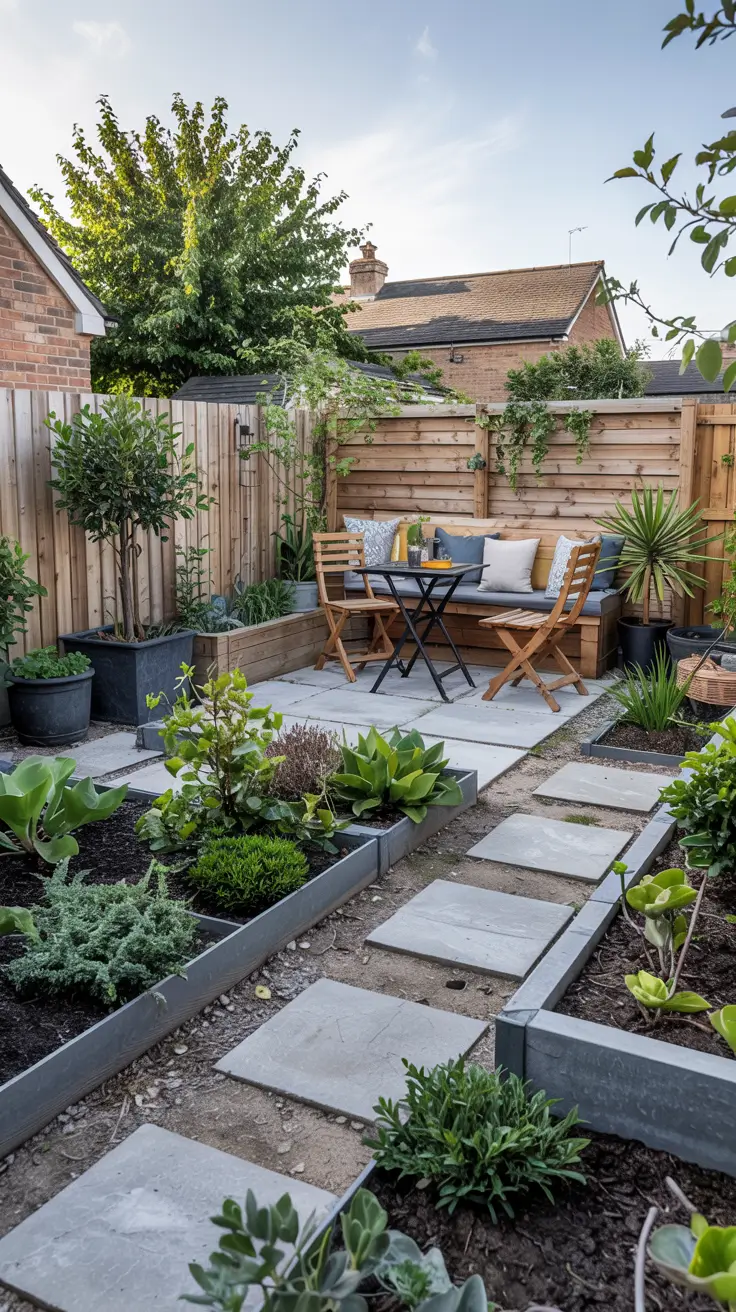
For materials, I rely on compacted gravel for secondary areas, a few large pavers for stable footing, and mulch that stays in place after rain. I often include a small storage bench or slim garden cabinet so tools are always within reach and not scattered around the yard. A bistro set or a foldable table can work well because it is easy to move for cleaning, yet it still makes the space feel finished. For planting, I prefer fewer, larger groups of plants rather than many single specimens, since mass planting looks modern and simplifies trimming. I also keep containers limited and oversized, because a handful of big pots is easier than dozens of small ones.
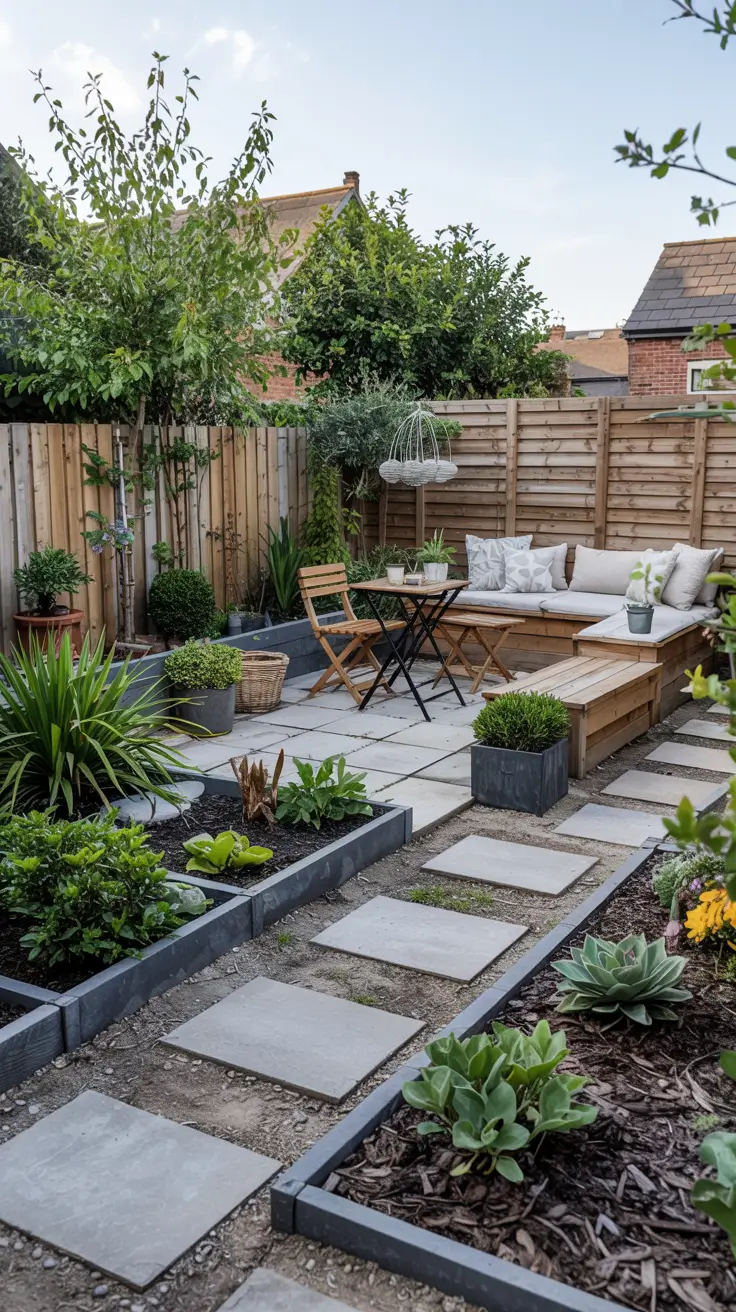
From experience, the biggest budget leak is redoing choices that were too flimsy or too fussy. I have learned to spend a little more on edging, weed barrier quality, and the first layer of base material under gravel or pavers, because that is what keeps maintenance low for years. Many university extension gardening programs emphasize that site preparation and soil management reduce long-term labor, and I agree with that approach. If the base is stable and water drains well, everything else becomes easier to maintain. That is why I treat groundwork as the core of low maintenance garden ideas UK.
What I would add to complete this section is a quick measurement plan and a maintenance schedule that matches the materials. I recommend noting where water collects, where shade sits in the afternoon, and where you need the most frequent access. I also like to add one “feature moment” that looks expensive but is not, like a simple slatted screen, a painted fence panel, or a single statement planter. If you want an ideas on a budget UK approach that still feels modern, repeat one finish like black metal, warm timber, or light stone. Finally, I would add lighting points early in the plan, because good lighting makes a simple design feel intentional year round.
Low Maintenance Garden Border Ideas UK For Clean And Tidy Edges
When I want a garden to look clean with minimal effort, I start with borders because edges are what make a space look either crisp or chaotic. In the UK climate, a low maintenance garden border helps control grass creep, reduces soil spill onto paths, and makes mowing faster. I like borders that create a clear line between lawn, bed, and path so every area has a defined job. This is especially useful in low maintenance garden design simple layouts where the overall form is intentionally restrained. A tidy edge can make even a small space feel designed.
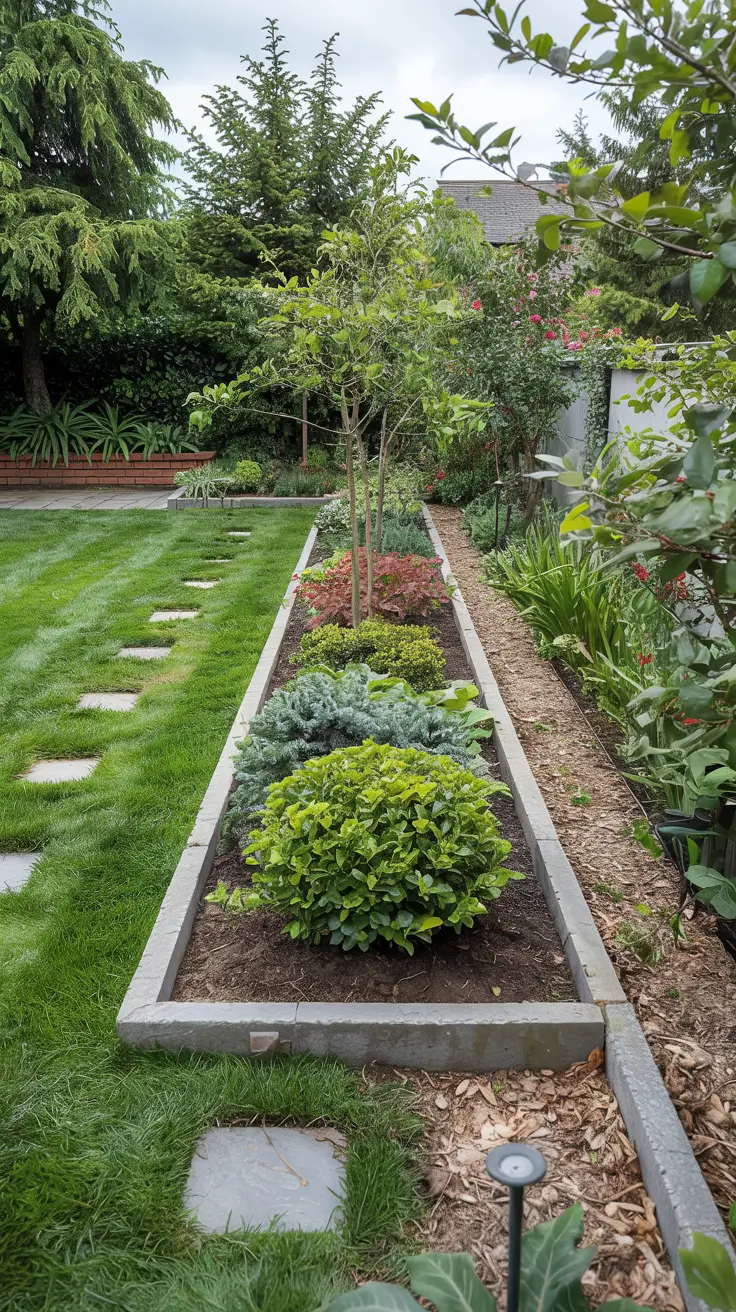
For border materials, I often choose steel edging for modern gardens, or stone setts if I want a more classic look that still stays neat. Brick can also work well when installed level, because it gives a stable mowing strip and stops the lawn from invading the bed. I place edging slightly proud of the soil line so mulch stays contained and rain does not wash soil over the edge. In planting beds, I use a consistent mulch layer and keep plant spacing realistic so foliage does not flop over the border and create trimming work. If the garden is small, I also like a narrow border width with fewer plant types to keep the bed ideas practical.
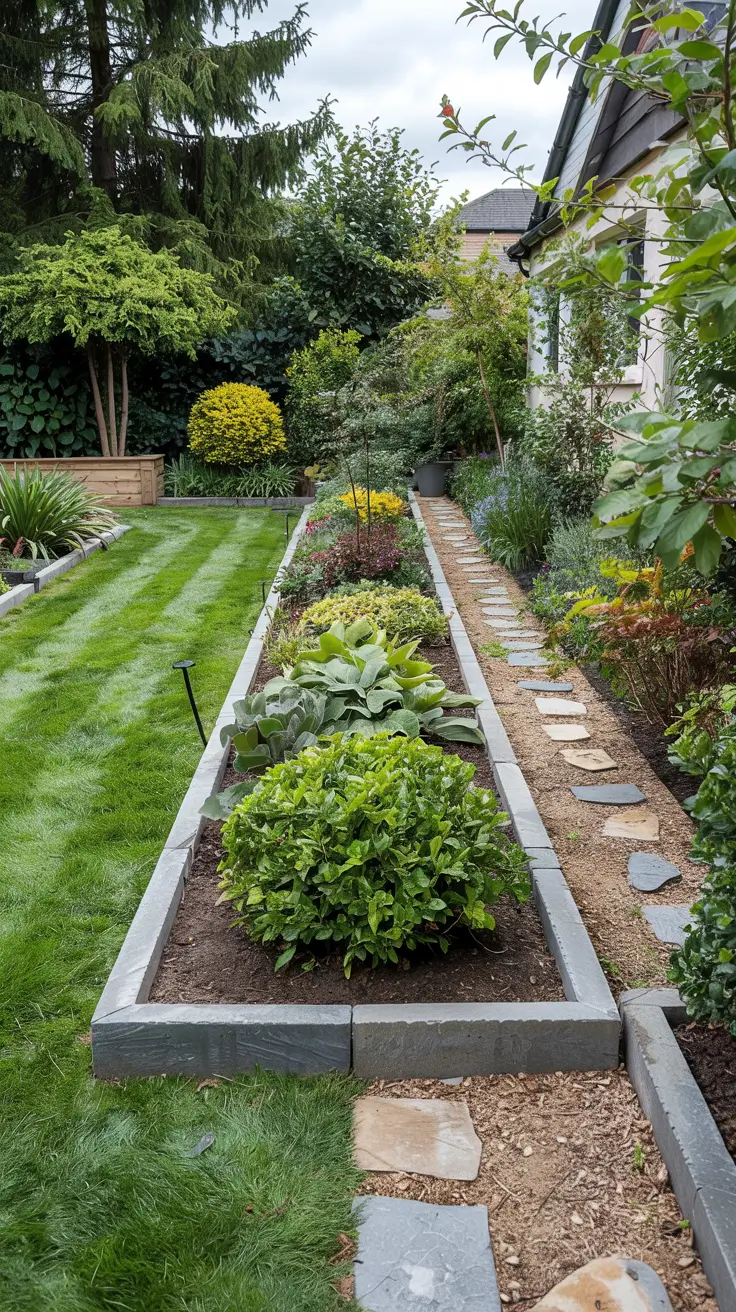
In my own projects, the most noticeable “maintenance reducer” is an edging detail you do once and then forget. I have seen gardens transformed just by adding proper edging and topping with mulch, even when the planting is simple. Many experienced landscape designers emphasize that a strong line is the backbone of a calm garden, and I find that to be true in real spaces. If you can run a mower or strimmer along a consistent edge without guessing where the bed begins, you save time every week. That is why I treat borders uk as a foundation rather than an afterthought.
What I would add here is a border-to-path transition detail, because that is often where mess builds up. I recommend including a mowing strip or a small band of setts between lawn and bed if you want the cleanest results. I would also add a plan for corners, since sharp corners collect debris and soften over time. A gentle curve can be easier to maintain and still look modern. Finally, I would add guidance on keeping irrigation or drip lines hidden behind the border so they do not become a tripping hazard or a visual distraction.
Stylish Low Maintenance Garden Borders UK With Year Round Appeal
For stylish low maintenance garden borders UK, I design with year round structure in mind, not just seasonal color. I want a border that looks good in winter as well as summer, so I prioritize evergreen shapes, strong textures, and a repeating rhythm. This approach keeps low maintenance gardens from feeling empty when flowers fade. I also keep the border depth proportional to the space, because oversized borders in small yards can become high-maintenance pruning zones. A border can be simple and still feel layered if the structure is right.
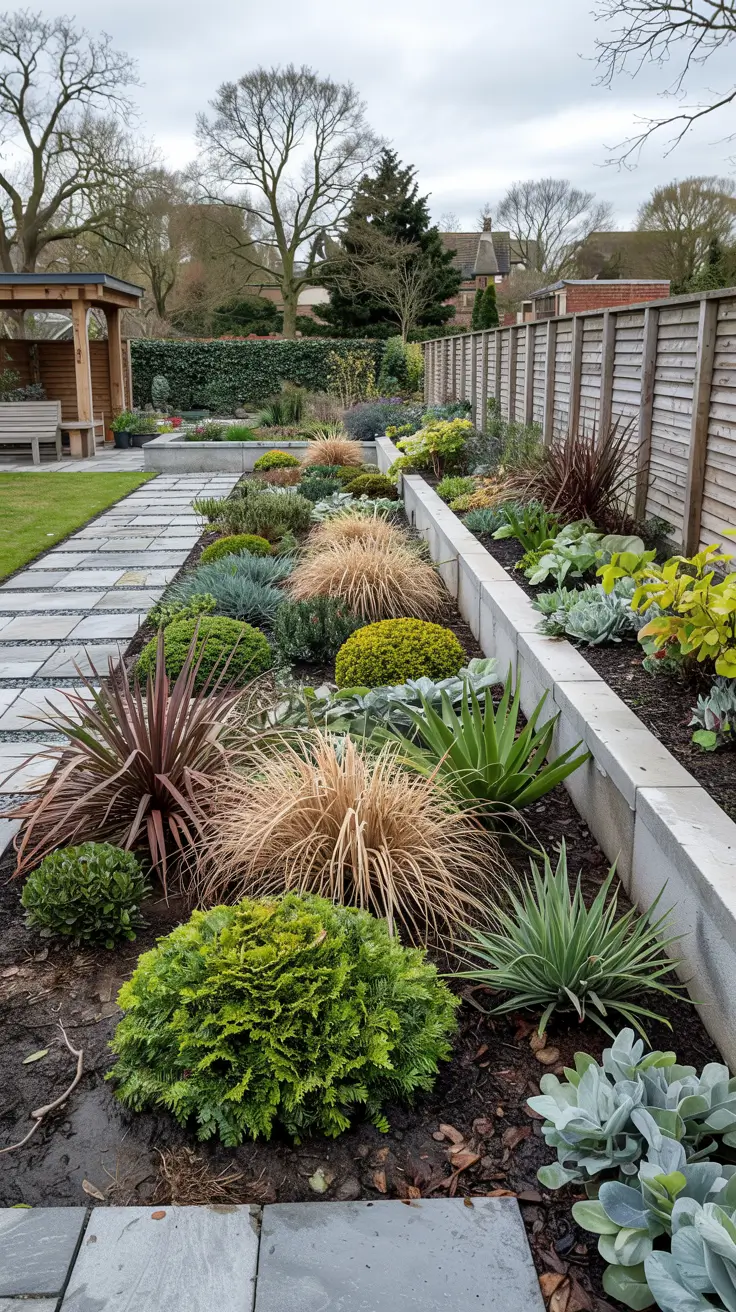
I like to build the border with three dependable layers: a low evergreen edge, a mid-height structural plant, and a few seasonal accents. For the edge, I use compact evergreens or tough groundcovers that suppress weeds and keep the line crisp. In the middle, I include shrubs with predictable growth habits so pruning stays minimal. For accents, I use ornamental grasses or perennial blocks that can be cut back once a year, which suits low maintenance gardening. I also include a clean mulch finish and keep plant palettes tight so the border reads as modern rather than busy.
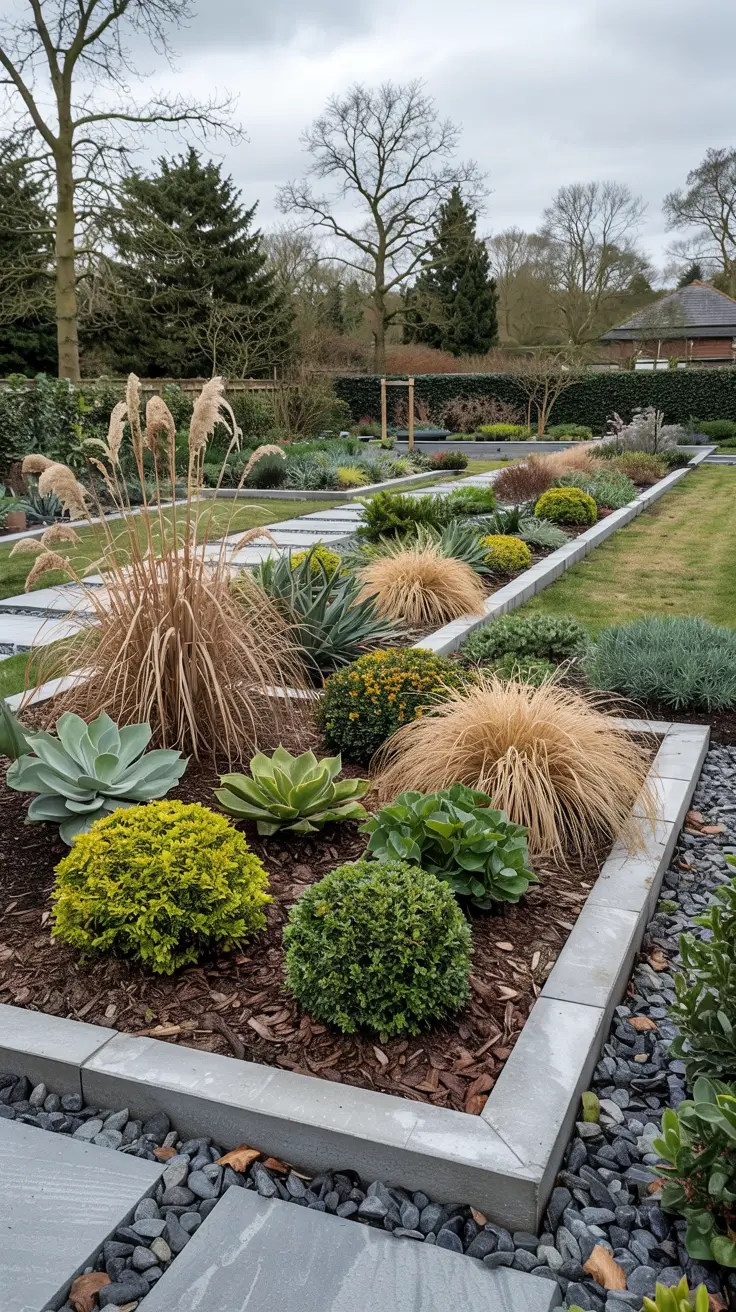
In practice, year round appeal is about choosing plants that look intentional even when they are not flowering. I have had great results with repeating forms, like rounded shrubs paired with upright grasses, because the shapes carry the design through every season. Many professional garden writers in well-known home and garden publications often recommend repeating plants in drifts for cohesion, and I follow the same principle because it reduces decision fatigue and maintenance. When borders are made from a small set of reliable plants, you spend less time correcting gaps and more time enjoying the garden. This is one of the simplest ways to make low maintenance garden design feel elevated.
What I would add to this section is a note about spacing for mature size, because overcrowding is a hidden maintenance trap. I would also include a plan for replacing one plant without disrupting the whole border, which is easier when you use repeating groups. If the border is visible from indoors, I recommend placing the most structured plants where the view lands first, like near a patio door or main window. I also like to add one hardscape detail, like a slim gravel strip or a line of setts, to keep soil off paths and maintain that tidy look in wet seasons. Finally, I would add a simple annual routine: cut back, mulch refresh, and a quick edge check.
Australian Backyard Low Maintenance Garden Ideas For Relaxed Living
When I design an Australian backyard for relaxed living, I focus on shade, airflow, and surfaces that handle heat without constant upkeep. Low maintenance garden australian planning often starts with water wise choices and reducing thirsty lawn areas. I like to create a calm outdoor room feel with a defined sitting zone and a simple path connecting doors, clothesline, and key garden points. This helps the space work for daily life, not just weekends. A relaxed backyard should feel open, modern, and easy to reset after use.
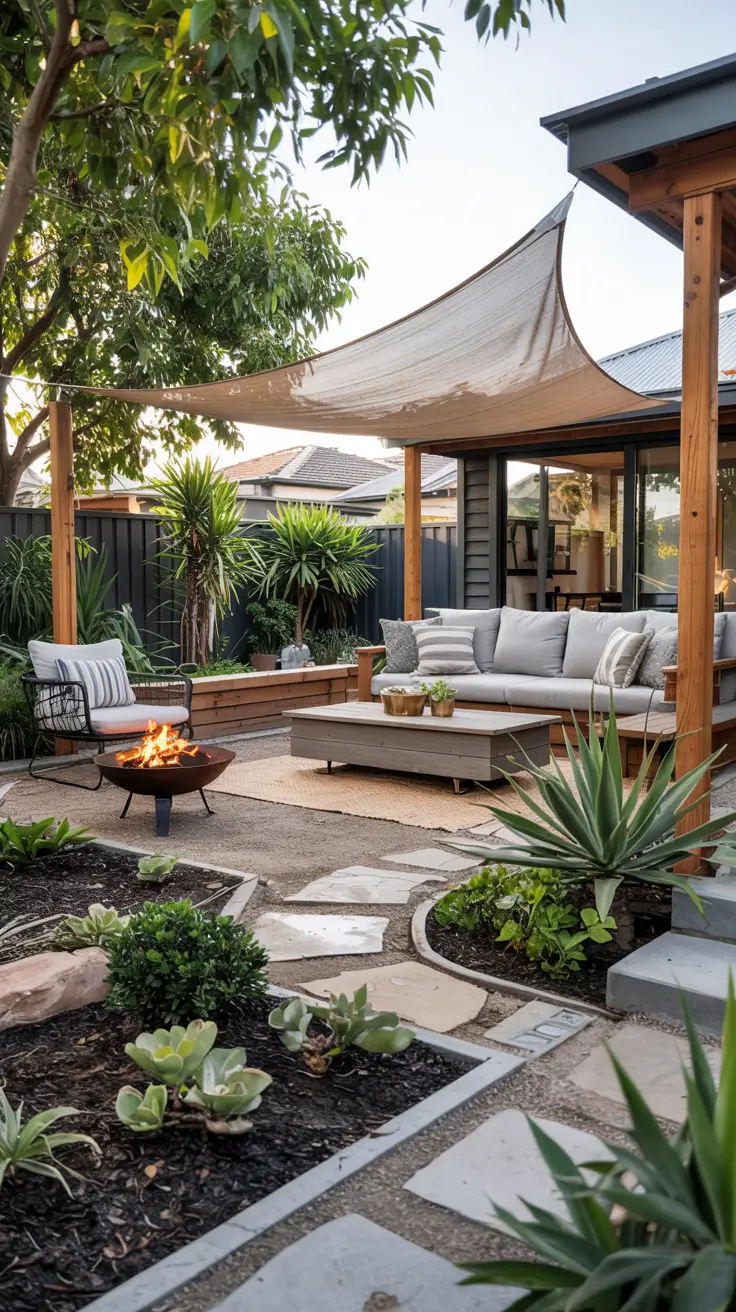
For the hardscape, I often choose decomposed granite, gravel, or paving that can take sun and heavy use. I include a pergola or shade sail, plus a comfortable outdoor lounge set with washable cushions and a small side table for daily function. For planting, I lean into Australian native options and other drought-tolerant plants that keep their shape without constant pruning. I also like raised bed edges or a low retaining border to keep mulch from blowing around in windy conditions. If there is an Australian backyard area for entertaining, I add a simple outdoor rug and low glare lighting so the space feels finished without being fussy.
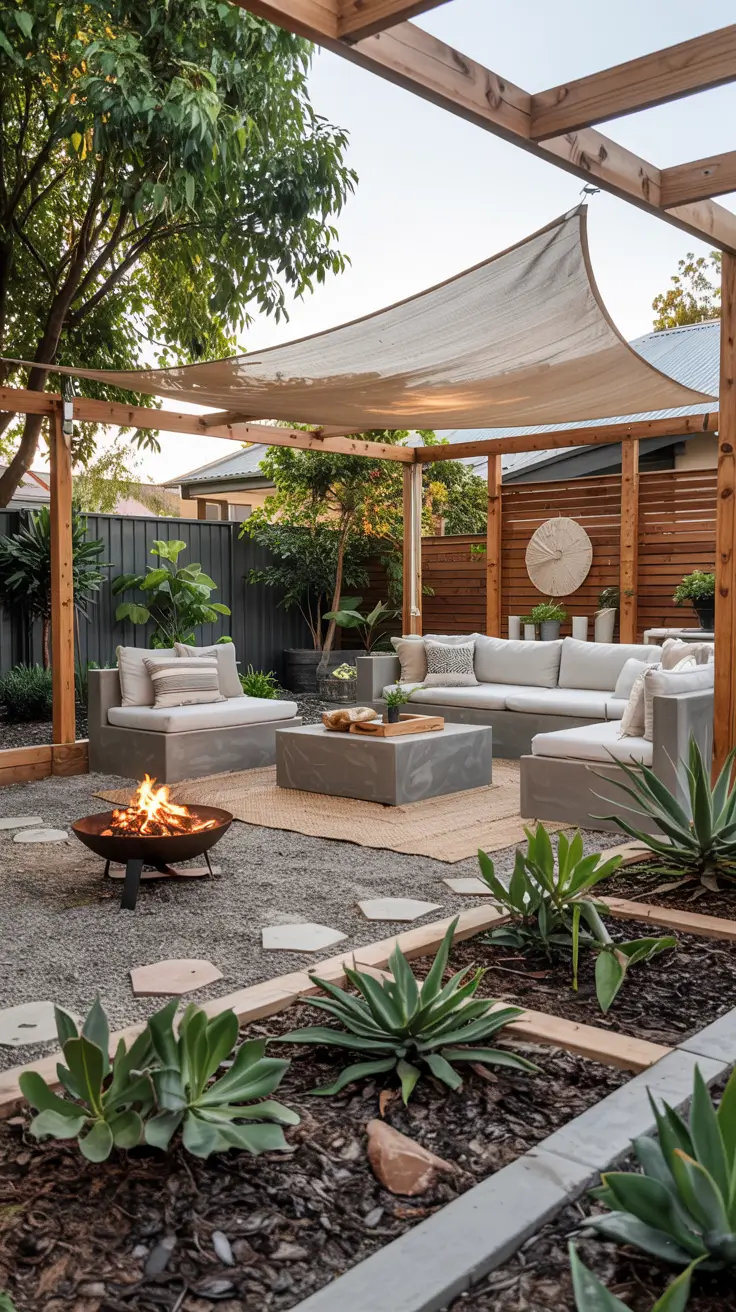
From experience, the biggest step toward low maintenance is limiting fragile details that cannot handle sun, wind, and sudden storms. I have seen Australian front yard and backyard landscapes thrive when the plant list is short, irrigation is targeted, and mulch is refreshed on a regular schedule. Many Australian garden experts stress matching plants to conditions and reducing water loss through mulching, and that aligns with what I see in real gardens. If the garden is designed to suit the climate, maintenance drops dramatically. That is why I treat Australia-specific conditions as the starting point, not a constraint.
What I would add to this section is a microclimate check, because even one backyard can have harsh sun pockets and protected shade corners. I would also include a plan for bin storage, hose placement, and tool access, since those practical details prevent clutter. If you want the backyard to stay relaxed, include a dedicated storage bench or slim shed so items have a home. I also recommend adding a simple “green screen” of hardy plants along fences for privacy without constant shaping. Finally, I would add one focal feature, like a fire bowl area with gravel, so the design feels intentional year round.
Low Maintenance Garden Path Ideas For Easy Access And Flow
A well-designed path is one of the best low maintenance garden ideas landscaping choices because it reduces trampling, keeps shoes clean, and guides movement naturally. I plan paths to connect the places you actually use, like the back door, seating, bins, and a veggie bed if you have one. When a path is missing, people create informal shortcuts that compact soil and invite weeds. A defined path also makes the garden feel modern and calm, especially in design simple layouts. For easy access and flow, I keep the route direct and the materials consistent.
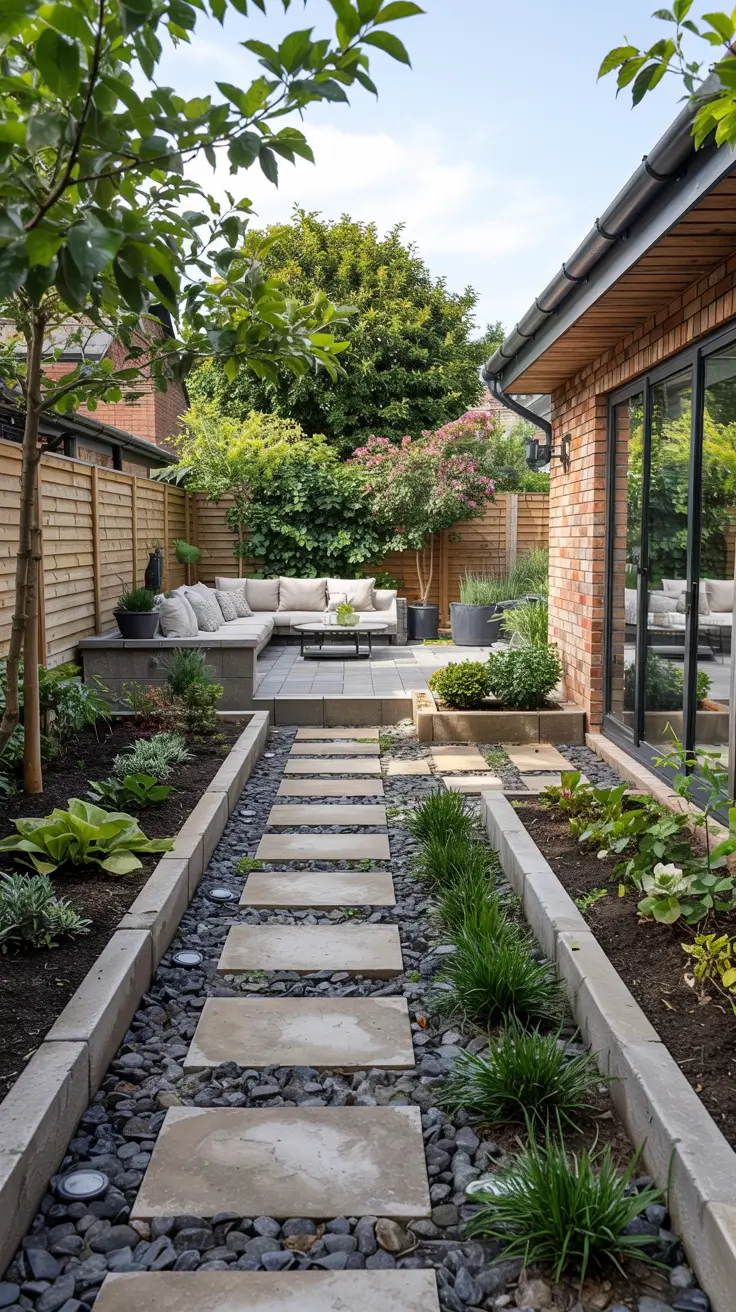
I typically choose large pavers set into gravel, compacted gravel alone, or a simple stepping stone line with generous spacing. Pavers feel stable and can look very modern, while gravel is flexible and budget friendly when installed properly. I include edging on both sides so the path does not spread and so it stays clean after rain. If the path crosses a planting area, I raise it slightly or use well-draining base layers so puddles do not become a recurring problem. For a comfortable experience, I also add low path lighting and keep plant growth trimmed back from the edges.
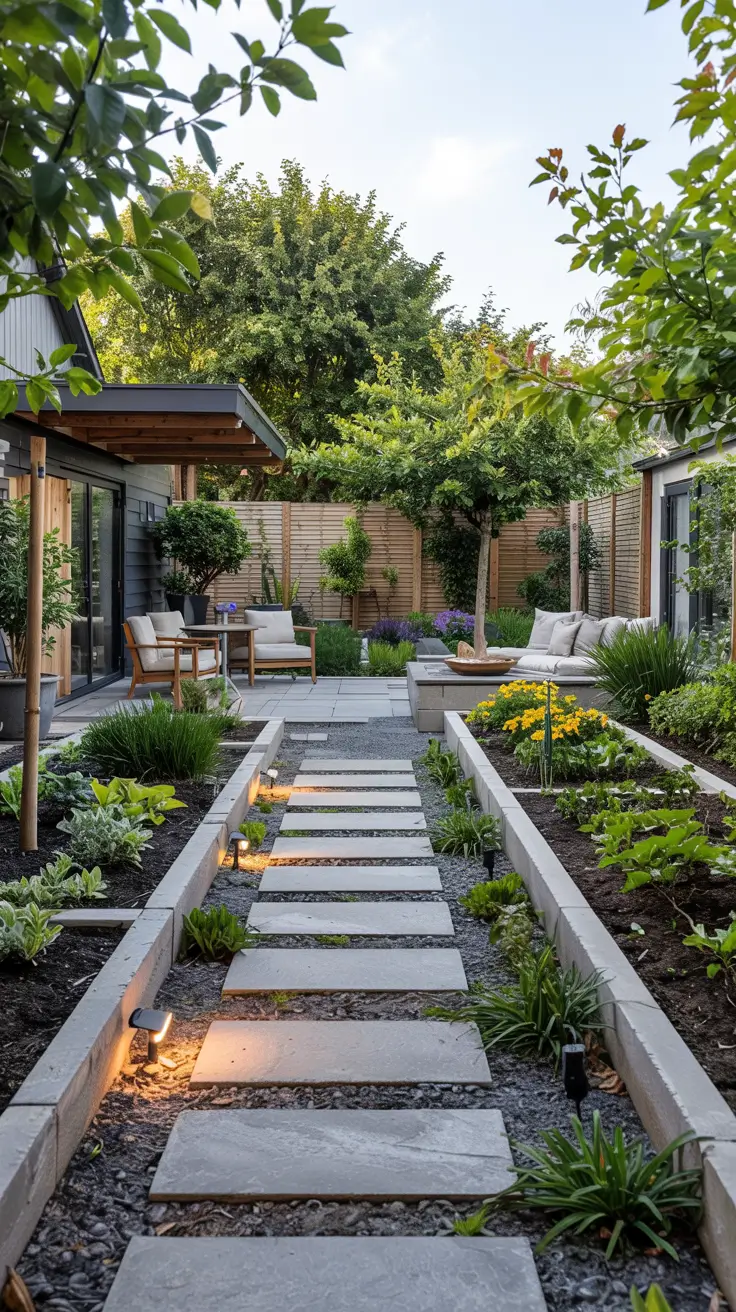
In my own work, the most common mistake is making a path too narrow or choosing a material that shifts underfoot. I prefer widths that allow two people to pass comfortably, because it keeps the garden functional for everyday life. Many landscape professionals emphasize that circulation is the backbone of a usable outdoor space, and I have found that true even in very small gardens. When movement is easy, the whole garden feels easier to maintain, because you can reach every area without stepping into beds. A strong path plan supports low maintenance gardening in a very practical way.
What I would add here is a note about accessibility and turning points, especially if you move wheelbarrows, prams, or garden carts. I would also include advice on placing a small hardstanding near the door for muddy boots and a watering can. If you live in a wet climate, I recommend adding a slight crown or fall to the path so water drains away. If you live in a hot climate, I recommend testing surface heat and choosing finishes that stay comfortable. Finally, I would add a simple maintenance check: top up gravel, sweep debris, and recheck edging once or twice a year.
Modern Low Maintenance Garden Bed Design Simple And Functional
For a modern look that stays manageable, I design garden beds with simple geometry and clear boundaries. A low maintenance garden bed is not just about the plants, it is about how the bed is built to reduce weeds, control soil movement, and simplify watering. I like beds that are reachable from the edge so you do not step into soil and compact it. In small spaces, a few well-sized beds look more modern than many tiny ones. This approach keeps low maintenance garden design simple and helps the garden feel calm.
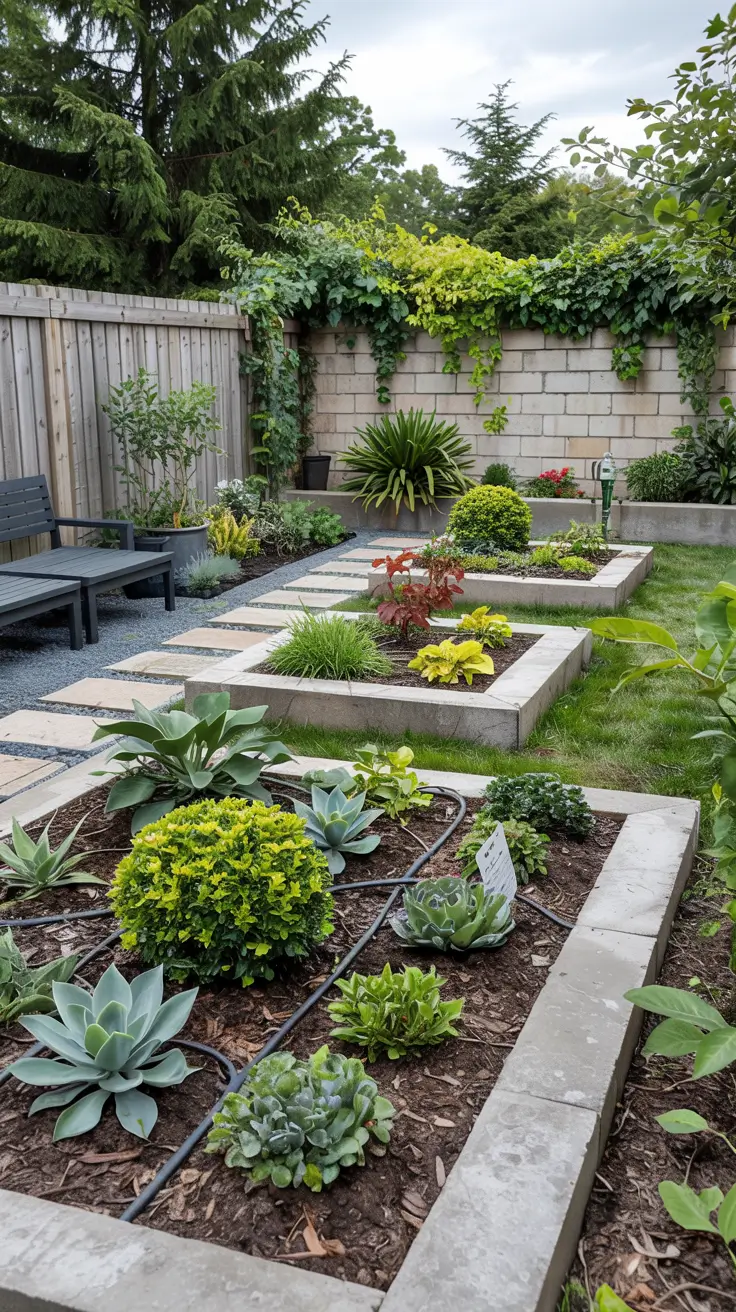
I usually build beds with defined edging, a consistent mulch layer, and a soil depth that supports healthy roots. Raised beds can be especially helpful because they improve drainage and make weeding and planting easier. I include a drip line or soaker hose under mulch to keep watering efficient and targeted. For planting, I use low maintenance garden plants that hold their shape and do not demand constant deadheading, plus a small number of statement plants for structure. If the bed is near seating, I avoid messy plants and choose options that do not drop constant leaves or petals.
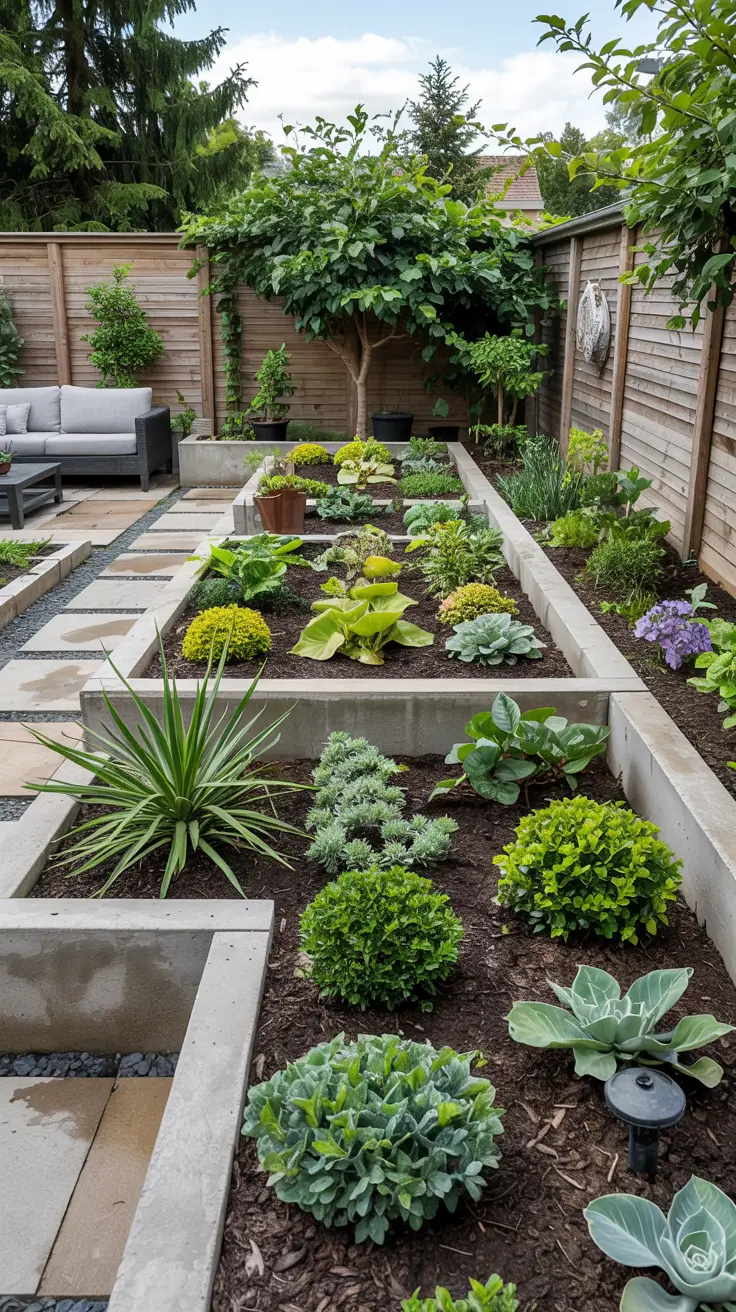
I have noticed that functional bed design reduces maintenance more than any single plant choice. When irrigation is under mulch and edges are tight, weeds have fewer opportunities, and the bed stays neat with less effort. Many horticulture educators emphasize “right plant, right place,” and I agree, but I also add “right bed, right build.” A healthy bed supports healthy plants, and healthy plants reduce ongoing work. That is why I treat bed construction as a long-term maintenance strategy, not a one-time setup task.
What I would add to this section is a plan for bed spacing and access routes, so you can reach every area without strain. I would also include a note about layering heights, with taller plants toward fences or back edges to keep sightlines clean. If the bed borders a path, I recommend adding a narrow gravel strip to keep mulch from migrating. If you want a modern finish, repeat one edging material throughout the garden so the design feels intentional. Finally, I would add a seasonal refresh routine: mulch top-up, drip line check, and a quick prune for shape.
Easy Low Maintenance Gardening Ideas Landscaping With Gravel And Stone
Gravel and stone are some of the most effective choices for easy low maintenance gardening because they reduce exposed soil and create a clean, modern structure. I use these materials to simplify weeding, improve drainage, and give the garden a tidy look that holds up across seasons. This is especially useful for low maintenance garden ideas landscaping where you want a reliable backdrop for plants. The key is installing the base properly so the surface stays stable and does not become a messy, shifting layer. When done well, gravel can look refined rather than rough.
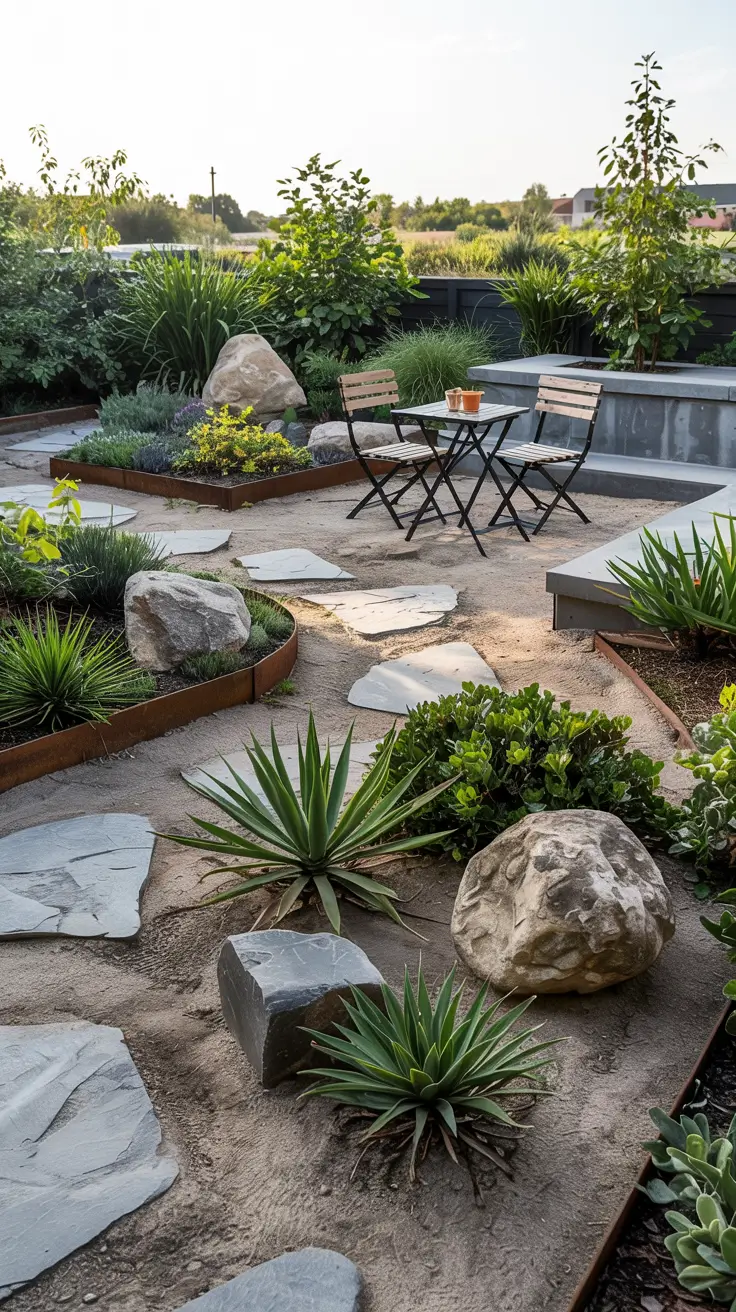
I typically combine gravel with large stepping stones, boulders as accents, and a few tough planting pockets. I include a strong edge, because edging keeps gravel where it belongs and makes sweeping quick. Under gravel, I prefer a compacted base and a high-quality weed barrier, then I top with the right gravel size for stability. I often add a bench, a small café table, or a simple outdoor chair set to make the space usable, since a low maintenance garden should still invite you outside. For planting, I use drought tolerant groups and keep them spaced so each one has room to grow without constant pruning.
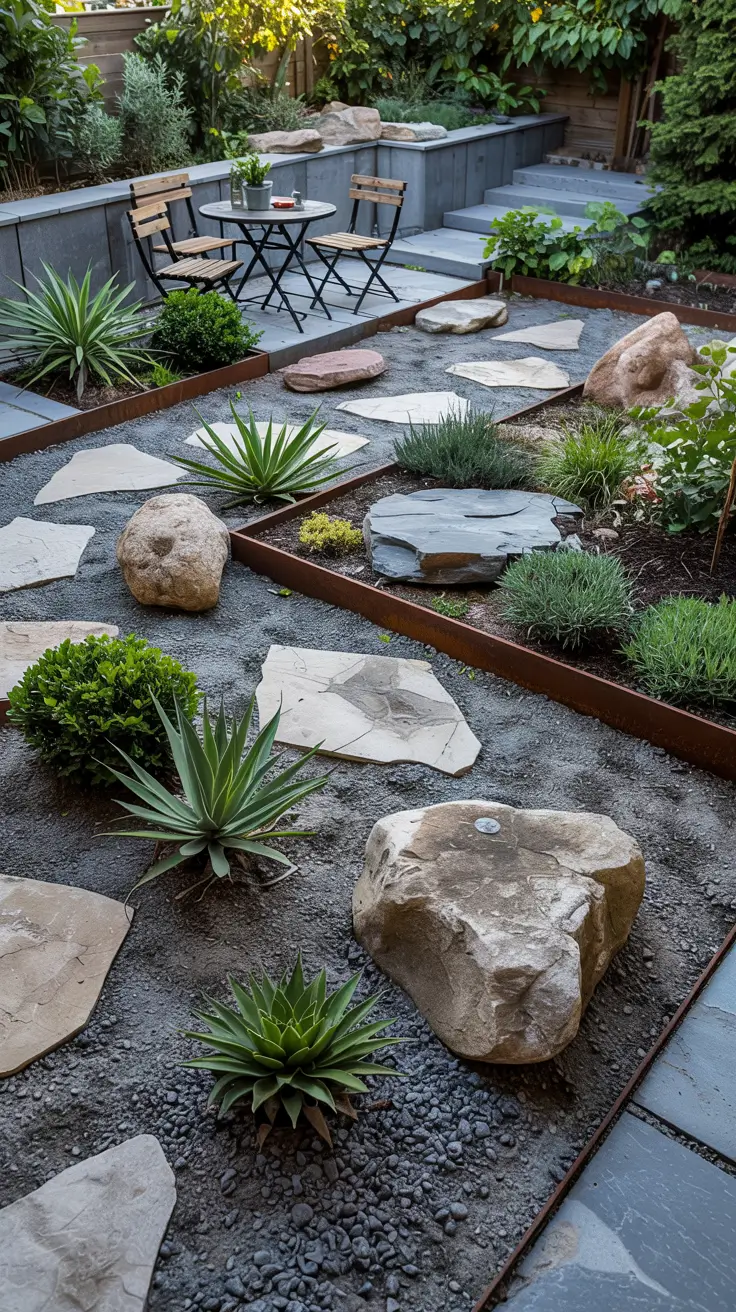
In my experience, gravel landscapes stay low maintenance when the design is restrained and the transitions are clean. I have seen gravel areas fail when people mix too many stone types or skip edging, because the surface spreads and weeds sneak in at the margins. Many landscape professionals recommend limiting material types for a cohesive look, and I follow that rule because it makes the garden easier to keep tidy. I also like to use stone to solve practical problems, like a muddy side yard or a high-traffic route. When you replace a problem area with gravel and stone, you often eliminate the hardest maintenance tasks.
What I would add to this section is guidance on choosing gravel color and size based on climate and use. I would also include a plan for leaf management, since gravel looks best when you can quickly rake or blow debris without pulling up stones. If pets use the yard, I recommend specifying a stable gravel size and creating a clear pet route to keep the surface neat. If the area is sunny, I would add advice on combining stone with shade planting or a pergola to keep the space comfortable. Finally, I would add a simple upkeep routine: occasional raking, edge checks, and a small gravel top-up as needed.
Low Maintenance Garden Ideas Landscaping With Drought Tolerant Plants
When I plan low maintenance garden ideas landscaping for 2026, I start with structure first and Plants second so the space holds together even between tidy-ups. I use repeated plant groupings, wide mulched zones, and clear edges to reduce weeding and make the garden read as designed. Drought tolerant planting is the backbone because it stabilizes maintenance across hot spells and travel weeks. I aim for a layered look that still feels simple, with larger shrubs anchoring the view and smaller fillers used sparingly. This approach works especially well when you want low maintenance gardening without losing seasonal interest.
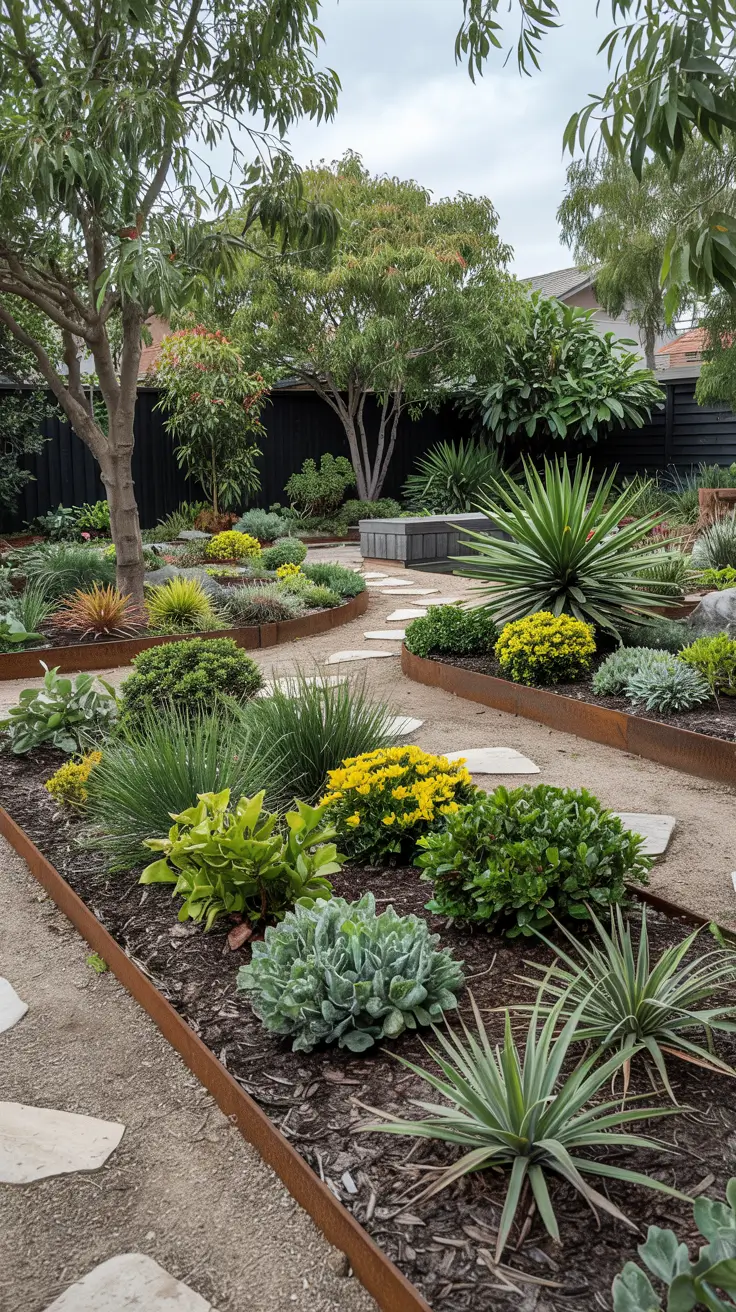
For the hardscape, I like a clean Path that guides movement and protects the planting from foot traffic. Gravel, decomposed granite, or large stepping stones set into compacted base keep it practical and easy to refresh. I include a defined Bed line using metal edging or stone to stop mulch from drifting and to keep irrigation zones predictable. For Plants, I lean on architectural forms like agave-like silhouettes where climate allows, plus hardy grasses and flowering perennials that do not flop. In Australia I often include Australian native selections for resilience, while in milder regions I use drought tolerant Mediterranean-style shrubs for dependable shape.
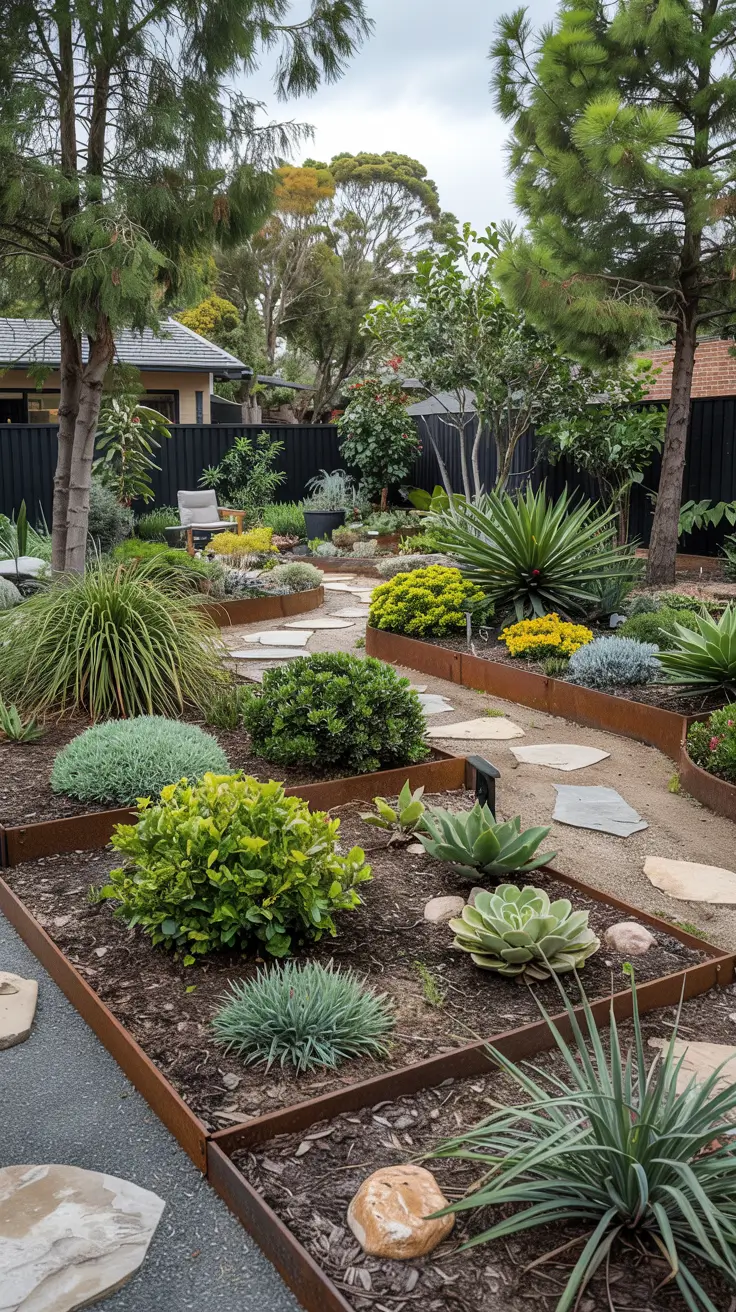
In my experience, the biggest maintenance win is matching Plants to sunlight and drainage, then committing to fewer varieties in bigger drifts. I also follow the guidance many landscape professionals repeat in mainstream garden advice: prioritize deep, infrequent watering over frequent shallow watering once plants are established. That single habit tends to build stronger roots and reduces ongoing fuss. I have seen gardens fail because the palette was too mixed and the watering needs conflicted, not because the owner lacked effort. When the plant choices align, the garden starts to feel Easy rather than demanding.
What I would add to make this section complete is a simple watering plan and a seasonal check list that fits your climate. I would include a basic drip layout, where emitters sit at the root zone and zones are grouped by water needs. I would also add a mulch depth target and a note on refreshing it annually to suppress weeds. If you want a sharper Modern look, I would add one focal element like a low boulder cluster or a sculptural planter to keep the composition intentional. Finally, I would add guidance on spacing so the Beds fill in without becoming overcrowded later.
Contemporary Low Maintenance Gardens With Minimal Lawn Areas
Contemporary low maintenance gardens in 2026 often look best when lawn is treated as an accent instead of the main feature. I design the space with larger hardscape zones, planting islands, and outdoor living areas that stay tidy without constant mowing. Minimal lawn areas also reduce watering and patch repairs, which is a big part of why low maintenance gardens feel manageable. The overall Design becomes calmer because the geometry is clearer and the plant palette is more deliberate. This is one of the most reliable low maintenance garden design strategies when time is limited.
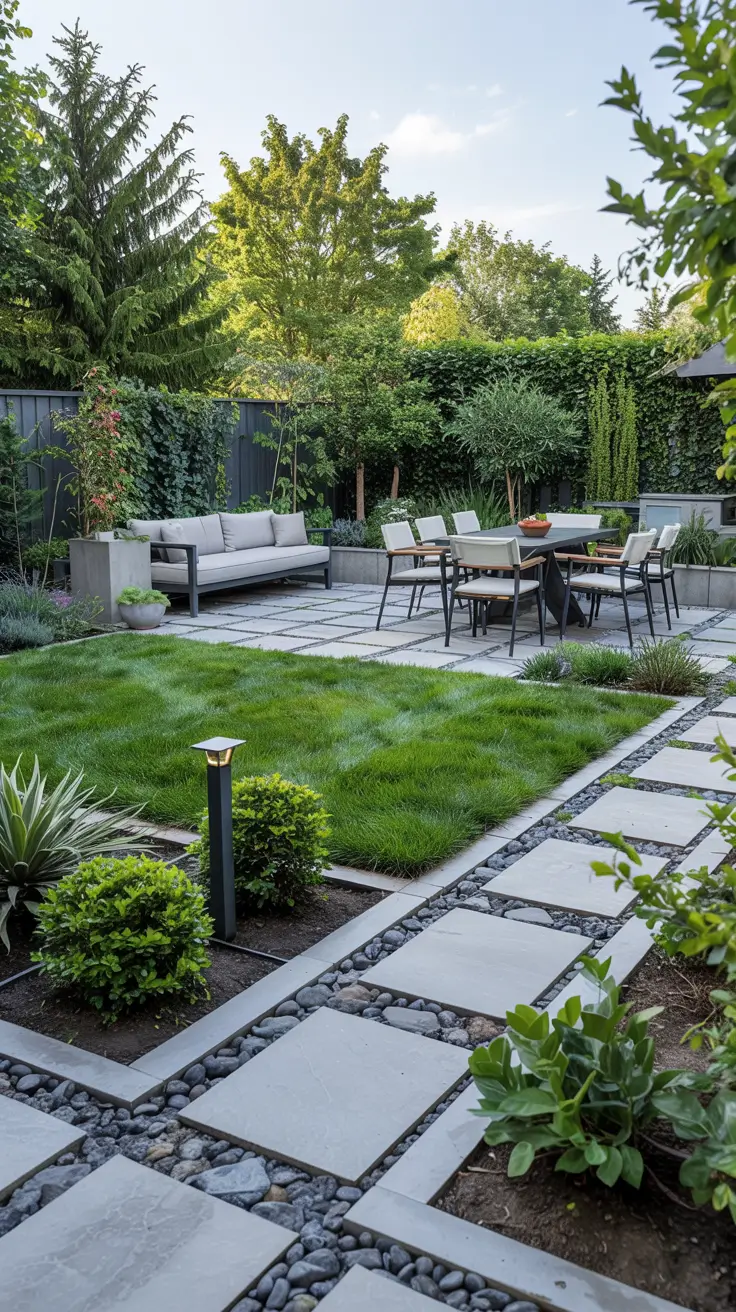
I like to replace most turf with a combination of permeable paving, gravel courts, and planting beds that are easy to edge. A straight or gently angled Path creates that Modern flow, while raised planters can double as informal seating edges. I often include a compact dining set and one comfortable lounge chair so the garden works like an outdoor room, but without clutter. For lighting, low bollards or discreet wall lights make the space usable at night and improve safety without adding maintenance. A small lawn rectangle can remain for pets or play, but I keep it bordered tightly to prevent creeping edges.
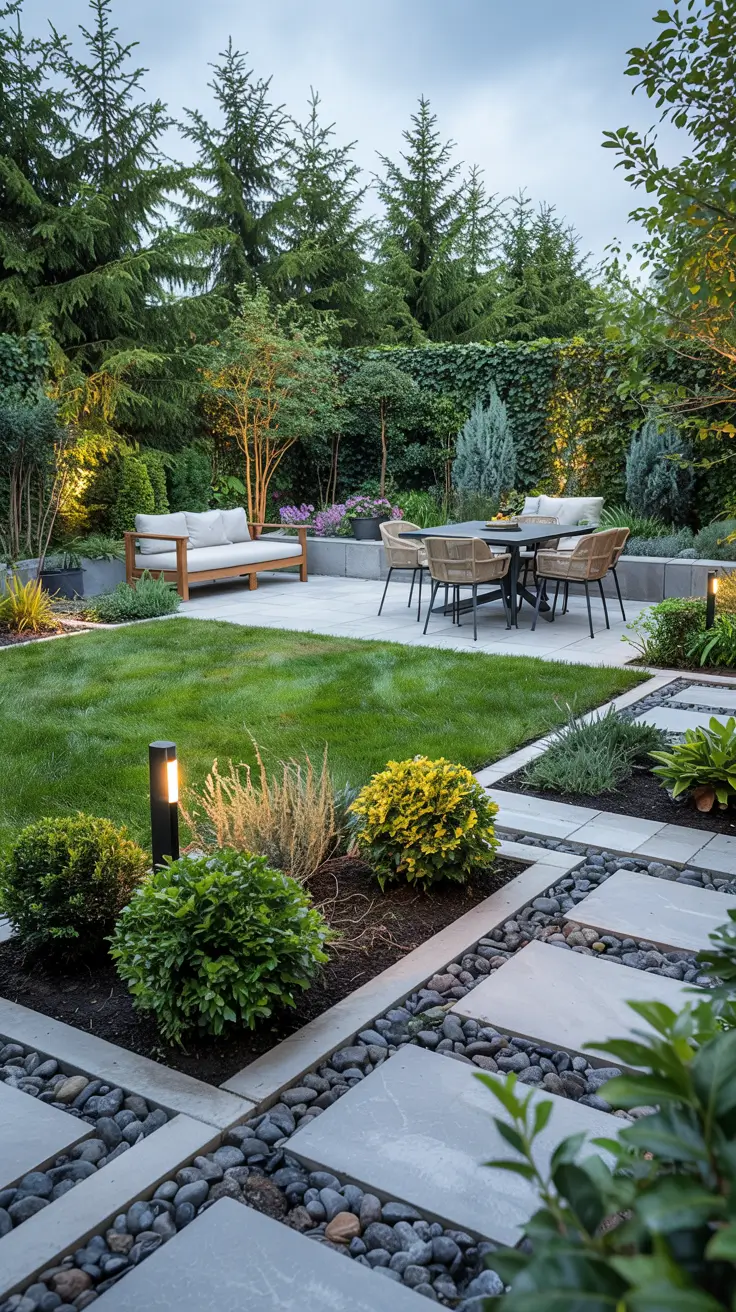
My personal rule is that if a feature needs weekly attention, it should be small or it should be replaced with something more stable. I have seen clients and friends fall out of love with their garden because lawn dominated the space and demanded constant care. Minimal turf lets the eye focus on texture, shadow, and the shape of Borders instead of on mowing lines. If you still want green underfoot, I prefer groundcovers in the right climate because they can be less demanding once established. The result usually feels more contemporary and more restful.
What is missing here is a clear lawn alternative guide based on use, because not everyone can eliminate turf entirely. I would add options like clover mixes in suitable regions, durable groundcovers for light foot traffic, and expanded patio zones for entertaining. I would also add a quick drainage note, since compacted soil under former lawn often causes puddling and plant stress. For the cleanest look, I would add edge details, like steel edging between gravel and planting beds. Finally, I would add a simple maintenance rhythm so the garden stays crisp with short monthly touch-ups.
Low Maintenance Garden Ideas On A Budget Using Recycled Materials
Low maintenance garden ideas on a budget work best when recycled materials are used in a way that still looks intentional and Modern. I focus on repeating the same salvaged element across the space so it reads as a design choice, not a patchwork fix. Budget does not mean flimsy, it means smart: fewer new purchases, more durable basics, and a plan that avoids constant replacement. This is where low maintenance garden design simple principles shine, because simplicity is easier to maintain and easier to upgrade later. The goal is a garden that looks finished, even if you build it in phases.
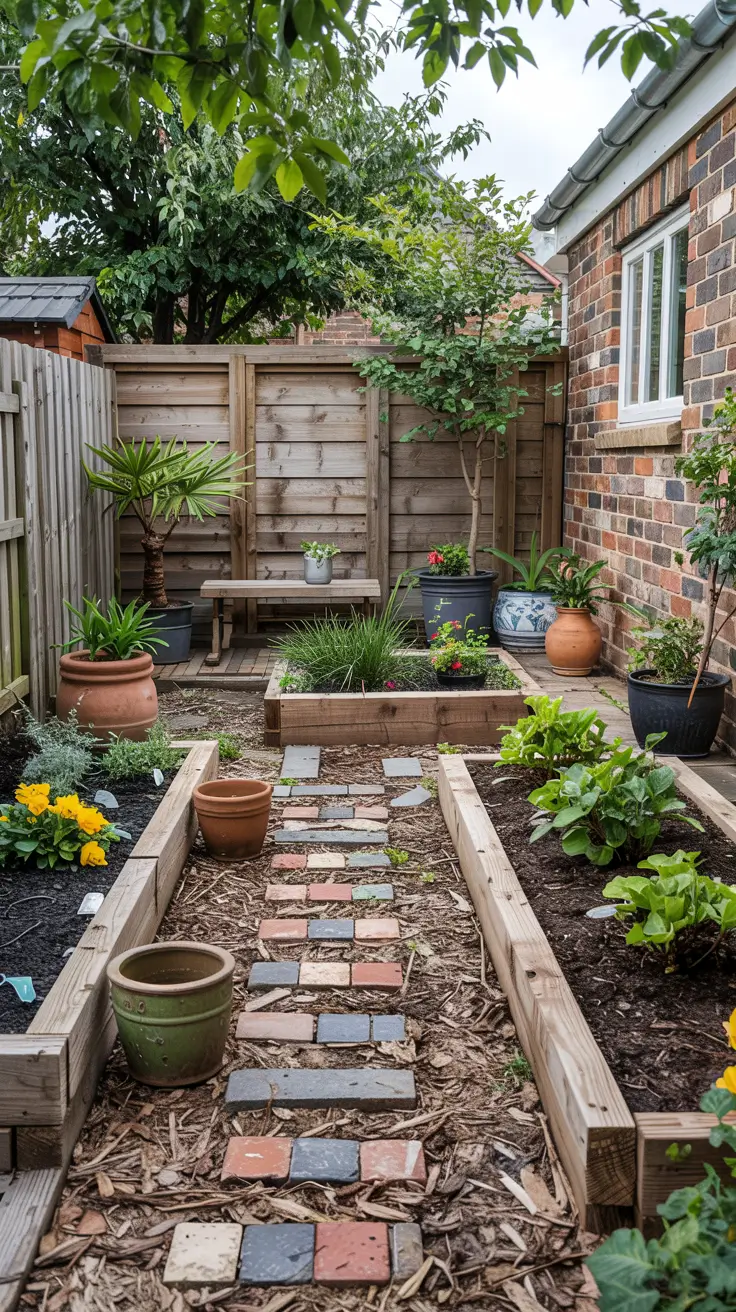
I like using reclaimed brick or pavers for a Path, because the surface is durable and the patina adds character without extra work. Recycled timber can become raised Bed edging, a simple bench, or a screen panel, as long as it is treated for outdoor use. For containers, I often recommend large, matching pots sourced secondhand, since fewer bigger pots are easier than many small ones. Mulch is a budget hero too, because it reduces weeds and saves water, making low maintenance gardening more realistic over the season. In planting, I choose tough, repeatable Plants that fill space and do not need constant pruning.
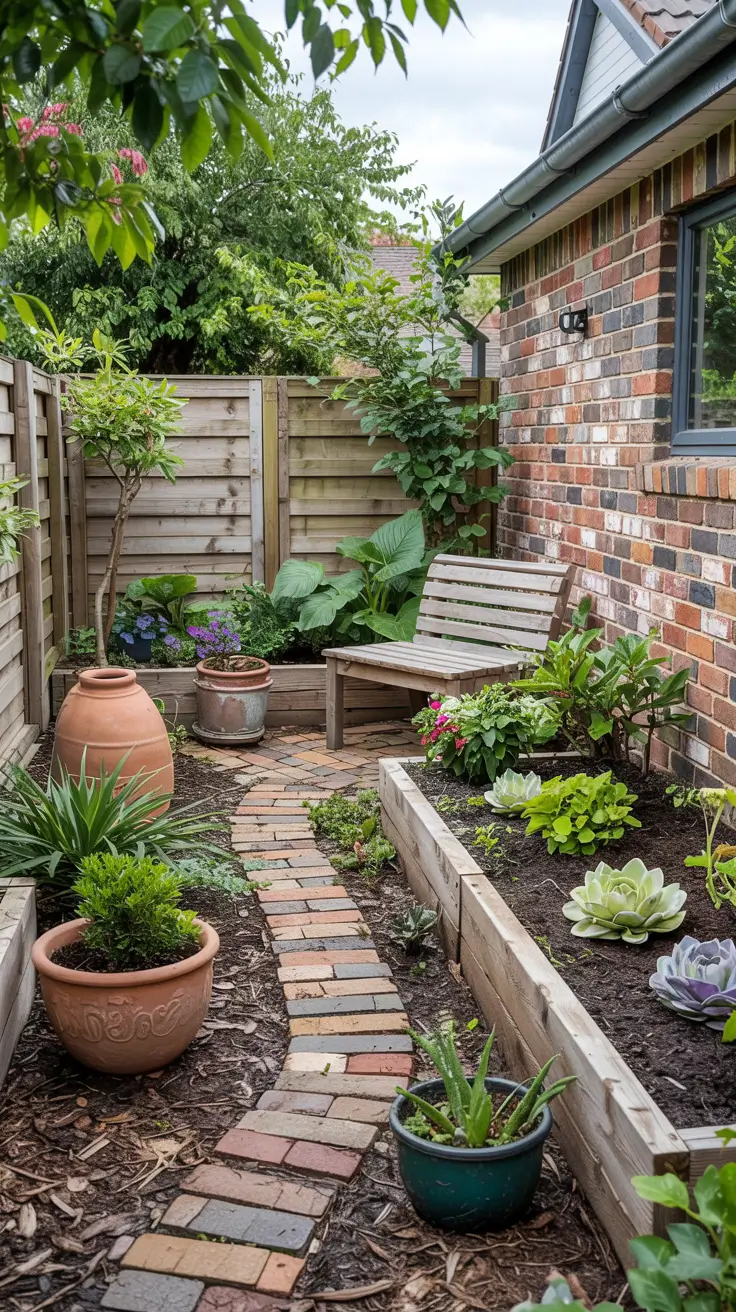
I have had the best results when I set a strict rule: no more than three hardscape materials and no more than two edging styles. That kind of constraint keeps Ideas on a budget from looking busy, and it also simplifies repairs. If you can find one reliable reclaimed source, like matching pavers, you can create a cohesive look for very little cost. I also prefer investing budget in soil improvement because healthy soil reduces everything else, from watering to plant replacement. When the base is right, even recycled materials look elevated.
To strengthen this section, I would add a short checklist for safety and longevity when using recycled items. I would include guidance on stable base preparation for paths, because that prevents shifting and reduces future fixes. I would also add a note on sealing or treating reclaimed wood so it lasts through wet seasons. For Design, I would add one unifying modern element, like a single clean border line or a repeated planter shape. Finally, I would add a phased plan so readers can build the garden gradually without losing the overall layout.
Small Low Maintenance Garden Ideas UK For Compact Urban Homes
Small low maintenance garden ideas uk in 2026 are all about making a compact space feel calm and functional without adding chores. In the Uk, I plan for damp seasons and limited sunlight, so I choose materials that do not get slippery and Plants that stay neat. I also design with vertical surfaces, because walls and fences give you extra space without increasing the footprint. With a clear layout, even a tiny yard can feel like a Modern courtyard that is easy to keep tidy. The key is to avoid overcrowding and choose low maintenance garden design that supports daily living.
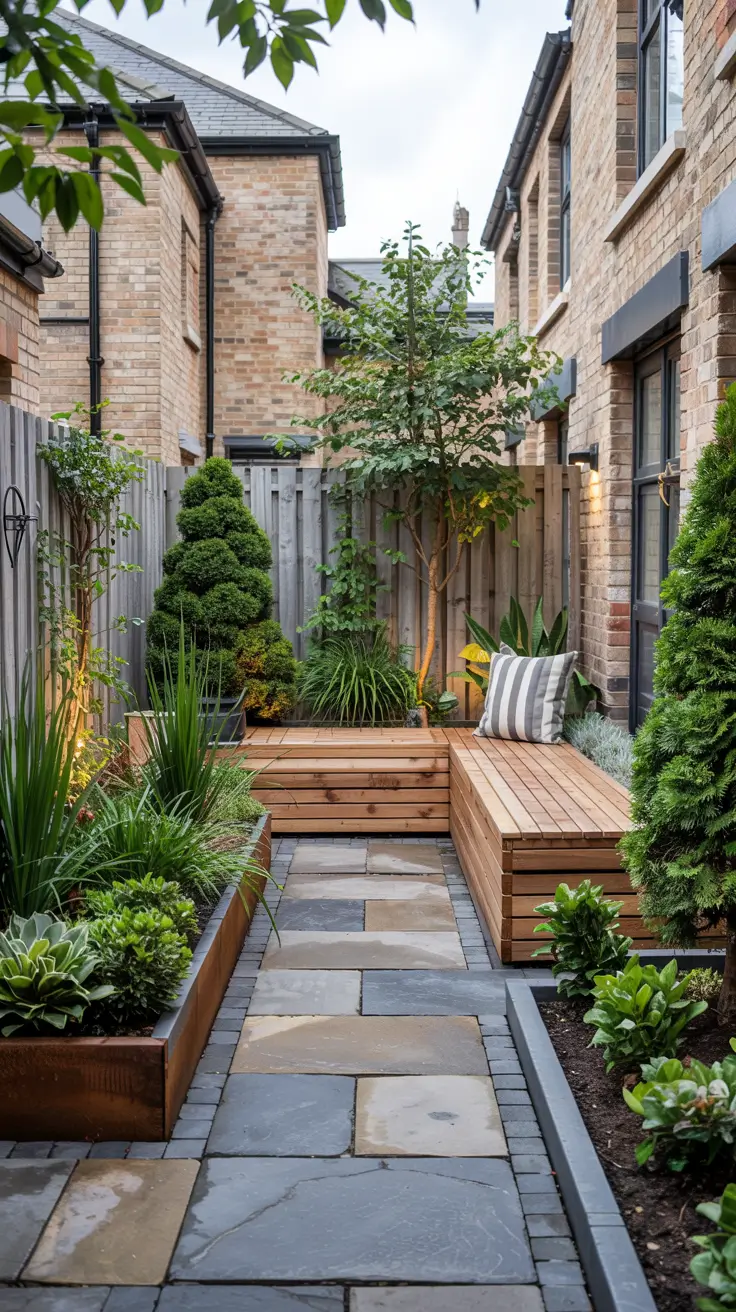
I like a simple Path of large-format pavers or compact gravel, because it reduces muddy zones and keeps shoes clean. Along the Border, I use evergreen structure plants so the garden looks consistent through the year, then add a few seasonal accents. Storage matters in small spaces, so a slim bench with hidden storage can hold tools and cushions and prevent clutter. For low maintenance garden plants, I rely on hardy shrubs, tidy grasses, and shade-tolerant perennials when the light is limited. I keep Borders uk crisp with metal edging or a narrow brick soldier course, which is easy to brush clean.
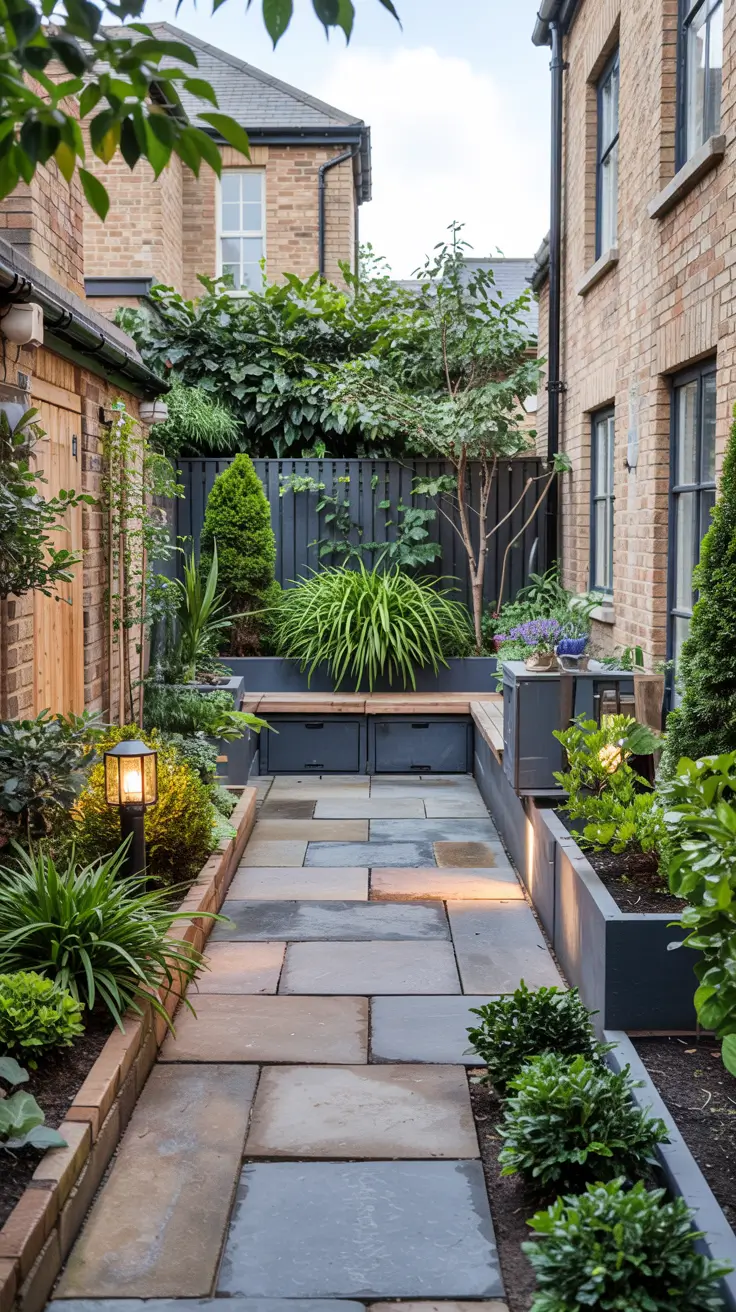
From what I have seen, compact gardens become high maintenance when there are too many small pots and too many fussy plant varieties. I prefer fewer, larger planters because they dry out more slowly and look more intentional. I also aim for a limited color palette and repeated textures, because repetition makes a small space feel designed. If you want a cozy vibe, I add lighting and one comfortable chair rather than adding more decor that needs cleaning. That is how small gardens stay relaxing instead of becoming another chore list.
To complete this section, I would add a micro-climate checklist specific to Uk walls and fences. I would include notes on wind tunnels, shade patterns, and how reflective surfaces can increase warmth in sheltered corners. I would also add a simple container watering strategy, since planters can still need attention in summer even in the Uk. For maintenance, I would add a quick monthly routine that includes edge brushing, leaf clearing, and a light prune schedule. Finally, I would add a compact planting plan with exact spacing so the garden stays airy as it matures.
Australian Front Yard Low Maintenance Garden Bed Ideas
Australian front yard low maintenance garden bed ideas in 2026 focus on curb appeal that survives heat, wind, and irregular rainfall. I design the front yard to look structured from the street, because structure is what keeps it looking good between maintenance days. In Australia, I treat water as a design constraint and choose Plants that can handle dry spells without collapsing. I also keep sightlines open for safety and easy entry, which naturally supports low maintenance garden design simple layouts. The overall effect should feel Modern, welcoming, and easy to keep neat.
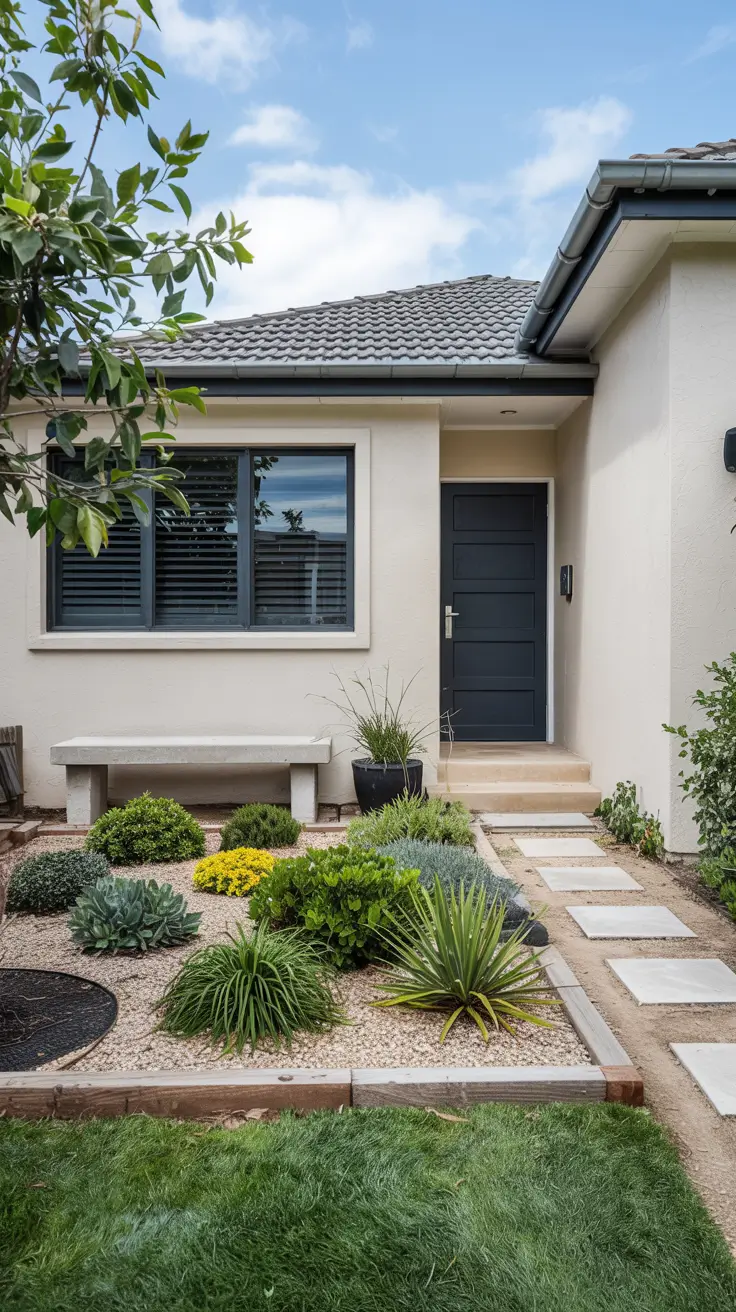
I start with a clear Bed outline, usually a simple curve or a crisp rectangle, so the shape reads from a distance. I include Australian native shrubs and grasses for resilience, mixing them with a few long-flowering accents for color. A defined Path to the door, in pavers or gravel, reduces worn patches and makes the entry feel intentional. I often add a small seating spot or a minimal bench if space allows, because it turns the front yard into a usable area without adding much upkeep. For Australian front yard landscape cohesion, I repeat the same plant groupings on both sides of the entry.
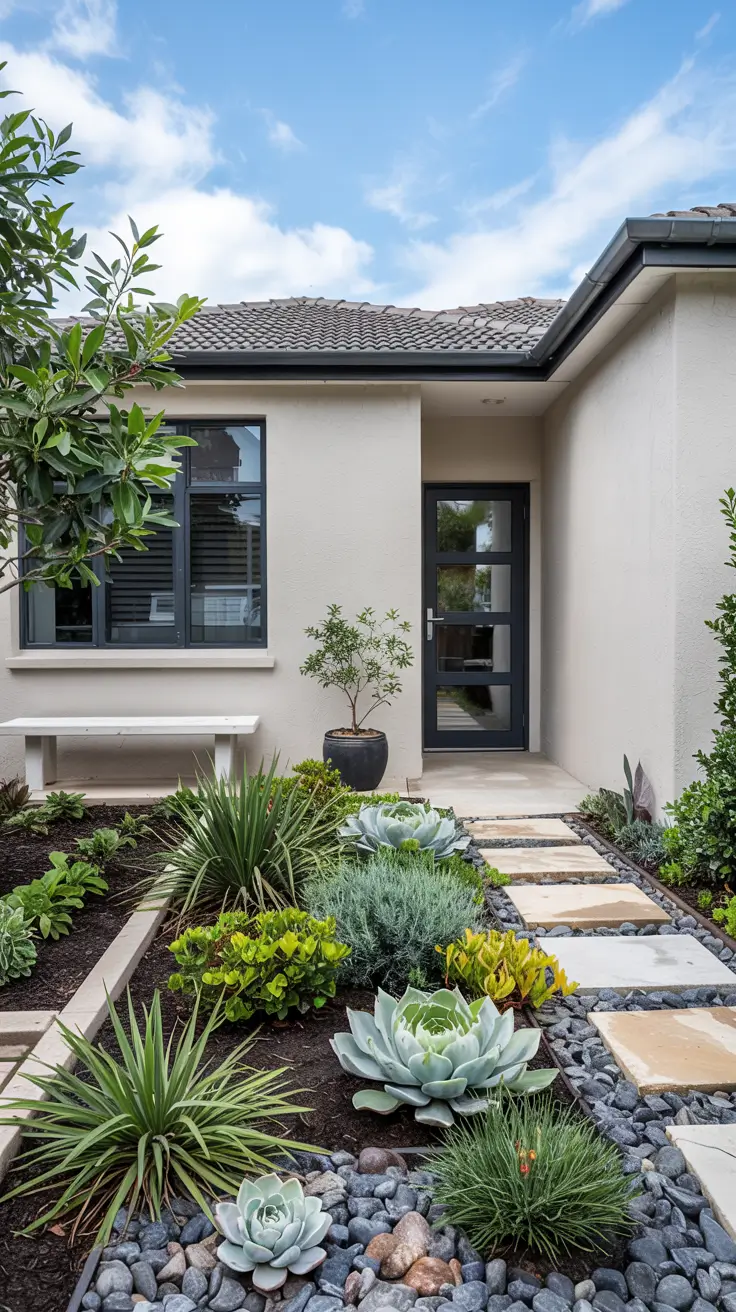
In my own work, the front yard succeeds when the plant palette is tough and the edges are sharp. I have seen Australian native combinations outperform thirsty exotics by a wide margin, especially when the soil is improved and mulched well. I also like using stone or gravel mulch in drier regions because it stays in place and looks clean longer. When the Bed is well-defined and the Plants are chosen for the climate, the garden looks maintained even when you have not touched it for two weeks. That is the real goal of low maintenance gardening.
What I would add here is a practical approach for Australia-specific microclimates, because coastal, inland, and subtropical areas behave differently. I would include notes on wind exposure, salt tolerance near the coast, and heat reflection from driveways. I would also add a simple irrigation recommendation, like a drip line on a timer during establishment, then reduced watering later. For a more Modern look, I would add one strong focal element, like a sculptural boulder or a clean-lined planter near the entry. Finally, I would add a guide for keeping plants off pathways and windows with minimal pruning.
Modern Low Maintenance Garden Design With Clean Lines
Modern low maintenance garden design in 2026 relies on clean lines, repetition, and a restrained palette that still feels warm. I treat the garden like architecture, where edges, levels, and negative space do the heavy lifting. This is one of the easiest ways to make low maintenance gardens look expensive without extra work. When the geometry is clear, the garden stays visually organized even when plants are in their slower seasons. It also makes maintenance faster because every zone has a purpose and a boundary.
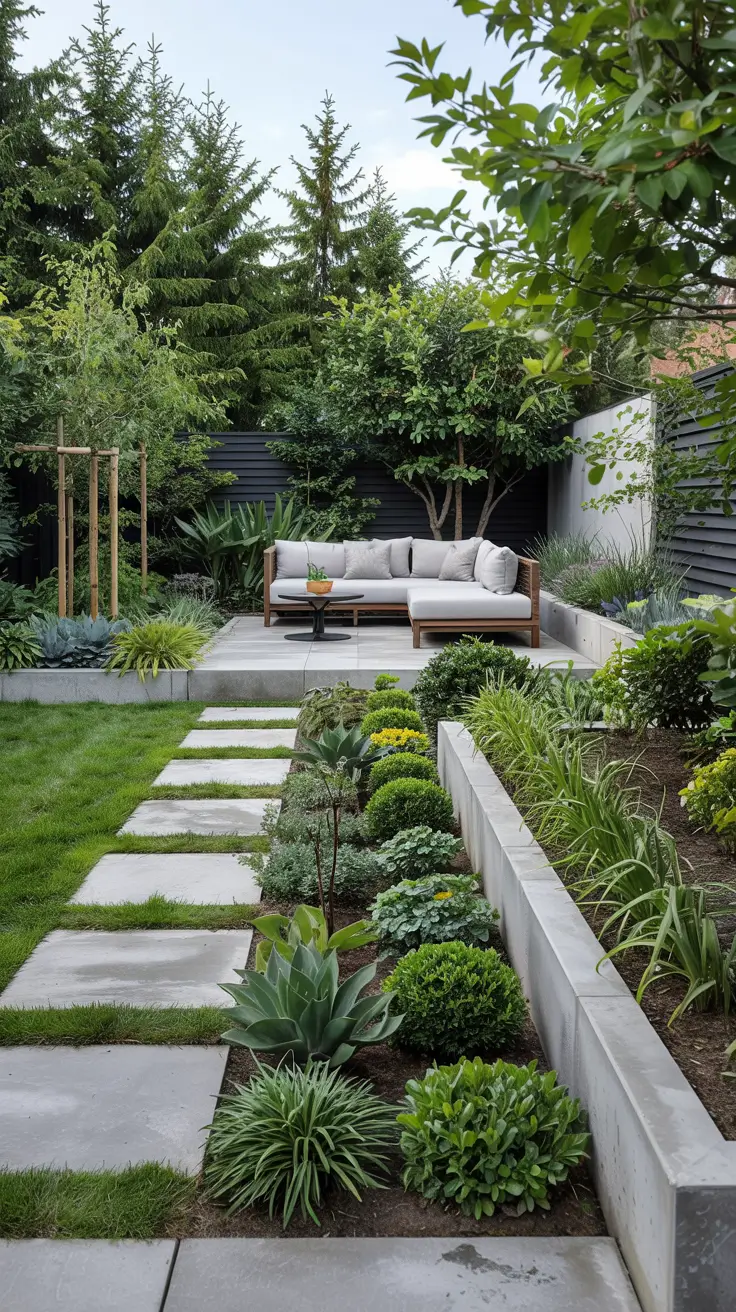
I use straight Paths, rectangular Beds, and consistent edging materials to keep the look crisp. Large-format pavers or concrete stepping slabs work well because there are fewer joints for weeds. For Plants, I choose a limited set of shapes, like upright grasses, round evergreen mounds, and a few accent plants with strong silhouettes. Furniture stays minimal: one dining set or a pair of lounge chairs, plus a simple side table, so cleaning is easy. Lighting is subtle and aligned with the lines of the design, which adds polish without adding clutter.
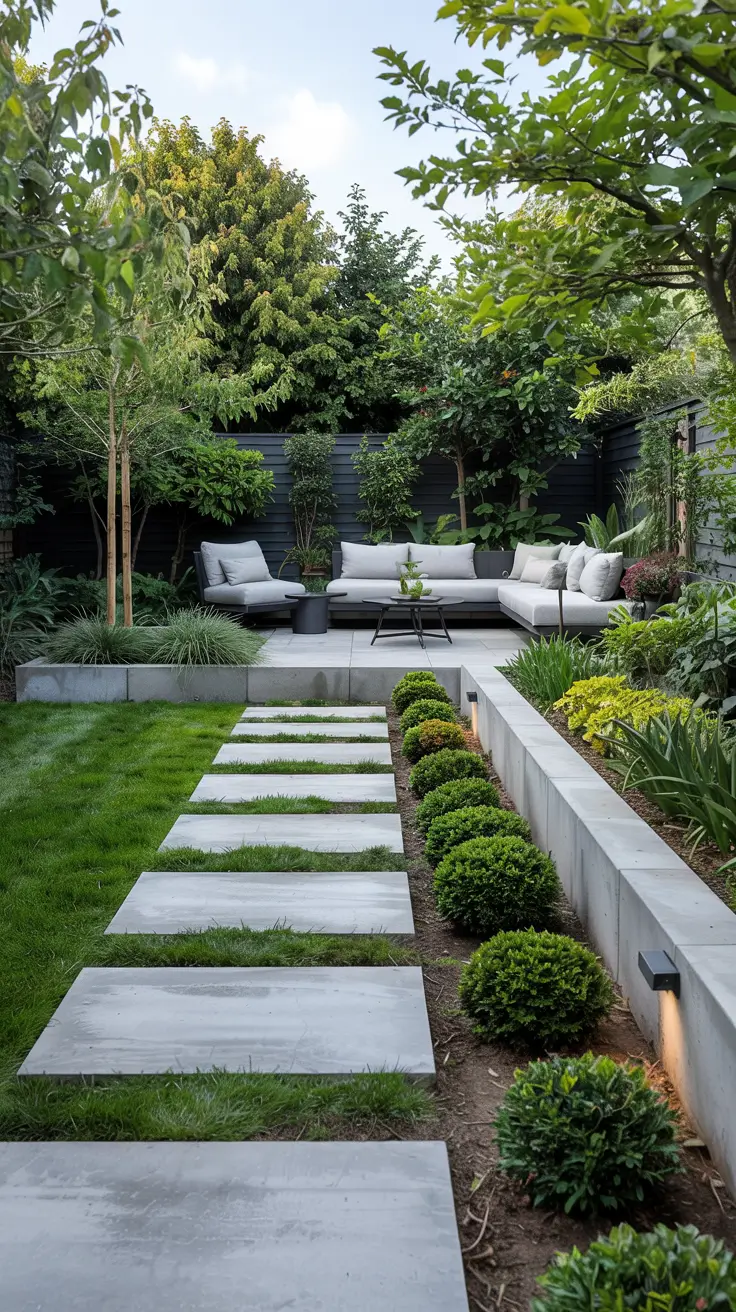
In my experience, the clean-line approach is the fastest route to a garden that looks maintained with minimal input. I also like that it adapts well across regions, including Uk and Australian backyard settings, because you can swap Plants while keeping the same structure. I have found that repetition is what makes Modern gardens feel calm, not the number of features. If you feel tempted to add more decor, I recommend upgrading one material instead, like choosing better edging or more cohesive pavers. That usually improves the whole space without adding new maintenance tasks.
To improve this section, I would add a small set of layout templates readers can follow without overthinking. I would include a simple diagram concept in words, like a main path spine with two planting rectangles and one seating pad. I would also add guidance on weed control at edges, because edges are where Modern gardens can lose their crisp look first. For plant selection, I would add region-based swaps so readers in cooler climates can achieve the same shapes. Finally, I would add advice on keeping lines straight over time, including base preparation and periodic re-leveling for gravel paths.
Low Maintenance Garden Plants For Borders UK Climate
Low maintenance garden plants for Borders uk climate in 2026 should hold shape, tolerate moisture swings, and look good for long stretches without constant pruning. In the Uk, I plan Borders to stay attractive through grey months, not only in peak summer. That means evergreen structure, reliable perennials, and grasses that do not collapse in rain. I also keep the Border design simple so it is easy to weed and easy to spot problems early. This is a practical way to keep low maintenance gardening consistent across the year.
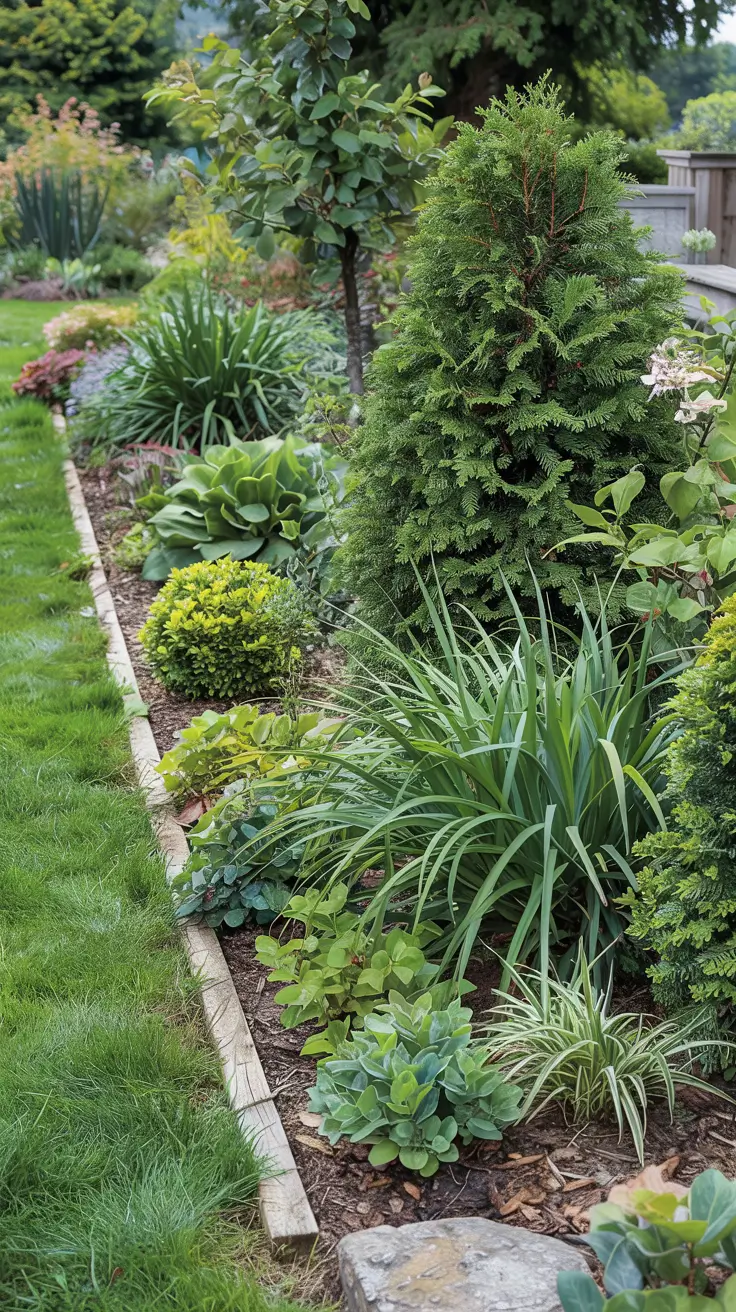
I start with a backbone of evergreen shrubs spaced correctly so they do not merge into a hedge too quickly. Then I add perennials that return reliably and do not need staking, plus a few grasses for movement and winter interest. I keep a clear edge between lawn or Path and the Border, because edging is what makes Borders look tidy even when plants are resting. Mulch is essential in the Uk because it suppresses weeds and stabilizes moisture in unpredictable weather. For low maintenance garden plants, I choose varieties known for strong stems, tidy habits, and repeat performance.
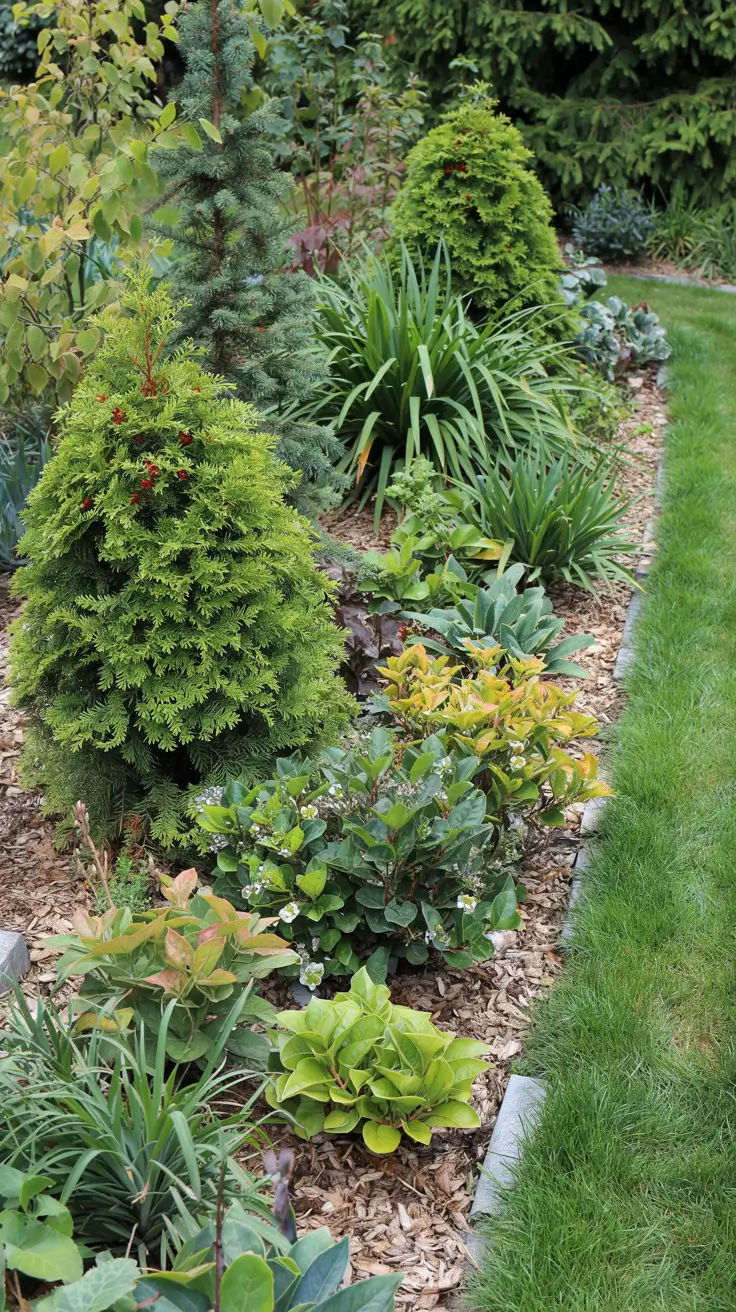
I have seen Borders fail when the planting is too dense and the moisture has nowhere to go, which leads to disease and constant replacements. I prefer leaving breathing room and using fewer, stronger plants rather than packing the Border with small fillers. If you want color, I recommend choosing a few long-blooming varieties and repeating them, because repetition reads as Design and reduces decision fatigue. In my own garden planning, I also think about winter outlines, since a Border that looks good in January feels much more rewarding. That is what makes the garden feel easy year-round.
What I would add to complete this section is a short seasonal care routine tailored to the Uk. I would include when to cut back grasses, when to divide perennials, and when to top up mulch. I would also add a simple soil and drainage check, because improving drainage often reduces maintenance more than any single plant choice. For readers who want extra structure, I would add a low edging plant suggestion that stays compact and defines the Border line. Finally, I would add a note on pest monitoring that focuses on quick, minimal interventions instead of intensive treatments.
Simple And Easy Low Maintenance Garden Ideas For Beginners
When I design a beginner-friendly space, I start with simple structure and repeatable elements so the garden never feels chaotic. I focus on a low maintenance garden design simple layout with clear zones like a small seating corner, a planting bed, and a path that connects everything. This approach is easy to maintain because it reduces odd corners that collect weeds and makes every area reachable for quick tidying. I also keep the palette tight so the garden looks cohesive even when some plants are between growth spurts. For 2026, I see more people choosing low maintenance gardening systems that rely on fewer plant types, stronger shapes, and durable surfaces.
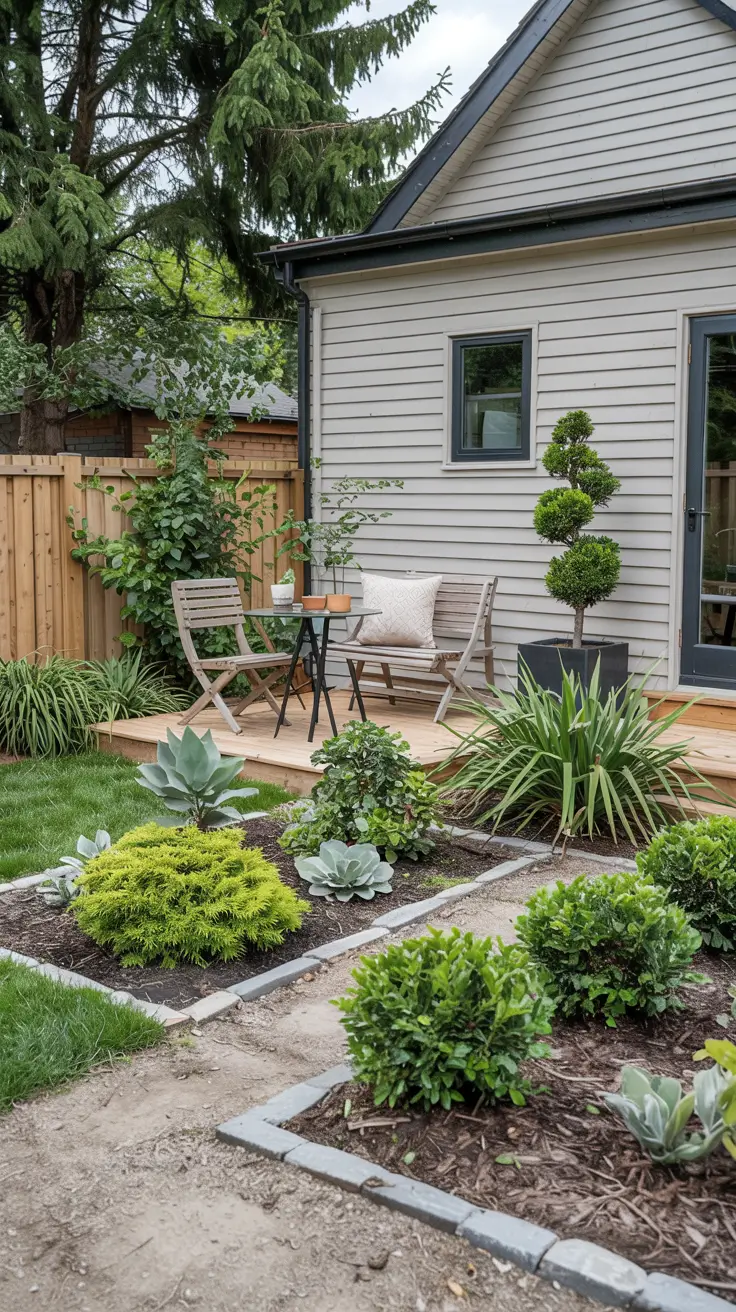
For the hardscape, I like to use one main path material, such as large-format pavers or compacted gravel, because it reads modern and is quick to keep clean. I add a low maintenance garden bed with a defined edge, since crisp borders prevent lawn creep and make mulching faster. For planting, I choose reliable low maintenance garden plants like hardy grasses, evergreen shrubs, and a few long-blooming perennials that do not need staking. A simple bench or two weatherproof chairs give the space a purpose, and I place them where you can see the garden without stepping into beds. If the budget matters, I lean into low maintenance garden ideas on a budget by using smaller plants spaced properly and improving the soil once, rather than constantly replacing stressed plants.
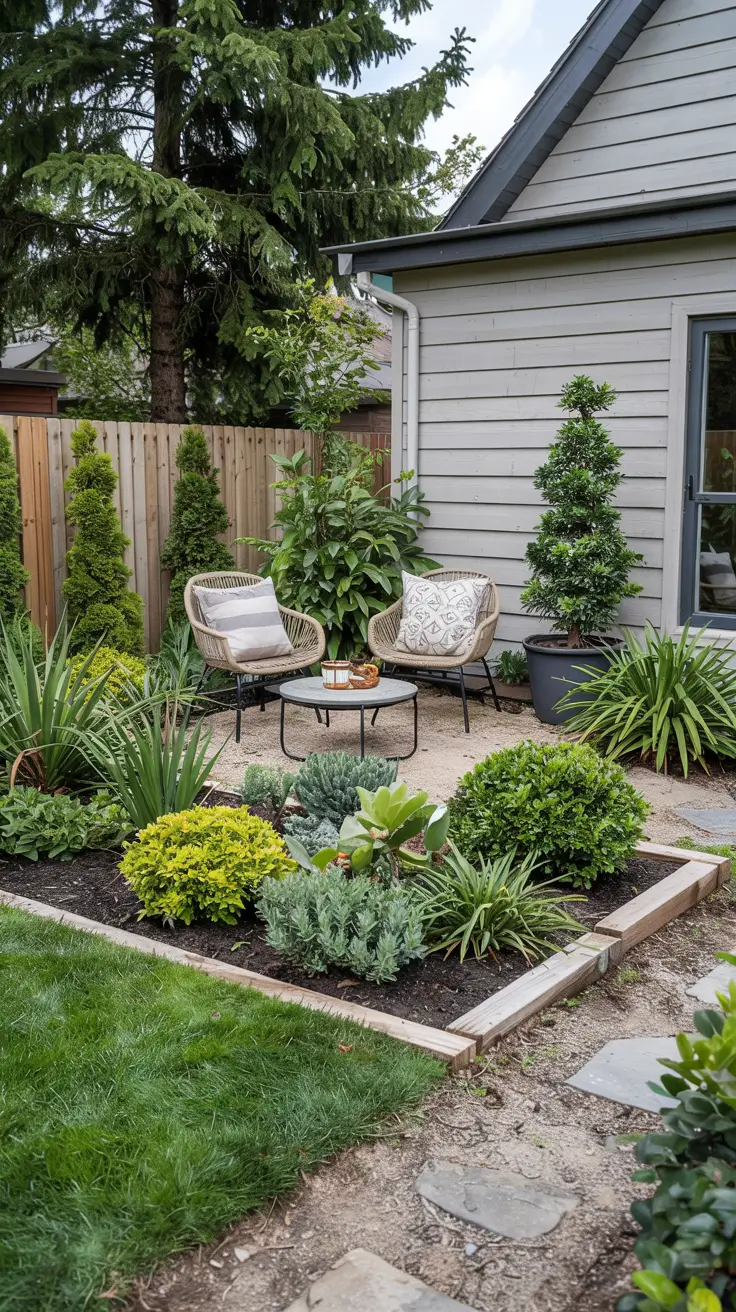
In my experience, beginners stick with gardens that feel rewarding after just 10 minutes of care. I aim for tasks you can do quickly, like topping up mulch, snipping a few seed heads, and sweeping the path. Many landscape pros recommend grouping plants with similar water needs, and I have found that alone prevents most beginner frustration. I also keep a small kit near the back door, because convenience is a real design tool in low maintenance gardening. The best part is that a simple plan tends to look better over time, because repetition makes growth feel intentional.
To strengthen this section, I would add a small seasonal routine that matches the layout, like what to do in early spring, mid-summer, and autumn. I would also include a quick note on choosing mulch types and depths, since mulch is central to low maintenance garden ideas landscaping. Finally, I would add a short checklist for spacing and edging so the low maintenance garden bed stays tidy as plants mature.
Low Maintenance Garden Australian Backyard Design Inspiration
When I plan an Australian backyard, I prioritize shade, airflow, and resilient planting that can handle heat swings. A low maintenance garden australian layout works best when the garden is designed around outdoor living, with a clear patio zone and planting kept slightly away from high-traffic edges. I like to keep the design simple so it stays calm even in bright light, and I use structure to make it feel finished year-round. In 2026, I notice more Australian backyard designs using a few bold masses of Australian native plants instead of many small mixed plantings. That direction supports low maintenance gardens because it cuts down on selective pruning and constant replanting.
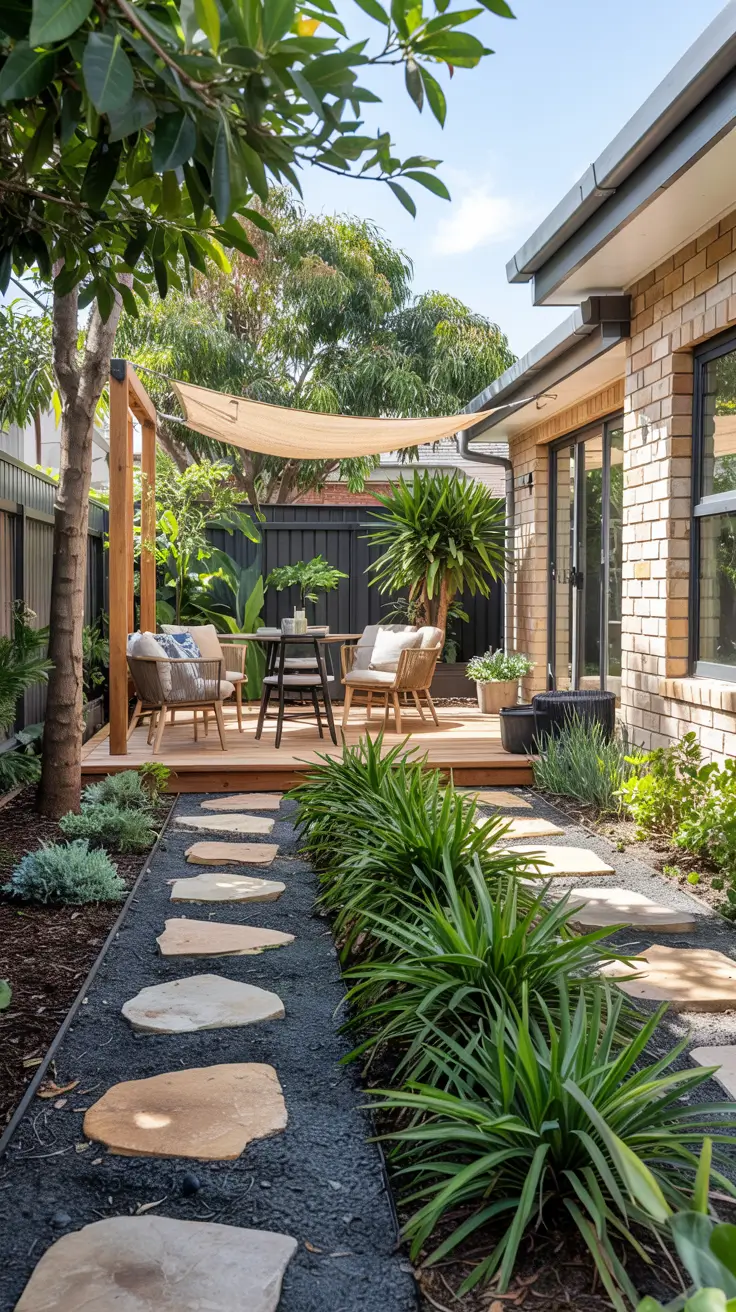
For surfaces, I often use a permeable path, like gravel or spaced pavers, because it drains fast and looks relaxed in Australia. I build raised bed ideas only where needed, such as near the entertaining area for herbs, since raised beds can dry out faster if they are not planned well. For planting, I lean on Australian native shrubs and grasses that hold form, and I add groundcovers to reduce weeds and protect soil. A simple pergola or shade sail, plus a sturdy outdoor table, creates function without adding delicate pieces that need frequent upkeep. This is where low maintenance garden ideas landscaping really shine, because the layout supports quick cleaning and easy access to irrigation.
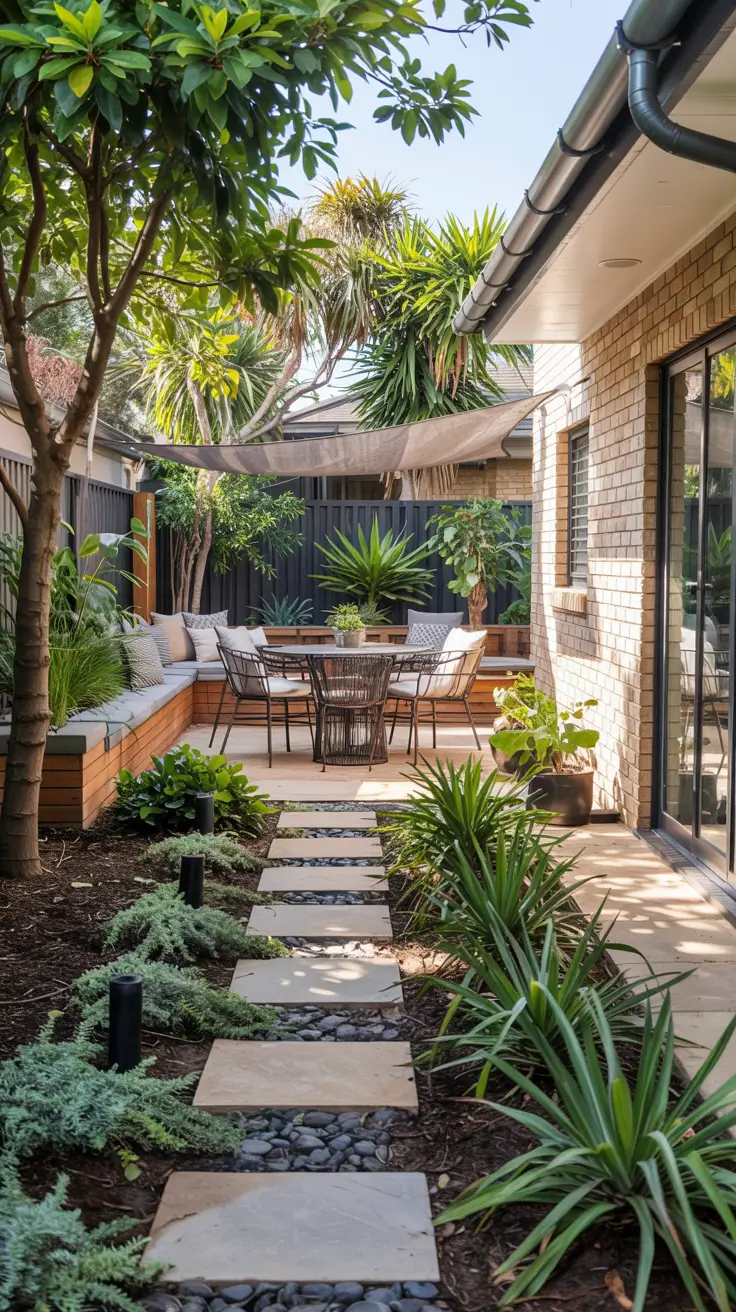
I have learned that the best Australian backyard is one that stays comfortable first, and pretty second, because comfort keeps you using it. Designers often stress the value of layering shade, and I agree because it makes the space usable and protects plants from extreme exposure. I also keep plant heights in mind so breezes move through, reducing disease pressure and cutting maintenance. When I use a dripline system under mulch, the garden becomes genuinely low effort, especially during hot weeks. It is a modern approach that still looks natural, which is why low maintenance garden australian styles are so popular.
To complete this section, I would add a short plant-selection framework for Australia by sun exposure, like full sun, part shade, and dry shade. I would also add one example of an Australian backyard layout with approximate dimensions, so readers can visualize spacing. Finally, I would include a note on choosing mulch and stone colors that suit Australian light and keep the garden looking modern.
Stylish Low Maintenance Garden Ideas Landscaping For Sloped Yards
Sloped yards can be frustrating, but I treat them as an advantage because they naturally create levels and views. My goal is to stop erosion, slow water, and make movement safe, which is the foundation of low maintenance garden design on a slope. I keep the design simple by using a few terraces or broad planting bands rather than many small steps. This reduces trimming and makes it easier to mulch, which is essential for low maintenance gardening on uneven ground. In 2026, I see more sloped gardens using strong lines, repeated materials, and planting that drapes naturally to soften the grade.
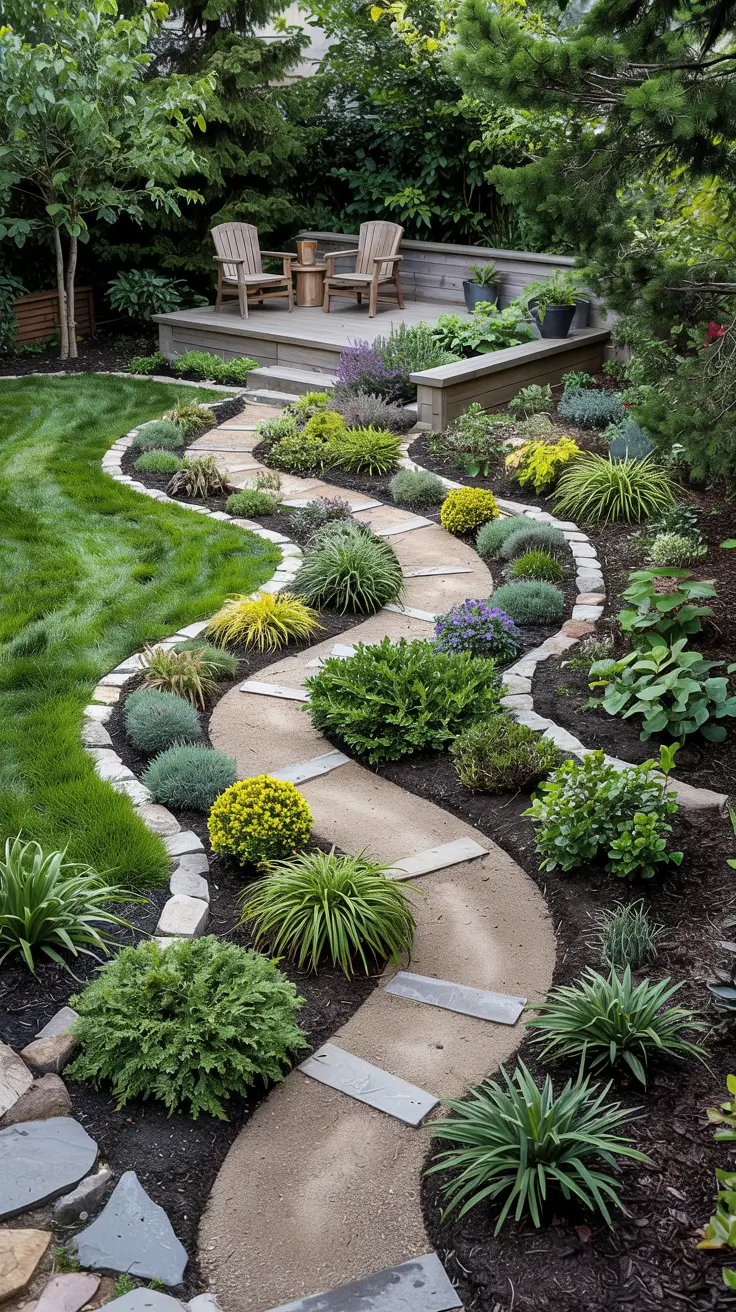
For the layout, I like to add a clear path that zigzags gently, because straight stairs can feel harsh and demand more edging work. I build planting beds with sturdy edging, and I use groundcovers and deep-rooted shrubs to hold soil in place. If the slope is sunny, ornamental grasses and drought-tolerant shrubs can look modern while staying low effort. A small landing with two outdoor chairs gives you a reason to go up or down, and it also breaks the slope visually. This kind of planning supports low maintenance garden ideas landscaping because every surface and plant choice reduces the need for frequent correction.
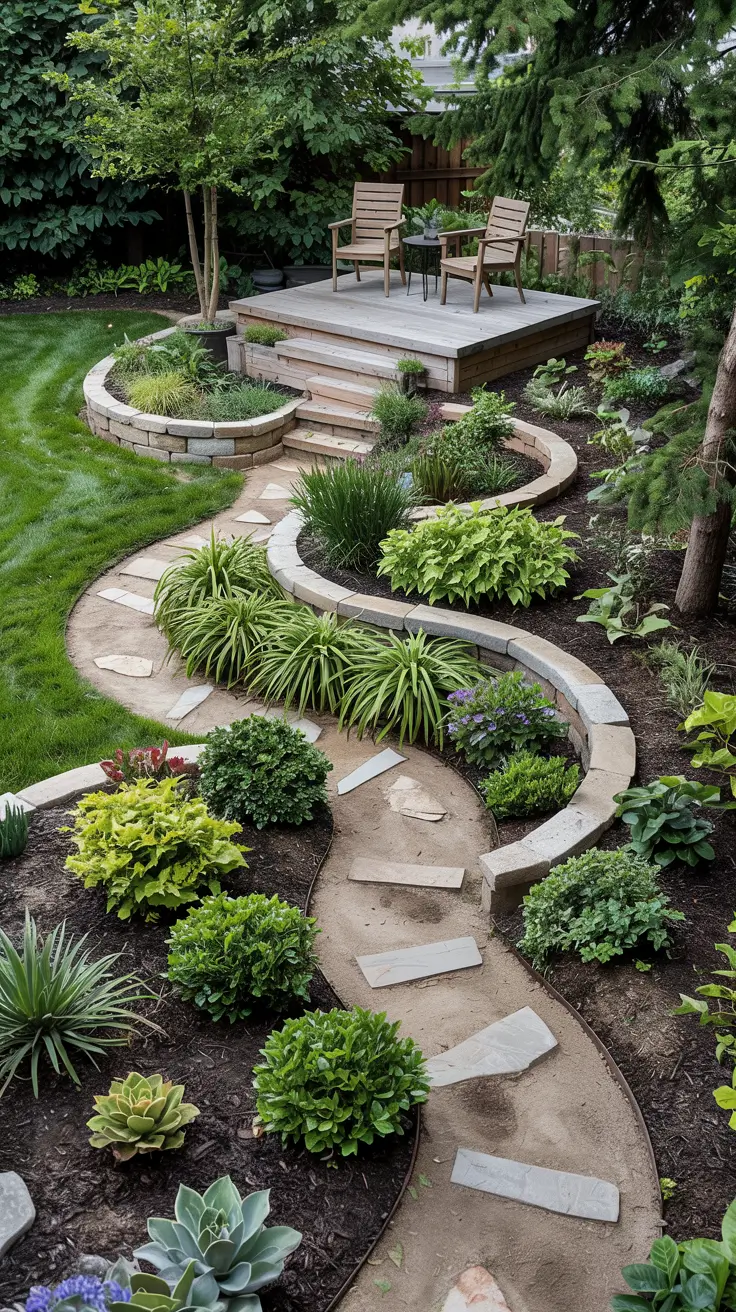
From my own projects, the biggest maintenance win is choosing plants that fit the slope conditions instead of fighting them. Pros often emphasize right plant, right place, and on slopes that advice matters even more because watering and soil can be inconsistent. I also avoid tiny borders that require precise trimming, and I use wider planting bands that look intentional when they fill in. When I add a thick mulch layer and simple irrigation, weeds drop dramatically and the slope stays stable. The result is a stylish landscape that looks designed, not improvised, even after heavy rain.
To improve this section, I would add guidance on evaluating the slope, like where water flows and where it pools. I would also include a brief note on safe step dimensions and handrail options for steep areas. Finally, I would add a short list of plant forms that work well on slopes, like mounding shrubs, spreading groundcovers, and clumping grasses, without turning it into a long catalog.
Easy Low Maintenance Garden Bed Ideas On A Budget
When the goal is savings and simplicity, I focus on a few bed shapes that are easy to maintain and easy to expand later. I like low maintenance garden ideas on a budget that use one or two bed lines along a fence or boundary, because edges are easier to keep clean than islands in the middle of lawn. I keep the design simple so the beds look intentional with minimal plants at first, then fill in over time. This is a practical way to build low maintenance gardens without feeling like you need to finish everything in one season. In 2026, budget gardens look more modern because people rely on repetition and structure instead of lots of decor.
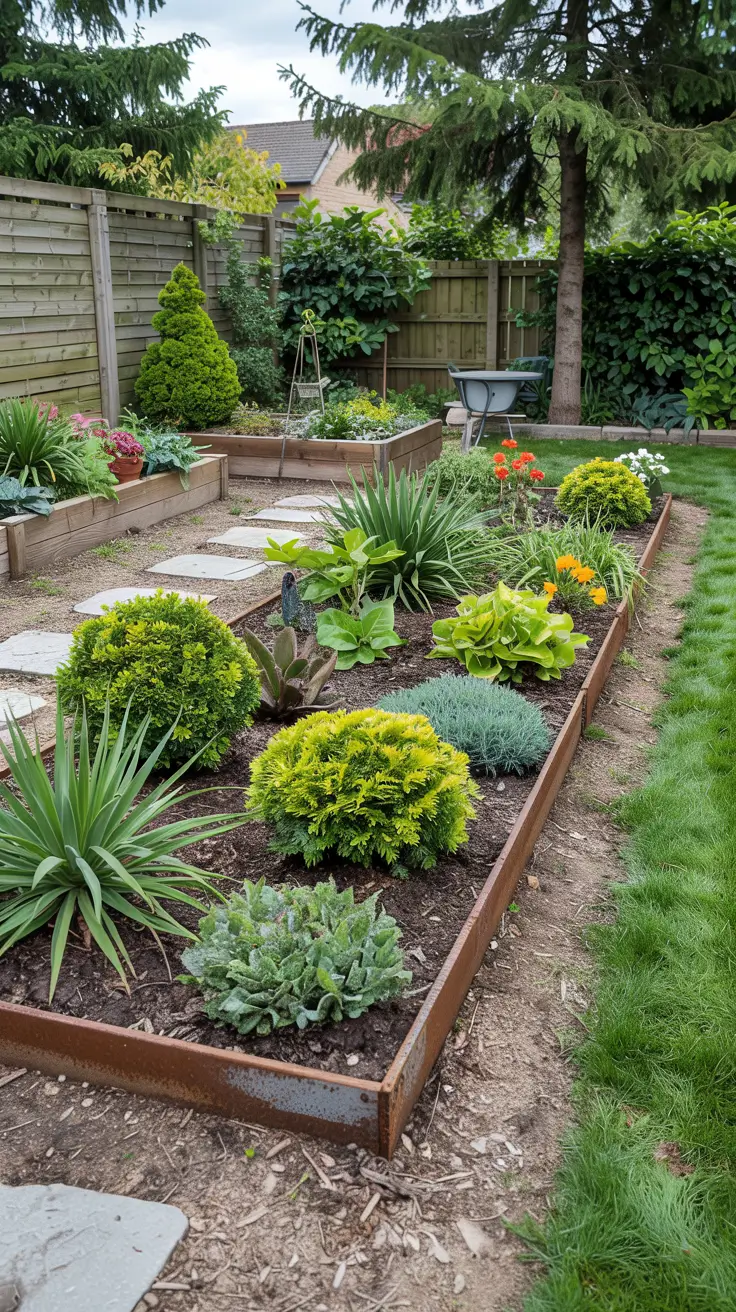
For materials, I often choose budget-friendly edging like metal strips, simple timber, or even a clean spade edge if you are consistent. I improve the soil with compost and then mulch heavily, because healthy soil reduces watering and keeps low maintenance garden plants stronger. For the plant mix, I use a backbone of evergreen shrubs, then add a few perennials that return reliably, and I repeat them for a designed look. If you want a neat result fast, I space plants according to their mature size to avoid constant pruning later. This approach supports low maintenance garden design because it prevents the classic budget mistake of overcrowding.
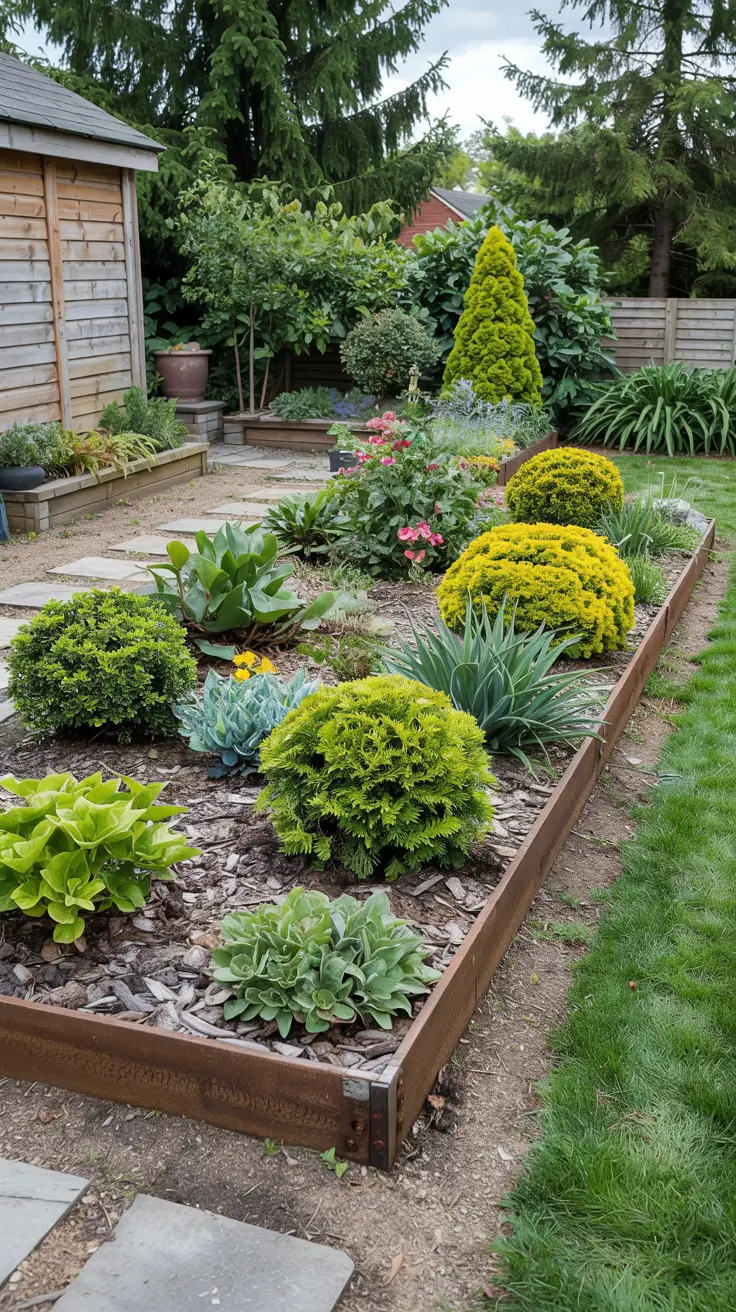
I have found that the most expensive garden is the one you redo twice, so planning is part of staying on budget. Many experienced designers suggest spending money on structure first, like edging and soil, and I agree because plants perform better when the foundation is right. I also recommend buying smaller plants and letting them grow, since they establish quickly and often catch up within a couple of seasons. With a simple bed plan, the garden stays calm even if you add one plant at a time. That is how low maintenance gardening becomes realistic for busy weeks.
To round out this section, I would add a short strategy for phased planting, like what to buy first and what can wait. I would also include a note on choosing mulch that fits your climate and budget, since mulch is the main maintenance lever here. Finally, I would add one example of a bed layout that works for both a small garden and a longer boundary run.
Modern Low Maintenance Garden Australia Trends For 2026
Modern gardens in Australia are leaning toward calm geometry, textured planting, and materials that age well. I see modern low maintenance garden Australia spaces using large pavers, simple gravel zones, and planting that reads sculptural rather than fussy. The goal is a garden that still looks designed during hot spells, heavy rain periods, and everything in between. This trend aligns with low maintenance gardens because fewer elements are easier to keep sharp. It also works beautifully for an Australian front yard where curb appeal matters without adding weekly chores.
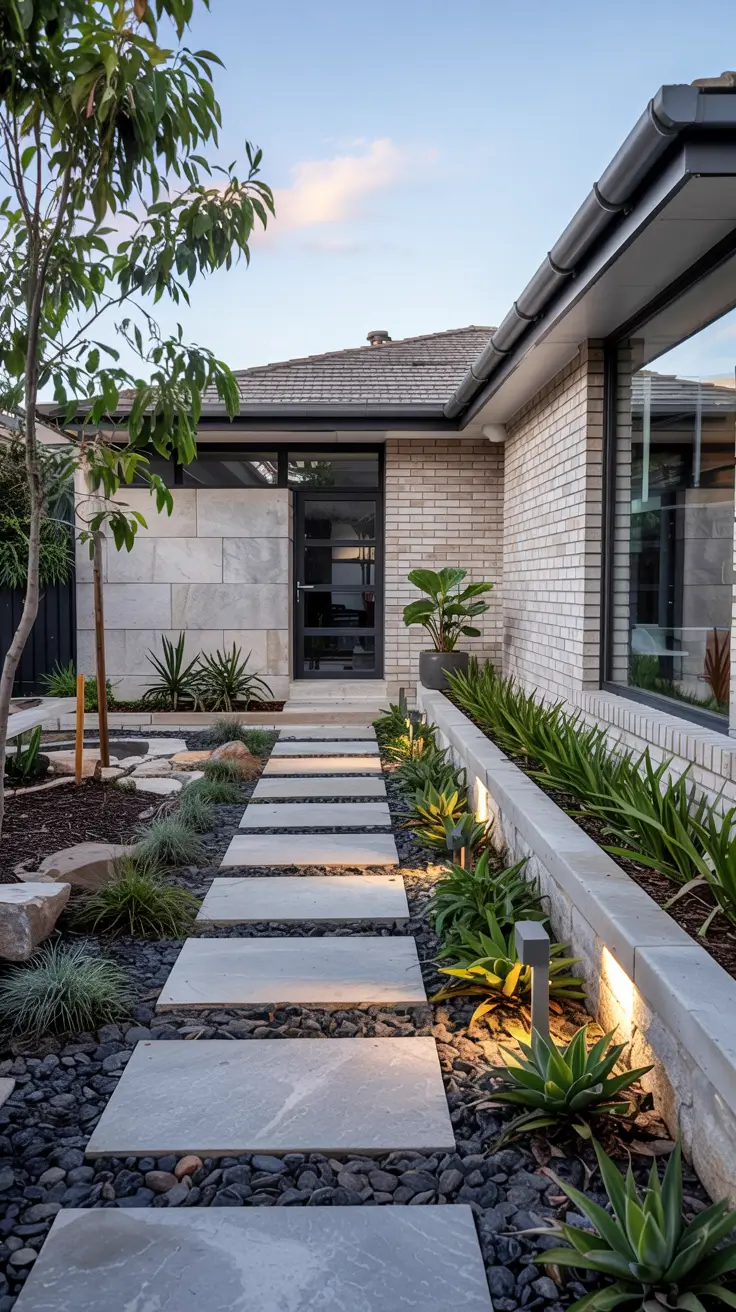
For the layout, I like to use a defined path that guides you from gate to door, because a clear path keeps planting from being trampled and simplifies cleaning. I build a strong border line, then fill it with Australian native plants mixed with a few hardy accent plants for contrast. A simple water feature can work if it is self-contained and easy to access, but I only include it when it fits the lifestyle and maintenance tolerance. Outdoor lighting is another modern element that adds impact without adding work, especially along a path and near key plants. These choices keep the space modern while supporting low maintenance garden design simple principles.
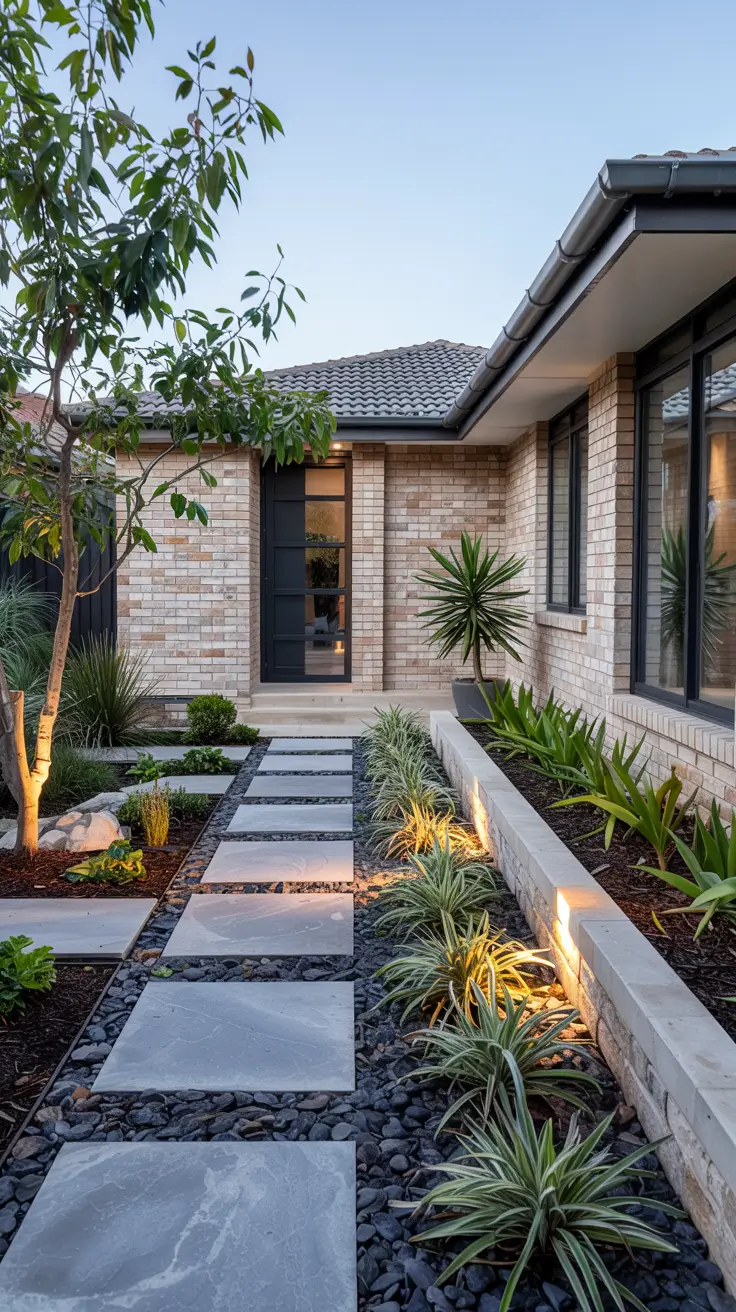
In my own work, the modern look depends on restraint, and restraint is also what makes the garden easy. Designers often talk about negative space, and I use it intentionally by leaving areas as gravel, pavers, or low groundcover rather than packing in plants. I also choose plants for form first, like grasses, clipped shrubs, and upright natives, because form reads well even when the garden is not freshly detailed. When the structure is right, the garden looks finished after a quick sweep and a light prune. That is why modern low maintenance garden Australia styles are growing so fast.
To strengthen this section, I would add a short note on selecting heat-tolerant materials that do not glare or crack easily in Australian conditions. I would also include guidance on choosing plant textures that look good together, like mixing fine grasses with broader-leaf shrubs. Finally, I would add an example of how to adapt this style to an Australian front yard landscape, including where to place the path, border, and a small seating moment.
Ultimate Guide To Low Maintenance Gardens Design Ideas And Plants
When I pull everything together, I treat the garden as a system made of layout, materials, and plants that support each other. Low maintenance garden design starts with access, meaning I can reach every bed without stepping on soil or squeezing behind shrubs. Then I build the garden around simple patterns, like repeated beds, a clear path, and consistent borders. This is how low maintenance garden ideas uk and Australian approaches can both work, because the principles are the same even when the plant list changes. In 2026, the most successful low maintenance gardens feel intentional because they are designed for real routines, not perfect photos.
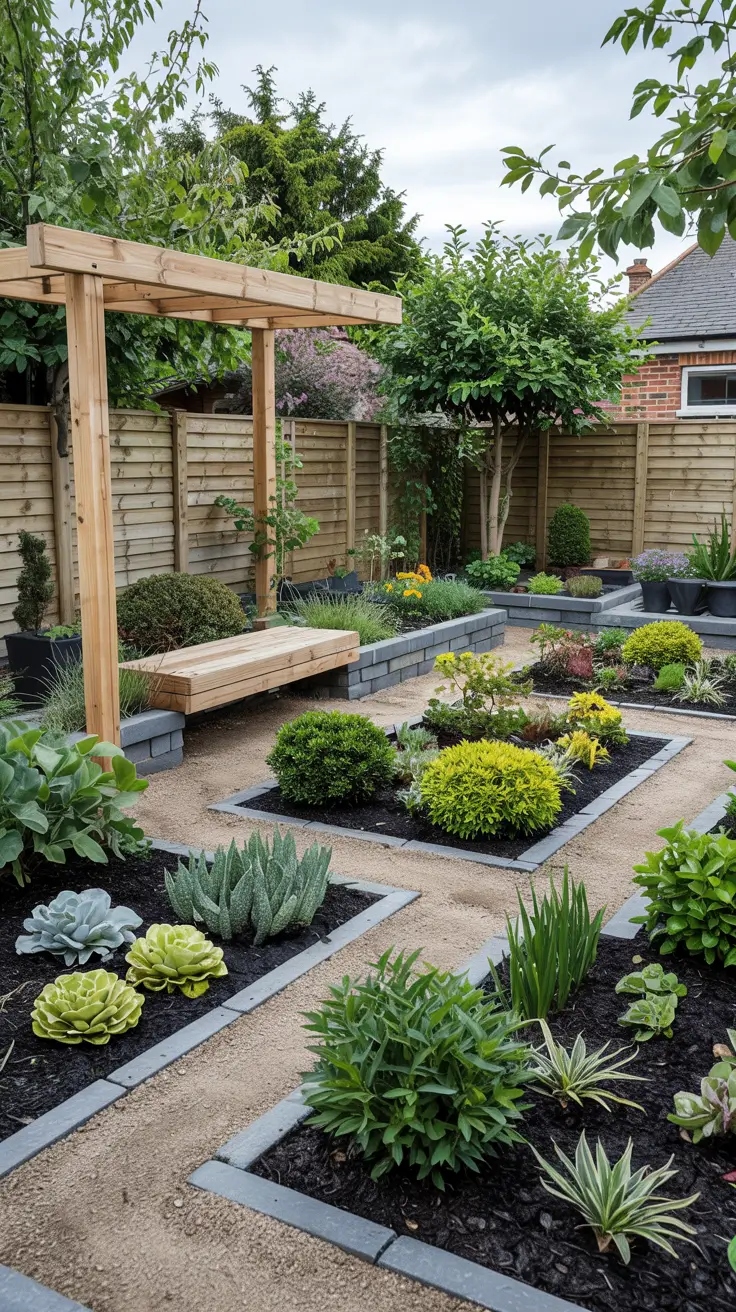
For plants, I focus on dependable performers that suit the climate and the level of sun, since low maintenance garden plants fail when they are placed in the wrong conditions. I also group plants with similar water needs, which simplifies irrigation and supports healthier growth. For structure, I like defined borders uk style in tighter spaces, and slightly broader, more relaxed borders in Australian gardens, but both benefit from clear edging. A low maintenance garden bed works best when it is mulched, edged, and planted densely enough to shade soil once established. I keep furniture simple, like a weatherproof bench or compact dining set, so the garden is usable without adding items that need refinishing.
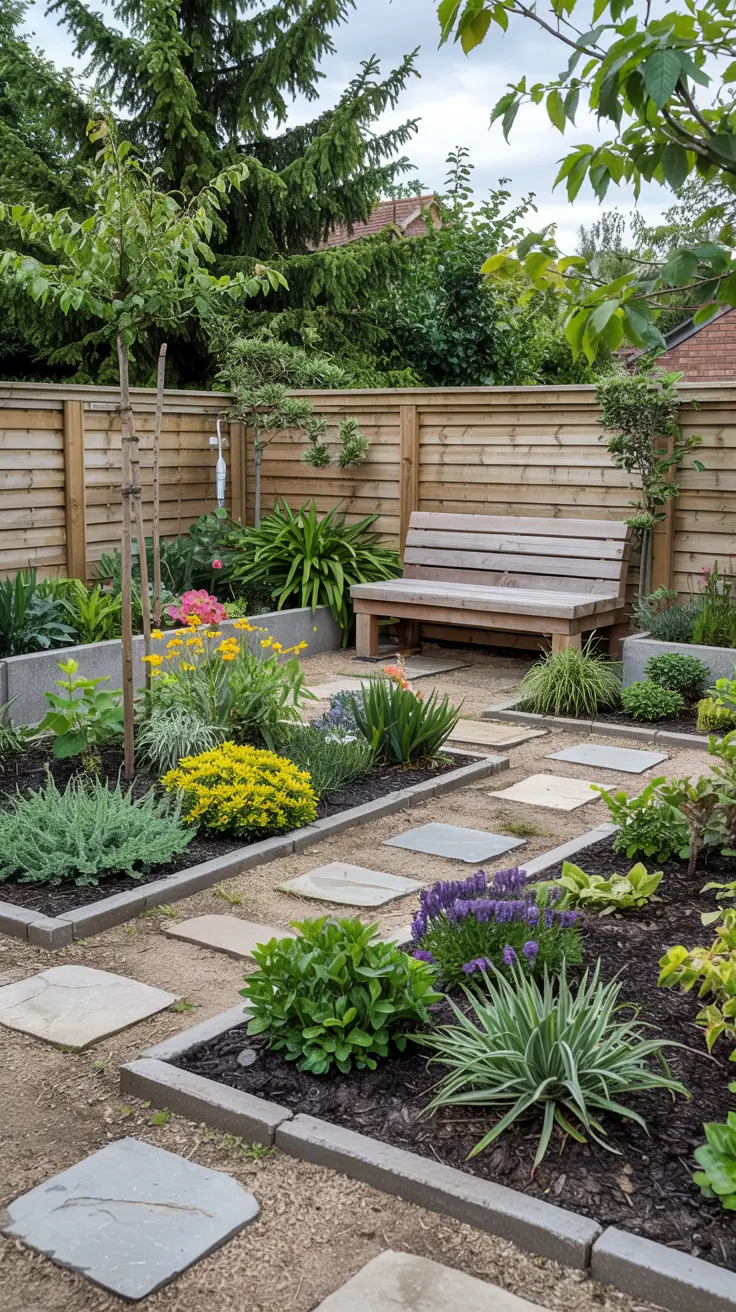
From my perspective, the best advice is to design for the maintenance you will actually do. Professionals often repeat that good design reduces future work, and I see that clearly in gardens with strong paths, clean bed lines, and plants chosen for mature size. I also recommend setting a realistic care rhythm, like a 15-minute weekly reset and a seasonal refresh, because consistency beats marathon weekends. When you stop fighting the site and start supporting it, low maintenance gardening becomes genuinely enjoyable. That is the moment when the garden starts giving you time back.
To complete this guide, I would add a climate-based mini roadmap that separates ideas for Uk gardens and Australia, especially around winter wet, summer drought, and plant hardiness. I would also add a short troubleshooting section for common problems like weeds in gravel, patchy mulch, and overgrown shrubs. Finally, I would include a simple template readers can copy, like a path plus border plus seating plan, and then adjust for their yard.