Mediterranean garden style landscape is having a big moment for 2026, especially as more people want outdoor living that looks beautiful and stays practical in heat, wind, and dry spells. If you are exploring mediterranean garden styles and mediterranean style garden design, you might be wondering what is actually changing this year, what stays timeless, and how to make the look feel authentic instead of themed.
In this article I will break down the biggest Mediterranean-style shifts for 2026, then walk through core design principles and easy ways to connect the garden to the house. I will also cover how to create a garden in mediterranean style step by step, including plant choices, wall and fence finishes, raised beds, and patio planning. Finally, I will share mediterranean garden design tuscan style patio inspiration and mediterranean garden design tuscan style outdoor living ideas you can adapt for a front space, side yard, courtyard, or terrace. If you live in the Uk, I will keep the advice realistic for cooler seasons too, including containers and sheltered corners.
Mediterranean Garden Style Landscape Trends For 2026
For 2026, I am seeing mediterranean garden style landscape move toward calmer, more architectural layouts that still feel lush but are easier to maintain. The overall Design is less about filling every corner and more about strong lines, clear zones for outdoor living, and a balance between plants and hardscape. I plan these gardens like a series of small Rooms outdoors, with a Patio, a dining zone, and a quiet reading corner that might sit near a warm Wall. Modern Mediterranean-style spaces also lean into texture, so gravel, stone, limewash, and aged terracotta feel intentional rather than rustic. If you want the look to feel current, I focus on simple geometry, layered heights, and one or two signature trees like an Olive tree landscape moment that anchors the view.
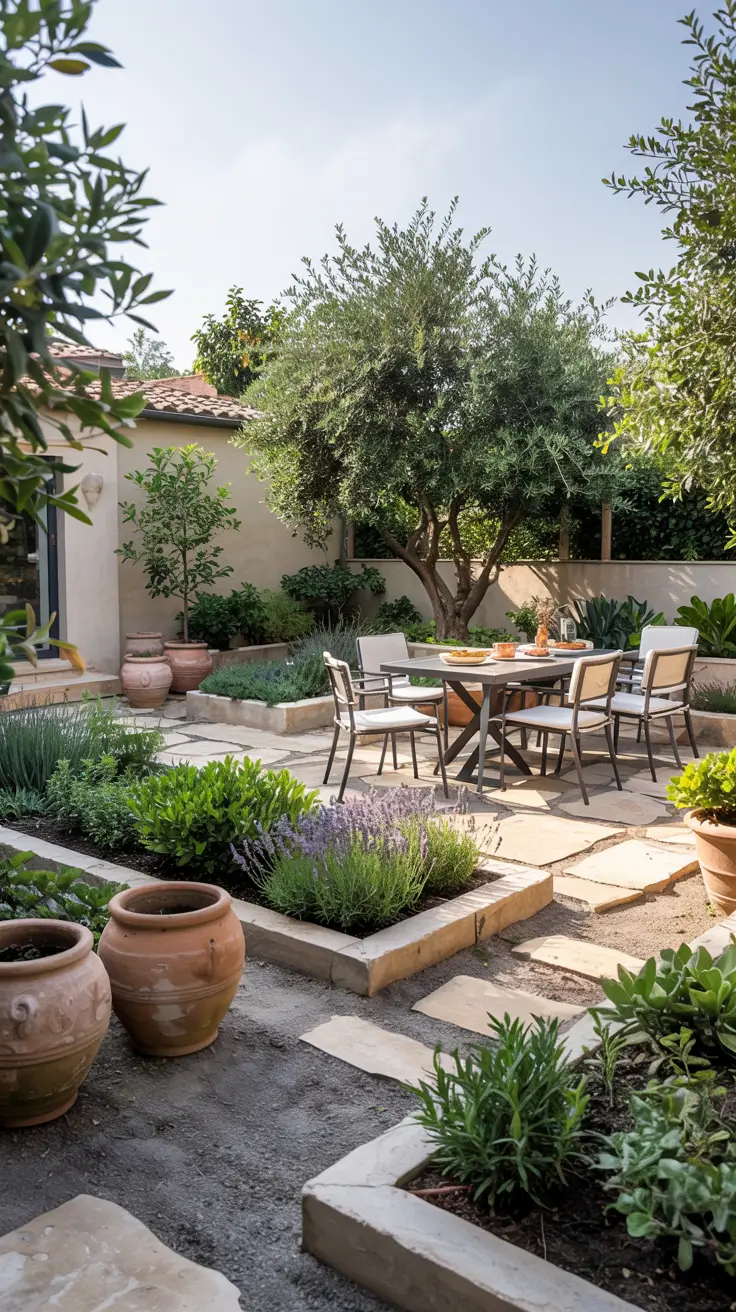
When I build this trend into a real space, I start with the hardscape and then let the planting support it. I like to use raised planters or a Raised Bed to control soil quality and to frame pathways, especially if the space is a Front yard where edges need to read cleanly. A Fence can be softened with climbing plants, but I keep the structure visible so it feels Mediterranean-style and not overgrown cottage. For seating, I choose simple outdoor furniture with warm wood, woven textures, or powder coated metal, then add cushions in sun friendly fabrics so the outdoor living area stays comfortable. Containers matter more in 2026 too, so a mediterranean style container garden with terracotta pots gives flexibility for seasonal swaps and protects tender plants in winter.
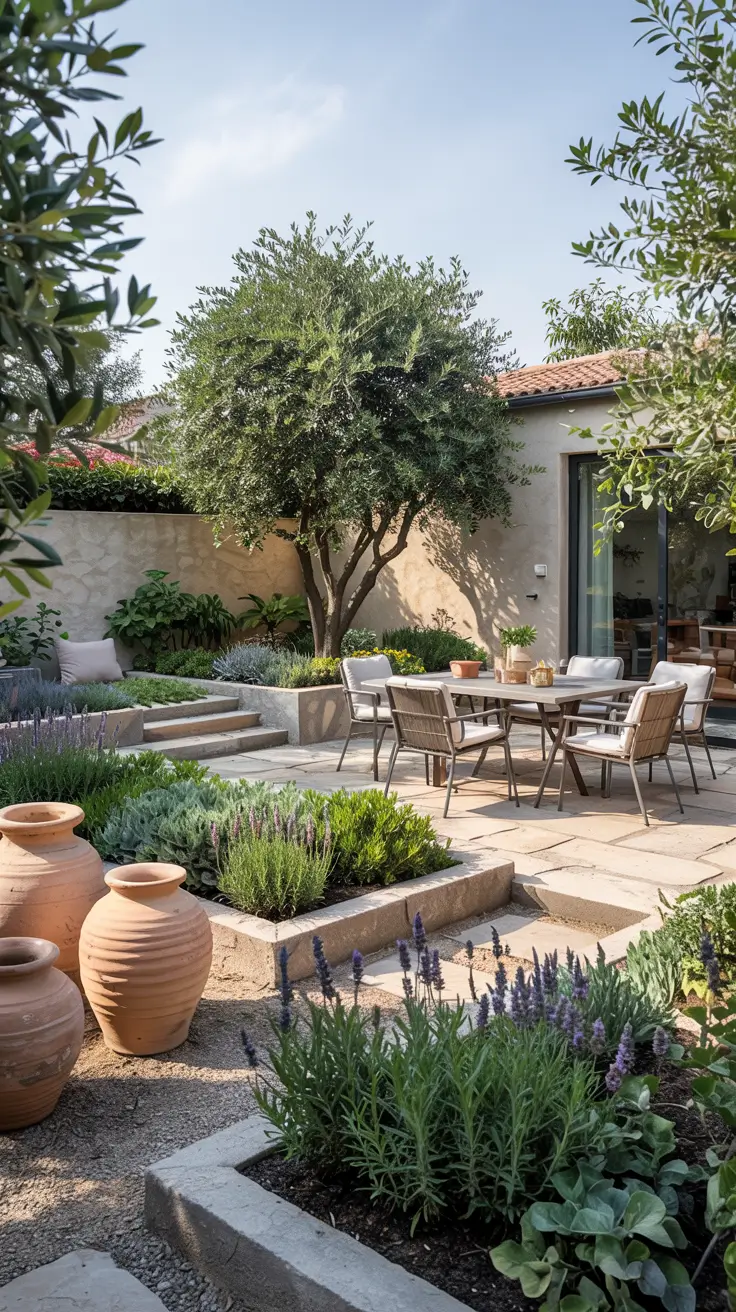
In my experience, the most successful 2026 gardens pick one hero material and repeat it with restraint. Designers often emphasize cohesion, and I agree, repeating one stone type or one plaster tone makes the whole landscape feel intentional. I also recommend thinking about shade early, because a pergola, sail shade, or olive canopy changes how usable the patio is through the day. I have found that even a small Side space becomes useful when I add a bench, a narrow table, and layered pots, because it turns into a functional Room rather than a leftover strip. If you want your space to feel modern and Mediterranean at the same time, I aim for fewer plant varieties but bigger impact, with repeated forms and consistent textures.
What I would add to complete this section is a simple trend checklist you can apply to your own layout. I would include a quick guide to choosing one hero material, one accent color, and one signature tree, then show how to repeat them across the Patio, Fence, and Wall areas. I would also add a short note on lighting, because warm, low lighting is a major part of the 2026 look and makes outdoor living feel inviting at night. Finally, I would include a mini plan for small spaces like a terrace or courtyard, showing how to create one clean path, one seating zone, and one focal planter.
The Evolution Of Mediterranean Garden Styles In Modern Landscape Design
Mediterranean garden styles have evolved from purely traditional references into something more adaptable, especially as modern landscape goals focus on sustainability and year round function. I think of the evolution as a shift from decorative planting toward climate smart structure, with planting that supports the architecture rather than competing with it. The Spanish colonial influence is still visible in courtyards, arches, and textured walls, but now it is paired with cleaner lines and fewer ornamental details. In 2026, I notice people want the romance of Mediterranean-style spaces with the efficiency of modern Design, so the layouts feel calm, open, and intentional. This evolution also shows up in how we use space, turning terraces, rooftops, and side yards into real outdoor Rooms.
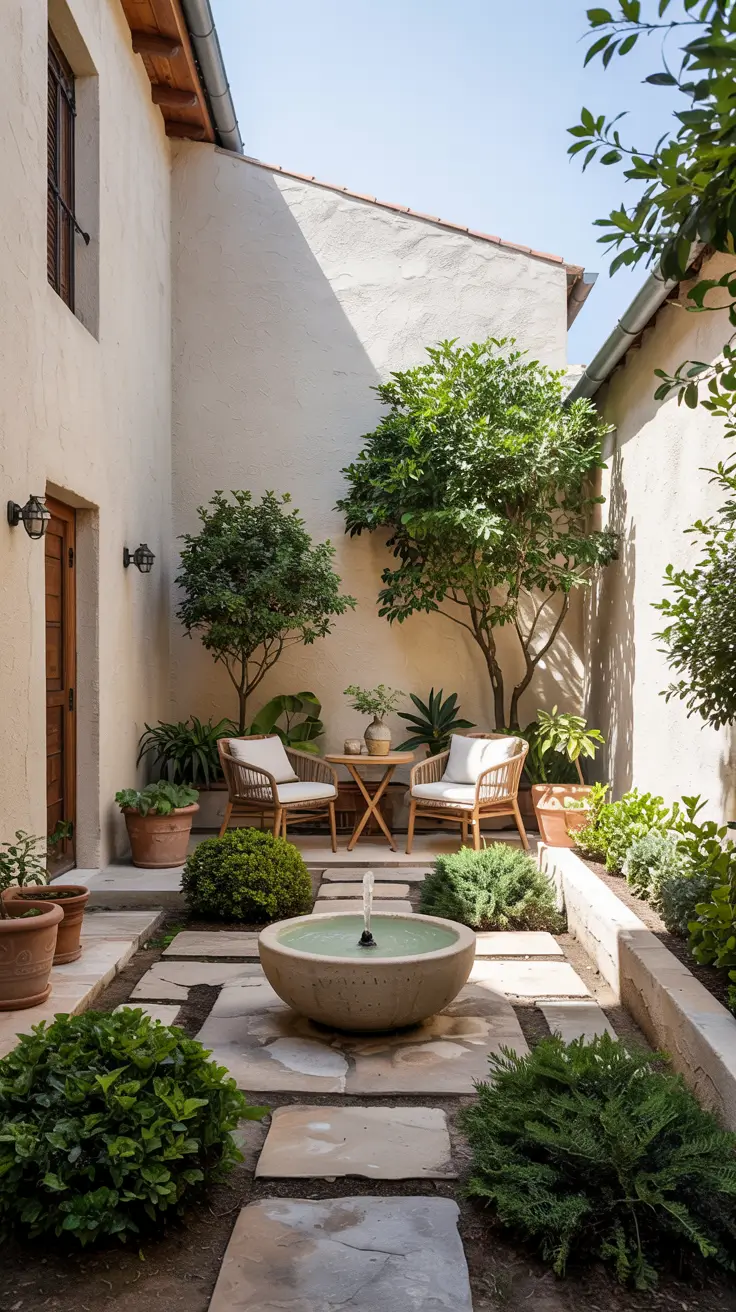
To bring that modern evolution into a garden plan, I start by mapping movement and sightlines like I would in an interior. A Courtyard might get a central focal point like a bowl fountain or a sculptural pot, while a Terrace is designed for seating and views, and a Roof garden is treated like a protected lounge. For surfaces, I like natural stone, clay pavers, or gravel, and I often include a limewashed Wall to reflect light and create a warm backdrop for plants. Furniture choices tend to be simpler now, with fewer pieces, better comfort, and more flexible layouts that support Outdoor living. I also use Containers to introduce citrus or herbs in a way that can be moved, which is helpful in the Uk or any colder climate.
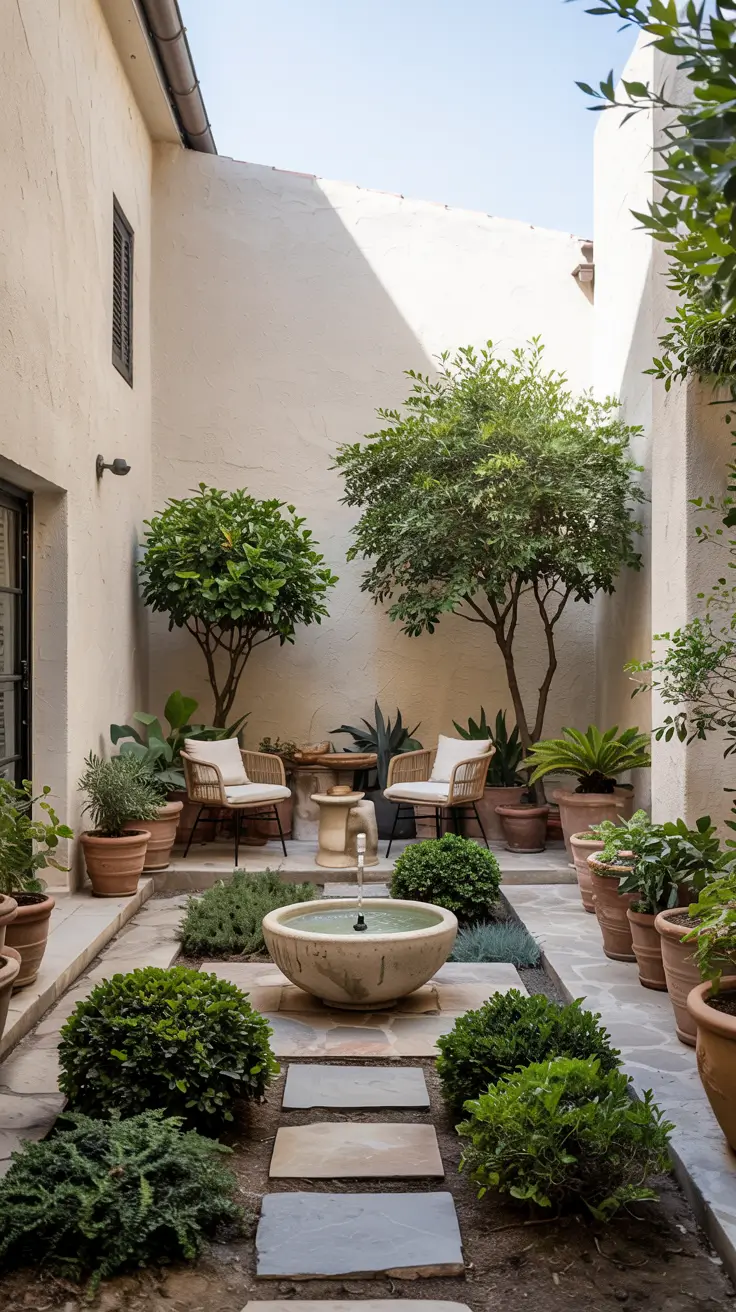
From my perspective, this evolution is a good thing because it makes the style more livable. I have worked on gardens where the traditional look was beautiful but not practical, and the modern approach solves that with clearer zones and easier maintenance. Many landscape professionals emphasize designing for how you actually use the space, and I follow that by planning a dining area, a calm chair zone, and a circulation path before I pick plants. I also suggest treating the garden as part of the House, because when the finishes echo what is inside, the whole property feels cohesive. If you want a Mediterranean-style garden that lasts, I find that structure first, planting second is the safest formula.
What I would add here is a short comparison of classic versus modern Mediterranean features to help readers choose their direction. I would include examples like traditional terracotta and ornate tile compared with modern plaster, larger format pavers, and simpler planting palettes. I would also add a quick note on how to adapt Spanish colonial cues without overdoing it, especially in small courtyards where too many details can feel busy. Finally, I would include a practical paragraph on budget priorities, focusing on one strong surface and one strong focal point before adding extras.
Core Principles Of Mediterranean Style Garden Design
When I plan mediterranean style garden design, I follow a few principles that make the space feel authentic and functional. The first is structure, because Mediterranean-style gardens rely on strong bones like walls, steps, and terraces to create shelter and shape. The second is restraint, which means I avoid clutter and let a few bold elements carry the look, like a textured Wall, a defined Patio, or a single Olive tree landscape focal point. The third is climate logic, so I choose surfaces and plants that can handle sun, wind, and dry conditions without constant care. Finally, I aim for comfort, because outdoor living is the point, and the garden should feel like another Room you actually want to use.
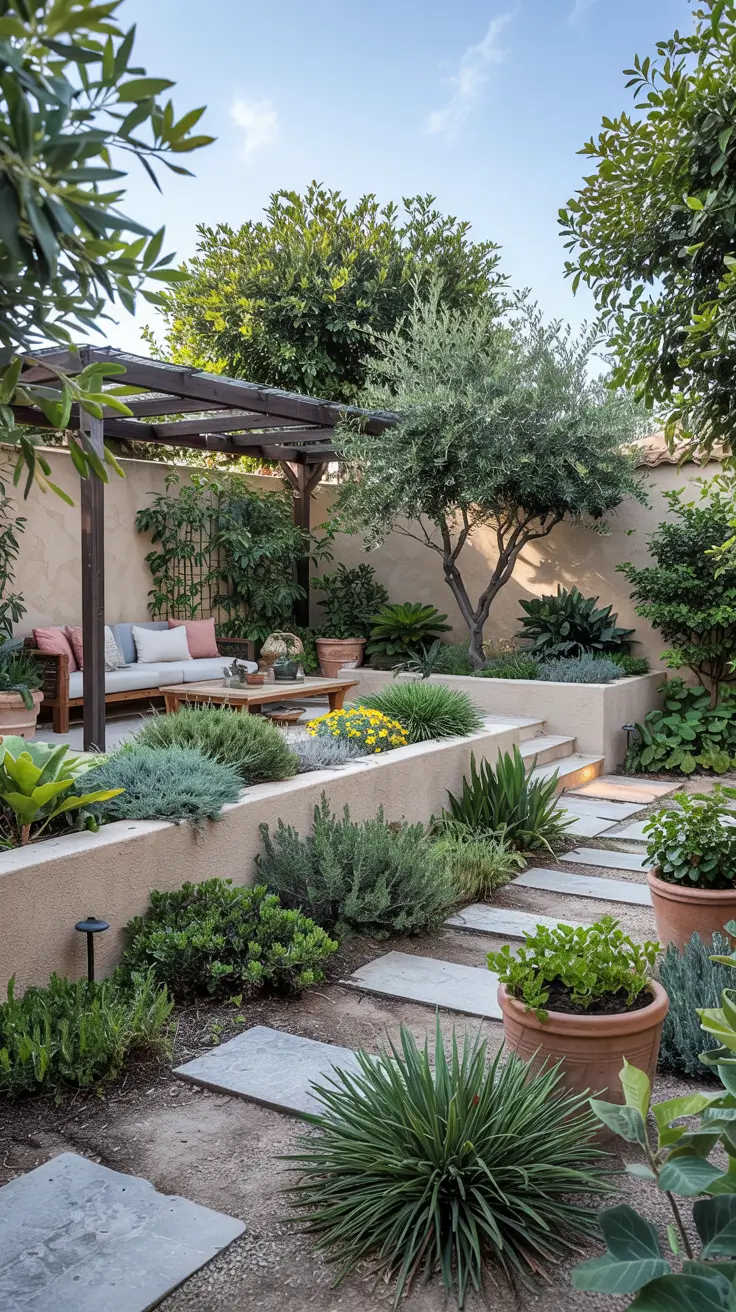
In terms of elements, I almost always include a hardscape base, a seating area, and layered planting around the edges. A Fence or low Wall can define space and provide privacy, while raised beds help with drainage and give planting height that reads well from the house. I like a mix of Mediterranean plants such as lavender, rosemary, sage, cistus, and ornamental grasses, and I often use Containers for herbs so they stay accessible near the Patio. For water, I keep it subtle, like a small bowl fountain or a simple rill, because the sound adds calm without feeling formal. I also include shade, which might be a pergola, a sail, or a vine covered trellis, so the seating stays usable in peak sun.
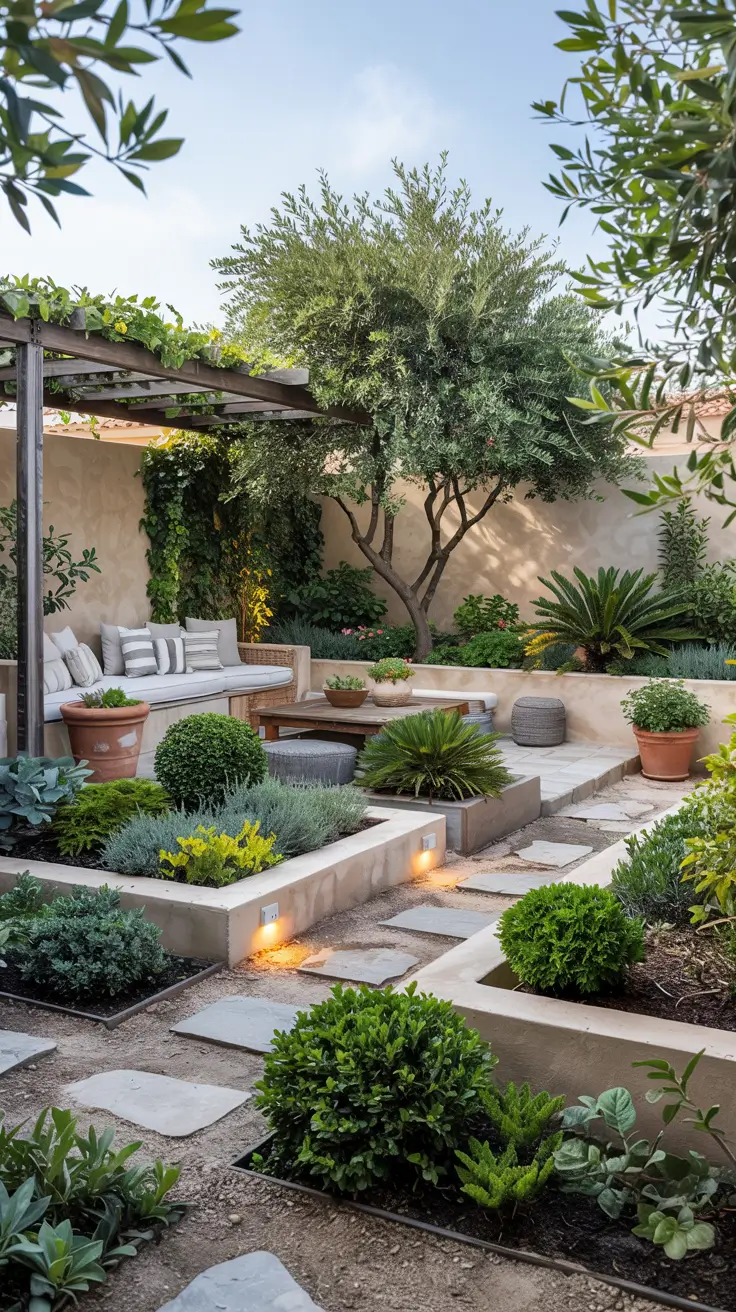
I have learned that these principles work even when the garden is small or the climate is not truly Mediterranean. In the Uk, I lean more heavily on containers and protected corners, and I choose plants that handle winter moisture while still giving that dry garden look. Designers often talk about unity, and I see it play out when the same stone, pot style, and planting rhythm repeats across the space. I also recommend thinking about maintenance honestly, because the most beautiful Mediterranean-style gardens still need trimming, sweeping gravel, and refreshing pots. If you want the style to feel natural, I keep the palette simple and let texture do the work.
What I would add to this section is a practical starter kit list for readers. I would include one recommended surface, one wall finish, one shade solution, one signature tree option, and a short plant list that covers sun, partial shade, and containers. I would also add a small note about irrigation, because drip lines under gravel or mulch can make Mediterranean planting far easier to maintain. Finally, I would include a quick guide to creating height in flat yards using raised beds, tall pots, and small trees.
Integrating Mediterranean Style Homes Garden Concepts Seamlessly
Mediterranean style homes garden success comes from making the transition between inside and outside feel effortless. I treat the garden like an extension of the interior, so the outdoor materials and colors echo the house finishes in a subtle way. This is where Mediterranean-style design landscaping spanish influences help, because courtyards, plaster walls, and warm stone tones naturally connect architecture and landscape. In 2026, integration is also about function, so the Patio is placed where it supports everyday routines like morning coffee, family meals, or quiet evenings. Whether the space is Front, Side, or a full backyard, I aim for clear sightlines from main rooms so the garden feels like part of the home.
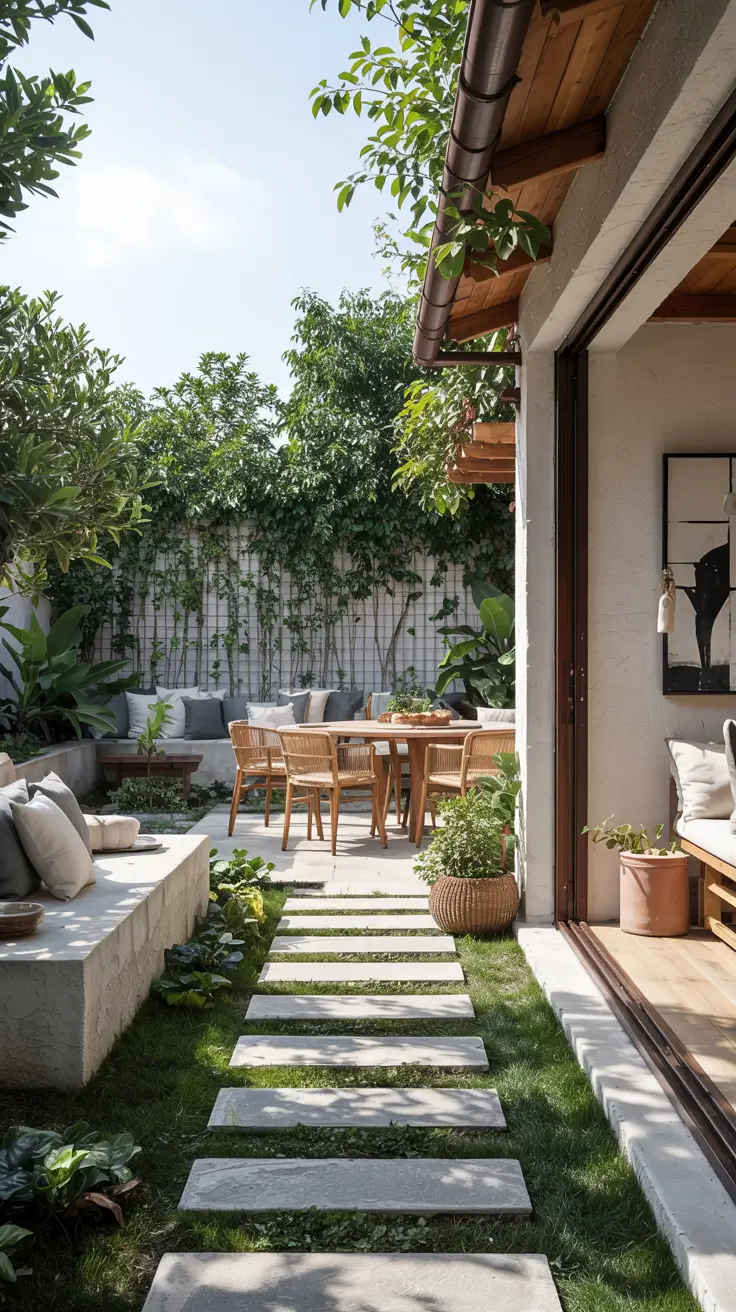
To create that seamless flow, I start with thresholds and surfaces. I like to align pavers or stone joints with door lines when possible, and I keep the step down or threshold detail clean so it feels modern. A terrace can act like an outdoor Room, with a rug like texture underfoot from patterned pavers or gravel, plus a dining table and comfortable chairs. If privacy is needed, I use a Fence or a planted screen, but I keep it Mediterranean-style by choosing warm materials and simple forms. I also like to use a Wall as a backdrop for a bench or an outdoor console, because it gives the garden a furnished feeling without clutter.
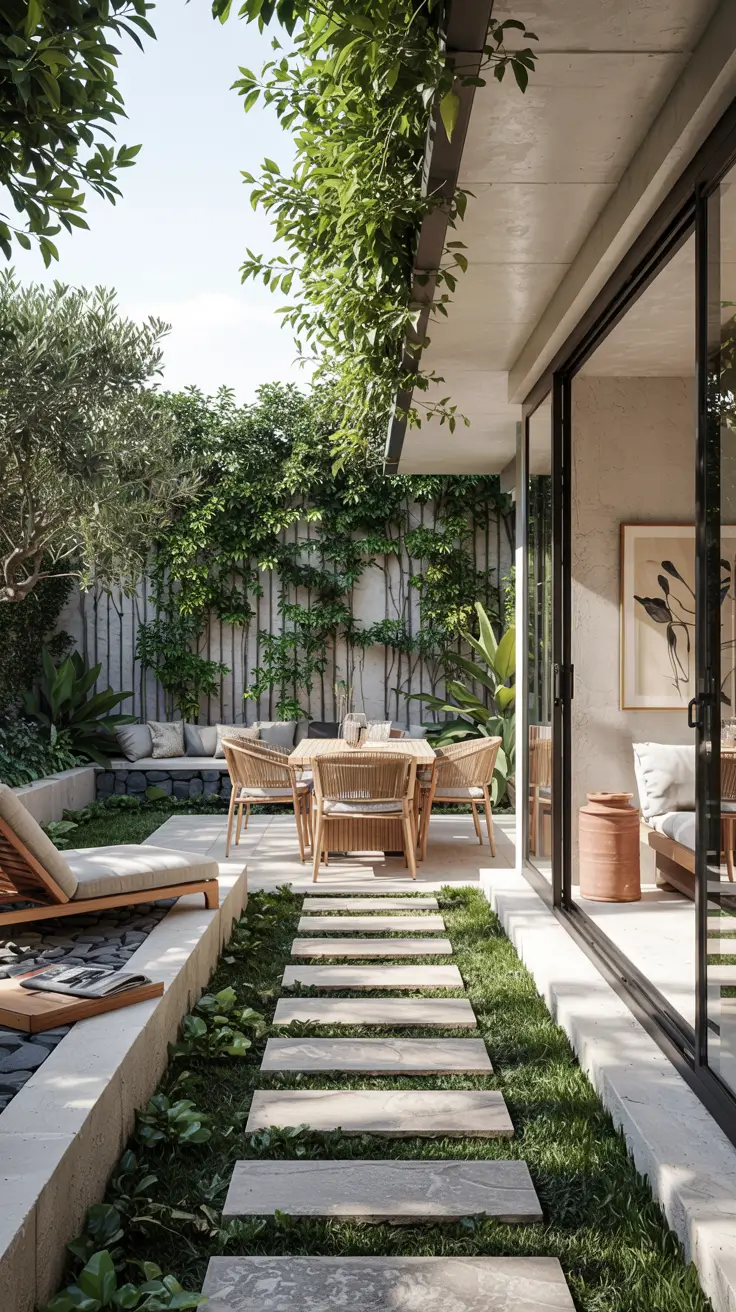
From my own projects, I have seen that the best integration happens when the garden solves a daily problem. Sometimes that means adding shade where the sun hits hardest, sometimes it means a sheltered corner for windy days, and sometimes it means storage that does not look utilitarian. I also like to repeat one interior accent outside, like a terracotta tone in pots or a natural wood tone in seating, so the connection feels intentional. Many design voices emphasize indoor outdoor living as a lifestyle shift, and I think that is true when the layout supports real habits rather than just photos. If you want a cohesive look, I focus on continuity, comfort, and a clear path that invites you out.
What I would add here is a short mapping exercise readers can do from their floor plan. I would include a simple method for identifying the most used door, the best view window, and the most comfortable sun exposure, then placing the Patio and seating accordingly. I would also add ideas for small upgrades that boost integration, like matching exterior light fixtures, repeating wall color, or adding a narrow outdoor console table. Finally, I would include one paragraph on seasonal adjustments in the Uk, like choosing movable containers and adding wind screens.
How To Create An Authentic Garden In Mediterranean Style
When I create a garden in mediterranean style, I focus on authenticity through materials, plant structure, and the way the space is used. The goal is not to copy a postcard, it is to build a landscape that feels natural, sun warmed, and practical for outdoor living. I start by choosing the mood, such as Tuscan, Spanish colonial, or coastal Mediterranean-style, because that guides the stone, wall texture, and plant mix. Then I design the layout with clear zones, often a Patio for dining, a smaller lounge area, and planting that frames the edges. Authenticity also comes from restraint, so I avoid too many bright colors and let earthy tones and texture carry the design.
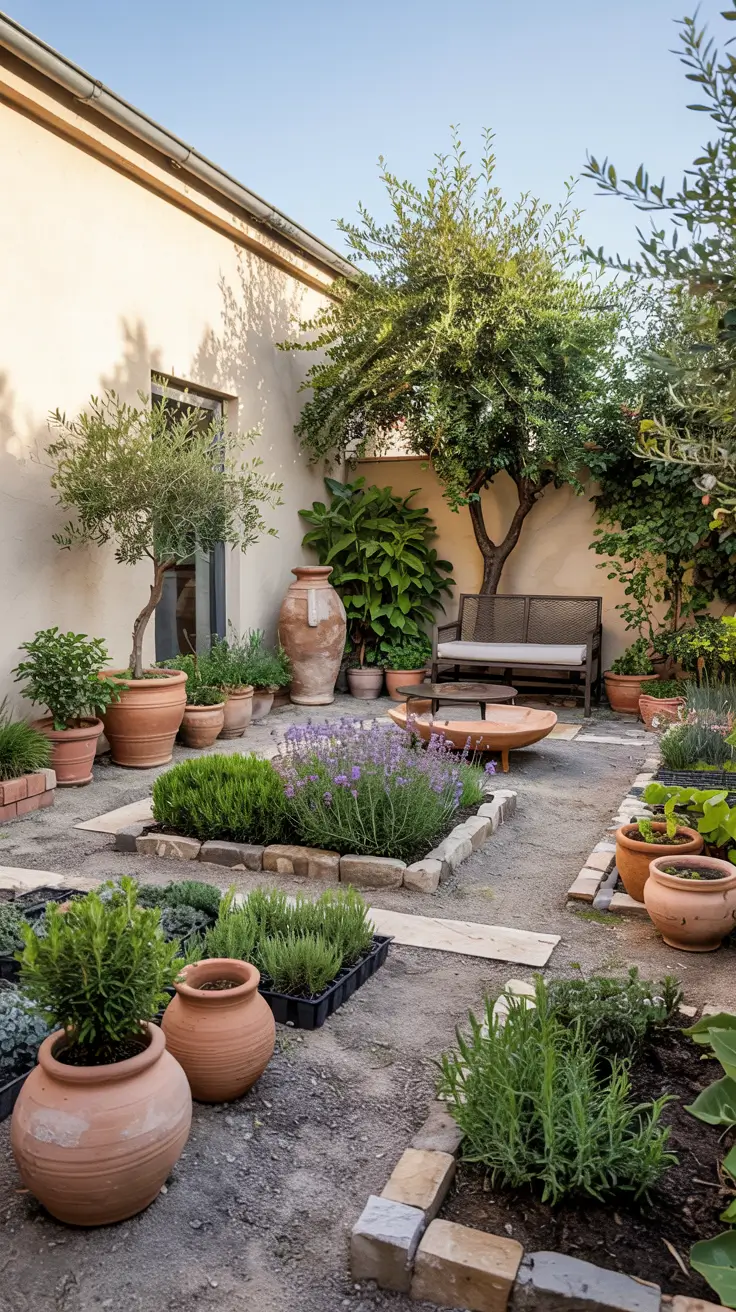
The key items I include are a strong hardscape, layered pots, and a few structural plants that hold the look year round. I love terracotta Containers for herbs and small shrubs, and I mix sizes so the composition feels collected over time. For structure, I often include olive, cypress style evergreens, or a well pruned shrub that suggests Mediterranean form, even if I am adapting to the Uk climate. Raised beds are helpful for drainage and for creating defined planting pockets, and I like to edge them with stone or plaster to feel Mediterranean-style. I also add one focal feature, like a simple water bowl, a sculptural pot, or a built in bench against a Wall, because it makes the garden feel finished.
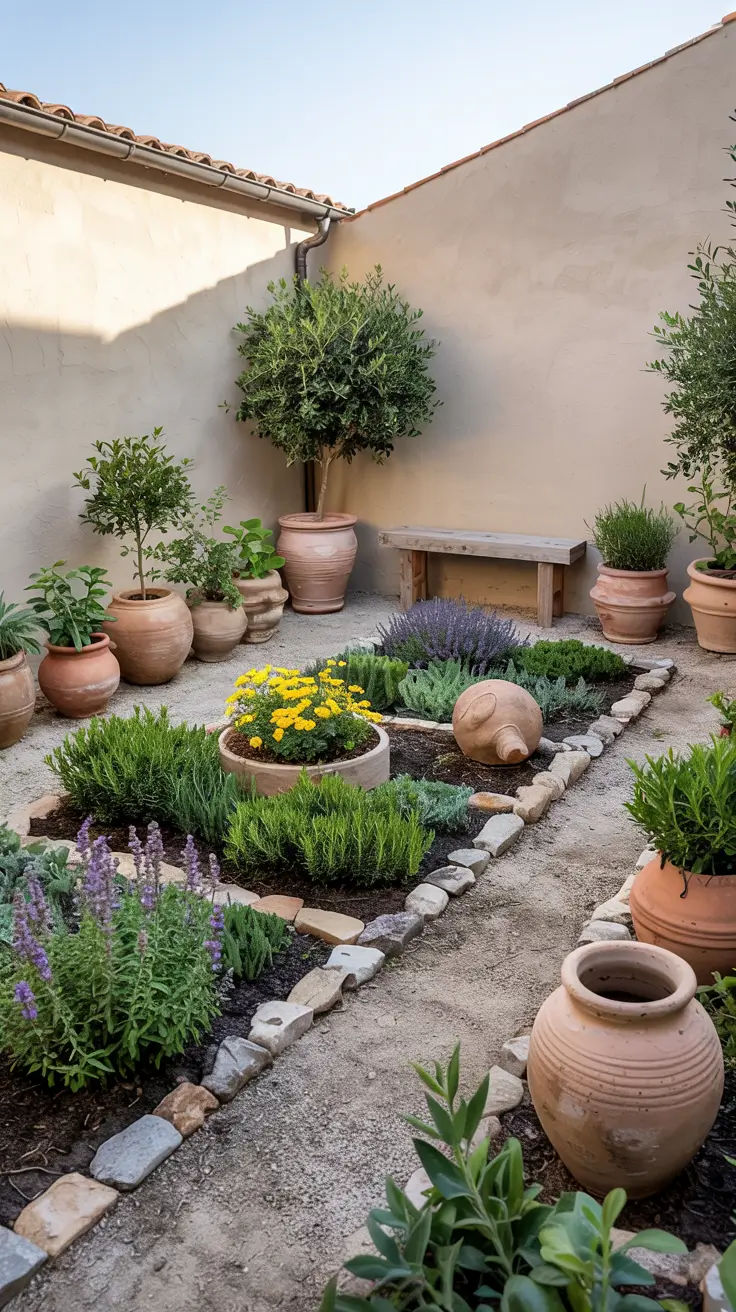
In my experience, authenticity is more about proportion and atmosphere than about specific plant lists. If the gravel crunches underfoot, the walls reflect warm light, and the planting is drought friendly in shape and density, the space reads Mediterranean even in a different climate. I recommend learning to prune for form, because Mediterranean gardens often rely on clipped shapes, clean trunks, and airy canopies rather than dense mixed borders. Many designers stress the importance of layering, and I agree, using groundcovers, mid height shrubs, and one or two trees makes the garden feel mature. If you want an easy win, I always start with pots and a simple seating corner, then build outward as the budget allows.
What I would add is a step by step mini plan that starts with the Patio and ends with planting. I would include guidance on selecting a gravel or paver base, adding a wall finish, placing the main seating, and then choosing a limited plant palette. I would also add a short section on climate adjustments, including frost protection for containers and plant alternatives for the Uk. Finally, I would include a maintenance rhythm so readers know what to do monthly, especially for sweeping gravel, pruning, and refreshing pots.
Mediterranean Garden Design Tuscan Style Patio Inspiration
Mediterranean garden design tuscan style patio inspiration is all about warmth, texture, and a relaxed sense of structure. I design a Tuscan patio as the heart of the garden, a place that feels like an outdoor Room for dining, reading, and long evenings. The surfaces are key, so I lean toward natural stone, clay pavers, or warm toned gravel with clean edging that reads modern. I also like to frame the patio with a low Wall or raised planters, because it creates enclosure and makes the space feel intentional. The overall look stays Mediterranean-style by keeping the palette earthy and letting plants soften the edges rather than crowding the seating.
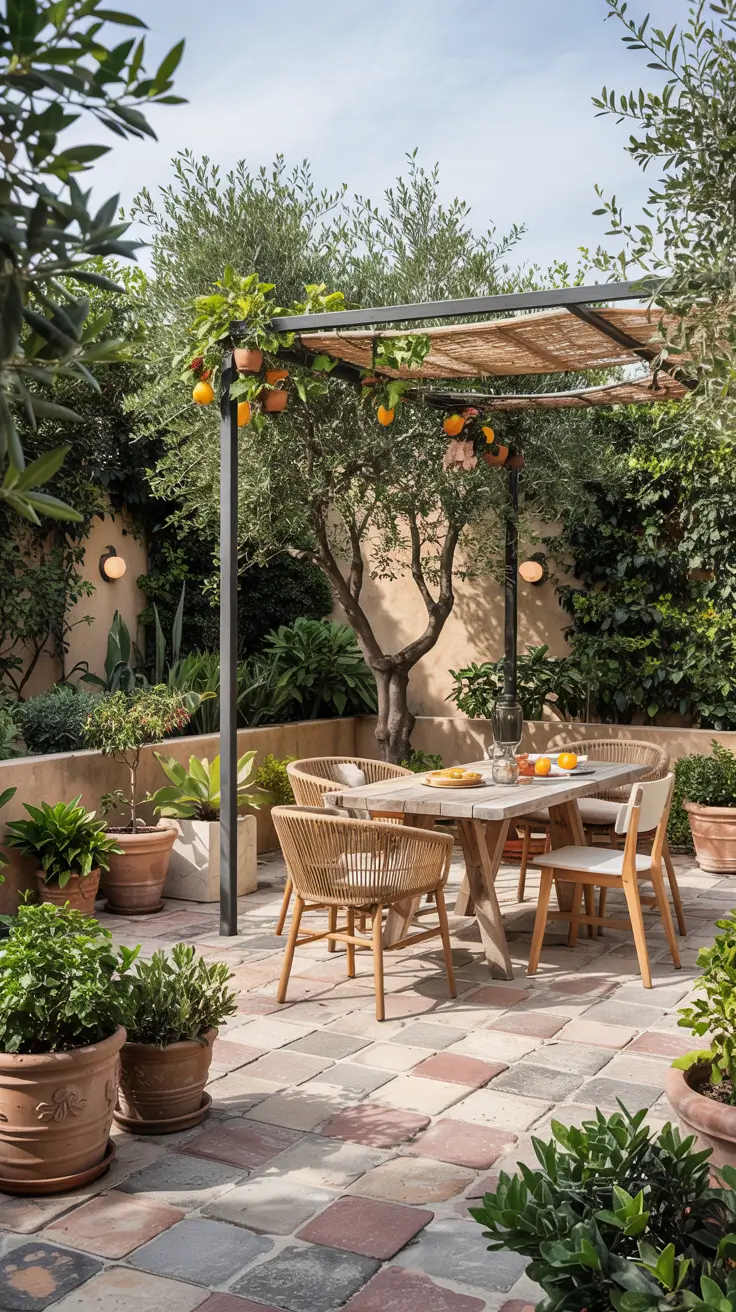
For furniture, I use a sturdy dining table, comfortable chairs, and one secondary seating piece like a bench or a lounge chair. I often add a simple pergola or slatted shade structure, because Tuscan outdoor living depends on shade and filtered light. Terracotta pots are essential, and I like to group them near the patio corners with herbs, citrus, or sculptural shrubs for height. A Fence can be softened with climbing vines, but I keep the lines clean so it does not feel messy, especially in a modern layout. Lighting matters too, so I use warm wall sconces or low path lights to make the patio usable after dark.
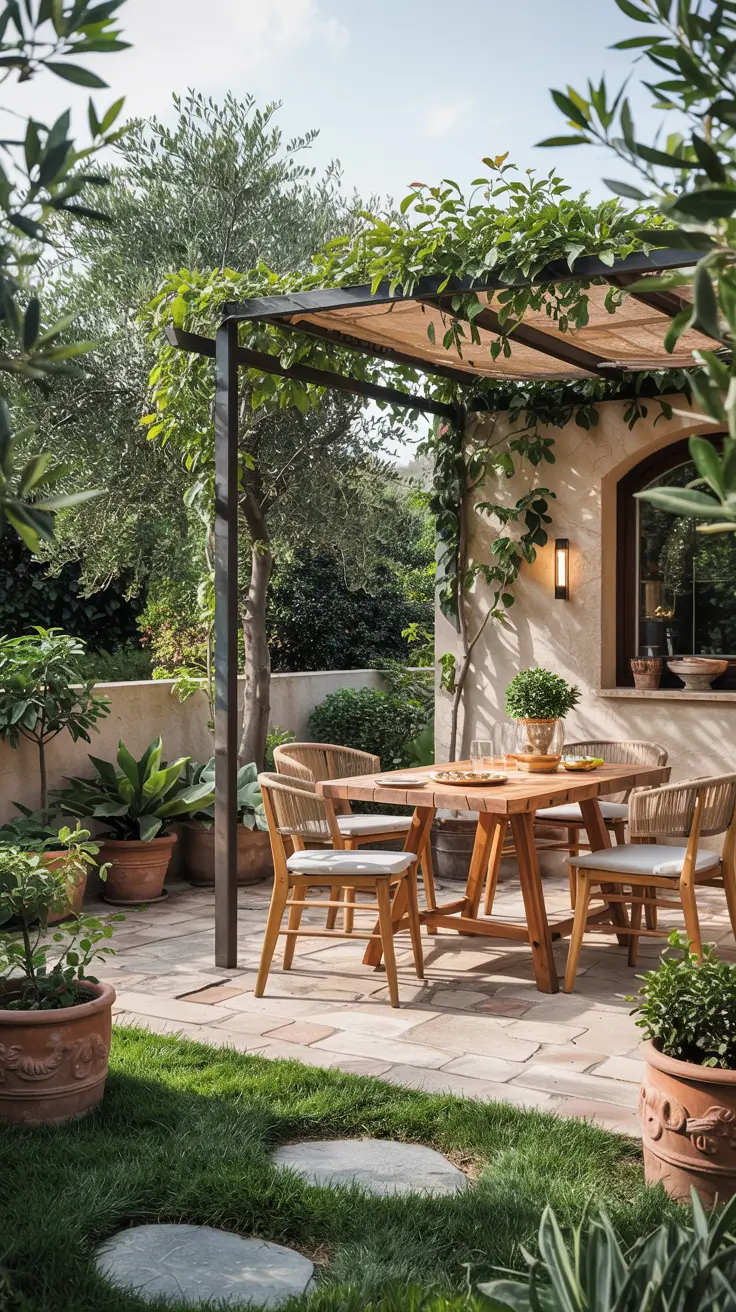
I have found that a Tuscan patio feels most authentic when it has one strong focal point. That could be an Olive tree landscape feature in a large pot, a small water bowl, or a textured wall with a simple niche. Designers often recommend creating a sense of enclosure, and I agree, even partial enclosure like a low wall and planting makes a patio feel calmer and more comfortable. I also suggest leaving breathing room around furniture, because a patio that is too tight stops feeling relaxed. If you want the space to photograph well and live well, I keep the styling minimal and let materials and sunlight do the heavy lifting.
What I would add is a set of patio layout templates for different spaces. I would include one for a small terrace, one for a courtyard, and one for a wide backyard, each showing furniture placement, pots, and circulation paths. I would also add tips for mixing old and new finishes so the patio looks collected rather than brand new. Finally, I would add a short list of Tuscan plant choices that do well in containers and can be moved in winter in the Uk.
Mediterranean Garden Design Tuscan Style Outdoor Living Spaces
Mediterranean garden design tuscan style outdoor living spaces are bigger than a patio, they are a full lifestyle layout with zones for dining, lounging, cooking, and quiet time. I approach these spaces the way I would plan an open concept interior, with clear boundaries but a continuous material story. In 2026, the trend is to make outdoor living feel as comfortable as inside, while still keeping the Mediterranean-style simplicity that makes the look timeless. I often use a Terrace or stepped levels to define areas, and I consider a Roof option if the ground space is limited. The result is a landscape that feels like multiple Rooms, each with a purpose, connected by a clean path and consistent Design language.
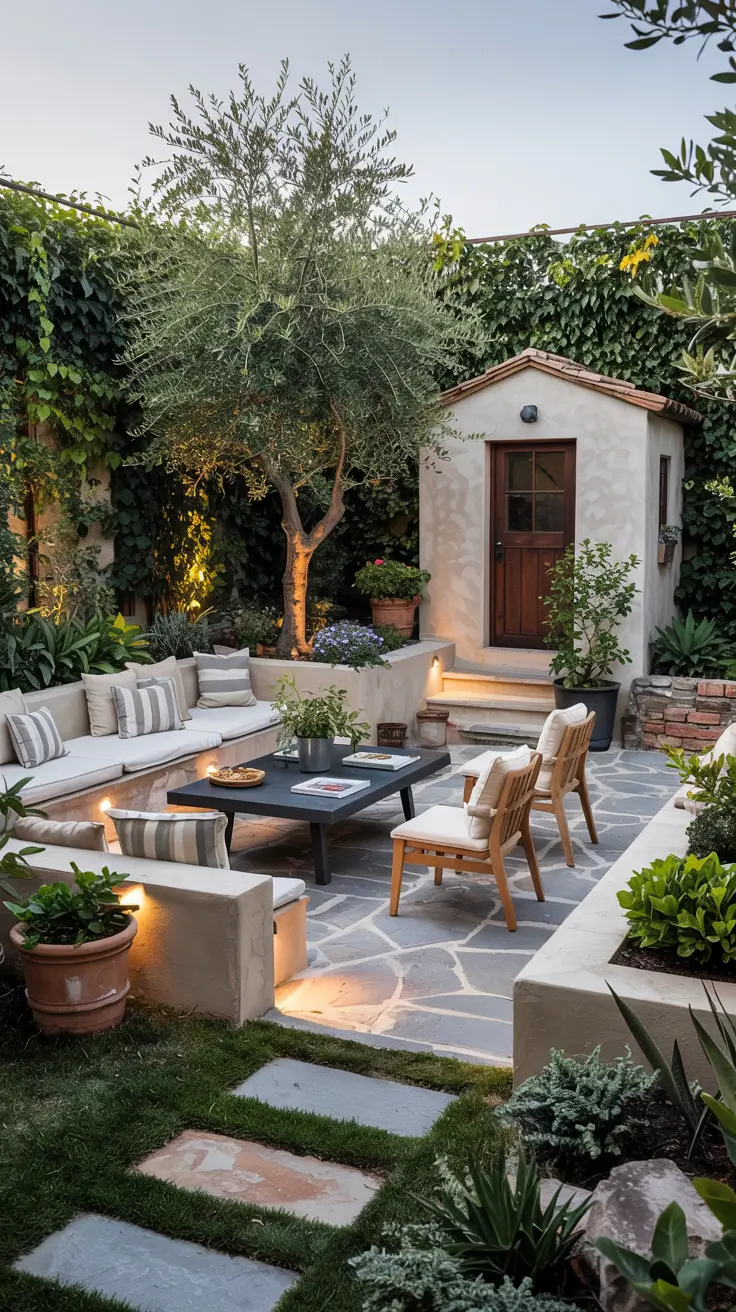
To build these zones, I start with the main dining and lounge areas, then add support features like a prep counter, a storage bench, or a small garden shed. A mediterranean style garden shed can look cohesive when it uses plaster tones, wood doors, and simple hardware, and it becomes a practical anchor for tools and cushions. If I am working with height or limited footprint, a mediterranean style roof garden can become a quiet lounge with planters, a wind screen, and compact seating. I also use raised beds and container groupings to add greenery without losing floor space, especially in a courtyard or side yard. A Wall is useful for mounting lights, adding a bench, or creating a backdrop for plants, and it helps the space feel finished.
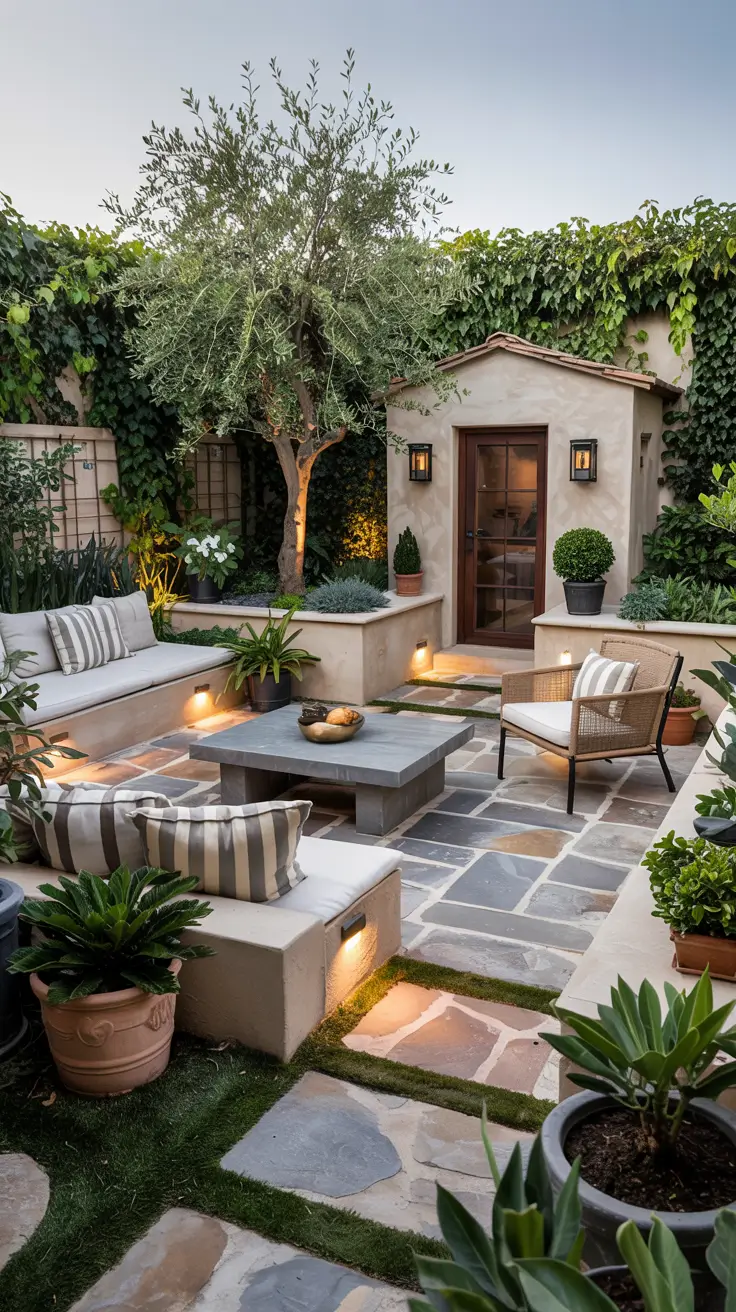
From my experience, the difference between a pretty garden and a true outdoor living space is comfort planning. I think about shade, wind, and storage just as much as I think about plants, because those are the details that keep the space usable. Designers frequently talk about designing for the senses, and I support that with fragrance from herbs, texture from stone and gravel, and soft lighting at night. I also recommend planning for flexibility, because movable containers, lightweight chairs, and modular seating let the space adapt to gatherings and quiet days. If you want that Tuscan feeling, I keep everything grounded, warm, and slightly imperfect in texture, while maintaining a clean modern layout.
What I would add is a practical zoning checklist for readers building outdoor living step by step. I would include recommended minimum clearances around dining tables, suggested sizes for a lounge zone, and ideas for small cooking areas that do not take over the garden. I would also add a section on privacy, showing how to use fences, screens, and planting while keeping the Mediterranean-style look. Finally, I would add a short plan for integrating a terrace garden and a container garden together so the planting feels unified across levels.
Designing A Functional And Charming Mediterranean Style Garden Shed
When I design a mediterranean style garden shed, I treat it as a small outdoor room that supports the whole garden, not just a storage box. I like a simple stucco finish in a warm off-white, a clay-tile or terracotta-toned roof detail, and a wide doorway that makes tools and seating easy to move. To keep it modern, I avoid fussy trim and use clean lines with a strong, simple silhouette. I often place it near a raised bed area or along a side boundary so it anchors the layout and reduces visual clutter. A small gravel apron in front keeps shoes clean and helps drainage after watering.
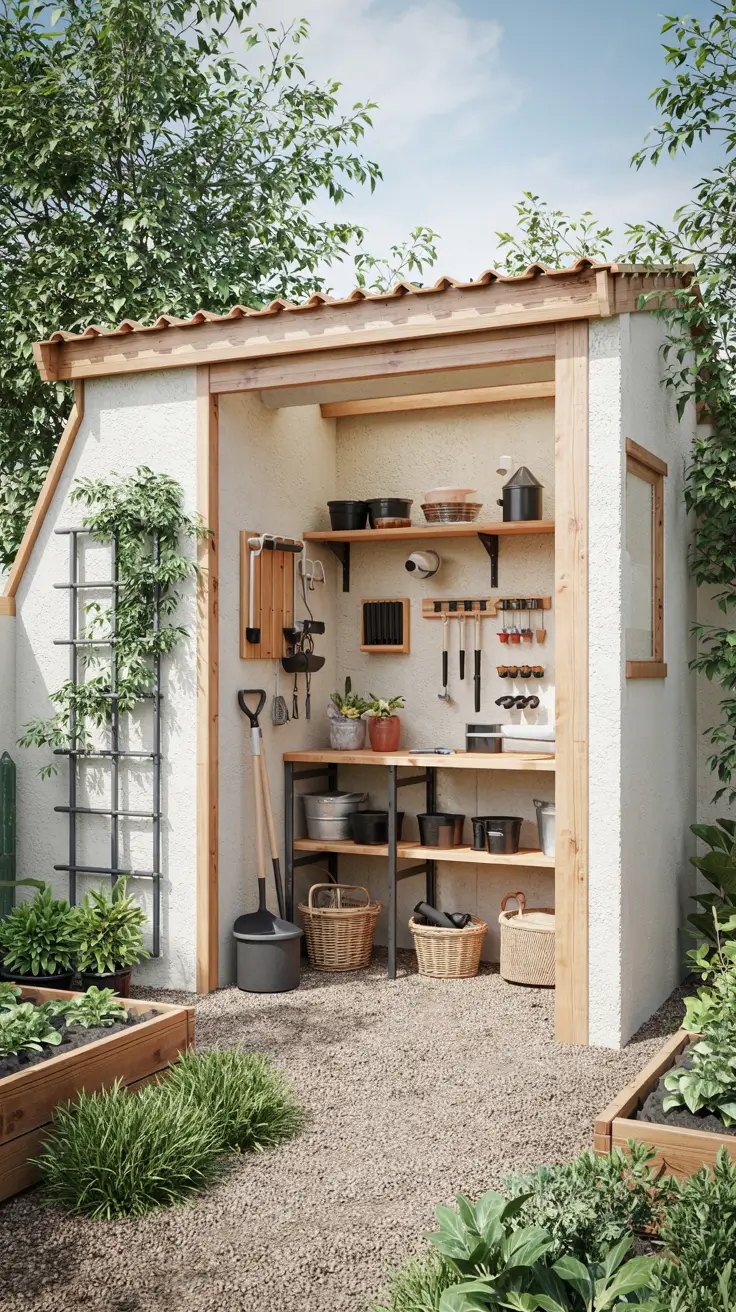
Inside, I plan zones so the shed works on busy days and still feels calm when I step in. I include wall-mounted racks for hand tools, a compact potting bench, and open shelves for containers, soil, and plant labels. If space allows, I add a slim cabinet for fertilizers and a lidded bin for pet-safe storage, plus a small stool that doubles as a step. For the look, I use wood hooks, woven baskets, and a simple peg rail so everything feels intentional, not improvised. I also like a small window or glazed door panel for daylight, which makes the shed more pleasant and helps me find what I need quickly.
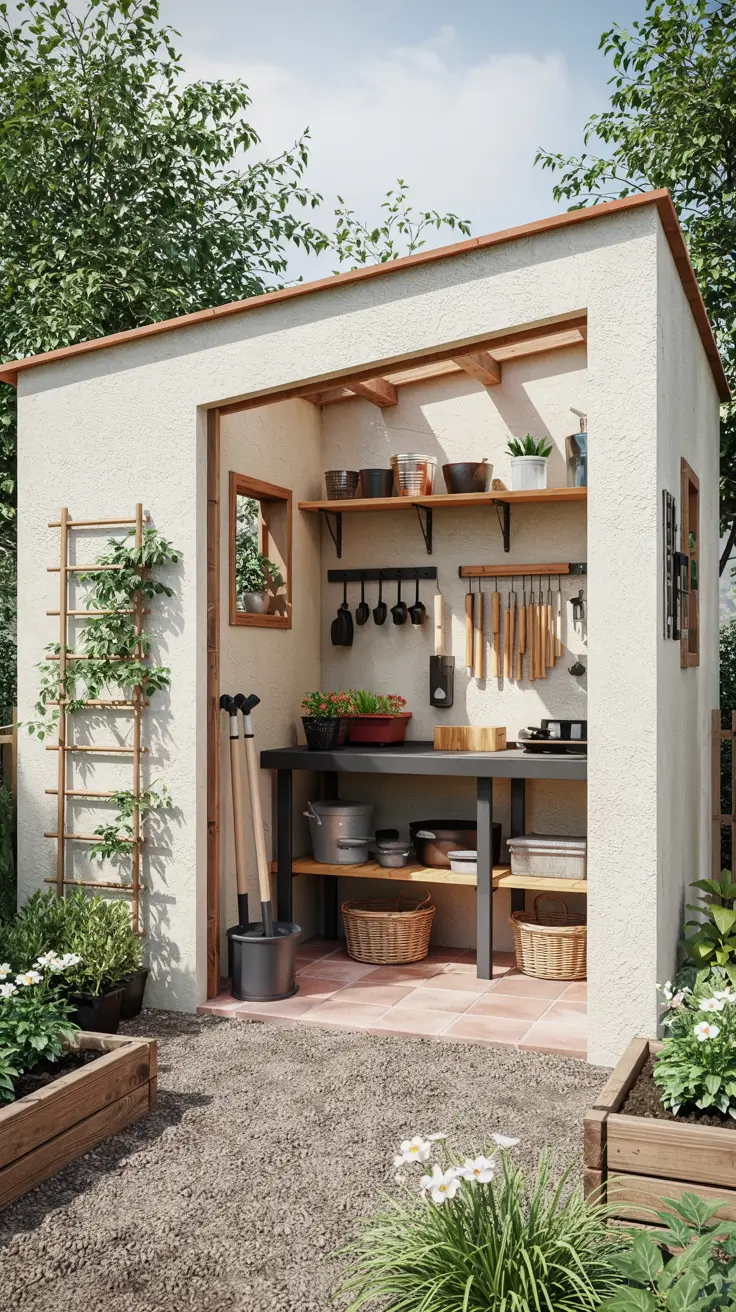
In my experience, the shed becomes a style statement when it repeats materials already in the garden. If you have a fence wall in limestone or a pale render, echo that tone on the shed so it belongs to the landscape. Designers often emphasize that outdoor structures should match the home’s architecture, and I follow that by borrowing cues from Spanish colonial or Mediterranean-style forms without copying them literally. I also keep circulation in mind, leaving enough room to turn with a wheelbarrow and to stage plants before planting. That practical flow is what makes the shed feel charming rather than cramped.
What I would add to complete this section is a simple lighting plan and a water point. A single warm exterior sconce and an interior LED strip make evening tasks easy without over-lighting the garden. If possible, I add a small hose bib nearby, or a rain barrel tucked behind the shed for watering efficiency. I also like to include a narrow trellis panel on one side for jasmine or climbing roses to soften the edges. Finally, I would plan a small paved pad beside the shed for potting overflow and for keeping muddy tools off the gravel.
Mediterranean Style Roof Garden Ideas For Urban Homes
A mediterranean style roof garden works best when I treat wind, sun, and weight limits as the main design drivers. I start with a clear layout that creates outdoor living without blocking views, usually with a central path and two seating zones. For a Mediterranean-style feel, I lean on pale stone tones, warm wood, and terracotta accents, then keep the lines crisp and modern. I like to add a pergola or a slatted shade structure because roof exposure can be intense even in mild climates. This approach supports mediterranean style roof garden comfort while keeping maintenance realistic.
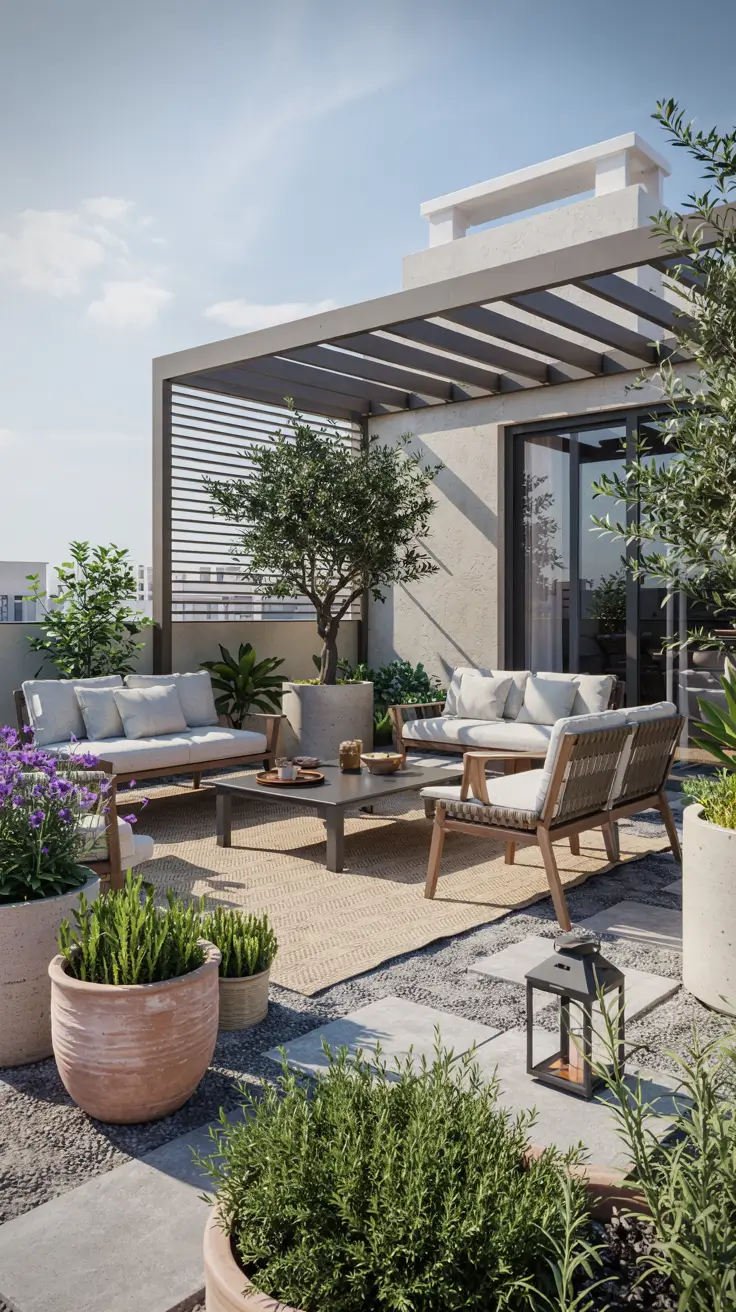
For furnishing, I choose lightweight but sturdy pieces that handle sun and weather. I like a low-profile lounge set, a compact dining table, and built-in bench seating with storage underneath to reduce clutter. Planters are key, and I typically use a mix of large containers for structure and narrower troughs to define edges. I include drought-tolerant plants like lavender, rosemary, thyme, and compact ornamental grasses, then add one small olive tree landscape element in a large pot for a focal point. A simple outdoor rug and lantern-style lights give a relaxed mood without making the roof feel crowded.
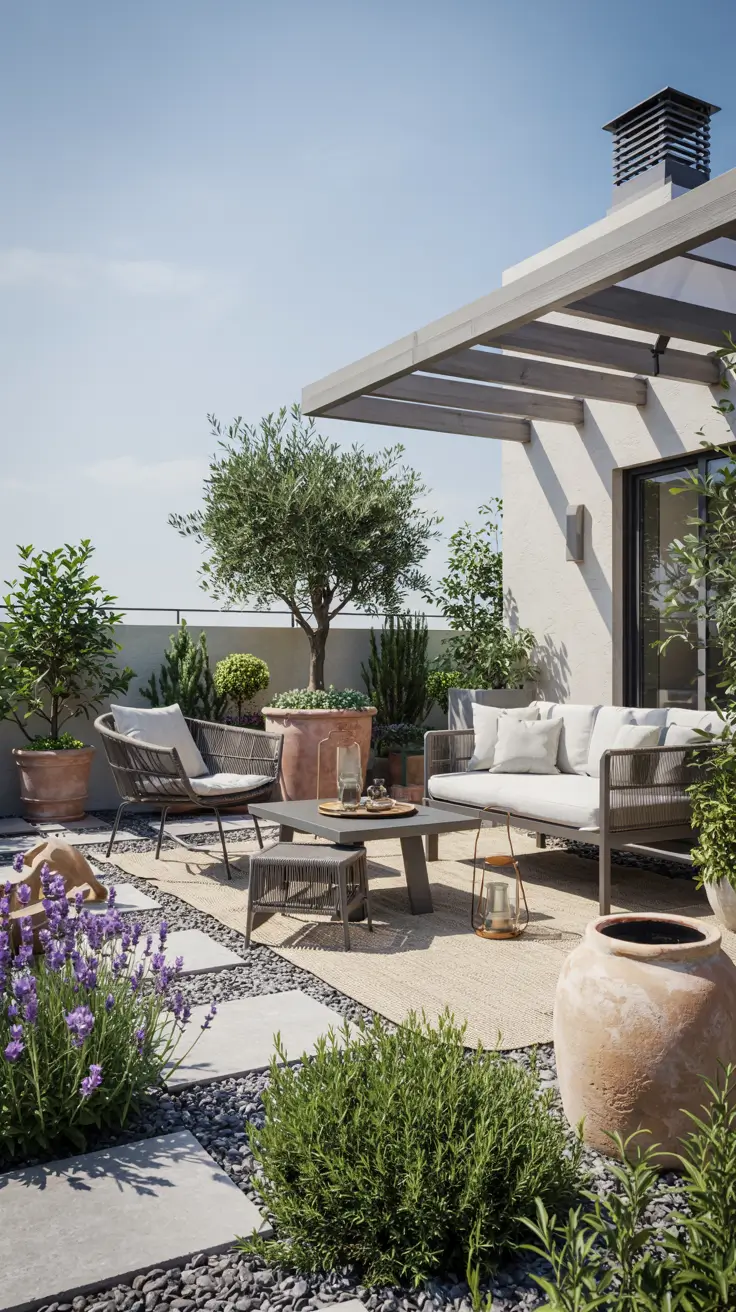
I have found that the biggest mistake is going too heavy on small pots, which looks busy and dries out quickly. Instead, I group containers in threes and vary heights so the composition reads as a landscape, not a collection. Many landscape professionals recommend planning irrigation early, and on a roof I fully agree because hand-watering becomes tiring and inconsistent. I also keep safety and comfort in mind with wind screens, especially near seating areas, so the terrace stays usable. When those basics are right, the roof garden feels like a true extension of mediterranean style homes garden living.
What I would add here is a clear material checklist and a drainage plan. I always confirm root barriers, protective layers, and lightweight growing media so the roof system stays healthy long term. I also like to add a narrow herb rail near the kitchen access point, because it makes daily use effortless. If the roof is large enough, I include a small water feature with a closed recirculating system to soften city noise. Finally, I plan a dedicated storage bench for cushions so the space stays tidy and ready to use.
Mediterranean Style Container Garden Concepts For Small Spaces
A mediterranean style container garden is my go-to solution when the space is a front stoop, a side passage, or a compact patio. I focus on structure first, using a few larger containers rather than many small ones, because it looks calmer and holds moisture better. To keep the look modern, I use a restrained palette of pots, like matte terracotta, pale stone, or charcoal, then repeat that finish across the space. This is one of the easiest mediterranean garden styles to adapt, because you can scale it up or down without changing the core idea. With the right plant choices, it stays lush while still being water-wise.
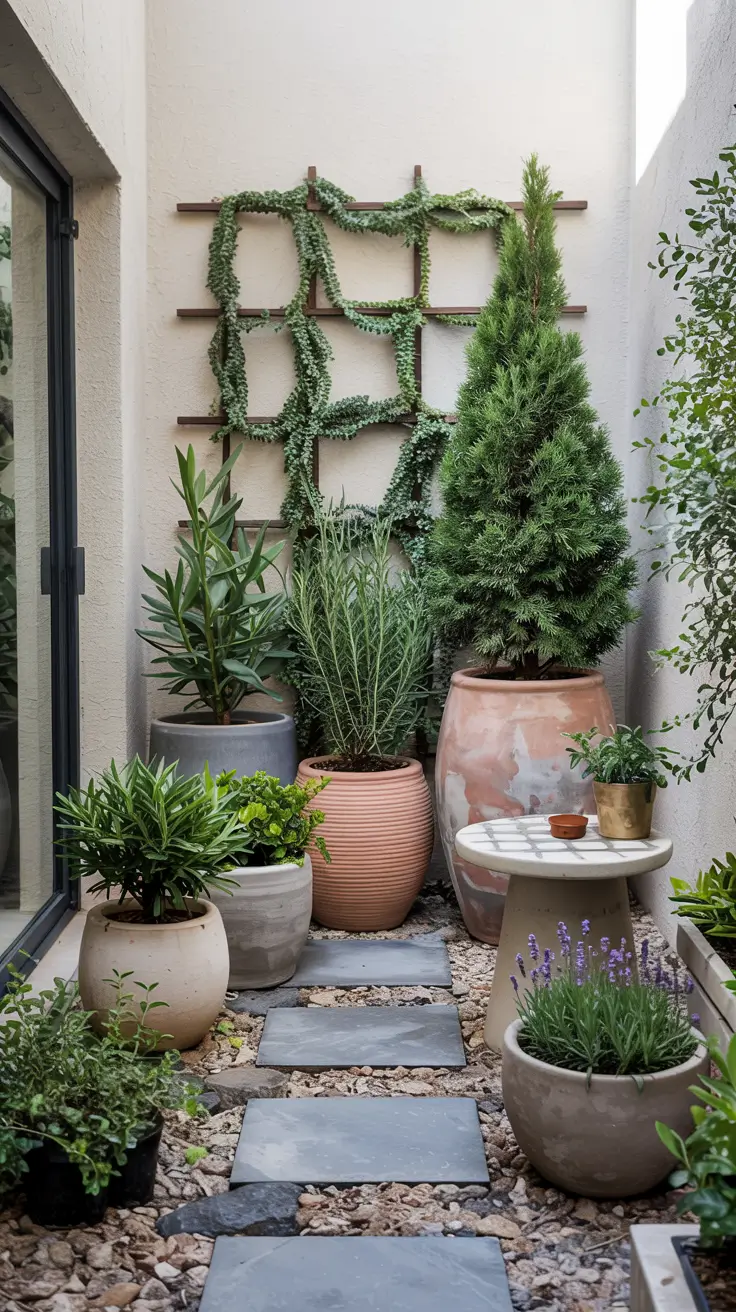
I build my container mix like a small landscape design: tall, medium, and low layers. For height, I like a potted olive or a slim cypress-style conifer, then I add rosemary, lavender, and santolina for fragrance and soft texture. Around the edges, I tuck in trailing plants like thyme or creeping rosemary to soften container rims. I also include a few seasonal pops, like white or pale pink blooms, but I keep them controlled so the Mediterranean-style reads clearly. Good drainage is essential, so I always use pot feet, quality soil, and a top layer of gravel or pumice for a clean finish.
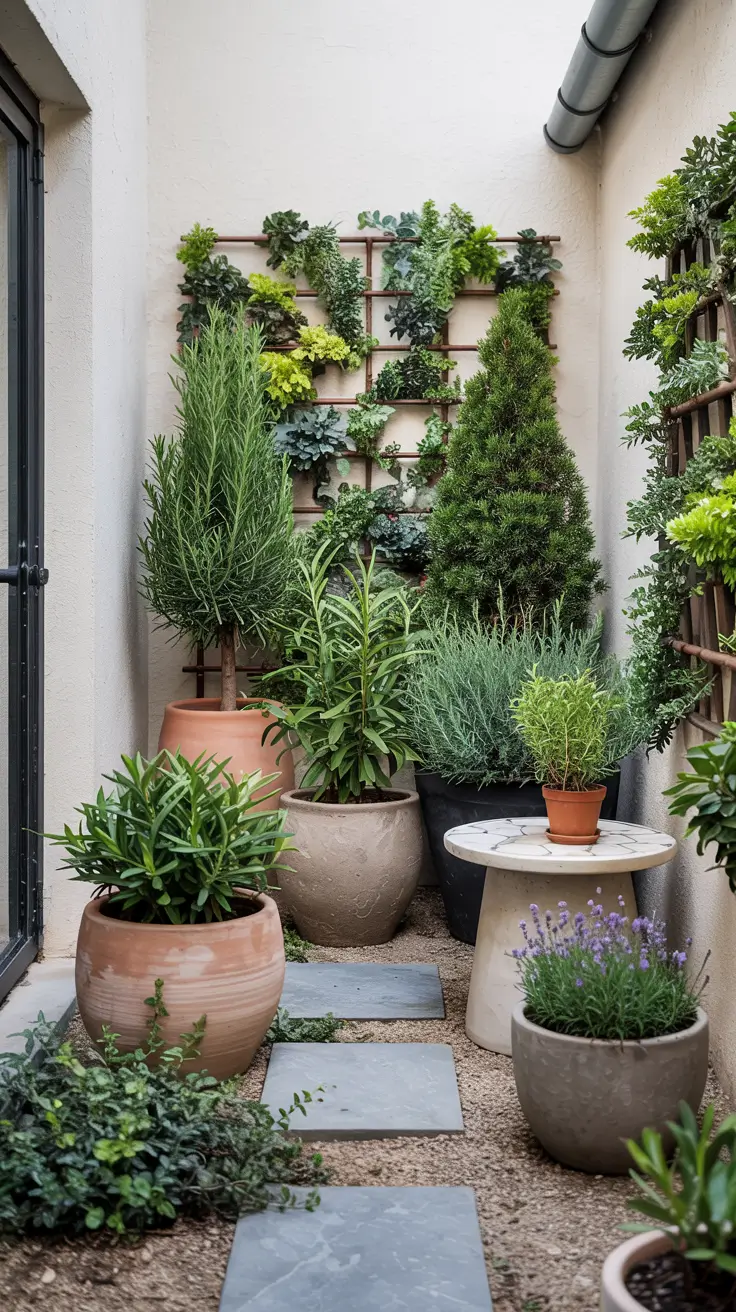
In my own projects, the biggest improvement comes from arranging containers to support movement and daily use. I keep pathways clear, and I place the most-used herbs within easy reach, which makes the garden feel practical instead of purely decorative. A common professional tip is to repeat plants for cohesion, and I do that by doubling up on lavender or rosemary so the small space feels intentional. If you want a Spanish colonial hint, I add a patterned tile-topped side table or a simple ceramic water bowl, but I avoid over-decorating. The result is a compact garden in mediterranean style that still feels airy.
What I would add is a simple watering routine and a container refresh plan for 2026. I like to include a drip line kit or self-watering inserts for the largest pots, because it stabilizes plant health through heat. I also plan an annual prune and soil top-up schedule, especially for woody herbs and small trees. If the space is shaded part of the day, I add a few shade-tolerant Mediterranean look-alikes, like certain ferns or hardy geraniums, to keep the palette balanced. Finally, I recommend adding a small vertical trellis panel on a wall to increase greenery without taking floor space.
Mediterranean Garden Design Tuscan Style Backyards Layout Guide
For mediterranean garden design tuscan style backyards, I start with a layout that feels like outdoor living first and planting second. I like to create a strong patio zone, then connect it to the rest of the yard with gravel paths and planted borders. Tuscan inspiration works best when the geometry is simple, like rectangles and long sightlines, because it makes the space feel calm and spacious. I also plan a courtyard-like moment, even in an open backyard, by using walls, hedges, or fencing to define a room. This is where mediterranean garden design tuscan style patio design decisions really matter, because the patio becomes the heart of the garden.
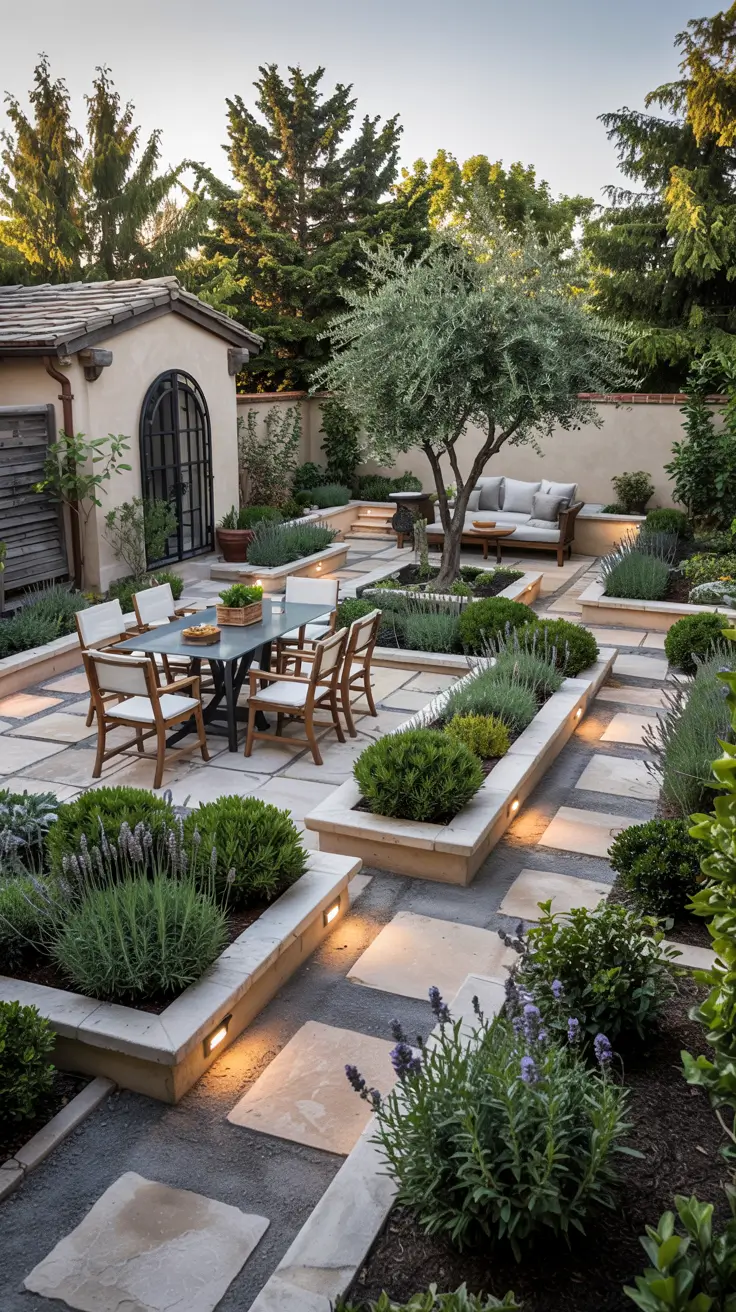
On the patio, I choose materials that look authentic but hold up well, like porcelain pavers that mimic limestone, or natural stone if the budget allows. I include a dining table, comfortable chairs, and a shaded area for midday, often with a pergola or a sail shade depending on the home style. For planting, I layer evergreen structure with seasonal softness, using olive, bay laurel, lavender, and hardy shrubs to keep the Mediterranean-style stable year-round. I also like raised bed edges in stone or rendered block because they add height and improve soil control. To support the full backyard, I place storage discreetly, sometimes tying it back to a mediterranean style garden shed so the functional elements do not disrupt the look.
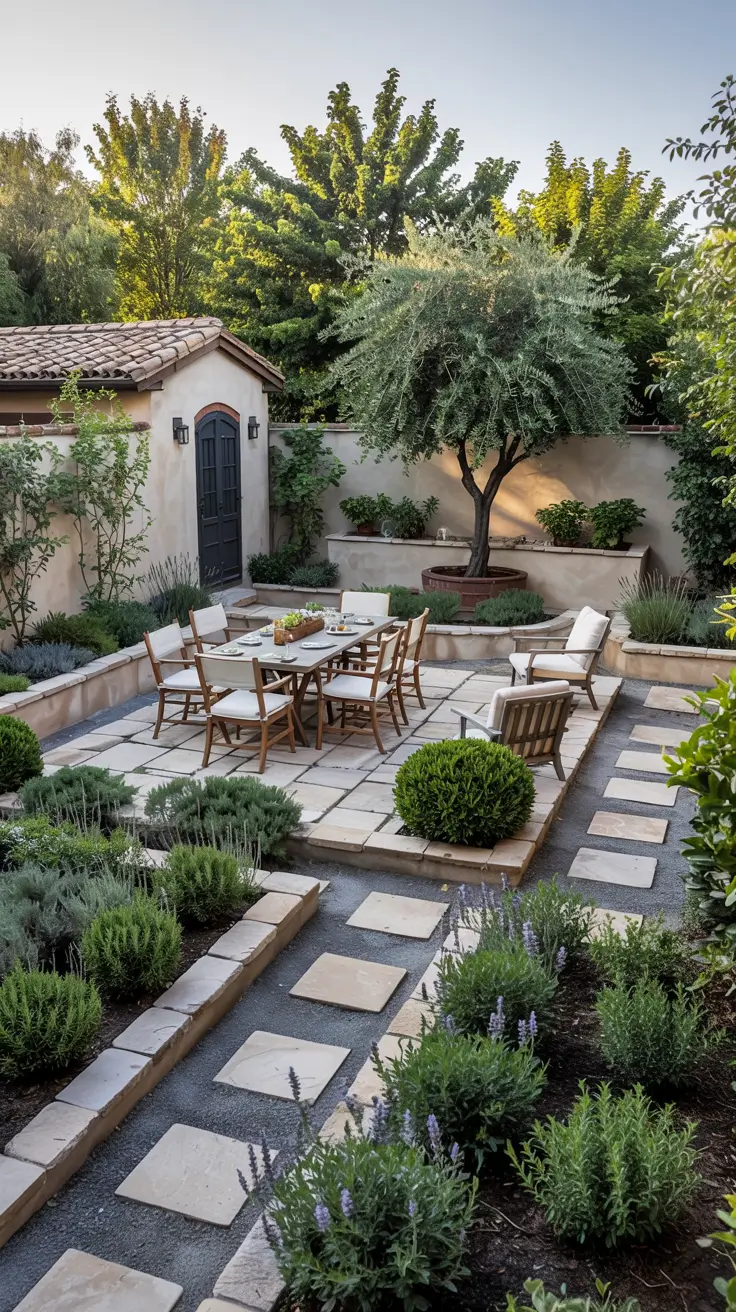
I have learned that the most Tuscan-feeling backyards have a few bold anchors rather than dozens of features. A single olive tree landscape focal point, a long bench against a wall, and one water element can do more than a cluttered mix of ornaments. Designers often recommend creating a clear hierarchy, and I do that by making the patio the primary zone, then adding one secondary lounge spot deeper in the yard. For a Spanish colonial touch, I might use a simple stucco wall and a dark metal gate, which feels classic and still modern. When the circulation works, the garden feels like a place you naturally spend time, not just a view from the window.
What I would add is a detailed planting plan for microclimates across the yard. I map the hottest spots near walls, the cooler areas in shade, and the windy corners, then assign plants accordingly. I also include a practical lighting plan with low path lights and subtle uplighting on key trees, so the space remains usable at night. If the family uses the space often, I add a small outdoor kitchen counter or serving station, but I keep it visually quiet with simple finishes. Finally, I recommend planning irrigation zones early, because Tuscan-style planting looks best when it is healthy and not stressed.
Mediterranean Style Terrace Garden Design For Elevated Living
A mediterranean style terrace garden is all about making an elevated space feel grounded and comfortable. I design it like an outdoor room with a clear perimeter, a seating core, and planting that frames the view rather than blocking it. Terraces can feel exposed, so I use planters and screens to create a sense of enclosure while keeping airflow. I keep the palette Mediterranean-style with warm neutrals, textured surfaces, and greenery that reads sculptural. This approach supports mediterranean style terrace garden living while staying modern and uncluttered.
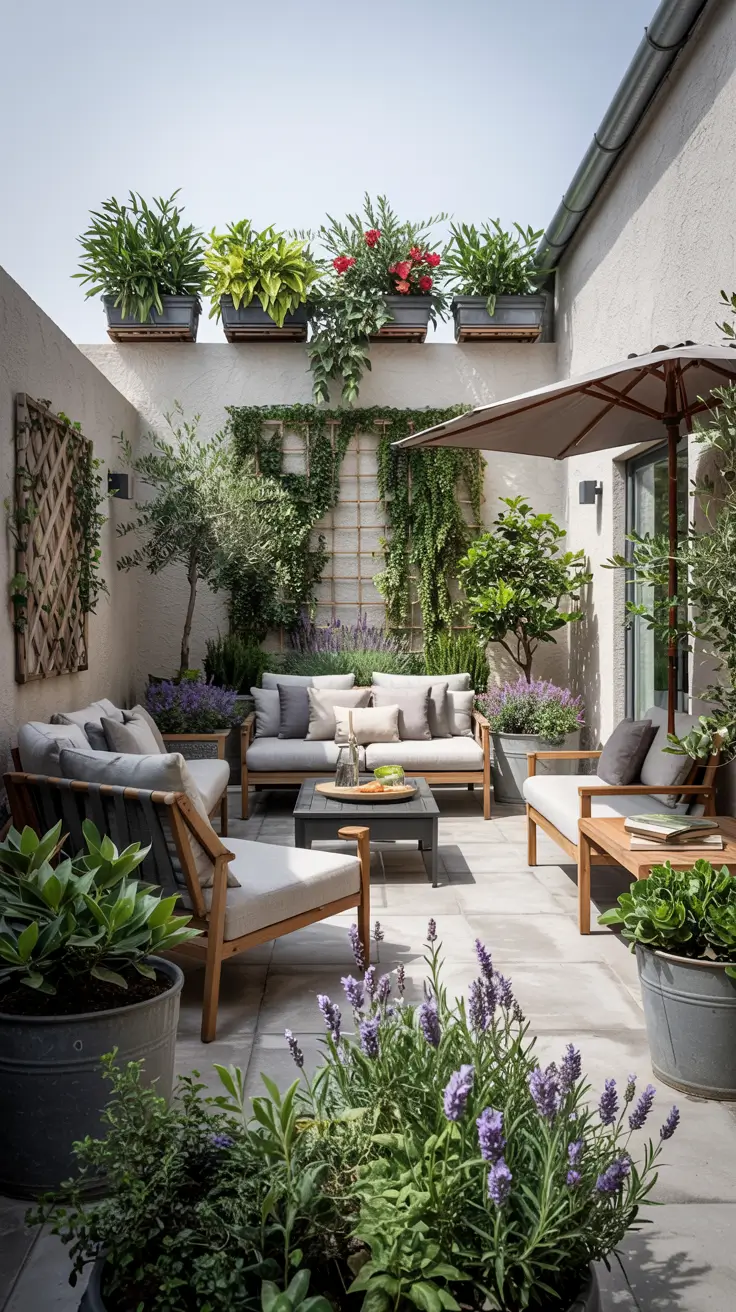
For furniture, I prioritize comfort and proportions so the terrace feels like a real lounge area. I like a compact sofa or sectional, a pair of lounge chairs, and a coffee table that can handle drinks and books. Built-in benches along a wall work well because they save space and can hide storage. For plants, I use large containers with olive, rosemary, and lavender, then soften edges with trailing herbs and low shrubs. If there is a fence wall or parapet, I add wall-mounted planters or a trellis to increase greenery without narrowing the walking path.
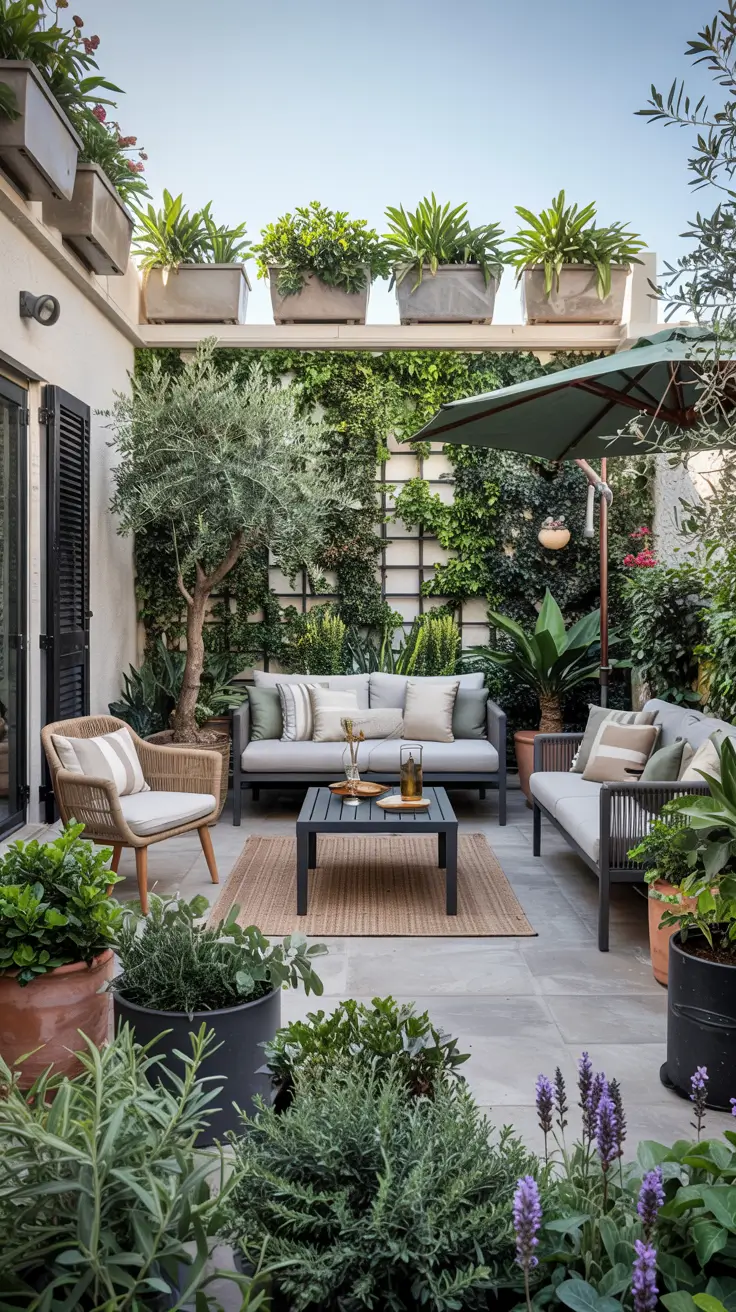
In my experience, terraces succeed when the layout encourages daily use, not just occasional entertaining. I keep a small dining spot if space allows, because eating outdoors is one of the easiest ways to enjoy the terrace. Many design pros emphasize balancing hardscape and softscape, and I follow that by limiting the number of materials, then letting planting provide variety. If the home leans Spanish colonial, I add subtle accents like a clay-toned cushion set or a simple ceramic planter, but I keep patterns minimal for a 2026 look. The goal is a calm, functional terrace that feels like part of the home.
What I would add is a wind and sun comfort checklist. I include a shading option, like a pergola, umbrella, or retractable awning, plus a wind screen where needed. I also plan for drainage with raised pot feet and a clear route for water to move away from doors. If privacy is important, I add tall planters with narrow evergreens or ornamental grasses, placed strategically rather than in a full line. Finally, I recommend adding a small storage cabinet for cushions and tools so the terrace stays tidy and easy to maintain.
Mediterranean Landscape Design Tuscan Inspirations For 2026
Mediterranean landscape design tuscan inspirations for 2026 are leaning more restrained and architectural, and I find that refreshing. I see fewer busy planting mixes and more emphasis on strong forms, textured walls, and intentional negative space. When I plan a Mediterranean-style design, I start with the bones: paths, patio shapes, wall lines, and sightlines from inside the house. Then I add plants as structure, not decoration, so the garden looks good in every season. This modern direction keeps mediterranean style garden design timeless while still feeling current.
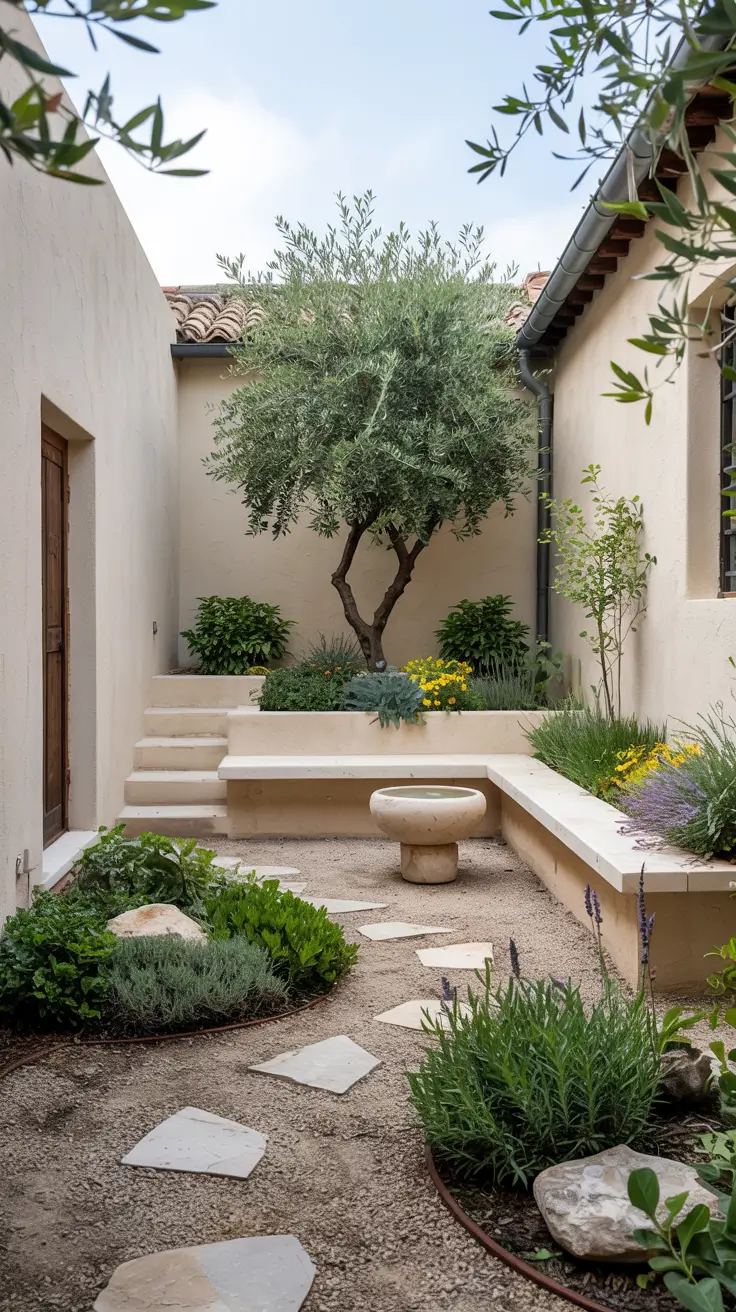
The core elements I use are gravel paths, simple stone steps, and a patio that supports outdoor living without dominating the yard. I often include a courtyard moment with a bench, a small water bowl, or a quiet seating nook against a wall. Planting is focused on proven Mediterranean classics, like olive, lavender, rosemary, and drought-tolerant shrubs, mixed with a few grasses for movement. I also like fences and walls in pale render or limestone tones, because they bounce light and make greenery pop. Containers remain important too, because mediterranean style container garden accents add flexibility and allow seasonal changes without redesigning the whole space.
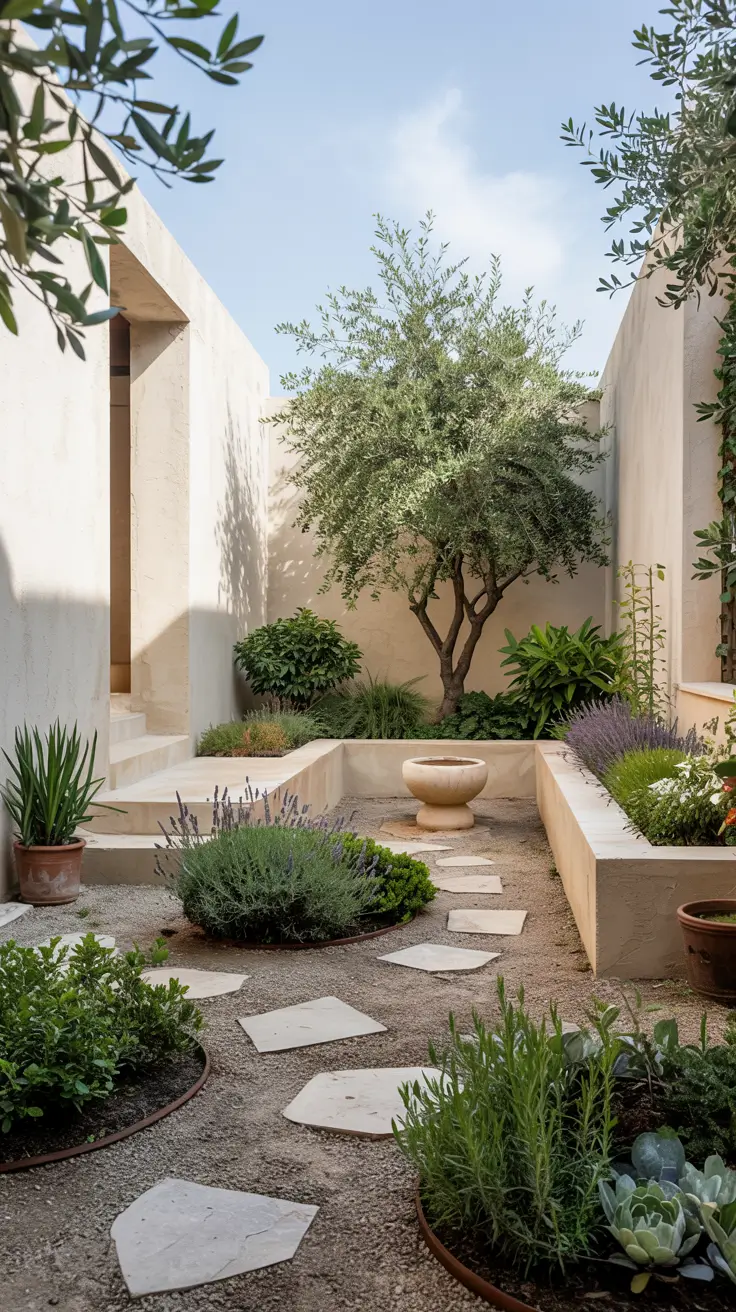
I have noticed that the most successful 2026 gardens are the ones that feel calm and purposeful. Instead of adding more features, I refine the palette and repeat materials so the space feels cohesive. Landscape professionals often recommend editing, and I agree, because too many plant types can dilute the Mediterranean-style effect. I also keep maintenance realistic by choosing plants that match the climate and by designing irrigation that supports deep, infrequent watering. When these choices are aligned, the garden in mediterranean style feels effortless, which is the real luxury.
What I would add is a practical guide to adapting the look to different home types and lot shapes. For a front yard, I would focus on a clean entry path, a raised bed with herbs, and one sculptural tree as a focal point. For a side yard, I would emphasize wall planting, trellises, and narrow containers to keep the walkway open. I would also include a short seasonal care plan, like when to prune lavender and how to shape olive trees in containers. Finally, I would add notes on sourcing materials locally, because matching stone and gravel to the region makes the design feel more authentic.
Mediterranean Garden Style In The UK Climate
Mediterranean garden style in the UK climate is completely achievable, but I approach it with realism about rain, cool spells, and winter protection. I focus on the Mediterranean-style feeling, which comes from structure, materials, and scent, not only from heat-loving plants. I use gravel and stone to improve drainage, and I choose planting that tolerates damp conditions while still reading Mediterranean. Courtyard layouts work especially well in the UK because walls create shelter and retain warmth. With the right plant list and a smart layout, mediterranean garden style landscape can thrive even with less sun.
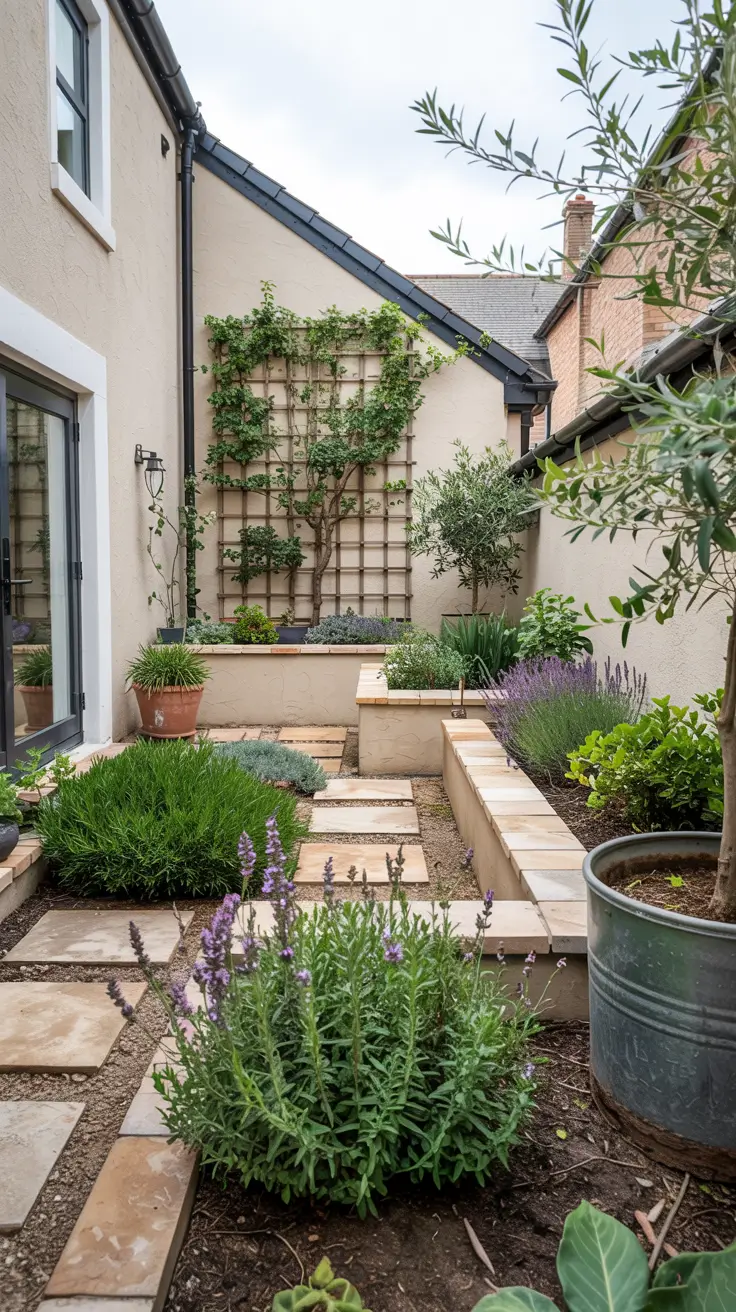
For plants, I prioritize hardy choices that keep the look consistent through seasons. Lavender can do well with sharp drainage, rosemary needs a sheltered spot, and thyme is often reliable in raised beds or containers. I use olive in containers rather than in-ground in colder areas, so it can be protected when needed, and it still delivers that olive tree landscape character. I also include evergreen structure, like box alternatives or compact yew shapes, to mimic Mediterranean form without fragile species. Materials matter too, so I choose warm-toned paving and a simple wall finish that reflects light, which helps the garden feel brighter on grey days.
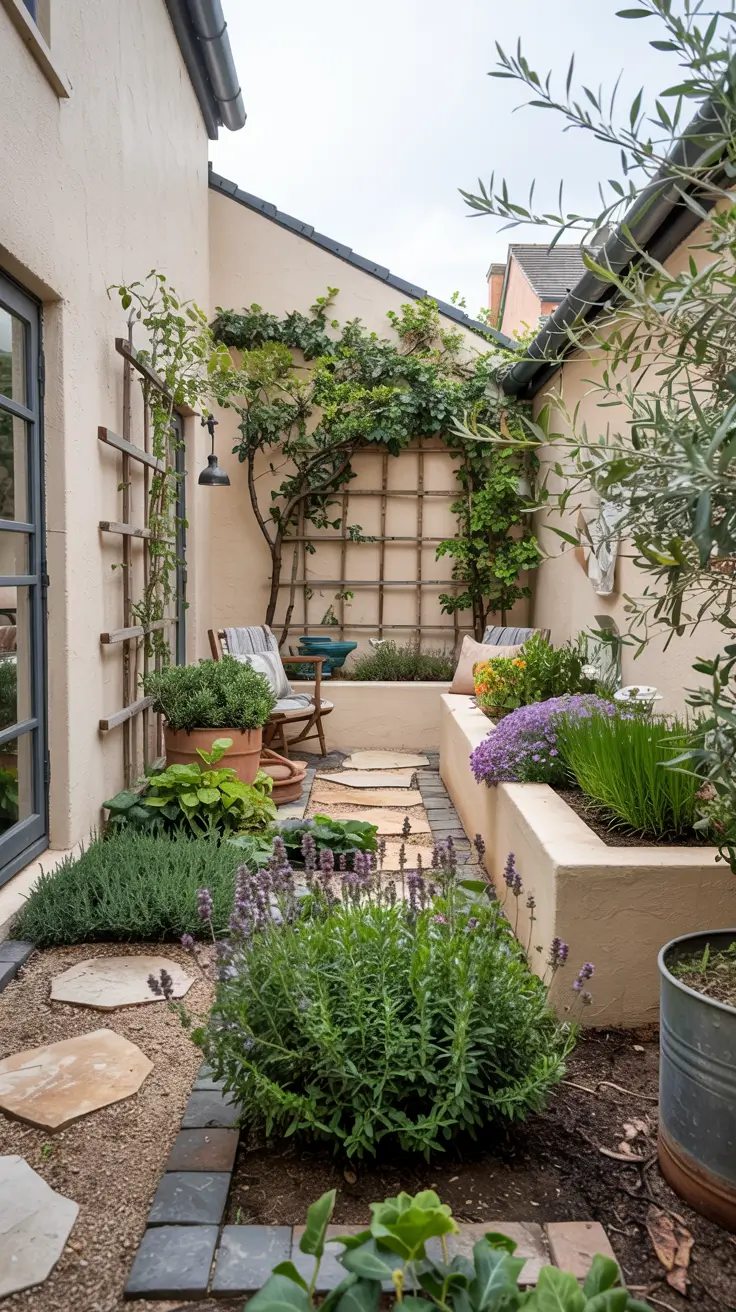
In my experience, the UK version of Mediterranean-style succeeds when I design for water management first. I avoid heavy clay pockets by building raised beds, adding grit, and shaping the ground so water moves away from roots. Many gardening experts stress the importance of drainage for Mediterranean plants, and that is the rule I never break here. I also use wind protection, like fences, hedges, and trellis panels, because cold wind can be more damaging than cold temperatures. When those basics are handled, the garden feels relaxed and sunlit even when the weather is not.
What I would add is a winter care and contingency plan that keeps the garden looking good year-round. I include breathable fleece for tender plants, a sheltered storage spot for pots, and a checklist for moving containers during hard frost. I also like to add an outdoor living corner with a small fire bowl or heater option, so the space remains usable beyond summer. For extra color, I add hardy Mediterranean-feel plants that bloom in cooler seasons, keeping the garden lively. Finally, I recommend photographing the space through the year to see where shelter and sun really land, then adjusting container placement accordingly.
Creative Mediterranean Garden Ideas For Every Home
When I plan a garden in mediterranean style, I start with structure first and plants second, because structure is what keeps the space looking intentional all year. I focus on clean circulation, a defined patio zone, and at least one strong focal point like an olive tree landscape in a large container or a simple wall fountain. For 2026, I like mixing Mediterranean-style materials with modern restraint, so the garden reads fresh rather than themed. I also consider how the house connects to the garden, since mediterranean style homes garden layouts work best when doors open to a clear outdoor room. Even in a Uk climate, this approach holds up if I prioritize drainage, hardy plants, and sheltered microclimates.
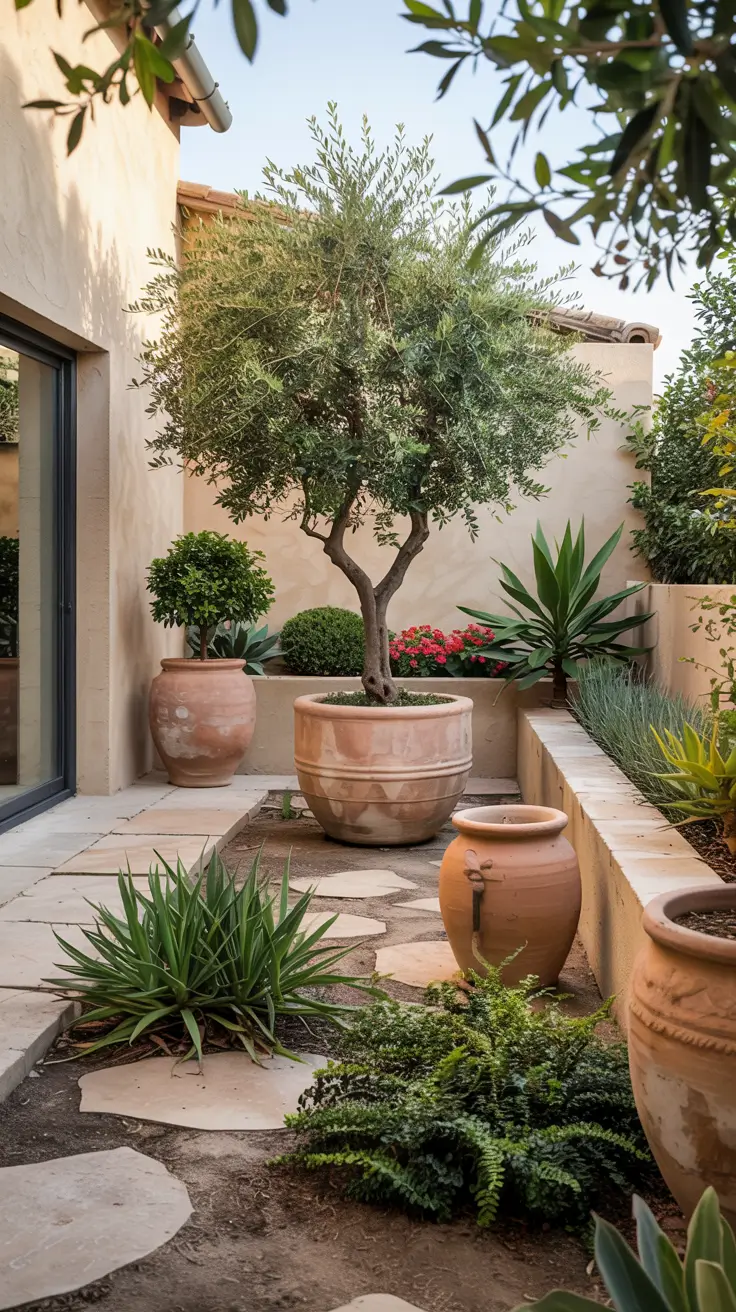
In my designs I rely on a small set of repeatable elements: a patio with stone or porcelain that mimics limestone, a low fence or wall to define edges, and layered planting that frames views. Containers are essential for a mediterranean style container garden, especially if soil is poor or space is limited, and I like terracotta mixed with a few modern planters for contrast. I often add a simple bench, a bistro set, or built-in seating because outdoor living improves when there is a place to pause. Raised planters can double as seating ledges, which is practical for smaller side areas where a full bed would feel tight. Lighting is part of the design too, and I use warm, low-level fixtures to graze walls and paths without glare.
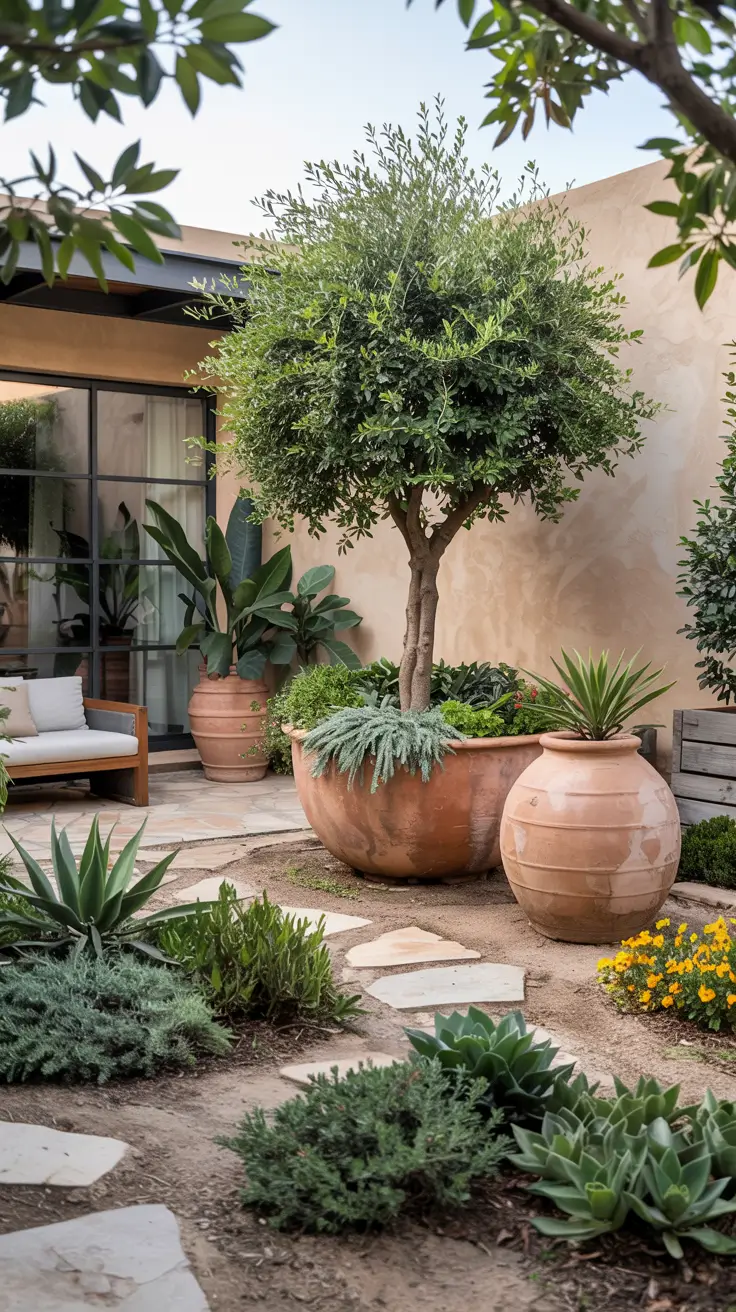
From experience, the biggest upgrade is editing, meaning I limit the plant palette so it looks cohesive and easy to maintain. Designers often talk about repeating materials and forms to create calm, and I have found that repetition is what makes Mediterranean spaces feel timeless instead of busy. I also keep irrigation simple and targeted, especially for containers, because overwatering is the fastest way to lose that dry-climate look. If I want a modern feel, I choose fewer, larger plants rather than lots of small ones, and I let negative space do some work. The result is a design that looks more like Design landscaping spanish inspiration and less like a collection of random pots.
What I would add to complete this section is a quick plant strategy for your conditions, including sun exposure, wind, and how close the bed zones are to the house. I would also include a short checklist for materials that age well, like stone-look paving, limewash-style walls, and rust-resistant hardware. Finally, I would add guidance on scale, such as how large containers should be relative to the patio and how tall a fence or wall should feel comfortable rather than imposing.
Designing A Mediterranean Courtyard With Timeless Appeal
A Courtyard is where mediterranean style garden design shines because the walls create instant warmth, privacy, and a sense of Room outdoors. I treat the courtyard like an outdoor interior, with a clear center, strong boundaries, and a focal wall that anchors the view from inside the House. For 2026, I like courtyards that feel simple and modern, using a limited palette of stone, plaster, and greenery. The best courtyards balance shade and sun so you can use the space for most of the day, not just a single hour. I also design for sound and scent, adding subtle water or aromatic plants so the space feels immersive.
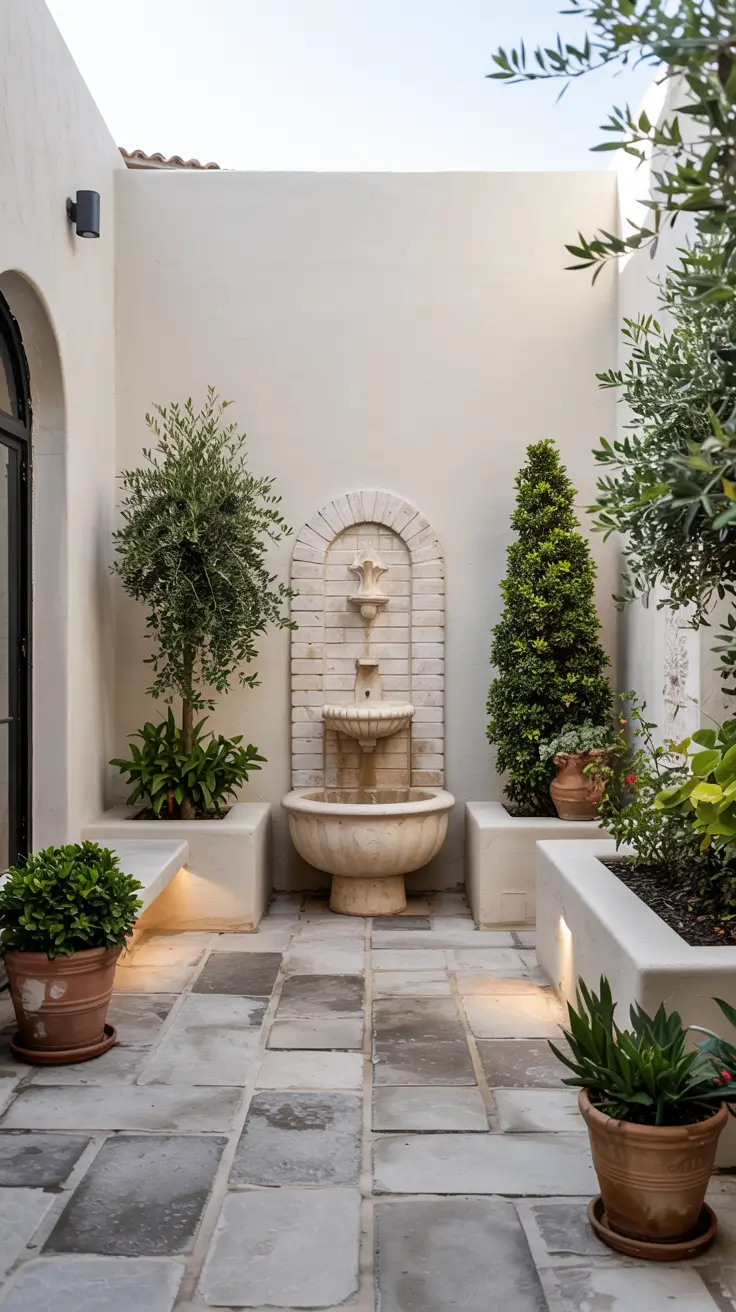
In a courtyard, I choose one primary surface for the Patio, then soften it with planted edges and containers to avoid a hard, echoing look. I like a low wall niche, a simple fountain, or a textured Wall finish as the focal point because it reads classic and does not require much space. If I need privacy, I use a combination of Fence screening and tall planters instead of bulky structures, which keeps airflow and light. I often include a small dining set or a built-in banquette, because sitting is what turns a courtyard from decorative to useful. Planting is usually olive, citrus in pots, rosemary, lavender, and clipped shrubs, adapted to the site so it stays healthy.
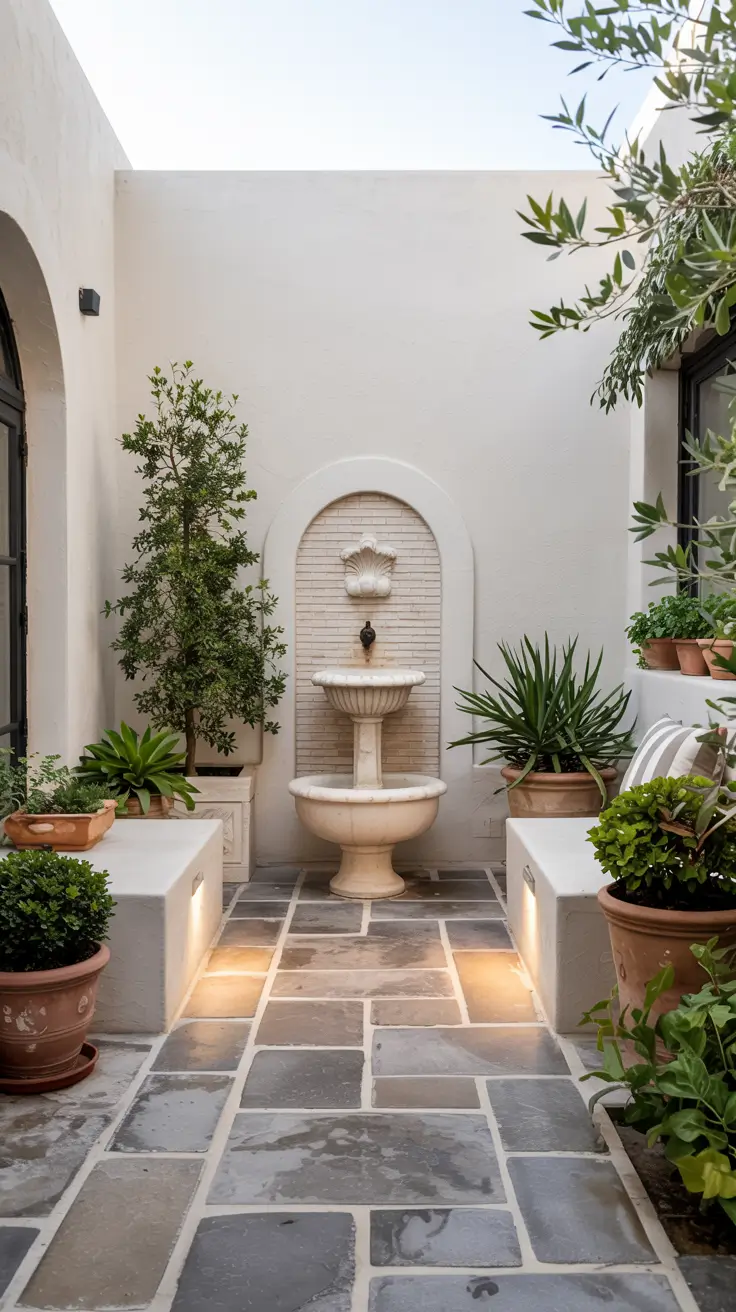
In my own projects, the most timeless courtyards are the ones with clear geometry and a restrained plant list, because they photograph well and feel calm in real life. I have also learned to respect drainage, since courtyards can trap water if the slope is wrong, especially in wetter regions. If you want a stronger Mediterranean-style mood, I lean into texture, like rough plaster, aged terracotta, and gravel bands. This is where mediterranean garden style landscape becomes architectural, and that is what makes it memorable. When the layout is right, even a small Side courtyard can feel like a destination.
What I would add here is a detailed layout suggestion, including ideal clearances for walking paths and seating depth along the wall. I would also add options for shade, like a slim pergola, a sail, or a vine-trained trellis that fits the courtyard proportions. Finally, I would include a maintenance note so the courtyard stays crisp, such as seasonal pruning, cleaning stone, and refreshing gravel joints.
Mediterranean Outdoor Living Room Concepts For Relaxed Entertaining
Mediterranean garden design tuscan style outdoor living is all about creating an inviting place to gather, eat, and relax without feeling overly styled. I design it like a living room under the sky, with defined zones, comfortable seating, and a backdrop that feels warm and grounded. For 2026, I see more people choosing fewer pieces that are higher quality, which makes the space look Modern and uncluttered. The key is to keep the layout practical, with clear routes between the House door, the Patio table, and the cooking or serving area. If you build it with everyday use in mind, it becomes a natural extension of indoor life.
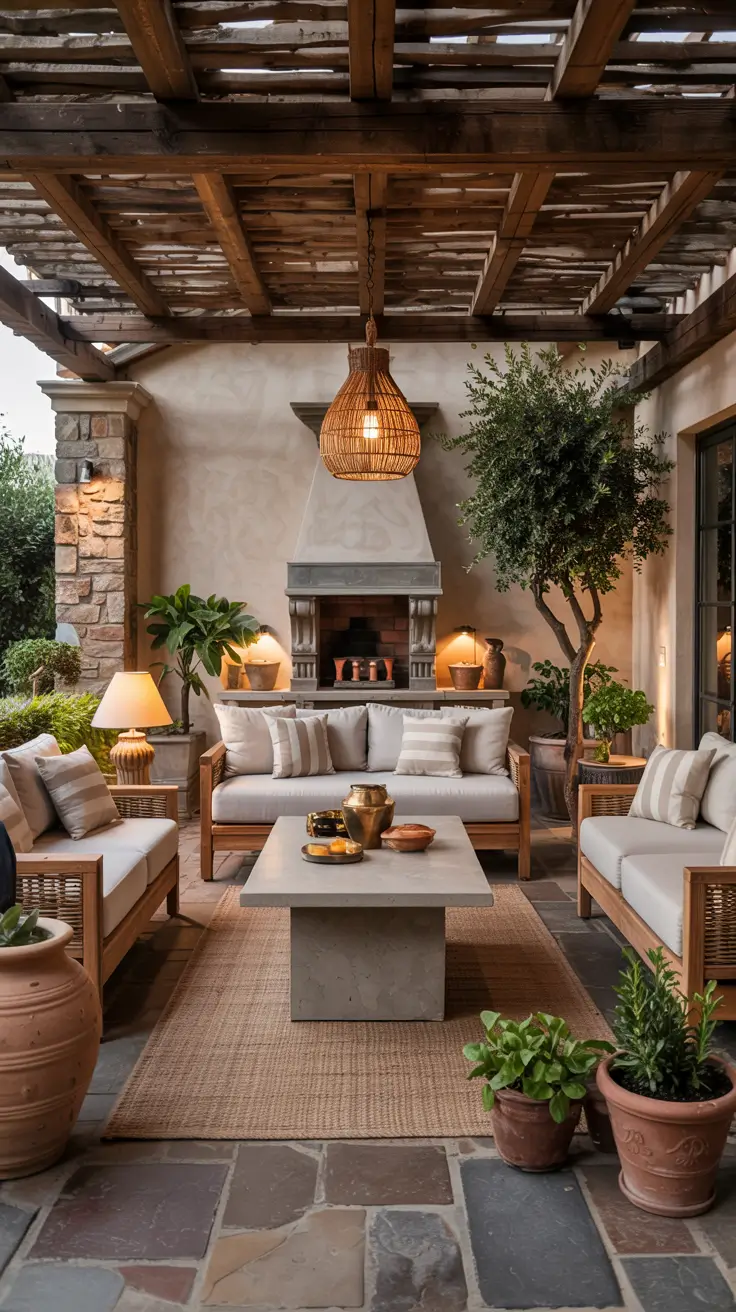
I start with seating first, often a deep outdoor sofa or a pair of lounge chairs, then add a low table and a side table so the space works for drinks, books, and plates. I like natural textures like woven accents, linen-look cushions, and stone or plaster surfaces because they fit mediterranean style garden design without feeling heavy. A rug can help define the Room zone, but I keep it simple and durable so it does not fight the surrounding landscape. If space is tight, I use built-in benches along a wall, which saves footprint and adds architectural character. Planting supports comfort too, and I use shade trees or tall planters to soften the edges without blocking airflow.
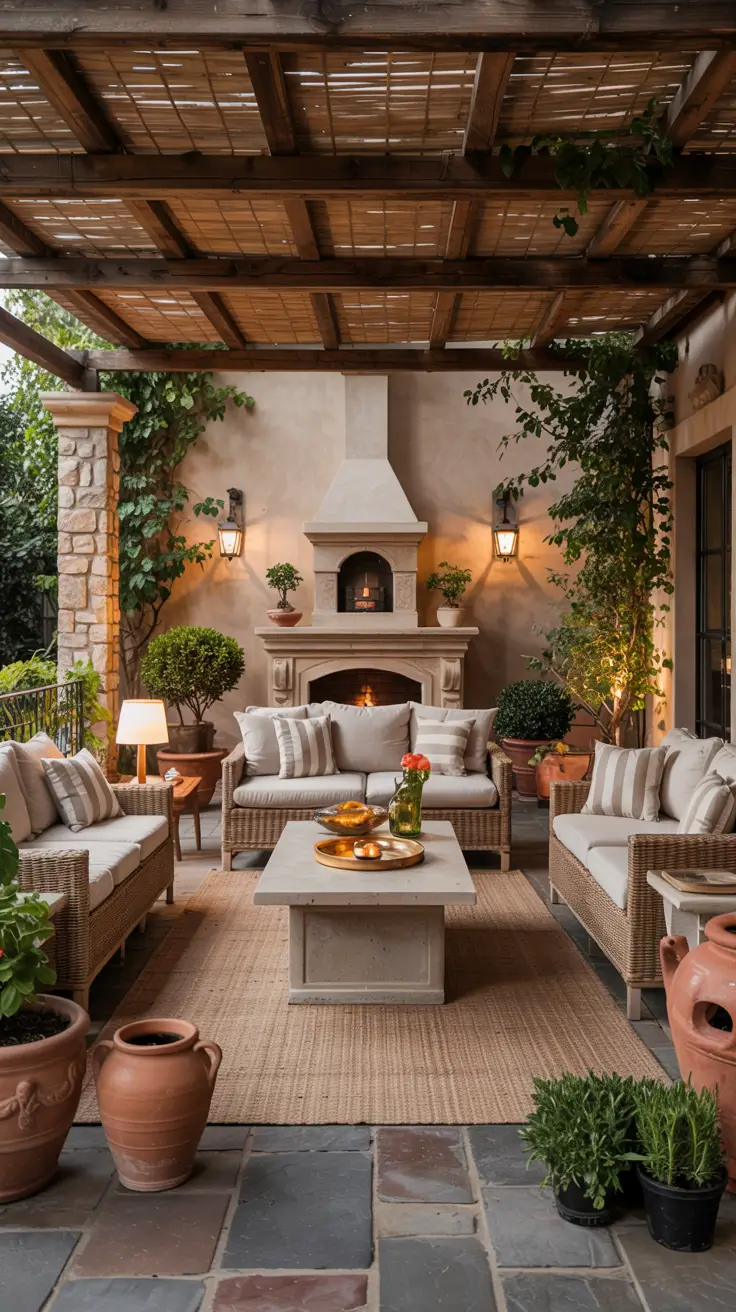
In my experience, the most relaxed entertaining spaces have a strong boundary, like a low wall, planting band, or change in paving, because it makes guests feel contained and comfortable. I also keep lighting layered, with subtle path lights and a few warm fixtures near seating, since harsh overhead lighting ruins the mood. If you want tuscan style patio energy, I add terracotta, warm stone, and a few sculptural containers, then keep the rest quiet. That balance is what makes mediterranean garden styles feel effortless rather than busy. It also helps the space look good in photos from multiple angles.
What I would add here is a guidance list for weather-proofing, like breathable furniture covers, storage benches, and fabrics that resist fading. I would also include a small plan for sound and scent, such as a gentle water feature and aromatic herbs near seating. Finally, I would add a note on scale, like choosing a table size that leaves a comfortable walking lane around it.
Spanish Colonial Influences In Mediterranean-Style Gardens
Spanish colonial influence adds romance and craft to Mediterranean-style gardens, and I like using it as an accent rather than a full theme. I focus on arched forms, textured plaster, and patterned tile moments that give the garden identity. In 2026, the trend is to mix Spanish colonial cues with simpler lines so the result feels current. I often pair a clean layout with one expressive element, like a tiled riser, a niche, or a small courtyard fountain. This approach fits mediterranean style homes garden settings especially well because it ties architecture and landscape together.
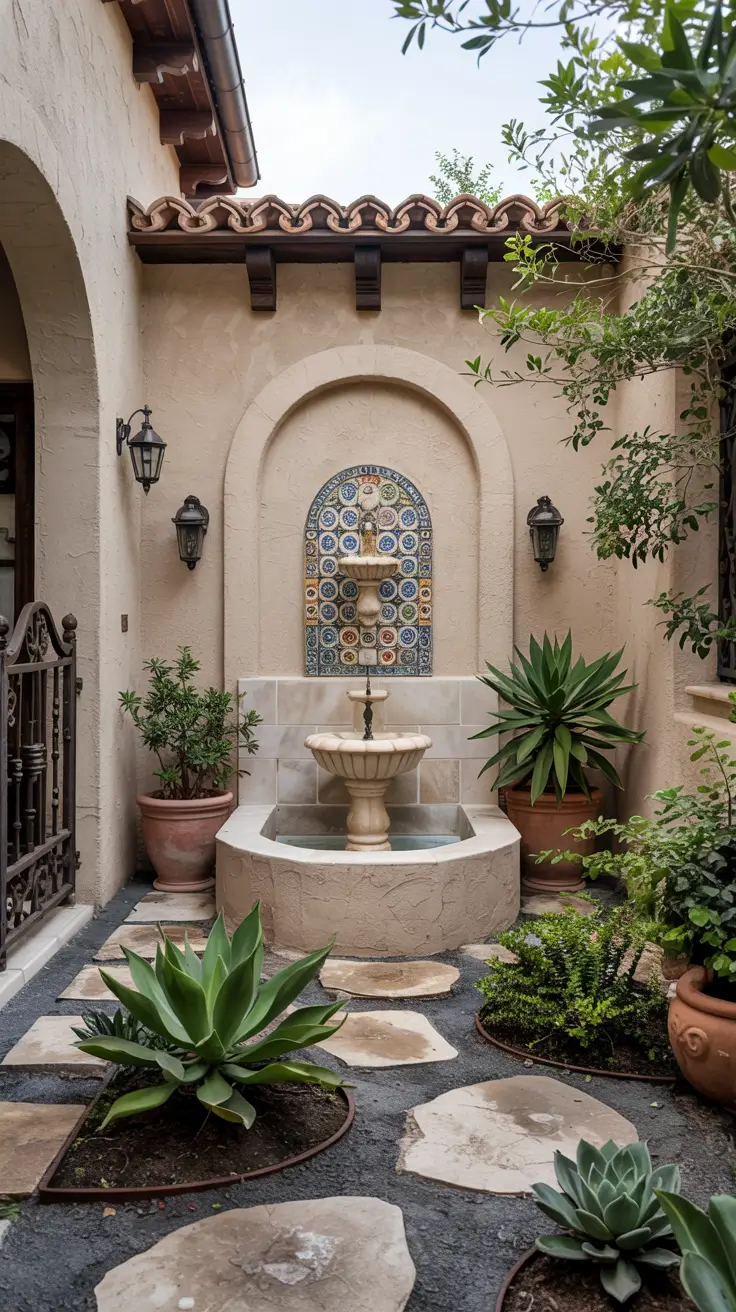
For materials, I use terracotta, handmade-look tile, warm stone, and dark metal details for gates, sconces, or a simple Fence panel. A raised Bed with a tiled cap can add a Spanish colonial note without taking over the design. I like adding a focal wall with a niche or a relief texture, because it reads authentic and creates depth in a small space. Planting stays Mediterranean, but I choose bold shapes like agave or upright shrubs to complement the architectural details. If the space allows, I include a small shaded sitting area, because Spanish colonial gardens are meant to be lived in, not just viewed.
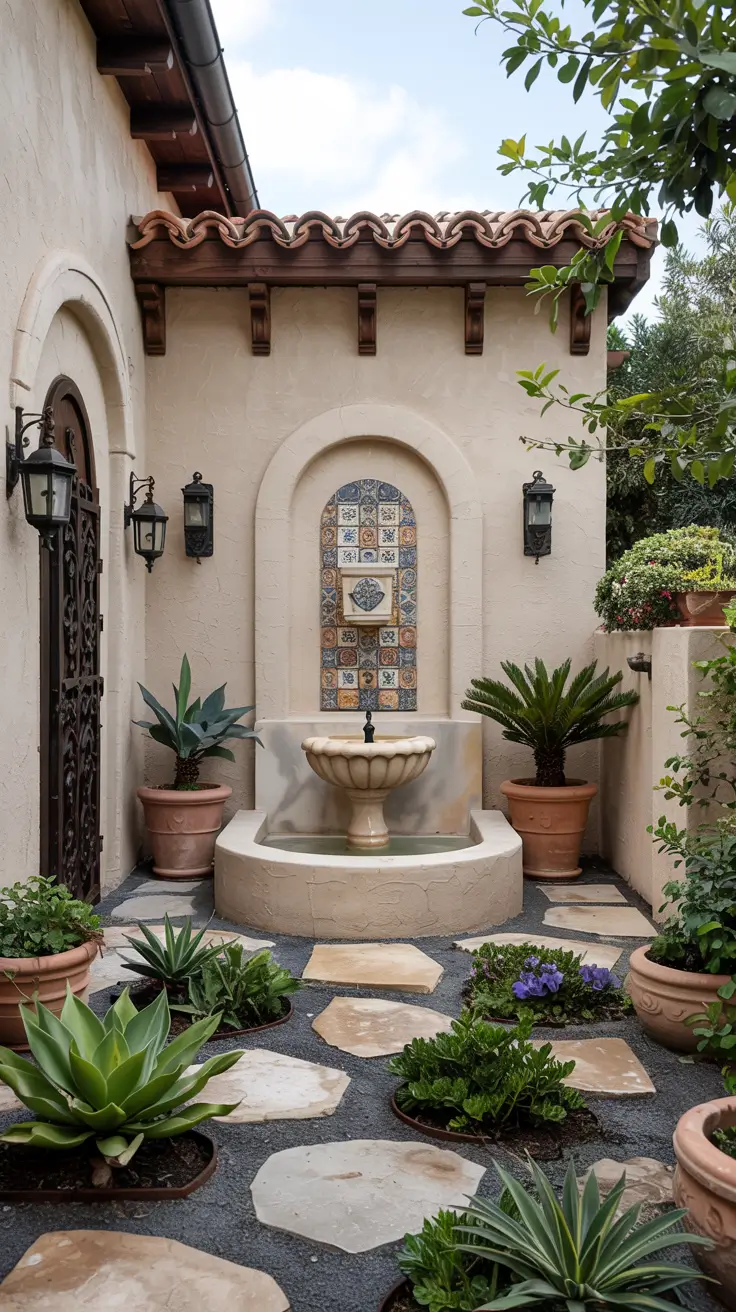
Personally, I find that Spanish colonial touches work best when they are repeated once or twice, not everywhere, because repetition creates cohesion while restraint keeps it modern. I also pay attention to patina, since this style looks better with materials that age gracefully rather than staying glossy. If you are using tile, I recommend placing it where it will not feel visually noisy, like a vertical surface, a step, or a small fountain face. That is how I keep the design calm while still delivering character. It also aligns well with Design landscaping spanish traditions without forcing a historical replica.
What I would add is a small palette guide that shows which finishes pair well together, like warm white plaster, deep brown metal, and muted clay tile. I would also add a short list of focal-point options so you can choose one that matches your space, like a water bowl, a niche, or a patterned step. Finally, I would include a maintenance reminder, since grout, tile edges, and metalwork look best with periodic cleaning and sealing.
Mediterranean Garden Design Landscaping Spanish Details
When I build mediterranean garden style landscape with Spanish details, I treat the landscape as a sequence of views rather than a single flat planting area. The goal is to create rhythm using walls, steps, planters, and planting masses that guide the eye. For 2026, I like designs that feel structured but not rigid, with soft gravel paths, clipped forms, and a few sculptural plants. I also prioritize comfort, adding shade and seating so the garden supports Outdoor living. This is the layer where Design and Landscape work together to make the space feel complete.
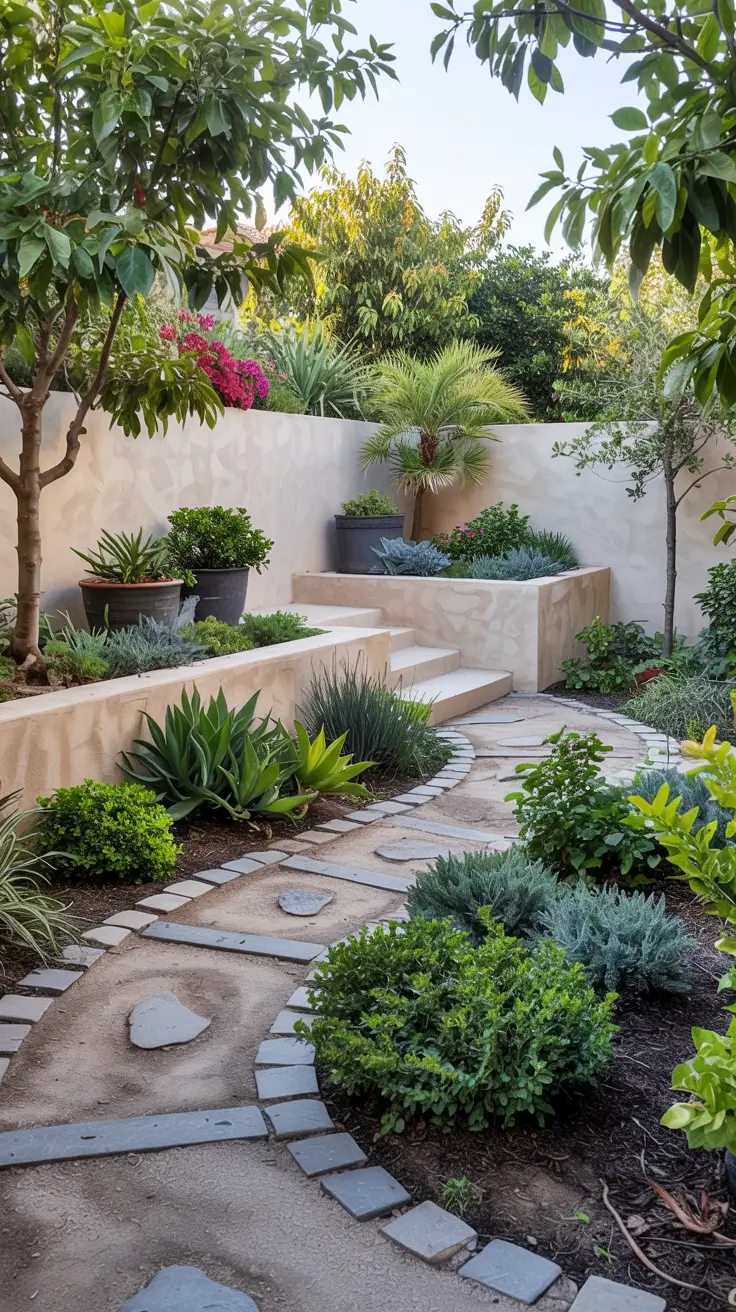
I often use decomposed granite or gravel as a base for paths, then frame those paths with stone edging or low planted borders. A Wall can become a major design tool, either as a boundary, a backdrop for plants, or a place for a simple fountain. If I need elevation changes, I use broad steps and low risers rather than steep stairs, because it feels more Mediterranean and safer. I like including a mix of raised planters and in-ground beds, especially when the site has poor soil or when I want a clear planting structure. Containers still matter here, and I use them to mark entrances, transitions, and seating corners.
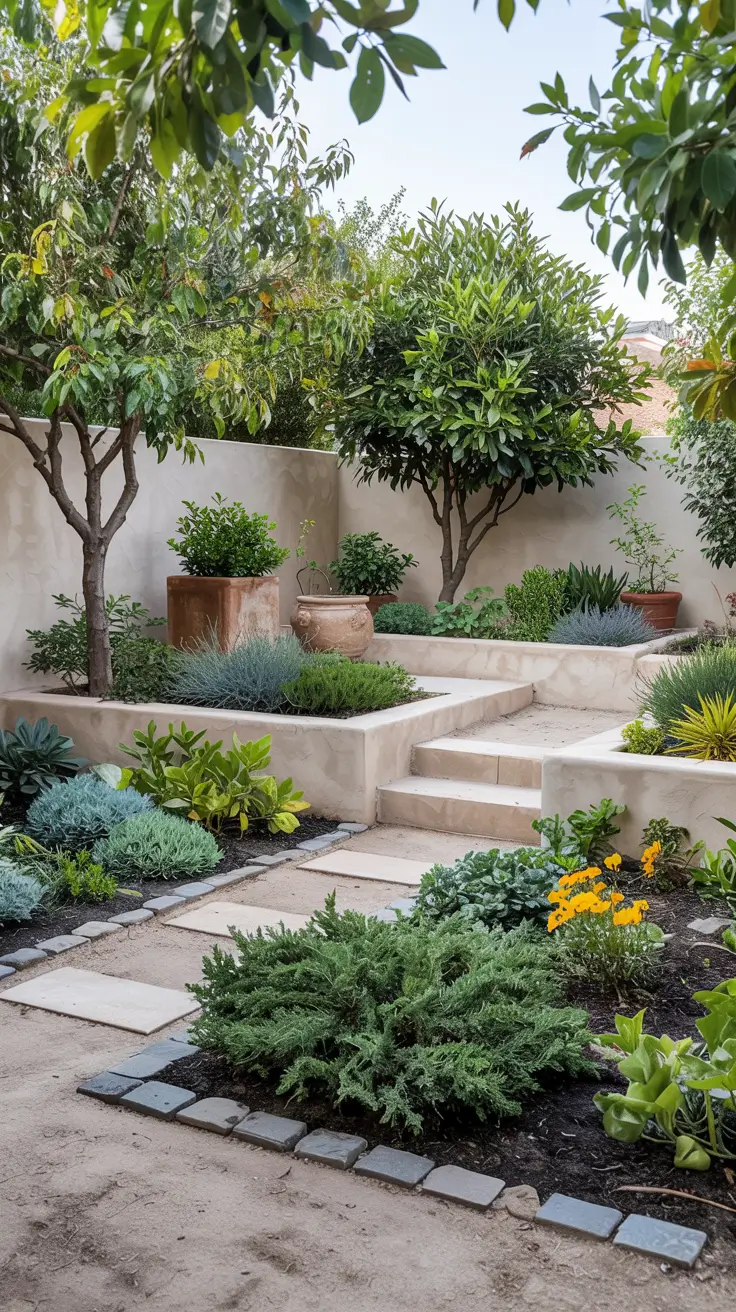
In practice, I have learned that Spanish-style landscaping looks best when the hardscape does not compete with plants, so I keep patterns subtle and let texture do the work. I also keep plants in larger groups, because small scattered plants read messy and are harder to maintain. If you want the design to look Modern, choose clean paving lines, minimal ornament, and one strong focal point rather than many. That is how I keep mediterranean style garden design readable from the house and enjoyable at ground level. It also makes future updates easier, since you can swap plants without rebuilding structure.
What I would add is a quick plan for microclimates, like where heat collects near walls and where wind dries out containers fastest. I would also add suggestions for irrigation zoning, so herbs, shrubs, and containers each get the right amount of water. Finally, I would include ideas for seasonal refresh, like rotating container plants and pruning cycles to keep the structure crisp.
Raised Bed Solutions In Mediterranean Garden Design
Raised Bed design is one of my favorite tools in Mediterranean gardens because it adds structure, improves drainage, and makes planting feel intentional. In 2026, raised beds look best when they are integrated into the overall layout, not dropped in as separate boxes. I use them to define zones, edge patios, and create gentle level changes that feel natural. They also help when you want a clean planting line next to a path, fence, or Wall. If you are working with challenging soil, raised beds are a practical shortcut to healthier planting.
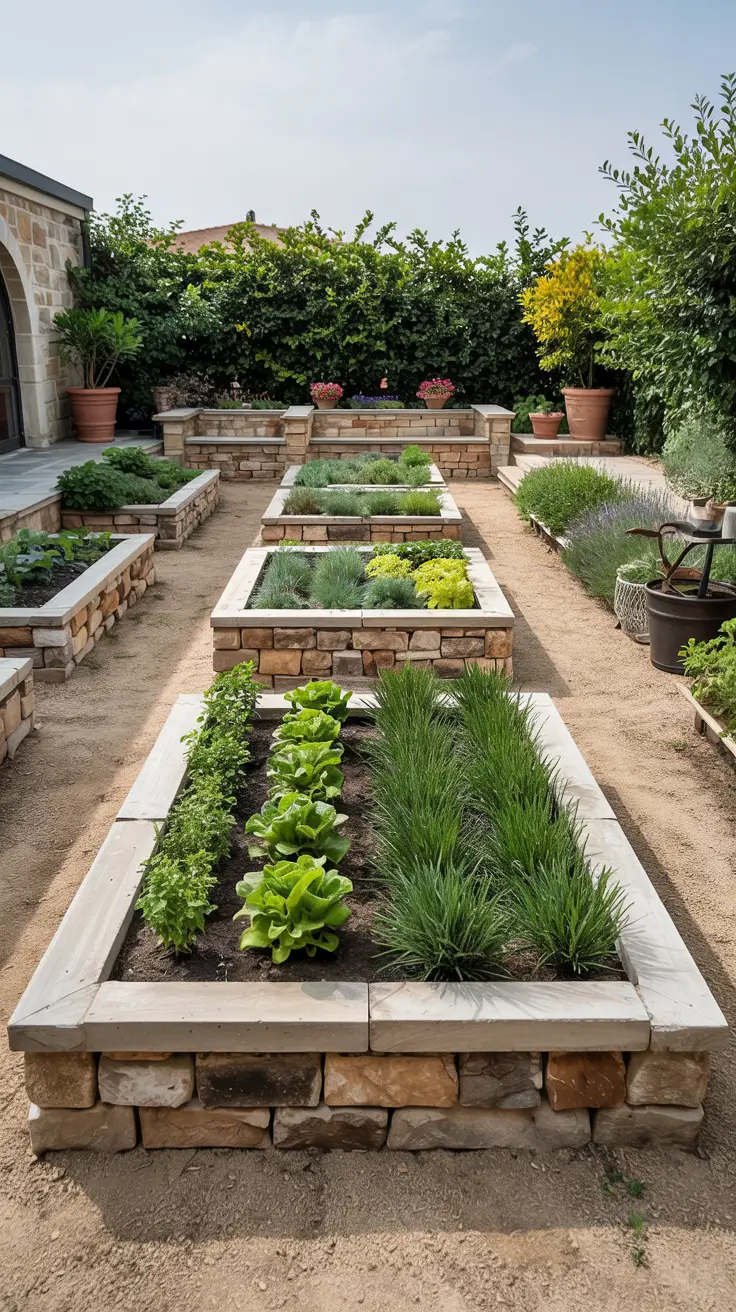
For a Mediterranean look, I choose materials like stone, rendered block, or warm-toned masonry, and I keep proportions low and elongated rather than tall and bulky. I often cap the edge so it can double as seating, which strengthens outdoor living and saves space. Inside the bed, I plan a layered planting scheme with shrubs, herbs, and a few accent plants, and I leave breathing room so it never looks crowded. I also like combining a raised bed with a container or two at corners, because it creates punctuation and helps the design feel complete. If the bed borders a Patio, I keep spiky or messy plants slightly back so the edge stays tidy.
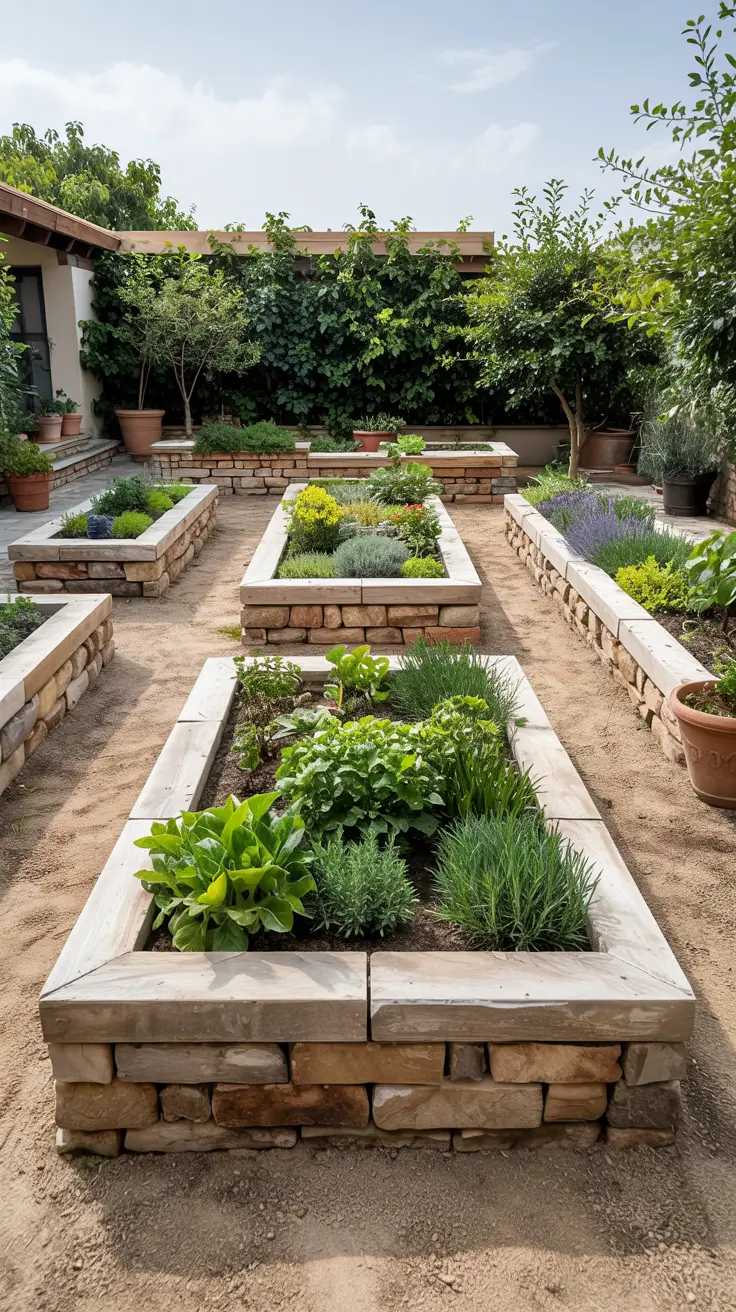
From experience, the biggest mistake is overfilling raised beds with too many species, which makes them hard to maintain and visually noisy. I prefer repeating a few reliable plants and letting them mature, because maturity is what creates that Mediterranean calm. If you want a tuscan feel, you can use warm stone, terracotta accents, and herbs near seating, which ties into mediterranean garden design tuscan style backyards. I also pay attention to access, leaving enough space to prune, harvest, and replant without stepping into the bed. That makes the raised structure a long-term advantage instead of a chore.
What I would add is a simple sizing guide, including recommended bed widths for easy reach and ideal height for seating comfort. I would also add soil mix notes, since Mediterranean plants often need sharper drainage than typical garden soil. Finally, I would include edging and weed-control options that look natural, like gravel skirts, stone mulch, or low groundcovers.
Mediterranean Style Front Garden Landscaping Ideas
A Front Mediterranean-style garden should look welcoming and composed, but it also needs to handle visibility, access, and curb appeal. I design the front as a clear composition, with a strong path to the door, planted beds that frame the House, and one focal point that reads from the street. For 2026, the front garden trend is clean lines, restrained plant palettes, and durable materials that stay neat with minimal effort. I also consider privacy, using low walls, fences, and planting to soften views without blocking light. This is where mediterranean style garden design can elevate a home quickly because structure and planting work together.
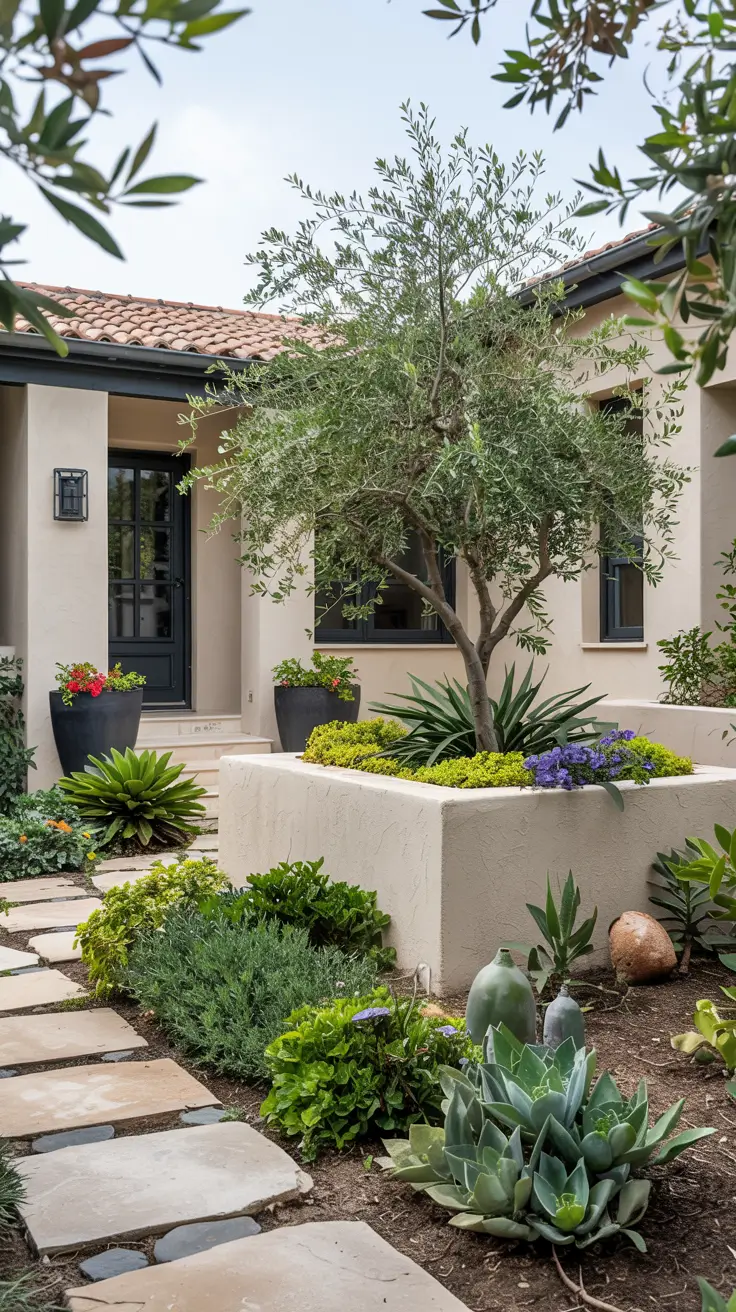
I like a simple paved path, a defined planting Bed on each side, and a few statement containers near the entry for a mediterranean style container garden moment. If space allows, I add a small seating spot, even just a bench, because it makes the entrance feel lived-in. I often include drought-tolerant plants with strong forms, plus herbs near the path so the garden has scent as you approach. A low wall or Fence detail can define the property edge and make the design look finished, especially if the street is busy. If the site has a slope, I use terracing and raised beds to keep it tidy and easy to maintain.
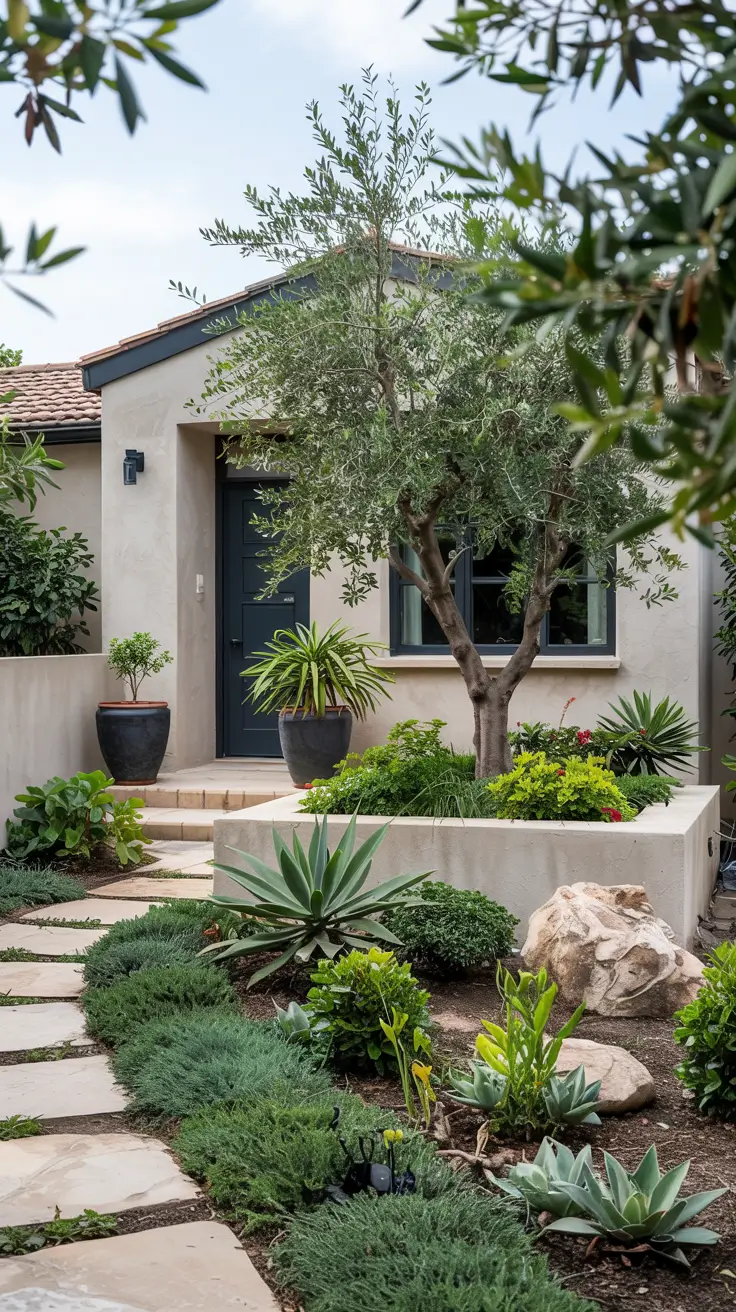
In my own work, the front garden improves most when I simplify, meaning fewer materials, fewer plant types, and a clearer focal point. I also keep maintenance realistic, because the front is what you see every day and what neighbors notice, so it should not require constant fixing. If you want a strong Mediterranean identity, I include a sculptural olive tree landscape element, either in ground or in a large container, and then support it with lower herbs and shrubs. That approach fits many mediterranean garden styles while still feeling modern. It also photographs well for a blog because the lines and layers read clearly.
What I would add is guidance on sightlines and scale, like how tall shrubs should be near windows and how wide the entry path should feel comfortable. I would also add practical notes for lighting and numbering, since front gardens need safe navigation and clear identity. Finally, I would include a seasonal refresh plan, such as rotating container plants and pruning schedules so the front stays sharp year-round.
Blending Mediterranean-Style Garden Elements With Modern Design
I start by choosing a calm foundation that lets Mediterranean texture shine without looking busy. For a garden in mediterranean style, I rely on simple geometry, a restrained color palette, and a few strong focal points. I usually plan clear paths and zones first, then I layer in Wall texture, raised Bed edges, and natural stone accents. This approach keeps the Landscape readable, even when I add bold plants and warm materials. If you live in the Uk, this structure also helps because you can adjust plants seasonally while the hardscape still looks intentional. The goal is Mediterranean-style warmth with Modern clarity, not a copy of a resort.
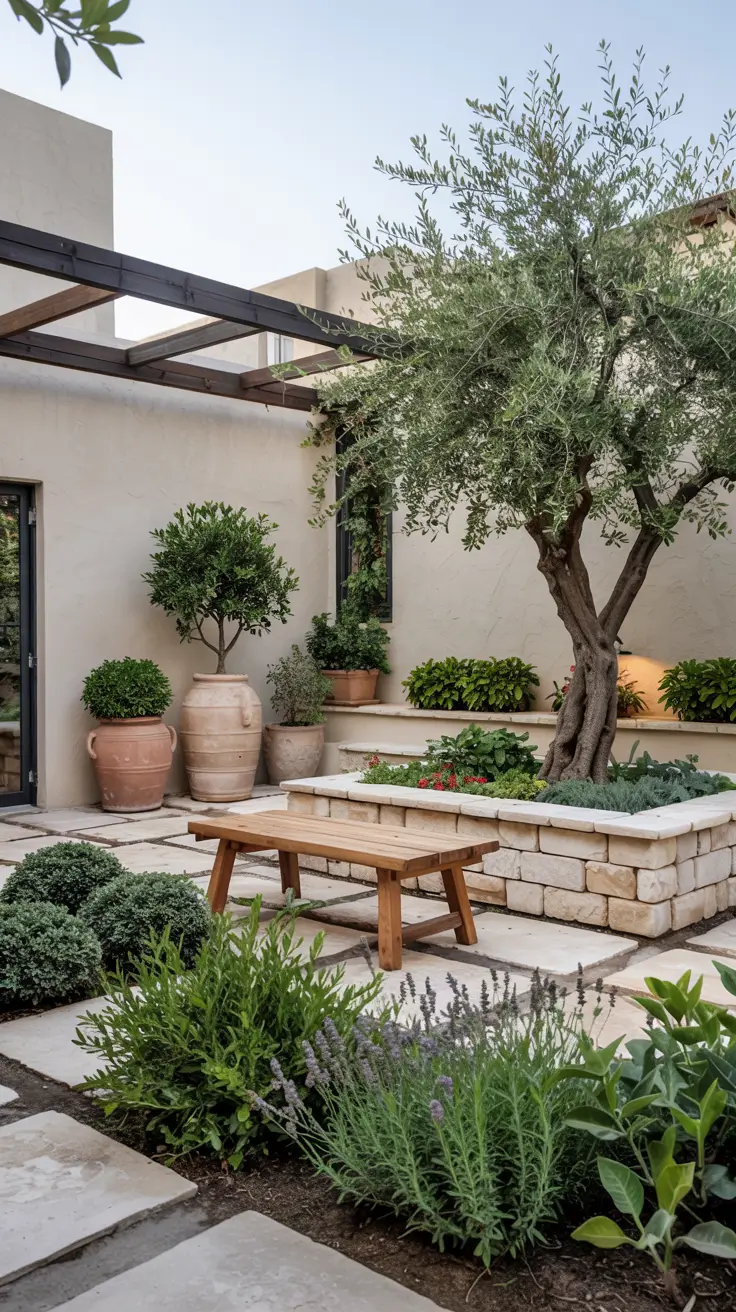
For Design, I like limewashed plaster or light stucco on a boundary Wall, paired with travertine or limestone-style pavers. I include large Container planters in matte terracotta or stone composite because they deliver instant presence and are easy to rearrange. A low bench in teak or powder-coated metal adds seating without visually crowding the Patio. I often add a simple pergola with a clean profile and let climbing Plants soften it over time. An Olive tree landscape focal point in a raised planter instantly signals Mediterranean character while staying sculptural. I keep accessories minimal, like a pair of lanterns and one textured outdoor rug, so the materials do the work.
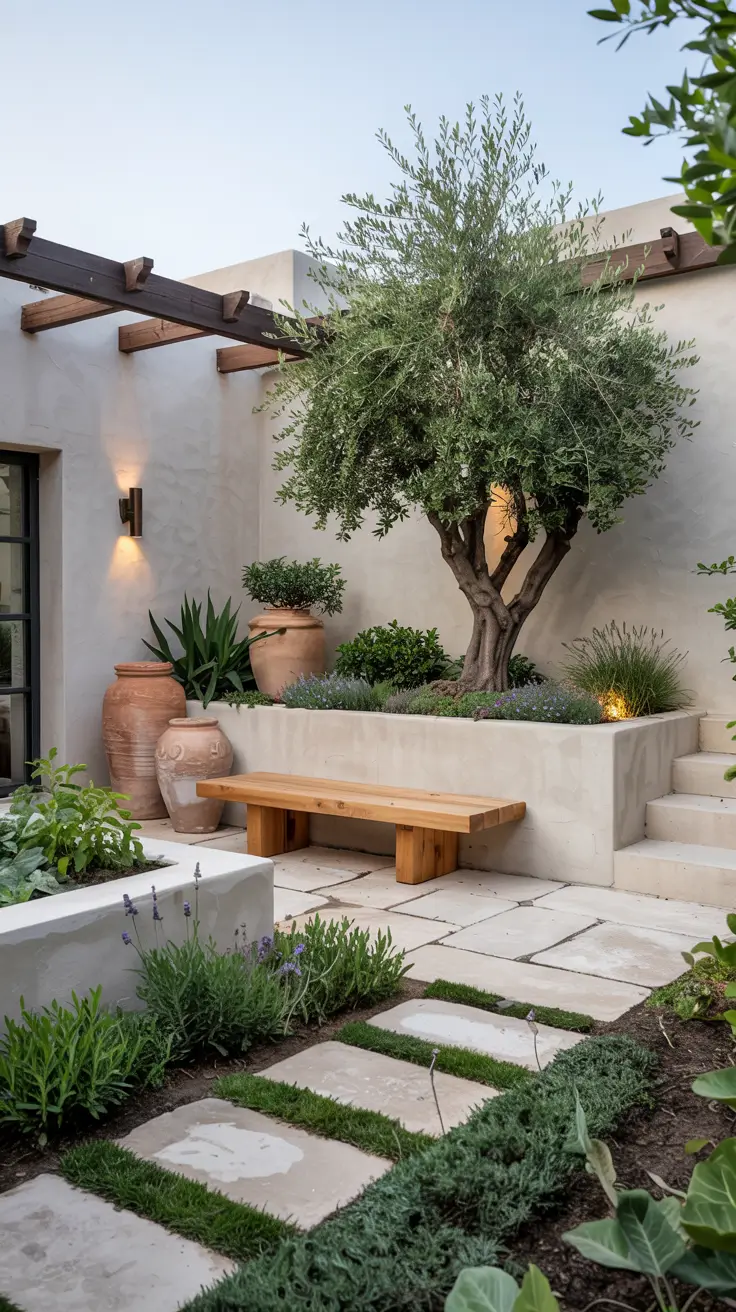
In my experience, the modern part comes from editing rather than adding. When I limit the number of finishes, the space feels more expensive and more restful, even on a modest budget. I also pay attention to repetition, like repeating the same paver size or planter shape, because repetition is what makes mixed elements feel cohesive. I have learned that Mediterranean gardens look best when there is a balance of sun and shade, so I plan one shaded seat and one sunny seat on purpose. Even a small Room-like courtyard can feel generous when the lines are clean and the texture is rich. This is one of my favorite ways to make Design feel contemporary without losing the soul.
What I would add here, if anything feels missing, is a lighting plan and a water strategy. I like warm, low-voltage path lights, a subtle uplight on the Olive tree, and one wall sconce to make the Wall texture glow at night. For plants, I would add drip irrigation or a simple soaker system so the planting stays consistent in summer. I also make sure I have at least one sheltered storage spot, because outdoor cushions and tools need a home. If the layout is large, I include one extra “pause point” bench so the eye and the body can rest. These small upgrades keep the Mediterranean-style concept practical year-round.
Mediterranean Terrace And Patio Design Combinations
When I design a mediterranean style terrace garden, I treat it like an outdoor living Room with a clear purpose. I plan how people will move from the House to the Patio, where they will sit, and where they will eat or relax. The most practical Terraces have at least two zones, like a dining zone and a lounge zone, even if they are compact. I use straight edges and clean transitions to make the space feel Modern, then I warm it up with textured materials. This is where Ideas like Spanish colonial arches or iron details can be used in a minimal, controlled way. The result feels layered and inviting, not over-decorated.
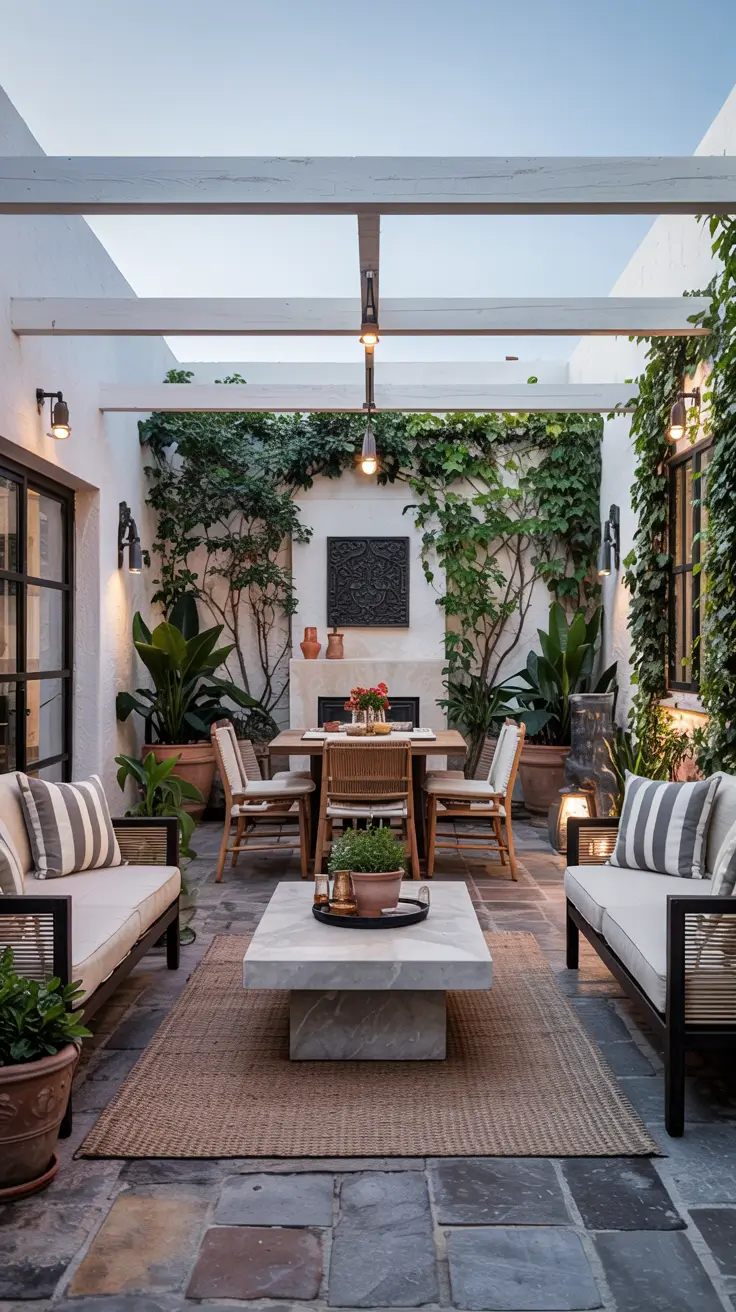
For Outdoor living, I choose a dining table that matches the scale and a lounge set with simple cushions in natural tones. I like a stone or concrete-look coffee table because it anchors the seating and handles weather well. I often add a built-in or freestanding fire bowl if the climate allows, because it extends the season and becomes the focal point. For Plants, I combine upright evergreens with herbs and soft grasses in Container planters to keep the look full but tidy. I also add one sculptural piece, like a large clay urn or a linear water bowl, to echo mediterranean style garden design without feeling traditional. Material selection matters, so I keep metals consistent, usually black or dark bronze.
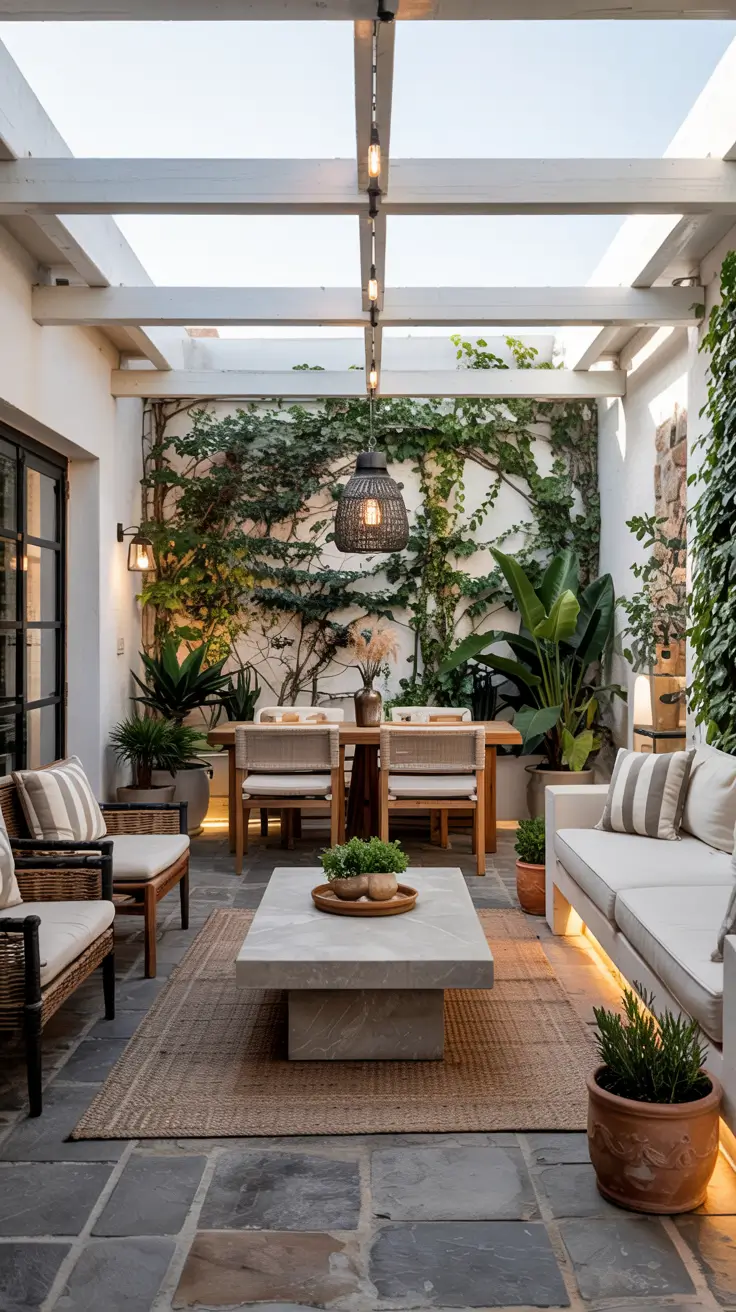
I have found that the easiest way to make this look believable is to repeat one warm tone across the whole terrace. That might be the terracotta in planters, the honey tone in stone, or the wood tone in a bench and a pergola. I also avoid tiny decor that clutters the Patio, and I focus on a few substantial pieces that read well from indoors. If the terrace is exposed, I prioritize shade with a streamlined pergola or a minimal umbrella, because comfort is what keeps people using the space. This is how I keep mediterranean garden styles feeling modern and lived-in. A terrace that is used often always looks better than one that is only styled.
What I would add is a boundary strategy and a view strategy. If the Side is open to neighbors, I include a Fence or screening Wall with climbing Plants to create privacy. I also like to include one strong view line from the House, like a centered olive in a raised Bed or a statement urn at the end of the path. For the floor, I would add a slip-resistant finish and confirm drainage so water does not pool near seating. Finally, I would add a small storage element, like a slim outdoor cabinet, so the terrace stays clean. These details make Outdoor living work every day.
Mediterranean Roof And Terrace Garden Styling Tips
A mediterranean style roof garden has different rules because wind, sun, and weight all shape the Design. I begin with a simple layout that avoids too many small objects, since wind will punish clutter. I define zones using large planters and a clear walking path, so the Roof feels intentional and safe. I also pay attention to heat, choosing light surfaces that reduce glare and stay comfortable underfoot. This type of Terrace can still feel lush, but the planting needs to be planned with reality in mind. My priority is creating a calm, sheltered Outdoor living area that looks Mediterranean-style without being fragile. Even a small Roof can feel expansive when the edges are clean and the planting is confident.
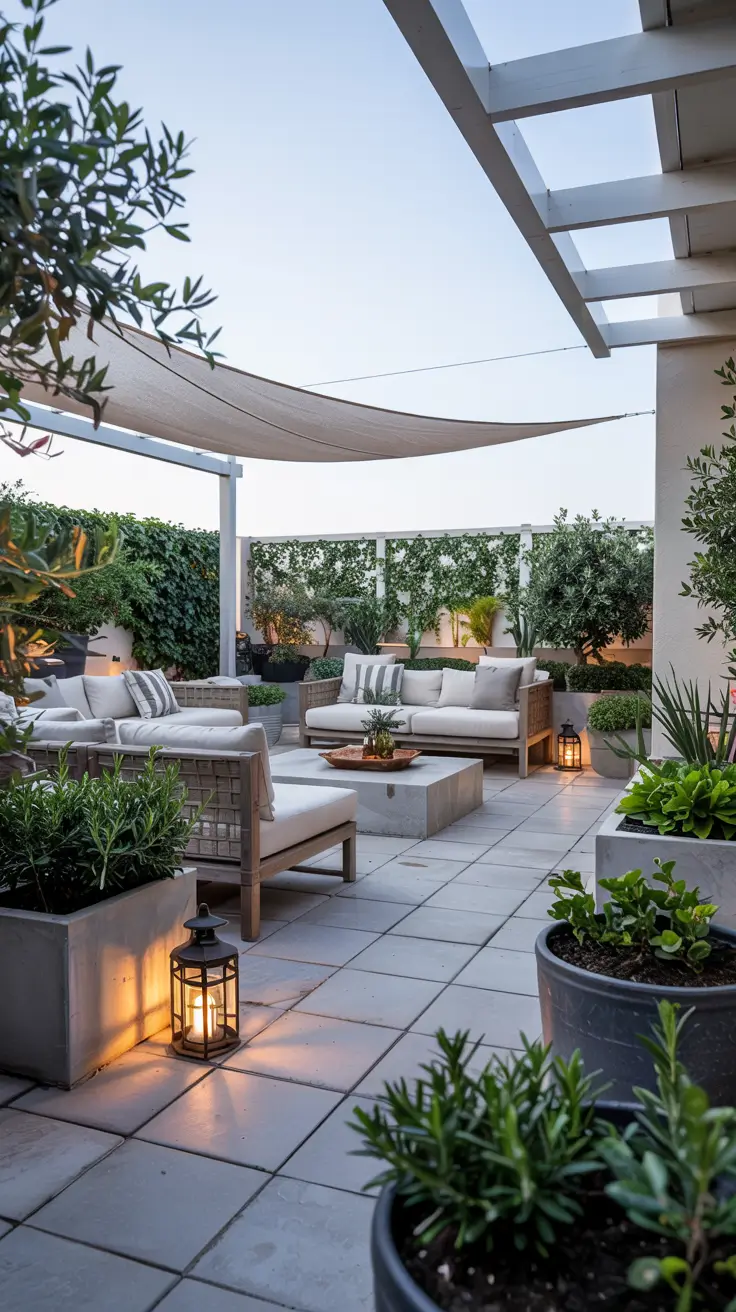
For the core pieces, I use low, heavy Container planters and a modular lounge set that can be secured if needed. I like a pergola with a clean profile or a fixed shade sail to create comfort without adding visual noise. For plants, I choose tough, sun-loving options like rosemary, lavender, dwarf citrus in containers, and compact olives if the structure allows it. I include a raised Bed only if the Roof can support it, and I keep soil depth reasonable to control weight. A slim Fence or glass wind screen makes a huge difference, especially on higher roofs. For surfaces, I prefer porcelain pavers on pedestals because they are neat, Modern, and allow drainage.
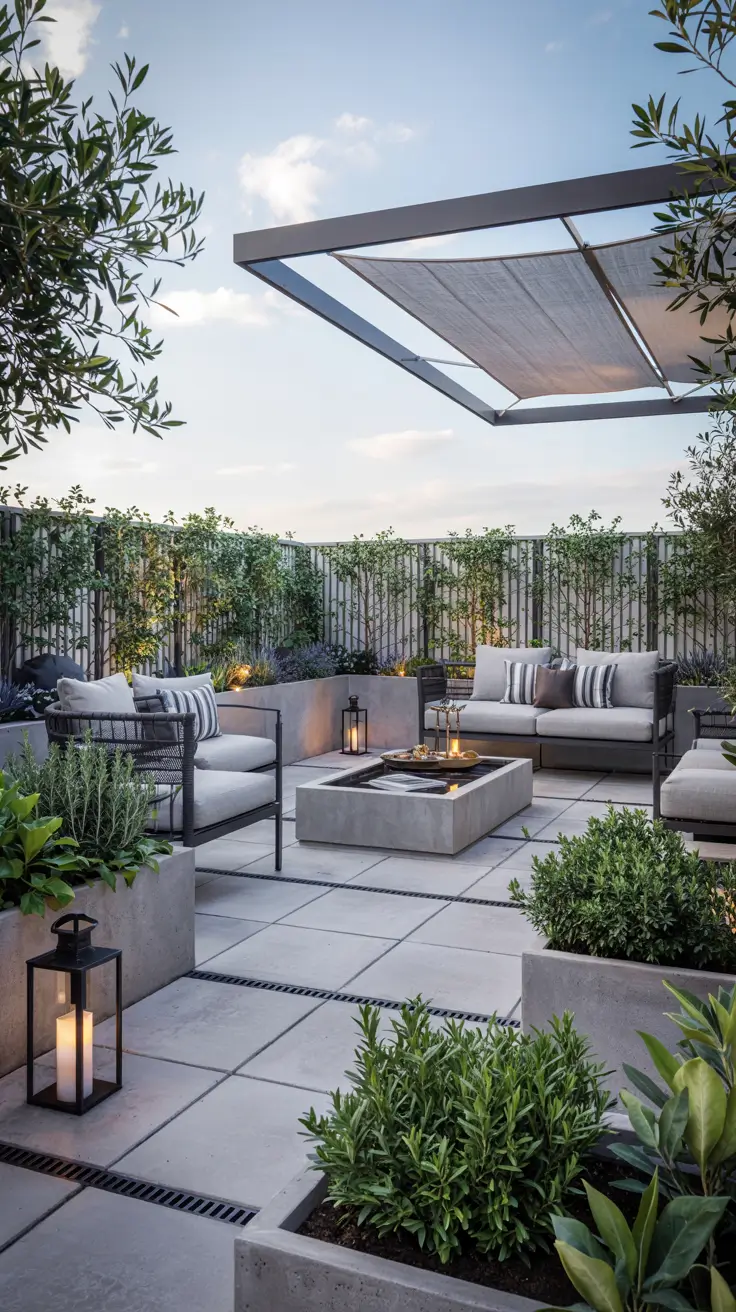
In my experience, the secret to a believable mediterranean style roof garden is the mix of texture and restraint. I keep the color palette warm and light, then I add one darker anchor, like black metal furniture or a charcoal planter. I also like to include one aromatic plant near seating, because scent is part of the Mediterranean feeling. I have learned that lighting is even more important on a Roof, because nighttime glare can ruin the mood. Soft, low lighting and a few candle-safe lanterns create the calm atmosphere people expect from a Terrace garden. This is one of the most rewarding spaces when it is done with practical details.
What I would add is a checklist for comfort and safety. I always confirm wind exposure and plan at least one wind-protected corner with a screen or a pergola side panel. I would also add an irrigation plan, because roof planting fails quickly without consistent watering in summer. For nighttime use, I add gentle step or path lighting and one focused light for dining. I also like to include a compact tool storage solution, so maintenance stays easy. These additions keep the Roof garden beautiful and realistic long-term.
Transforming A Side Yard Into A Mediterranean Oasis
A Side yard often feels forgotten, so I treat it as a design opportunity with a clear function. I begin by measuring the width and planning a clean path that makes the Side feel intentional instead of like a corridor. Then I add Mediterranean-style cues, like a textured Wall, warm stone, and a few bold planters, to create a courtyard mood. This is a perfect spot for a Courtyard approach where the space feels enclosed and calm. I keep the design minimal so the narrow footprint does not feel crowded. The goal is a garden in mediterranean style that supports daily life, like a quiet coffee spot or a herb walk. Even if the Side is small, it can feel like a destination.
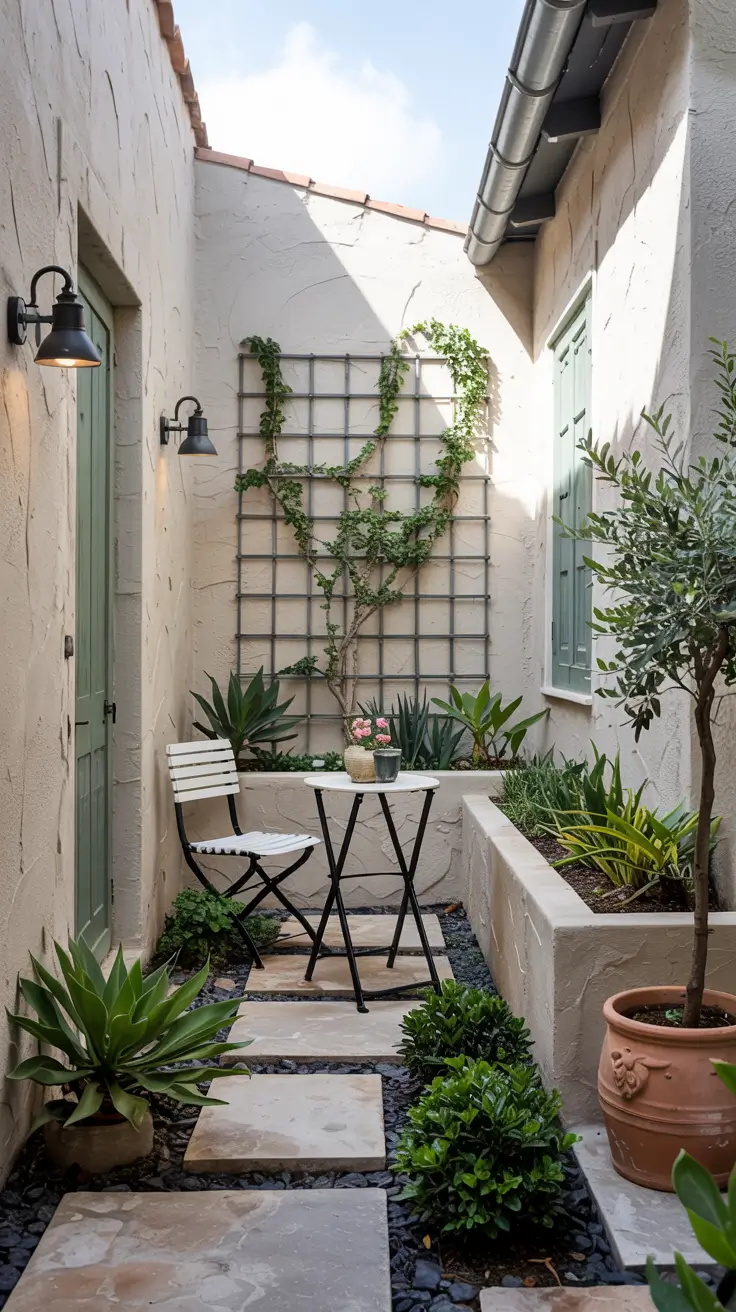
For the layout, I usually pick one paving material and run it consistently to elongate the space. I add a raised Bed along one edge if I need more planting volume, and I keep the other edge clean for circulation. A simple bench or bistro set fits well here, and I like a wall-mounted sconce to make it feel like an outdoor Room. For Plants, I use vertical structure like slender evergreens, a climbing vine on a trellis, and a few herbs near the path. I also add one Container with an olive or citrus to give the Side a focal point. If privacy is needed, a Fence or slatted screen with greenery makes the space instantly calmer.
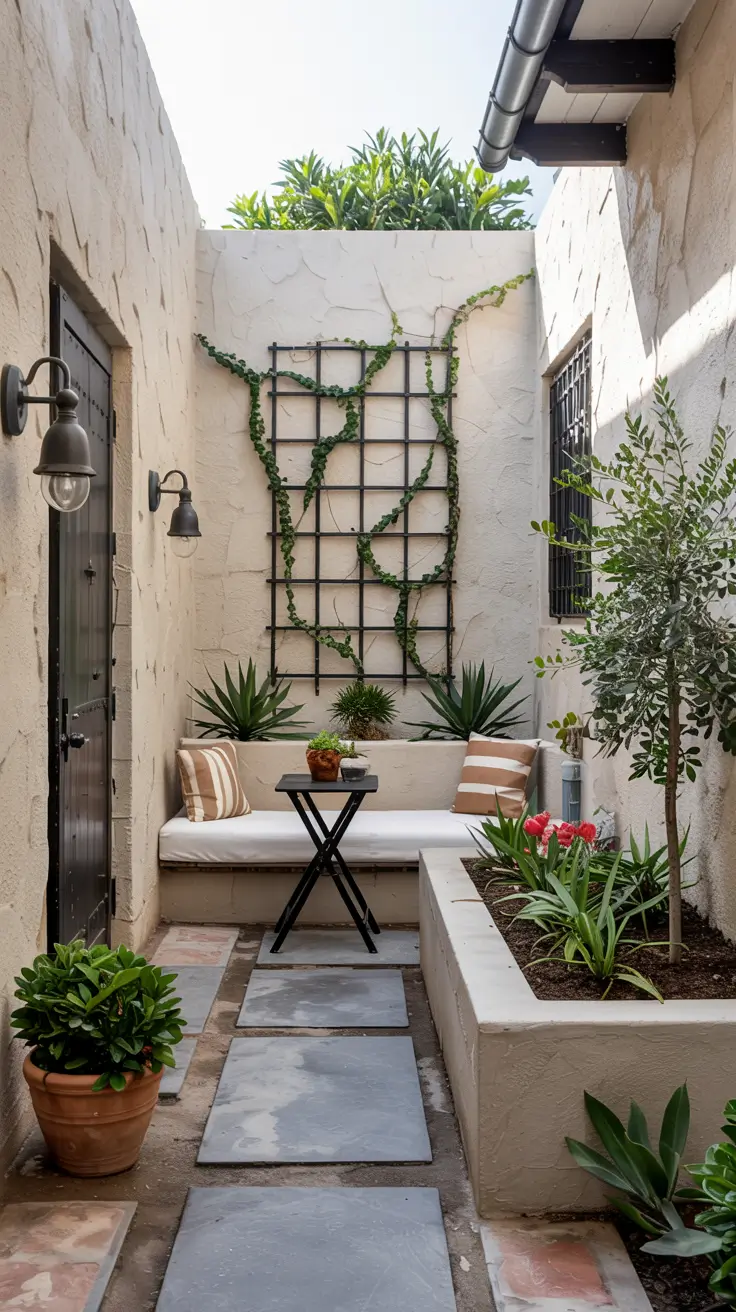
In my experience, side yards become beautiful when they solve one practical problem. Maybe that is drainage, maybe it is storage, or maybe it is the feeling of being overlooked. I like to add a slim storage cabinet in a matching finish so garden tools have a home and the space stays tidy. I also keep the planting simple and repeat a few species, because repetition reads as design, not as leftover planting. This is also where Spanish colonial inspiration can be subtle, like a simple black iron detail or a small tiled accent, used once. A Side yard that feels curated changes how the whole House feels.
What I would add is a plan for vertical interest and sound. A small wall fountain or a simple bubbling bowl can mask street noise and add that Mediterranean calm, as long as maintenance is realistic. I would also add hooks or a narrow shelf for everyday items like a watering can, so the path stays clear. For shade, I might add a slim pergola or a vine-covered trellis if the Side gets harsh sun. Finally, I would add seasonal containers so the space stays fresh throughout the year. These small additions complete the oasis effect.
Olive Tree Landscape Planning For Mediterranean Gardens
Olives are iconic, but an Olive tree landscape needs planning so it looks intentional in 2026 rather than like a random purchase. I start by choosing the role of the olive, either as a single sculptural focal point or as a repeated rhythm across a Patio or Front area. Then I match the tree size to the scale of the space, because a too-small olive looks lost and a too-large one becomes stressful to maintain. I also plan the viewing angles from the House, so the tree is placed where it looks best from key windows. This is a simple move that elevates mediterranean style homes garden design immediately. I treat the olive like outdoor architecture, not just a plant. That mindset makes the whole Landscape feel more refined.
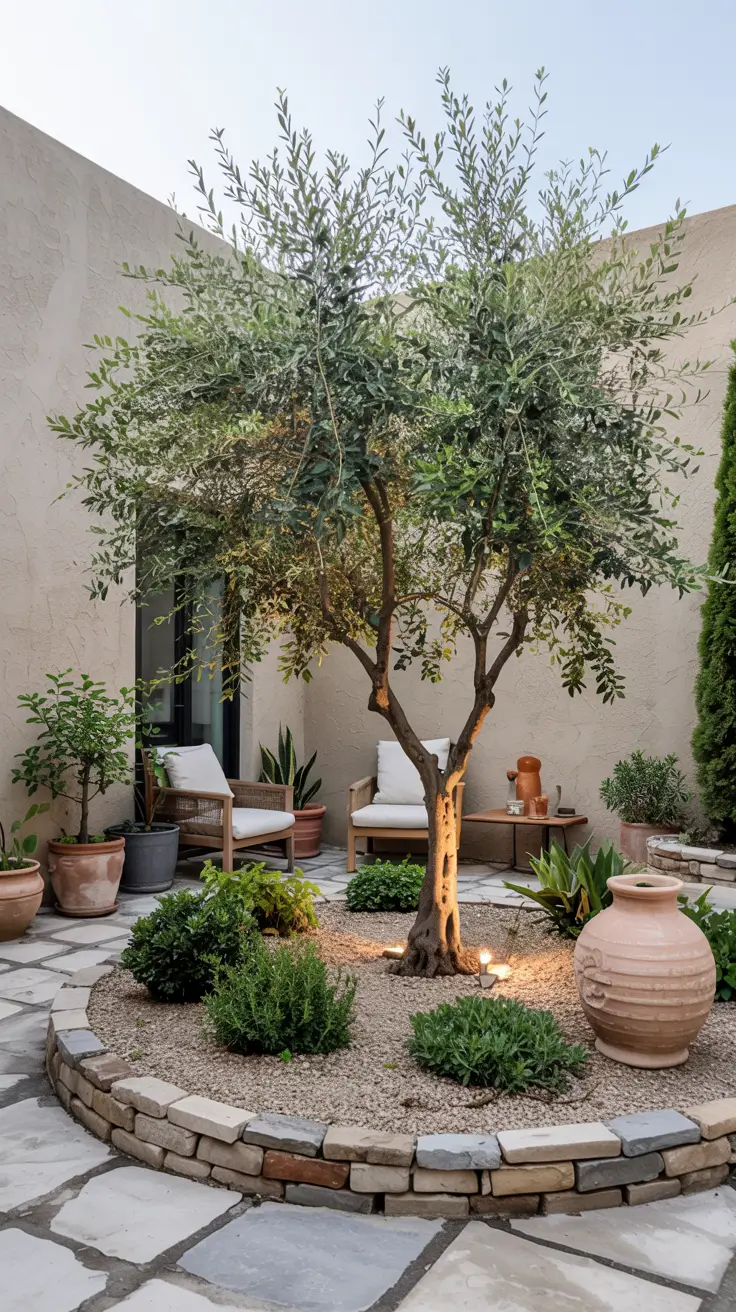
For placement, I love using one olive in a raised Bed with a gravel mulch and a stone edge, because it reads clean and Mediterranean-style. In a Courtyard, I often place the olive slightly off-center to keep the space relaxed and natural. If the design is more formal, I use symmetrical placement or paired containers on a Patio. I also like underplanting with herbs or low drought-tolerant Plants, but I keep it minimal so the trunk and canopy remain the star. Containers should be heavy and wide, like terracotta, stone, or concrete composite, to keep the tree stable and visually grounded. If the climate is cooler, I plan for winter protection or choose a hardier variety suited to the Uk.
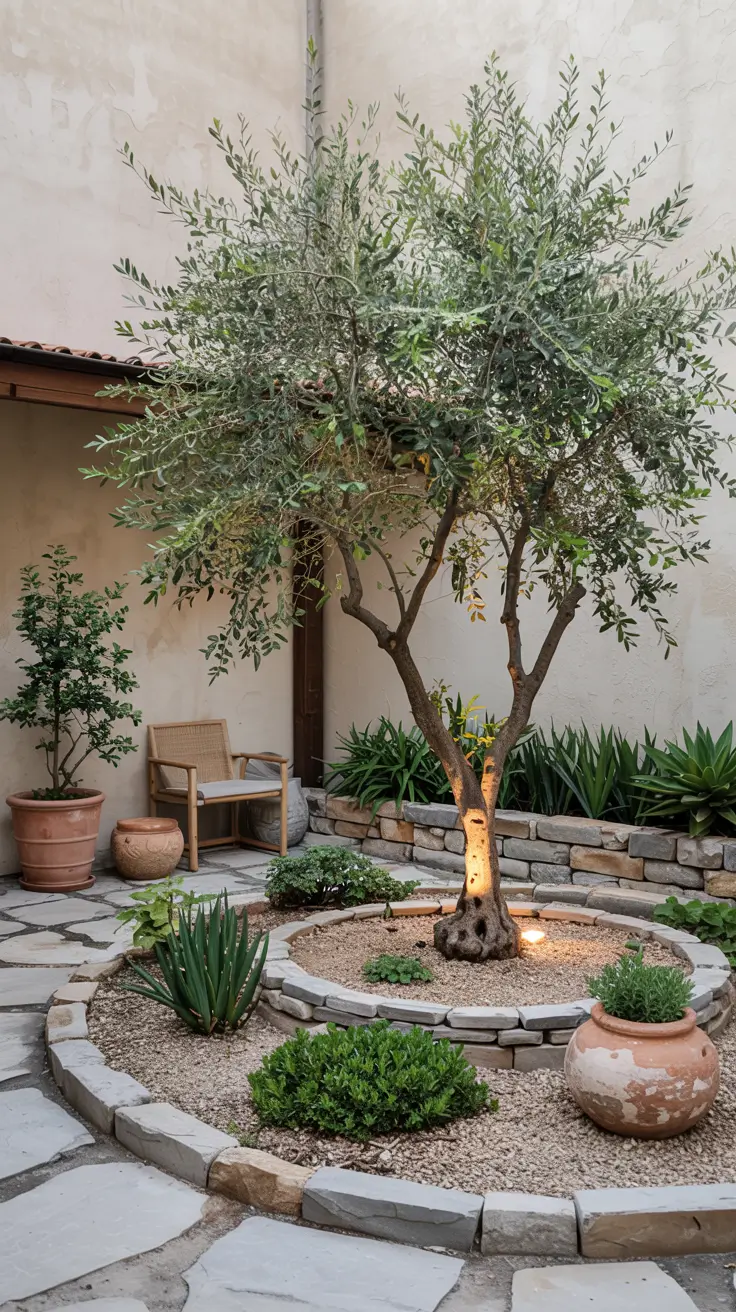
In my experience, olives look best when the surrounding materials support them. A warm stone surface, a textured Wall behind, and a simple bench nearby create a complete composition. I also avoid mixing too many other “statement” plants nearby, because the olive needs space to breathe visually. If I want a Tuscan mood, I pair the olive with gravel, clipped shrubs, and simple pottery rather than lots of flowers. This is one of those moments where less really is more, and it is what makes mediterranean garden styles feel timeless. A well-placed olive instantly changes the emotional temperature of a garden.
What I would add is care planning and lighting. I include a plan for pruning, because shaping keeps the canopy airy and elegant over time. I also add a subtle uplight to highlight the trunk texture at night and make the tree a focal point after dark. For the soil and drainage, I confirm the base drains well, especially in wetter climates. If the olive is in a container, I plan how it will be watered consistently without soaking the roots. These details keep the Olive tree landscape healthy and beautiful, not just styled.
Mediterranean Patio Layout And Material Selection
A Mediterranean Patio works when the layout supports real use and the materials age well. I start by mapping circulation from the House door, then I choose where dining and lounging will sit so people are not walking through furniture paths. I also consider sun patterns, because shade placement is the difference between a Patio that looks good and a Patio that gets used. This is where mediterranean garden design tuscan style patio thinking helps, because it prioritizes comfort and simple structure. Even in a Modern garden, the Patio can feel warm and welcoming with the right surfaces and edges. I like to keep the footprint clear and let the materials carry the character. That balance creates Outdoor living that feels relaxed, not staged.
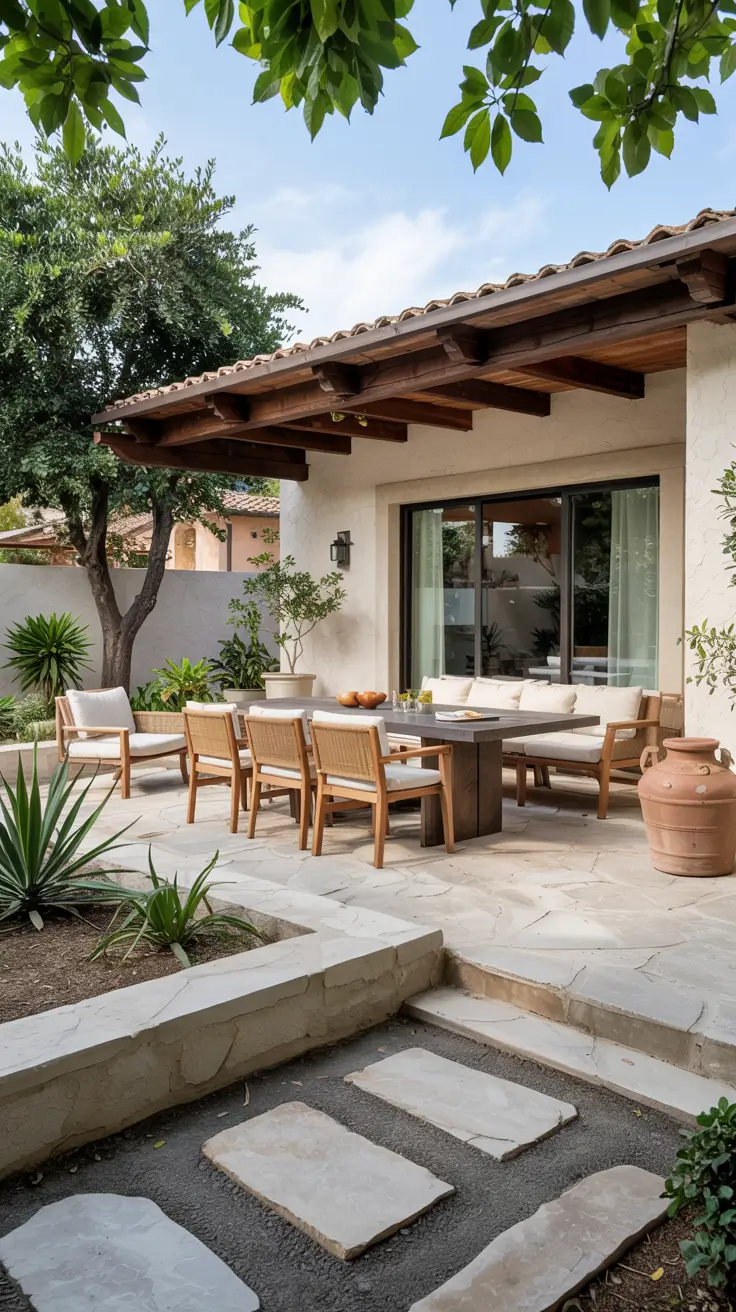
For materials, I often choose light stone, stone-look porcelain, or textured concrete that feels natural but is easy to maintain. I pair that with gravel or decomposed granite in adjacent zones to bring Mediterranean texture and good drainage. A low Wall or raised Bed edge in stucco or stone frames the Patio and makes the space feel finished. For furniture, I choose simple silhouettes, like a dining table with clean legs and lounge seating with durable outdoor fabric. I add terracotta or stone Containers for Plants, and I keep the palette warm and quiet. If I want a stronger Tuscan signal, I add one rustic element like a reclaimed wood console or a clay urn, used sparingly.
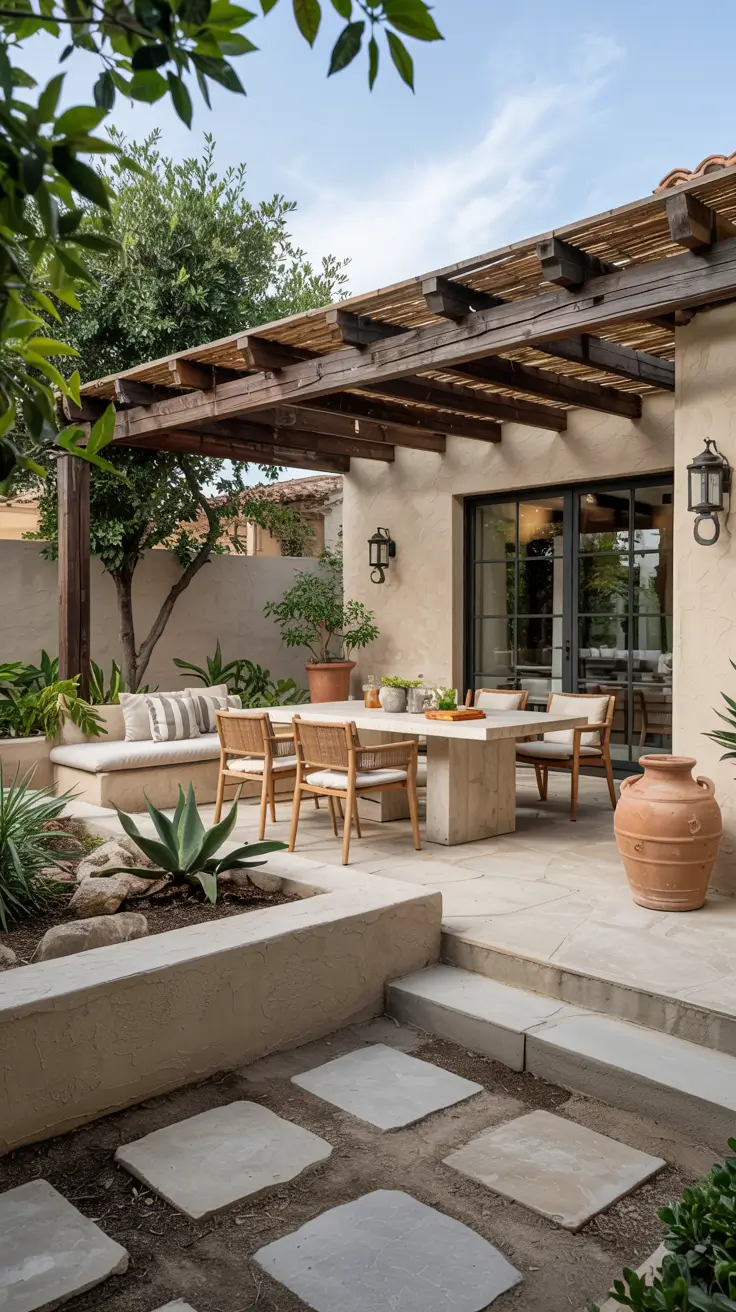
In my experience, a Patio becomes cohesive when you commit to a small set of finishes. I prefer two main hard materials and one accent, because more than that often looks busy. I also like to echo one tone from the House exterior into the Patio, which is why mediterranean style homes garden feels seamless when the colors connect. If your space is small, I use larger pavers or larger gravel zones, because small patterns make the Patio feel cramped. This approach fits mediterranean garden design tuscan style outdoor living, because it keeps the space breathable and functional. When the layout is calm, plants and light do more work for you.
What I would add is an outdoor comfort kit and a maintenance plan. I include shade, like a pergola or umbrella, plus a small side table and a soft outdoor rug so lounging feels complete. I also add a discreet storage solution for cushions and tools to keep the Patio tidy. For maintenance, I plan how the surface will be cleaned and how joints or gravel will be topped up. If there is a slope, I confirm drainage details before finalizing materials. These additions keep the Patio practical and beautiful through the seasons.
Choosing The Perfect Fence For A Mediterranean Garden
A Fence is not just a boundary in a Mediterranean garden, it is a major design surface that shapes the whole mood. I treat it like an outdoor Wall that can add texture, privacy, and warmth. The best fences for mediterranean style garden design look intentional from both the Patio and the House. I start by deciding what the Fence needs to do, like block views, reduce wind, or simply frame the planting. Then I pick a style that matches the overall Design, whether that is Spanish colonial inspiration or a more Modern minimal look. When the Fence is right, the whole Landscape feels more finished. This is especially important for Front areas where first impressions matter.
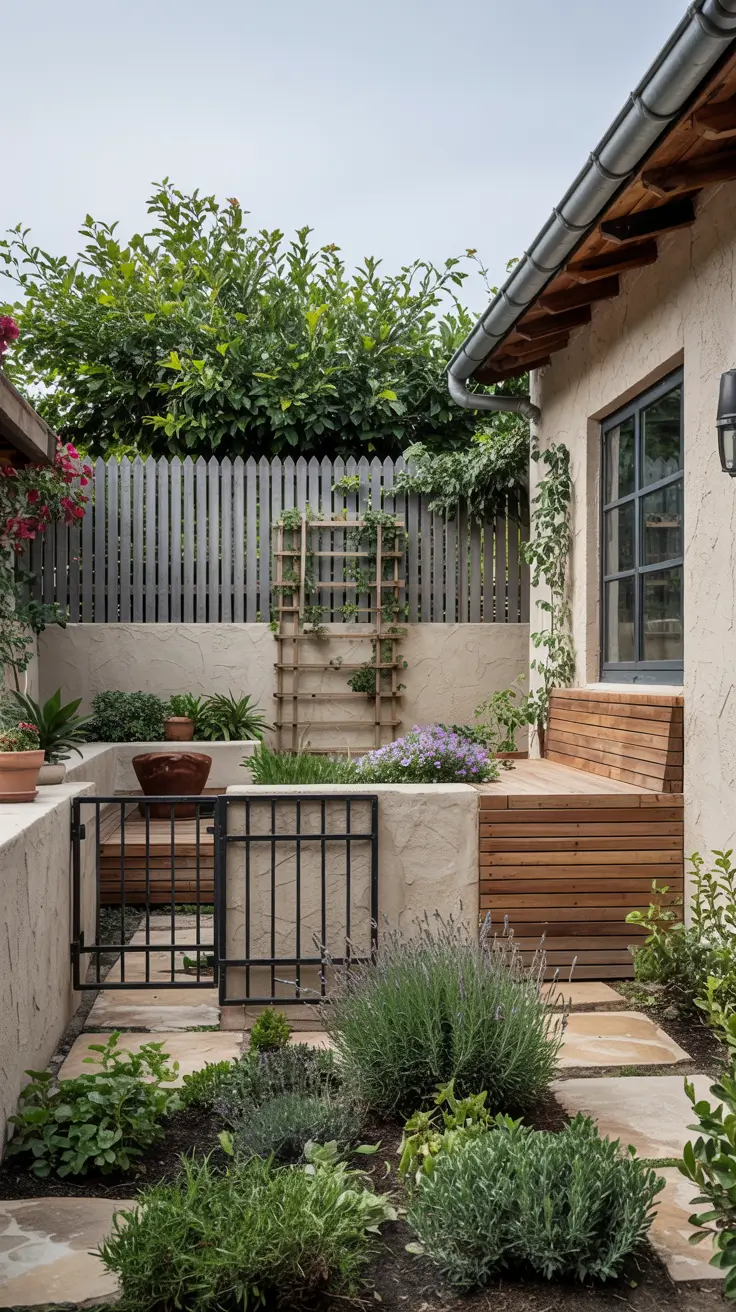
For materials, I often choose stuccoed masonry, smooth plaster, or wood slats with a warm stain, depending on the look. If I want a Spanish feel, I add simple iron details like a gate or small grillwork, but I keep it restrained. I like to integrate planting, like a trellis for vines or a narrow planting Bed at the base, because Plants soften the Fence and make it feel Mediterranean-style. For a courtyard feeling, a higher Wall with a light finish works beautifully and reflects light into the space. If the garden includes a mediterranean style garden shed, I match the shed finish to the Fence so the composition looks cohesive. Even in a Modern garden, a Fence with texture and warmth makes the space feel more inviting.
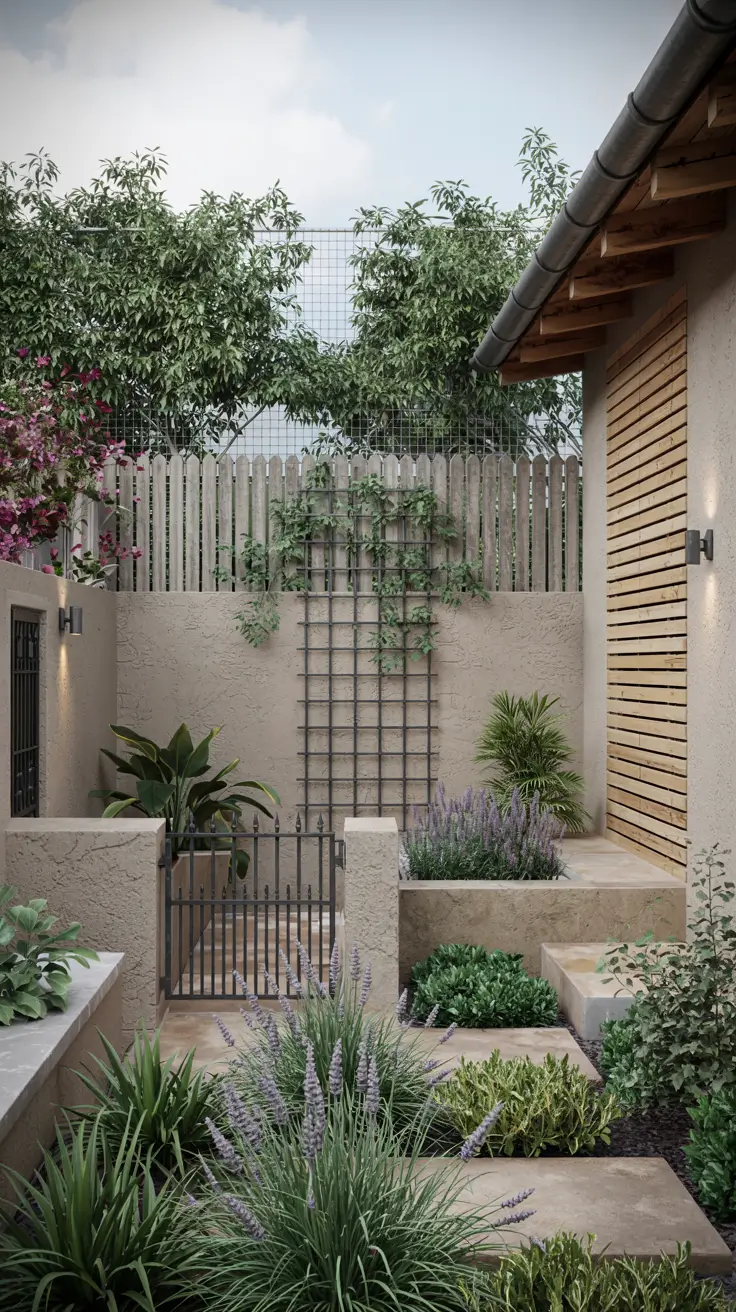
In my experience, the biggest mistake is choosing a Fence style that fights the planting and hardscape. If the Patio is light and warm, a cool-toned Fence can make everything feel disconnected. I also avoid overly decorative fences, because they can date quickly and distract from the plants. A simple, well-built Fence becomes a calm backdrop that highlights the Olive tree landscape and the containers. I have found that privacy feels best when it is paired with greenery, because the space feels protected but not boxed in. The right Fence is one of the most practical upgrades you can make for Outdoor living.
What I would add is a detail plan for gates, lighting, and finishes. I like to add one clear gate moment with a durable latch and hardware that matches other metals in the garden. For lighting, I add a warm wall light or a few subtle downlights to make the Fence feel intentional at night. I also plan the paint or sealant schedule so the finish stays fresh, especially in wet climates like the Uk. If noise is an issue, I add layered planting in front of the Fence to soften sound. These details complete the boundary so it supports the whole Mediterranean-style design.
Mediterranean Garden Bed Arrangements And Plant Pairings
When I design Mediterranean-style planting beds, I start with structure before I think about color. I use raised bed lines, generous gravel margins, and repeated shapes so the bed reads well from the House and from the Patio. For 2026, I am seeing more Modern bed geometry paired with softer plant drifts, which keeps the look clean without feeling rigid. I also plan for the full season, so the bed has texture in winter and fragrance in summer, not just a short peak. That balance is what makes a mediterranean garden style landscape feel intentional rather than random.
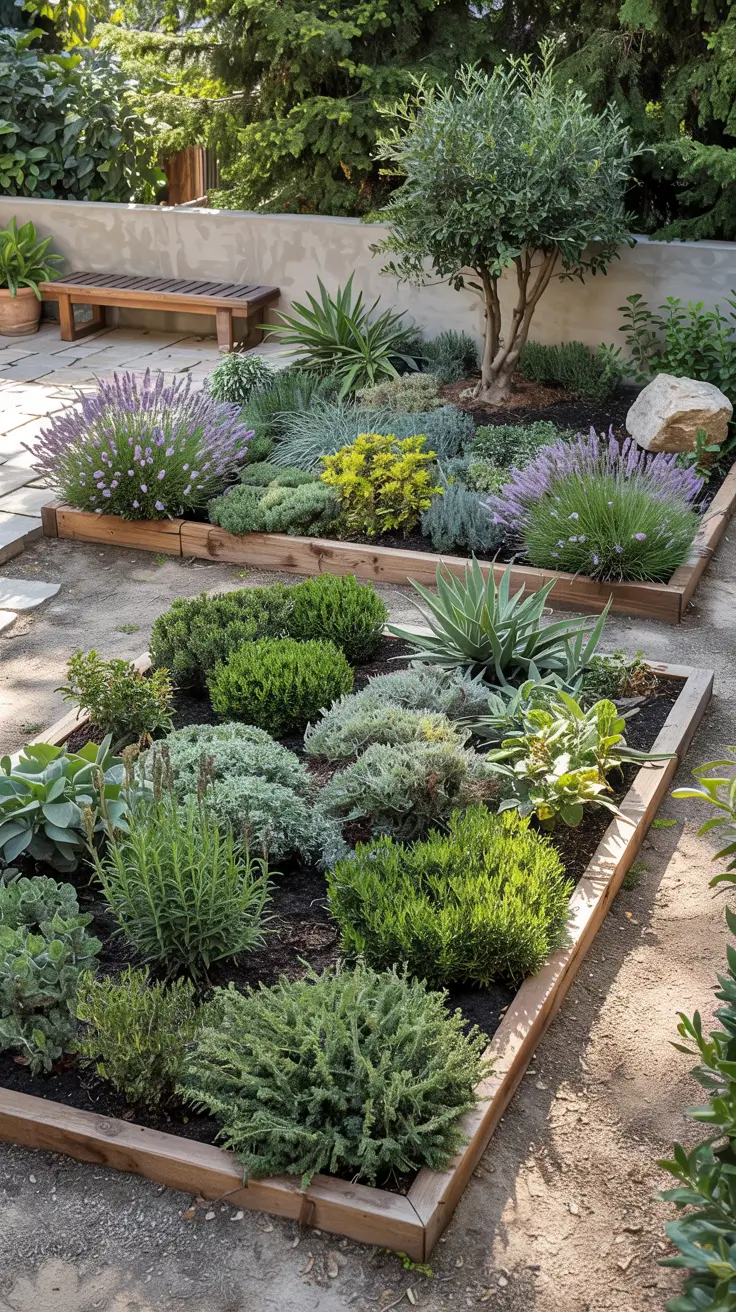
In the bed itself, I like a backbone of evergreen shrubs and an Olive tree landscape moment if the space allows, then I layer drought-tolerant perennials and herbs. I often pair lavender with rosemary for scent, then add salvias for long bloom and ornamental grasses for movement. For ground level, I use thyme or low sedums to soften edges near the Fence or a Wall, and I keep a clear maintenance strip so trimming is easy. If the bed is Raised, I choose a stone or limewashed block that looks natural and ties into the wider Design. I also group Plants by water needs so irrigation is simple and consistent.
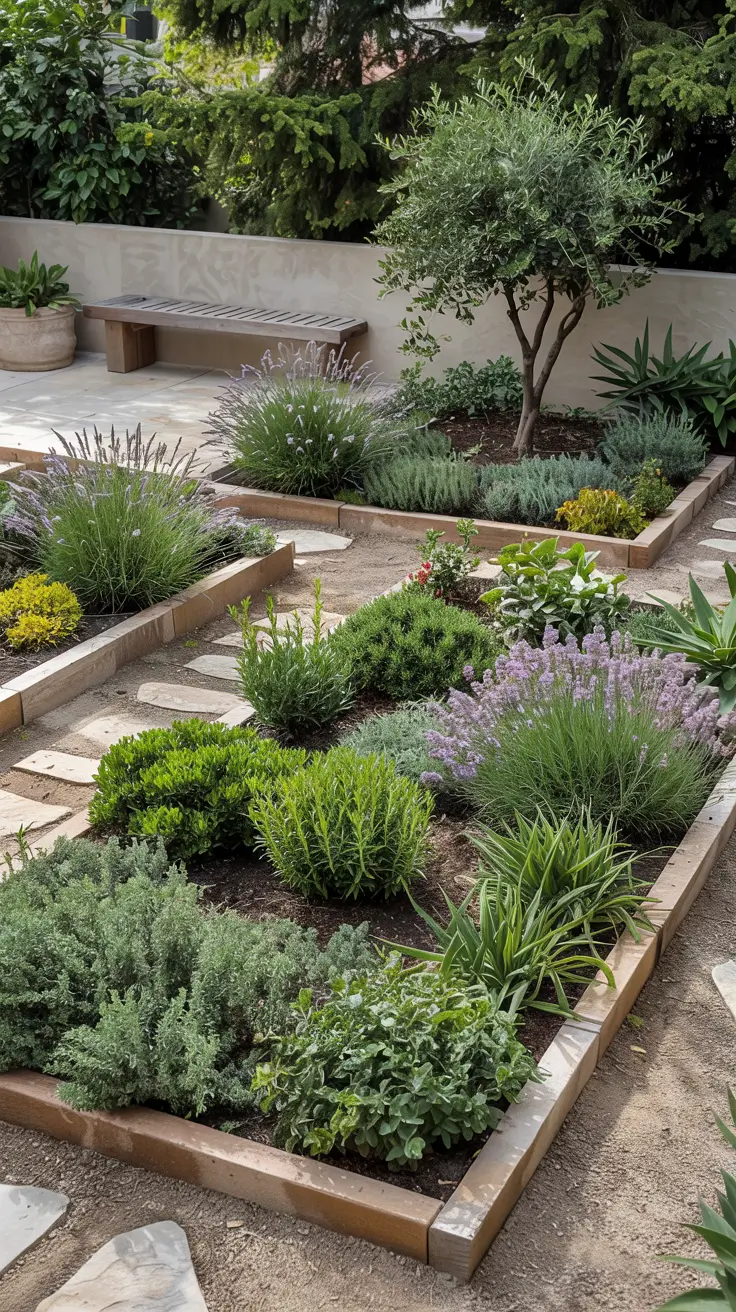
From experience, the plant pairings matter most when you view them at different times of day. In the morning, silvery foliage looks crisp, and in late afternoon it catches warm light and glows, which is very mediterranean. Garden Design Magazine often emphasizes repeating plants in rhythms so a landscape feels cohesive, and I follow that by using three to five key species in repeating clusters. I have also learned that fragrance works best when it is placed along paths and seating, not hidden deep in the Bed. That is how the garden becomes something you feel, not only something you see.
What I would add to complete this section is a simple bed map with spacing rules and a small list of best pairings by condition. I would include one pairing set for full sun and wind, another for partial shade near the House, and a third for a narrow Side strip by a Fence. I would also add a quick note on soil prep for Mediterranean plants, especially drainage, because heavy soil is the most common reason these beds fail. Finally, I would include a seasonal checklist for pruning lavender, feeding citrus in pots, and refreshing gravel lines so the Design stays sharp in 2026.
Connecting The Garden And House In Mediterranean Design
The strongest Mediterranean gardens feel like an extension of the Room inside, even though they are outdoors. I focus on thresholds like doors, steps, and covered edges so the House and garden connect without a hard stop. I usually create a landing that transitions from interior flooring tones to outdoor stone or tile, then I repeat one material or color outside to pull the eye forward. This is where mediterranean style homes garden planning becomes more than planting – it becomes layout and flow. If you want Outdoor living that feels natural, you have to plan the route people take, not only the view.
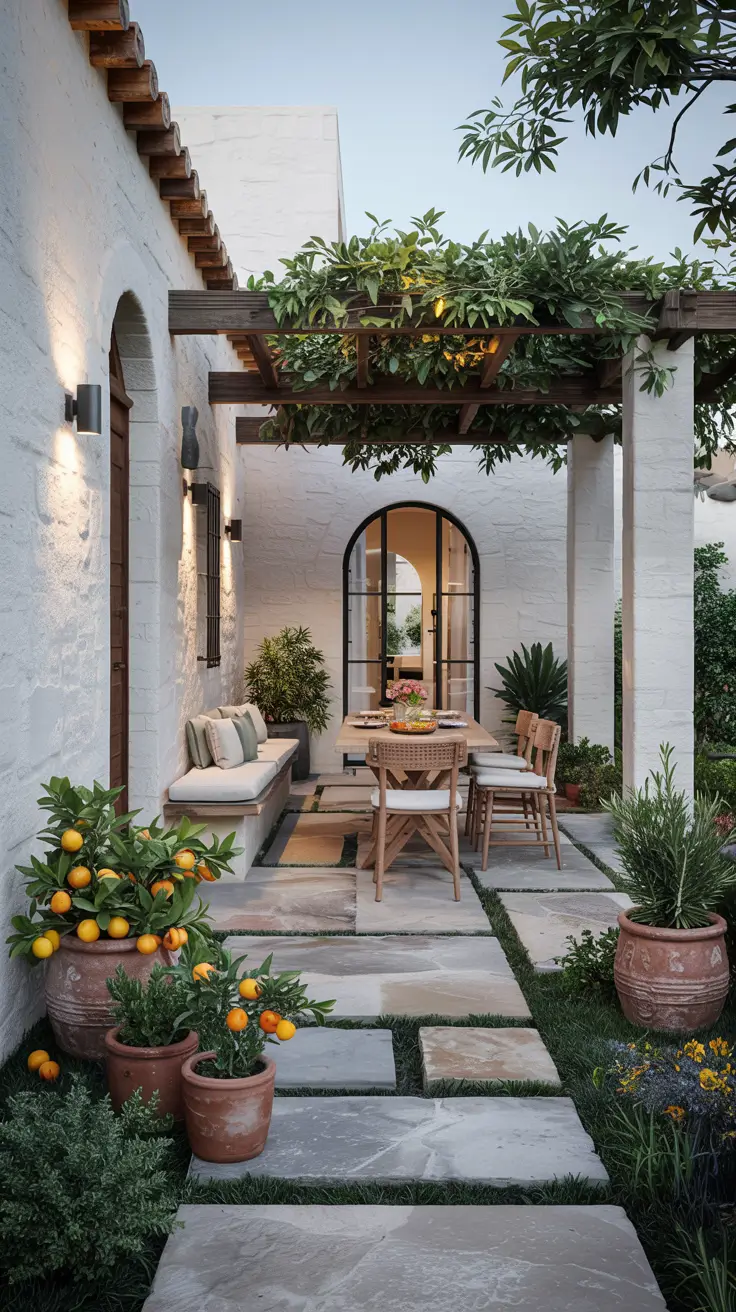
For the connection details, I rely on shaded seating, a dining zone, and a clear path that frames the garden like a corridor. A pergola, retractable shade, or simple timber beams can work, depending on your architecture, and Spanish colonial details like arches or clay tones can be echoed in the patio finish. I also add a Wall element near the door, like a textured plaster panel or a small niche, because it makes the exterior feel finished rather than temporary. I prefer built-in benches along the House line because they reduce furniture clutter and anchor the space. Then I soften the edge with containers or a narrow planting strip so the transition feels lush without blocking circulation.
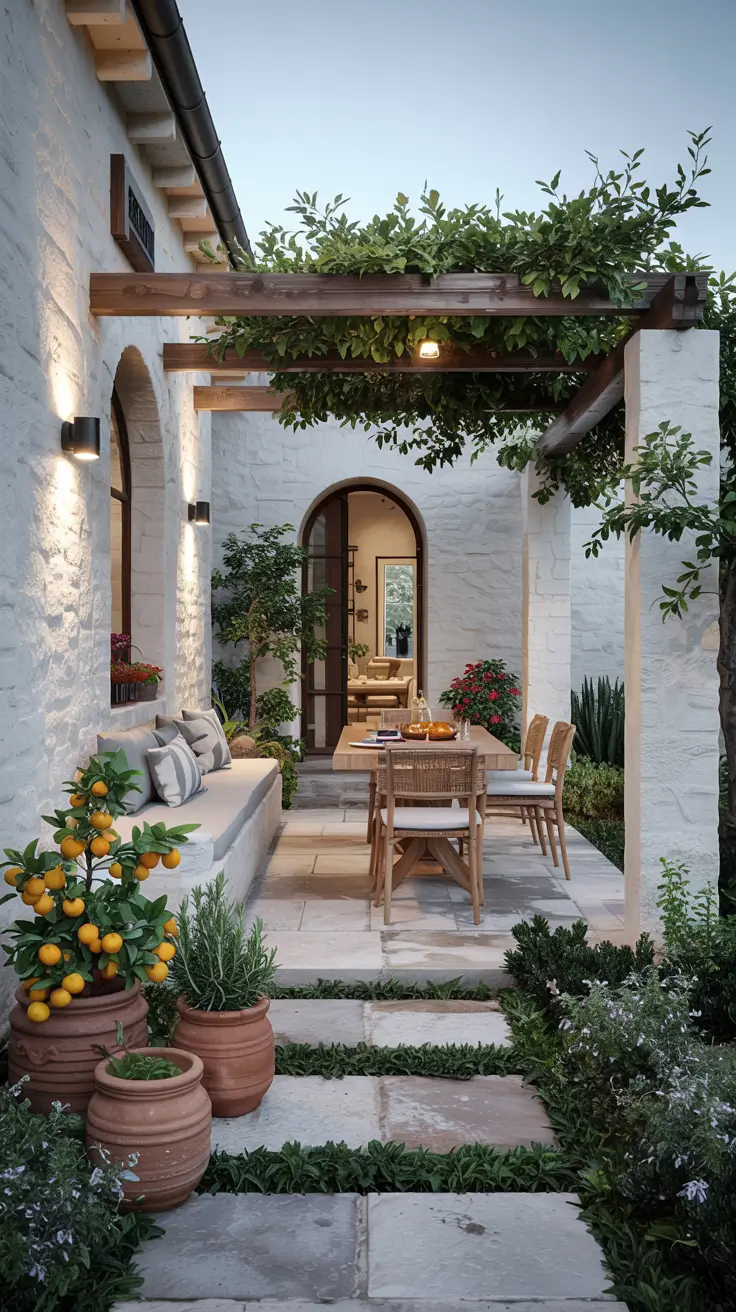
I have noticed that homeowners often overplant right next to doors, then regret it when maintenance becomes annoying. Architectural Digest frequently highlights the power of negative space and strong hardscape lines, and I agree that restraint makes the connection feel more modern and comfortable. I also design lighting early, because the connection must work at night, not only during the day. Once you add soft wall-wash light and a few low path fixtures, the garden becomes a true evening Room. That is when the whole design feels Mediterranean in a lived-in way.
What I would add here is a checklist for aligning indoor and outdoor finishes, plus a small decision guide for shade strategies. I would include notes on slip resistance, drainage slopes away from the House, and where to place a water source so Outdoor living is easy. I would also add examples for small spaces, because a compact Courtyard can still have a strong threshold with one bench, one pot, and one textured Wall. Finally, I would add an outline for zoning the outdoor area into cooking, dining, and lounging without forcing it to feel like a commercial terrace.
Modern Mediterranean Garden Style For Contemporary Homes
Modern Mediterranean design in 2026 is cleaner, more minimal, and still warm. I aim for a calm base of stone, plaster, and gravel, then I add bold plant shapes and a few sculptural accents. This approach works well for contemporary homes because it does not fight modern architecture, it supports it with texture and light. I often use a limited palette, like warm neutrals with olive green and a small hit of deep terracotta. The result is a Mediterranean-style garden that feels fresh, not themed.
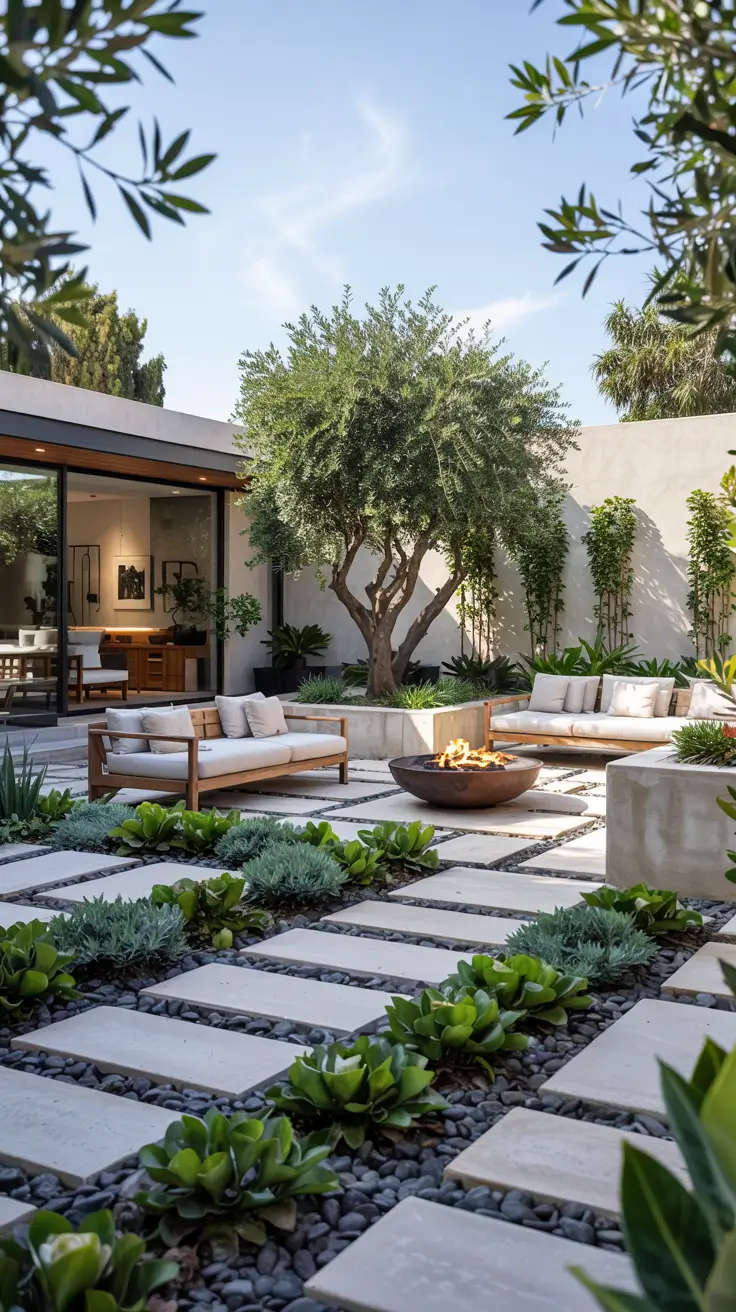
For materials and features, I like large-format pavers, limewashed walls, and simple metal or timber details instead of overly ornate elements. I keep the Patio furniture modern, with low-profile seating and weathered wood surfaces that echo sun-bleached tones. A fire bowl or a linear water feature can add sound and focus, but I make sure it is scaled to the space so it does not overwhelm. I also include at least one statement plant like a multi-trunk olive, a citrus in a container, or a tall rosemary standard near the entry. Then I use groundcovers and gravel fields to keep maintenance manageable.
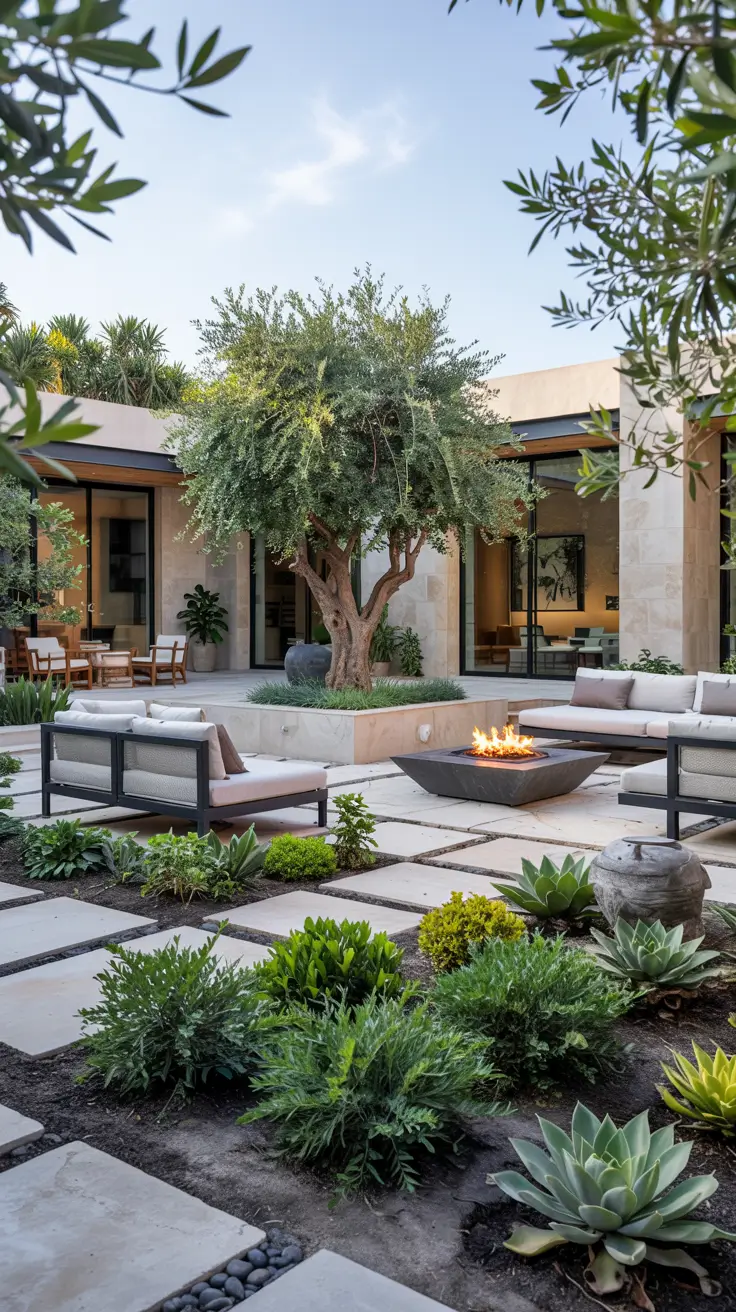
I find that modern Mediterranean gardens succeed when every element has a job. Sunset Magazine often shares practical advice about designing for outdoor comfort in warm climates, and I follow that mindset by planning shade, airflow, and seating orientation before adding decor. I also choose plants that look good when slightly wild, because perfection is not the goal, authenticity is. When the light hits textured plaster and silvery leaves, the space feels calm even if the planting is simple. That is why this style is a strong choice for 2026.
What I would add is a small list of proportions and spacing guidelines for modern layouts. I would include recommended path widths, how far to keep planting from seating edges, and how to size a Patio zone to fit real movement. I would also add a note on acoustics, because walls and hard surfaces can bounce sound, so soft planting and textiles matter. Finally, I would include alternatives for Uk climates where winter wet is a bigger issue than summer drought.
Mediterranean Container Planting For Flexible Landscapes
I use mediterranean style container garden planning when the site is challenging or when I want flexibility. Containers let you shift plants for sun, protect sensitive varieties, and change the look without rebuilding the whole landscape. This is especially useful on a terrace garden, a roof garden, or a small Courtyard where in-ground planting is limited. In 2026, I also see more people using containers to test a plant palette before committing to permanent beds. Done well, it still reads as Mediterranean, not temporary.
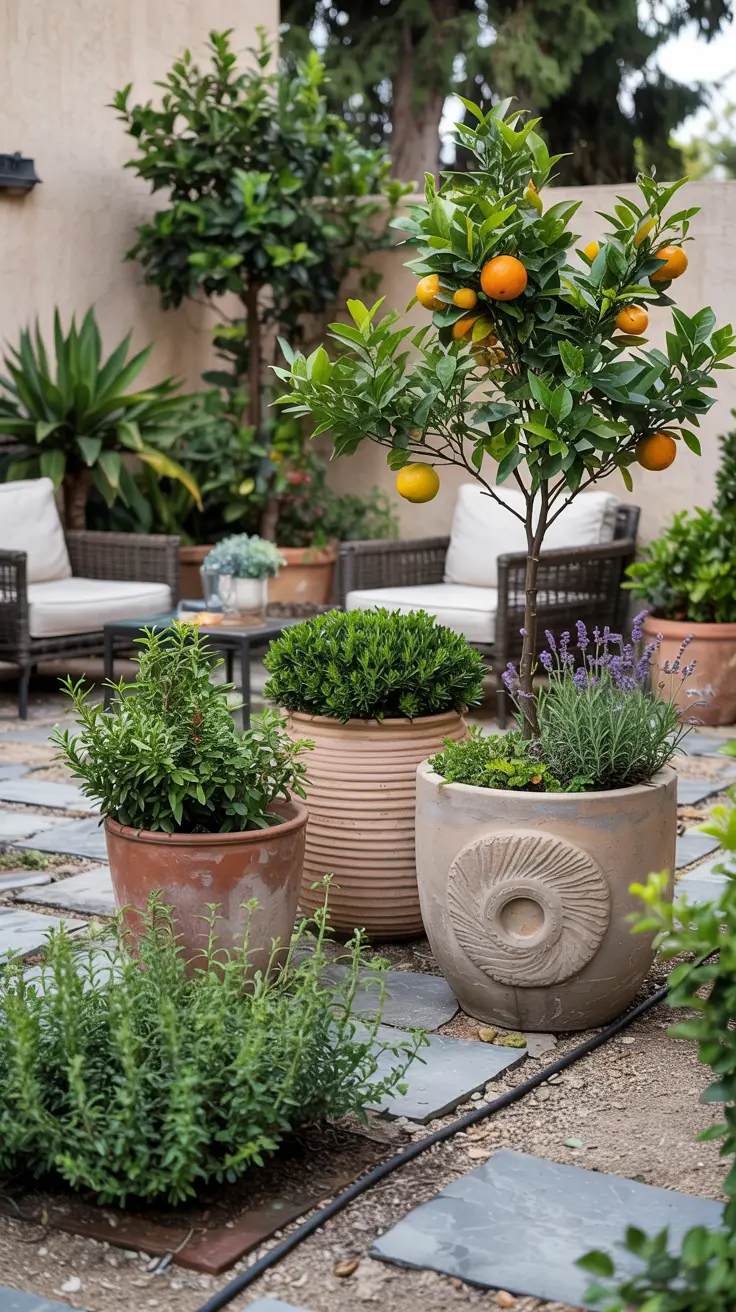
My container approach is to choose fewer, larger pots instead of many small ones. I look for terracotta, frost-proof clay, or stone-like composite finishes, and I keep shapes consistent so the grouping feels intentional. I place taller pots near the Wall or Fence line, medium pots by seating, and low bowls near steps to guide movement. For Plants, I love rosemary, lavender, bay, citrus, and compact olives, plus trailing thyme to soften edges. I always include good drainage, gritty soil, and a simple drip line or watering plan because containers dry fast in wind.
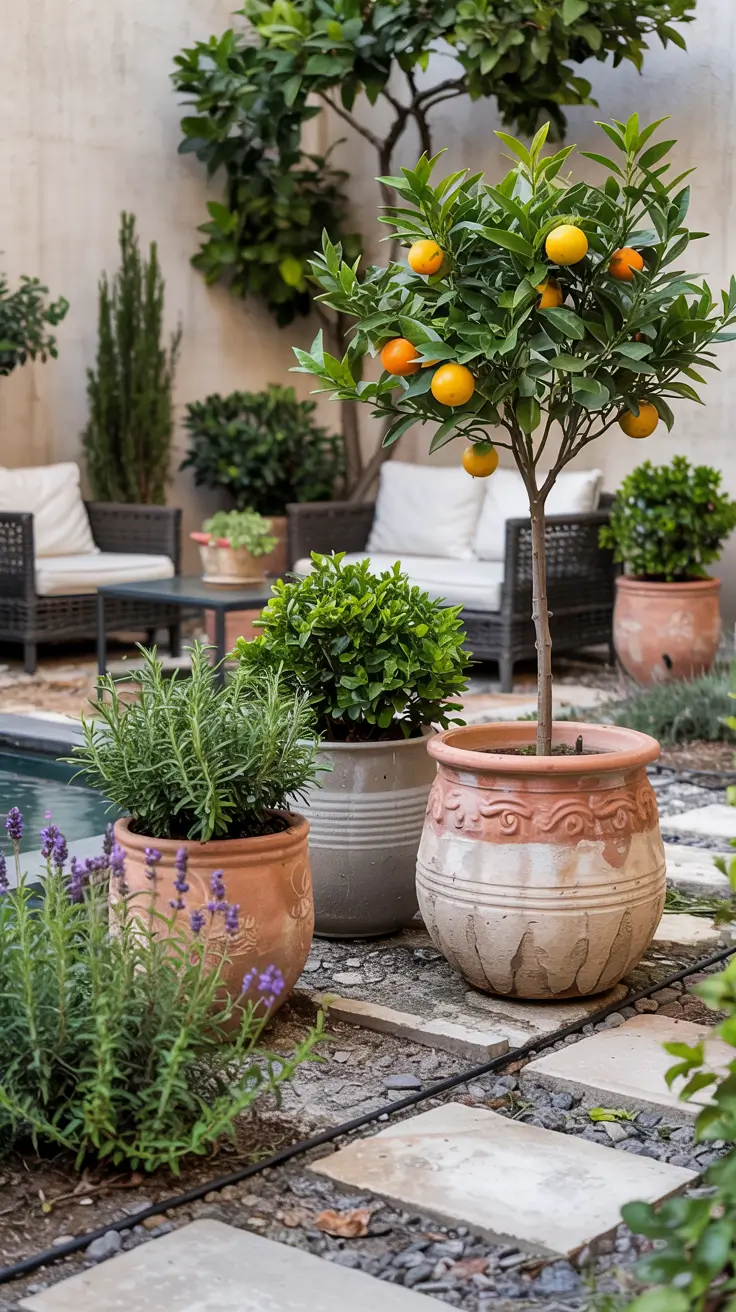
From my own projects, I have learned that containers work best when they support the architecture. Better Homes and Gardens often recommends repeating container styles for visual calm, and I agree that repetition makes a patio feel designed rather than decorated. I also rotate seasonal accents, like a single pot of bright annuals, instead of changing everything. That keeps maintenance realistic and prevents the space from feeling busy. With a few strong pots, the Outdoor living area stays open and comfortable.
What I would add to this section is a container layout diagram for three common spaces: a narrow Side strip, a Front entry, and a roof terrace. I would also add a short pot-sizing guide, including minimum widths for olives and citrus to thrive. In addition, I would include winter protection tips for Uk conditions, like moving citrus near the House, using pot feet, and wrapping sensitive plants during cold snaps. Finally, I would add a quick troubleshooting list for yellow leaves, poor flowering, and drainage failures.
Selecting Authentic Mediterranean Plants For Texture And Fragrance
When I choose plants for a Mediterranean garden, I prioritize texture, fragrance, and resilience over flashy blooms. Authentic mediterranean garden styles rely on evergreen structure, aromatic foliage, and plants that look good in sun and wind. I also think about how plants read against walls and stone, because contrast is the real visual engine in this style. A mediterranean style garden design succeeds when the planting feels layered, not crowded. For 2026, the most successful gardens feel natural, breathable, and built to last.
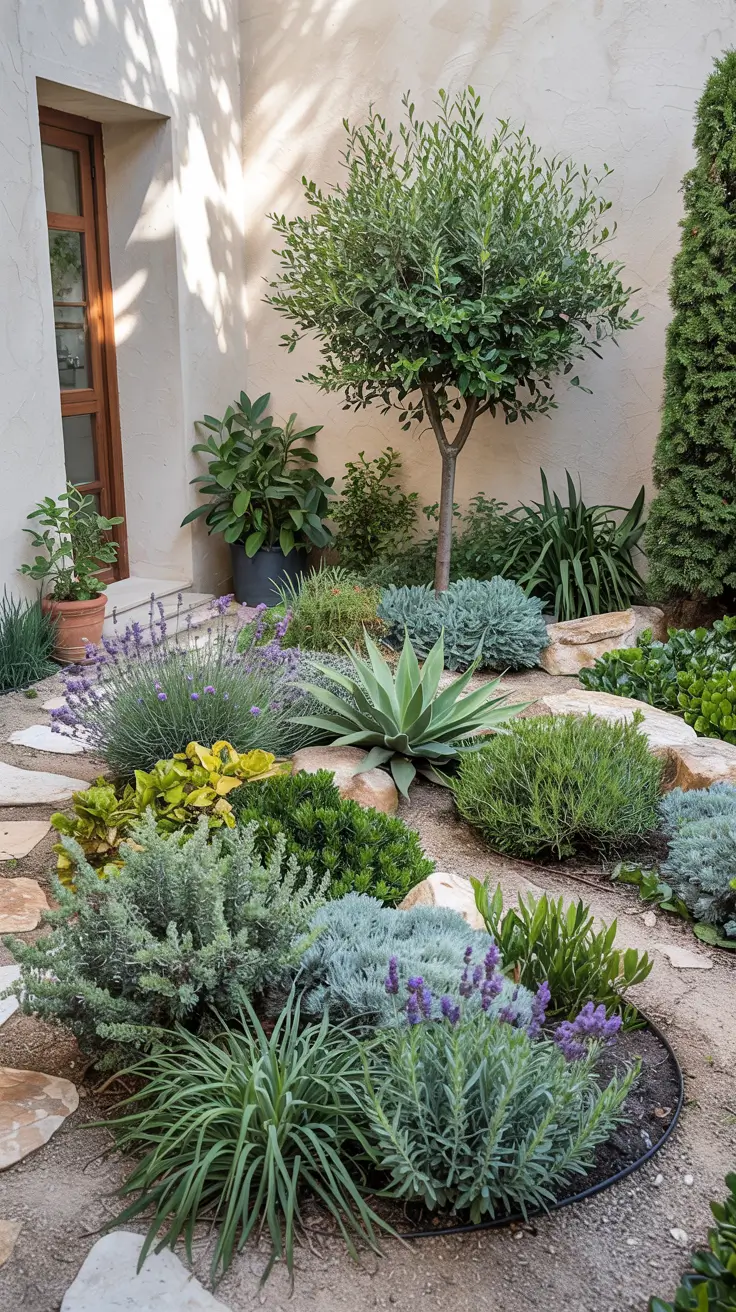
I start with signature forms like olive, cypress-style silhouettes, and citrus in containers, then I layer herbs and flowering perennials. Rosemary, lavender, santolina, myrtle, sage, and thyme give that classic scent and silver-green color, while salvias add long-season color without demanding heavy water. I use grasses like stipa to add movement, especially near paths and seating, and I add a few succulents only where winter wet will not cause rot. If the site is damp, I adjust by improving drainage and choosing tougher plants rather than forcing true dry-climate species. The goal is a realistic, maintainable plant list that still feels Mediterranean-style.
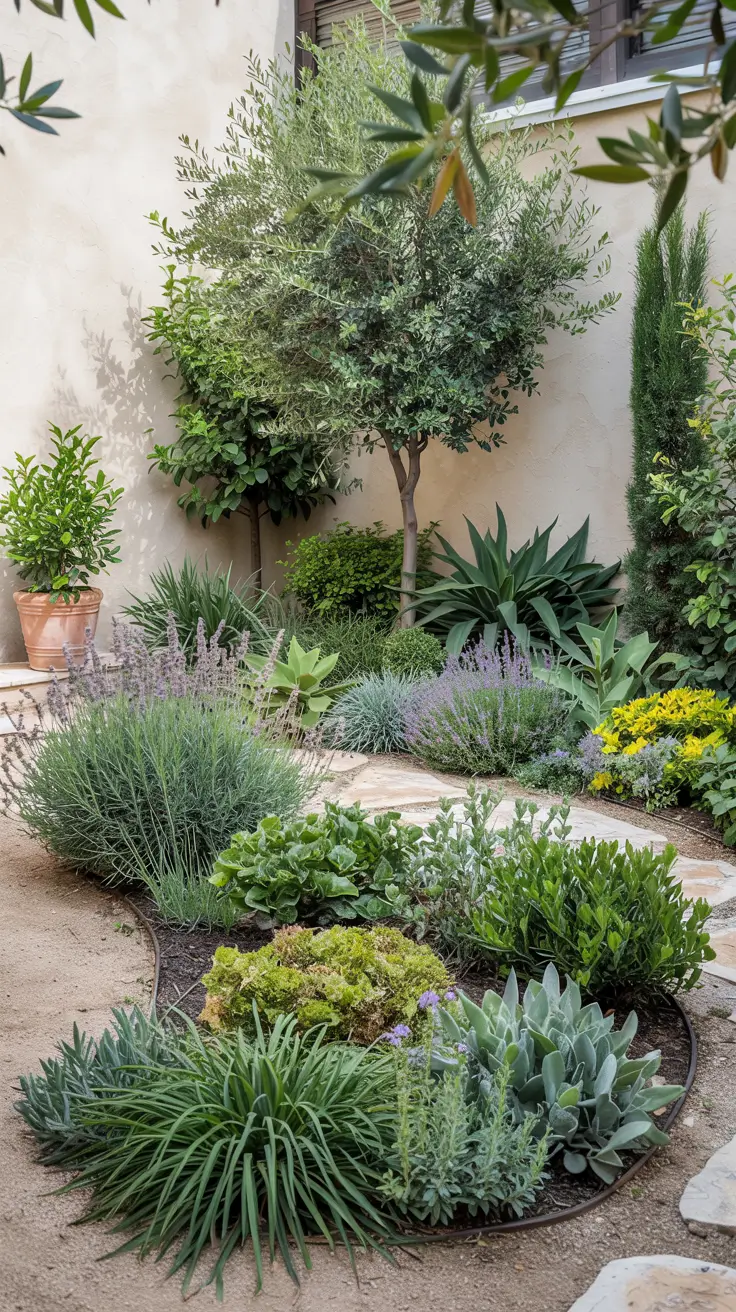
In my experience, fragrance placement is the detail that makes a garden memorable. I like to plant rosemary and thyme along edges where people brush past, and I keep lavender near seating so the scent lifts in warm air. Garden designers often talk about sensory layering, and I see that as sound, scent, and touch working together, not just color. I also avoid overmixing too many species, because a simple plant palette looks more authentic. When plants repeat, the garden feels calmer and more established.
What I would add is a plant list organized by role: structure, fragrance, seasonal bloom, and groundcover. I would also add notes for Design landscaping spanish influences, like adding citrus, jasmine, and bold terracotta accents in containers. For each plant, I would include a maintenance note, like pruning timing and water needs, so readers can plan realistically. Finally, I would include alternatives for colder zones where true Mediterranean plants struggle, so the look is still achievable.
Decorative Mediterranean Garden Wall Features And Finishes
Walls are a defining feature in Mediterranean spaces because they create warmth, enclosure, and a sense of place. I use a Wall to shape microclimates, block wind, and provide a backdrop that makes Plants look richer. This is true in a Courtyard, a Side yard, or a Front garden where boundaries matter. In 2026, textured finishes are especially popular because they catch light and add character without adding clutter. Even a simple Fence can be upgraded to feel Mediterranean-style with the right finish choices.
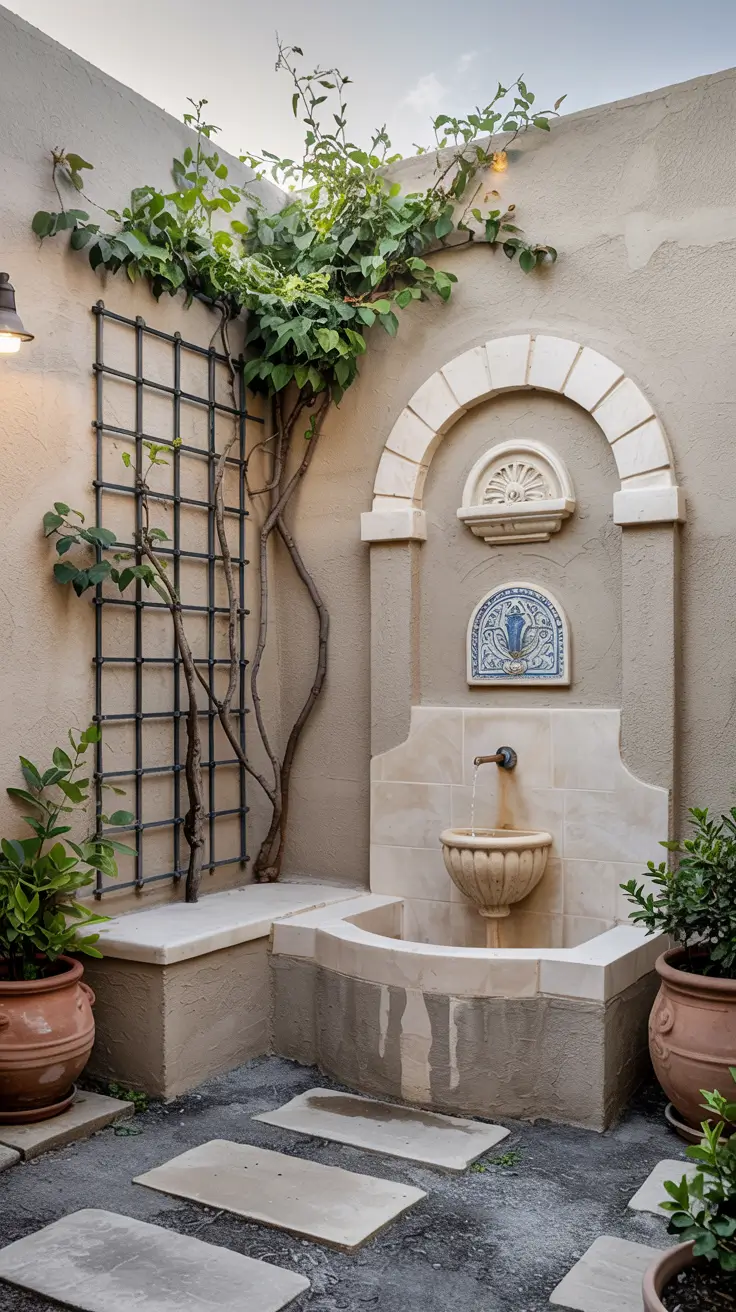
For wall finishes, I like limewash, warm plaster textures, and stone veneers that look natural rather than glossy. I often add built-in niches for lanterns or ceramics, a simple fountain spout, or a climbing trellis for jasmine or bougainvillea if the climate supports it. I keep metal details minimal, using black or bronze hardware that feels timeless. If there is a seating area, I add a low wall bench or a capped ledge that can hold a drink, which supports Outdoor living. I also consider how the wall meets the ground, often finishing with gravel or a narrow planting strip so it looks intentional.
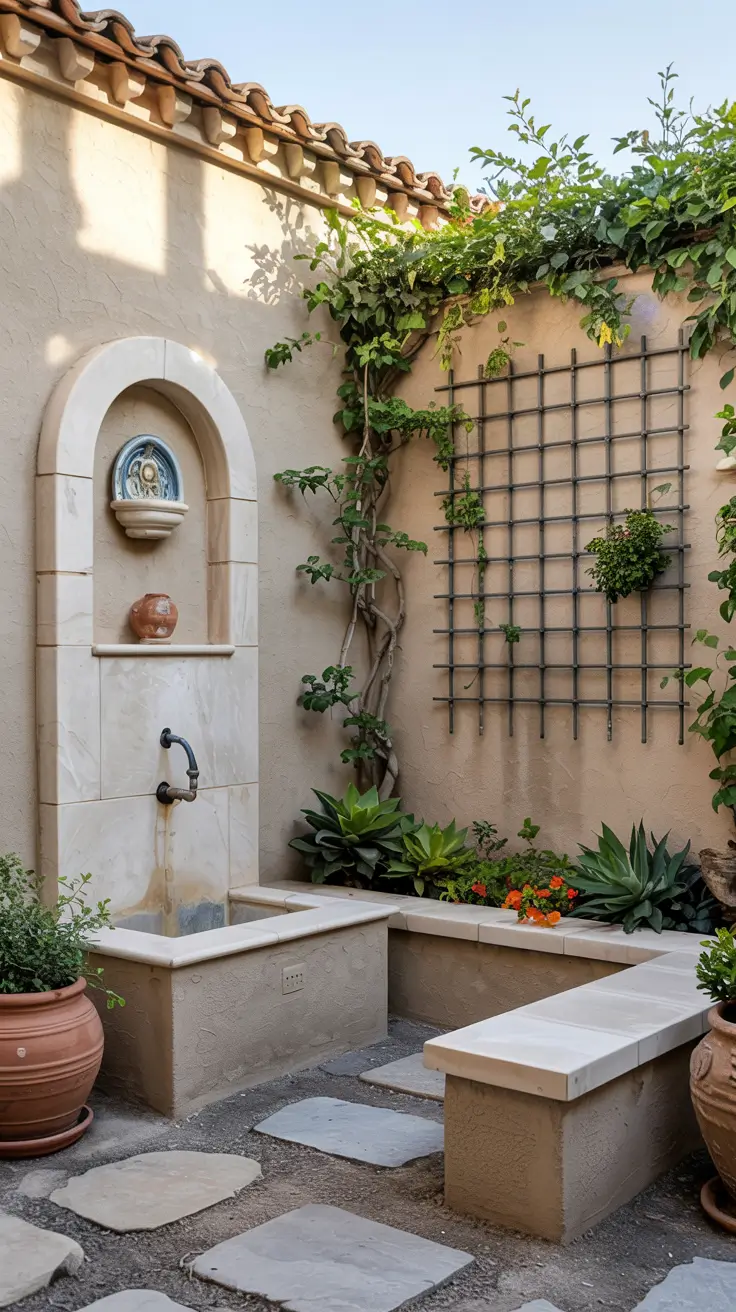
I have found that walls are also a way to control visual noise. Many designers recommend limiting decorative objects and letting material texture do the work, and I follow that by choosing one strong wall feature rather than many small ones. A single water element on a textured wall can provide sound and coolness, and it becomes the natural focal point of the Patio. I also think about aging, because plaster and limewash develop patina that makes the garden feel established. That aging is part of the Mediterranean charm.
What I would add is a guide to wall heights and where they work best for privacy and wind control. I would also add material notes for wet climates, including breathable finishes and proper caps to prevent water damage. In addition, I would include a short list of wall feature options by budget, from simple limewash to a full stone fountain wall. Finally, I would add advice on integrating lighting into walls, so the texture stays visible after dark.
Mediterranean Style Landscape Lighting And Ambience
Lighting is what turns a daytime garden into an evening outdoor room, and I plan it as part of the design from the start. Mediterranean ambience is soft and layered, not harsh and overly bright. I use light to highlight texture on walls, guide paths, and make seating feel inviting. This matters even more for a terrace, a roof space, or a courtyard that people use at night. In 2026, warm-toned, energy-efficient lighting is common, but the real difference is placement and restraint.
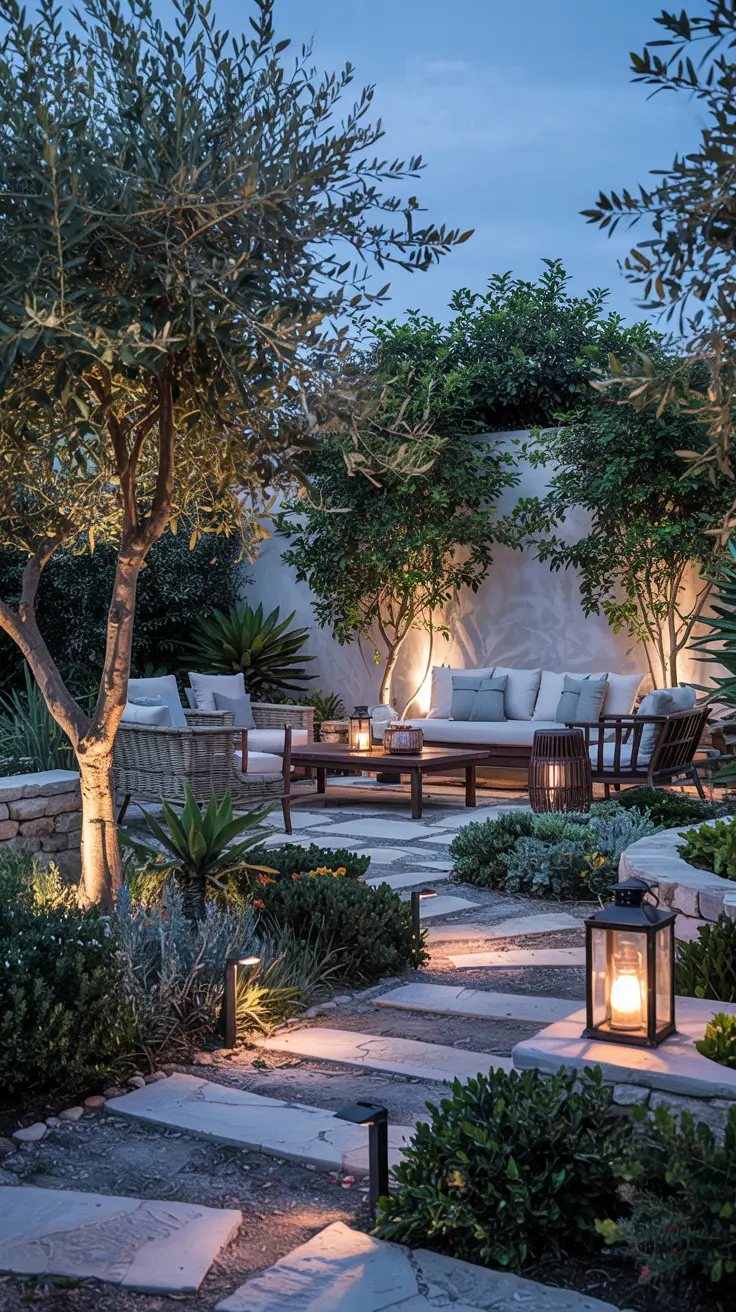
I focus on three lighting layers: path guidance, feature accents, and ambient glow near seating. I like low path lights along steps and edges, subtle uplights for an olive tree landscape focal point, and wall lights or lantern-style fixtures near the House connection. String lights can work if they are minimal and carefully anchored, but I prefer built-in wall washes that make plaster textures shine. Around the Patio, I add small table lanterns or candle-safe holders to keep the mood relaxed. I also design for glare control, so you see the garden, not the bulb.
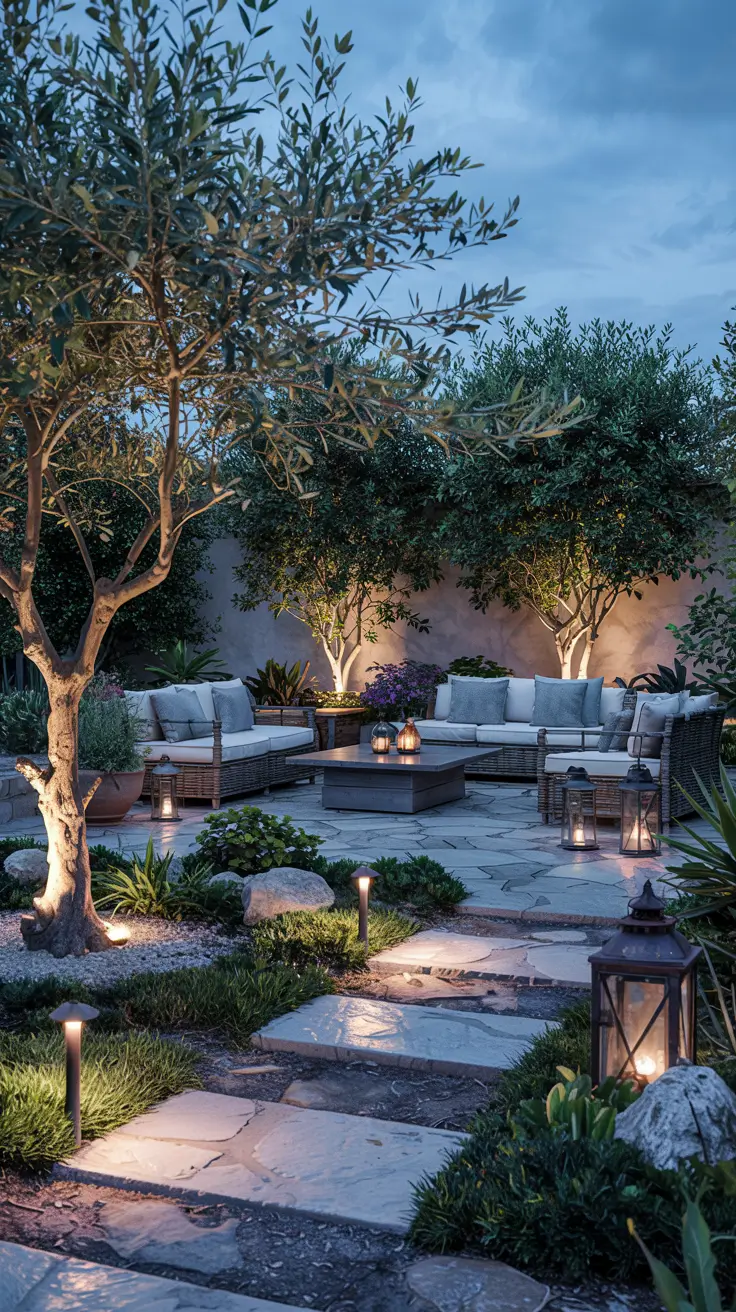
In my own work, I have seen that lighting mistakes usually come from using too few fixtures at too high an output. The better approach is more points of low light, which makes the space feel calm and safe. Many outdoor lighting professionals recommend aiming lights downward and shielding sources to protect night comfort, and I follow that to keep it practical. When lighting is layered, the garden feels larger because the eye can travel through different zones. That sense of depth is a big part of Mediterranean-style Outdoor living.
What I would add is a simple lighting plan template with fixture categories and placement rules. I would also add notes on solar options for small budgets, plus where solar performs poorly due to shade. In addition, I would include safety reminders for steps, wet surfaces, and the transition from House to Patio. Finally, I would add a short list of lighting scenes, like dining, lounging, and late-night path mode, so readers can think in real use cases.
Sustainable Mediterranean Garden Design For 2026
Sustainability is already built into Mediterranean logic, but in 2026 I apply it with more precision and better materials. I design for lower water use, healthier soil, and long-lasting hardscape choices that reduce replacement waste. I also plan for heat and weather swings, because gardens need resilience, not just beauty. A mediterranean style roof garden or terrace needs especially thoughtful water management due to wind and sun exposure. When sustainability is planned well, the garden looks better over time.
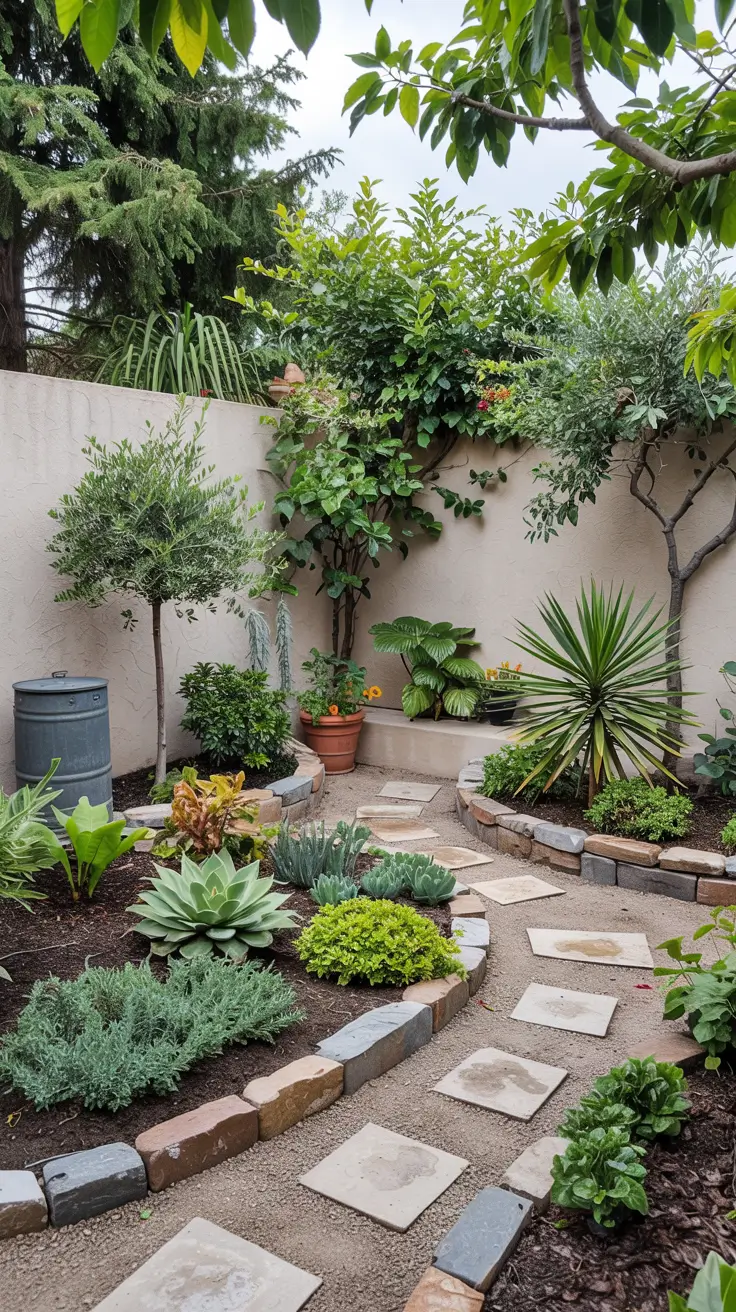
For practical sustainability, I use drip irrigation, deep mulching, and gravel zones that reduce evaporation. I choose permeable surfaces where possible, and I grade the space so water goes where it should, not toward the House. Plant selection is critical, so I use drought-tolerant Plants that still provide habitat, and I avoid high-maintenance turf unless there is a specific reason for it. I also reuse materials, like reclaimed stone for a Patio edge or repurposed clay pots for a mediterranean style garden shed corner display. These choices support both design and longevity.
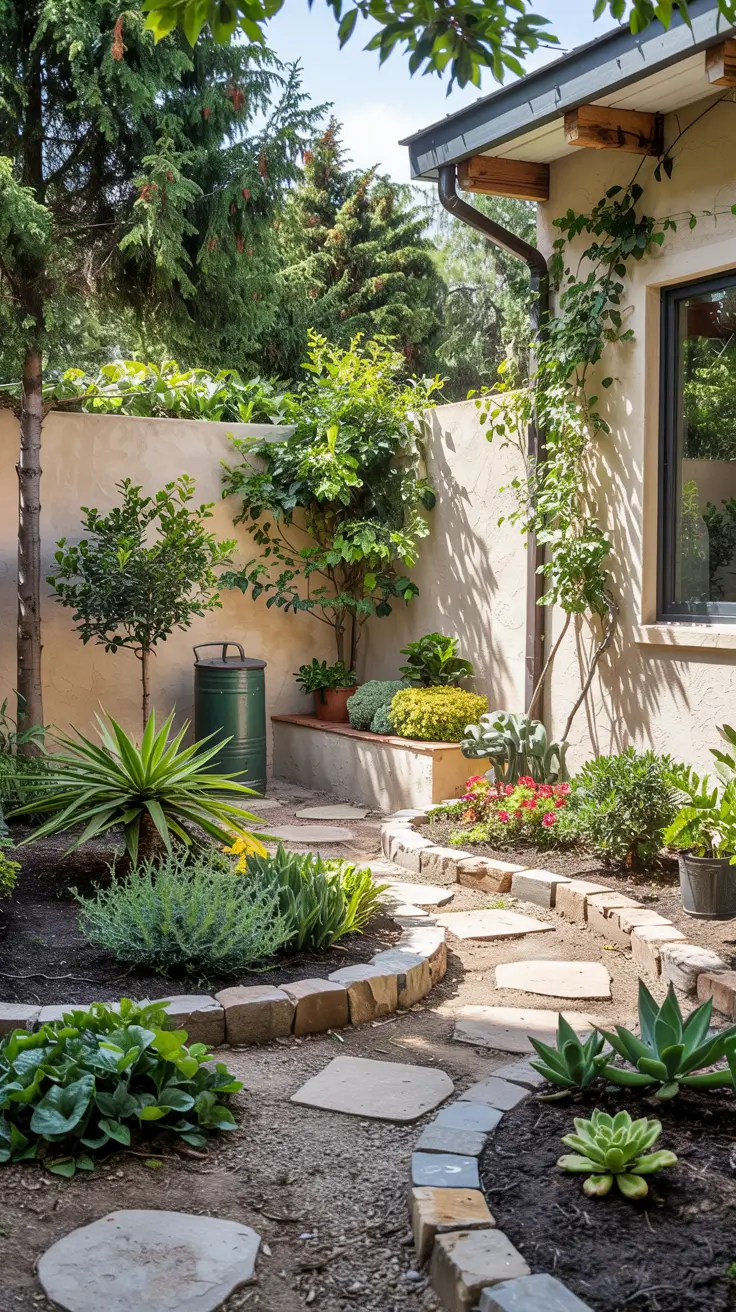
I have learned that sustainable gardens also need clear maintenance habits to stay healthy. Good soil structure and drainage solve more problems than fertilizer ever will, and that is especially true in mediterranean garden styles. I also like to measure success by comfort and use, not only by appearance. If the outdoor living space is pleasant in heat, easy to water, and easy to prune, it will be used more, which is the most sustainable outcome. A garden that is loved gets cared for.
What I would add is a sustainability checklist with water, soil, materials, and maintenance categories. I would also add a section for Uk readers on managing winter wet, including raised planting areas, grit additions, and selecting hardy Mediterranean-look plants. In addition, I would include a small guide to composting and mulching that suits gravel-heavy designs. Finally, I would add a note on capturing rainwater and using it for containers and herbs.
Complete Mediterranean Garden Style Design Blueprint For 2026
When I build a complete blueprint, I treat the garden like a sequence of rooms connected by paths, views, and purpose. I start with the main anchor, usually the Patio or Courtyard, then I build outward to the Side areas, the Front approach, and any Roof or Terrace zones. This is where mediterranean garden design tuscan style patio decisions meet circulation, lighting, and planting structure. I also make sure the blueprint reflects real life, like storage needs, shade, and privacy. A cohesive Design tuscan feel comes from repeating materials, not copying a single look.
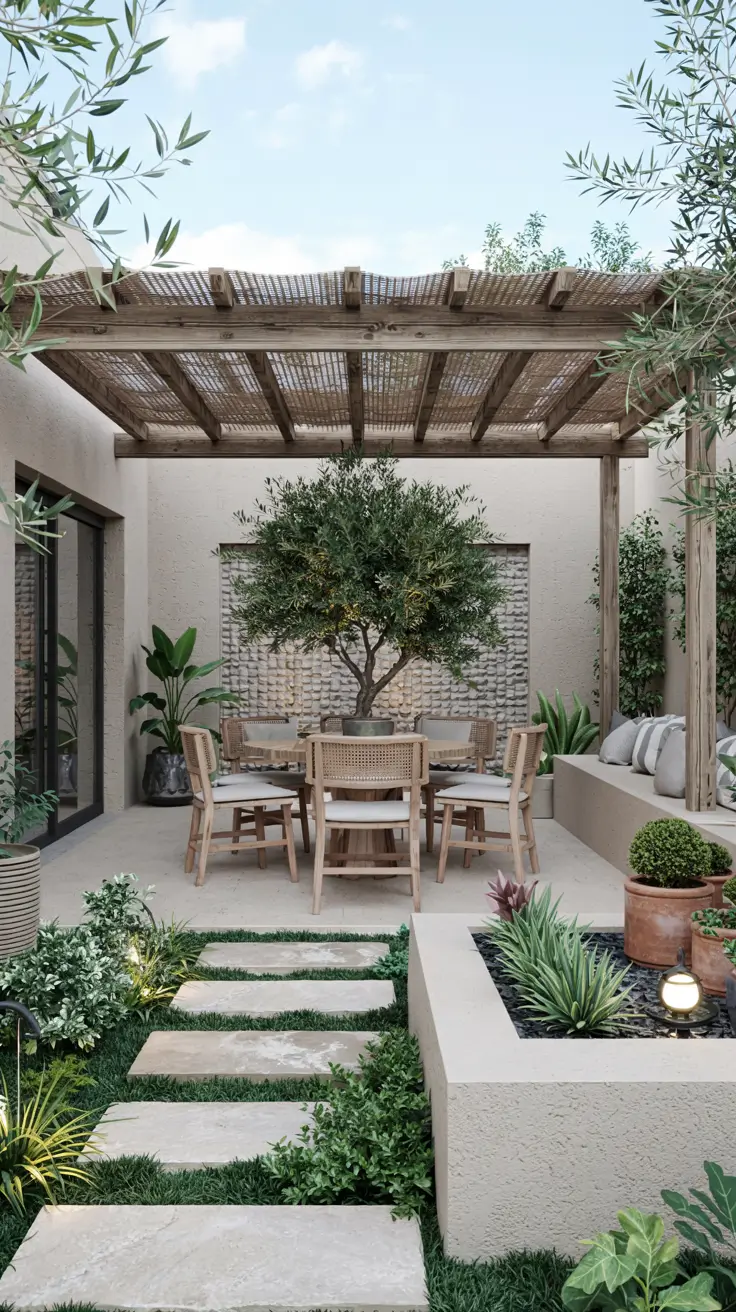
In the blueprint, I define zones for outdoor dining, lounging, and planting display, plus a service strip for bins, tools, and irrigation controls. If the goal is mediterranean garden design tuscan style outdoor living, I prioritize a shaded table area, a comfortable lounge corner, and a clear route to the kitchen door. For mediterranean garden design tuscan style backyards, I add at least one focal feature, like a small fountain wall or an olive tree, to organize the view. If you want a mediterranean style garden shed, I place it where it supports the garden, then dress it with matching plaster color, a simple door, and surrounding herbs. For a mediterranean style terrace garden or mediterranean style roof garden, I include wind screening, larger containers, and seating that feels grounded.
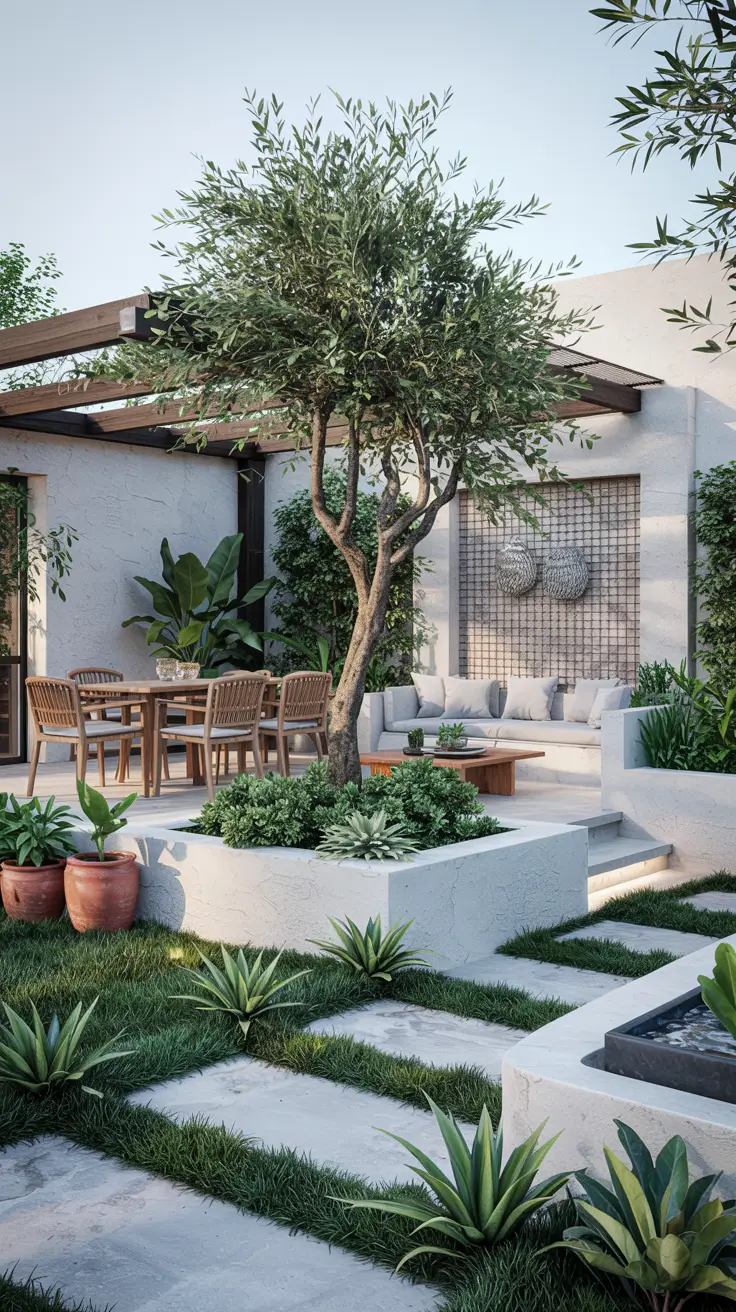
From experience, the best blueprints are the ones you can explain in one minute. Each zone should have a reason to exist, and each element should either support comfort or strengthen the visual story. I also keep a tight palette: one wall finish, one main paving tone, and a small set of plants repeated across the landscape. That repetition makes the space feel Mediterranean-style even if the property is not in a Mediterranean climate. When the plan is clear, the garden looks calm and intentional.
What I would add is a step-by-step planning worksheet that helps readers measure, zone, and choose materials in order. I would include a materials board example with stone, plaster, gravel, and metal tones that work together. I would also add a quick budget planning note so readers can phase the project: first hardscape and irrigation, then walls and lighting, then planting and containers. Finally, I would add a short list of common mistakes to avoid, like too many plant types, narrow paths, and not enough shade near seating.